gardening

My top 5 plants from Oak & Monkey Puzzle

My top 5 plants from Oak & Monkey Puzzle

Some plants stay with you.

Not just because they performed well, although these ones certainly did, but because they came to represent something much bigger. A season. A milestone. A long held dream finally made real.

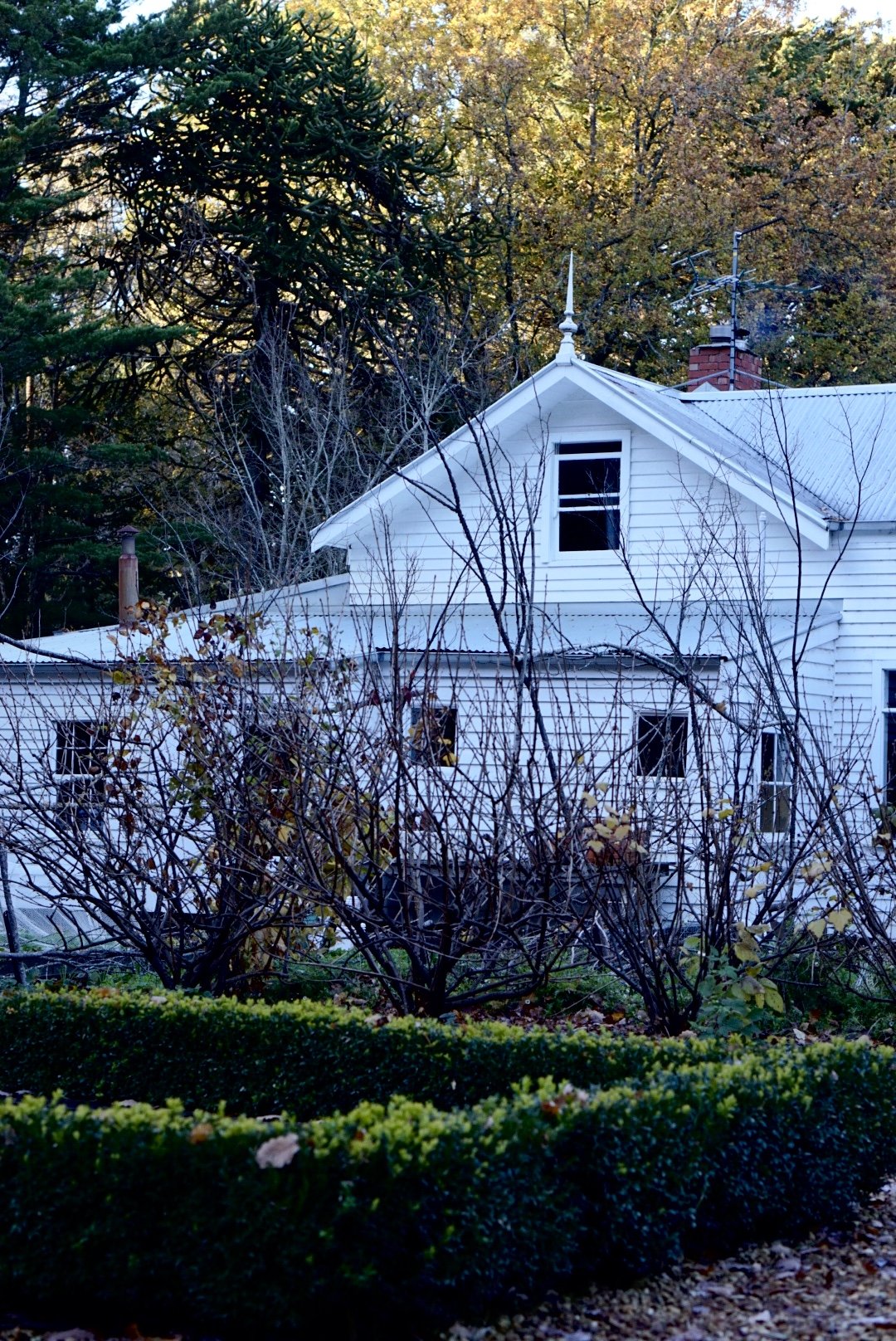
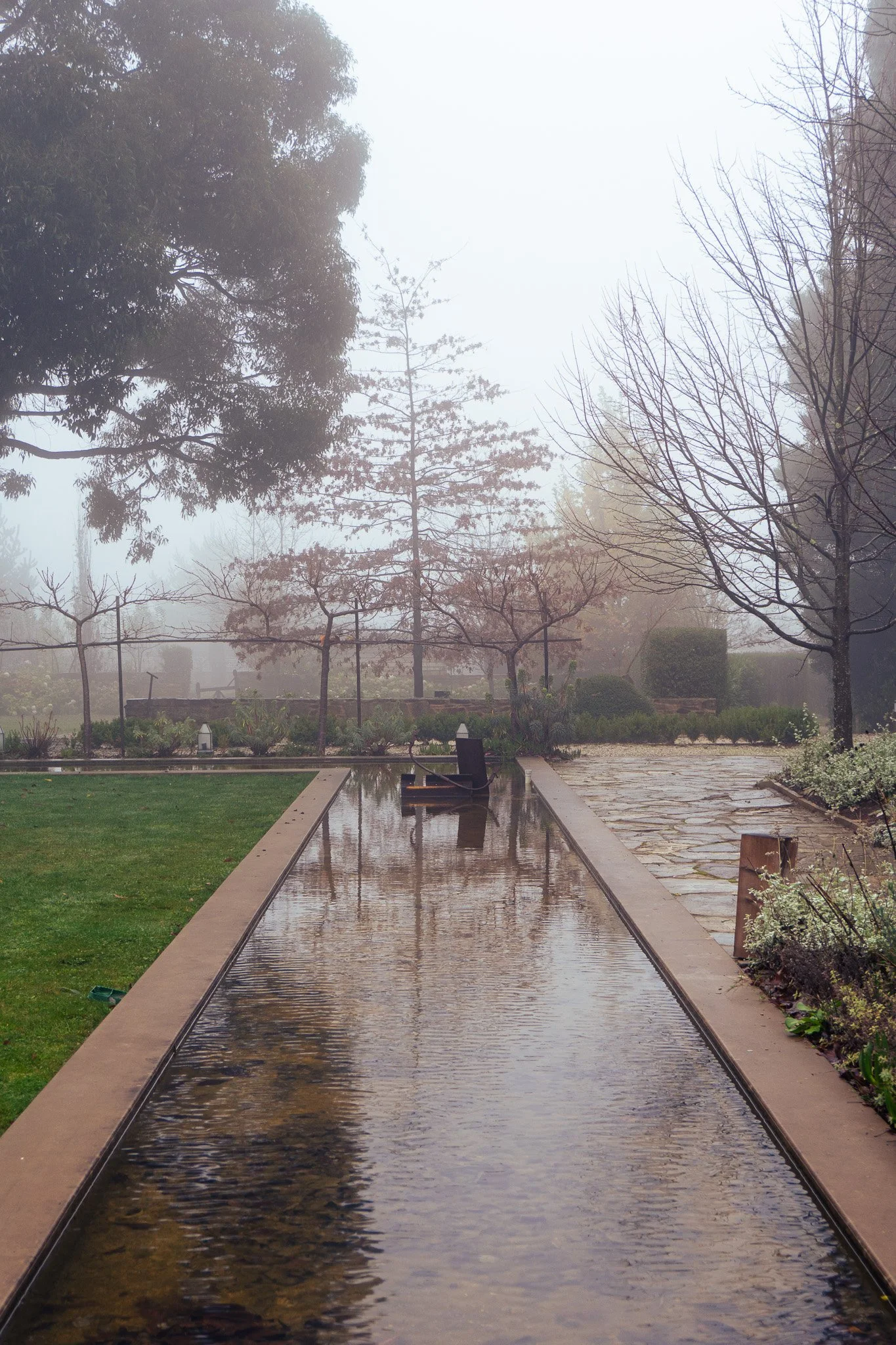
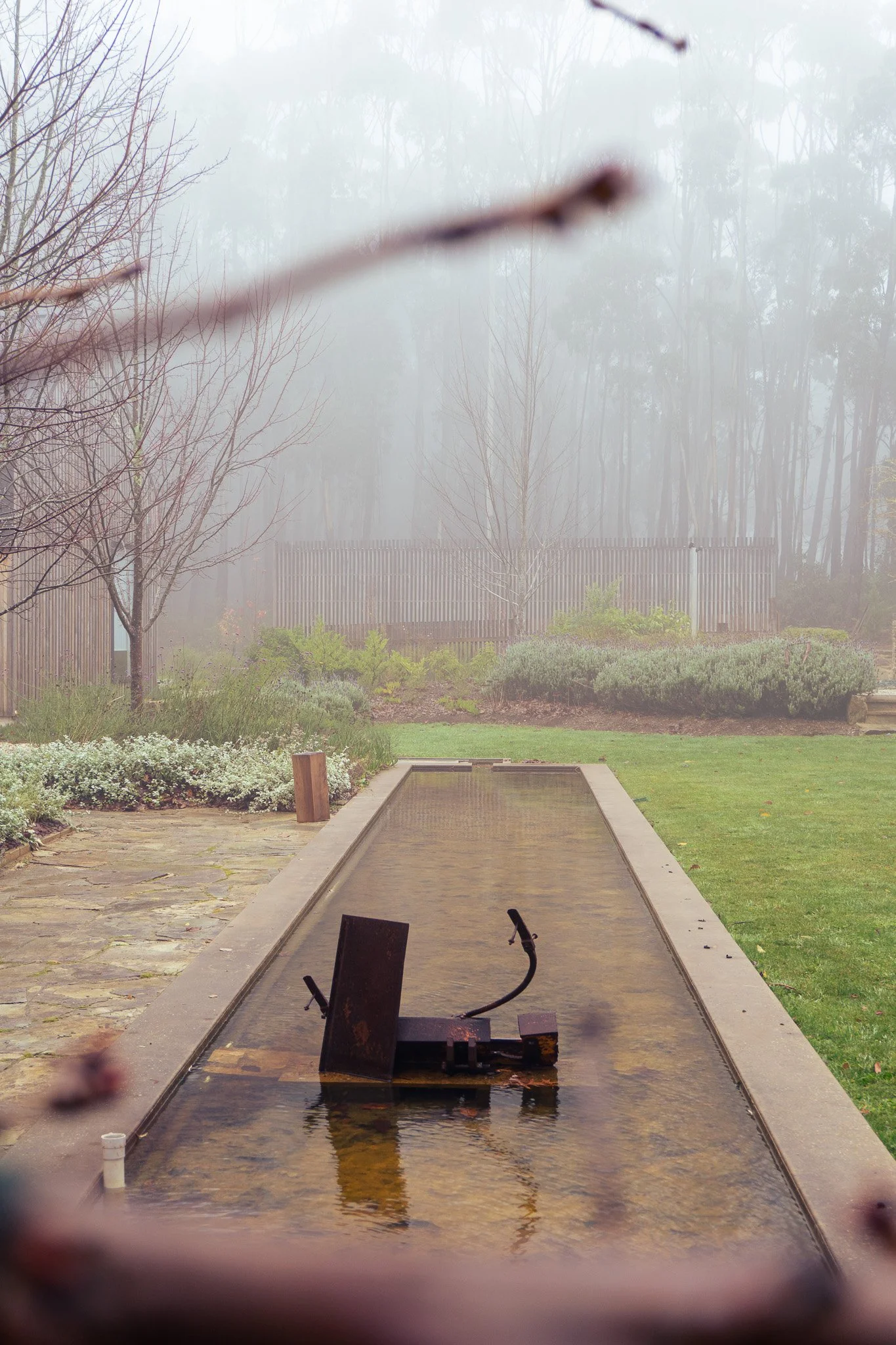
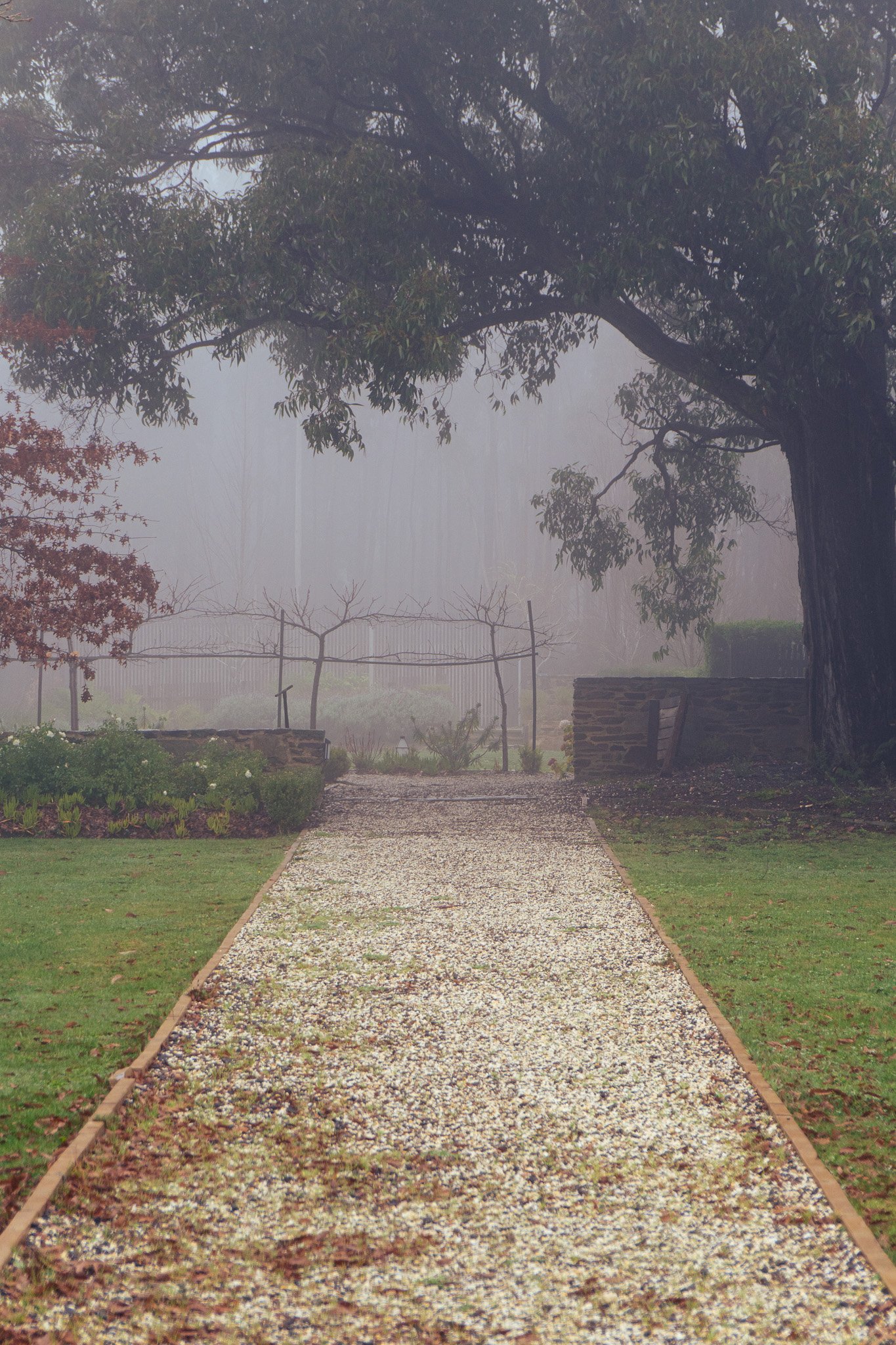
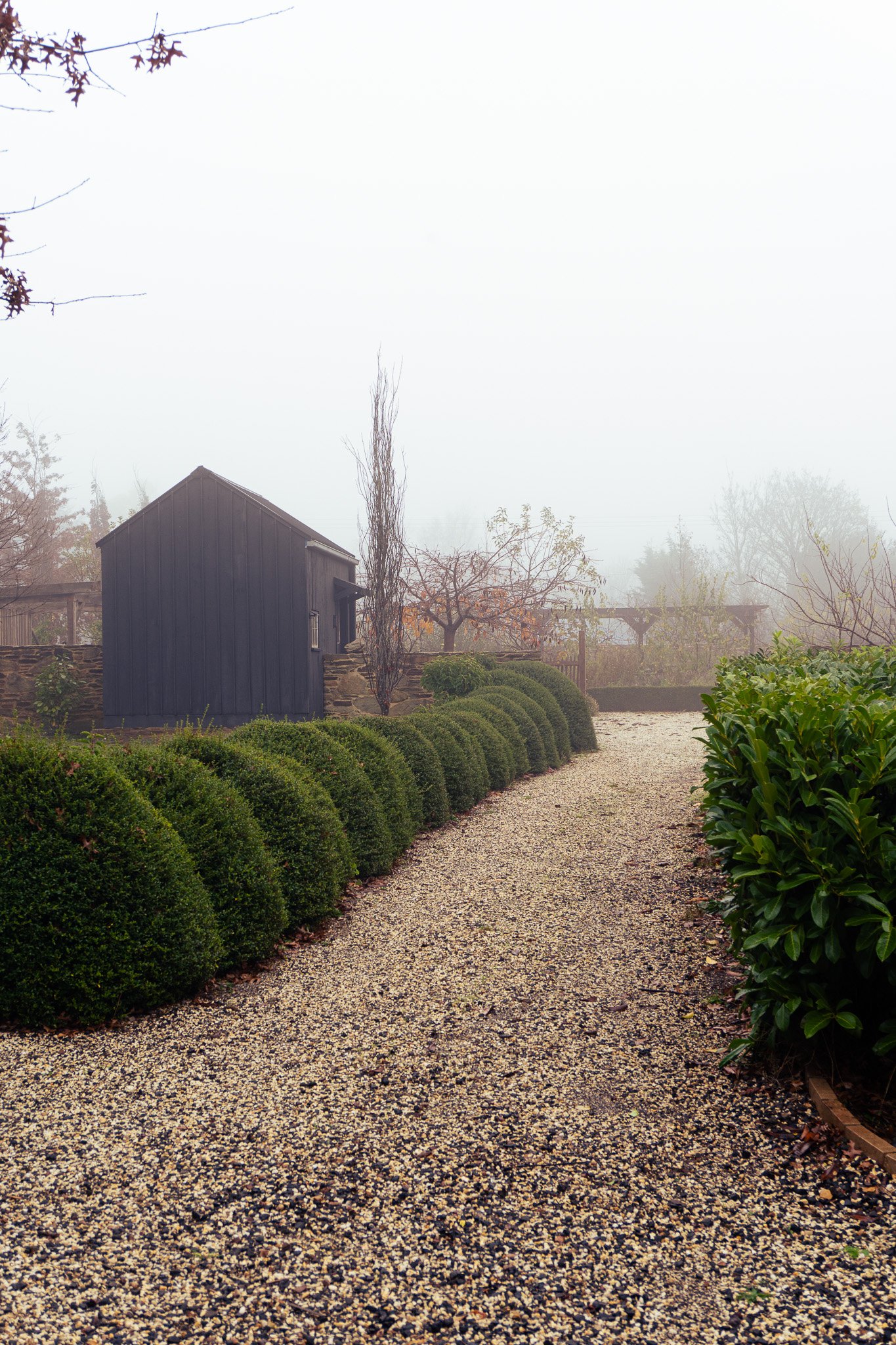
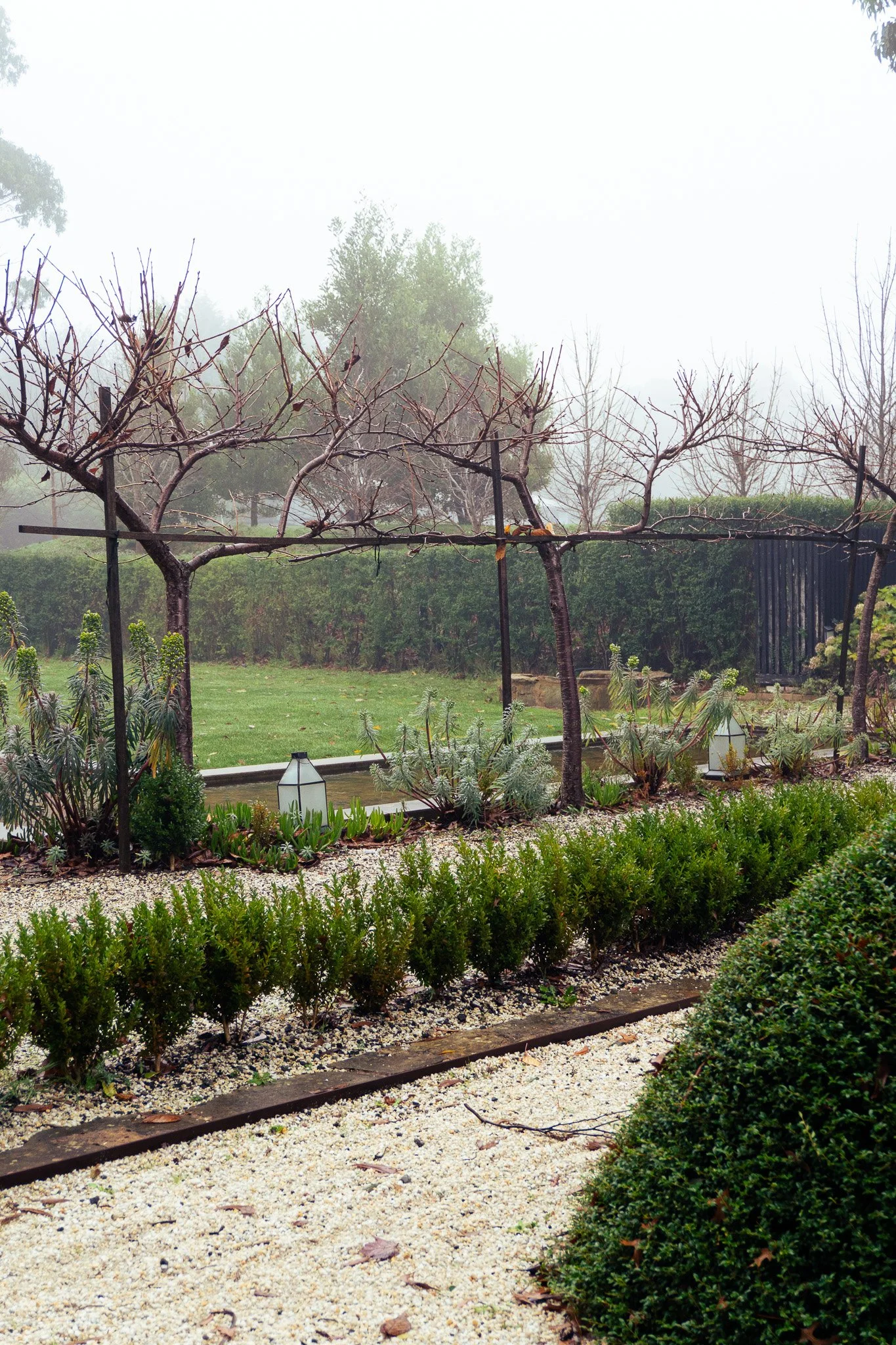
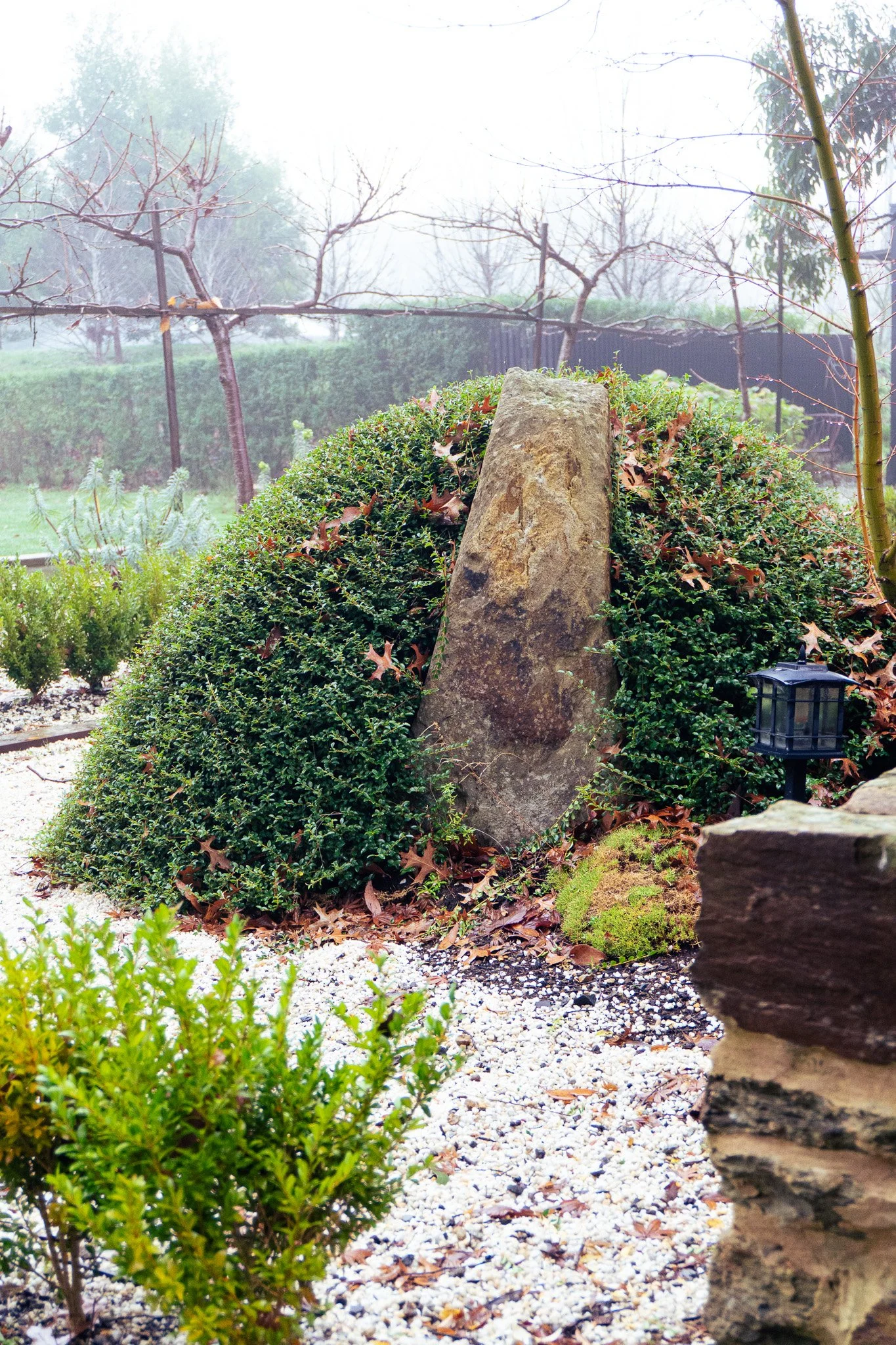
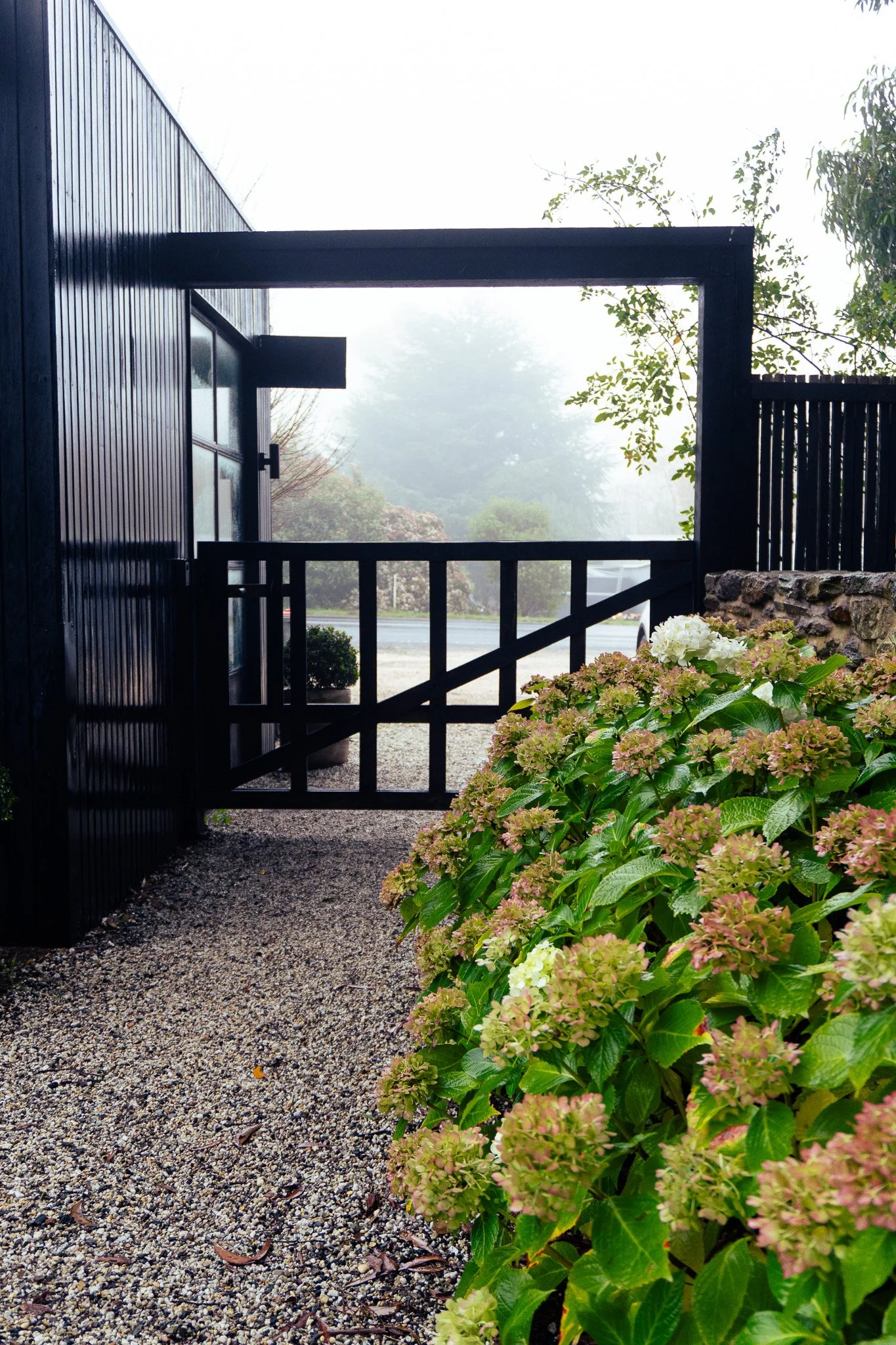
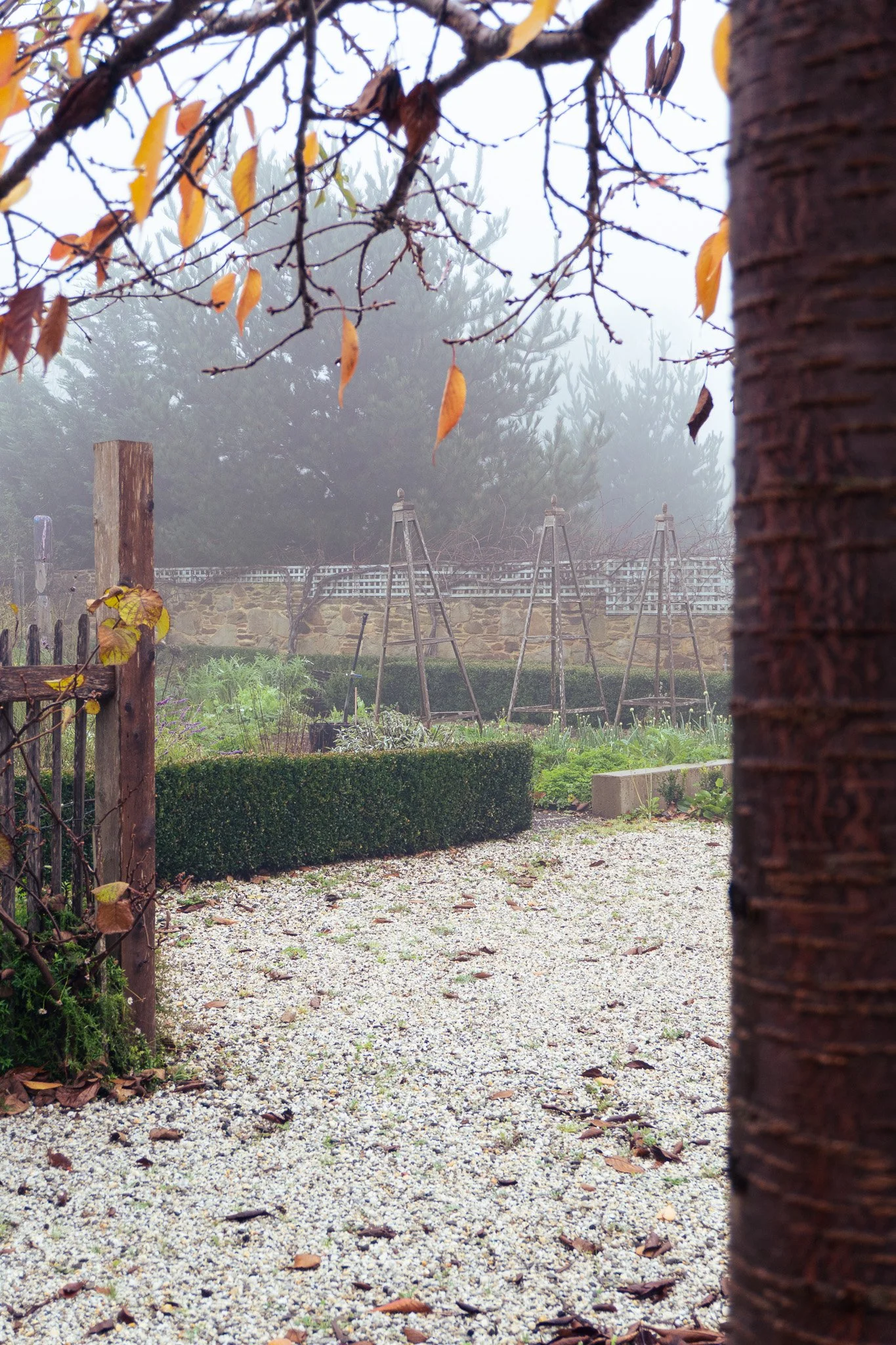
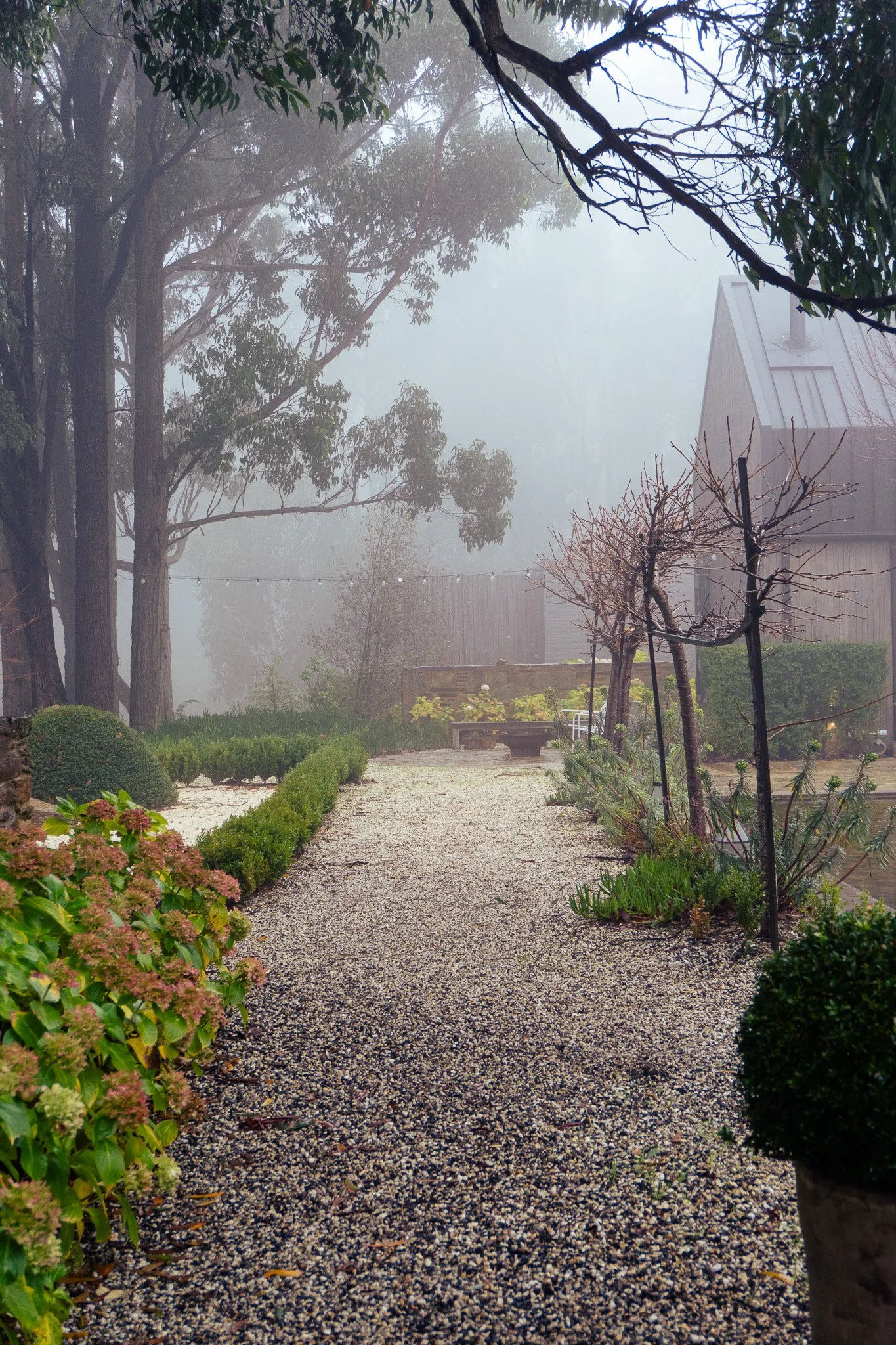
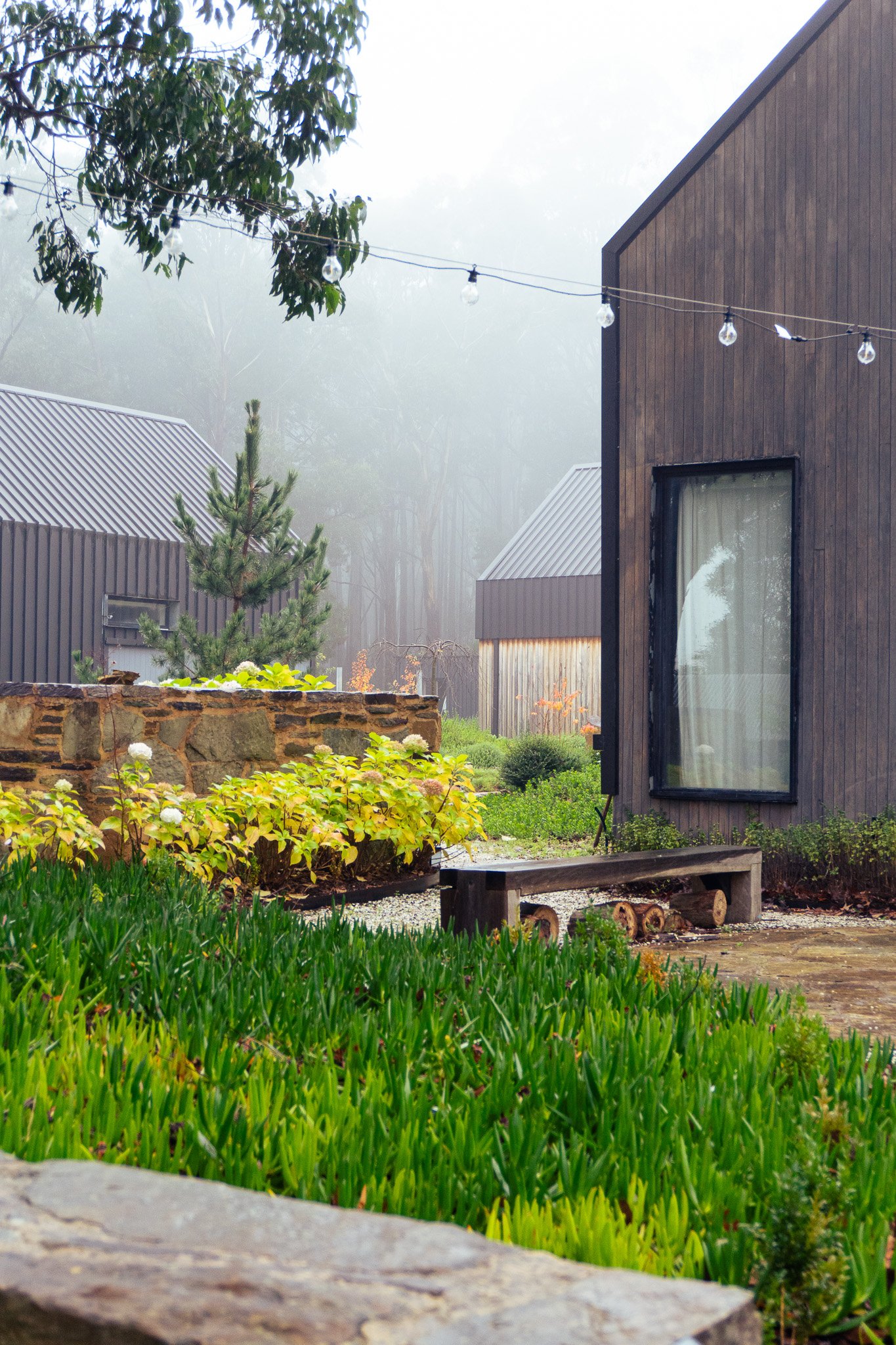
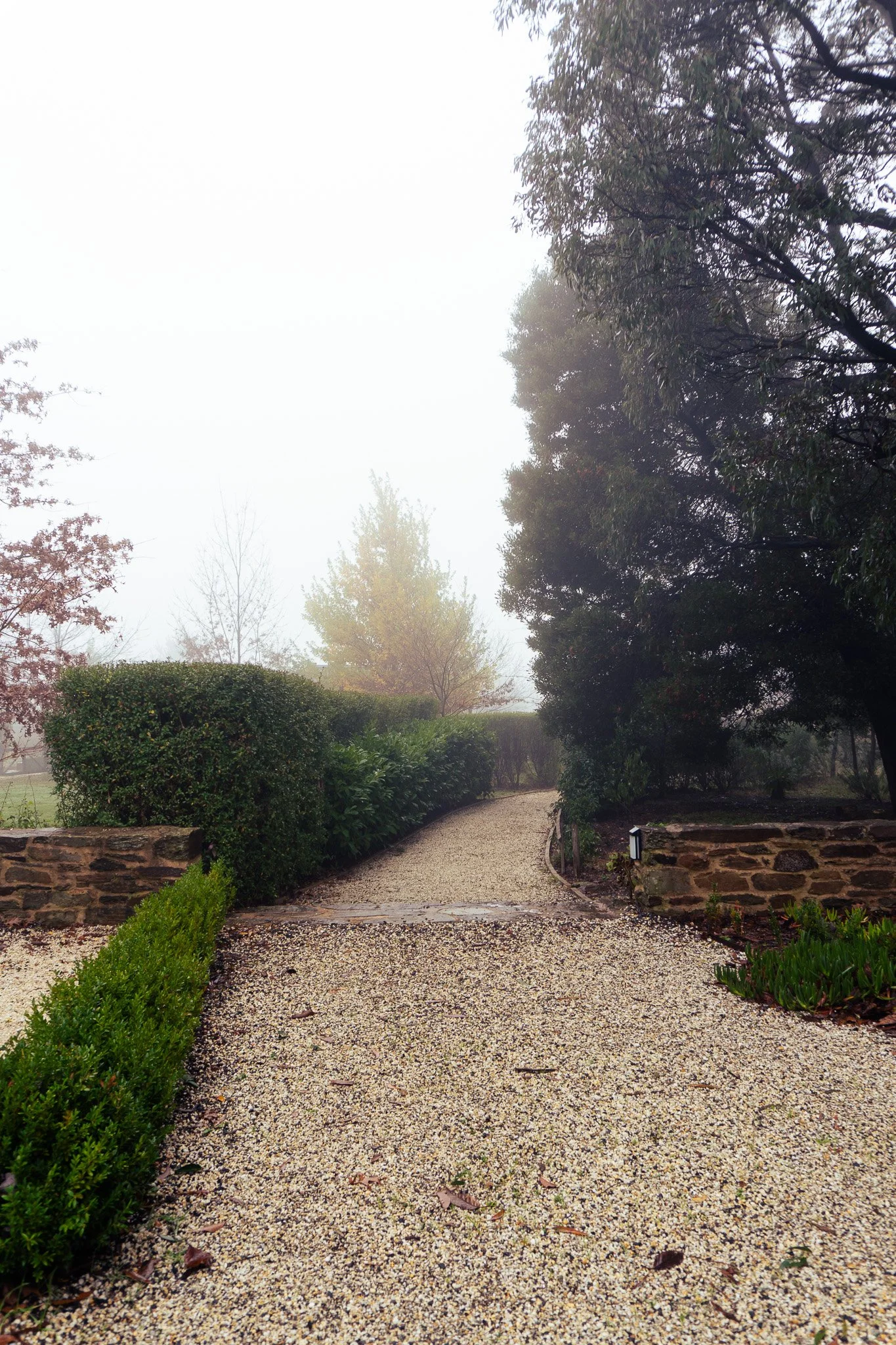
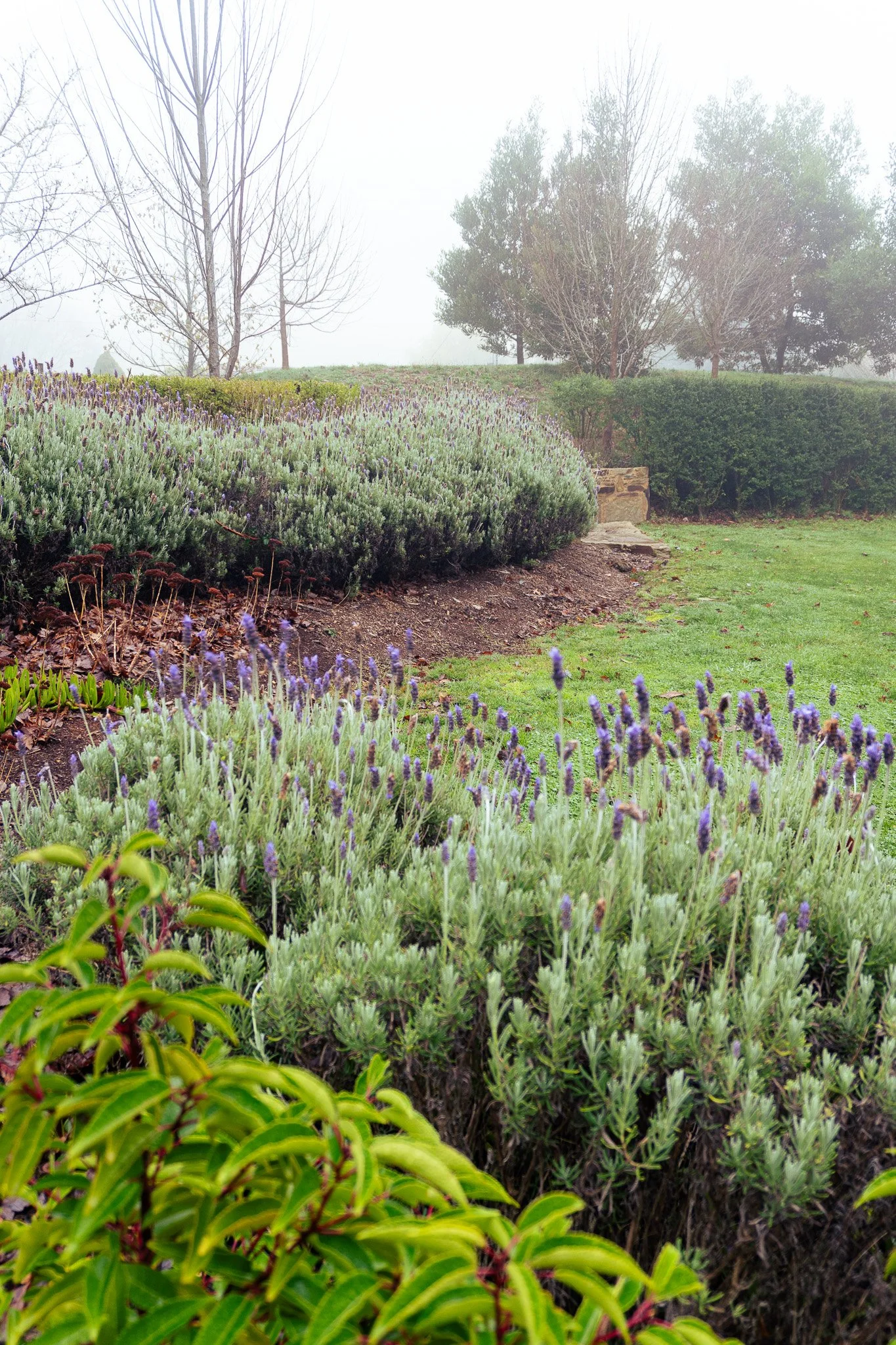
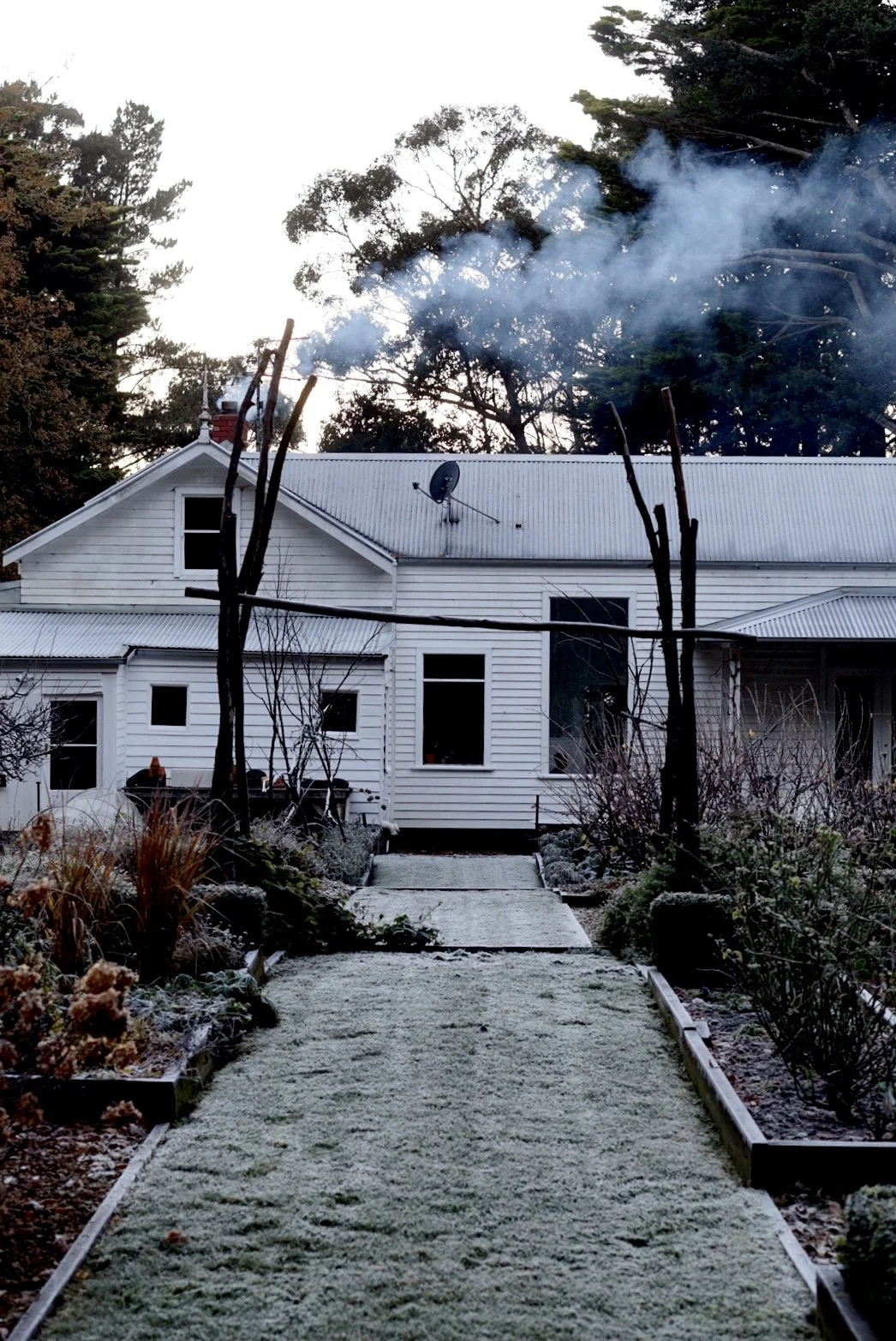
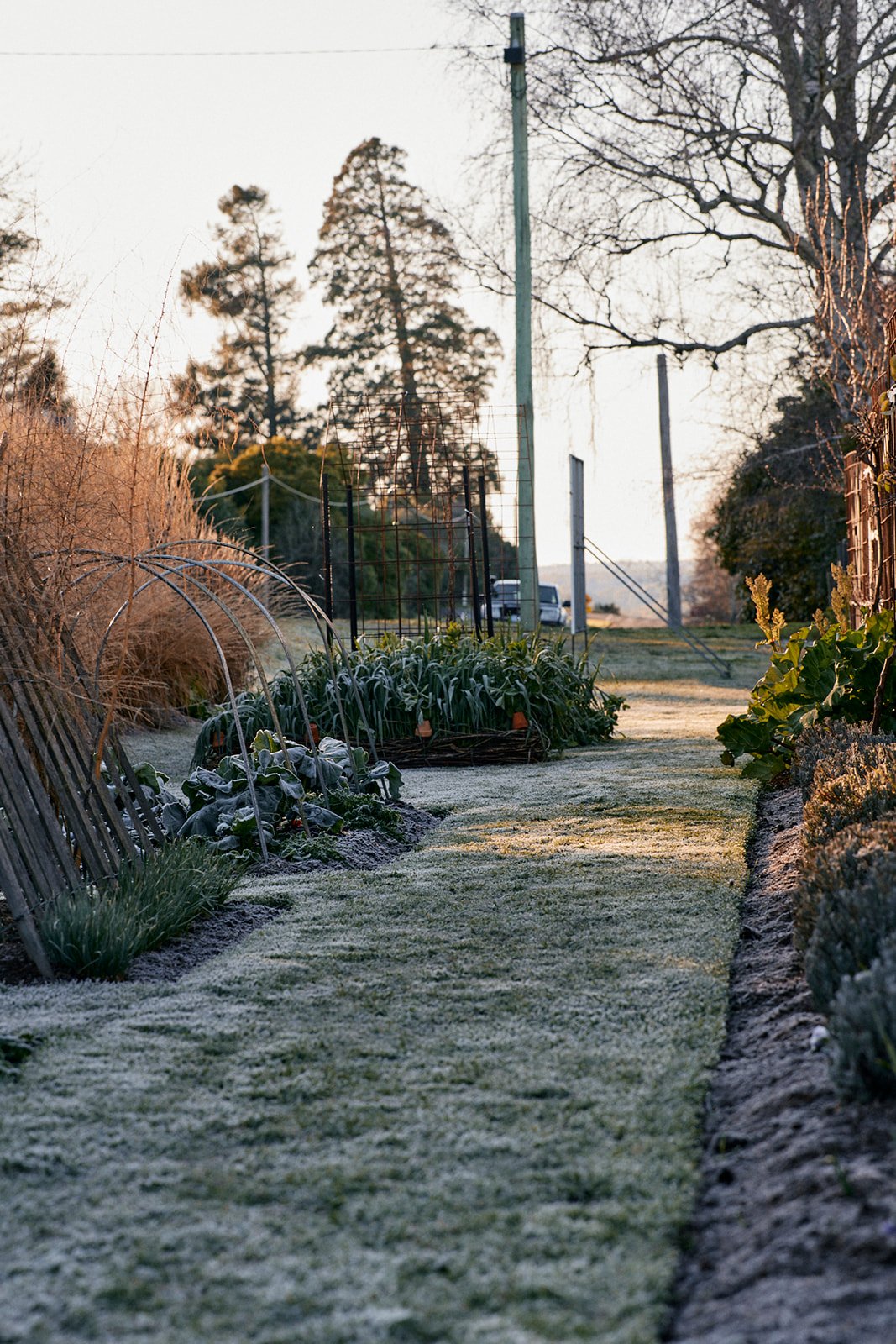
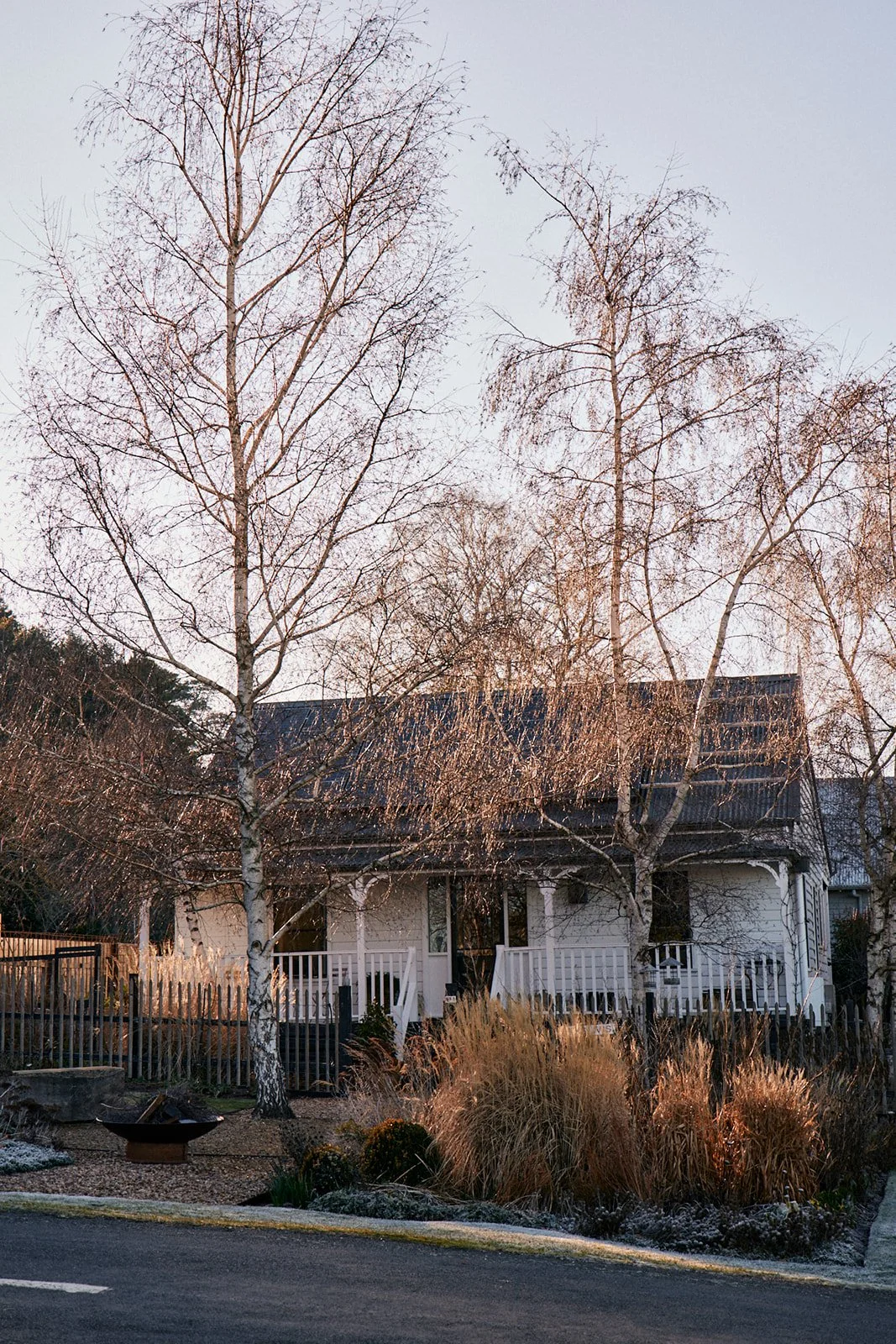
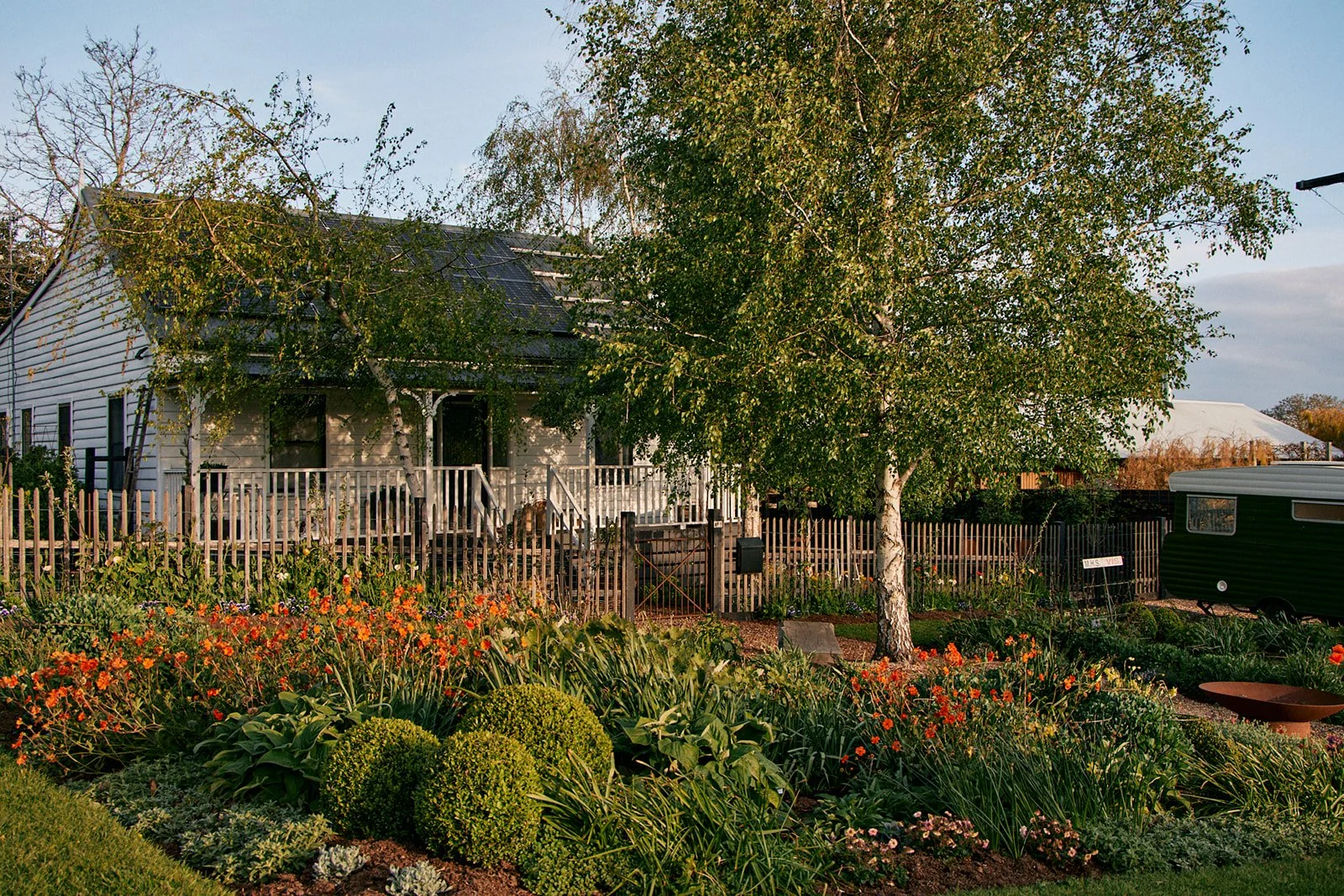
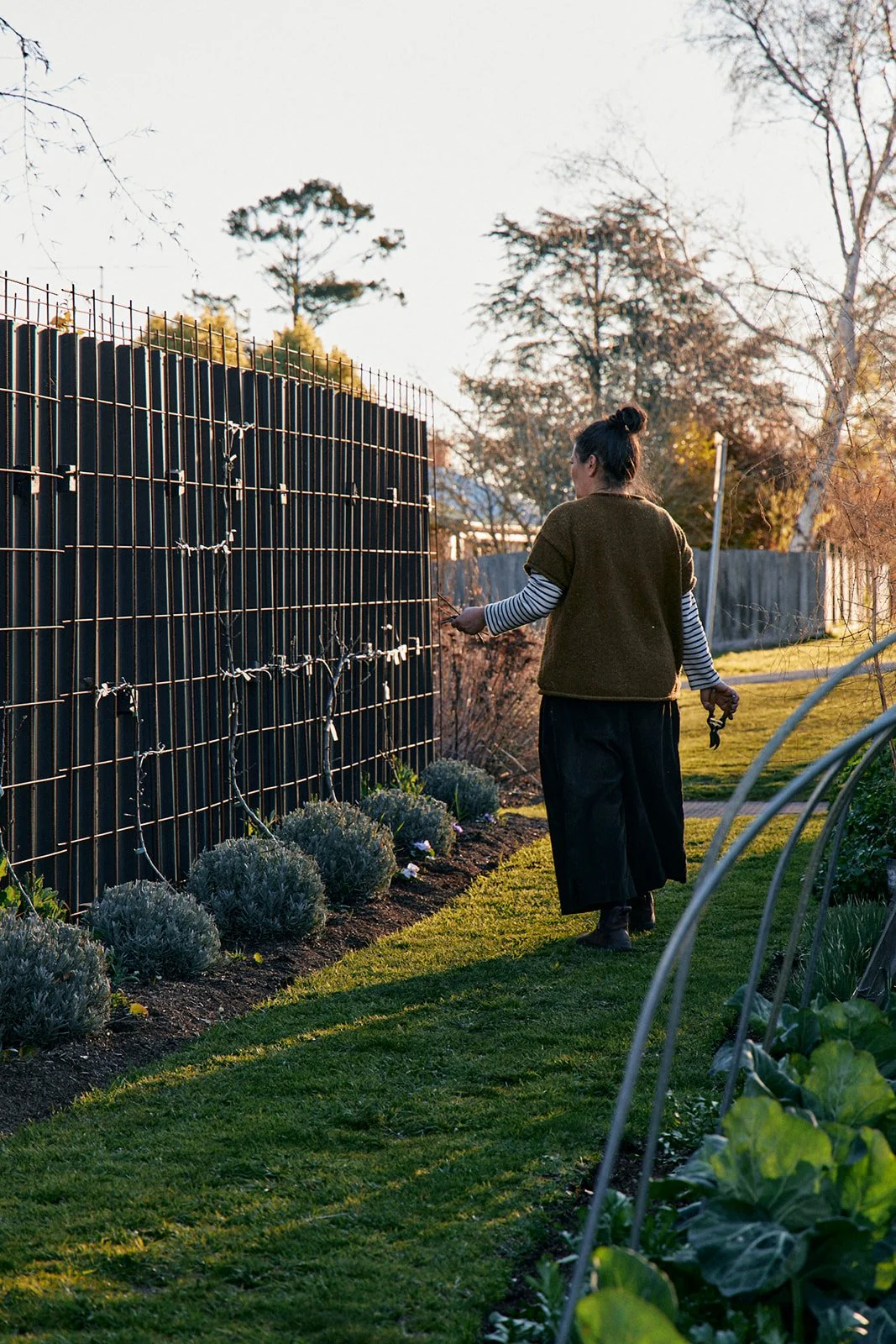
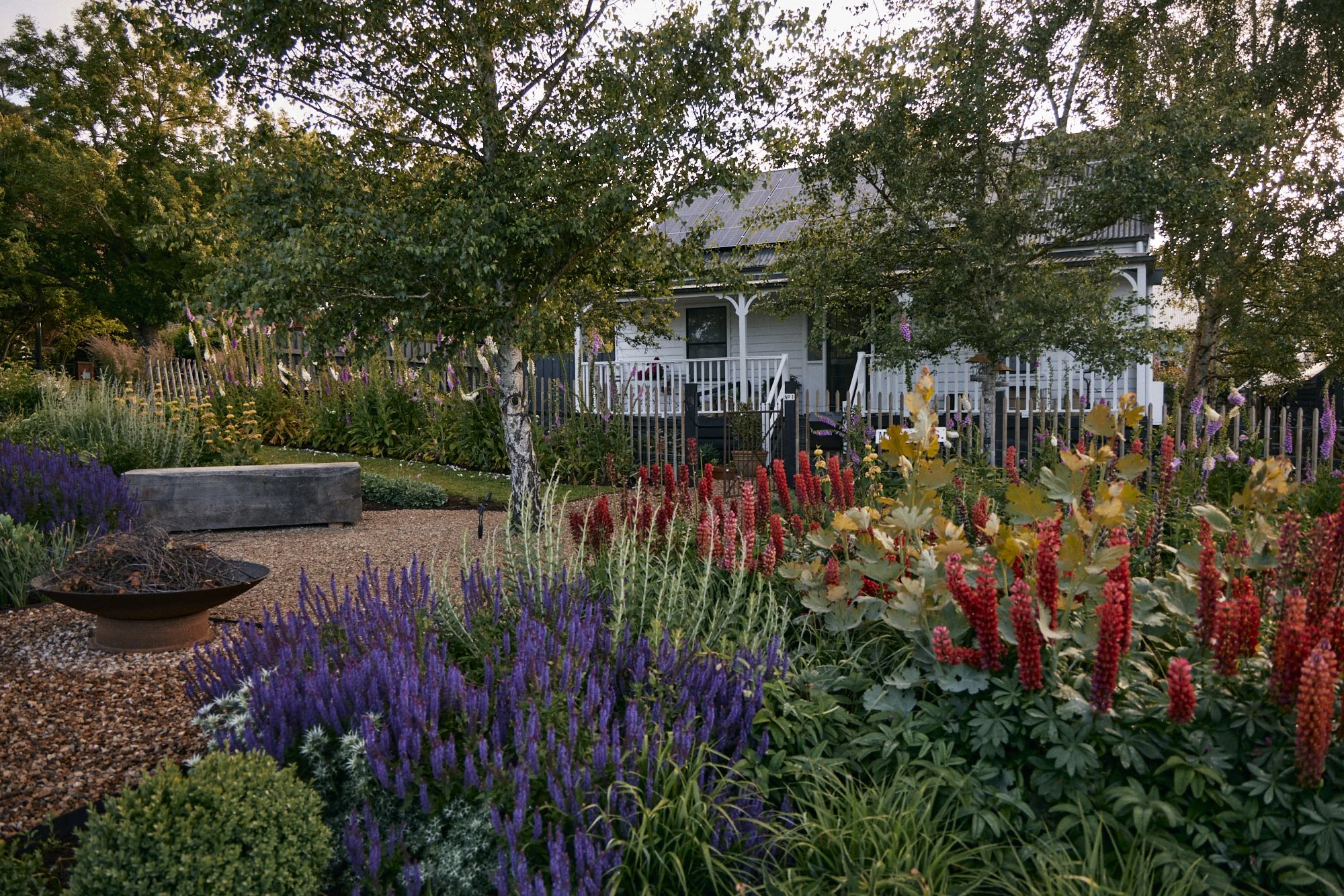
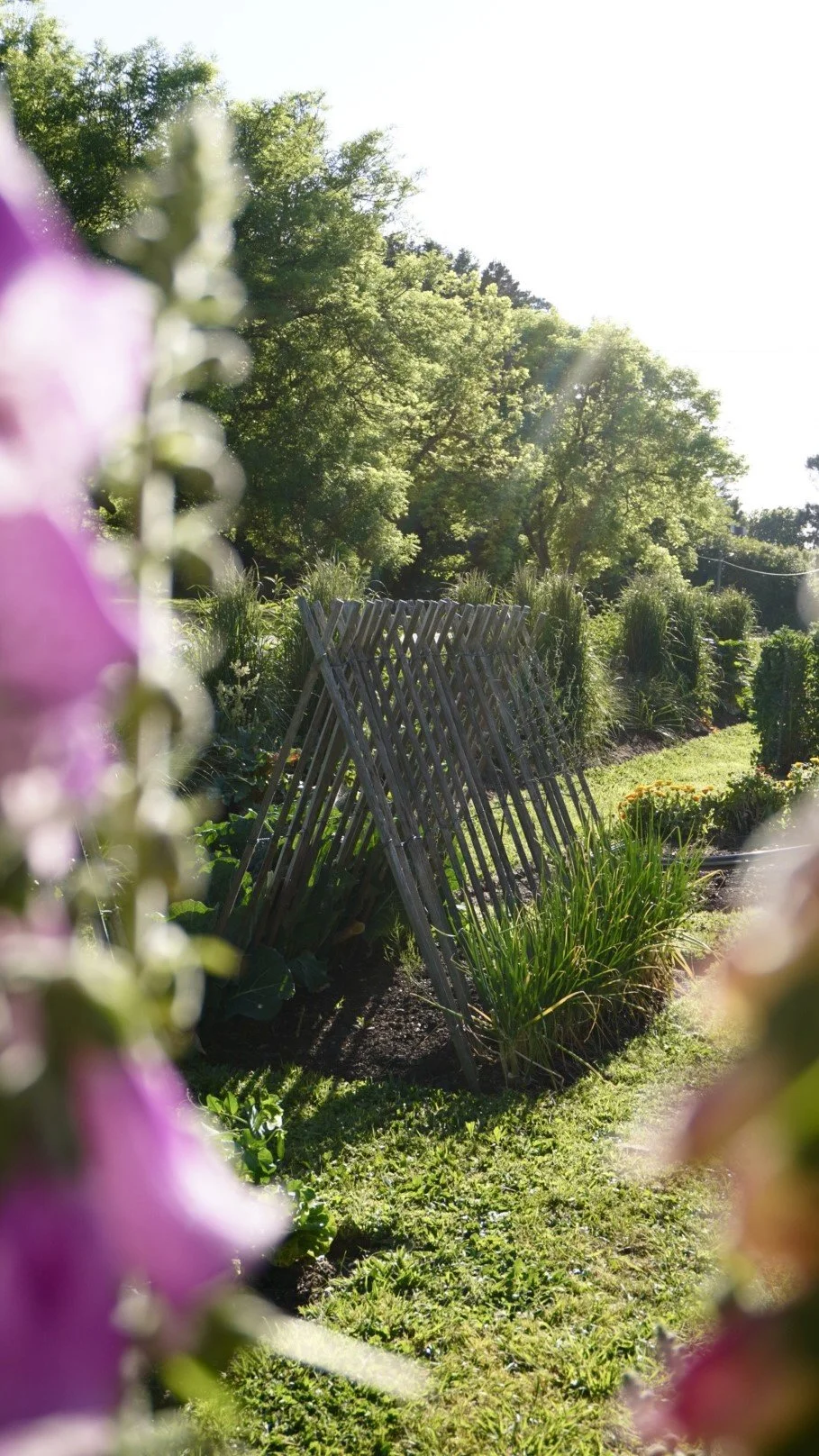
Oak & Monkey Puzzle was where so many of my plant dreams came true. It was the first place I could truly grow the things I had longed for. The plants I wanted to cut in armfuls. The plants that marked the seasons so clearly. The ones that offered beauty, fragrance, structure, and that particular kind of generosity that makes a garden feel deeply lived in.

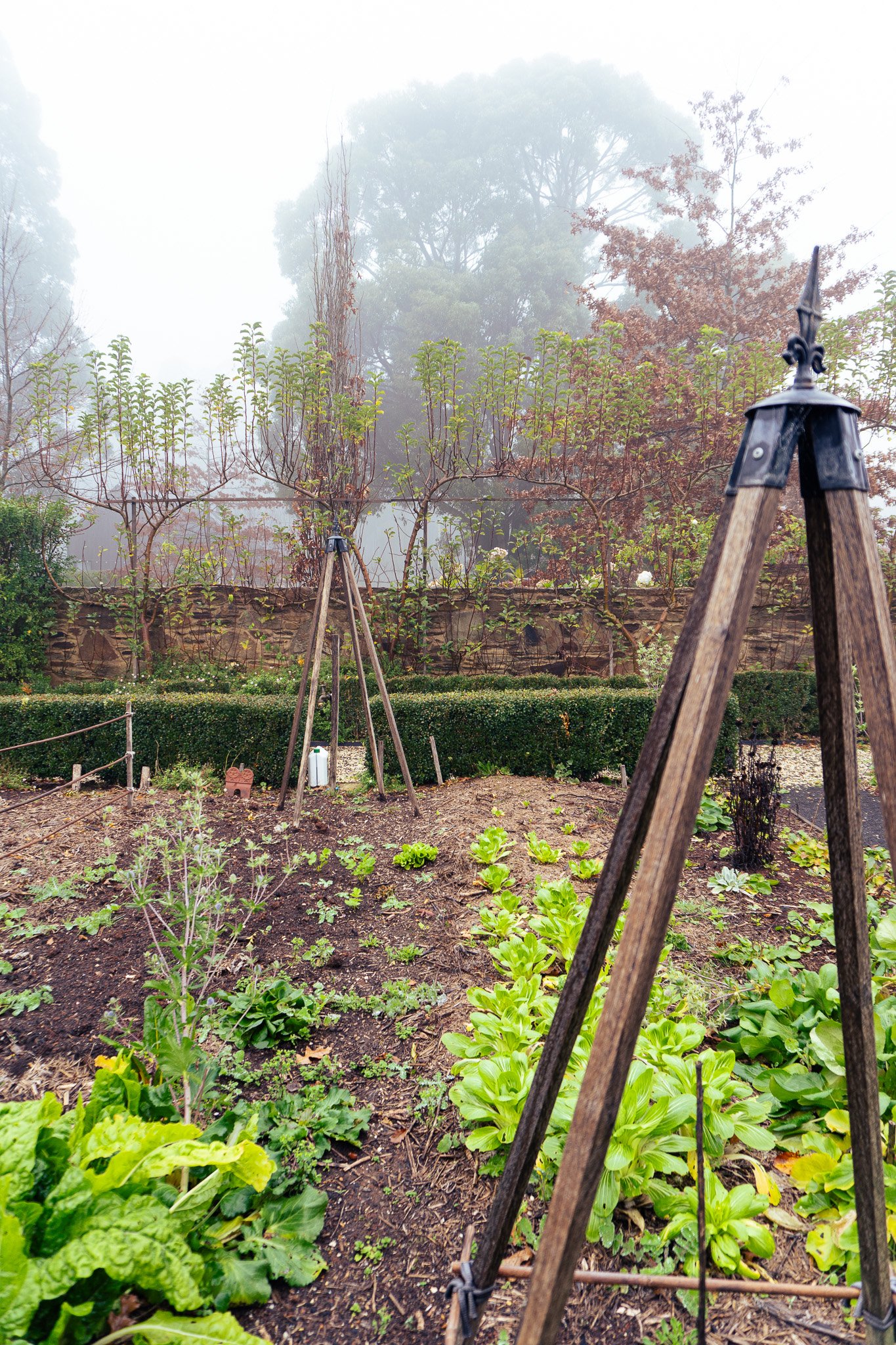
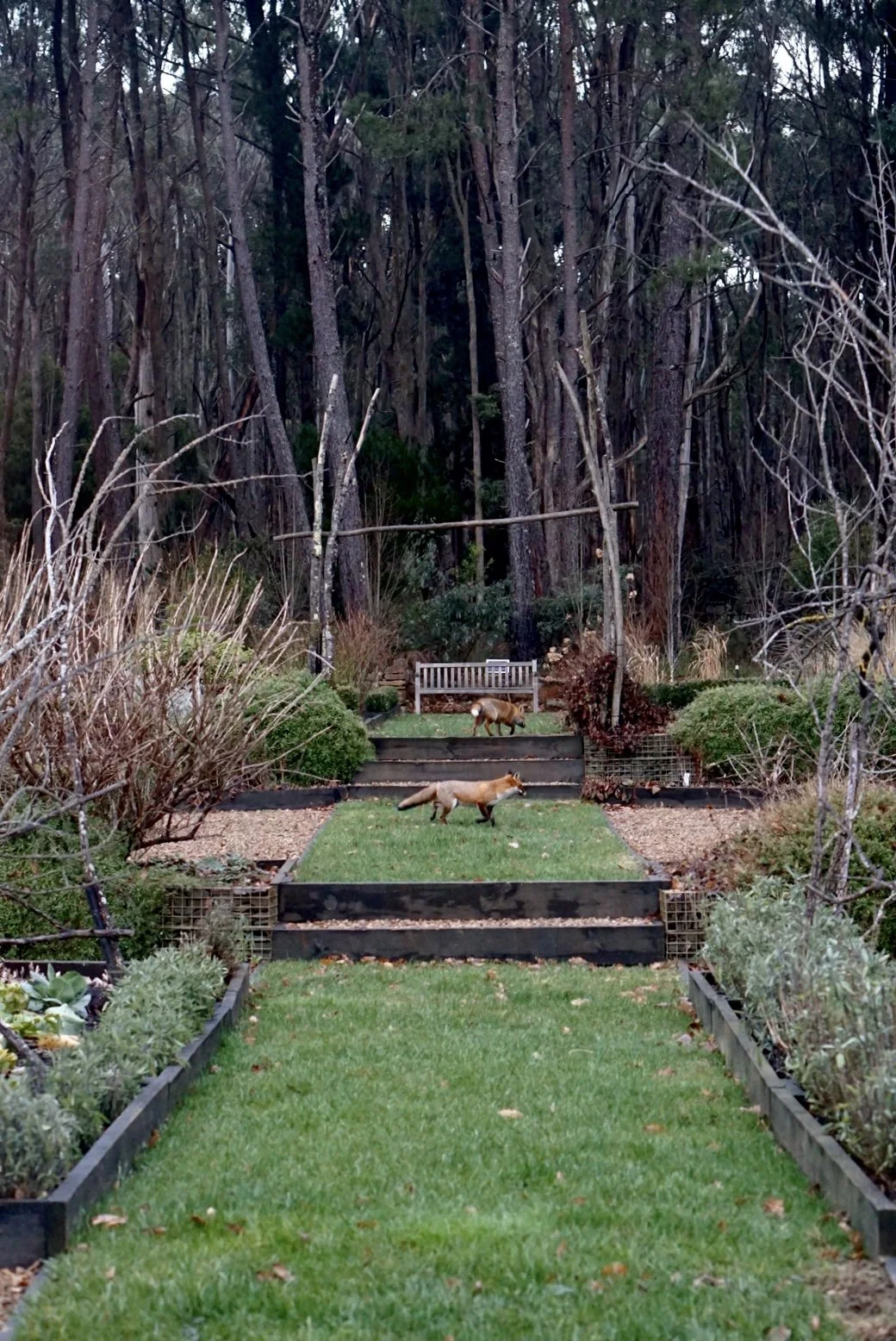
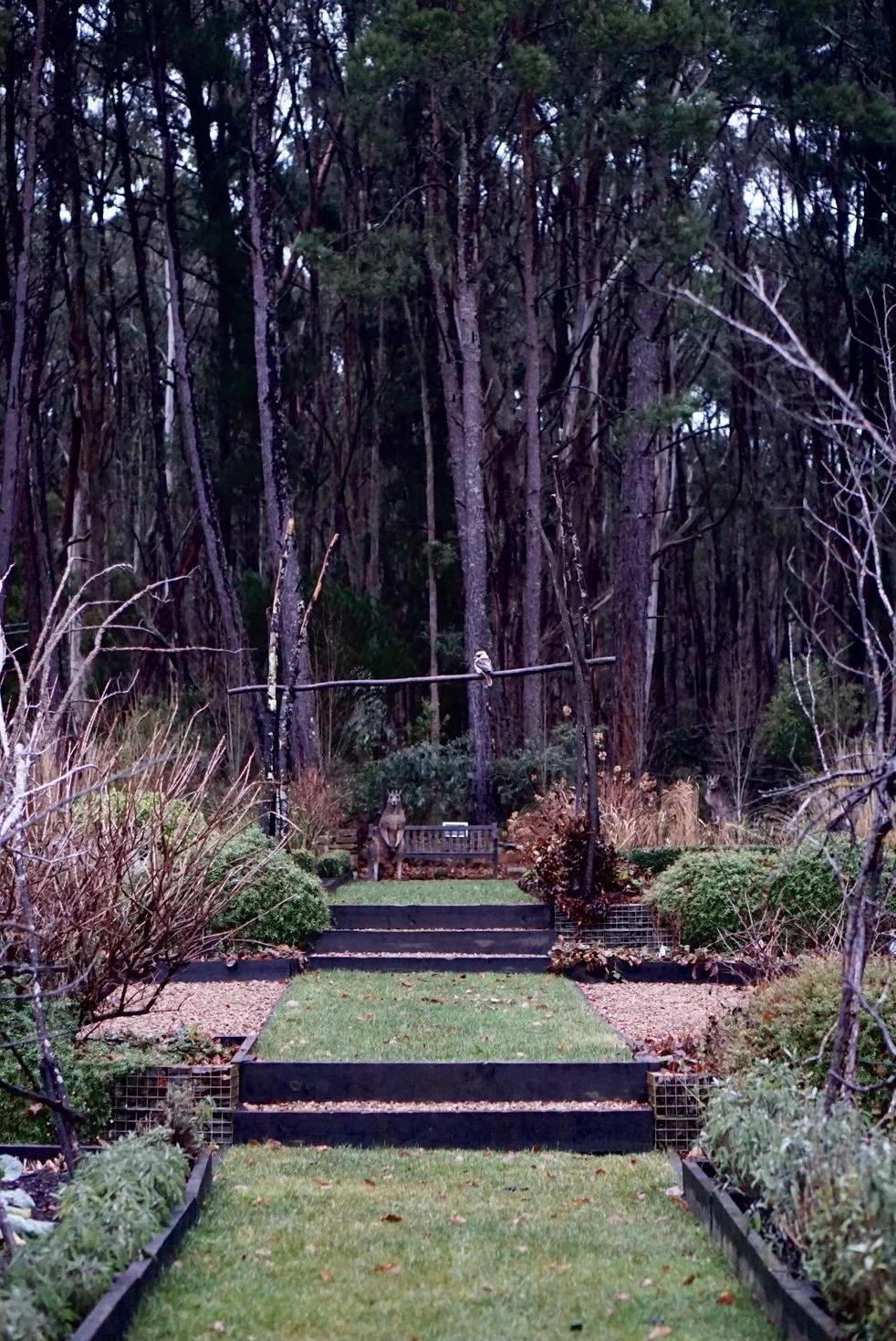
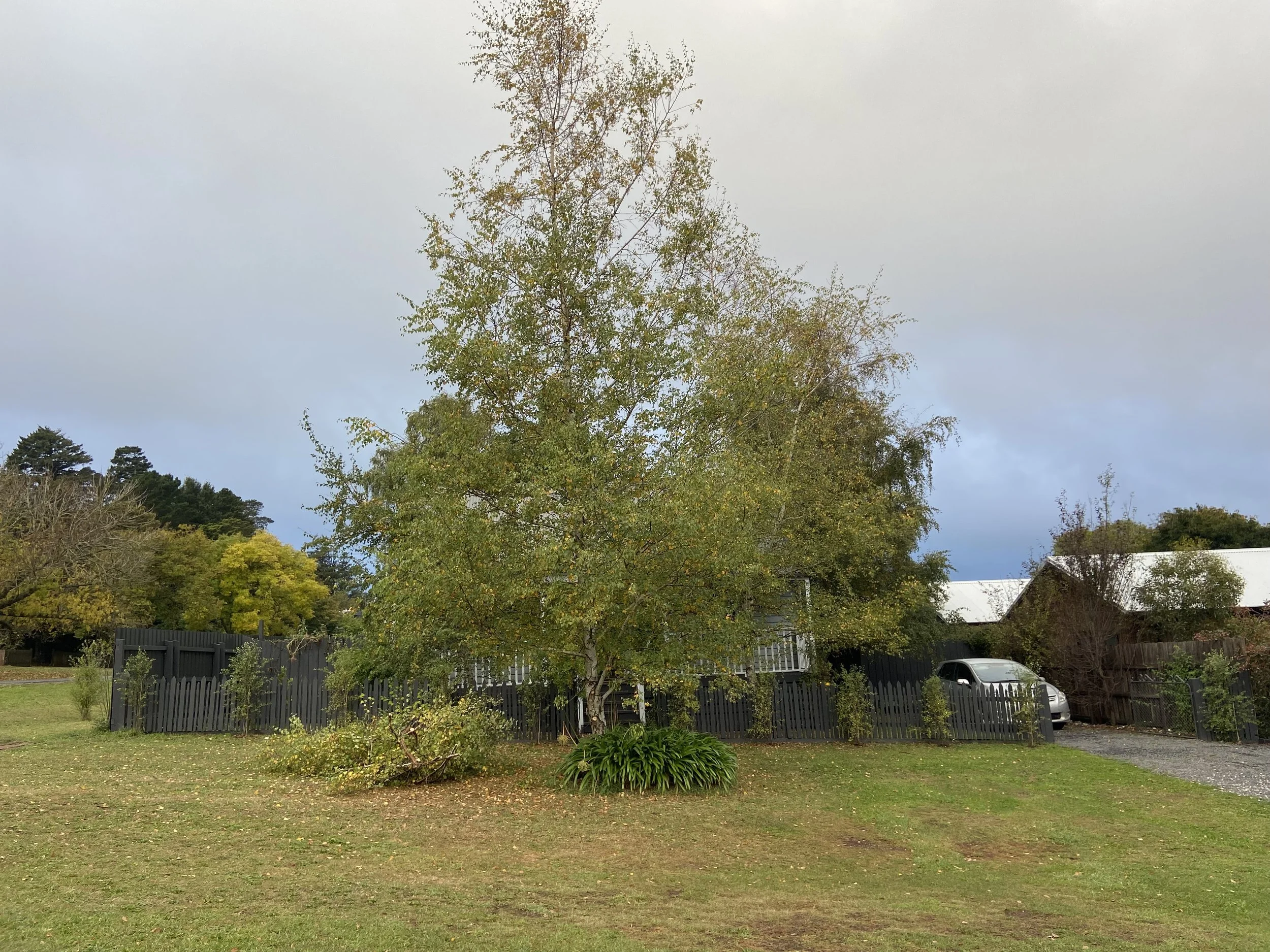
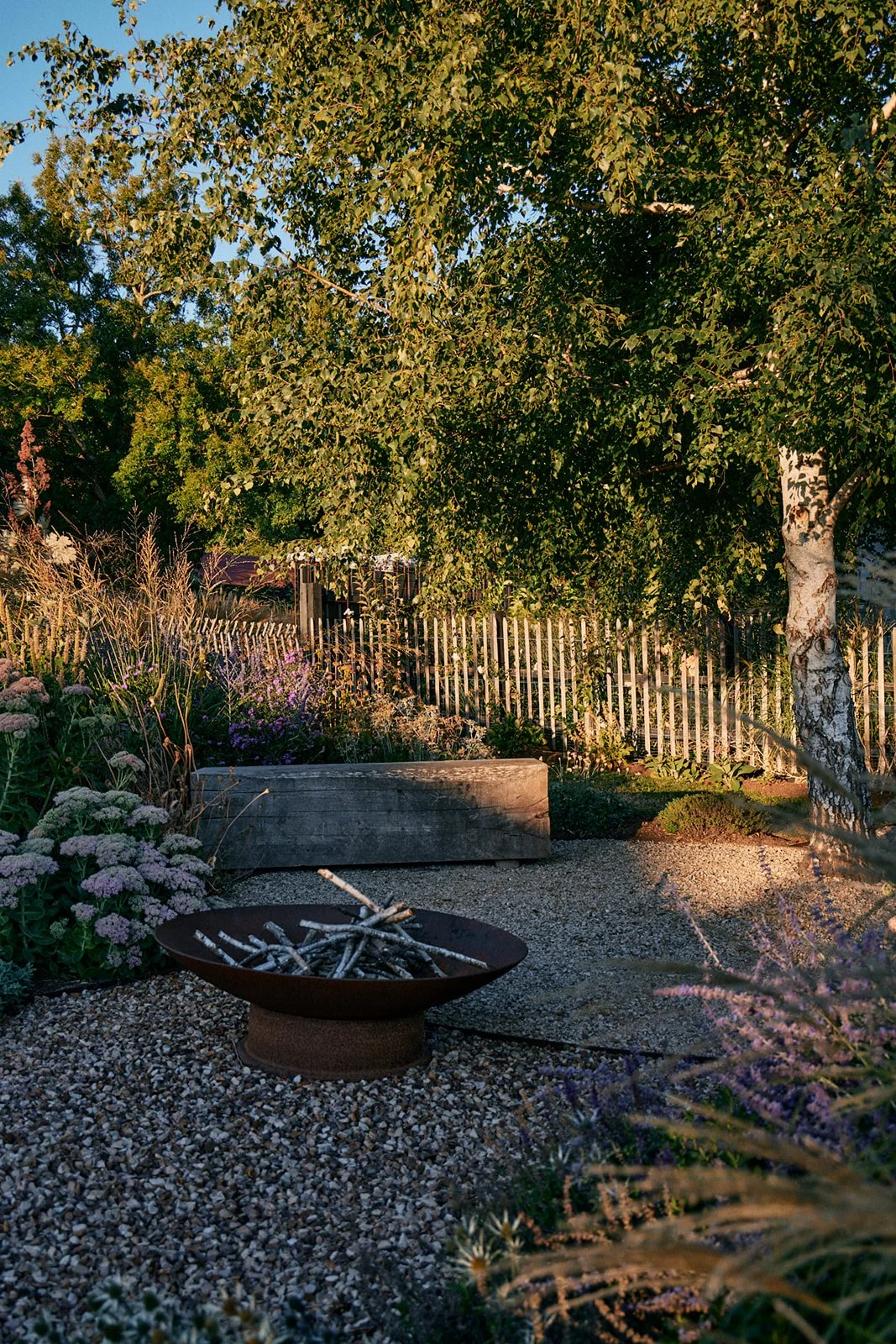
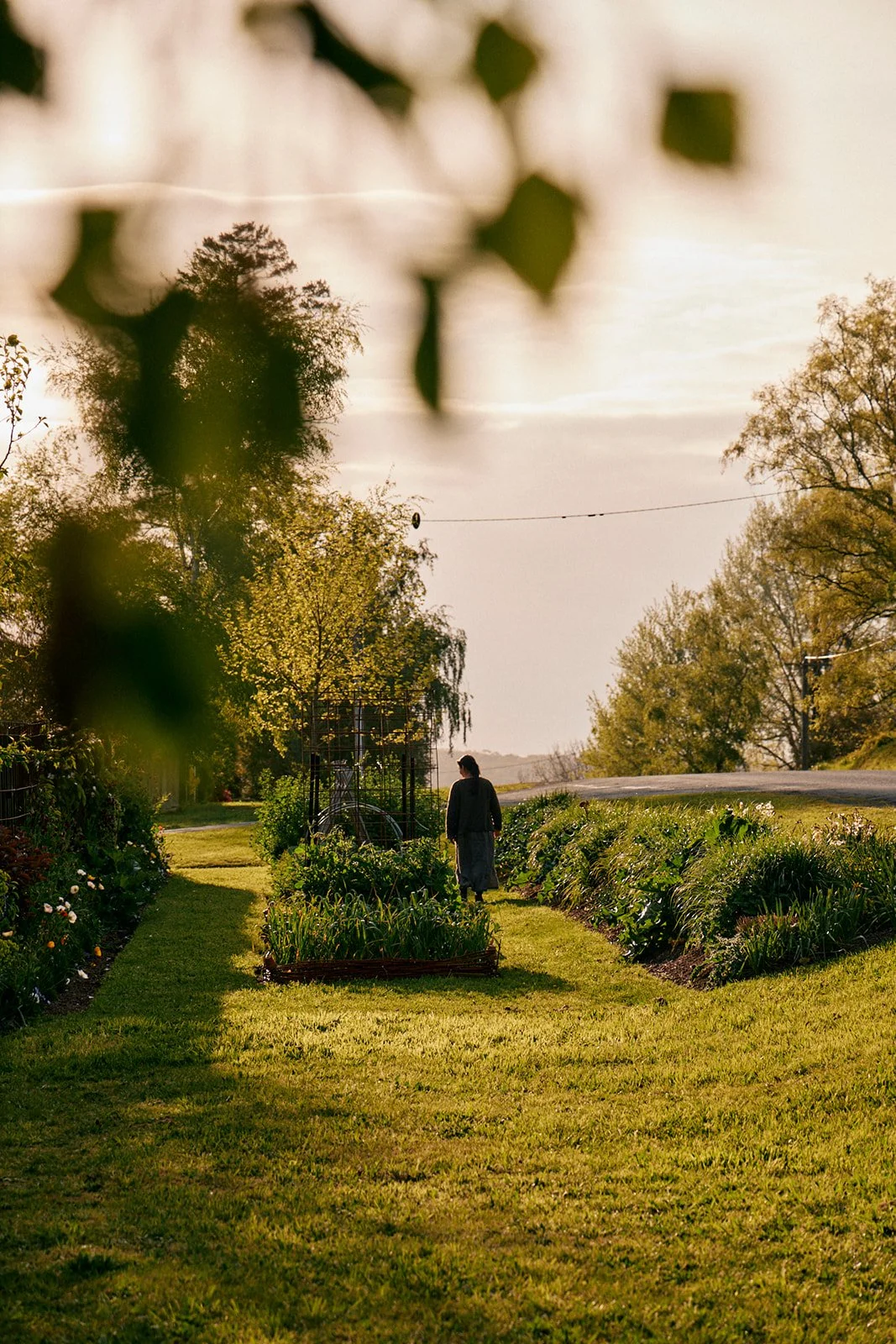
For nine years on five acres in Spargo Creek, I built that garden slowly, season by season, precinct by precinct. It held me through some of the hardest years of my life, but it also gave me so much. It gave me a place to test my ideas. It gave me proof that beauty and productivity can sit side by side. It gave me a garden full of plants that worked hard, and a few that were simply too magnificent not to grow.

This month, as part of my April month of milestones, I’ve created a free eBook for newsletter subscribers featuring the full Oak & Monkey Puzzle plant list, organised garden by garden across the property. It is a list built over nearly a decade of living, growing, observing, and refining on five acres.

In this article, I begin with my top five plants I return to again and again when I think about Oak & Monkey Puzzle.

They are not the only plants I loved there, not by a long shot, but they are five that hold something of the spirit of that garden for me.

Subscribe to the newsletter to download your free copy of the entire eBook


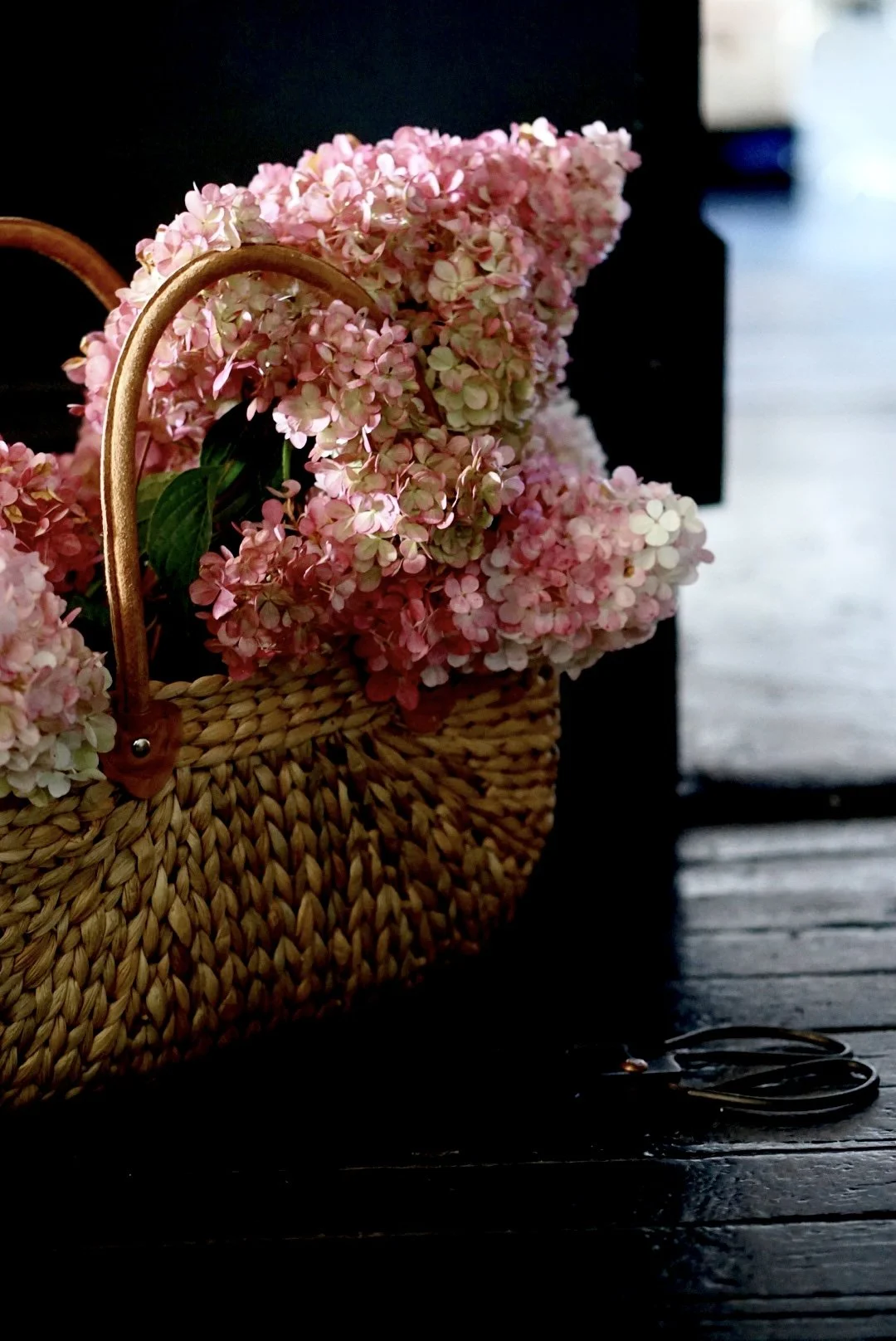
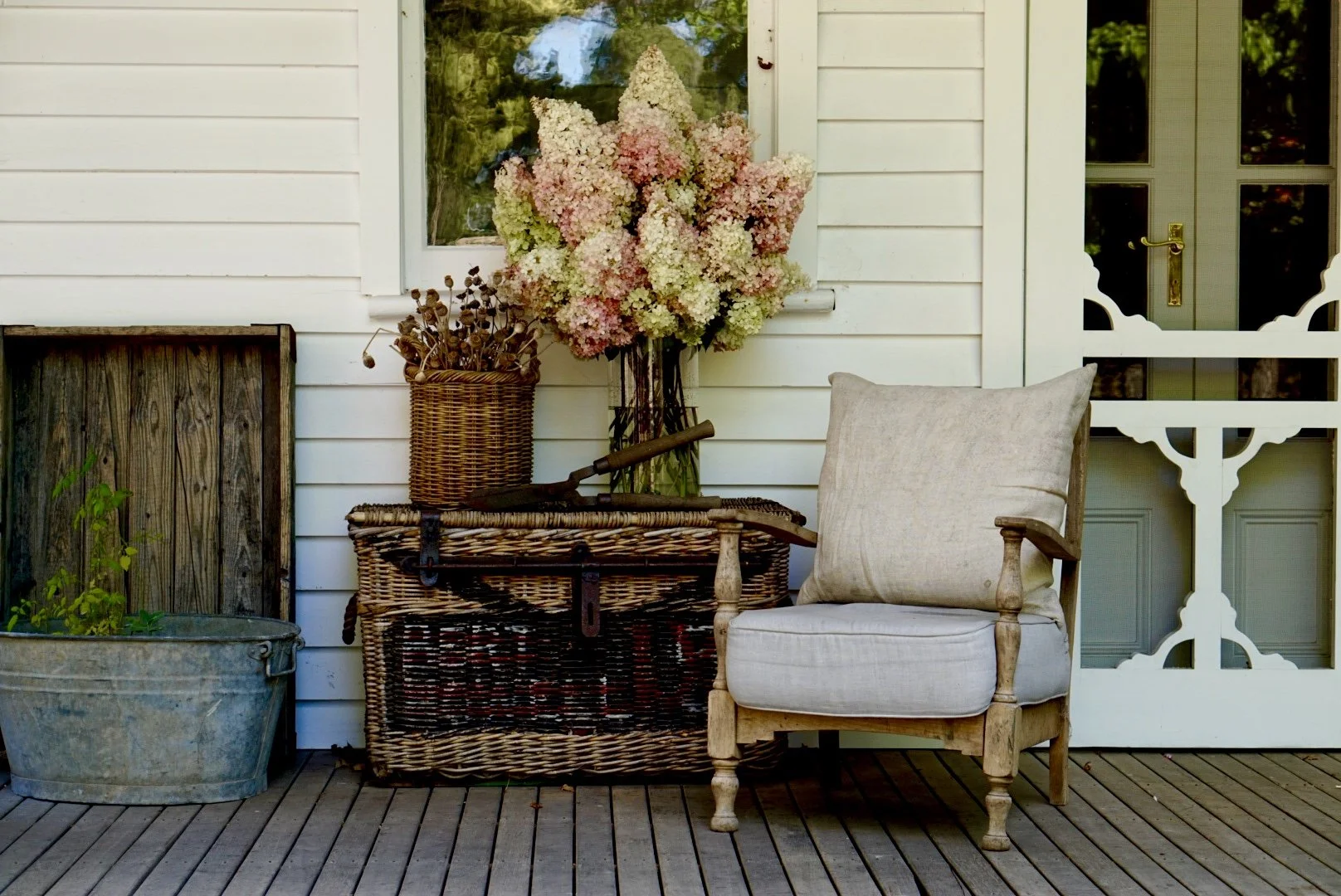
Hydrangea paniculata

If there is one plant I have become known for, it is probably this one.

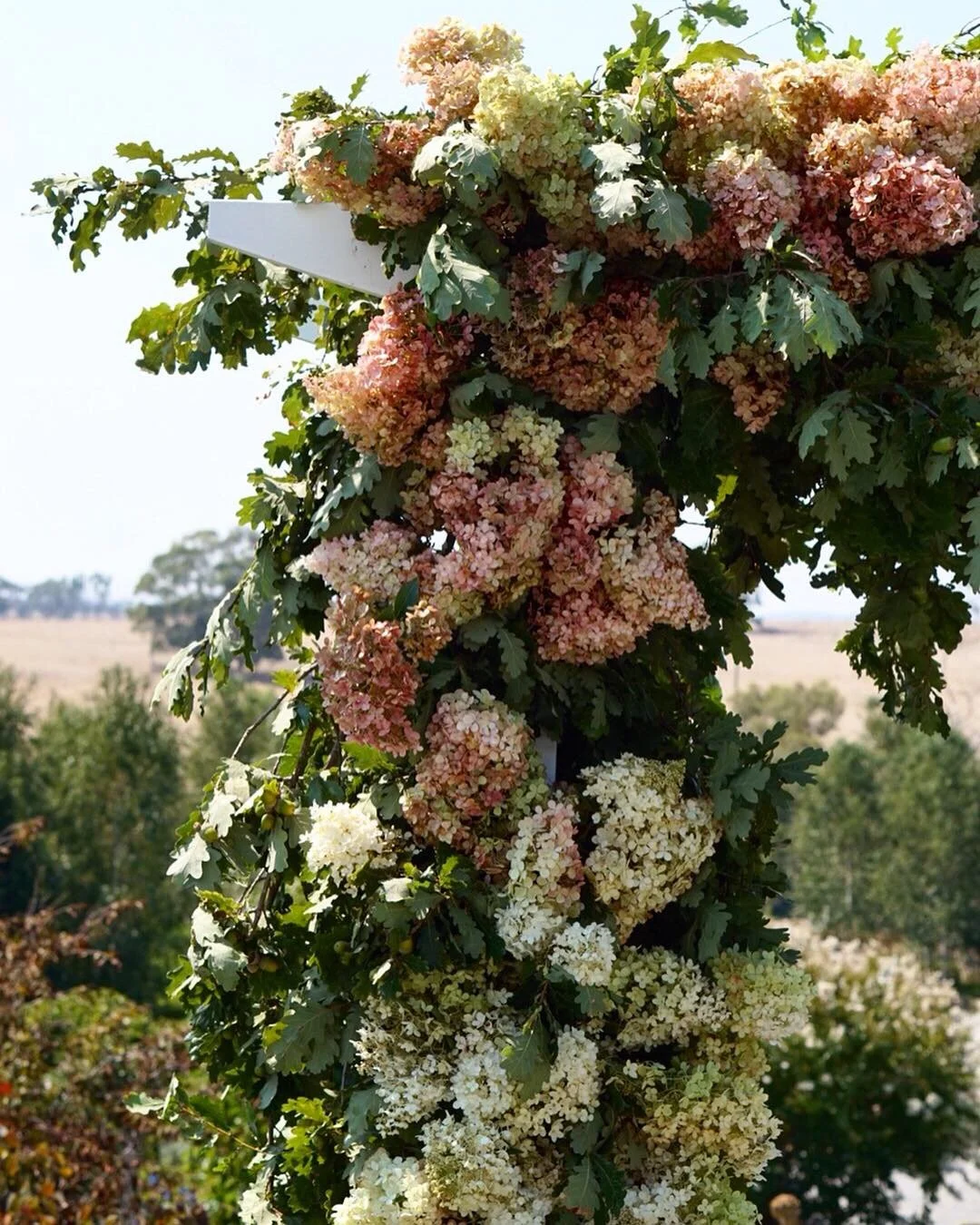
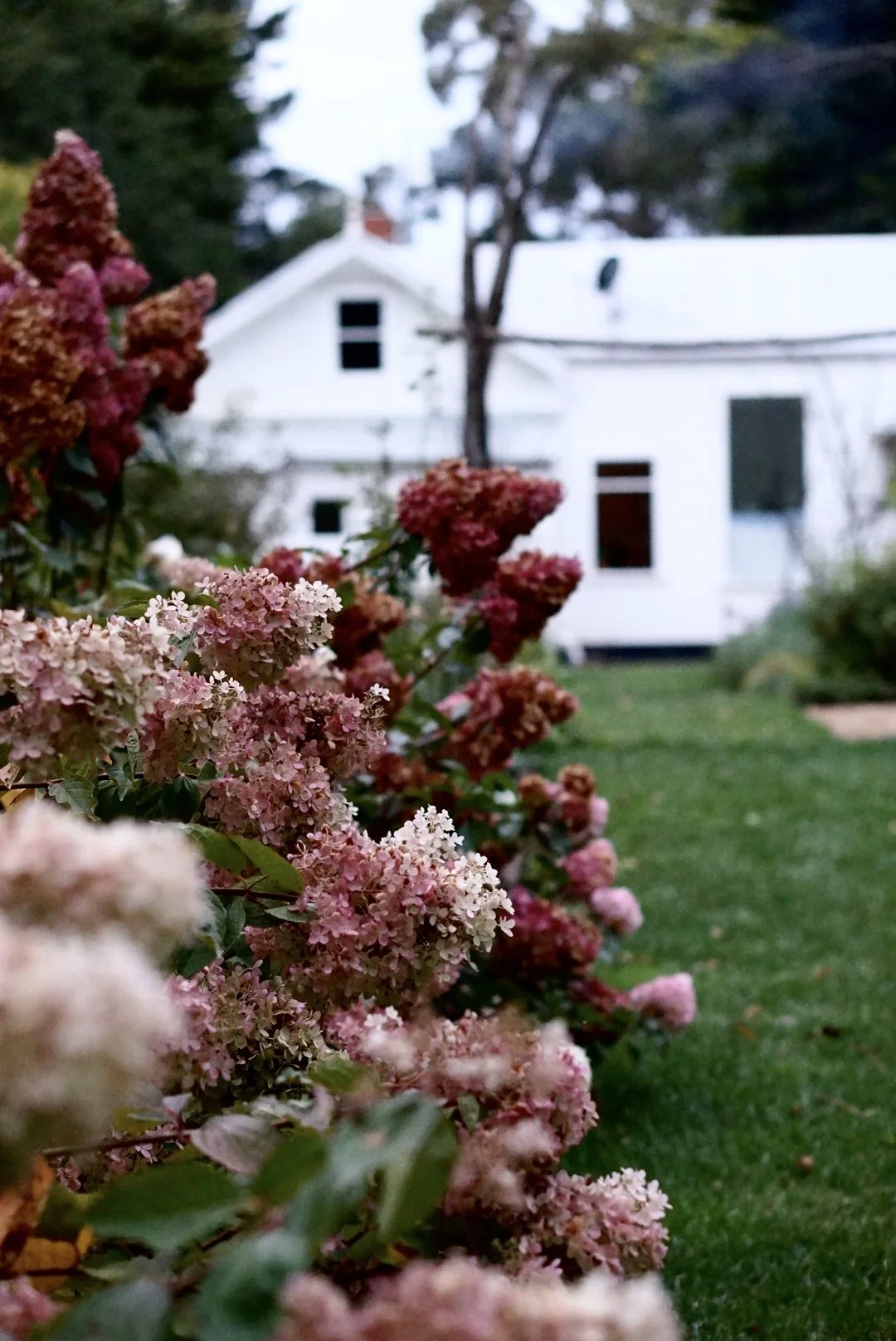
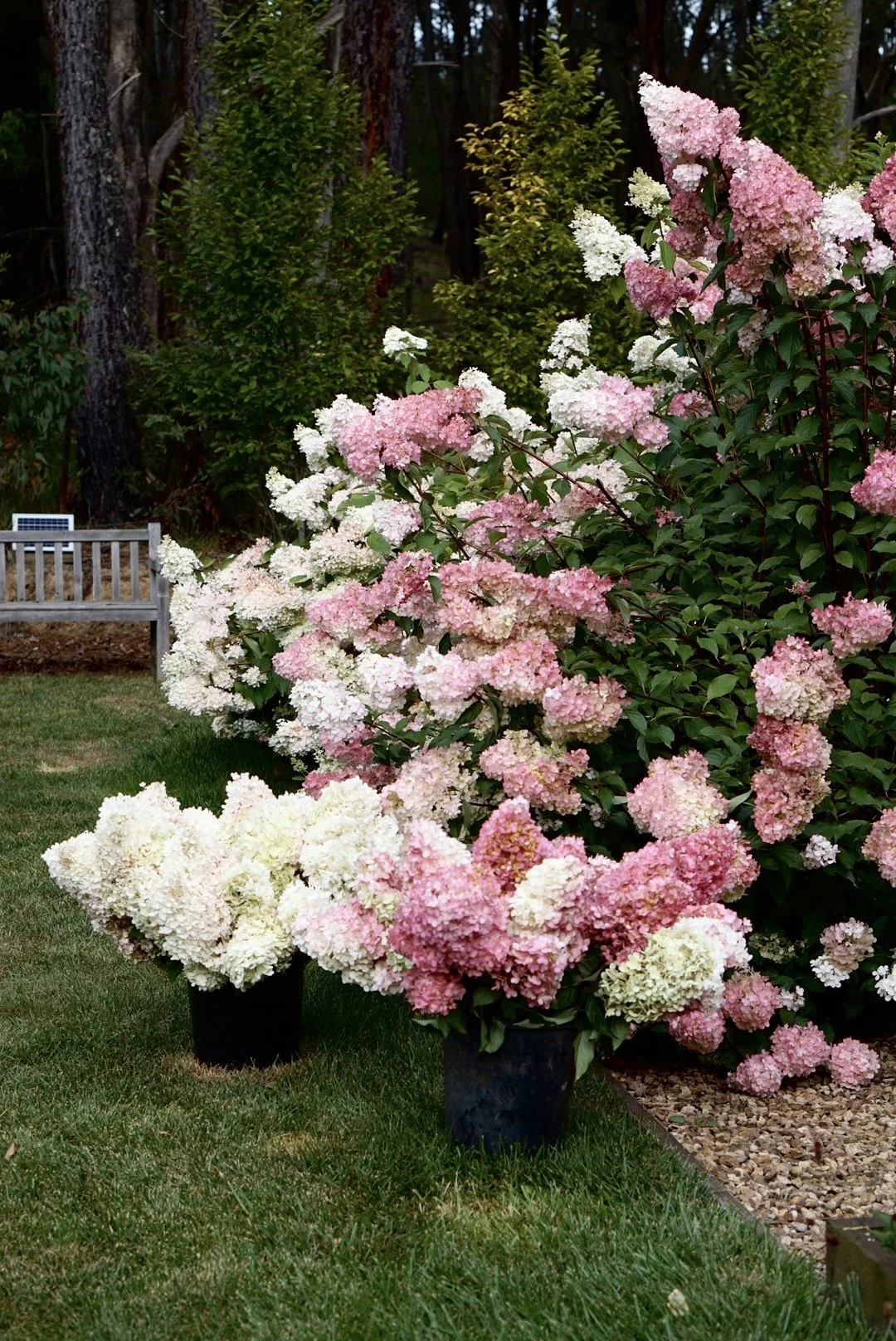
The Hydrangea paniculata I grew at Oak & Monkey Puzzle never came with a cultivar name. It was simply sold to me as Hydrangea paniculata, and over time it became one of the plants I most relied upon. Hardy, generous, and deeply beautiful across an extraordinarily long season, it carried the kind of quiet strength I value so much in a garden.

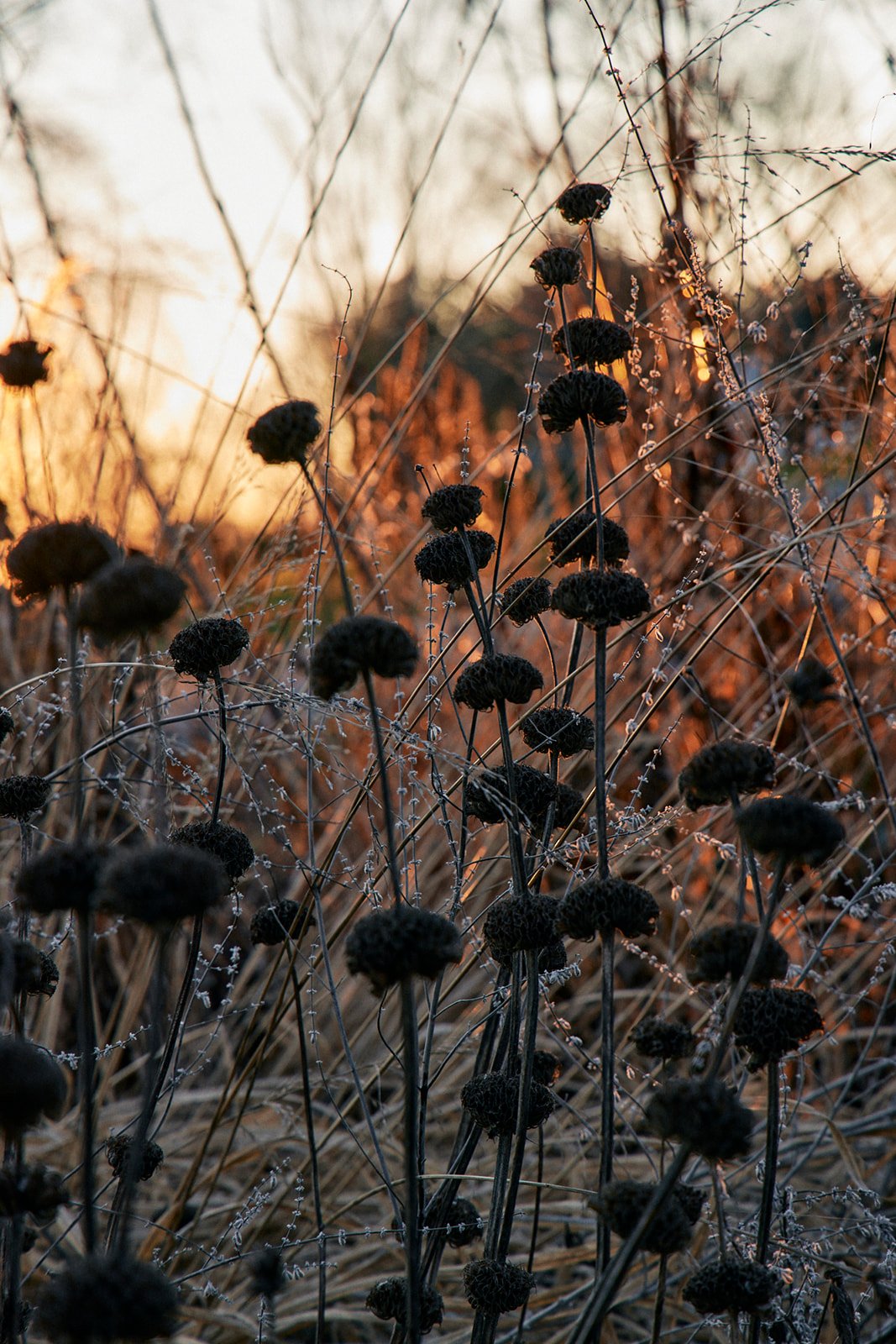
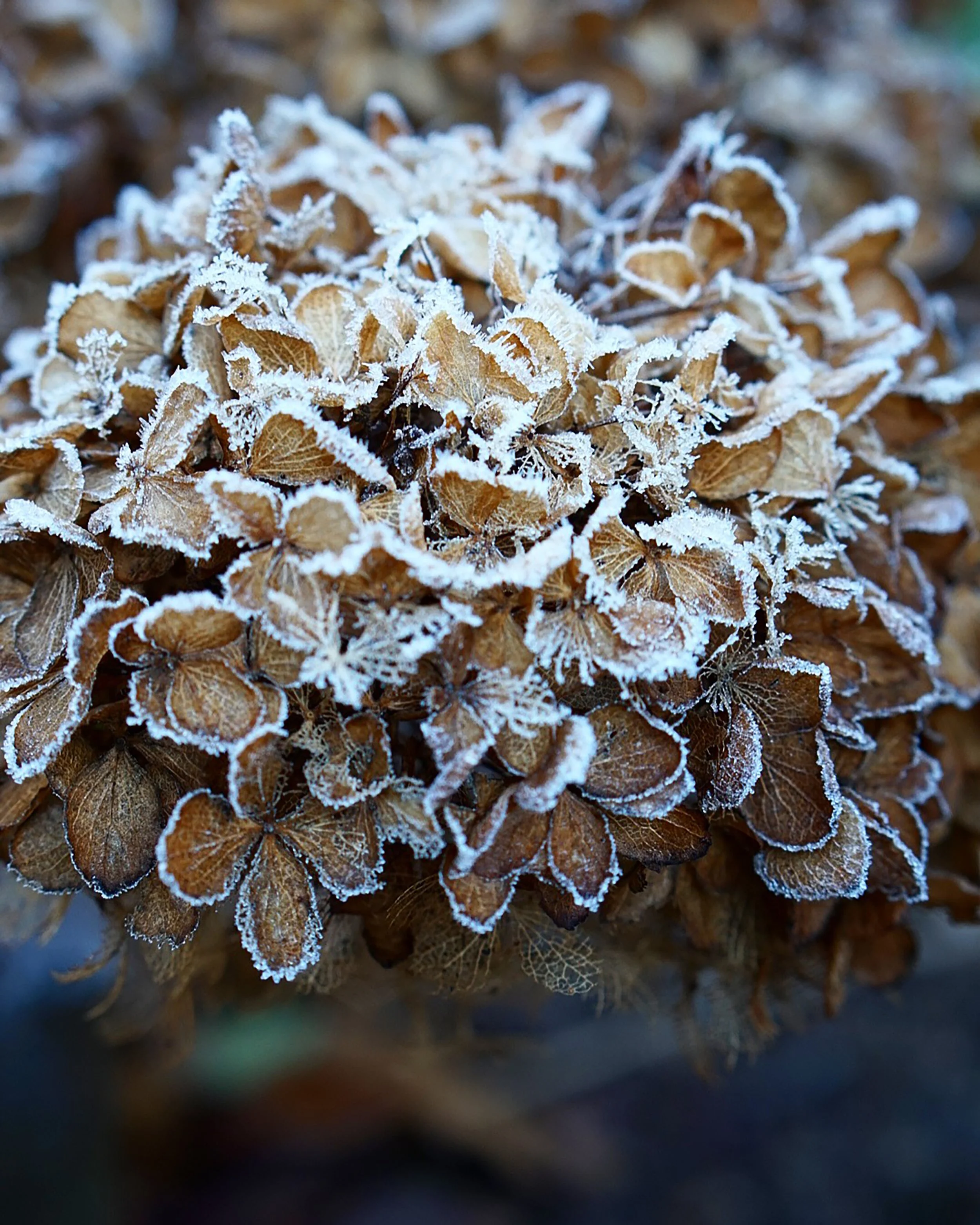
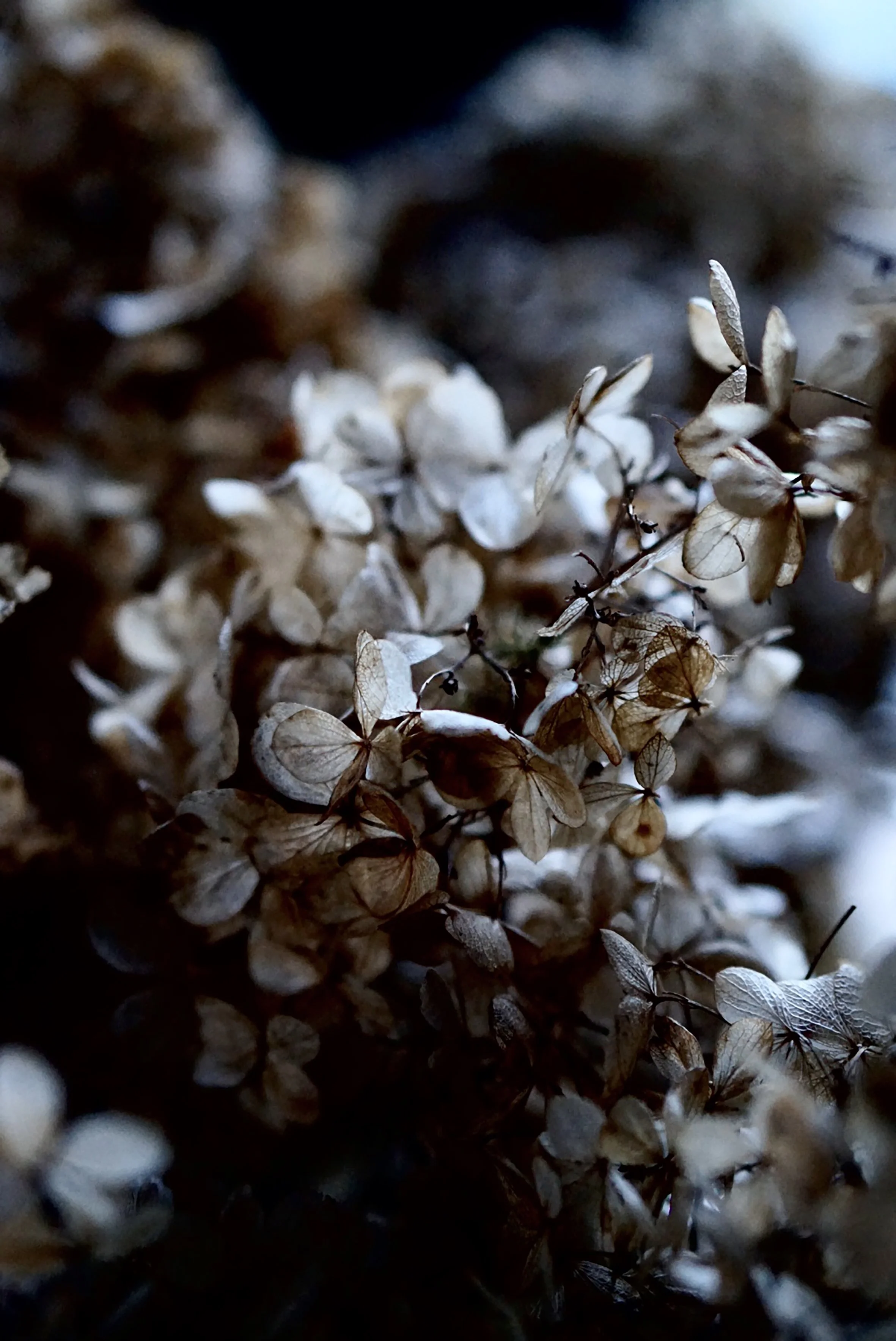
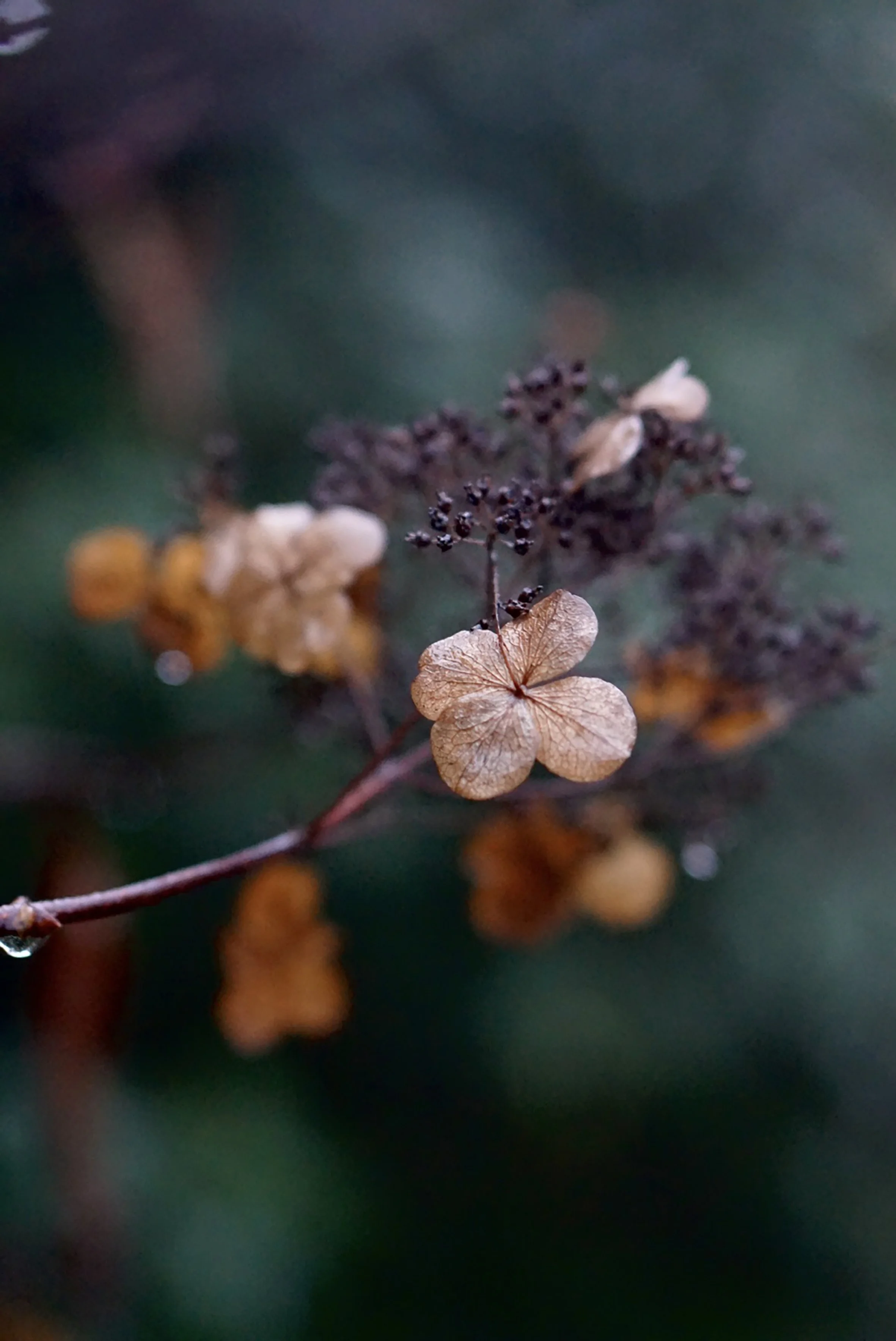
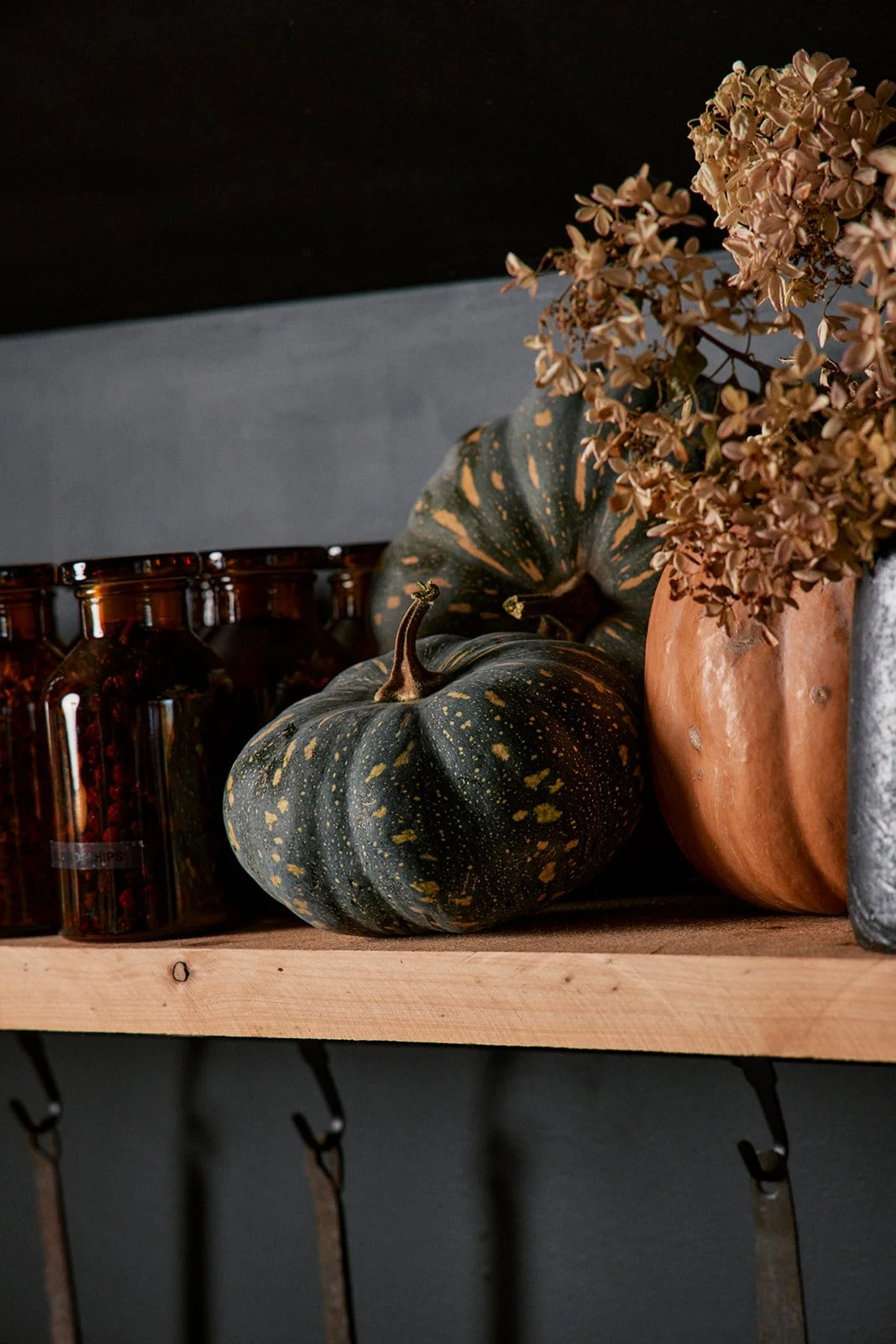
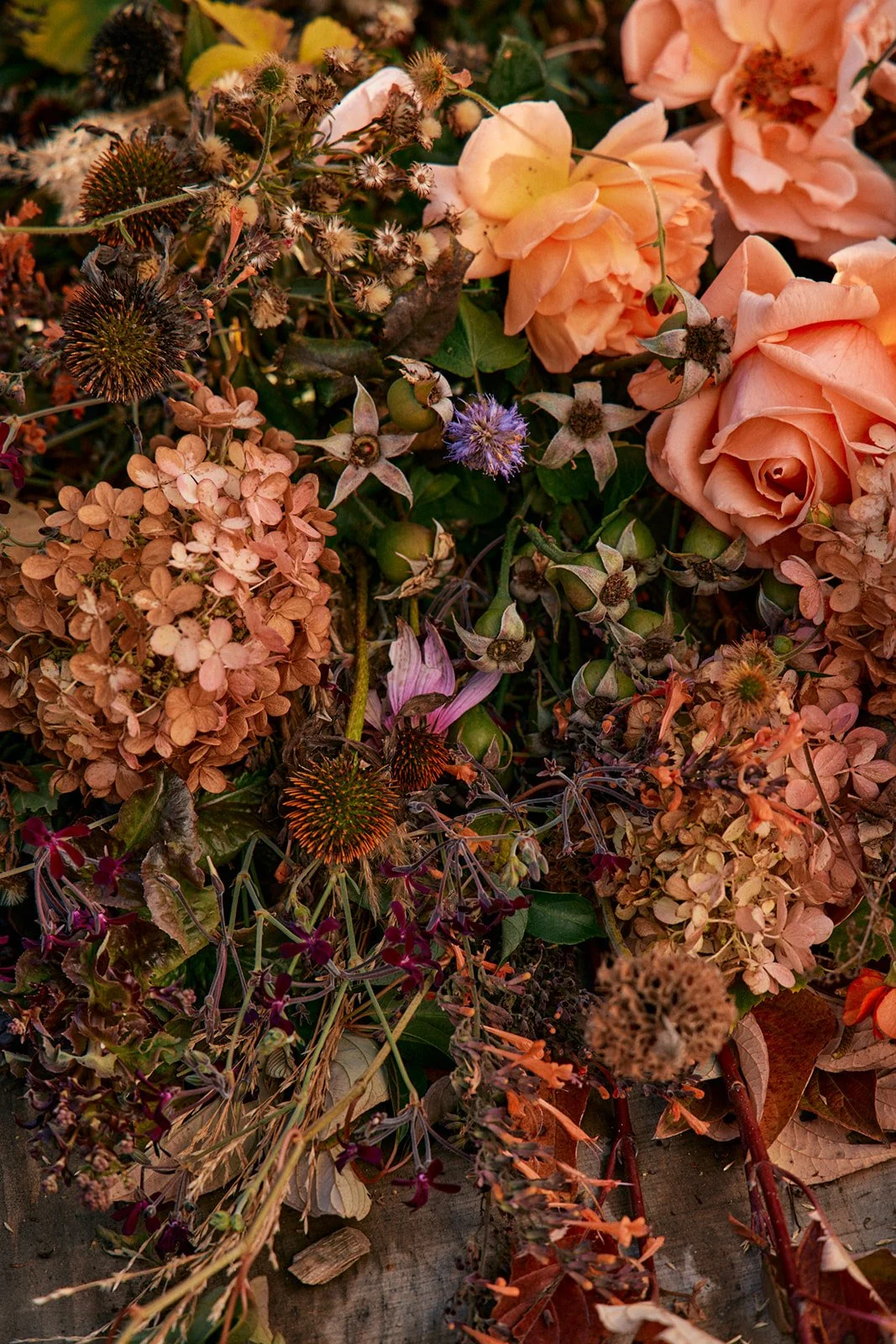
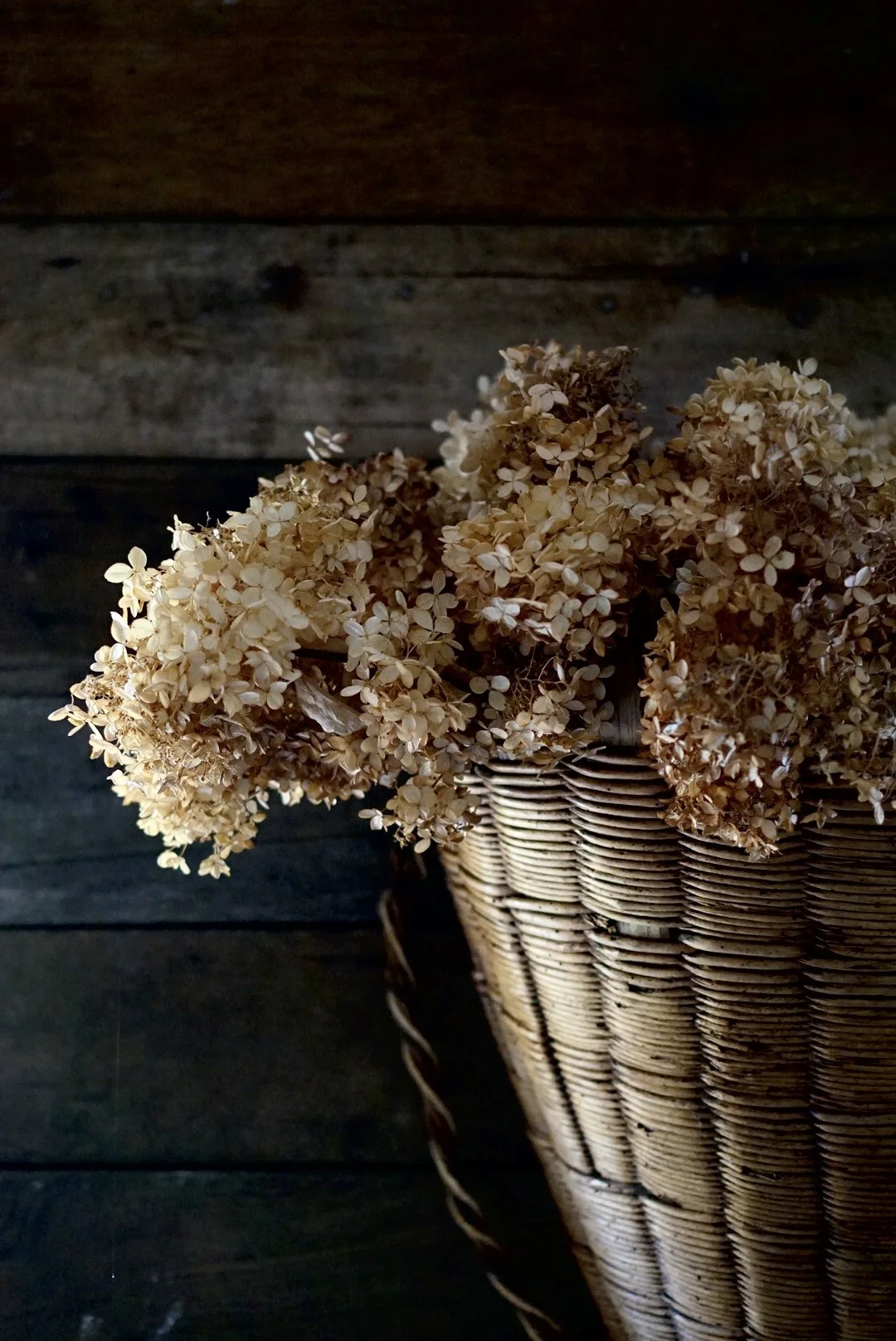
In spring and summer, it was all freshness and lift. Then came that beautiful soft shift into blush tones, before the flowers deepened into the rusted, parchment like autumn phase I love so much. Even after that, the spent flower heads held beautifully through winter, catching frost and low light in a way that made them feel just as valuable as when they were in full bloom.

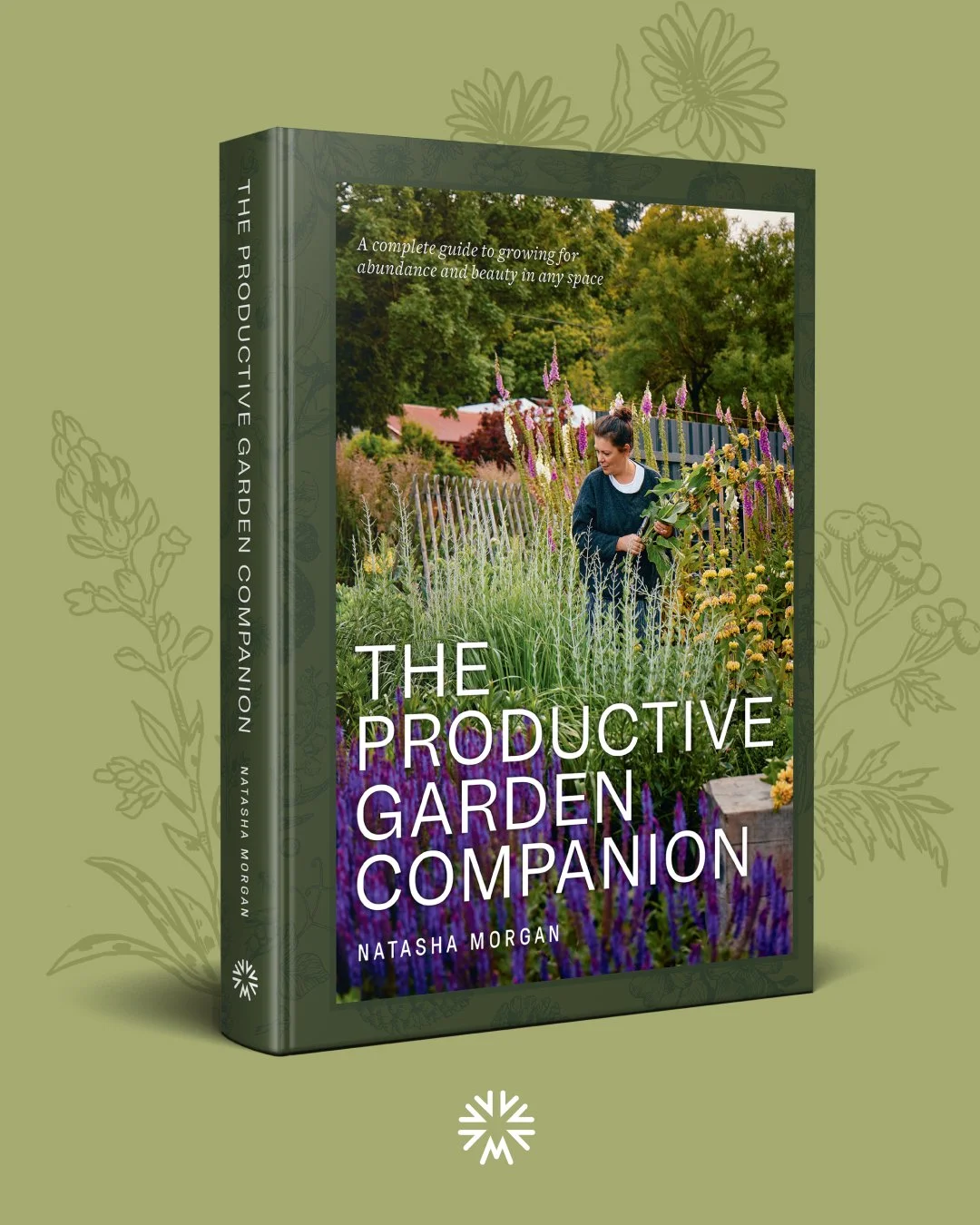
That is what I mean when I talk about high performance plants. They do not only offer one fleeting moment. They hold their place and give back over time. This is something I talk about in my upcoming book - stay tuned for a huge announcement!

This plant mattered enough to me that when I left Oak & Monkey Puzzle, I took cuttings from it and planted them again at Little Cottage on a Hill. To me, that says everything. It’s a plant I would happily propagate from one property to another. I will never let it go!


Fragrant repeat flowering roses

For me, a rose must earn its place through fragrance as well as beauty.

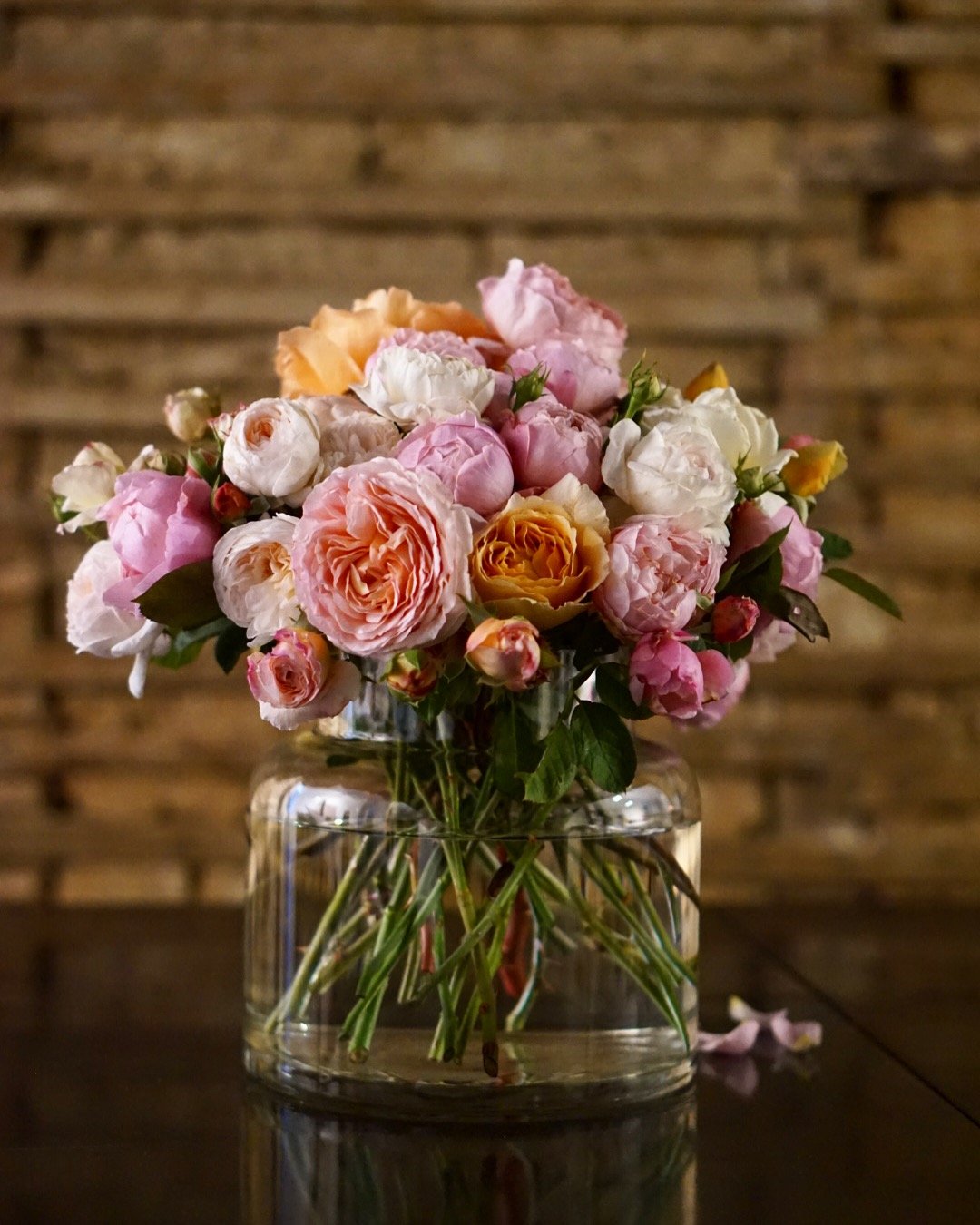
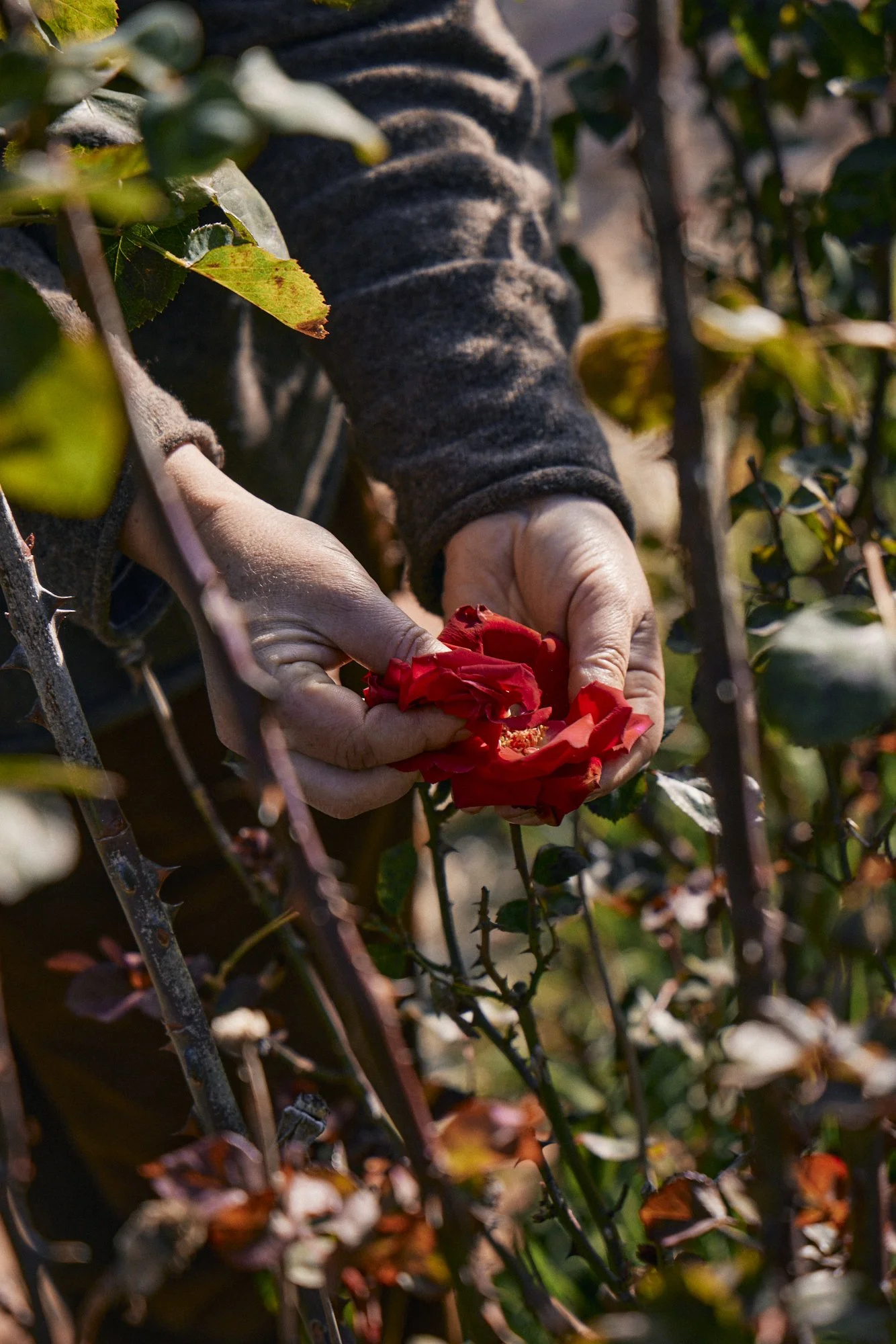
At Oak & Monkey Puzzle, one of the great joys was finally being able to grow armfuls of roses that were not only beautiful, but richly scented and generous across the season. I did not want roses that gave one quick flush and disappeared. I wanted repeat flowering roses that I could keep cutting, keep bringing inside, and keep living with.

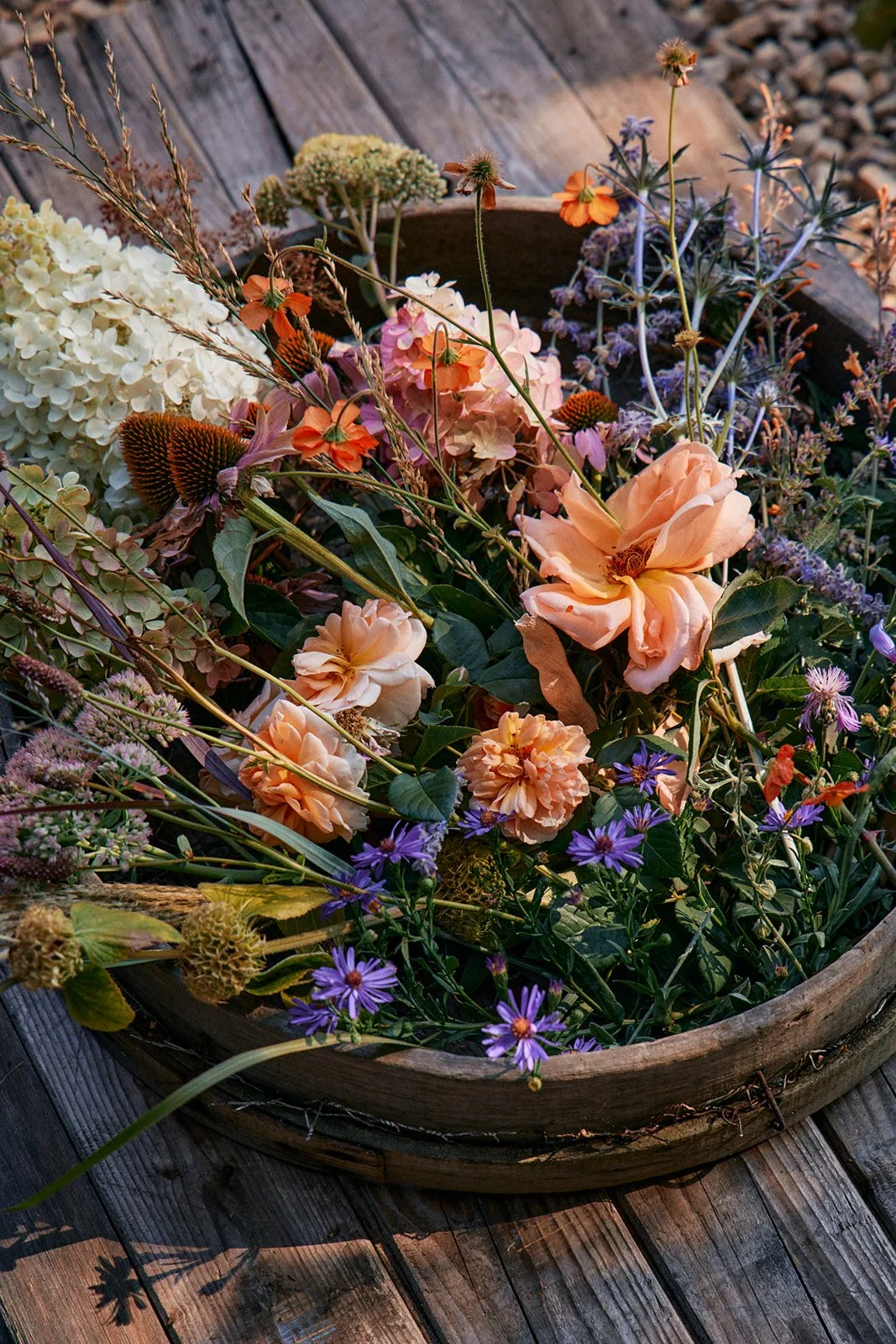
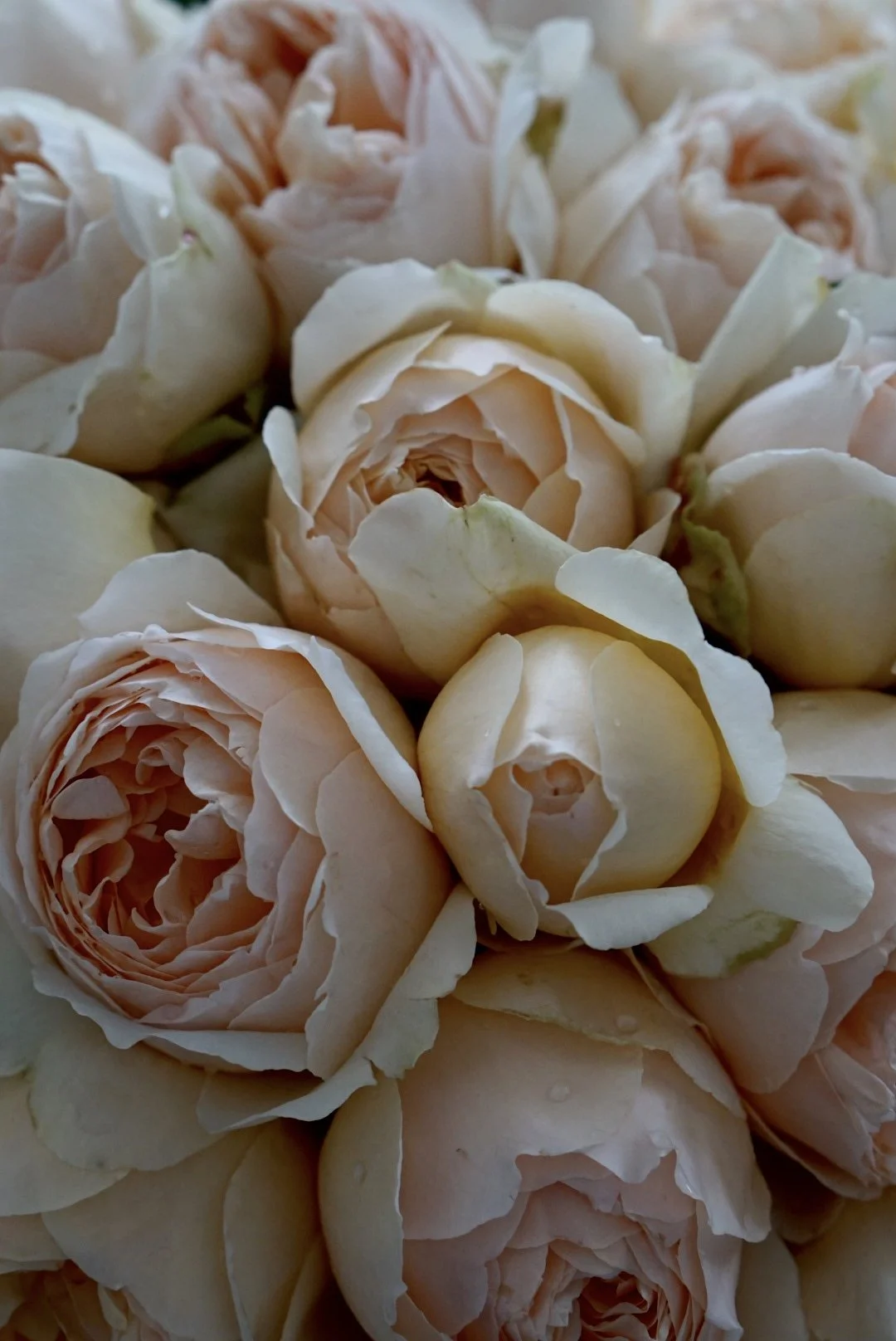
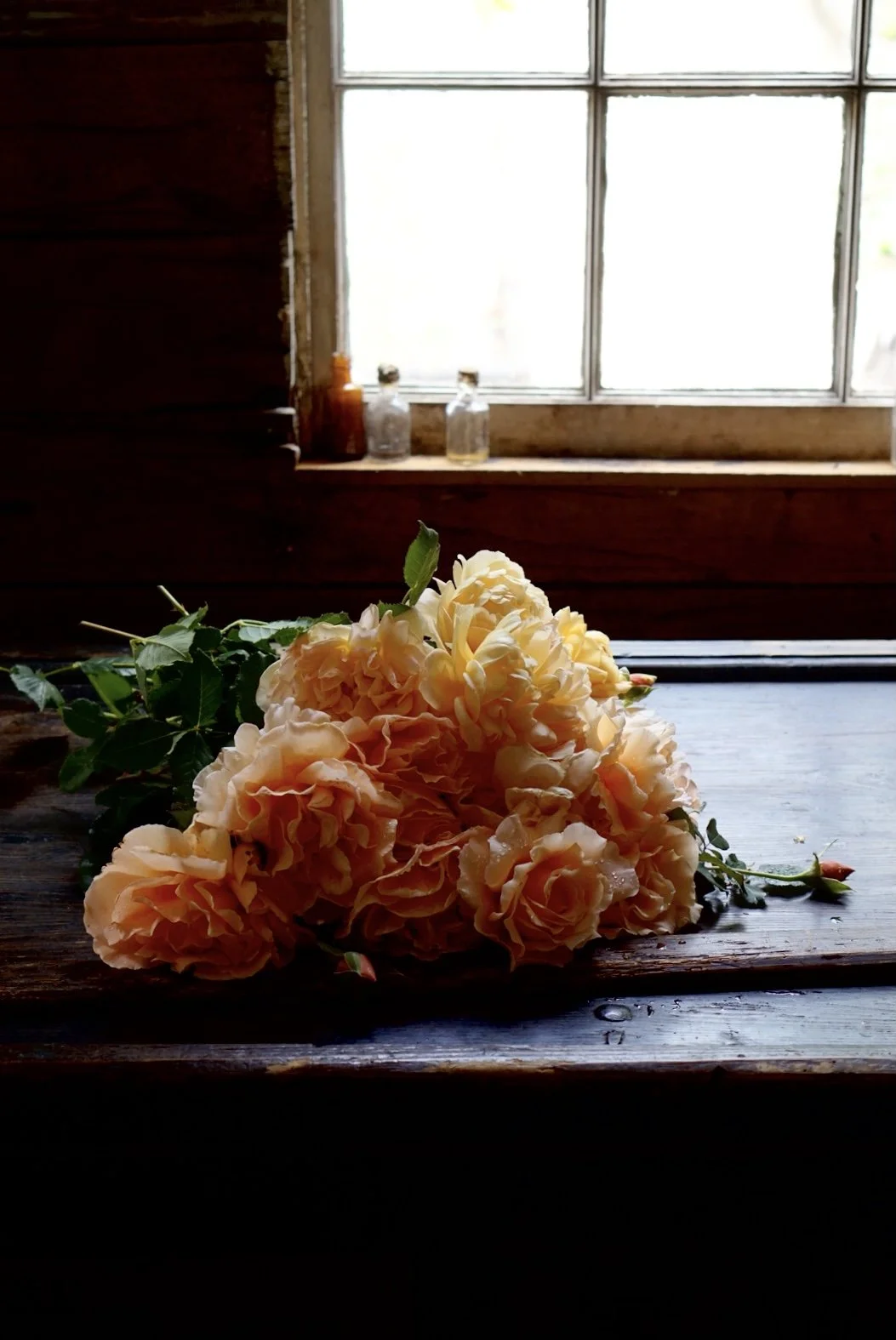
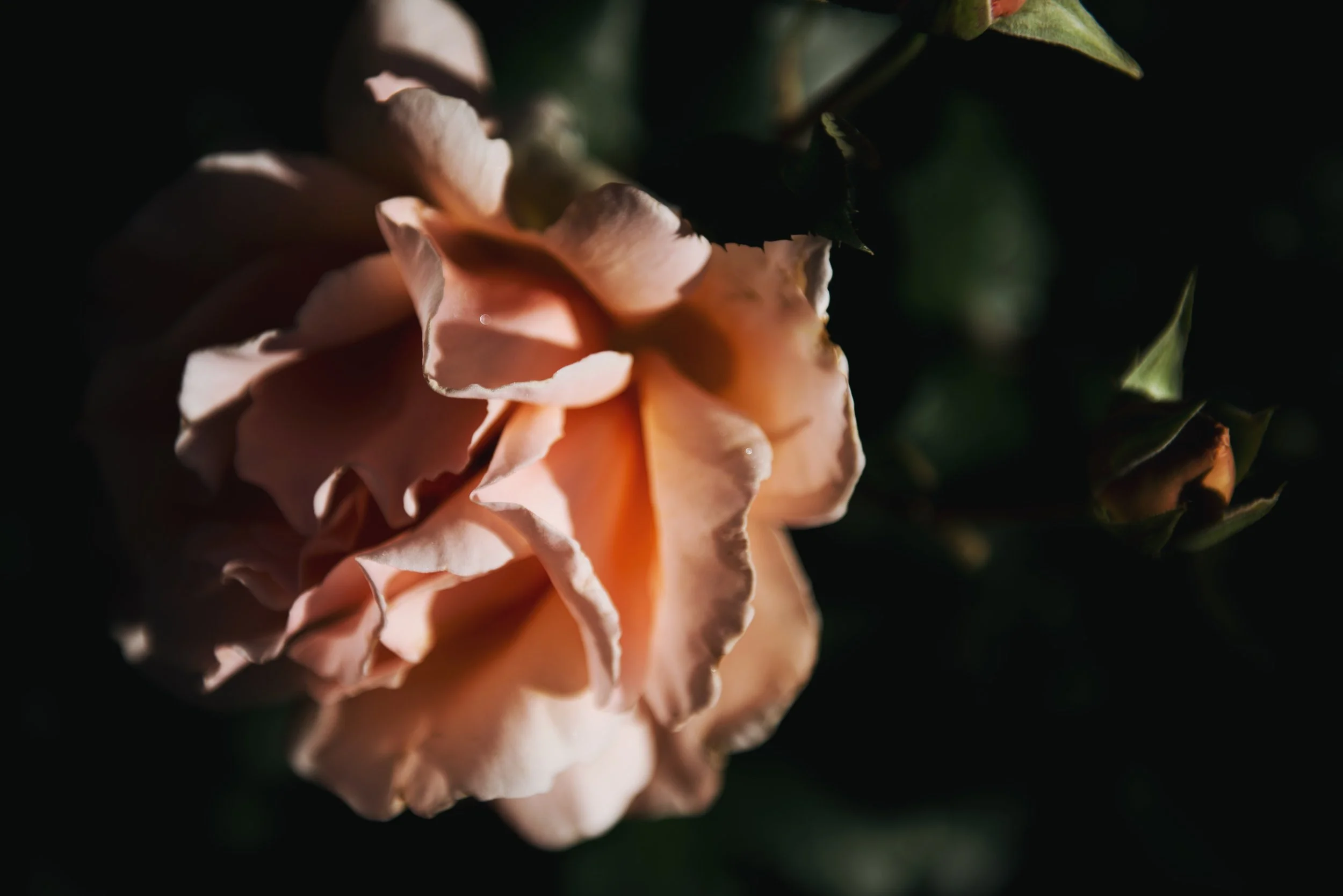
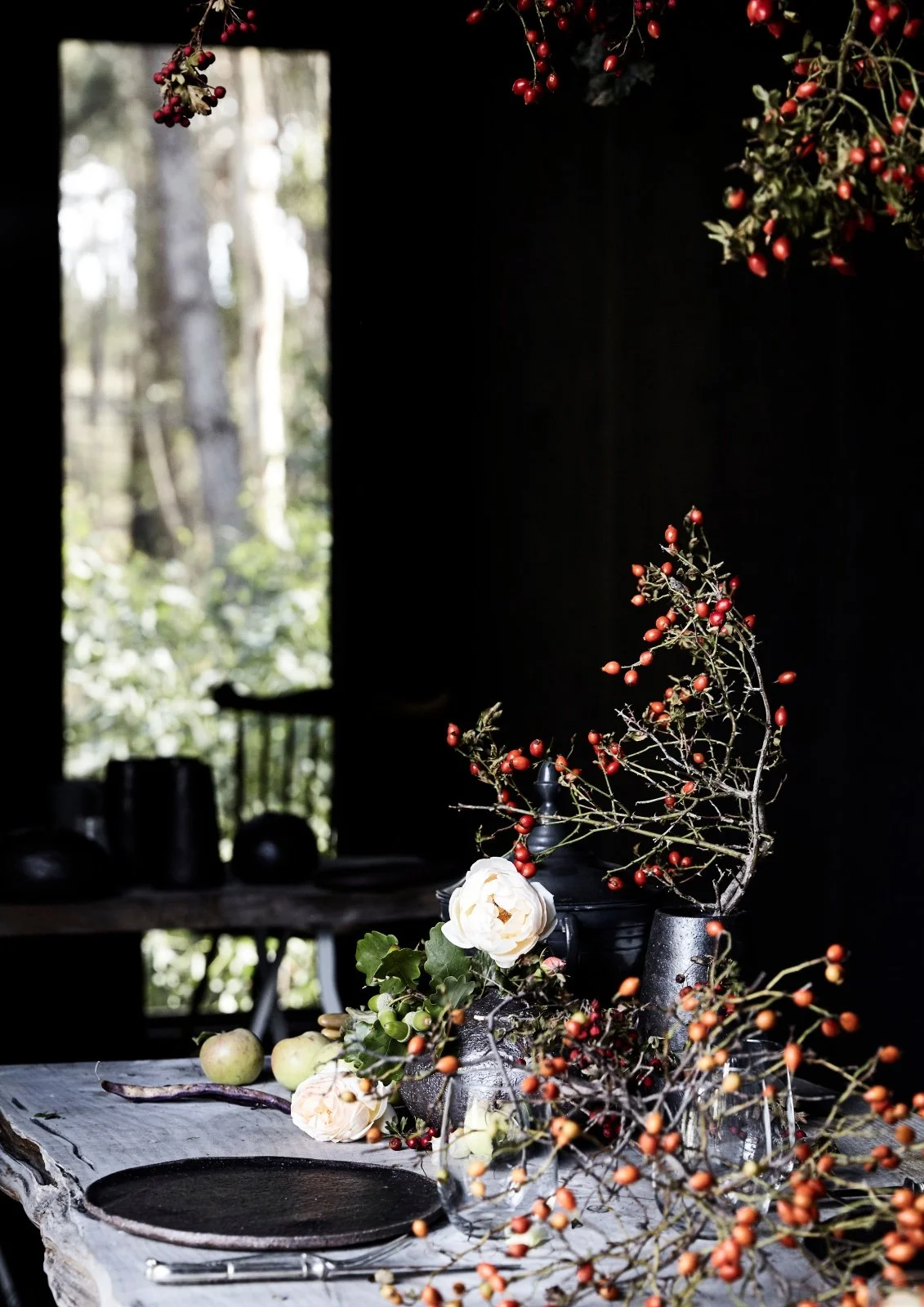
Three of my great loves were ‘Jude the Obscure’, ‘Golden Celebration’ and ‘Just Joey’. They had the softness, fragrance and fullness I longed for, and they brought that old world sense of abundance that is almost impossible to replicate with florist flowers. To cut them fresh from the garden and bring them indoors was one of those bucket list moments that felt every bit as magical as I had imagined.

They were not just ornamental plants. They shaped the atmosphere of the picking garden. They offered fragrance, seasonal continuity, beauty in the vase, and the kind of richness that makes you want to stop whatever you are doing and take notice.

If I am making room for a rose, it must be doing all of that.


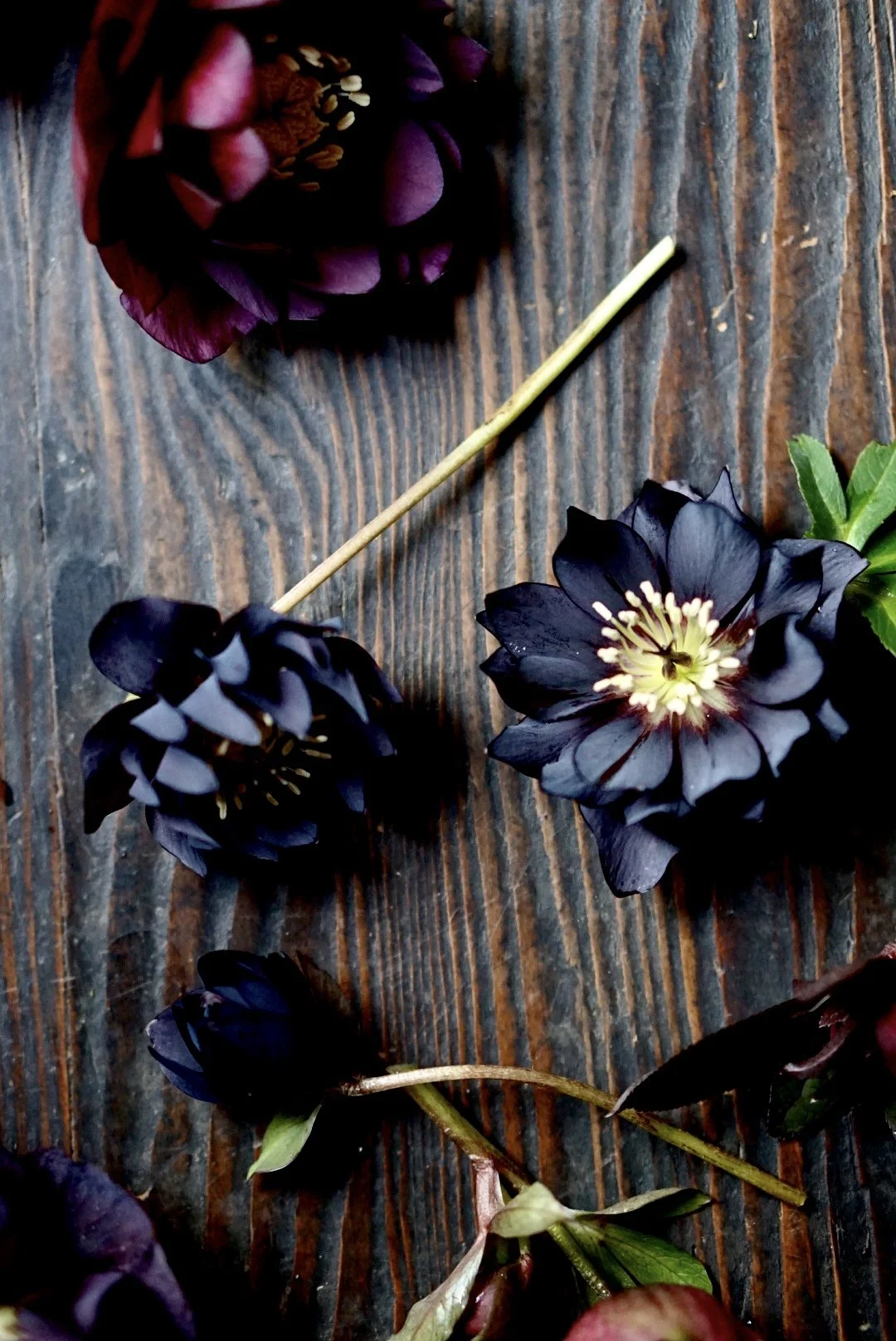
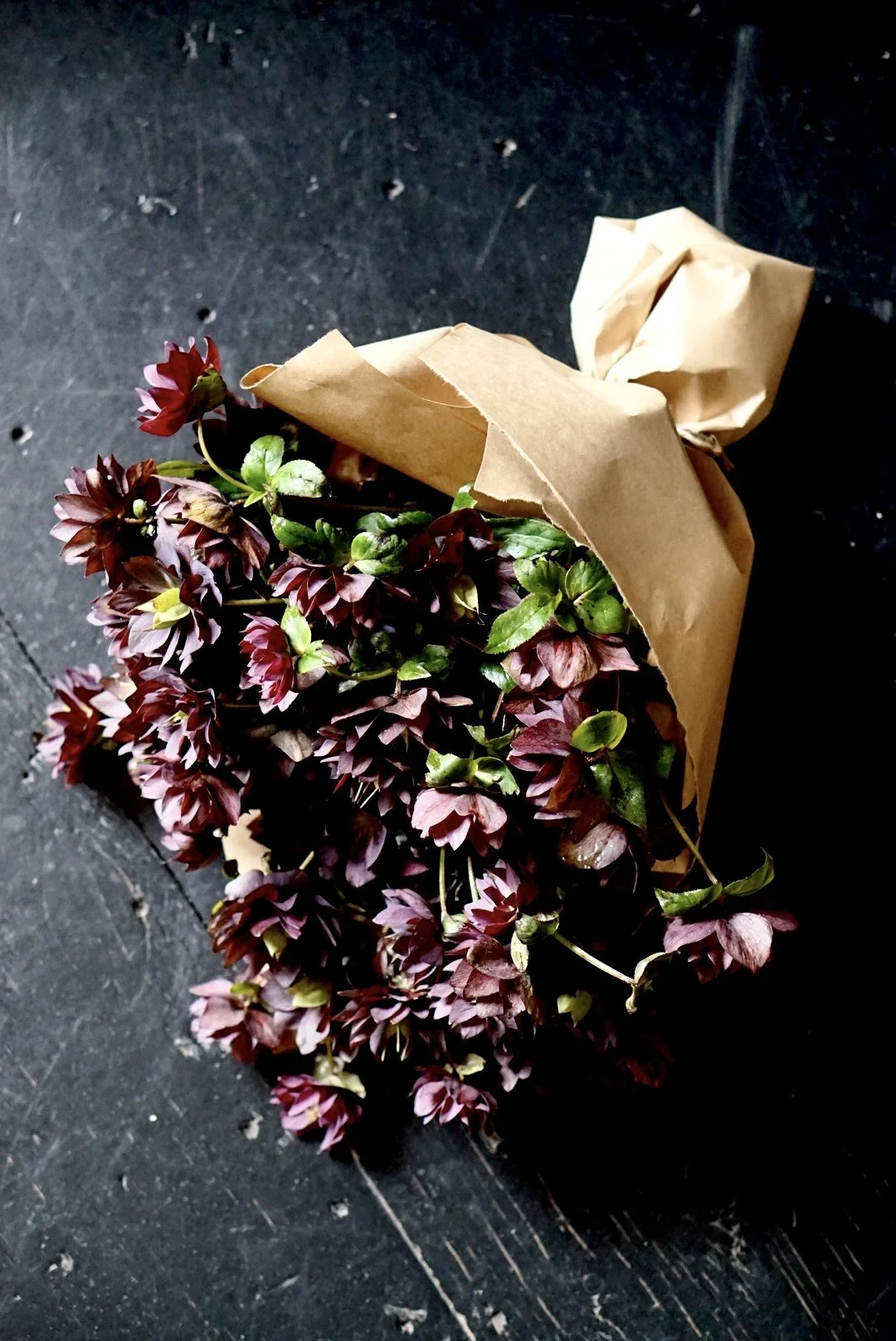
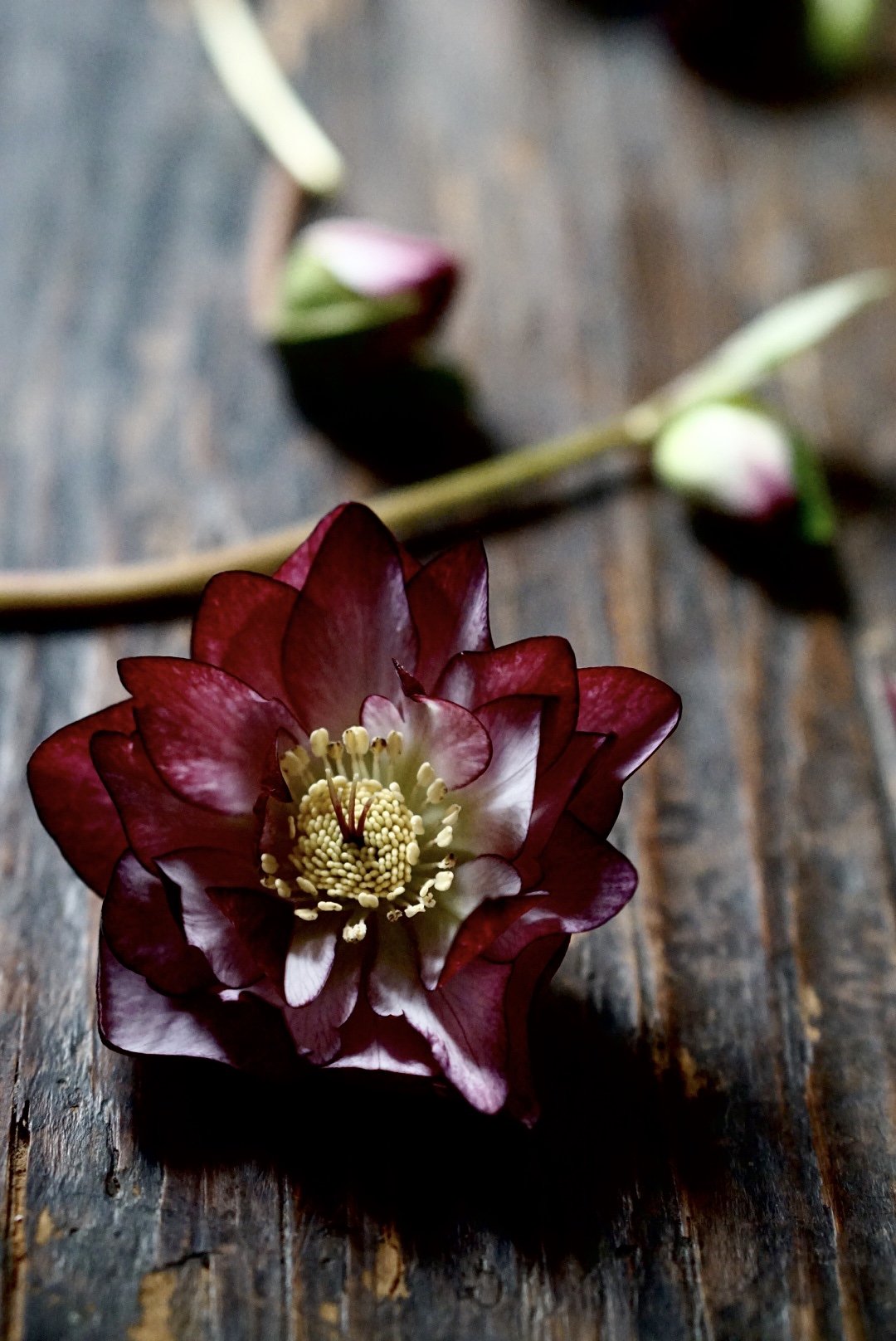
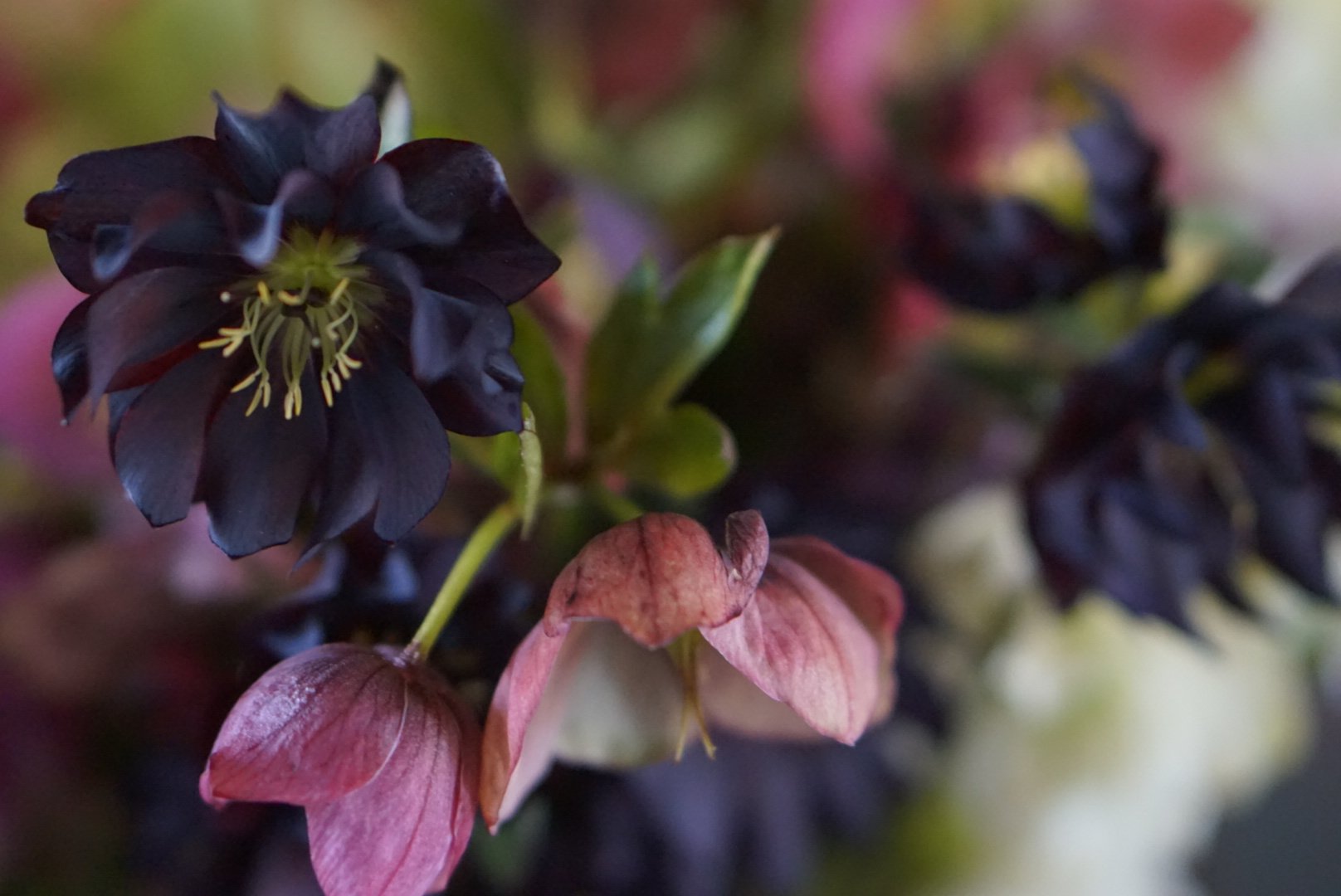
Hellebores

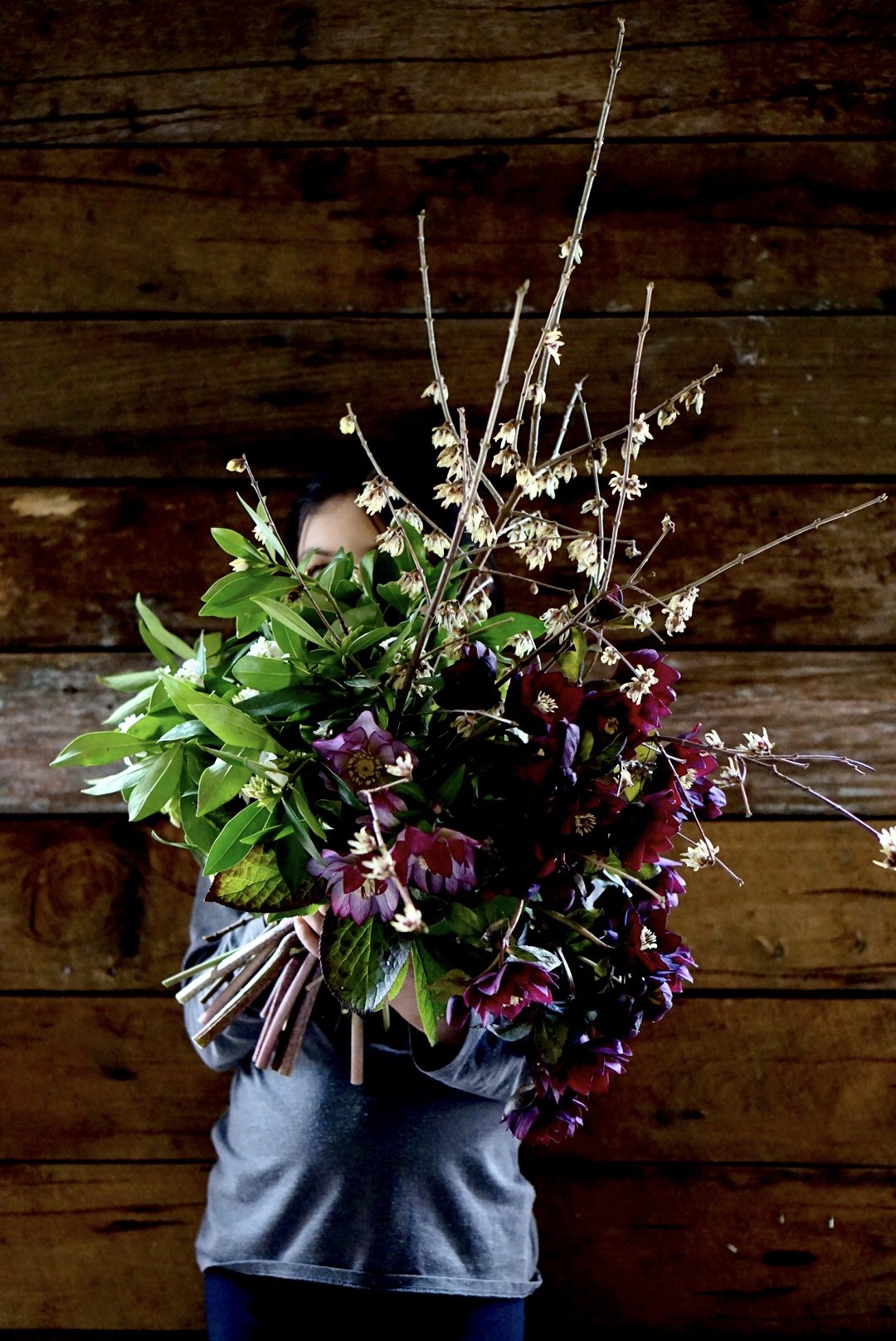
Hellebores are among the plants I rely on most for that crucial turning point in the year when winter begins to loosen its grip.

At Oak & Monkey Puzzle, they brought beauty at exactly the moment it was most needed. When so much else was still resting, hellebores were already there, quietly holding the garden and offering the first sense that the season was beginning to shift.

I grew all sorts, from single black to double black, single whites and many shades in between. What I love most about them is their restraint. They are not loud plants, but they are deeply moving in their timing and presence. They flower when the garden still feels sparse. They ask you to come closer. They reward attention.

They are also wonderfully suited to cool climate gardens, particularly where there is filtered light and a certain softness of setting. At Oak & Monkey Puzzle, they sat beautifully within the more layered and intimate planting combinations, offering that low, luminous kind of beauty that can anchor a whole moment in the garden.

They are, without question, one of the plants I would never want to garden without. Post Office Farm Nursery are your hellebore specialist growers.


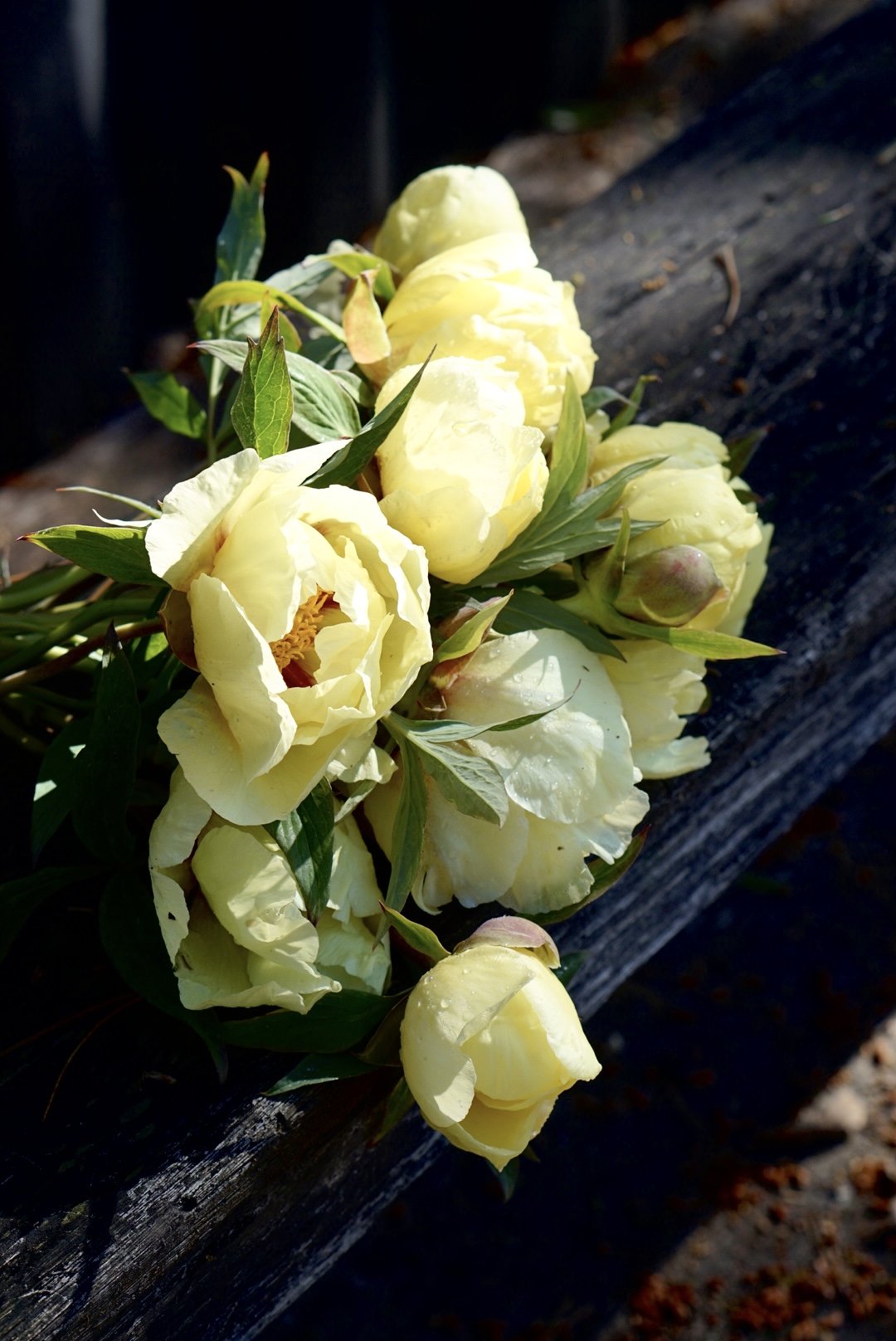
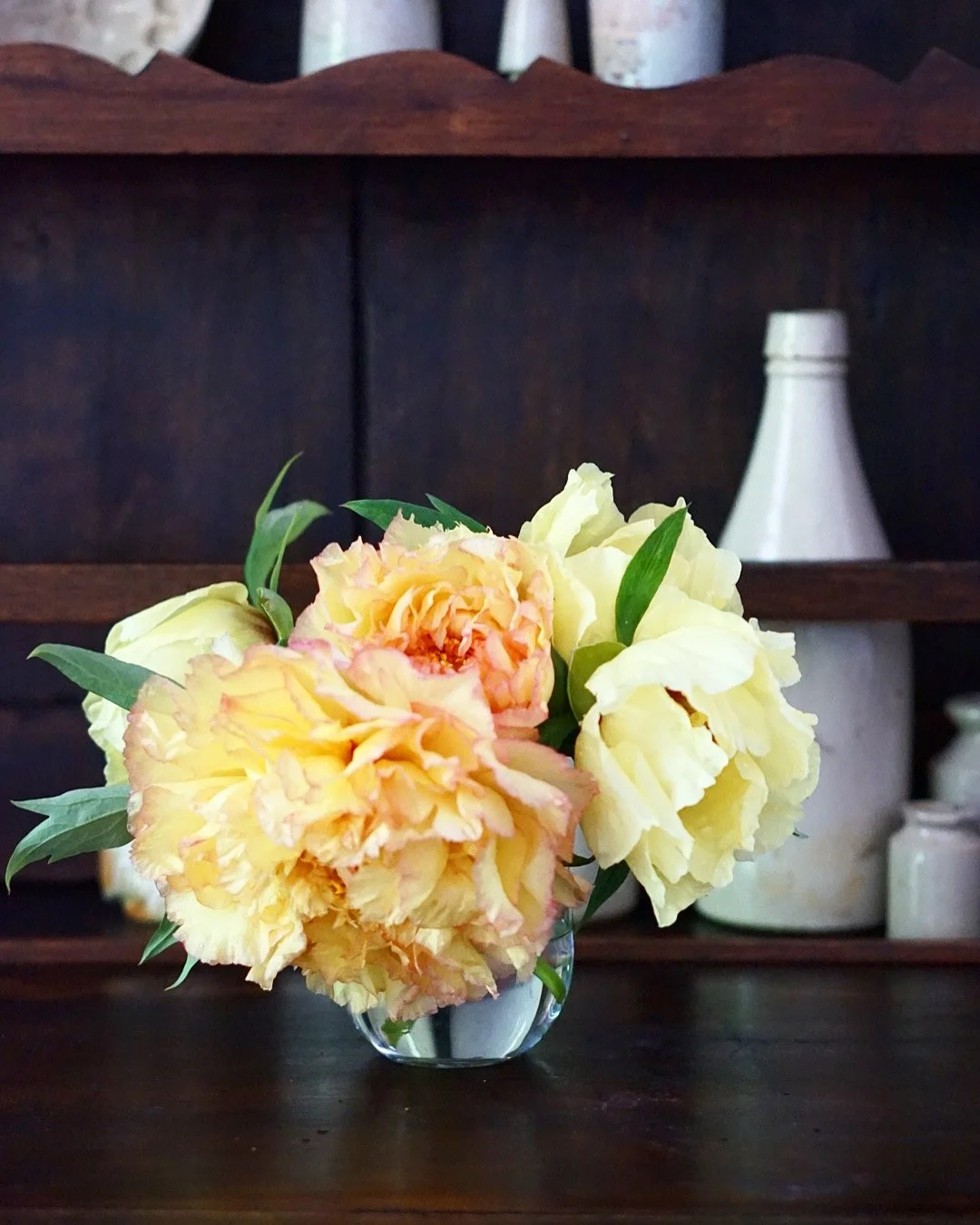
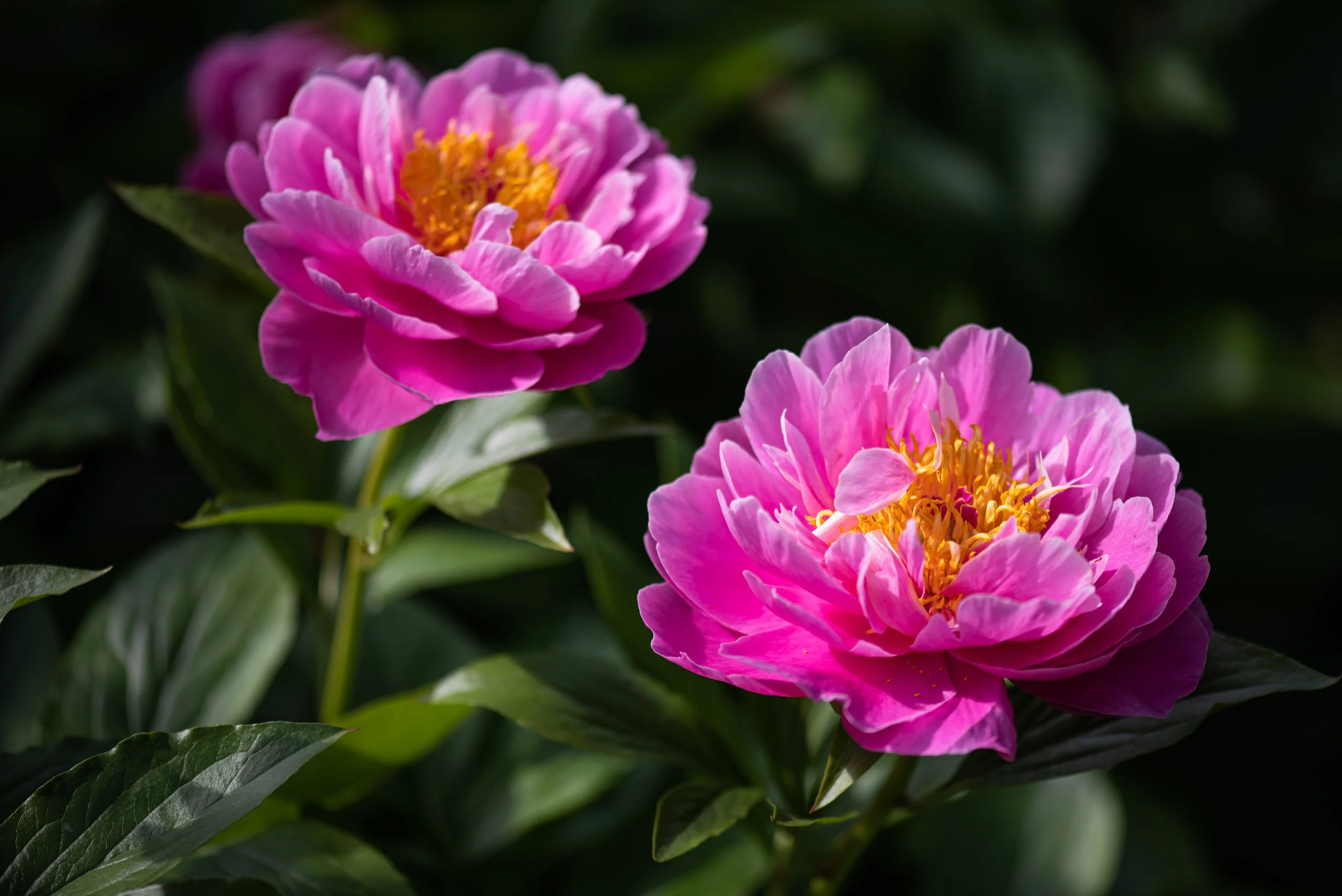
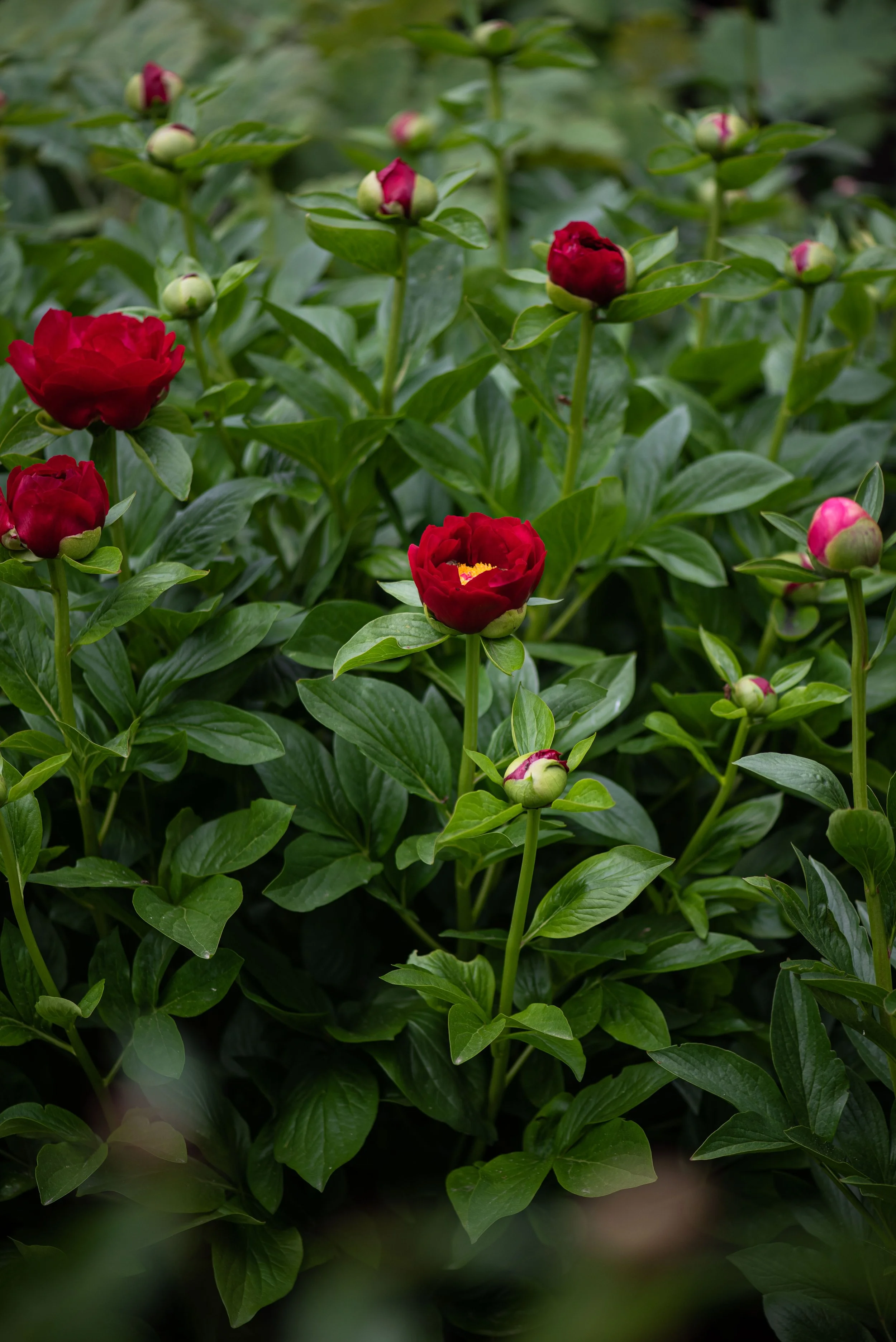
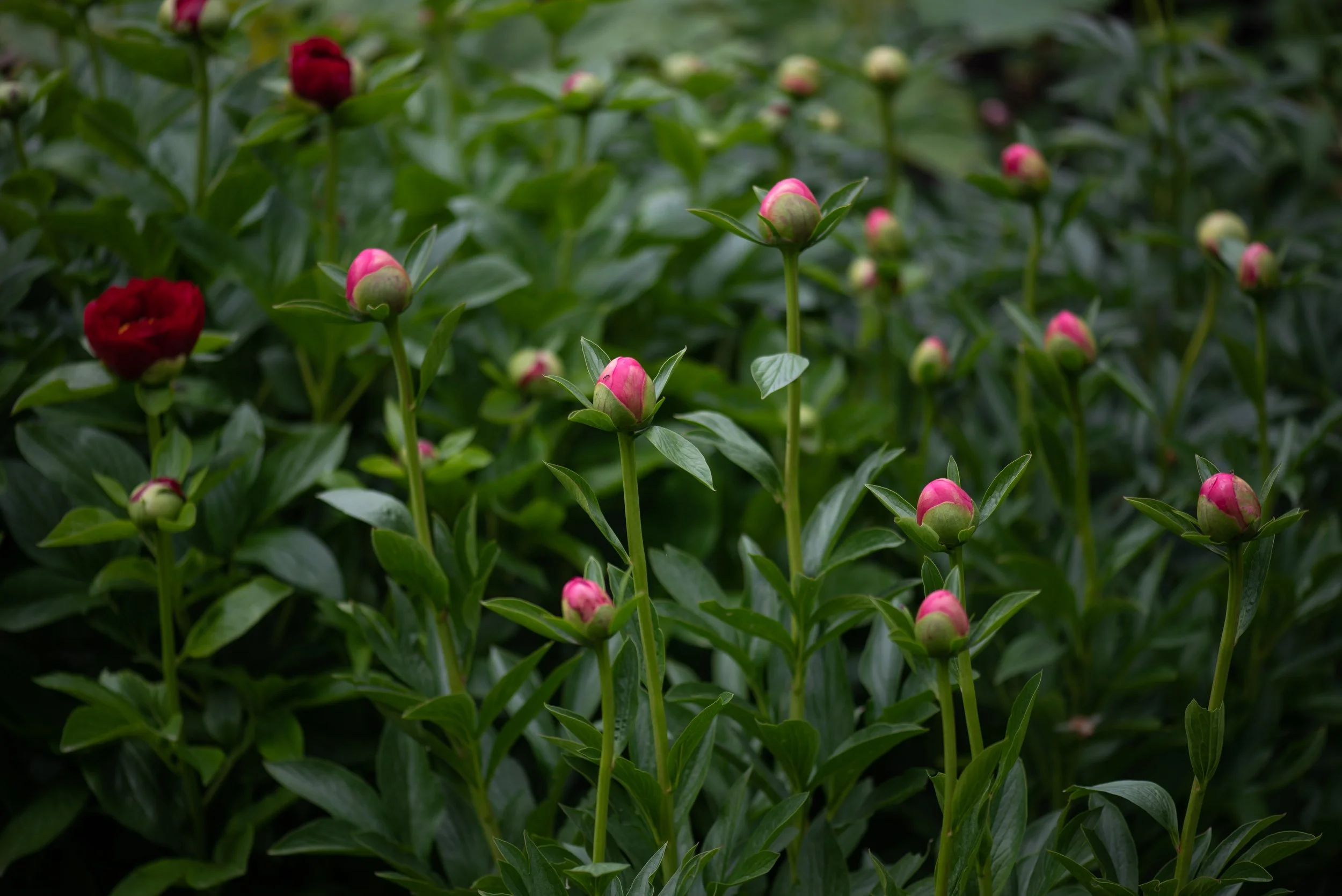
Peonies

Peonies are the exception in this list.

When I talk about plants that work hard or offer more than one thing back, peonies are not necessarily the first to come to mind. They are not long flowering. They are not especially structural for most of the year. And yet, when you can grow them well, you do.

Because they are magnificent.

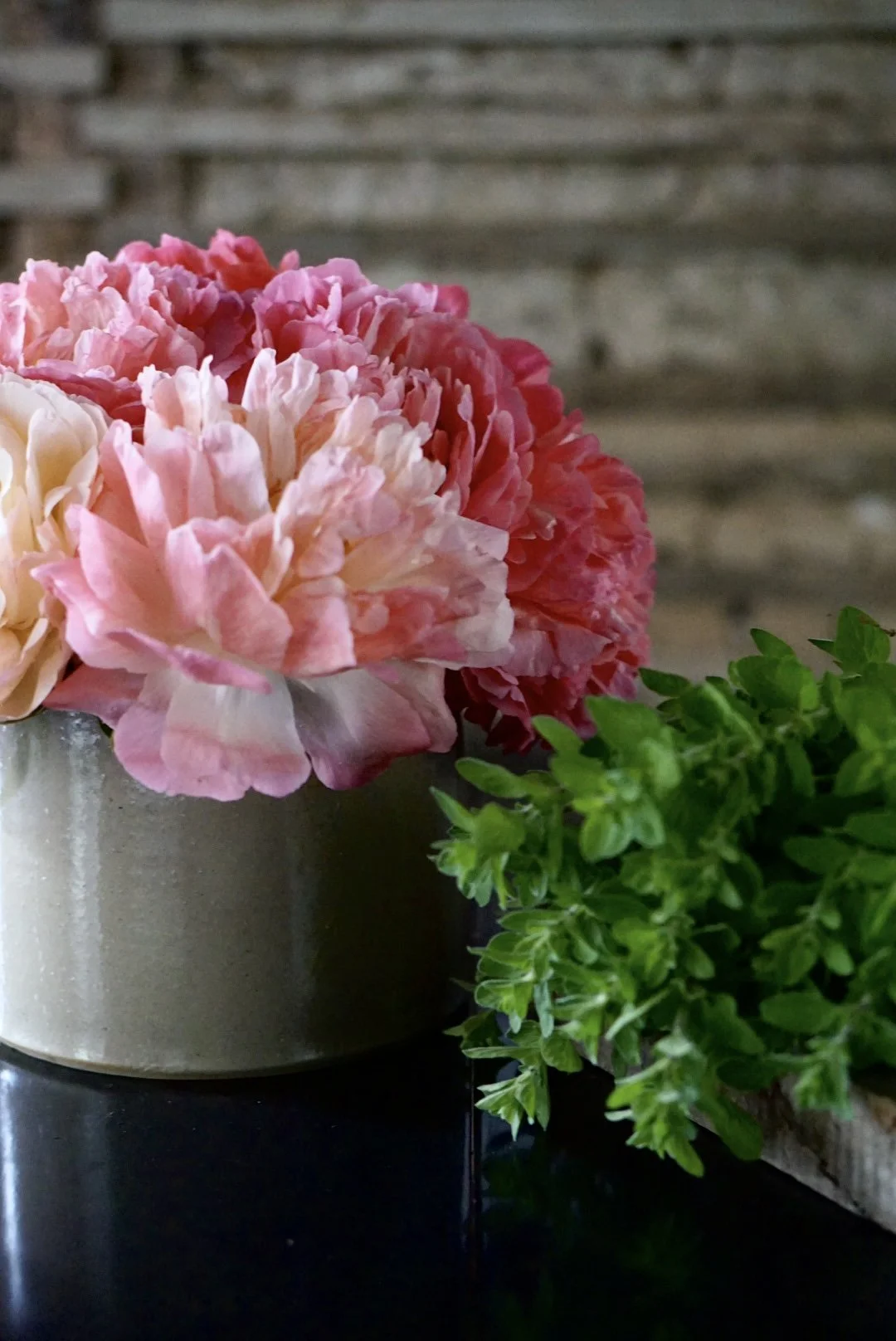
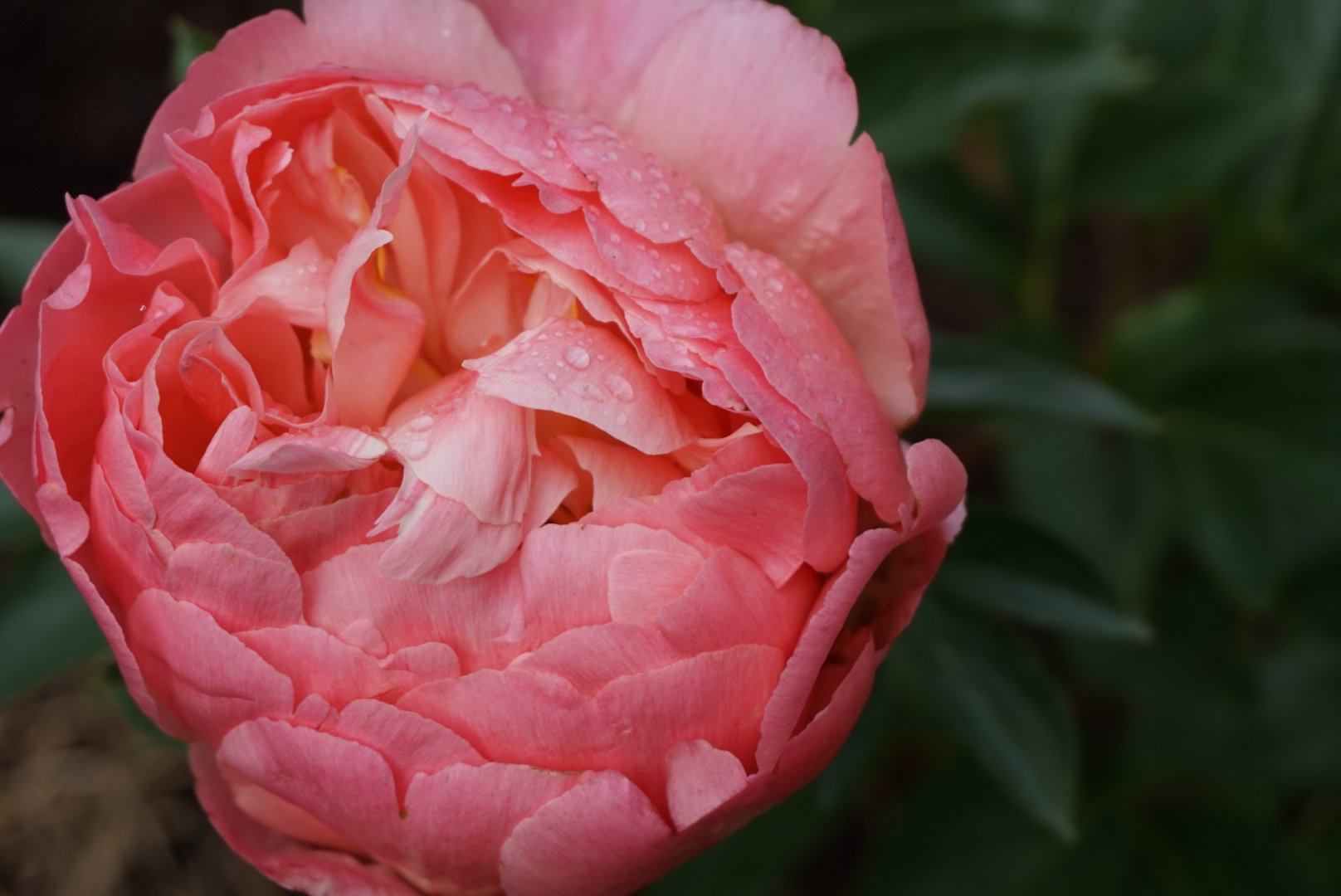
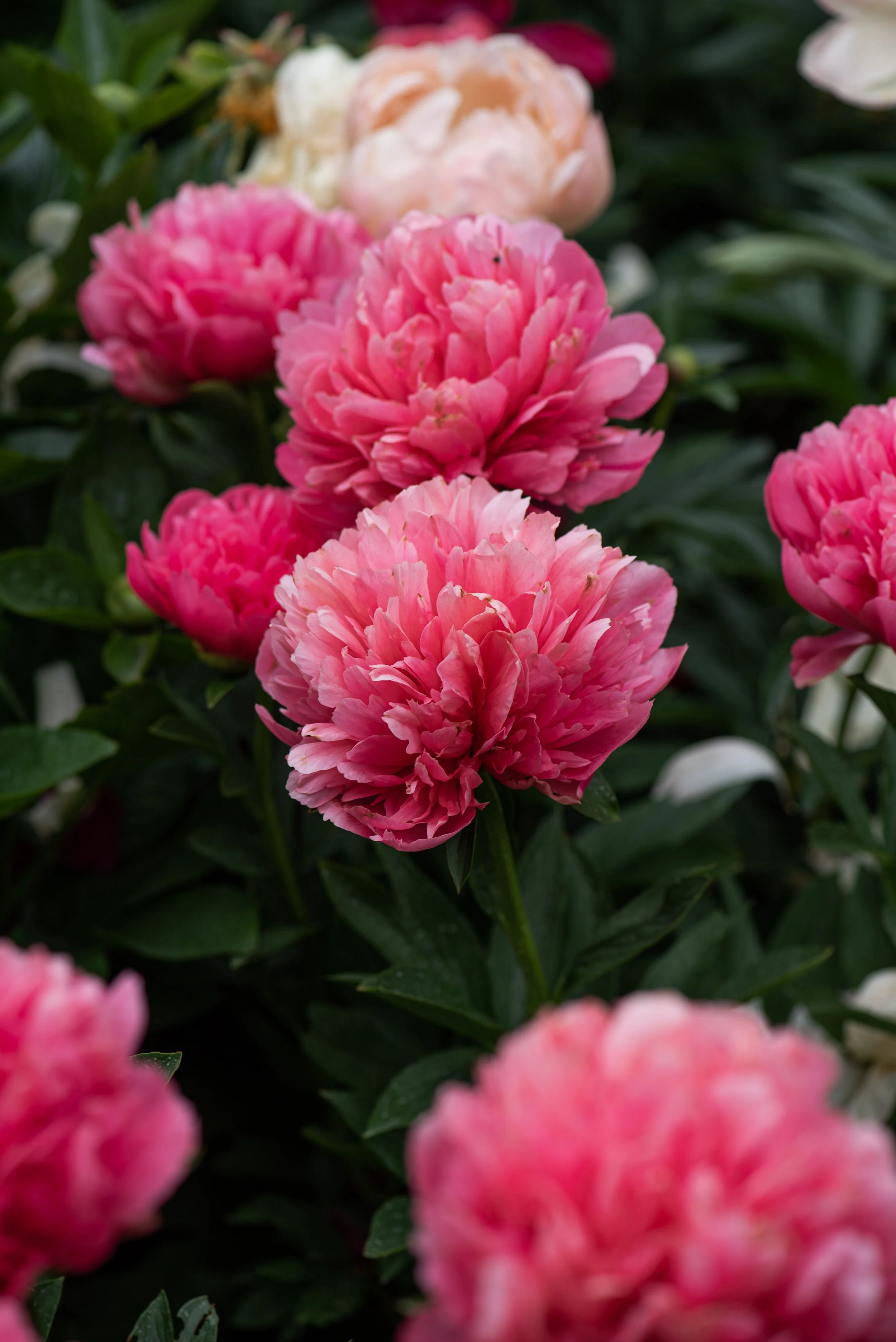
At Oak & Monkey Puzzle, I discovered just how well peonies respond to a cool climate with real winter chill and frost. The corals, especially ‘Coral Charm’ and ‘Coral Supreme’, became particular herbaceous peony favourites. Their colour is not static. It shifts and softens as the blooms age, moving through tones that feel almost impossible to describe properly unless you have lived with them day by day.

I also loved the contrast between herbaceous peonies and tree peonies. Herbaceous peonies disappear completely and return with fresh energy each year. Tree peonies hold more of a woody presence and bring a different kind of structure. Both are worth growing.

Peonies ask for patience. They are not instant plants. But that is part of their beauty too. They remind us that some things in a garden are worth waiting for.


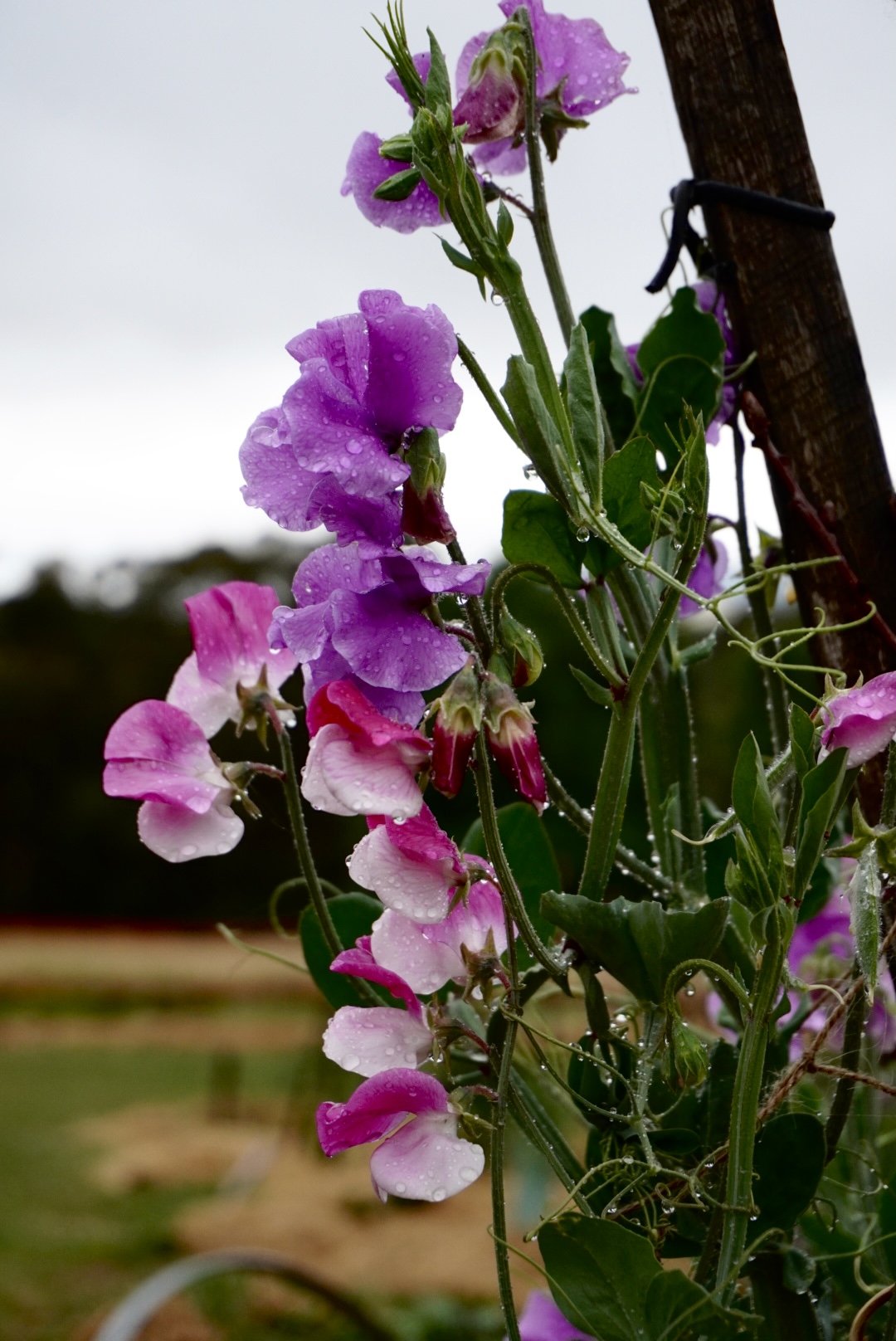
Sweet peas

Sweet peas are pure joy.

There is really no other way to say it.

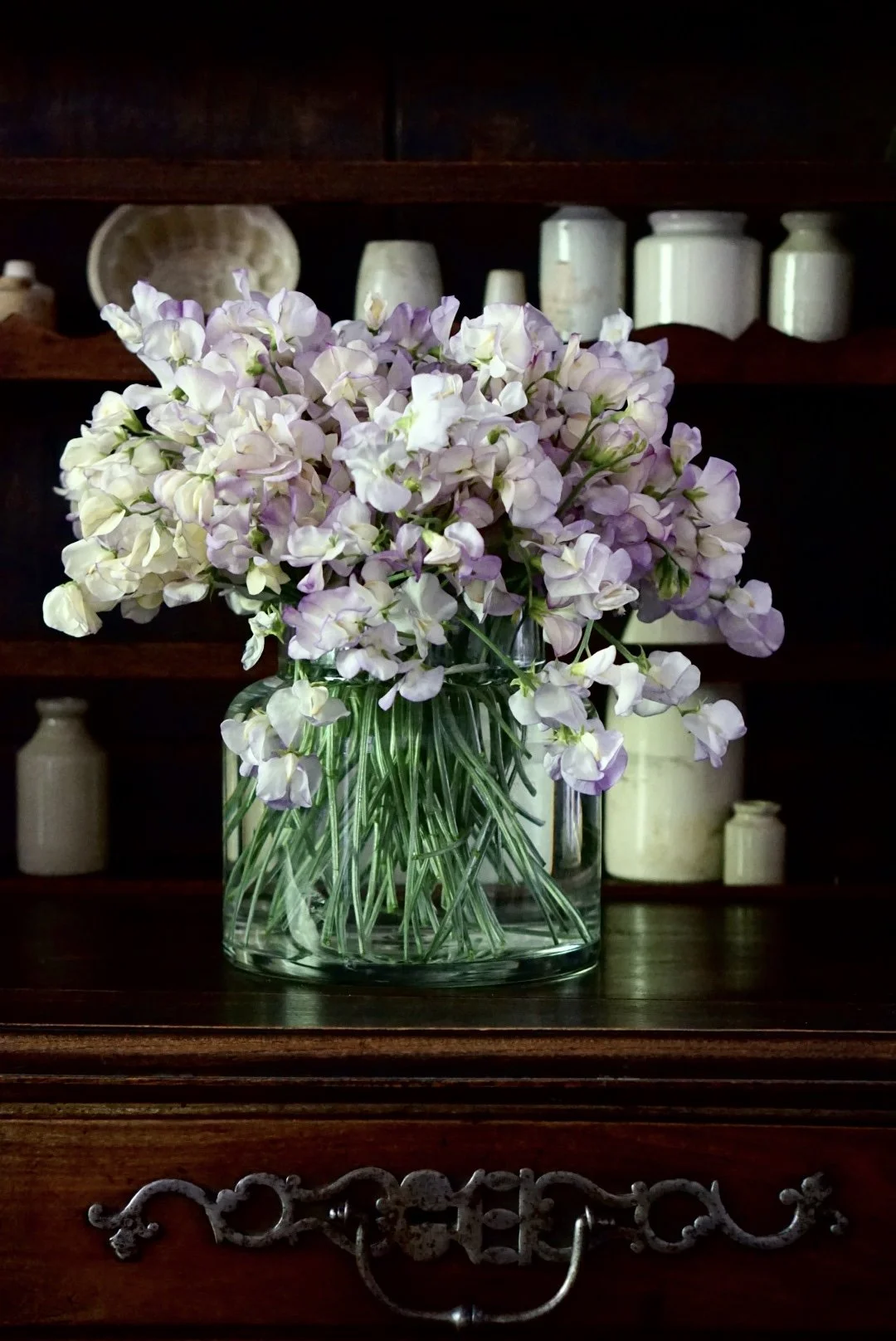
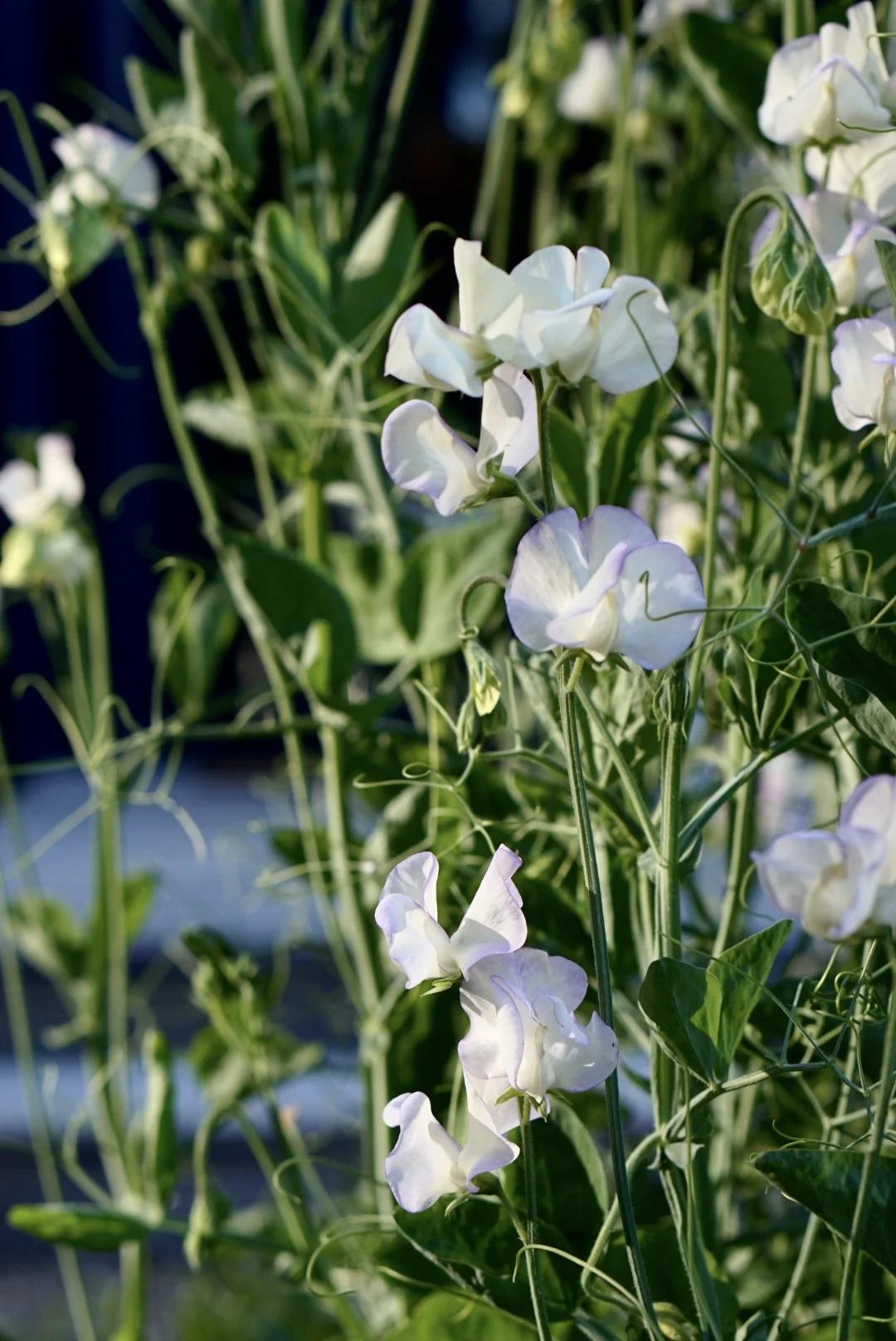
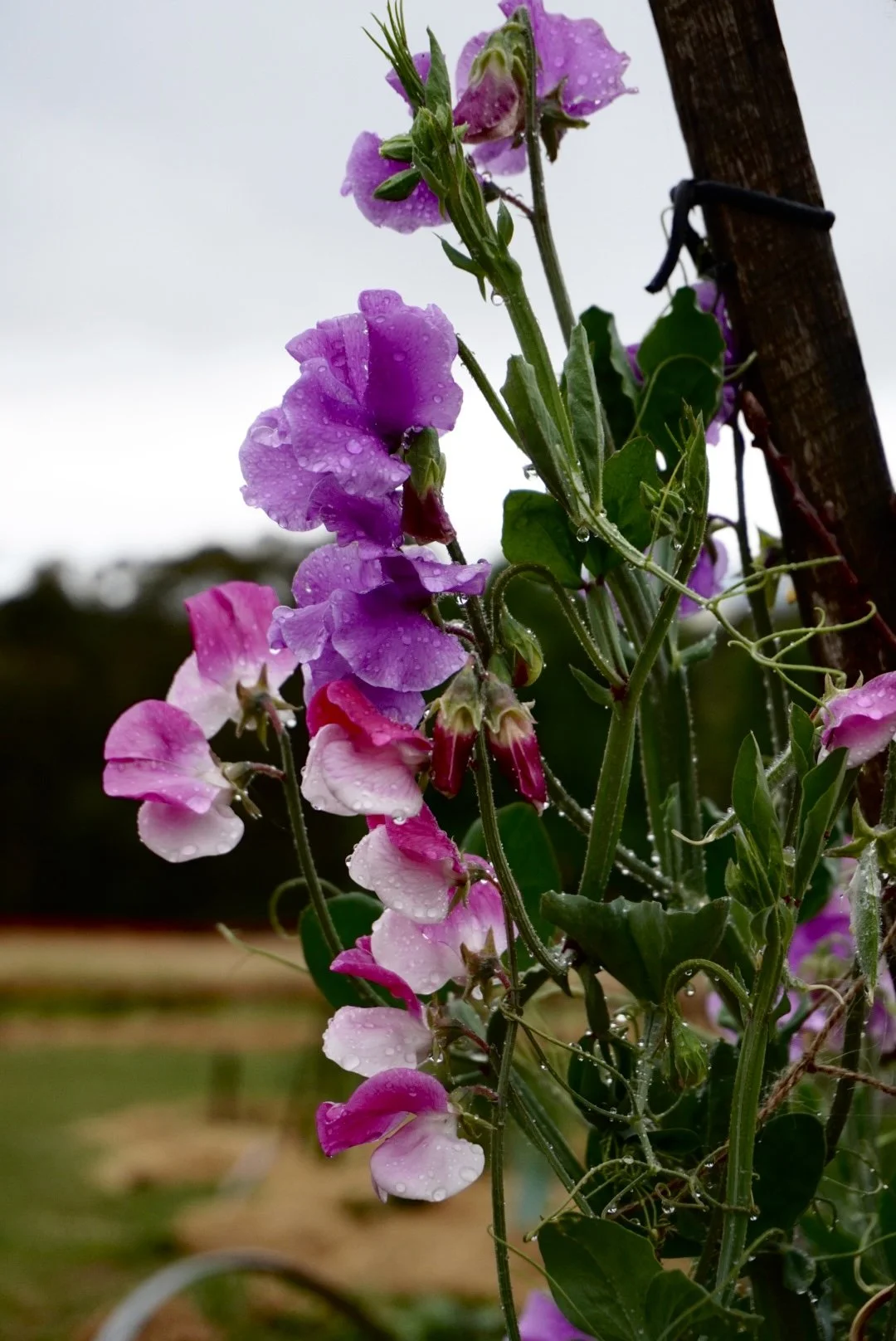
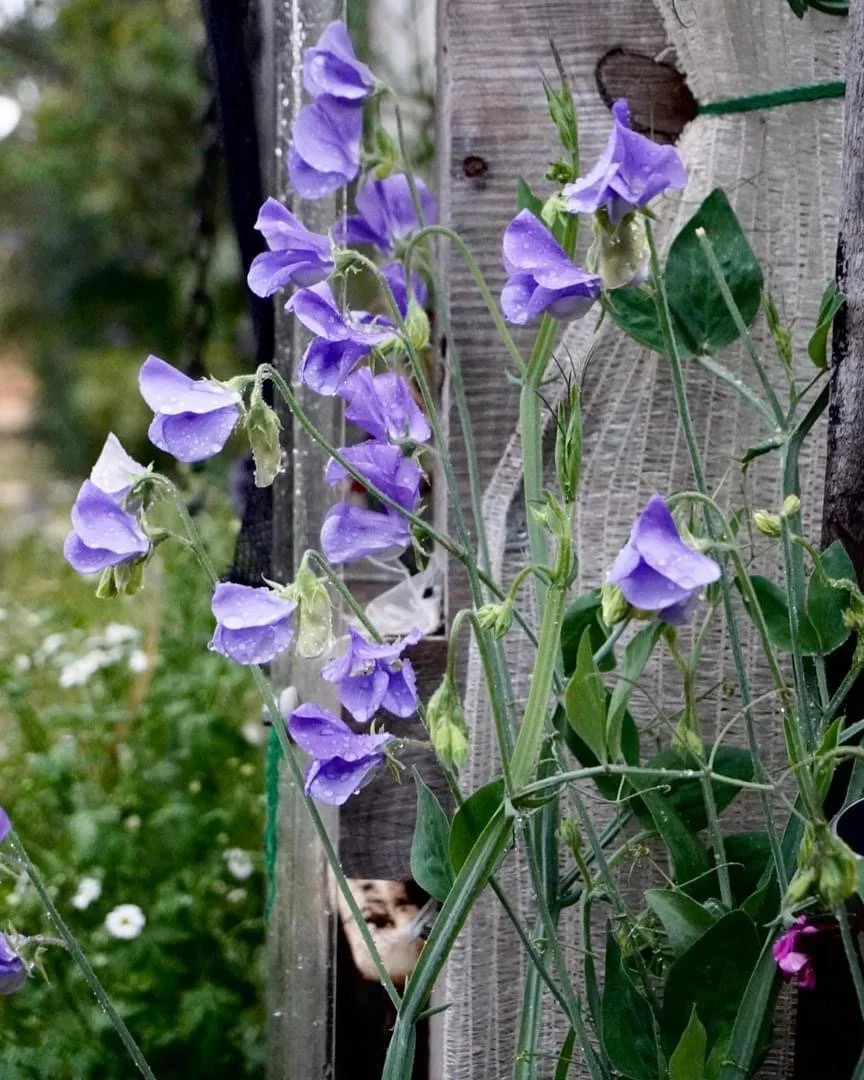
They are one of the plants I most strongly associate with the kind of abundance I wanted to experience at Oak & Monkey Puzzle. Not abundance in the sense of excess, but in the sense of being able to cut huge fragrant bunches, carry them inside, press them into someone’s arms, and fill a room with their scent.

Once you have grown and picked sweet peas yourself, it is very hard to feel the same way about buying them.

Their flowers are delicate, but their generosity is immense. They climb, they flower, they perfume the air, and they give that unmistakable feeling of the season being fully alive. They are one of those plants that engage memory so quickly. A smell, a bunch in a child’s hands, a vase on the table, and the whole time of year comes flooding back.

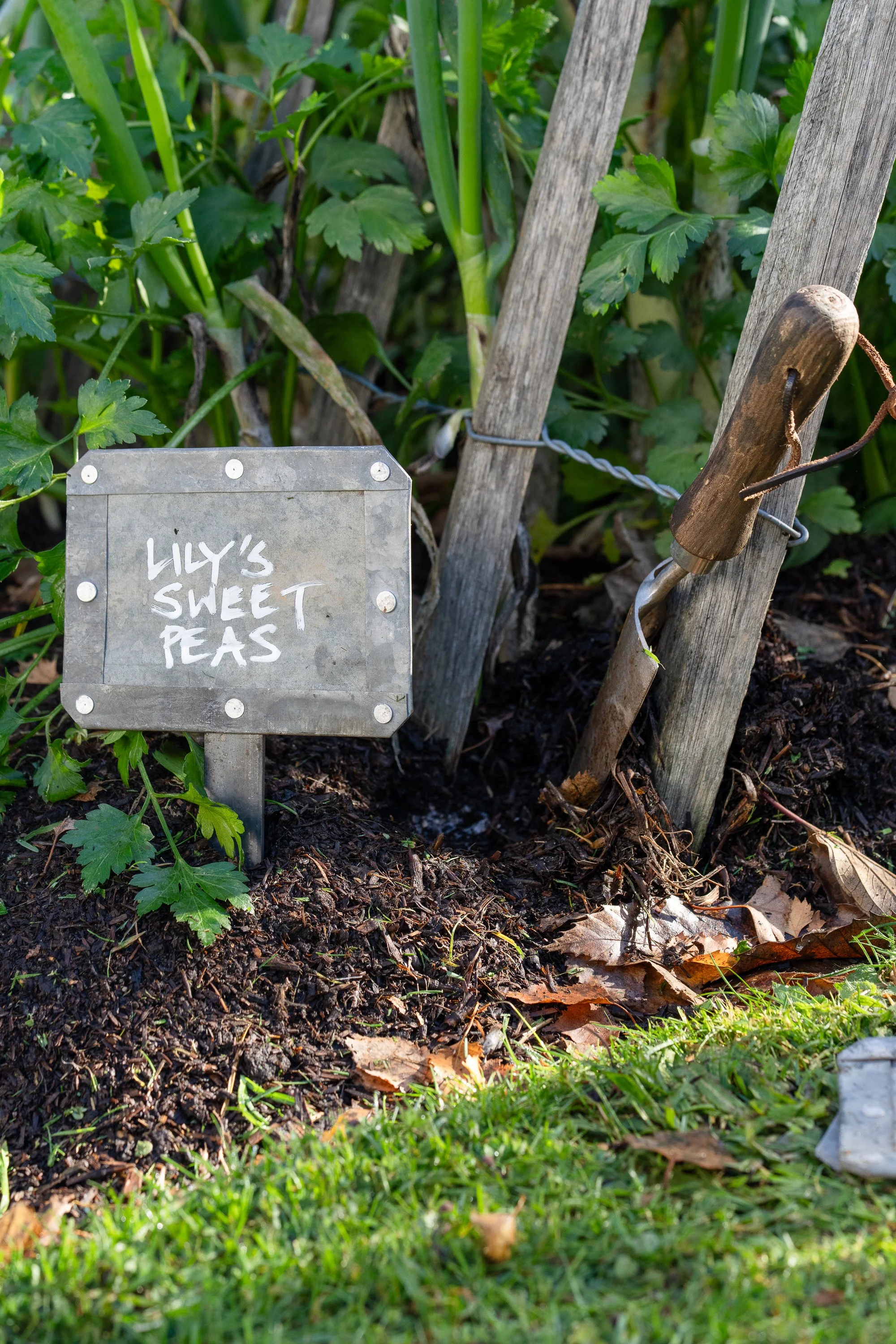
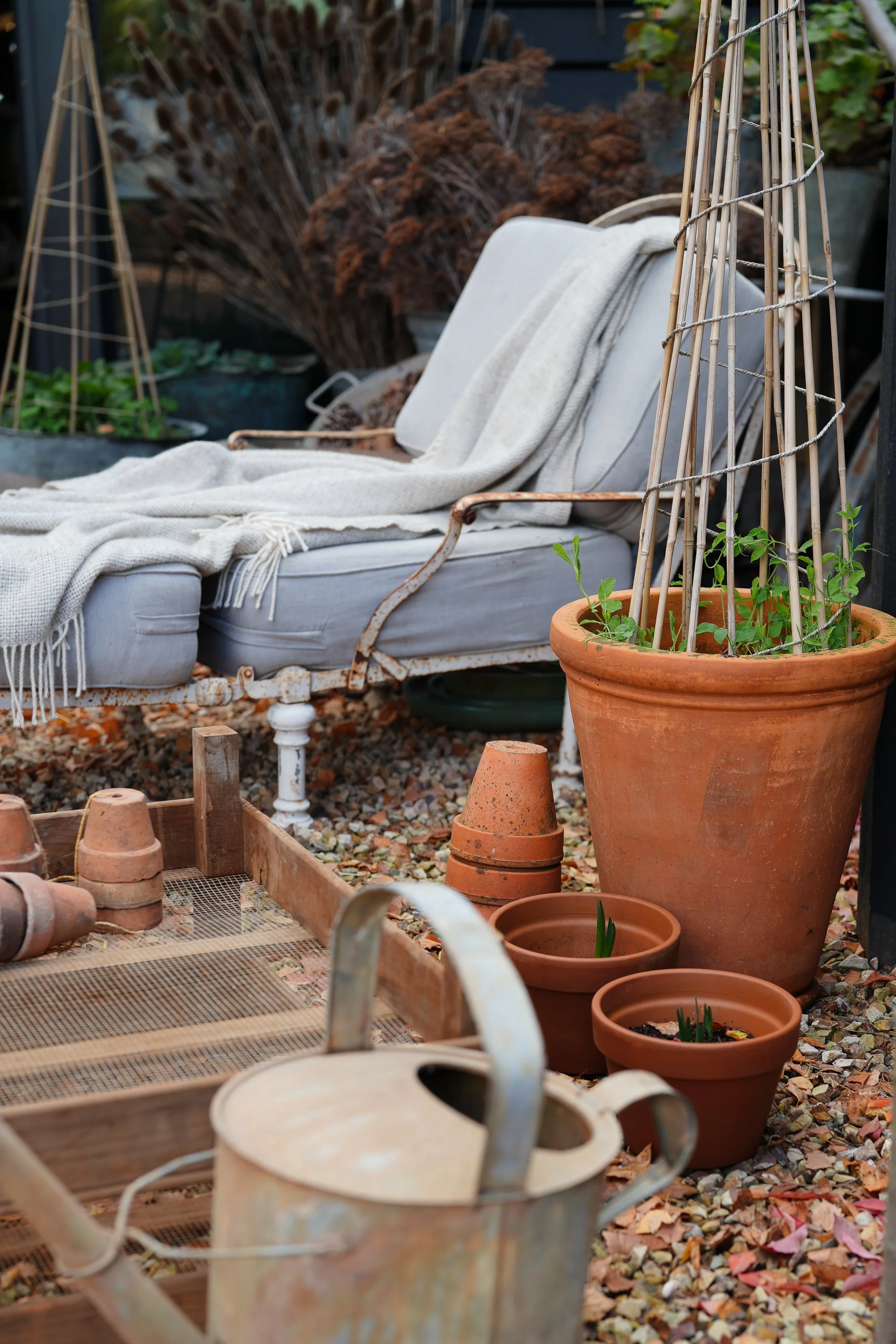
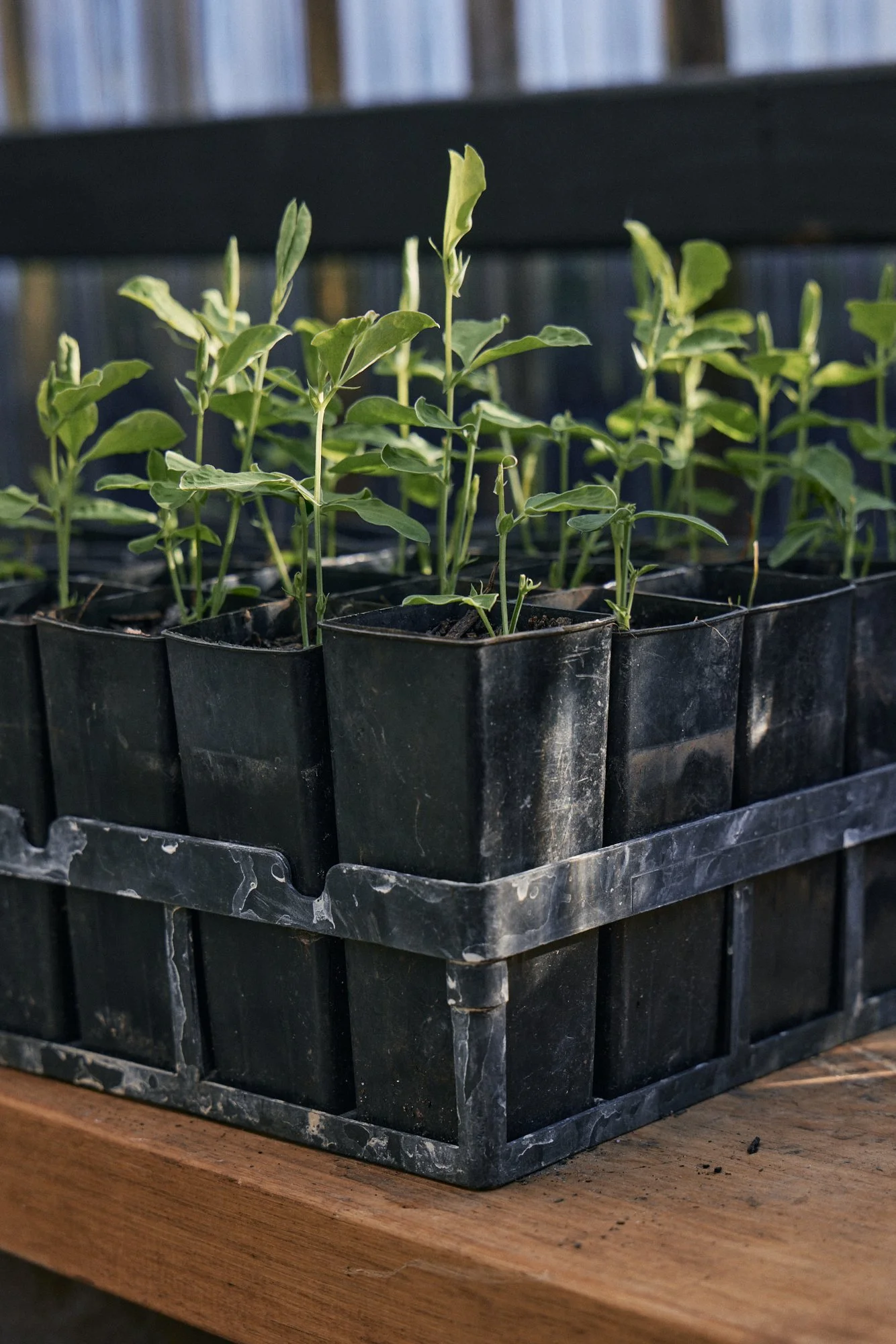
If you are thinking about sweet peas now, this is the time to plant seed. And if you have never grown them before, I would encourage you to begin. They ask for a little care, but they return it in spades.


Why these five?

All five of these plants hold something different for me, but they are united by one thing. They helped make Oak & Monkey Puzzle feel like the garden I had always dreamed of.

Hydrangea paniculata gave me longevity and seasonal depth.

The roses gave me fragrance and armfuls.

Hellebores gave me late winter lift.

Peonies gave me beauty for beauty’s sake.

Sweet peas gave me scent, abundance and sheer delight.

Together, they tell a story about the kind of garden I was creating there. A garden where plants were chosen not only because they looked good in one moment, but because they contributed to the life of the place. Because they carried the season. Because they gave me something to cut, notice, remember, or revere.

And because, in one way or another, they helped shape the experience of living there.

Subscribe to the newsletter and download the full Oak & Monkey Puzzle plant list

As part of my April month of milestones, I’ve created a beautiful free eBook for newsletter subscribers featuring the full Oak & Monkey Puzzle plant list, organised garden precinct by garden precinct.

It is a detailed record of the planting across the property, built over nine years of living and gardening on five acres, and I hope it offers both inspiration and practical ideas for your own garden, whatever scale you’re working at.

You can subscribe to the newsletter here.

Join a workshop

If you love plants that work hard and give more than one thing back, my Medicinal Garden workshop is a natural next step. We’ll explore some of the most useful and beautiful plants to grow, and how they can enrich both your garden and your daily life.

Explore current workshops in the shop.

If you are building your garden from home right now, my e books on Wicking Bed Gardens and Introduction to Backyard Chicken Keeping offer practical step by step guidance that pairs well with the workshops.

Stay connected

Follow along on Instagram, Facebook, Gardenstead, LinkedIn, Pinterest and YouTube, visit the website and subscribe to the Newsletter for seasonal updates.

And stay tuned. There is a major announcement coming very soon, and I cannot wait to share it with you.

Thanks so much for following along.


Natasha xx

You may want to check out my related content below:
Hydrangea Paniculata: A Year-Round Beauty in the Garden this is a plant that never fails to bring joy

April garden tasks for Australian climates & adding interest for winter The first week of the month of milestones.

Autumn Gardening Jobs - A Gentle Approach for a Bountiful Season

The Medicinal Garden Workshop with Caroline Parker & Natasha Morgan — Step into the magic of nature

Stay connected for more seasonal inspiration:
Instagram | Facebook | Gardenstead | LinkedIn | Pinterest | YouTube | Website | Newsletter

When the world feels uncertain, grow one thing

When the world, feels uncertain, grow one thing.

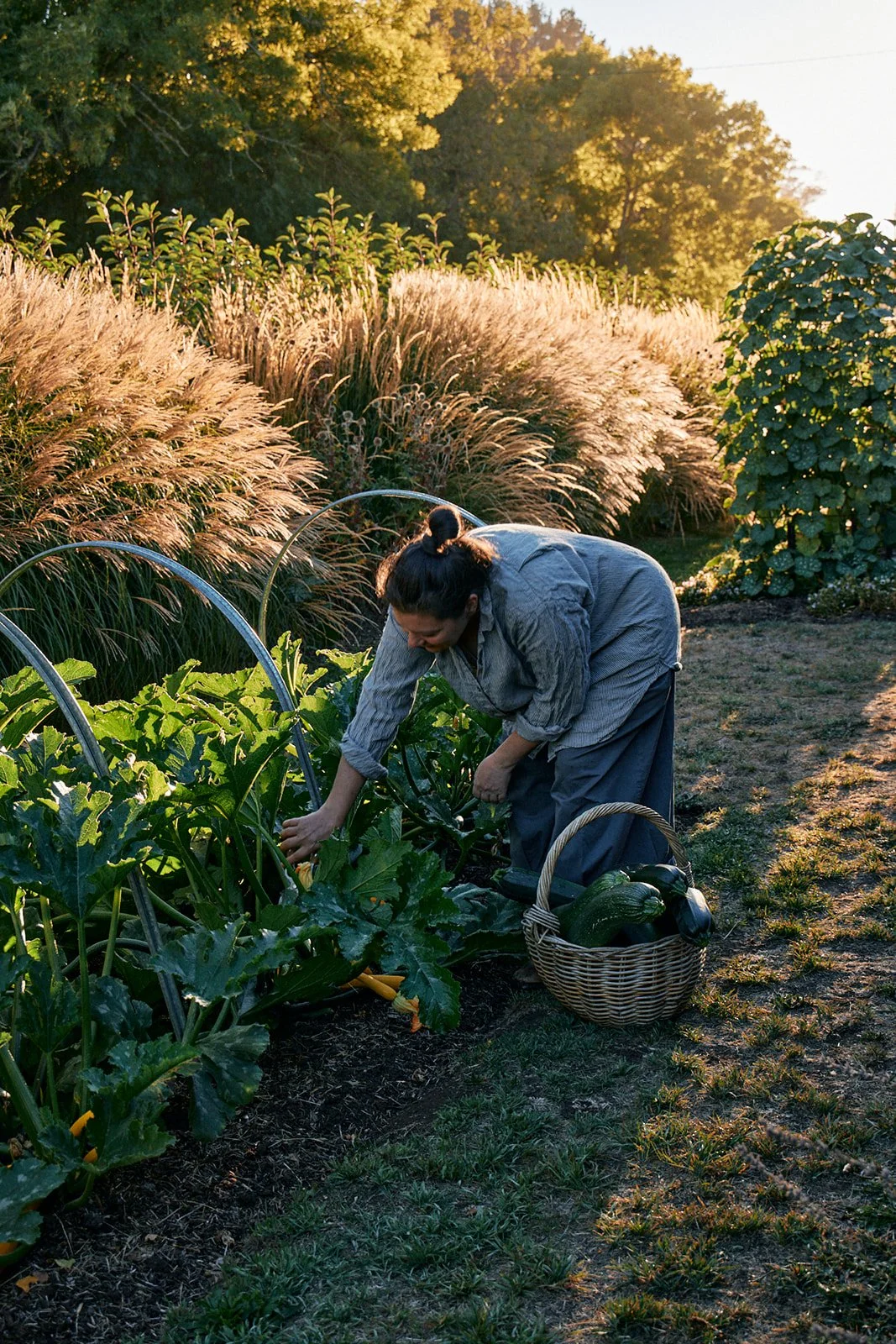
The other day, after my wicking bed garden workshop, I found myself sitting on the verge beside the tomatoes and zucchini, both of them running late, and just letting myself think.

We had spent the day talking about wicking beds, soil, seasonal timing, water, what to plant now, what to plant next. But underneath all of that, there was another conversation quietly running through the room.

Not just how to grow things, but why.

And I have been wondering whether you are thinking what I am thinking.

Not from a place of panic.

Not from catastrophising.

Just from that quieter, steadier sense that perhaps it is time to come back to some very basic things. To growing something. To using that patch of soil. To learning one skill properly. To becoming, in whatever small way, a little more capable at supporting ourselves and each other.

Because when the world feels uncertain, and right now for many people it does, there is something deeply steadying about knowing how to grow food, preserve it, share it, and use your own hands well.

This is not about fear

I want to be very clear about that.

This is not about prepping (although there is absolutely nothing wrong with that!).

It is not about panic buying seed packets, building a bunker, or imagining that we each need to disappear into our own little fortress of self sufficiency.

It is about practicality.

It is about remembering that useful skills matter.

It is about knowing that if you can grow herbs, lettuce, beans, tomatoes, pumpkins, or a row of garlic, that matters. If you can save seed, preserve quinces, dry beans, make passata, or share extra seedlings with a neighbour, that matters too.

These things do not solve everything. But they do change your relationship to uncertainty. They shift you, even slightly, from passive worry to active participation.

And that matters a great deal.

Why growing food can feel so grounding

There is something about food growing that pulls us back into rhythm.

You notice the weather differently. You pay attention to timing. You begin to understand what your soil can do, how much sun reaches a certain corner, where water sits, what thrives, what struggles, what needs protecting. You become more observant, more capable, more responsive.

Even one small success can change something in a person.

A pot of parsley by the door.
A bed of salad leaves.
A few winter brassicas.
A bucket of potatoes.
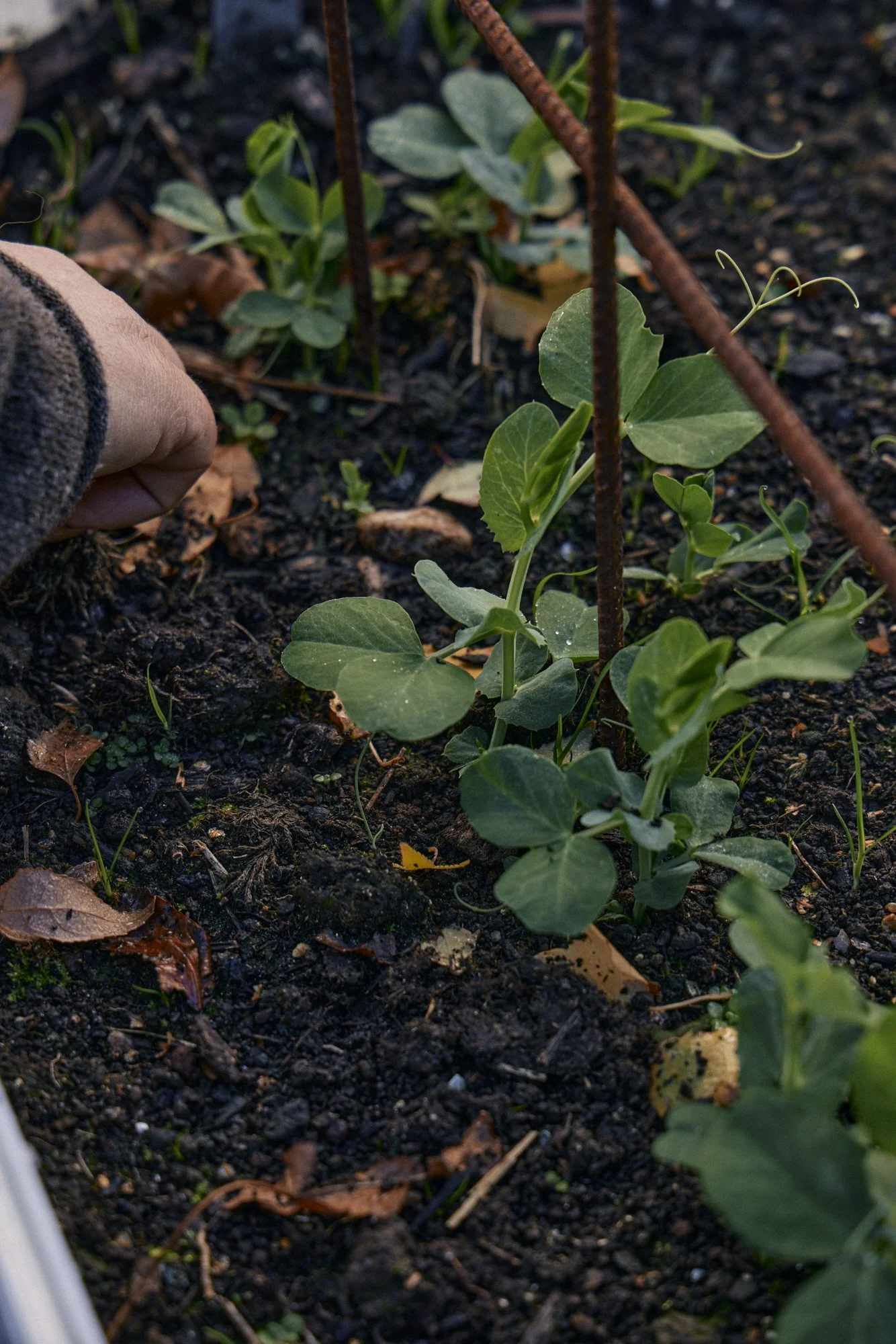
A row of peas.
A tomato vine that actually gets to ripen properly.

These are small things, yes. But they are also not small.

They build confidence.
They build skill.
They build memory.
They build a sense that you can participate in your own life more actively.

That is part of why gardening matters so much to me. It is never only about the harvest. It is about what the practice asks of us, and what it gives back.

The question I keep coming back to

What if each of us just grew one thing?

I talk about this in my book, which comes out in September (announcement coming soon!), and I find myself returning to the idea more and more.

Not everyone has room for an orchard.
Not everyone wants chickens.
Not everyone is going to preserve forty jars of tomatoes or redesign their whole backyard.

But one thing is possible for many more people.

One herb.
One bed.
One fruit tree.
One climbing bean on a fence.
One trough of leafy greens.
One skill.
One seasonal crop.

If every household grew one thing well, and if enough of us shared knowledge, seed, excess produce, and encouragement, the effect would be far bigger than the individual crop itself.

That is how resilience works in real communities. It is rarely dramatic. It is cumulative.


What Victory Gardens can teach us now

Lately I have also been thinking about the old Victory Gardens.

During the First and Second World Wars, governments in countries including the United States and Britain encouraged ordinary people to grow food at home, in backyards, on vacant land, in school grounds, in public plots, and wherever else space could be found. The goal was practical, to supplement food supplies, ease pressure on transport and commercial agriculture, and help households contribute in a meaningful way. The movement also had a strong morale and community dimension. It gave people something useful to do with their uncertainty. 

That is the part I find compelling.

Not the wartime slogan.
Not the patriotism.
Not the idea that we should romanticise hardship.

What interests me is the reminder that ordinary domestic skills have social value. Growing food, preserving it, and sharing it are not fringe activities. They are practical, intelligent responses to unstable times.

And perhaps that is something worth remembering now.

Not as a re enactment.
Just as a useful precedent.

A reminder that growing food has long been one way people contribute, steady themselves, and strengthen the places they live.

What I am noticing in my own garden

I am lucky.

I have a verge garden.
I have wicking beds.
I have years of growing knowledge.
I have a reasonably full larder.
I know how to preserve and plan ahead.

And even so, I am still thinking differently at the moment.

I am thinking about what I want to grow next.
I am thinking about what earns its place.
I am thinking about what stores well, what feeds us well, what is worth repeating, what is genuinely useful.

I am also thinking about timing. About late tomatoes and late zucchini. About what the season has done. About what the next one may ask.

This is what gardening teaches so well. You do not control the season. You respond to it. You observe first, act second.

That is true in the garden, and I think it is true in life as well.

What your comments told me

One of the most moving parts of sharing that reel was the response.

So many of you were already thinking along similar lines.

Some of you are expanding your productive gardens.
Some are planting extra and collecting seed.
Some are building raised beds or converting them to wicking beds.
Some are preserving more, drying beans, refilling pantries, saving what the garden offers.
Some are wanting hens.
Some are revisiting older skills.
Some are simply asking where to start.

That breadth of response mattered to me because it showed that this is not a fringe thought. It is a real one. Quiet, practical, shared by many people, each in their own circumstance.

And importantly, not everyone was starting from the same place.

Some people already grow a lot and want to become more deliberate.
Others are at the very beginning.
Others feel the urge but not yet the confidence.

All of that is valid.

If you are new to this, start smaller than you think

If your head is going here too, but you are worried you do not know enough, start smaller than you think you should.

Do not begin with the fantasy version.

Begin with what fits your life.

Grow what you actually eat.
Grow what is easy in your climate.
Grow something that gives you a quick return.
Grow something that teaches you one useful lesson.

A pot of herbs is not nothing.
A trough of rocket is not nothing.
A few lettuce seedlings are not nothing.
Learning how to sow coriander at the right time is not nothing.
Growing a decent crop of spinach in winter is not nothing.

It is a practice.

And practice works by repetition.

If you already have skills, this may be the moment to use them more fully

If you already know how to grow, preserve, propagate, compost, save seed, or cook from the garden, perhaps this is the moment to lean in a little more.

Not in a frantic way.

Just in a more conscious one.

Maybe that means planting an extra row.
Maybe it means finally getting serious about succession planting.
Maybe it means preserving what you might once have let slide.
Maybe it means teaching your children.
Maybe it means sharing seedlings.
Maybe it means checking in on a neighbour.
Maybe it means using your front yard, your verge, or the sunny side of the fence a bit more deliberately.

Skills gain value when they are used and shared.


Practicality can be a form of contribution

I keep coming back to that word, contribution.

For me, this is not about control. It is about contribution.

Growing something is a contribution.
Saving seed is a contribution.
Learning to preserve food is a contribution.
Giving away excess produce is a contribution.
Showing someone how to start is a contribution.
Using your garden, however small, with care and intention, is a contribution.

In uncertain times, practical acts can help settle the nervous system because they return us to what is concrete. Soil. Water. Seed. Season. Repetition. Usefulness. Care.

That is not escapism.

That is participation.

So where is your head at?

That is really the question behind all of this.

Are you thinking about growing more right now?

Are you wondering where to start?

Are you worried you do not know enough?

Or do you already have skills and want to use them more fully, more thoughtfully, more generously?

Because if this is where your mind is going too, then maybe this is a conversation worth having.

And maybe, in one way or another, I can help.


Join a workshop

Explore current workshops in the shop.

If you are building your garden from home right now, my e books on Wicking Bed Gardens and Introduction to Backyard Chicken Keeping offer practical step by step guidance that pairs well with the workshops.


A new date the for the Wicking Bed Garden workshop has also just been added for Sunday 17th May. Places are limited, so please get in quick if you have been wondering how you can grow more with less. You can book via the shop section of the website or here https://www.natashamorgan.com.au/shop/wicking-bed-garden-workshop-with-natasha-morgan

Continue your gardening journey with me

If you enjoy this kind of content, my workshops offer more detail and guidance on design, productivity and seasonal care.

If you are building your garden from home right now, my ebooks on Wicking Bed Gardens and Introduction to Backyard Chicken Keeping offer practical step by step guidance that pairs well with the workshops.

I share seasonal tips, behind the scenes at Little Cottage on a Hill, and new resources through my newsletter. Subscribe to receive my entire plant list from the garden as a personal thank you.


You may want to check out my related content below:

Cultivating beauty in a war zone – Alla Olkhovska’s garden of resistance - gardening as a form of survival. Of resistance. Of legacy.

Why I Grow. Why I Design. Why I Return. - Finding comfort in small daily acts.

Caring for Ornamental Grasses – When (and Whether) to Cut Back - As we head toward winter here in the southern hemisphere, it’s the time of year when I’m often asked: Should I be cutting back my grasses now?


Stay connected for more seasonal inspiration:
Instagram | Facebook | Gardenstead | LinkedIn | Pinterest | YouTube | Website | Newsletter


Thanks so much for following along.
Natasha xx

Beauty, Tending, Belonging: Why I Keep Growing Things

Growing things is how I remember who I am.

It is the quiet, steadfast practice that has held my hand through every season of my life, from childhood curiosity to the work I do now in my garden and on the page. When I grow something, even just one small plant, the world narrows to a scale I can hold and, at the same time, somehow expands; I feel both anchored and open, both soothed and alive.

The childlike wonder of beginnings

Every time I tuck a seed into soil or take a cutting from a plant I love, I feel that small, familiar flutter of wonder. Will it take? Will it sulk? What will it become in this particular patch of earth, with this particular light, wind and weather? I still find myself checking far too early for signs of life, scanning the surface for the faintest lift of soil, the first sliver of green that says, I am here.

That moment never gets old. A seed pushing through, a bud swelling, a tendril finding something to hold – these are such modest events, but they land in me like miracles. They remind me of being a child pottering in gardens where no one needed me to impress them, where the whole point was to notice, to touch, to be in conversation with whatever was growing. Growing things returns me to that state, again and again – curious, attuned, unguarded.

Contentment in tending

People sometimes imagine that the satisfaction of gardening lies in the finished picture – the overflowing beds, the baskets of produce, the vases of flowers on the table. For me, the deepest contentment lives in the tending itself. Watering a single pot at the back door. Brushing past lemon verbena and carrying its scent with me into the house. Tying in a wandering stem so it can find the light more easily.

There is a profound relief in doing one small, useful thing for something living – especially on the days when life feels unruly, loud or beyond my control. I don’t need to fix the world; I can deadhead a rose, top up a wicking bed, check the moisture under the mulch with my fingers. Each of these gestures is tiny, almost invisible from a distance, but together they knit a rhythm that steadies me. The garden gives back in beauty and harvest, yes, but it also gives back in pace – in a tempo my nervous system can actually live inside.

Curiosity, exploration and discovery

Growing things has always been my favourite way to ask questions. What happens if I plant garlic between the flowers? If I leave the seedheads standing through winter? If I turn off the irrigation and see who copes? Gardens, by nature, are experiments written in soil and time. I rarely follow the textbook to the letter, yet still, the garden grows – and that gives me courage to keep trying, adjusting, learning on the job.

Curiosity shows up in small daily explorations: a lap of the wicking beds in bitter weather, checking which plants are holding their nerve; a wander along the verge to see what self-seeded while I was busy elsewhere; a notebook scribble about which flower kept the bees busy longest. The garden keeps offering discoveries – a leaf my child holds up like a jewel, a volunteer plant in exactly the right place, a combination of scent and light that makes me stop mid-task and simply breathe. In a noisy world, growing things is how I keep my capacity for surprise alive.

Beauty as a way of staying

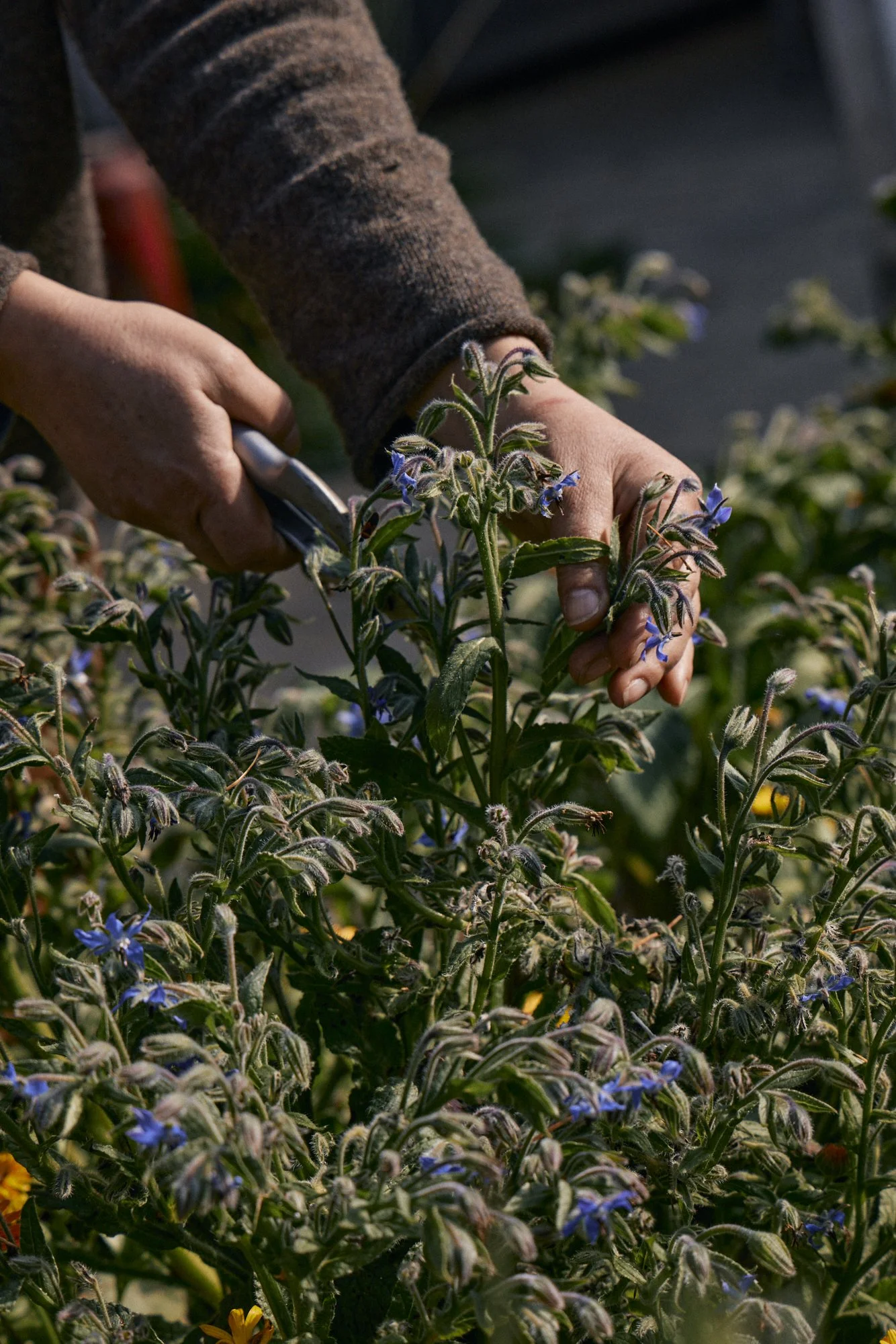
There’s a misconception that beauty in the garden is indulgent, something to earn only after the “real work” is done. In my world, beauty is the real work – not in a decorative sense, but as a reason to keep showing up. The shape of morning light through grasses, the hum of bees in borage, the brush of lavender against a path – these are not extras, they are invitations.

When beauty is woven into the everyday, care stops feeling like a chore and becomes almost instinctive. I don’t step outside because I should; I step outside because some part of me longs to see how the fennel is catching the sun today, or whether the sweet peas have finally decided to open. Beauty turns maintenance into ritual, ritual into rhythm, and rhythm into a way of moving through a year that feels intentional and kind.

Growing one thing, and then more

So much of my work rests on a simple, almost disarmingly small idea: grow one thing. Not an entire garden overhaul, not a reinvention of your life, just one honest plant that fits inside the days you already have. A pot of parsley by the gate with a note that says, “Take some.” A single tomato on a sunny sill. A flower whose scent makes your shoulders drop each time you brush past.

For me, the profound power and contentment of growing things lives precisely there – in the way one plant can change how you see light, weather, time and yourself. You start noticing where the frost settles, where the wind sneaks through, which days you have energy to tend and which days a brief look and a deep breath are enough. From the outside, it doesn’t look like much. From the inside, it’s a quiet revolution: a decision to participate, to pay attention, to belong to the living world rather than stand apart from it.

That is where my childlike joy sits now – not in grand gestures, but in these repeatable, seasonal acts of care. A seed. A cutting. A single bed re-mulched before the rain. Each one is a small promise: I will grow one thing. And from that, for me at least, contentment keeps quietly, generously, growing.

Continue your gardening journey with me

If you enjoy this kind of content, my workshops offer more detail and guidance on design, productivity and seasonal care.

If you are building your garden from home right now, my ebooks on Wicking Bed Gardens and Introduction to Backyard Chicken Keeping offer practical step by step guidance that pairs well with the workshops.

I share seasonal tips, behind the scenes at Little Cottage on a Hill, and new resources through my newsletter. Subscribe to receive my entire plant list from the garden as a personal thank you.

You may want to check out my related content below:

The Medicinal Garden Workshop with Caroline Parker & Natasha Morgan - a journey through the healing power of plants bringing them into your everyday life from your own garden that nurtures the body, mind, and soul.

Why I Grow. Why I Design. Why I Return. - Finding comfort in small daily acts.

Rooted in Reflection, Growing with Intention – Explore the intentionality behind creating a garden that serves both purpose and beauty.

Stay connected for more seasonal inspiration:
Instagram | Facebook | Gardenstead | LinkedIn | Pinterest | YouTube | Website | Newsletter

Thanks so much for following along.
Natasha xx
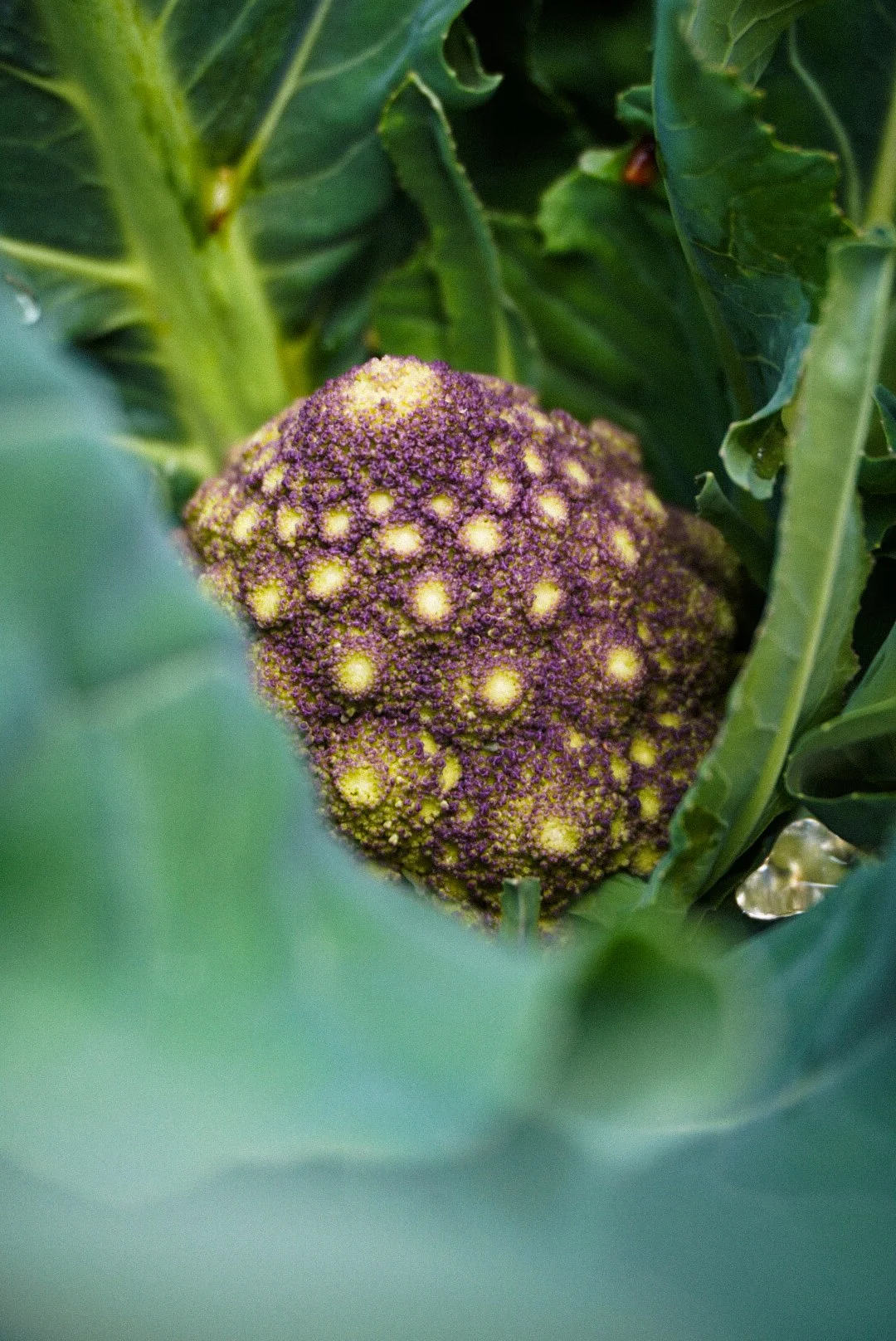
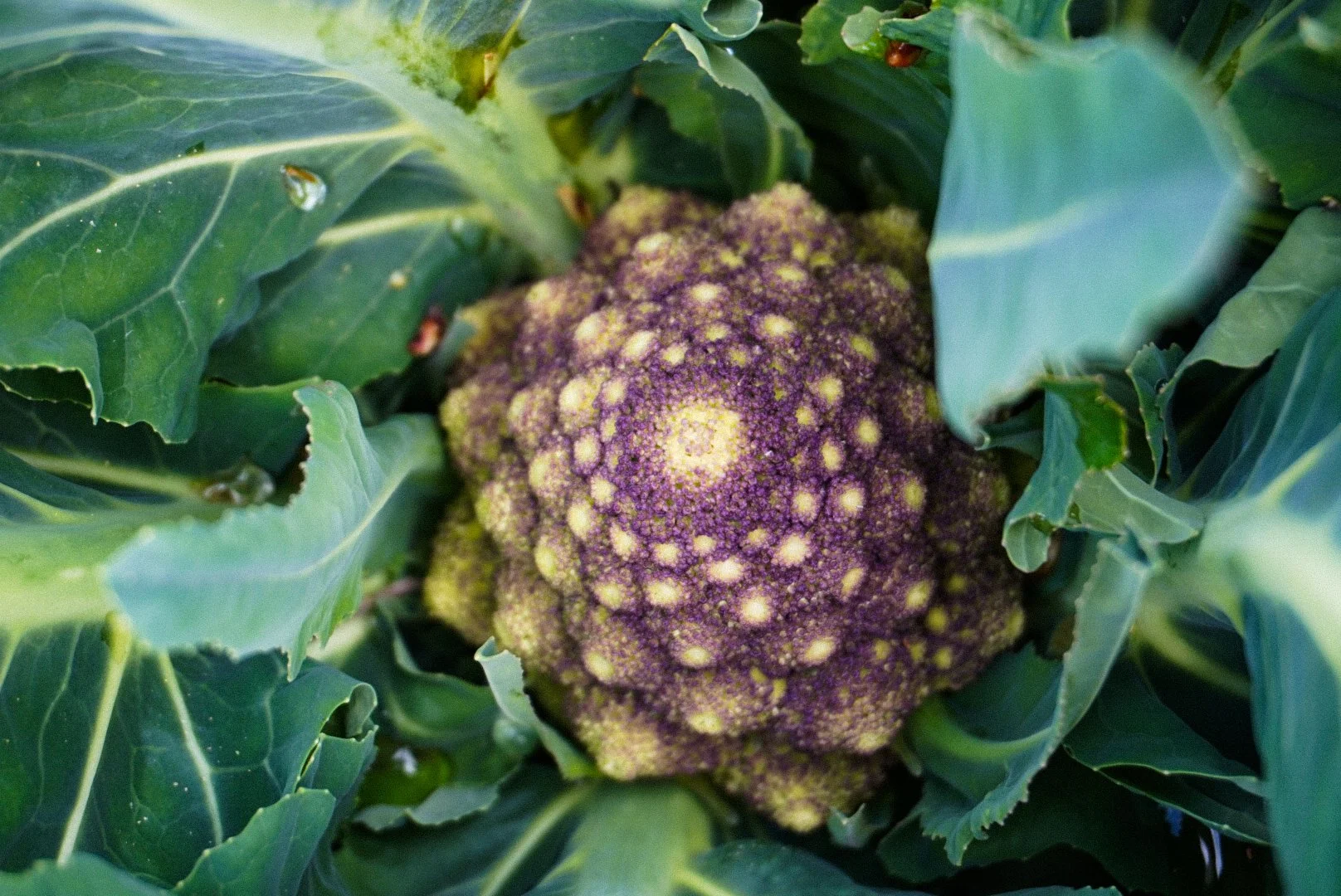
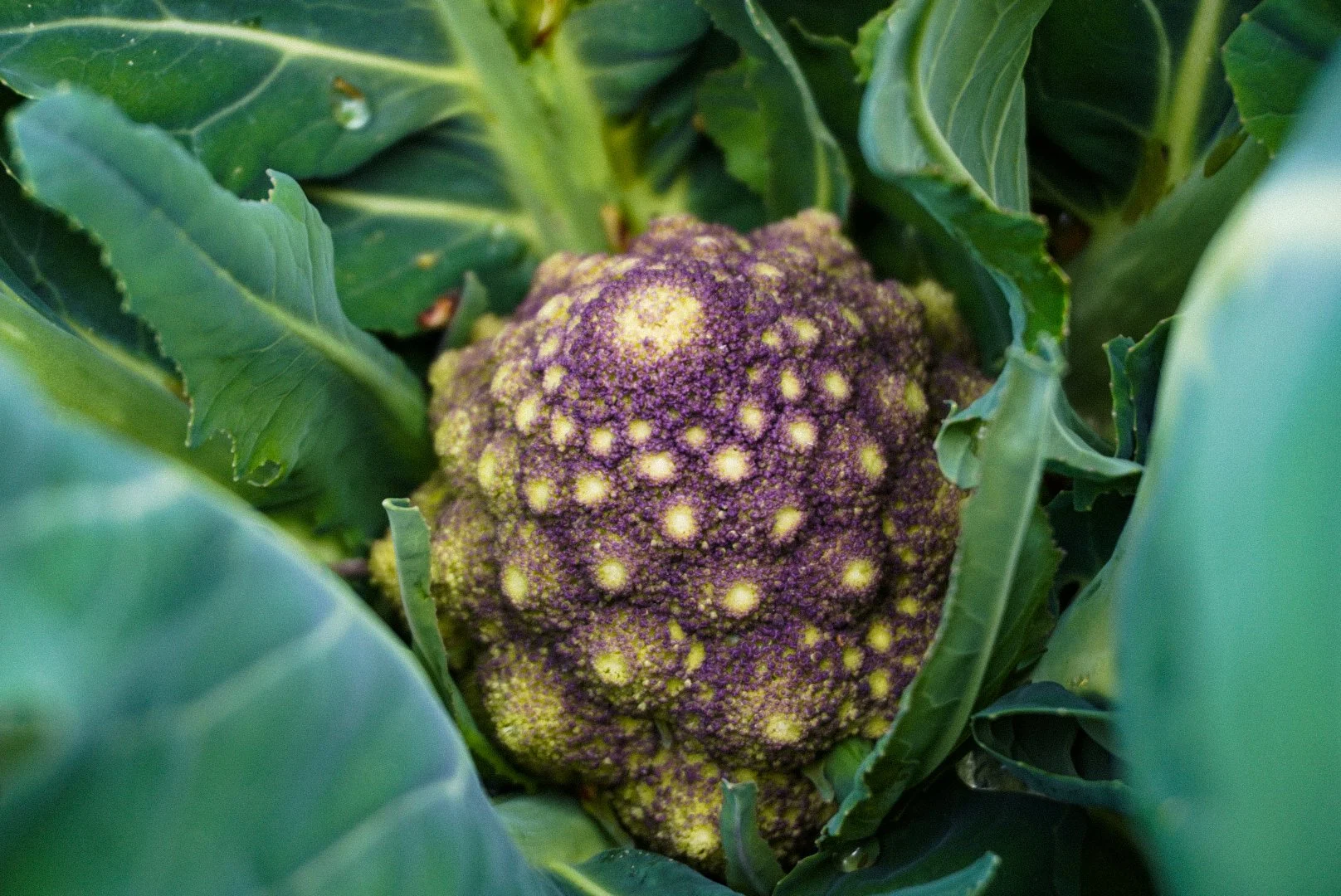
Romanesco: fractal beauty from the brassica bed

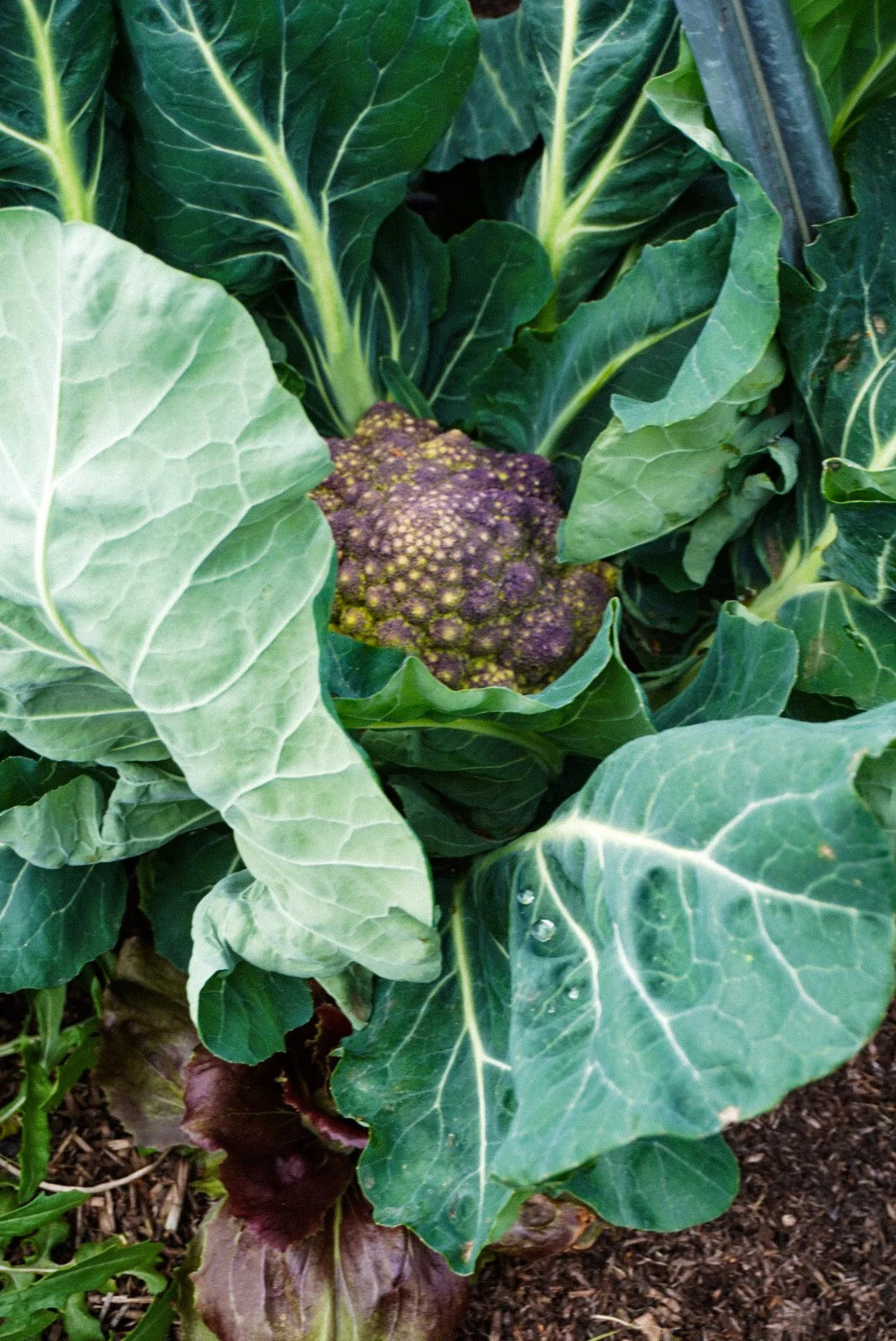
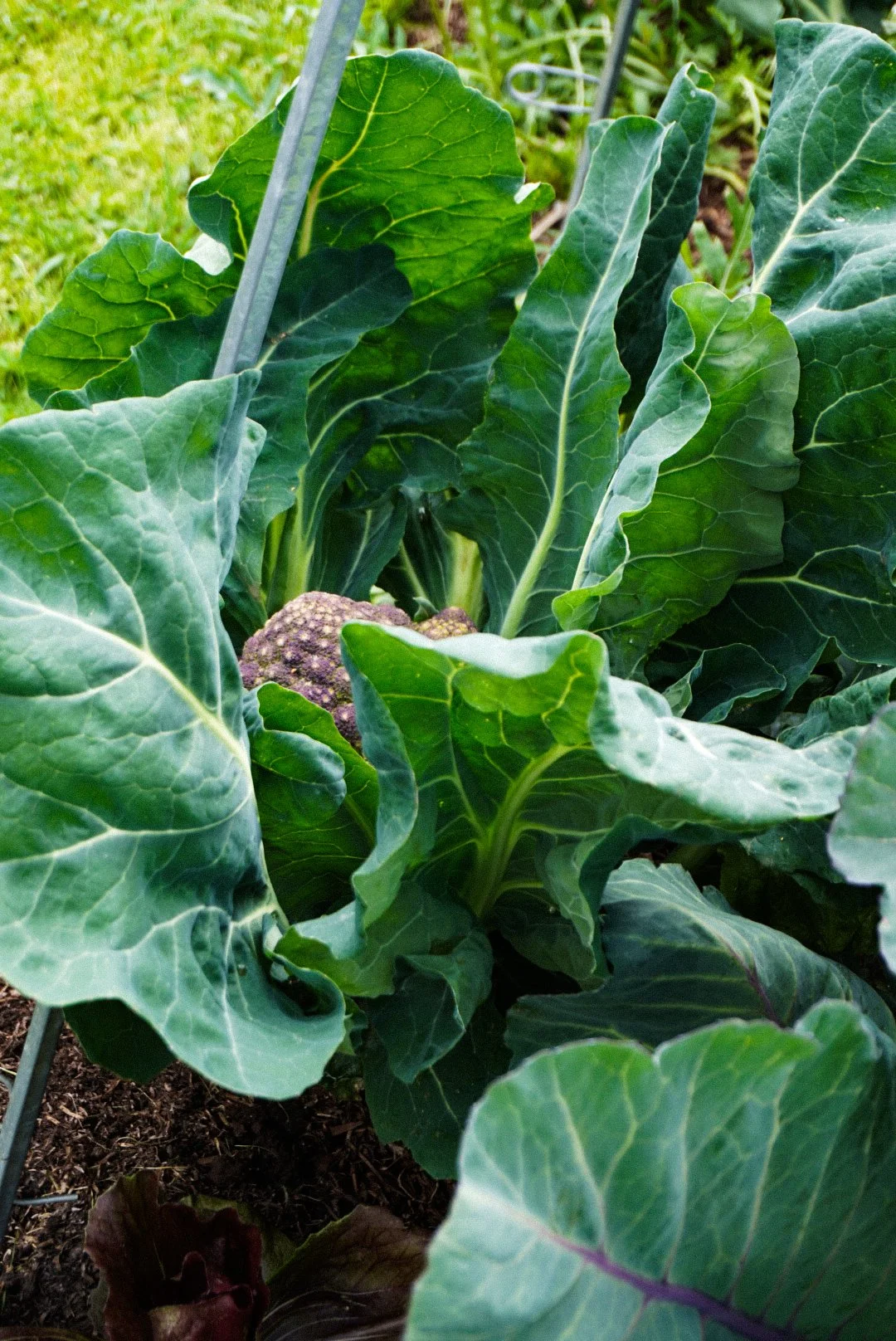
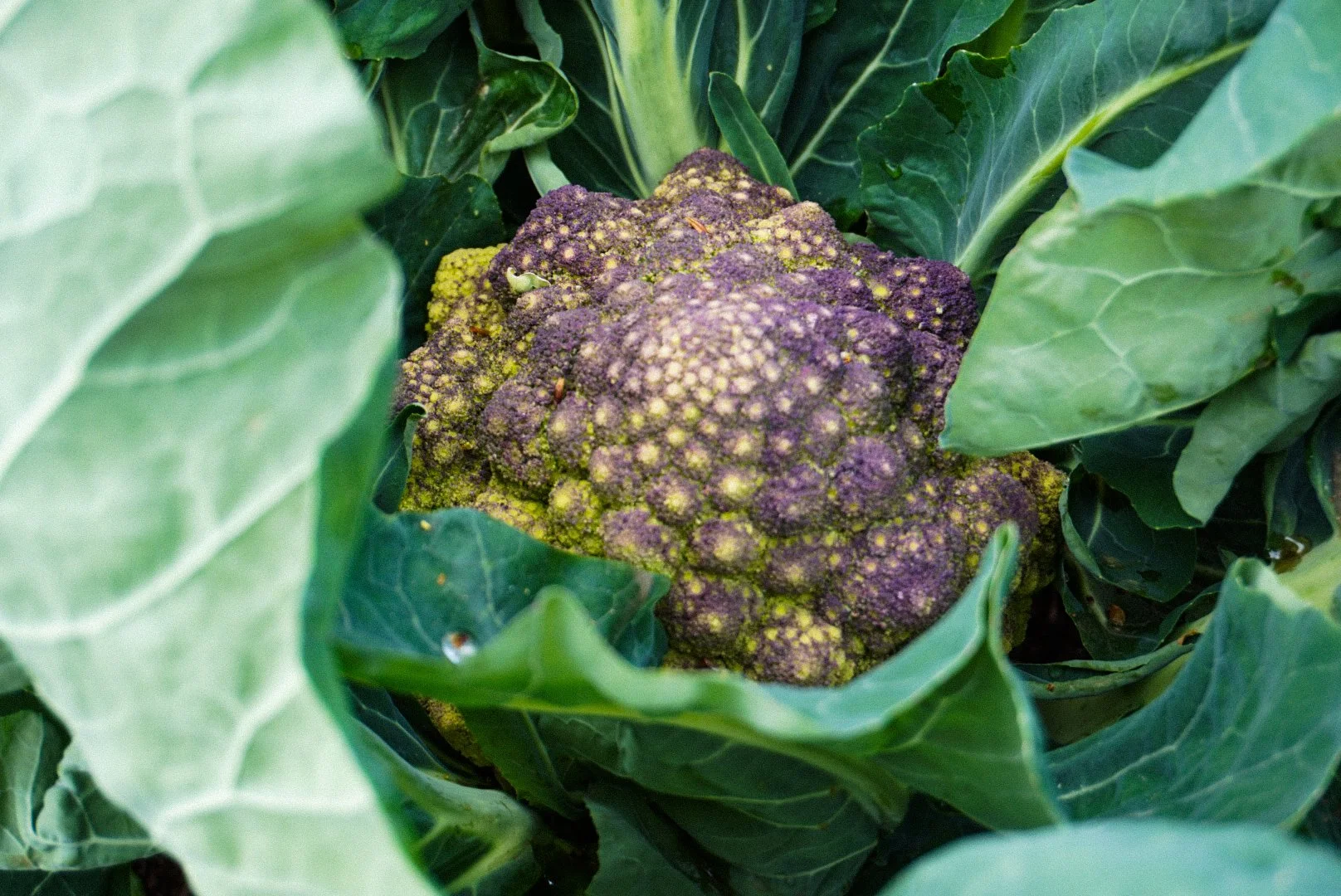
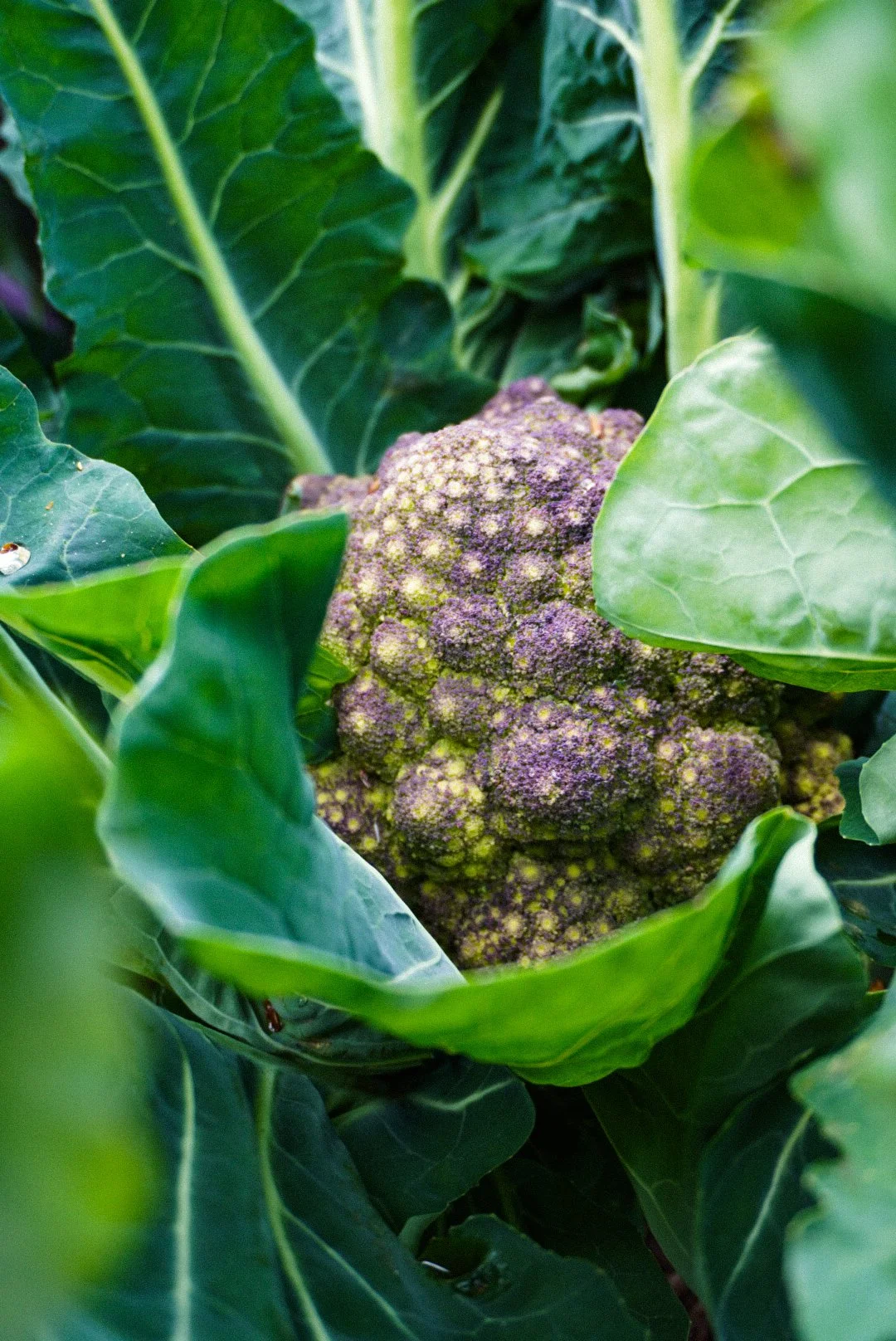
I harvested the first Romanesco heads this week and had to stop and stare.

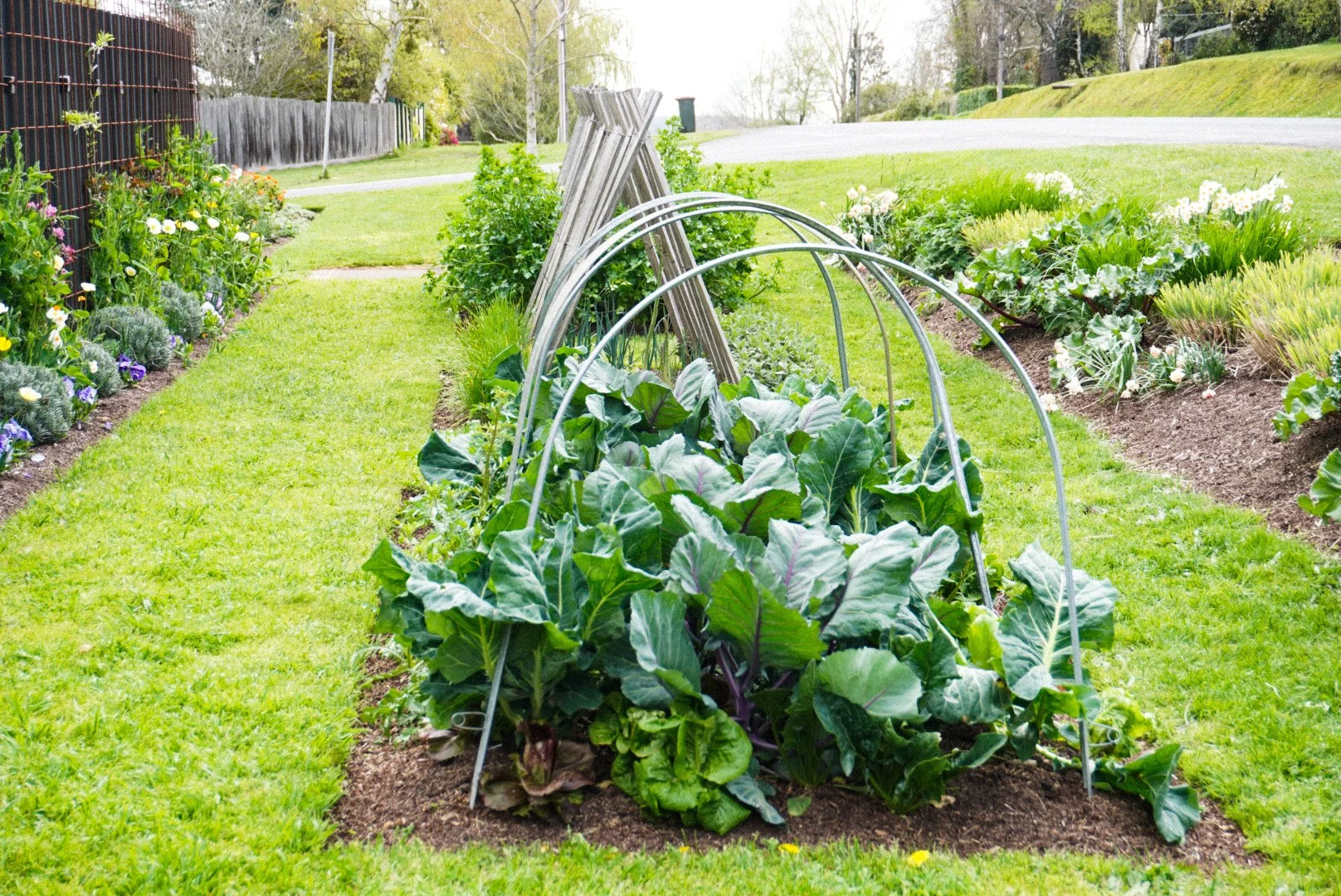
Those luminous chartreuse spirals feel like a little lesson in pattern and patience. I grow Romanesco because it is delicious, beautiful, and surprisingly resilient in a cool temperate garden like Daylesford.

What is romanesco

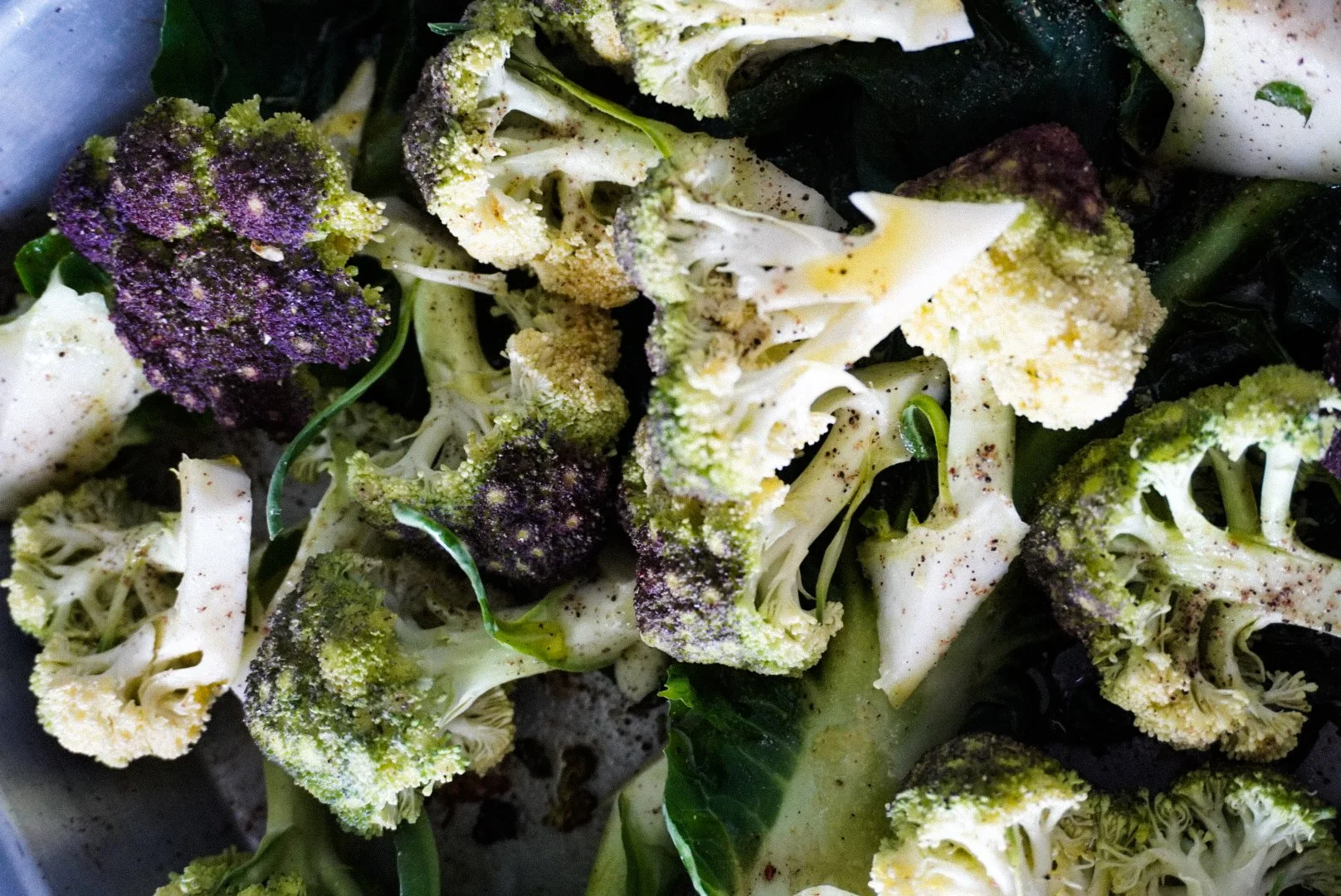
Romanesco is a brassica that sits between cauliflower and broccoli. It cooks like cauliflower, with a flavour that is slightly sweeter and nuttier. The texture is tender but holds shape beautifully, which makes it perfect for roasting and for dishes where you want structure on the plate.

Why I plant it

I like plants that serve more than one role. Romanesco offers food, sculptural presence, and a steady supply of leaves for the kitchen (and chooks!). The heads become seasonal markers in the bed, and when they finally appear it feels like the garden offering a small celebration.

How I grow romanesco in a cool temperate garden

Timing

  • Sow in late summer to early autumn for spring harvests. In cooler pockets, start seed in trays under cover, then transplant once seedlings are sturdy.

  • You can also sow in late winter for late spring to early summer heads if your season allows. Stagger a few sowings to spread the harvest.

Site and soil

  • Full sun and rich, living soil are non-negotiable. I prep beds with compost and a light sprinkle of a balanced, organic fertiliser, then mulch after transplanting.

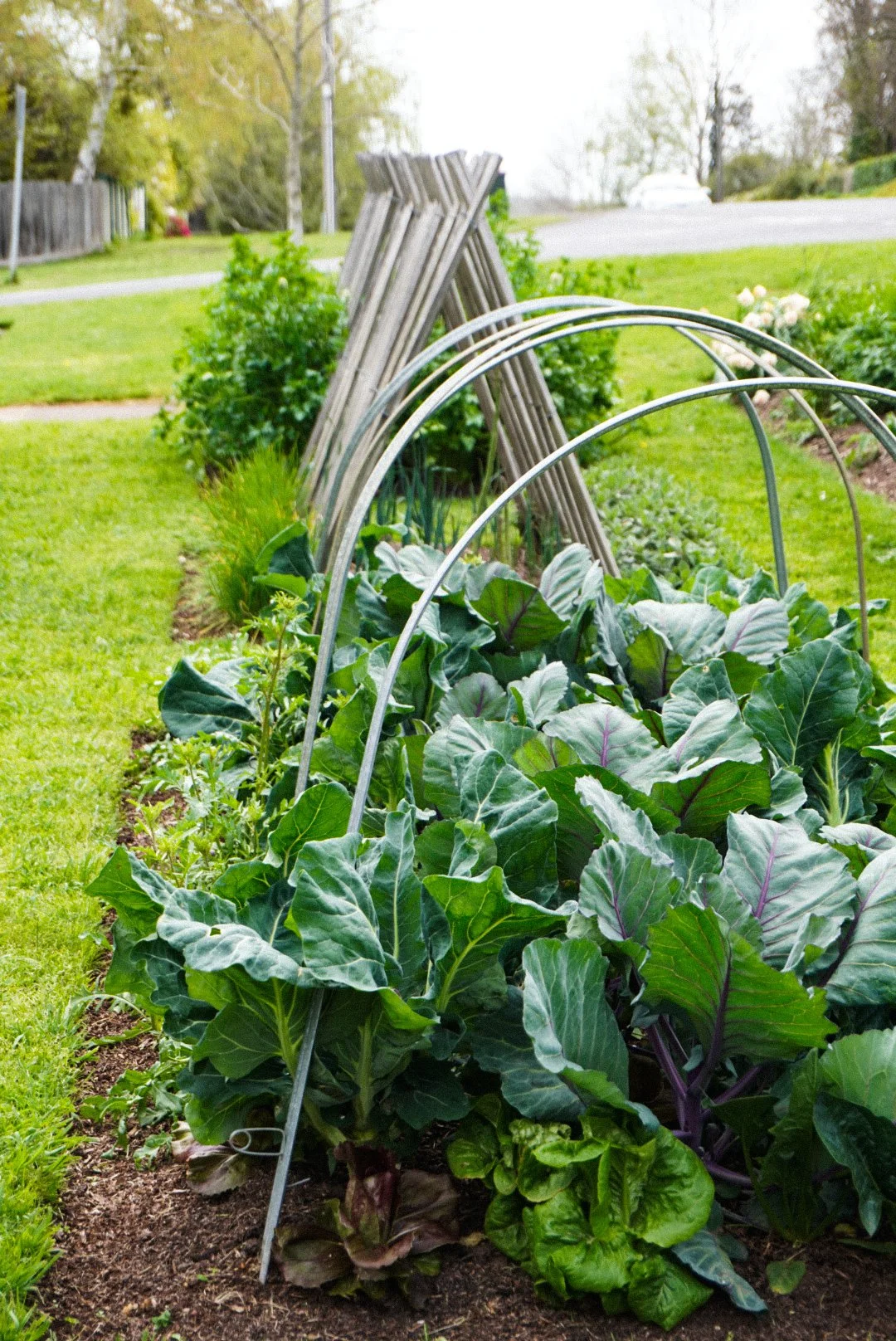
  • Brassicas like consistent moisture. My wicking beds hold an even soil profile which helps prevent stress and buttoning. Water at the base rather than overhead to discourage disease.

Spacing

  • Give each plant room to develop a full head. I use 45 centimetres between plants and about 45 centimetres between rows. Good airflow is essential.

Protection and care

  • Cabbage white butterflies adore brassicas. I keep insect exclusion netting over young plants. If you are not netting, check daily and remove any green caterpillars by hand.

  • Feed little and often. I alternate seaweed and compost teas through the season and keep mulch topped up to regulate soil temperature.

  • Romanesco appreciates cool nights for head formation. If a sudden warm spell arrives, keep water consistent and shade the bed lightly in the afternoon if needed.

Rotation and companions

  • Rotate brassicas yearly to protect soil health and reduce disease.

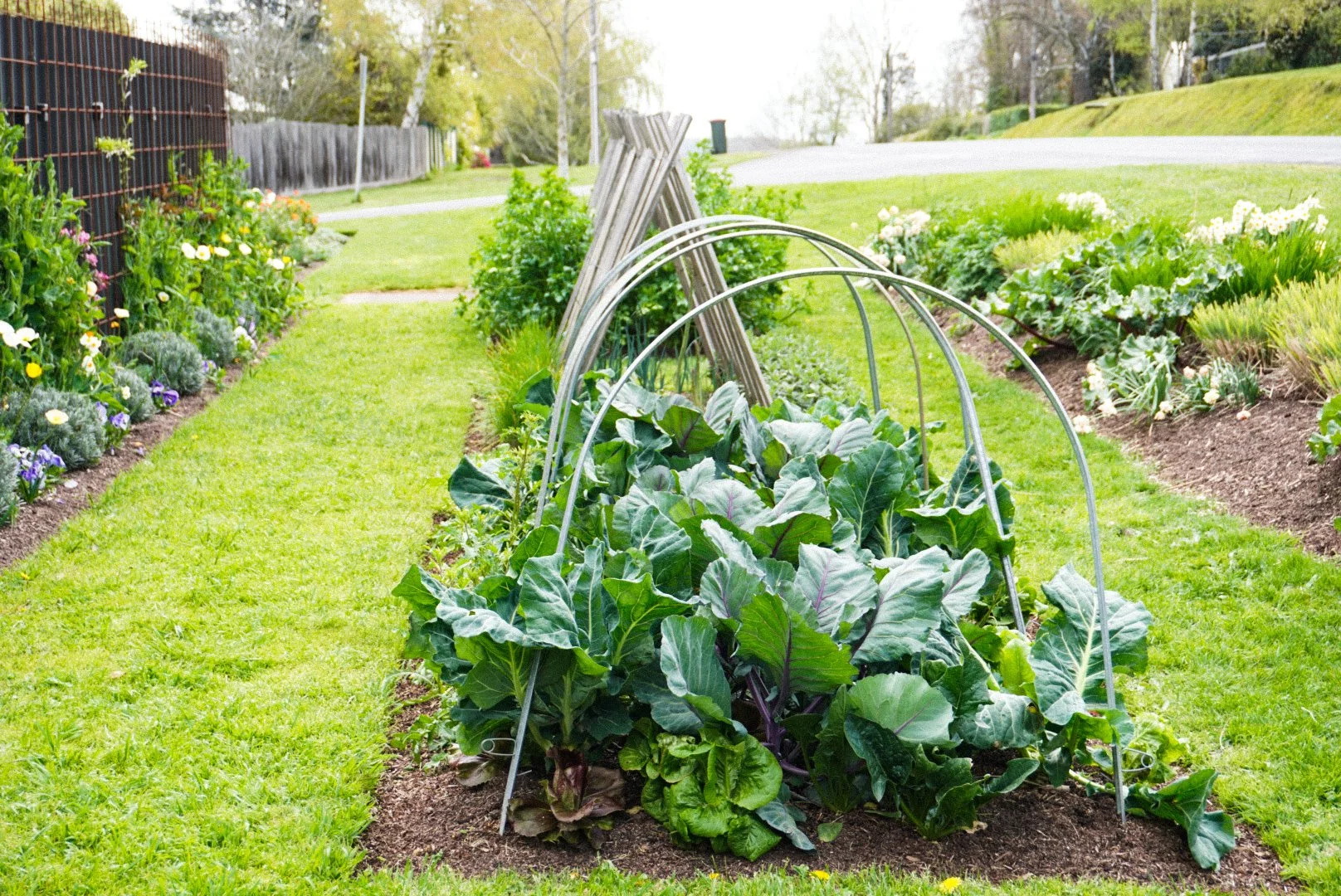
  • Companion plant with dill, calendula, and sweet alyssum to support beneficial insects and soften the edge of the bed. I’ve planted this lots with spinach, lettuce and radicchio for a diverse and thriving polyculture 

Harvest and storage

  • Pick when the head is tight, uniform, and firm. Use a sharp knife and keep a few leaves attached to protect the florets.

  • Store in the crisper wrapped loosely. Eat within a few days for best flavour.

Small-space tip
Romanesco is a statement plant. If you only have room for one, give it pride of place at the end of a bed or in a large wicking container and underplant with herbs or salad greens.

Kitchen notes and serving suggestions

Roasted romanesco with yoghurt tahini and pomegranate molasses

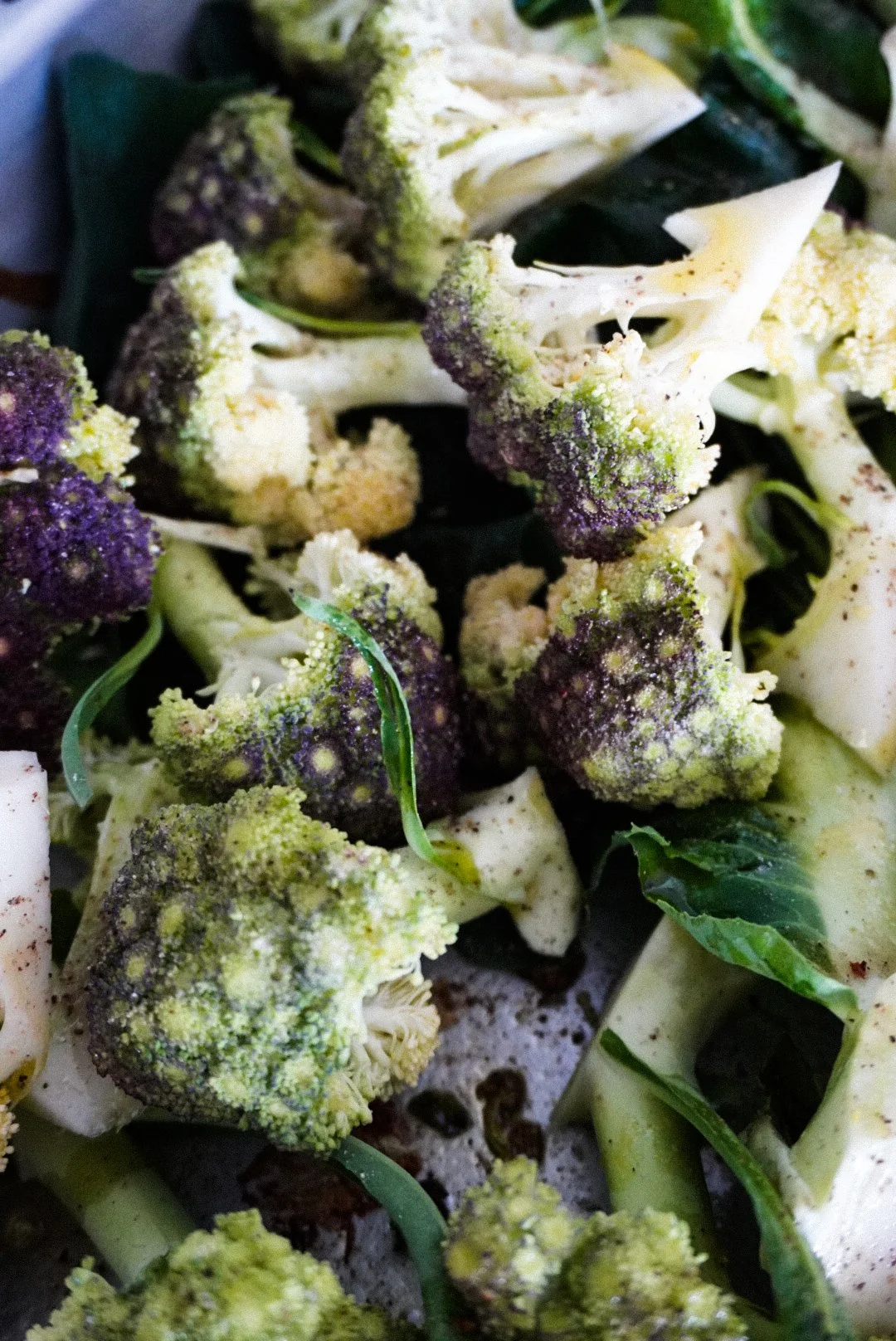
Break into florets. Toss with extra virgin olive oil, sea salt, and cracked pepper. Add a Middle Eastern spice profile such as cumin, coriander, or za’atar. Roast hot until caramelised at the edges. Finish with a yoghurt and tahini drizzle, a thread of pomegranate molasses, fresh herbs, and toasted nuts.

More ways to serve

  • Toss warm florets with anchovy, lemon zest, chilli, and breadcrumbs.

  • Steam until just tender, then dress with olive oil, lemon, and parsley for a simple side.

  • Cut into small florets for a quick tray bake with chickpeas and red onion.

  • Use the leaves as you would kale. Slice and sauté with garlic and a squeeze of lemon.

Cook’s tip

Do not overcook. Romanesco is at its best when the spirals stay intact and there is still a little bite.

Sustainability notes

I like to use the whole plant. The leaves are excellent, the core can be thinly sliced for stir-fries, and any trim goes to the chocks, compost or worm farm. If a plant wants to flower and you do not need seed, let it. The bees will thank you.

Troubleshooting at a glance

  • Tiny or loose heads: heat or stress. Keep water steady, mulch well, and plant for the cool end of your season.

  • Caterpillars: net early, hand-pick, and encourage beneficial insects with companion flowers.

  • Yellowing leaves: a sign of nutrient drawdown. Side-dress with compost and water in.

Continue your gardening journey with me

If you enjoy this kind of content, my workshops offer more detail and guidance on design, productivity and seasonal care.

If you are building your garden from home right now, my ebooks on Wicking Bed Gardens and Introduction to Backyard Chicken Keeping offer practical step by step guidance that pairs well with the workshops.

I share seasonal tips, behind the scenes at Little Cottage on a Hill, and new resources through my newsletter. Subscribe to receive my entire plant list from the garden as a personal thank you.

You may want to check out my related content below:

Rooted in Reflection, Growing with Intention – Explore the intentionality behind creating a garden that serves both purpose and beauty.

The Power of Noticing: How a Garden Wander Led Me to Morels – Explore the quiet magic of noticing the small wonders that grow in your garden.

If You Could Learn Anything From Me This Year, What Would It Be? Discover what I’ve been reflecting on the workshops I’ve shared over the years—and dreaming into what might come next.

Stay connected for more seasonal inspiration:
Instagram | Facebook | Gardenstead | LinkedIn | Pinterest | YouTube | Website | Newsletter

Thanks so much for following along.
Natasha xx
The Medicinal Garden Workshop with Caroline Parker & Natasha Morgan

Step into the magic of nature

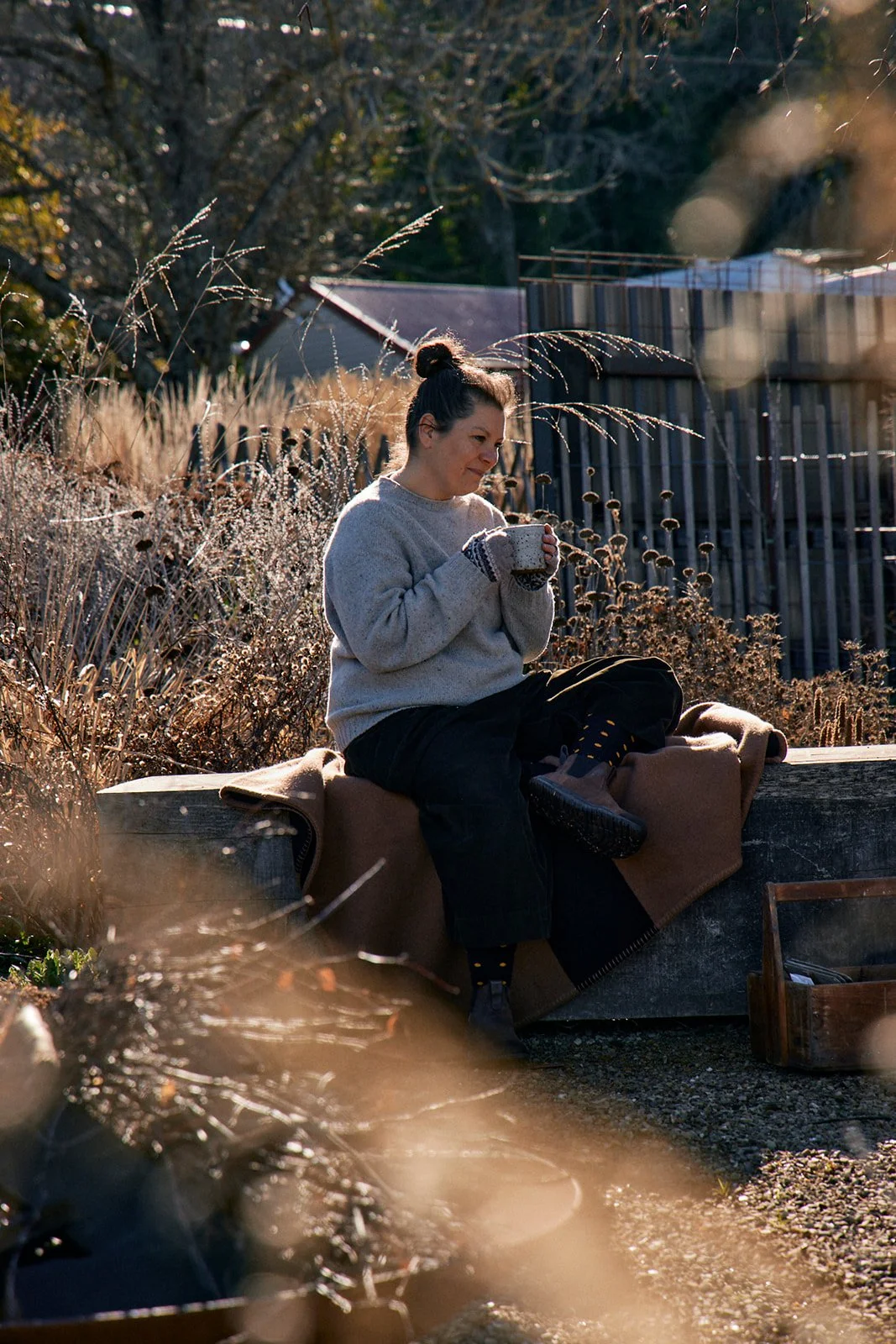
With Caroline Parker of The Cottage Herbalist and Natasha Morgan at the idyllic Little Cottage On A Hill. Together, they will guide you on a journey through the healing power of plants bringing them into your everyday life from your own garden that nurtures the body, mind, and soul. Whether you’re new to medicinal plants and their uses, a seasoned gardener or just starting, this workshop will provide valuable insights and hands-on experience to help you cultivate the use of healing plants in your gardens and everyday life. 

Date: Sunday 2 November 2025

Time: 10 am - 1 pm

Location: Natasha’s Studio & Garden, Little Cottage On A Hill, Daylesford, VIC

Buy your ticket via the shop.

From edible treats to therapeutic remedies, unearth the healing potential of plants, both wild and cultivated. Come for a day of healing botanical goodness, learning to make healing treats for the body, mind and soul.  Delve into the medicinal benefits of botanicals by creating your own hand-made delights and celebrate the release of  Caroline’s book, ‘The Medicinal Garden’.

Enjoy a day of sumptuous experiences in a gorgeous space with lovely people. Natasha and Caroline will share discussions on how to bring plants and their incredible healing properties into your everyday life in the simplest yet most precious ways.

About the Workshop:

Join Caroline Parker (aka @thecottageherbalist), and Natasha Morgan for a unique hands-on workshop in the idyllic setting of Little Cottage On A Hill, Daylesford. Dive deep into the world of botanical healing as Caroline shares her expertise in creating natural, healing remedies.

Caroline is a degree-qualified herbalist, author, farmer, forager and facilitator.  She is obsessed with cups of tea, getting her hands dirty, growing beautiful herbs and flowers, and foraging for wild weeds and herbs. Caroline’s small home-based studio, in the cool and misty Wombat Forest, is where you'll find her blending up award-winning teas and tisanes. 

What You’ll Learn and Create:

• An immunity-boosting botanical syrup

• A magical medicinal balm for gardeners and so much more!

• A weedy pesto/salsa from foraged botanicals that will transform any meal


Participants will receive beautiful botanicals to use on the day, as well as recipes to follow and take home, ensuring you can continue creating medicinal magic long after the workshop. Be welcomed in Natasha’s idyllic garden world to pick from and enjoy during a guided tour. Of course, there will also be pots of Caroline’s award-winning hand-blended tea and a sumptuous long table morning tea of freshly baked botanically infused healing treats (sweet and savoury), beautiful company and conversation!

Tickets are extremely limited, so grab some friends, your camera or phone to take pics, and come to Daylesford for the day—just do it quickly! You don’t want to miss out.

Note: Caroline will have her latest book ‘The Medicinal Garden’ available for purchase and signing on the day.

Continue your gardening journey with me

See what other workshops I offer, you’ll find everything from guidance of design, productivity and seasonal care.

If you are building your garden from home right now, my ebooks on Wicking Bed Gardens and Introduction to Backyard Chicken Keeping offer practical step by step guidance that pairs well with the workshops.

You may want to check out my related content below:

Workshops are back. Gathering again for SpringDiscover the rest of the years workshops — from Garden Design, Productive Gardens, Wicking Beds and Medicinal Gardens.

Rooted in Reflection, Growing with Intention – Explore the intentionality behind creating a garden that serves both purpose and beauty.

Stay connected for more seasonal inspiration:
Instagram | Facebook | Gardenstead | LinkedIn | Pinterest | YouTube | Website | Newsletter


Thanks so much for following along.
Natasha xx
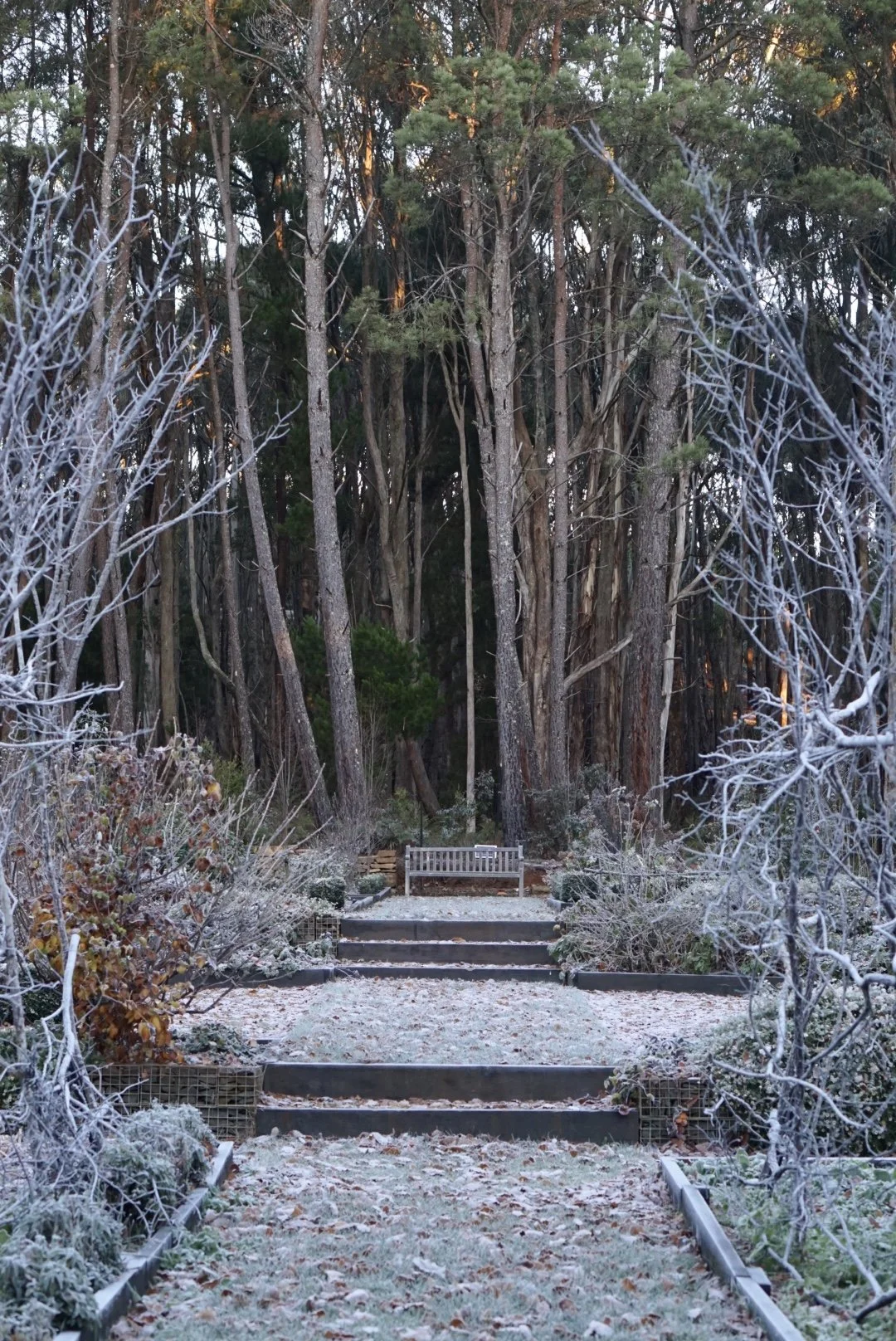
September garden tasks for Australian climates

September brings the first real lift in the garden. Soil is waking up, buds are moving, and it is time to set a steady spring rhythm.

Images by Amber Gardener

Find your climate

Across Australia, the month’s advice is grouped by climate — temperate, cool and alpine, subtropical, tropical and arid. Each region has its own priorities for what to sow now, and whether to direct sow, sow in trays, or transplant.

Shared tasks for all climates

These are the recurring September jobs I keep as a checklist at the potting bench:

  • Mulch garden beds while the soil is moist and gradually warming.

  • Last chance to plant bare rooted deciduous trees, shrubs and vines before real heat arrives. Container grown plants can go in through spring.

  • Plant evergreen shrubs and trees including citrus. This is also a good window to relocate established evergreens.

  • Feed fruit trees if you didn’t in late winter. Clean away spent growth on perennial herbaceous plants.

  • Propagate by cuttings or layering. Divide established perennials such as chives.

  • Tie in berry canes before the spring surge. Plant passionfruit where suitable.

  • Harden off August seedlings for 7 to 10 days before planting out.

Seeds and seedlings by climate

Here are quick, climate-specific highlights for sowing and planting in September.

Temperate

Begin warm season crops under cover, and direct sow cool tolerant staples.
Try: tomatoes, basil, climbing or bush beans, cucumber, zucchini, pumpkin, sweet corn, plus greens like lettuce, rocket and silverbeet. Start frost tender plants in trays if frost risk remains.

Cool and alpine

Frosts and even late snow are still possible in higher areas. Favour trays and protected spots for warmth.
Try: beetroot, broccoli, cabbage, cauliflower, lettuce, peas, silverbeet, spring onions and radish. Start warmth lovers such as tomatoes, basil, squash and sweet corn in trays, then transplant once conditions settle.

Subtropical

Conditions are mild to warm with some storm activity along the coast. A wide range is possible.
Try: beans, cucumber, eggplant, capsicum, pumpkin, sweet corn, okra, rockmelon, watermelon, herbs such as basil, dill and coriander, plus sweet potato and taro in suitable sites.

Tropical

Dry season heat builds with rising humidity. Choose crops that relish warmth.
Try: cowpeas, okra, sweet corn, sweet potato, taro, basil and zucchini.

Arid

Days are warming quickly. Work with heat adapted species and keep waterwise practices front of mind.
Try: tomato, eggplant, capsicum, zucchini, pumpkin, rockmelon, watermelon, okra, sweet corn, and herbs such as basil and oregano.

How I work with September

I organise spring sowing in small, frequent batches rather than one big push. It spreads the harvest, reduces risk and keeps the workload more even. If you are in a frost-prone pocket, keep warmth lovers in trays a little longer and plant out once nights are reliably mild.

Quick checklist

  • Mulch beds and top up paths.

  • Plant or relocate evergreens, and complete any bare root planting.

  • Feed fruit trees and tidy perennials.

  • Start spring sowing by climate, using trays for warmth lovers where frost is possible.

  • Tie berry canes, start passionfruit in suitable areas, and keep pond care light but regular.

Continue your gardening journey with me

If you enjoy this kind of content, my workshops offer more detail and guidance on design, productivity and seasonal care.

If you are building your garden from home right now, my ebooks on Wicking Bed Gardens and Introduction to Backyard Chicken Keeping offer practical step by step guidance that pairs well with the workshops.

You may want to check out my related content below:

Workshops are back. Gathering again for SpringDiscover the rest of the years workshops — from Garden Design, Productive Gardens, Wicking Beds and Medicinal Gardens.

Rooted in Reflection, Growing with Intention – Explore the intentionality behind creating a garden that serves both purpose and beauty.

Stay connected for more seasonal inspiration:
Instagram | Facebook | Gardenstead | LinkedIn | Pinterest | YouTube | Website | Newsletter


Thanks so much for following along.
Natasha xx
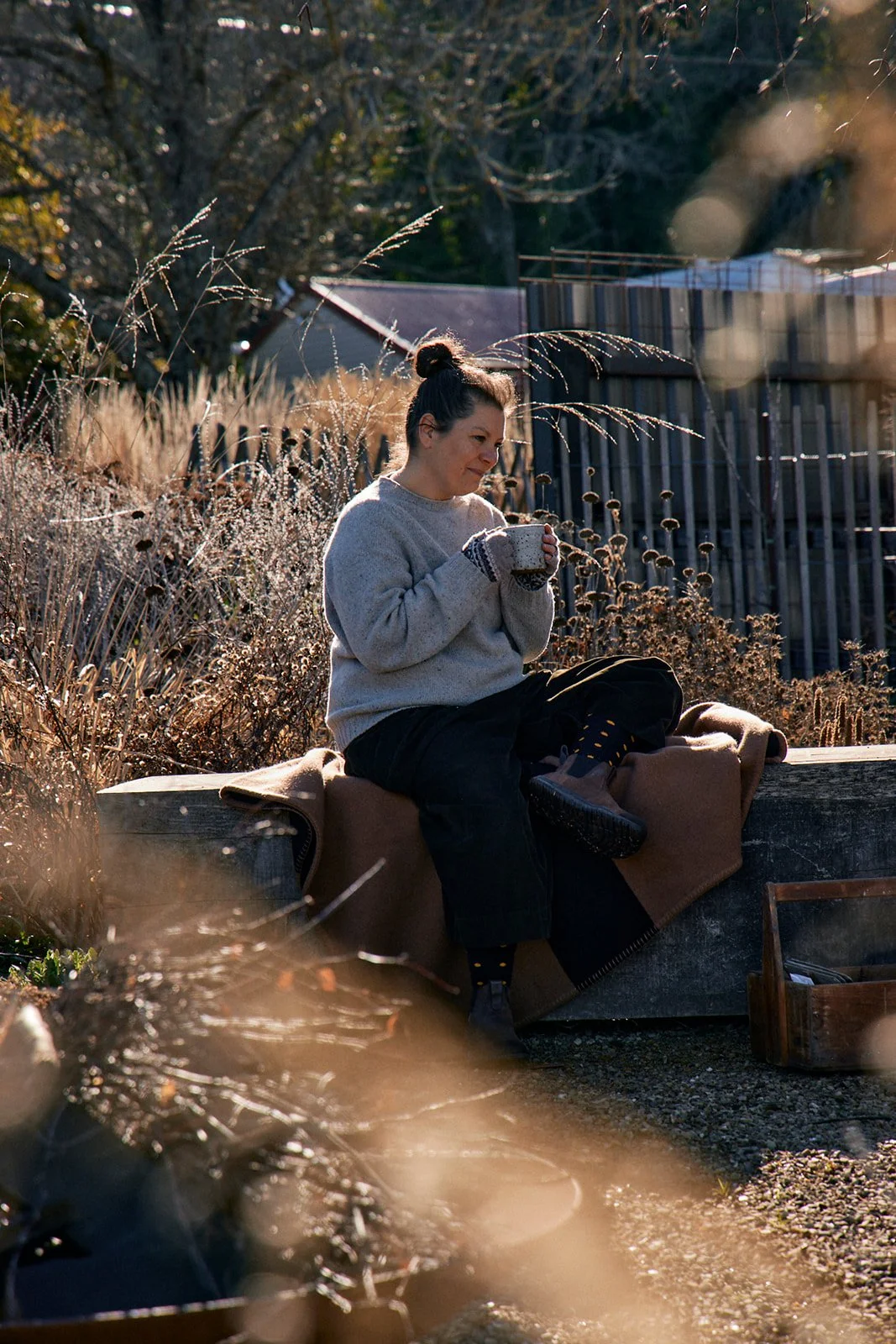
Workshops are back. Gathering again for Spring.

The garden is waking.

The light stretches. You can feel that small lift in the morning air. After a winter of steady writing and cups of tea at the kitchen table, it feels right to open the gate and welcome you in again. Workshops are back for spring.

I pressed pause in autumn to give the book the focus it needed. It has become a very large work, shaped into three parts. The first two are already with the editor and I am close to finishing the last. It is the biggest undertaking I have made since working on The Australian Garden. Long days, early starts, a rhythm that asked a lot. The garden outside the window kept me honest through all of it. Returning to workshops brings me back into a room with you. Conversation. Companionship. Practice.

What we will explore together

Four workshops, one intention. To help you create a garden that is generous, beautiful and productive at any scale. You step into my working garden, into the way I test ideas in real time. The wins, the missteps, and the simple considerations that make a space sing.


Garden Design with Natasha Morgan

A clear framework for seeing and shaping your garden. We look at site analysis, axis and circulation, microclimates, rhythm and layering, and how to create structure that can carry productivity and beauty. We use tracing paper and fat texta markers, quick sketching, and the confidence that comes from testing ideas on paper before taking them into the garden. The first date has already filled, which is a lovely sign of the season ahead. There’s a few paces left for the second date.


The Productive Garden with Natasha Morgan

Growing abundance at any scale. We focus on the foundations of creating a truly productive garden, spatial thinking for small and larger gardens, vertical growing, soil and worm systems, espaliers, along with the simple seasonal tasks that keep things moving. Discover the inspiration behind my productive gardens, the tools and techniques to make places of beauty and abundance, grounded in sustainable and innovative practises. This is where beauty meets purpose through food, flowers, medicinals and ornamentals.


The Wicking Bed Garden with Natasha Morgan

Water wise design with real world application. I share my approach to building and maintaining wicking beds, including how I use an IBC cube at Little Cottage on a Hill, and how worms and worm tunnels are integrated to keep soil life thriving. I also show how a no dig approach can be held inside a wicking system so the bed keeps improving year after year.

The Medicinal Garden with Caroline Parker & Natasha Morgan

A gentle and inspiring, hands on morning in the garden. Caroline Parker of The Cottage Herbalist joins me at Little Cottage on a Hill to share the healing potential of plants and how to bring them into daily life with ease. Together we learn, observe, gather and make.

We will create three simple preparations to repeat at home with confidence. An immunity boosting botanical syrup. A soothing balm for gardeners. A bright weedy pesto or salsa from foraged botanicals. We will wander the beds to pick and smell, talk about harvesting and handling, then pause at the long table for morning tea. You leave with recipes, a clear method and a sense of how to fold plant medicine into everyday rhythm. It is productivity held with care. Plants that nourish, remedies you can make, and a daily rhythm that is gentle and useful.

How I teach and what you can expect

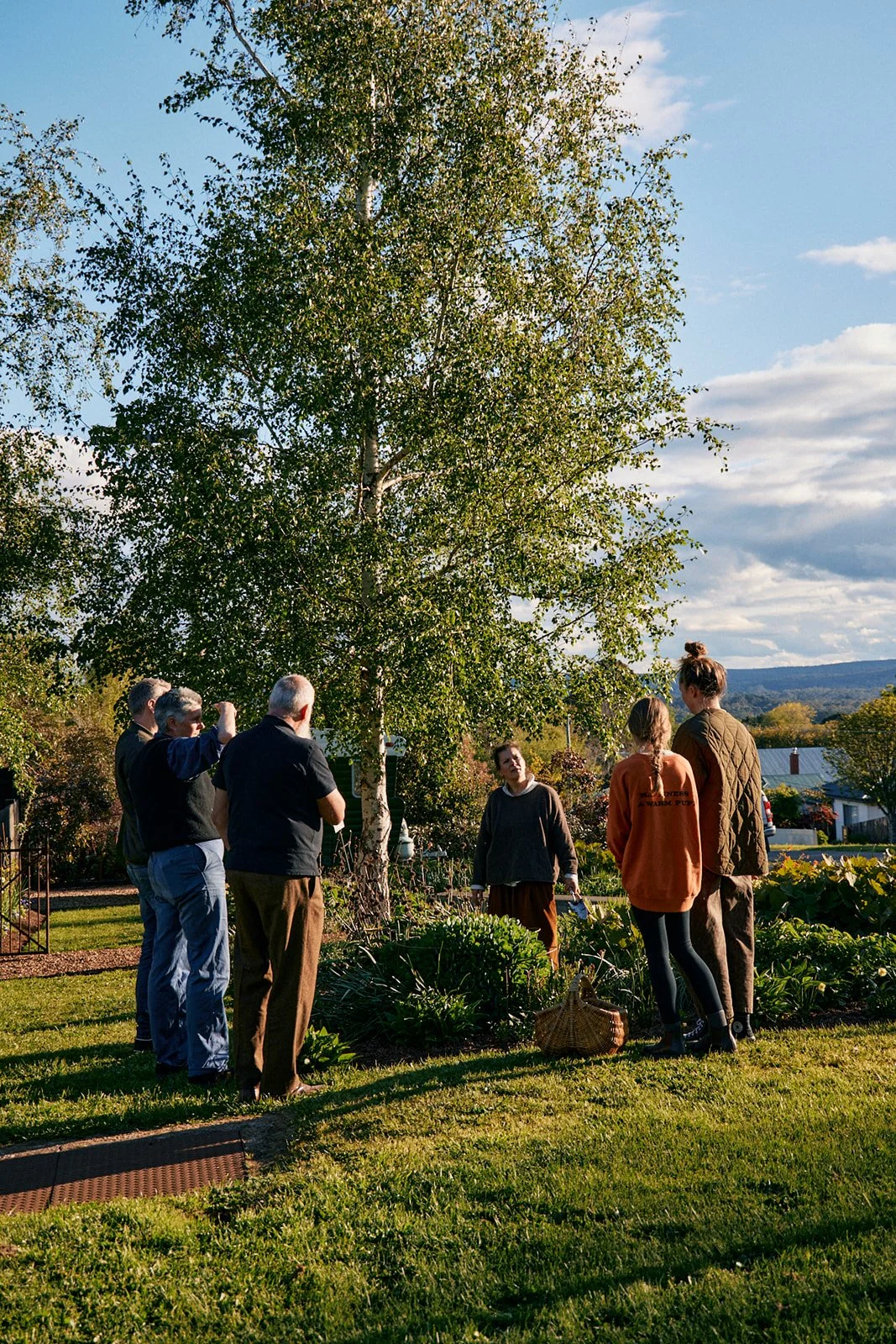
We begin with context so the garden in front of you makes sense. At Little Cottage on a Hill we walk and notice and talk through how things operate in real time. In Garden Design and The Productive Garden I also draw on my years at Oak and Monkey Puzzle to show how principles translate across scale.

Each workshop has its own rhythm, and the backbone is the same. Clarity, practice, and time together in the garden. Garden Design leans into design thinking and drawing. The Productive Garden keeps design present but light, focussing on soil, systems, structures and seasonal work. The Wicking Bed Garden stays close to practice. I share my tailored method, show how I have adapted it to my needs, and how it sits within the wider design of the garden.

People often tell me they leave feeling welcomed, inspired and confident to begin. Small groups make this generous, rich and rewarding. There is time for questions. We break for tea and cake. We learn together. The energy comes from the room as much as from the garden, and everyone goes home with more than they arrived with.

Spring is the right moment

Spring brings surge and promise. Buds swell. Soil warms. Compost hums. Seeds leap. It is a generous time to set direction. A plan on paper becomes a clear morning in the garden. A bed that is cut back and fed responds. A wicking bed that is topped up and tended holds steady through the first warm spell. The work is simple and rhythmic, and the garden answers back.

A personal note

Thank you for your patience while I have been deep in the book. It has asked a lot and it has given a lot in return. I am looking forward to being with you again. The quiet focus that lands when a group leans over a drawing. The moment in the garden when a simple change makes the whole space feel right.


Join a workshop

Explore current workshops in the shop.

If you are building your garden from home right now, my ebooks on Wicking Bed Gardens and Introduction to Backyard Chicken Keeping offer practical step by step guidance that pairs well with the workshops.

You may want to check out my related content below:

The Power of Noticing: How a Garden Wander Led Me to Morels – Explore the quiet magic of noticing the small wonders that grow in your garden.

Rooted in Reflection, Growing with Intention – Explore the intentionality behind creating a garden that serves both purpose and beauty.

If You Could Learn Anything From Me This Year, What Would It Be? Discover what I’ve been reflecting on the workshops I’ve shared over the years—and dreaming into what might come next.

Stay connected

Follow along on Instagram, Facebook, Gardenstead, LinkedIn, Pinterest and YouTube, visit the website, and subscribe to the newsletter for seasonal updates.

Thanks so much for following along.
Natasha xx
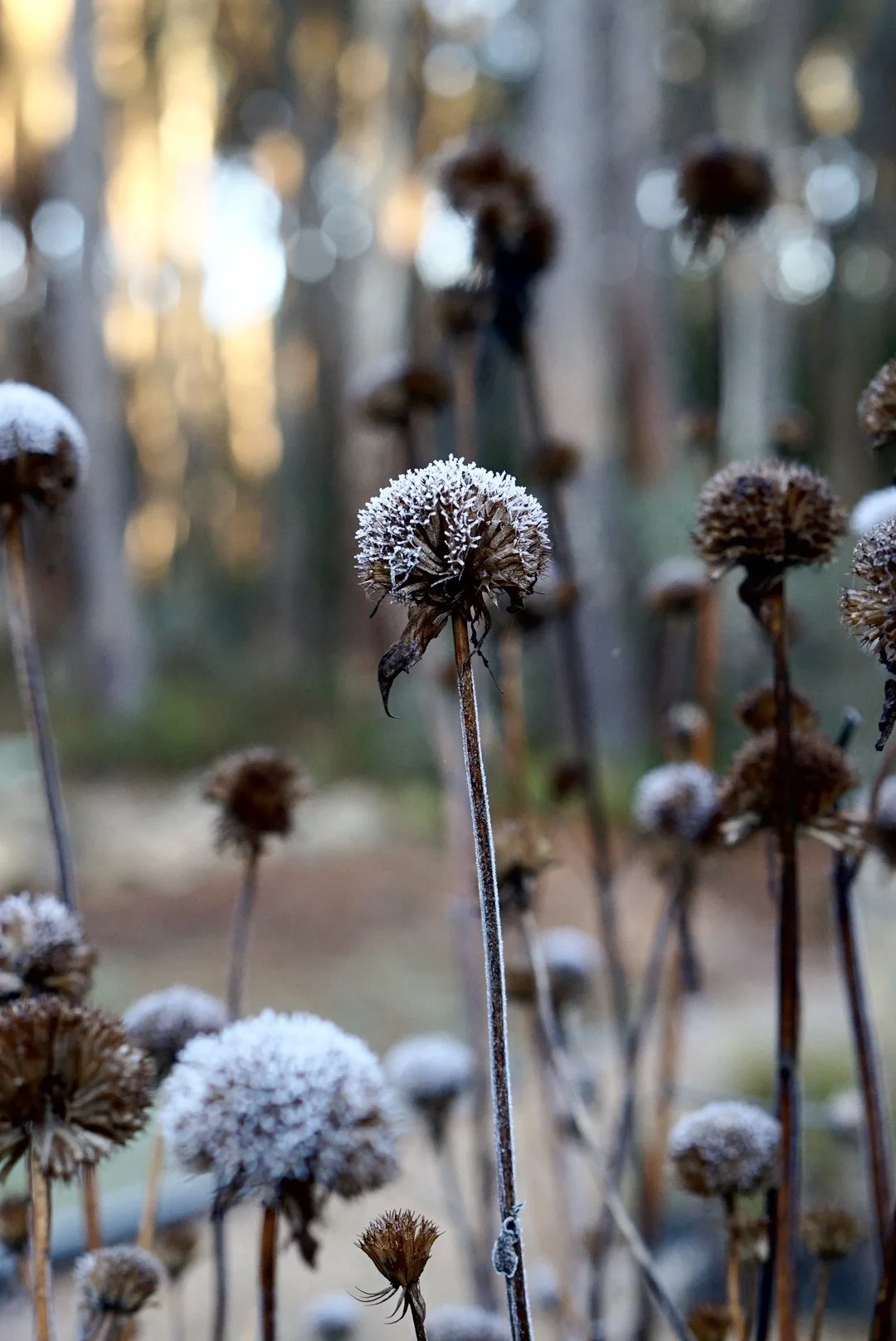
Cultivating beauty in a war zone – Alla Olkhovska’s garden of resistance

As I write my book,

I find myself returning again and again to the idea that a garden is never just a place. It’s a record of choices, of memory, of survival. This book has become much more than a collection of methods or stories — it’s become a tapestry of lived experiences. Stories that carry grief, resourcefulness, joy, and an enduring belief in what it means to keep growing.

One of the most powerful threads in that tapestry belongs to Alla Olkhovska.

For me, this is not abstract. I come from a family shaped by displacement — my grandmother fled former Yugoslavia on foot with two young children, crossing the Alps and spending years in displaced persons camps before finally making it to Australia. They were refugees who found safety, eventually. But for Alla, who lives in Kharkiv, Ukraine, there is no such option. She cannot leave. She gardens with drones overhead and cracked walls around her. And still, she plants. She photographs. She saves seeds. She grows.

Alla’s story is one of the many I’ve been honoured to weave into my book — and it’s one I believe the world needs to read. Here’s a glimpse into a world and a story that I’ll share more of, in time. 


Some stories stay with you. They shift something in the way you see the world.
My conversation with Ukrainian gardener, photographer, and seed-saver Alla Olkhovska was one of those.

We spoke across time zones — me in Daylesford, she in Kharkiv — with rain falling in both our worlds. Her voice was calm, articulate, warm. Her words were generous and precise. And her story? It stopped me in my tracks.

Whatever it is, the way you tell your story online can make all the difference.

Alla is a gardener in the middle of a war zone. She has remained in Kharkiv with her husband, who was gravely ill when the war began, and her elderly grandmother, who refused to leave her home. Their days are filled with air-raid sirens, power cuts, and the constant hum of uncertainty. And yet… amid all of this, Alla gardens.

She doesn’t just tend her space — she cultivates it. She collects rare seeds, raises clematis and species peonies, harvests by hand, and sends tiny envelopes of hope all over the world. She’s built a loyal seed customer base, a Patreon community, and an archive of incredible plant photography — all from a modest plot of land passed down through four generations.

Her garden has become a form of survival. Of resistance. Of legacy.

“I never thought I would live through the same kind of war my great-grandparents endured,” Alla told me. “And now I understand what they felt. How gardening helped them to survive.”

A family garden in wartime

The garden Alla tends was built by her great-grandfather after the Second World War — complete with apple trees, old wooden gates, and peonies that she’s since divided and brought back to life. It has always helped her family endure hard times — famine, economic collapse, political upheaval.

Now, under shelling and blackouts, it continues to nourish them.

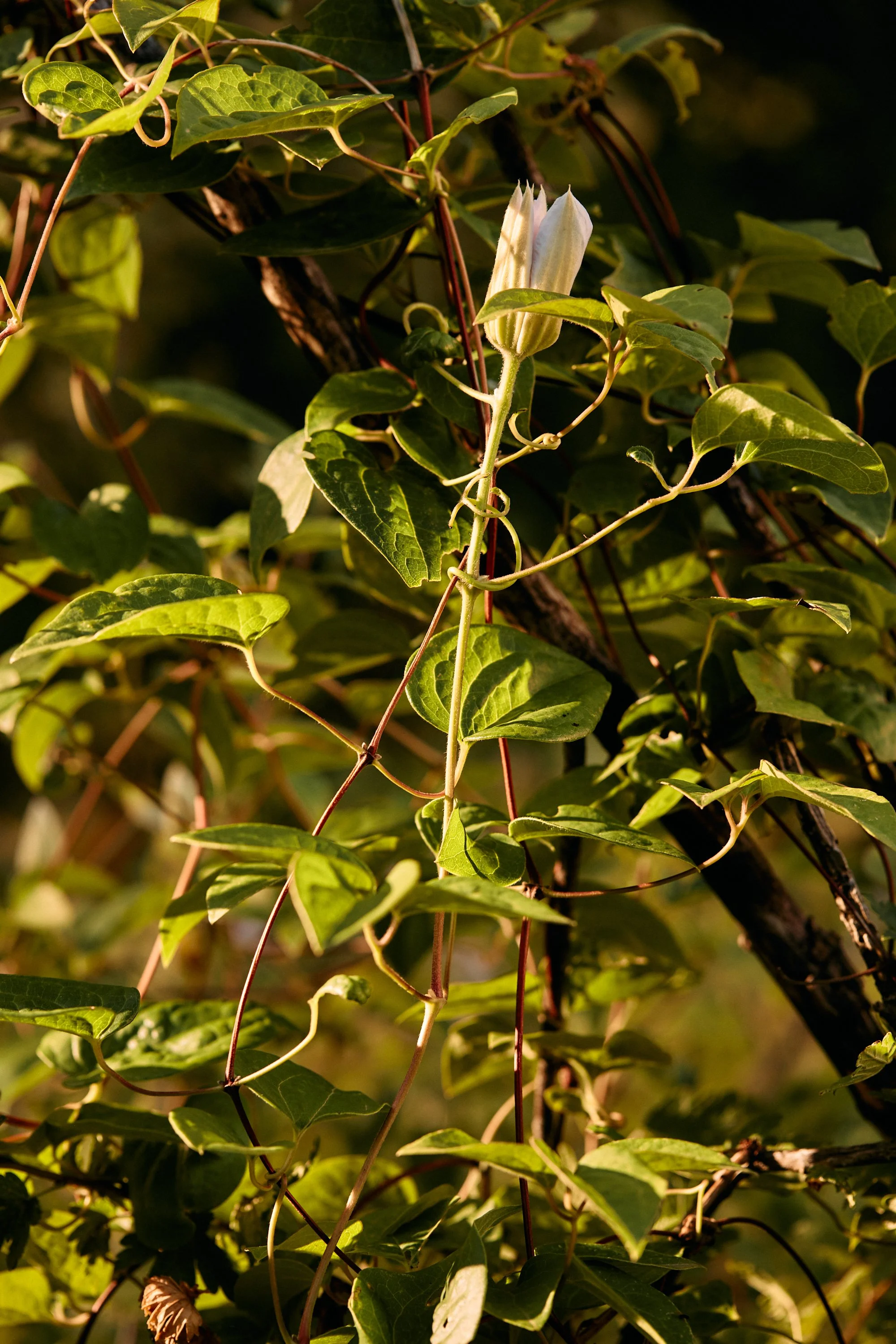
There are no paved paths, no grand gestures. Just vines growing over branches, clematis climbing through pines, and layers of seasonal planting composed like music. It’s deeply personal. Deeply considered. Deeply hers.

When we spoke, Alla described her seed-saving as “labour-intensive, yes — but full of joy.” She works with bare hands, even in freezing weather, because she wants to feel the seeds. Her farewell bouquet each autumn — made before the first frost — is a ritual she’s held onto since 2017. It’s her way of thanking the garden, and the season, before winter silences it all.

Beauty is not a luxury

Early in our conversation, Alla hesitated when speaking about the camera lens her supporters helped fund. “It’s not a necessity,” she said. “It’s not food, or medicine.”

But the truth is — it is a necessity.

As I write in my upcoming book, beauty is not a luxury. It’s what connects us to meaning. And in Alla’s case, it’s what connects her to the rest of the world.

Her photos — taken in bursts between garden tasks and blackouts — are exquisite. Quiet. Detailed. Honest. She photographs plants not to impress, but to witness. And in doing so, she’s created a following that spans continents.

“Every seed I send out,” she said, “is a way to support my family — but also a way to share hope. To connect. To remind people that something beautiful can still grow in a broken place.”


How to support Alla’s work

Every seed order, e-book sale, Patreon subscription, or photo shared is part of a much bigger story. If you’d like to support Alla — not just in spirit, but in practice — here are a few ways to do that:

🔗 Follow Alla on Instagram
🔗 Support Alla through Patreon
🔗 Watch the documentary on Alla ‘Gardening In A War Zone’ 

Her seed packets have reached gardens in Japan, Qatar, Australia, Canada, and beyond. It’s a global web of connection — one gardener at a time.


In her words

“When I go into the garden and there are no alert signals… I forget the war for a while. The birds are singing. The flowers are blooming. You start feeling good, despite everything.”

If this story resonates with you, you’ll find more in my upcoming book, where Alla’s full interview — along with a QR code to our recorded conversation — will be included. It’s one of the great honours of this book to share her story.

With love,
Natasha x
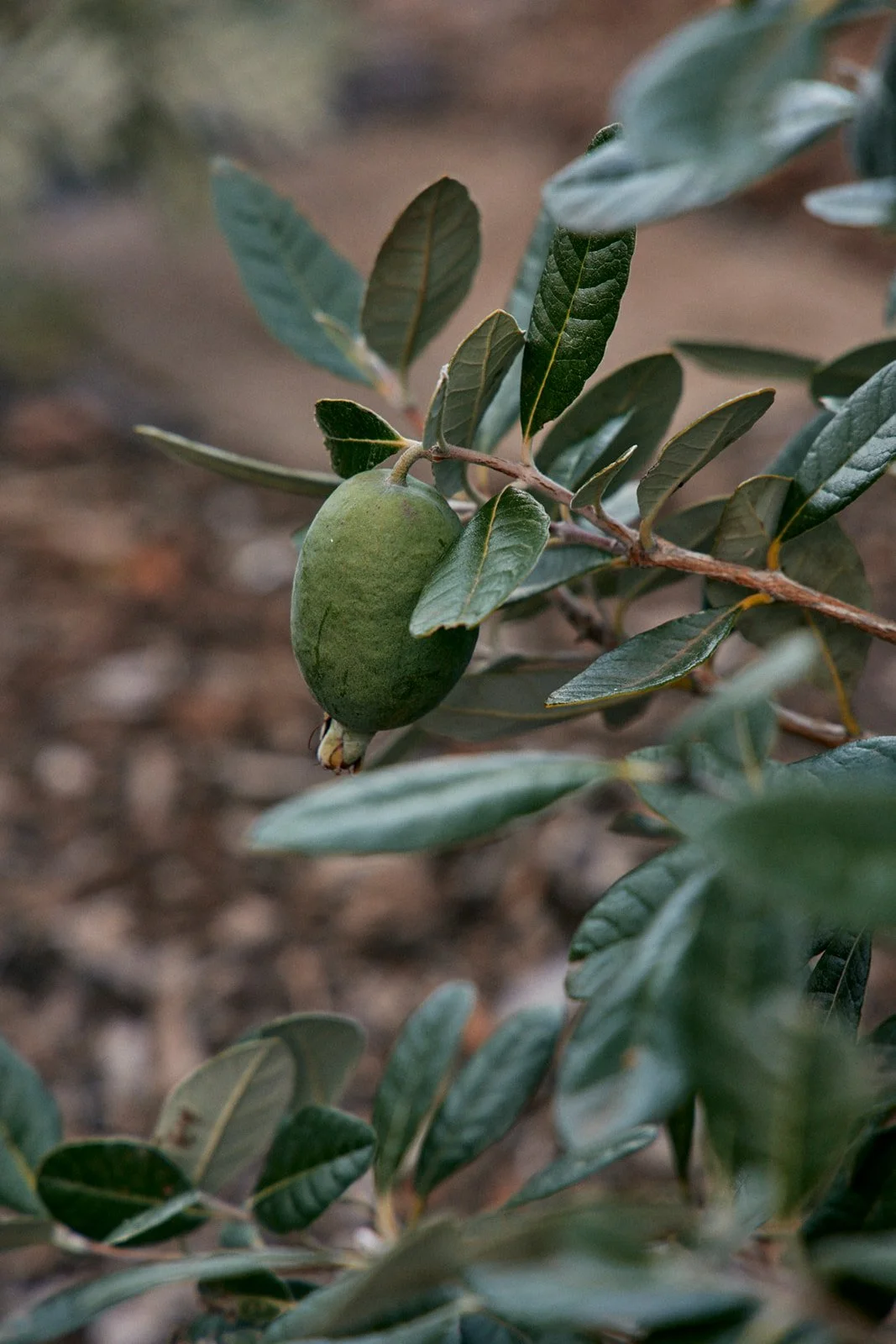
“We plant seeds not only to grow — but to remember what we’re capable of creating.” Natasha Morgan


If you’d like to experience life here and this incredible space first-hand, I’d love to welcome you to one of my upcoming workshops. Come and walk the garden, learn something new, and connect with others creating lives rich in beauty, practicality and purpose.

Explore my workshops:

The Productive Garden with Natasha Morgan – Learn how to grow abundantly, no matter your space.

~ Garden Design with Natasha Morgan – Craft a garden that balances structure, beauty, and functionality.

~ The Wicking Bed Garden with Natasha Morgan – Build a self-watering, water-wise garden for effortless growing.

You may want to check out my related content below:

~
Why I grow. Why I design. Why I return — An answer to the question of “why” I do what I do.

~ Looking Back: A Rare Glimpse Inside Oak & Monkey Puzzle — A glimpse into my reflections and the beginnings of my book.

Thanks so much for following along.

Natasha xx,

For glimpses into workshops, daily life, and my thoughts from Little Cottage on a Hill, you can find me on Instagram, Facebook, LinkedIn, and YouTube. And if you’d like a more personal update, subscribe to my Newsletter for a monthly note on what’s growing, what’s inspiring me, and what’s next.

Click the links below to stay connected—I’d love to have you along for the journey.