
When the world, feels uncertain, grow one thing.
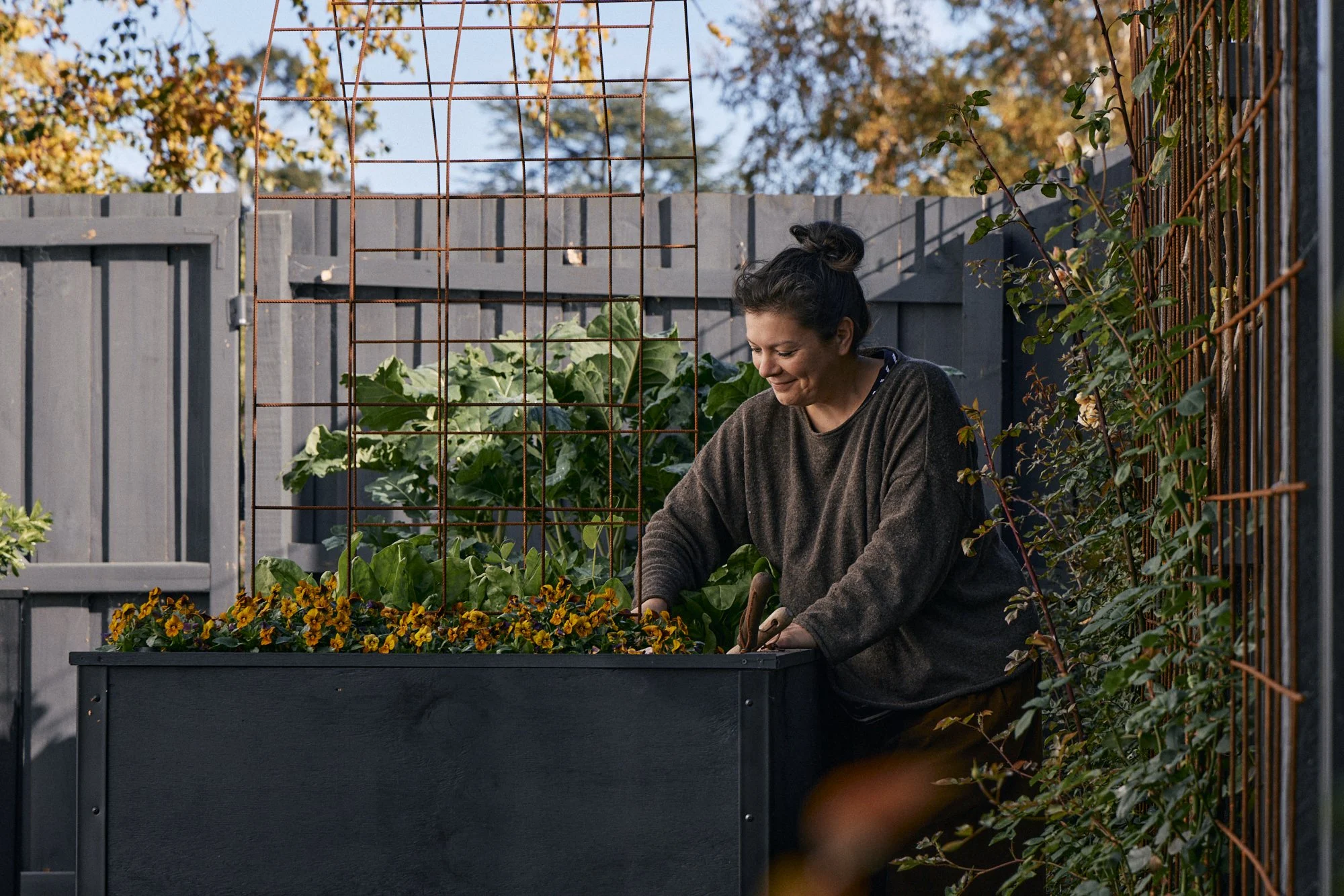
The other day, after my wicking bed garden workshop, I found myself sitting on the verge beside the tomatoes and zucchini, both of them running late, and just letting myself think.
We had spent the day talking about wicking beds, soil, seasonal timing, water, what to plant now, what to plant next. But underneath all of that, there was another conversation quietly running through the room.
Not just how to grow things, but why.
And I have been wondering whether you are thinking what I am thinking.
Not from a place of panic.
Not from catastrophising.
Just from that quieter, steadier sense that perhaps it is time to come back to some very basic things. To growing something. To using that patch of soil. To learning one skill properly. To becoming, in whatever small way, a little more capable at supporting ourselves and each other.
Because when the world feels uncertain, and right now for many people it does, there is something deeply steadying about knowing how to grow food, preserve it, share it, and use your own hands well.
This is not about fear
I want to be very clear about that.
This is not about prepping (although there is absolutely nothing wrong with that!).
It is not about panic buying seed packets, building a bunker, or imagining that we each need to disappear into our own little fortress of self sufficiency.
It is about practicality.
It is about remembering that useful skills matter.
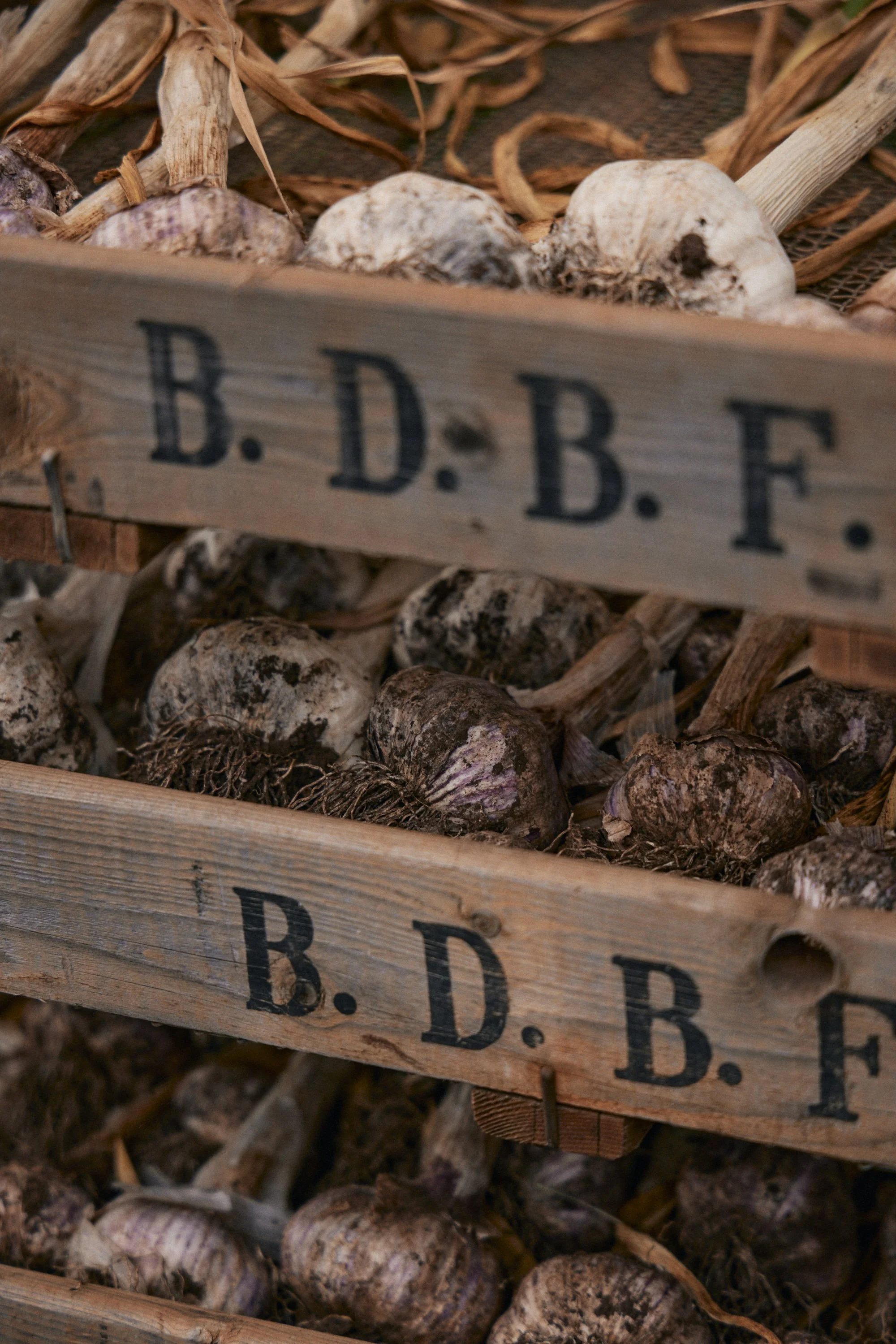
It is about knowing that if you can grow herbs, lettuce, beans, tomatoes, pumpkins, or a row of garlic, that matters. If you can save seed, preserve quinces, dry beans, make passata, or share extra seedlings with a neighbour, that matters too.
These things do not solve everything. But they do change your relationship to uncertainty. They shift you, even slightly, from passive worry to active participation.
And that matters a great deal.
Why growing food can feel so grounding
There is something about food growing that pulls us back into rhythm.
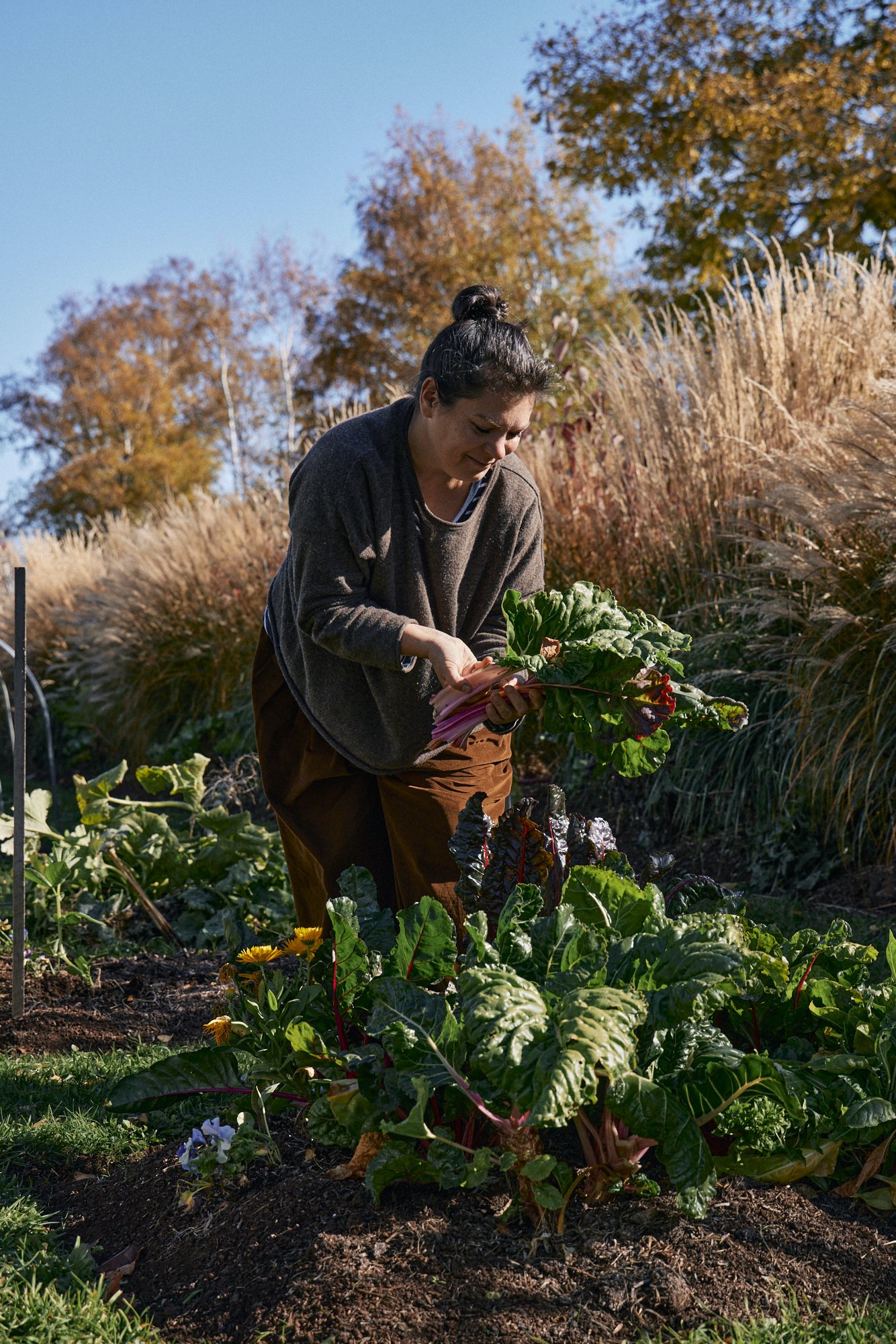
You notice the weather differently. You pay attention to timing. You begin to understand what your soil can do, how much sun reaches a certain corner, where water sits, what thrives, what struggles, what needs protecting. You become more observant, more capable, more responsive.
Even one small success can change something in a person.
A pot of parsley by the door.
A bed of salad leaves.
A few winter brassicas.
A bucket of potatoes.
A row of peas.
A tomato vine that actually gets to ripen properly.
These are small things, yes. But they are also not small.
They build confidence.
They build skill.
They build memory.
They build a sense that you can participate in your own life more actively.
That is part of why gardening matters so much to me. It is never only about the harvest. It is about what the practice asks of us, and what it gives back.
The question I keep coming back to
What if each of us just grew one thing?
I talk about this in my book, which comes out in September (announcement coming soon!), and I find myself returning to the idea more and more.
Not everyone has room for an orchard.
Not everyone wants chickens.
Not everyone is going to preserve forty jars of tomatoes or redesign their whole backyard.
But one thing is possible for many more people.
One herb.
One bed.
One fruit tree.
One climbing bean on a fence.
One trough of leafy greens.
One skill.
One seasonal crop.
If every household grew one thing well, and if enough of us shared knowledge, seed, excess produce, and encouragement, the effect would be far bigger than the individual crop itself.
That is how resilience works in real communities. It is rarely dramatic. It is cumulative.
What Victory Gardens can teach us now
Lately I have also been thinking about the old Victory Gardens.
During the First and Second World Wars, governments in countries including the United States and Britain encouraged ordinary people to grow food at home, in backyards, on vacant land, in school grounds, in public plots, and wherever else space could be found. The goal was practical, to supplement food supplies, ease pressure on transport and commercial agriculture, and help households contribute in a meaningful way. The movement also had a strong morale and community dimension. It gave people something useful to do with their uncertainty.
That is the part I find compelling.
Not the wartime slogan.
Not the patriotism.
Not the idea that we should romanticise hardship.
What interests me is the reminder that ordinary domestic skills have social value. Growing food, preserving it, and sharing it are not fringe activities. They are practical, intelligent responses to unstable times.
And perhaps that is something worth remembering now.
Not as a re enactment.
Just as a useful precedent.
A reminder that growing food has long been one way people contribute, steady themselves, and strengthen the places they live.
What I am noticing in my own garden
I am lucky.
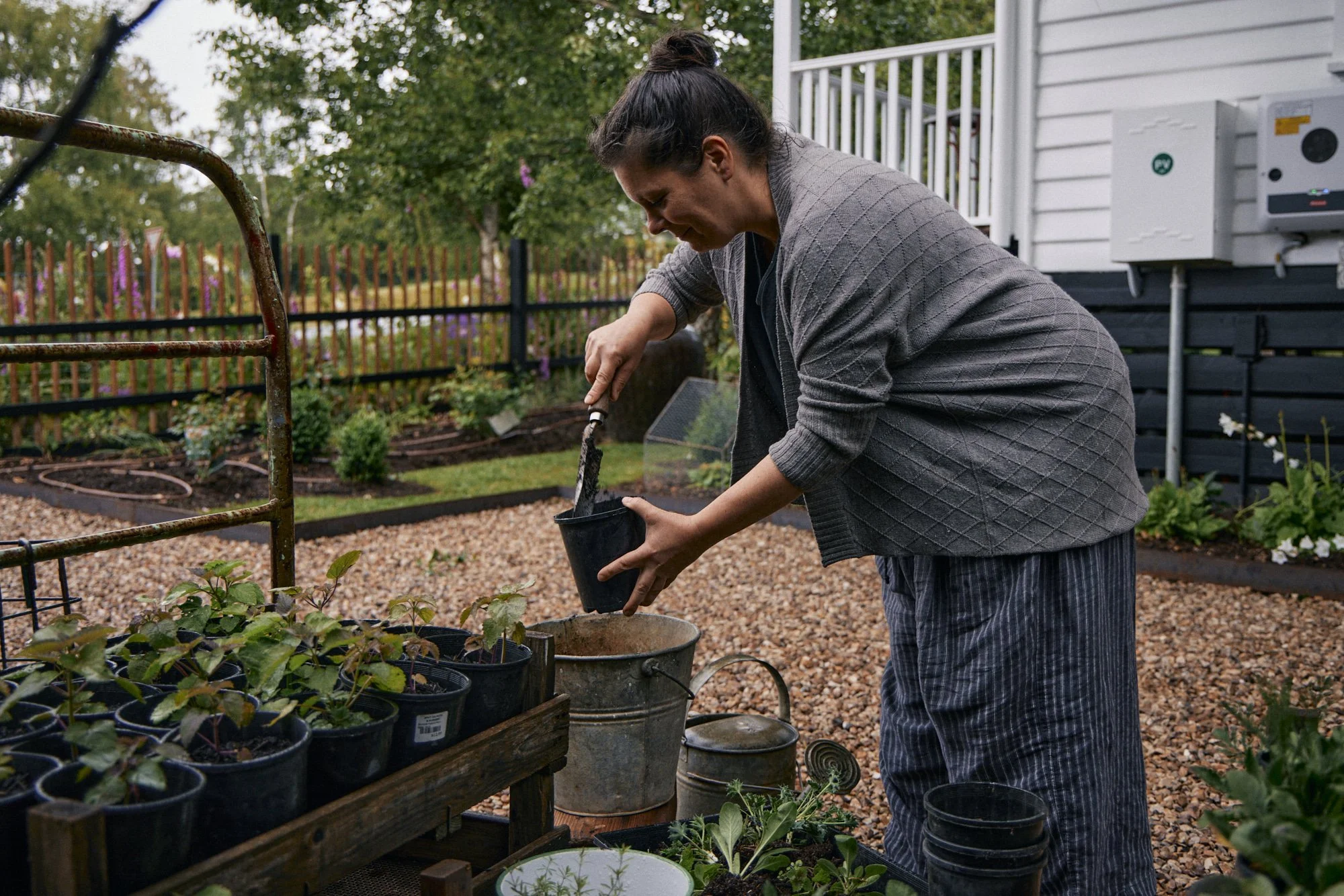
I have a verge garden.
I have wicking beds.
I have years of growing knowledge.
I have a reasonably full larder.
I know how to preserve and plan ahead.
And even so, I am still thinking differently at the moment.
I am thinking about what I want to grow next.
I am thinking about what earns its place.
I am thinking about what stores well, what feeds us well, what is worth repeating, what is genuinely useful.
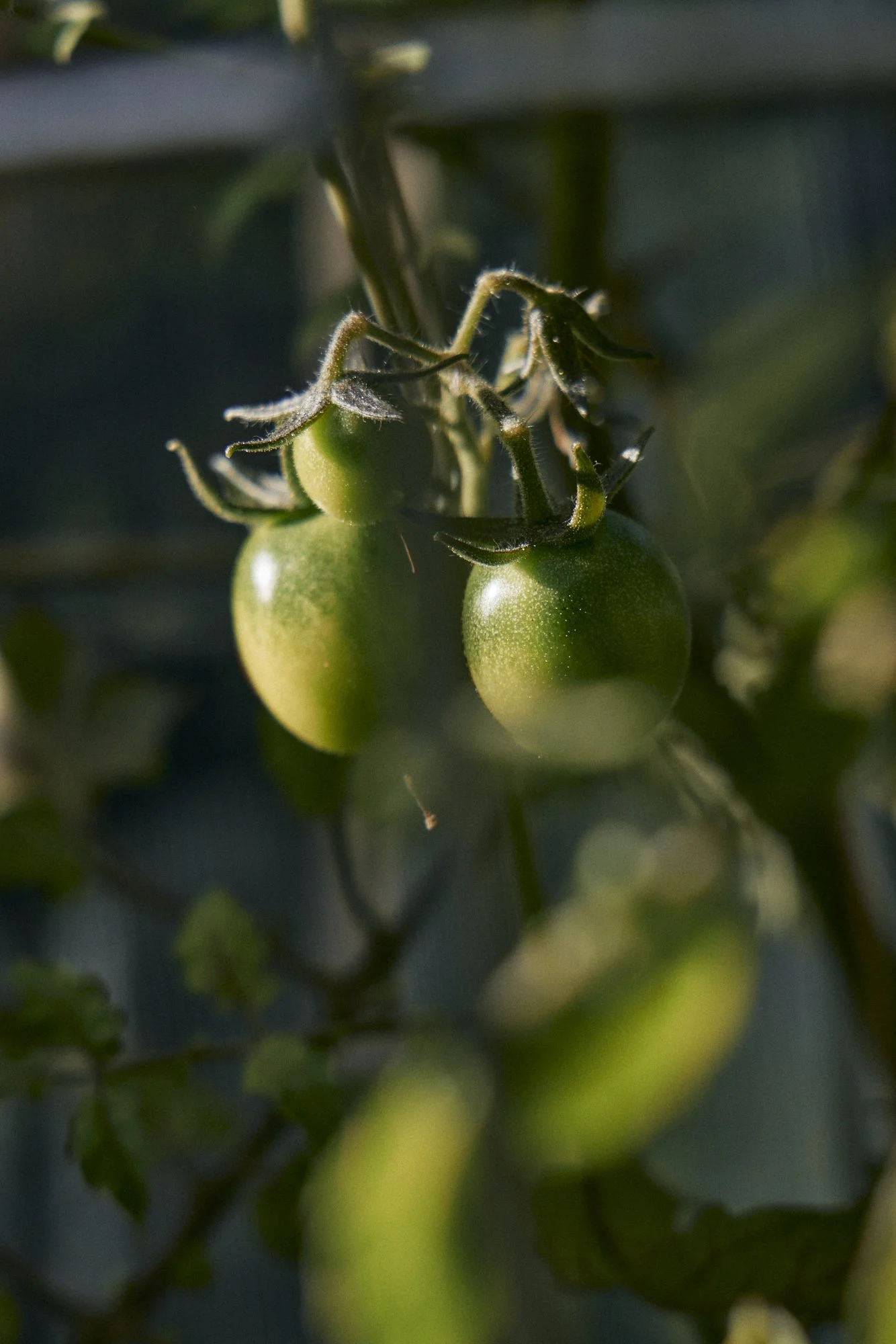
I am also thinking about timing. About late tomatoes and late zucchini. About what the season has done. About what the next one may ask.
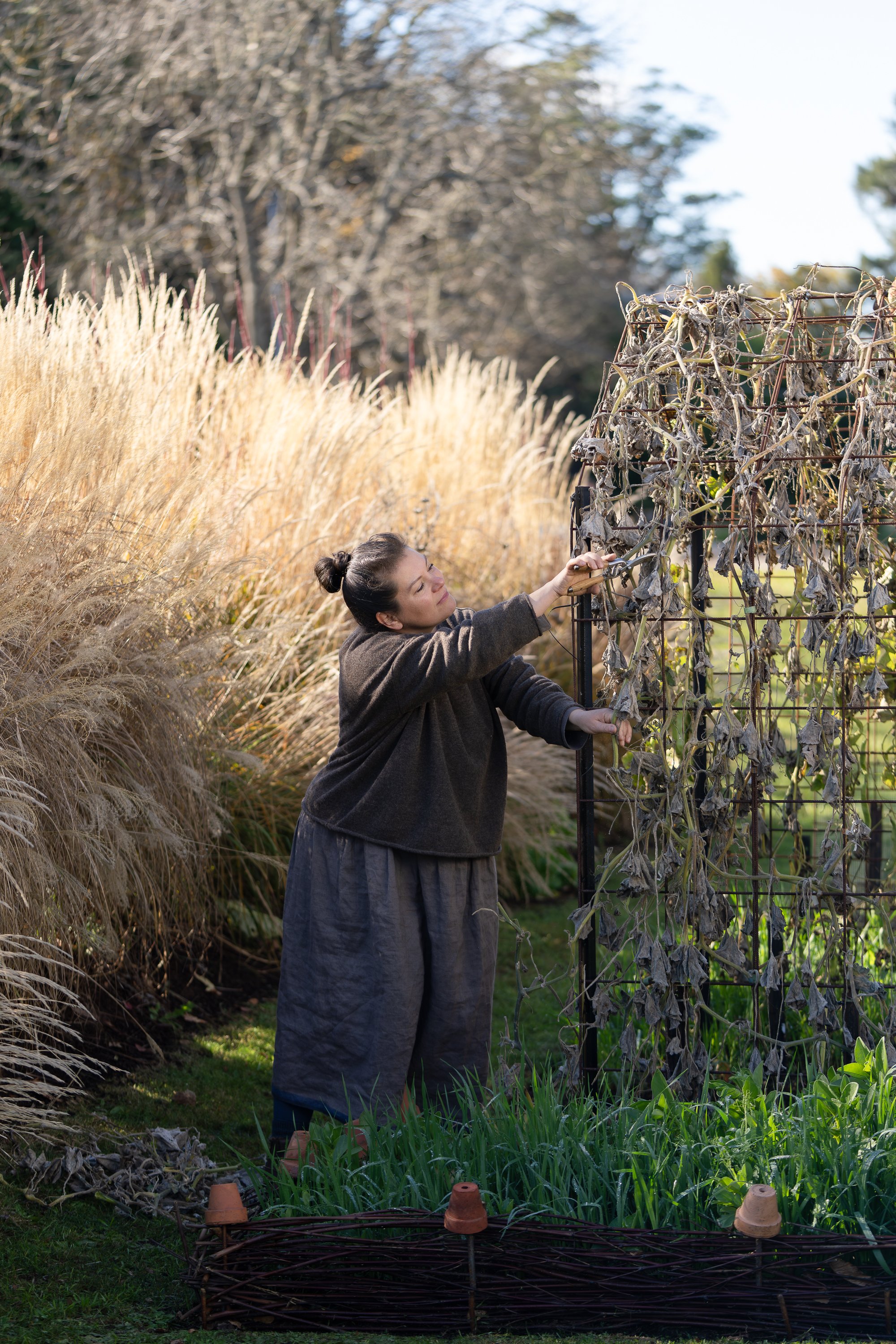
This is what gardening teaches so well. You do not control the season. You respond to it. You observe first, act second.
That is true in the garden, and I think it is true in life as well.
What your comments told me
One of the most moving parts of sharing that reel was the response.
So many of you were already thinking along similar lines.
Some of you are expanding your productive gardens.
Some are planting extra and collecting seed.
Some are building raised beds or converting them to wicking beds.
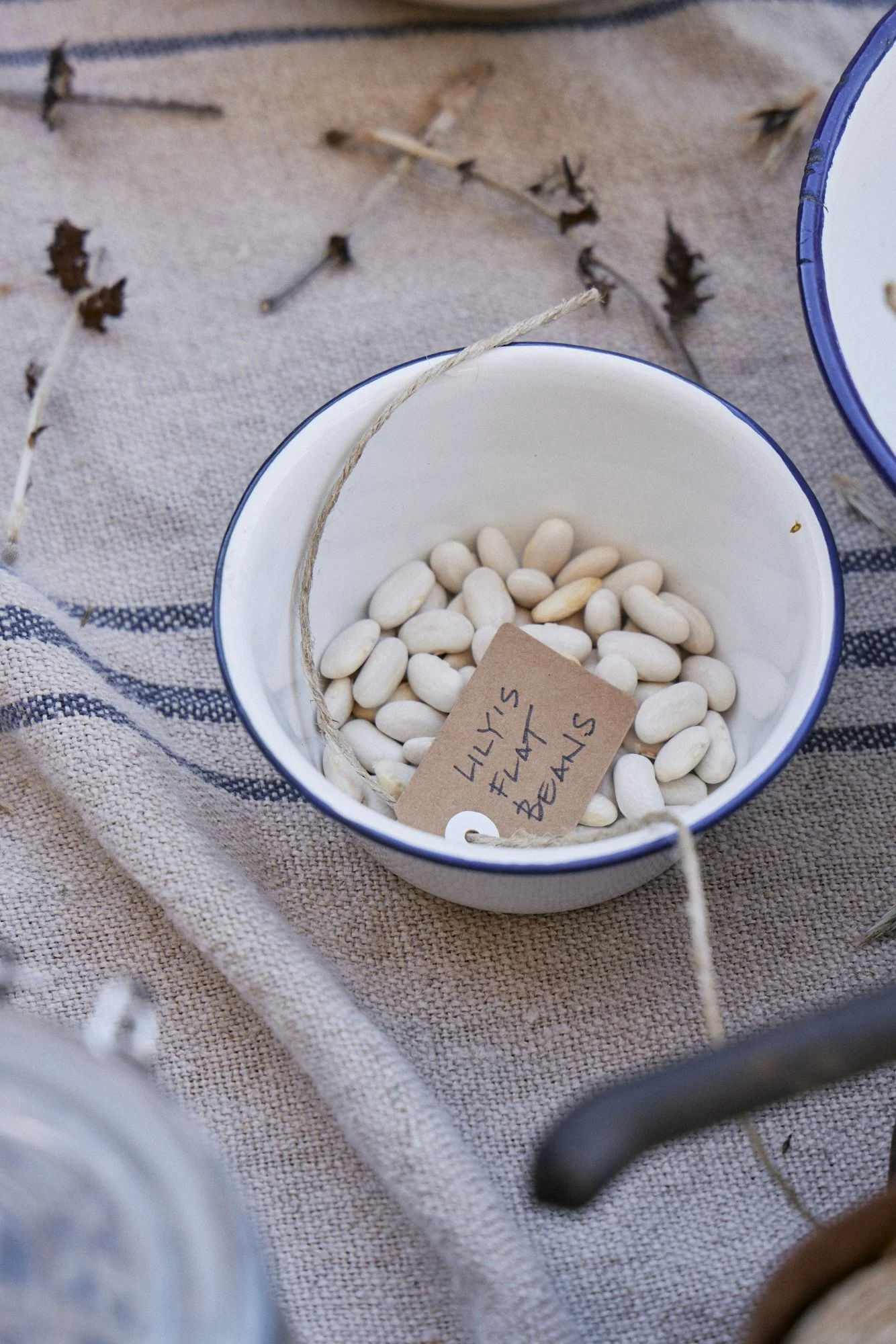
Some are preserving more, drying beans, refilling pantries, saving what the garden offers.
Some are wanting hens.
Some are revisiting older skills.
Some are simply asking where to start.
That breadth of response mattered to me because it showed that this is not a fringe thought. It is a real one. Quiet, practical, shared by many people, each in their own circumstance.
And importantly, not everyone was starting from the same place.
Some people already grow a lot and want to become more deliberate.
Others are at the very beginning.
Others feel the urge but not yet the confidence.
All of that is valid.

If you are new to this, start smaller than you think
If your head is going here too, but you are worried you do not know enough, start smaller than you think you should.
Do not begin with the fantasy version.
Begin with what fits your life.
Grow what you actually eat.
Grow what is easy in your climate.
Grow something that gives you a quick return.
Grow something that teaches you one useful lesson.
A pot of herbs is not nothing.
A trough of rocket is not nothing.
A few lettuce seedlings are not nothing.
Learning how to sow coriander at the right time is not nothing.
Growing a decent crop of spinach in winter is not nothing.
It is a practice.
And practice works by repetition.
If you already have skills, this may be the moment to use them more fully
If you already know how to grow, preserve, propagate, compost, save seed, or cook from the garden, perhaps this is the moment to lean in a little more.
Not in a frantic way.
Just in a more conscious one.
Maybe that means planting an extra row.
Maybe it means finally getting serious about succession planting.
Maybe it means preserving what you might once have let slide.
Maybe it means teaching your children.
Maybe it means sharing seedlings.
Maybe it means checking in on a neighbour.
Maybe it means using your front yard, your verge, or the sunny side of the fence a bit more deliberately.
Skills gain value when they are used and shared.
Practicality can be a form of contribution
I keep coming back to that word, contribution.
For me, this is not about control. It is about contribution.
Growing something is a contribution.
Saving seed is a contribution.
Learning to preserve food is a contribution.
Giving away excess produce is a contribution.
Showing someone how to start is a contribution.
Using your garden, however small, with care and intention, is a contribution.
In uncertain times, practical acts can help settle the nervous system because they return us to what is concrete. Soil. Water. Seed. Season. Repetition. Usefulness. Care.
That is not escapism.
That is participation.
So where is your head at?
That is really the question behind all of this.
Are you thinking about growing more right now?
Are you wondering where to start?
Are you worried you do not know enough?
Or do you already have skills and want to use them more fully, more thoughtfully, more generously?
Because if this is where your mind is going too, then maybe this is a conversation worth having.
And maybe, in one way or another, I can help.
Join a workshop
Explore current workshops in the shop.
If you are building your garden from home right now, my e books on Wicking Bed Gardens and Introduction to Backyard Chicken Keeping offer practical step by step guidance that pairs well with the workshops.
A new date the for the Wicking Bed Garden workshop has also just been added for Sunday 17th May. Places are limited, so please get in quick if you have been wondering how you can grow more with less. You can book via the shop section of the website or here https://www.natashamorgan.com.au/shop/wicking-bed-garden-workshop-with-natasha-morgan
Continue your gardening journey with me
If you enjoy this kind of content, my workshops offer more detail and guidance on design, productivity and seasonal care.
If you are building your garden from home right now, my ebooks on Wicking Bed Gardens and Introduction to Backyard Chicken Keeping offer practical step by step guidance that pairs well with the workshops.
I share seasonal tips, behind the scenes at Little Cottage on a Hill, and new resources through my newsletter. Subscribe to receive my entire plant list from the garden as a personal thank you.
You may want to check out my related content below:
Cultivating beauty in a war zone – Alla Olkhovska’s garden of resistance - gardening as a form of survival. Of resistance. Of legacy.
Why I Grow. Why I Design. Why I Return. - Finding comfort in small daily acts.
Caring for Ornamental Grasses – When (and Whether) to Cut Back - As we head toward winter here in the southern hemisphere, it’s the time of year when I’m often asked: Should I be cutting back my grasses now?
Stay connected for more seasonal inspiration:
Instagram | Facebook | Gardenstead | LinkedIn | Pinterest | YouTube | Website | Newsletter
Thanks so much for following along.
Natasha xx
