edible gardening

Beauty, Tending, Belonging: Why I Keep Growing Things

Growing things is how I remember who I am.

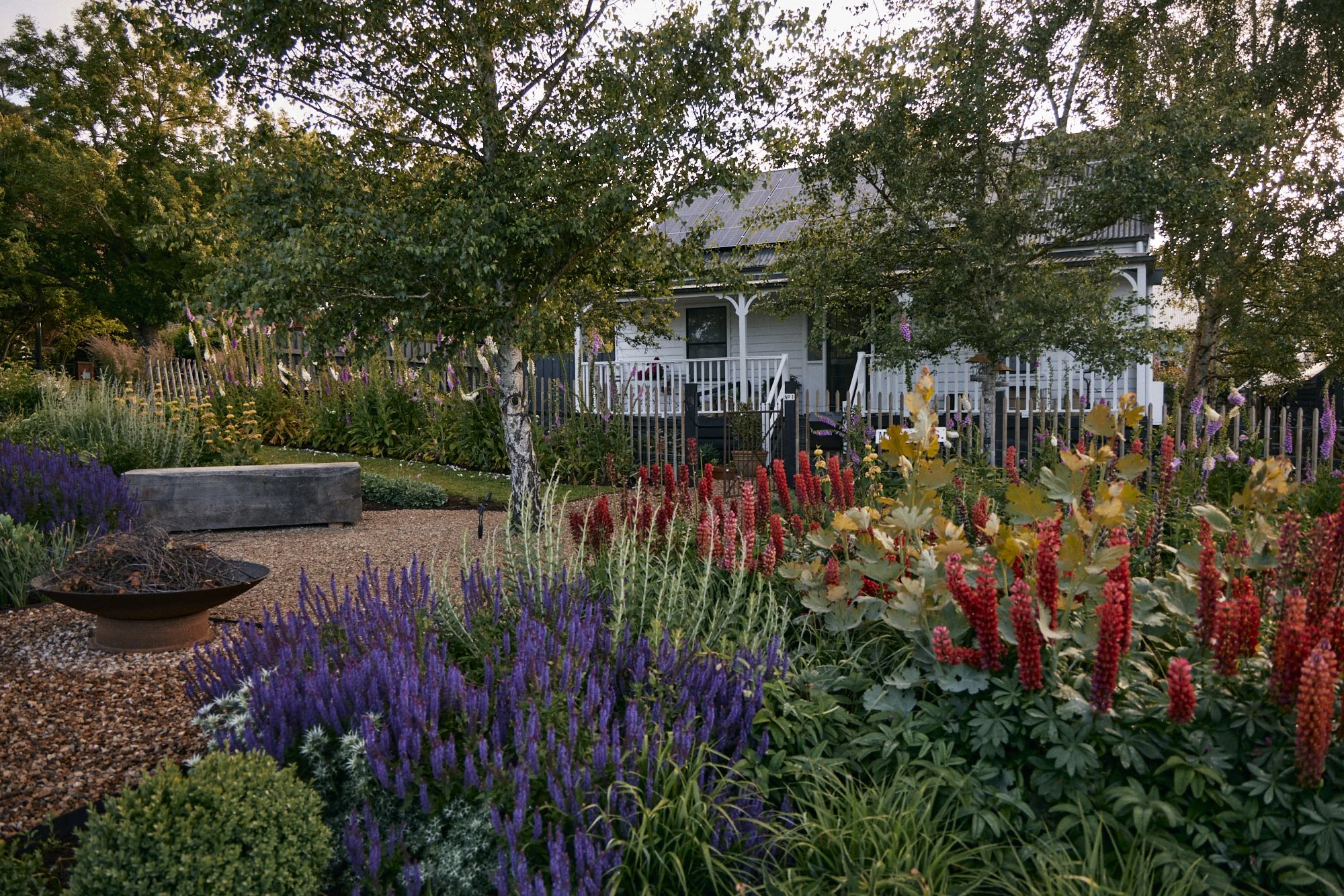
It is the quiet, steadfast practice that has held my hand through every season of my life, from childhood curiosity to the work I do now in my garden and on the page. When I grow something, even just one small plant, the world narrows to a scale I can hold and, at the same time, somehow expands; I feel both anchored and open, both soothed and alive.

The childlike wonder of beginnings

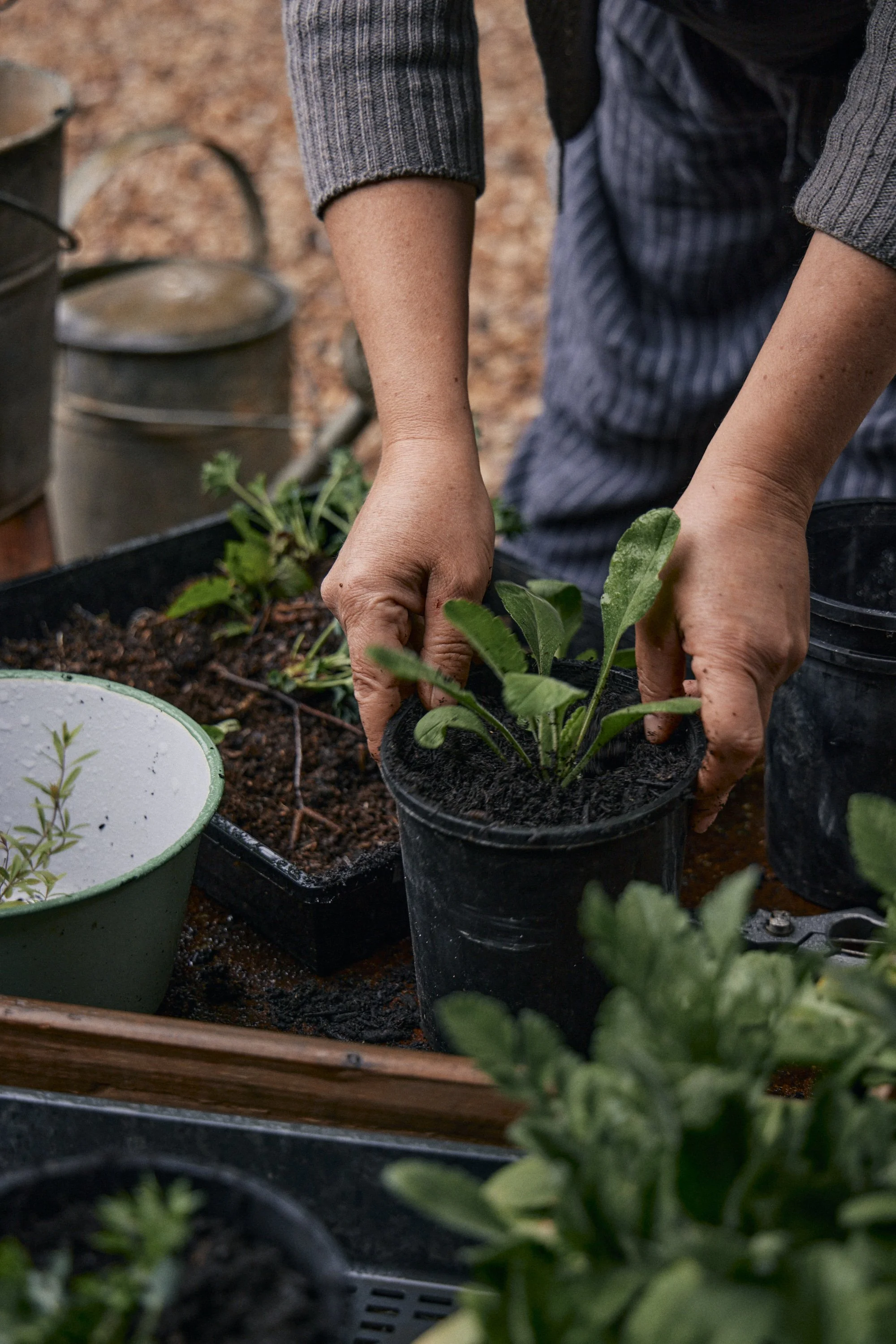
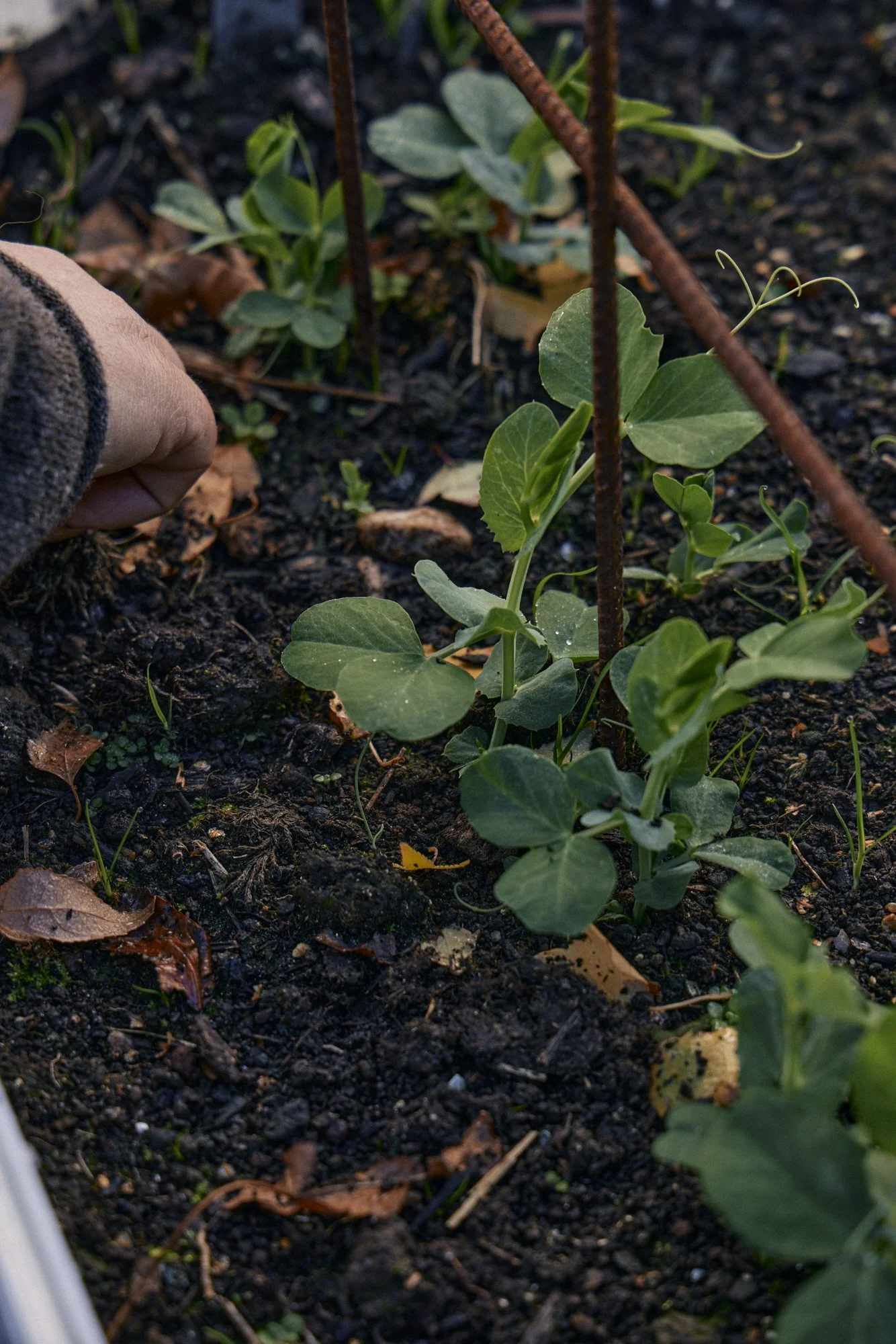
Every time I tuck a seed into soil or take a cutting from a plant I love, I feel that small, familiar flutter of wonder. Will it take? Will it sulk? What will it become in this particular patch of earth, with this particular light, wind and weather? I still find myself checking far too early for signs of life, scanning the surface for the faintest lift of soil, the first sliver of green that says, I am here.

That moment never gets old. A seed pushing through, a bud swelling, a tendril finding something to hold – these are such modest events, but they land in me like miracles. They remind me of being a child pottering in gardens where no one needed me to impress them, where the whole point was to notice, to touch, to be in conversation with whatever was growing. Growing things returns me to that state, again and again – curious, attuned, unguarded.

Contentment in tending

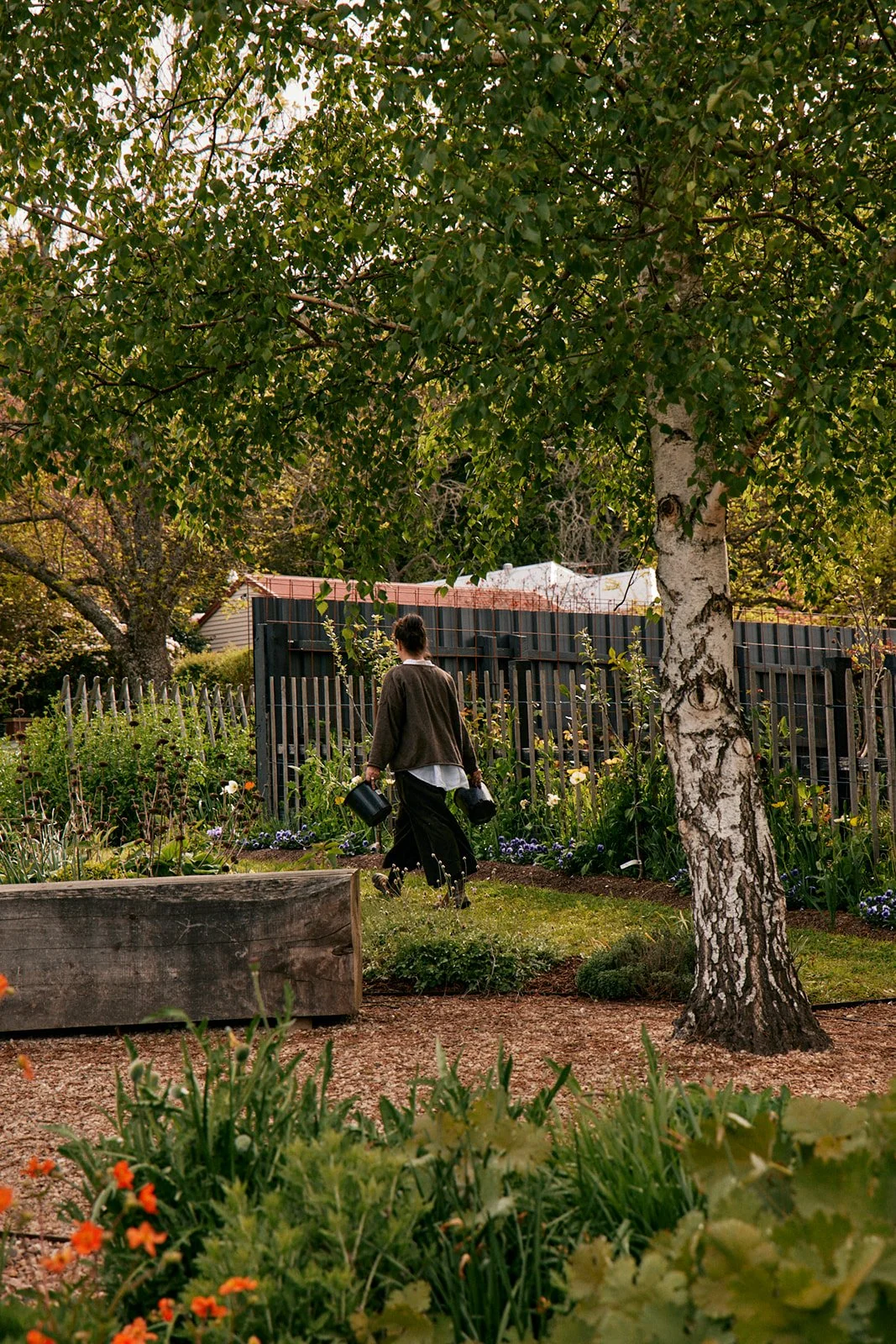
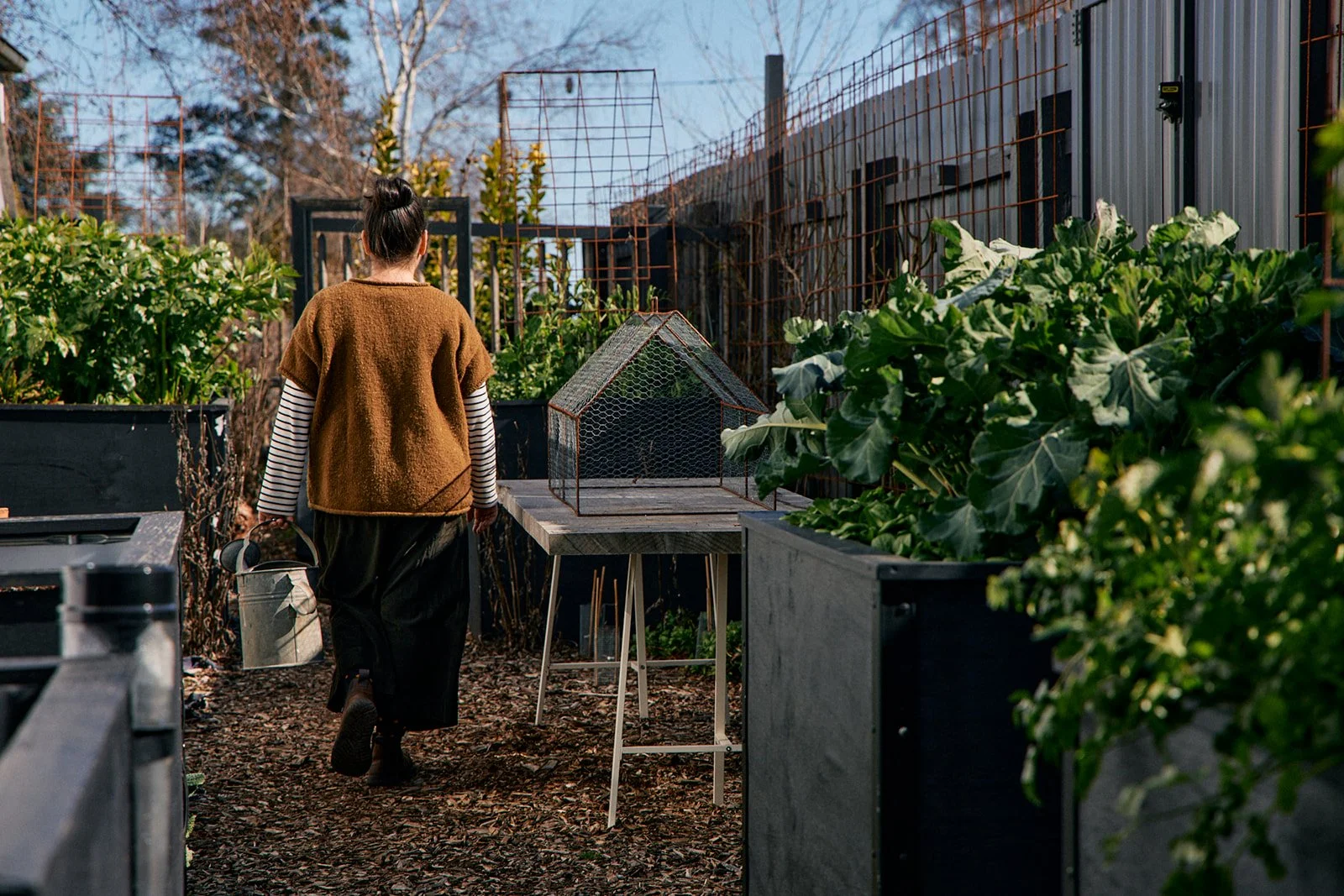
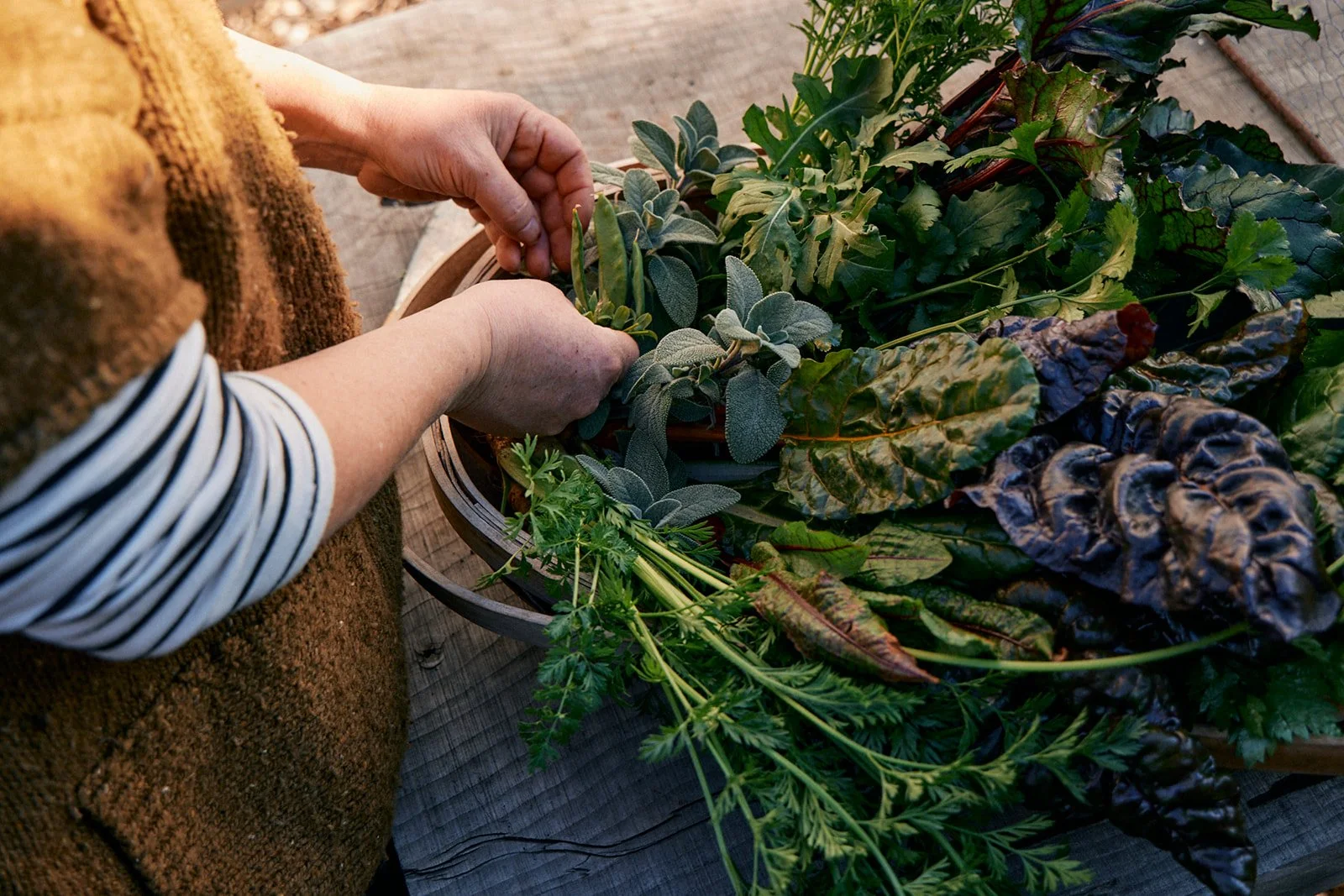
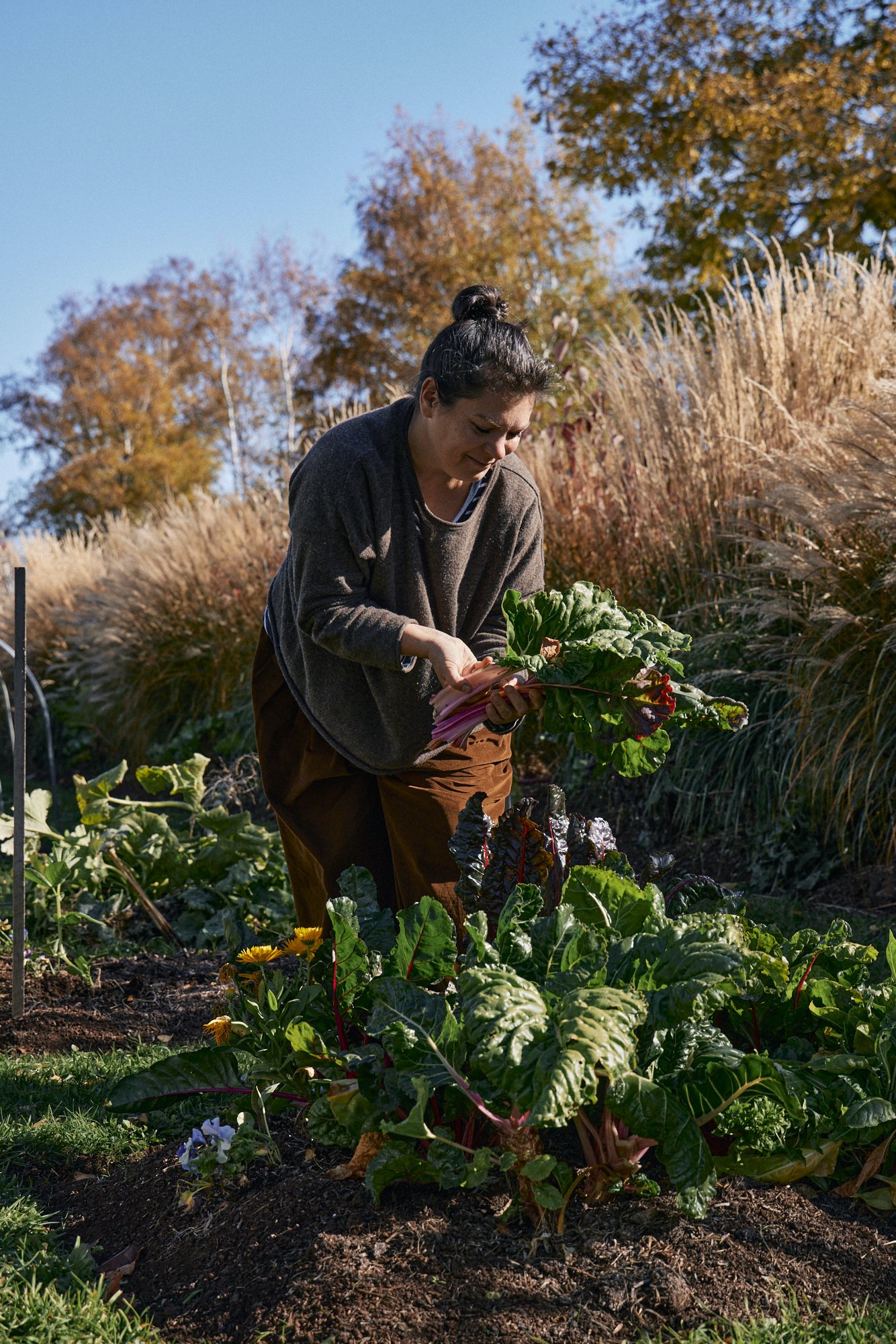
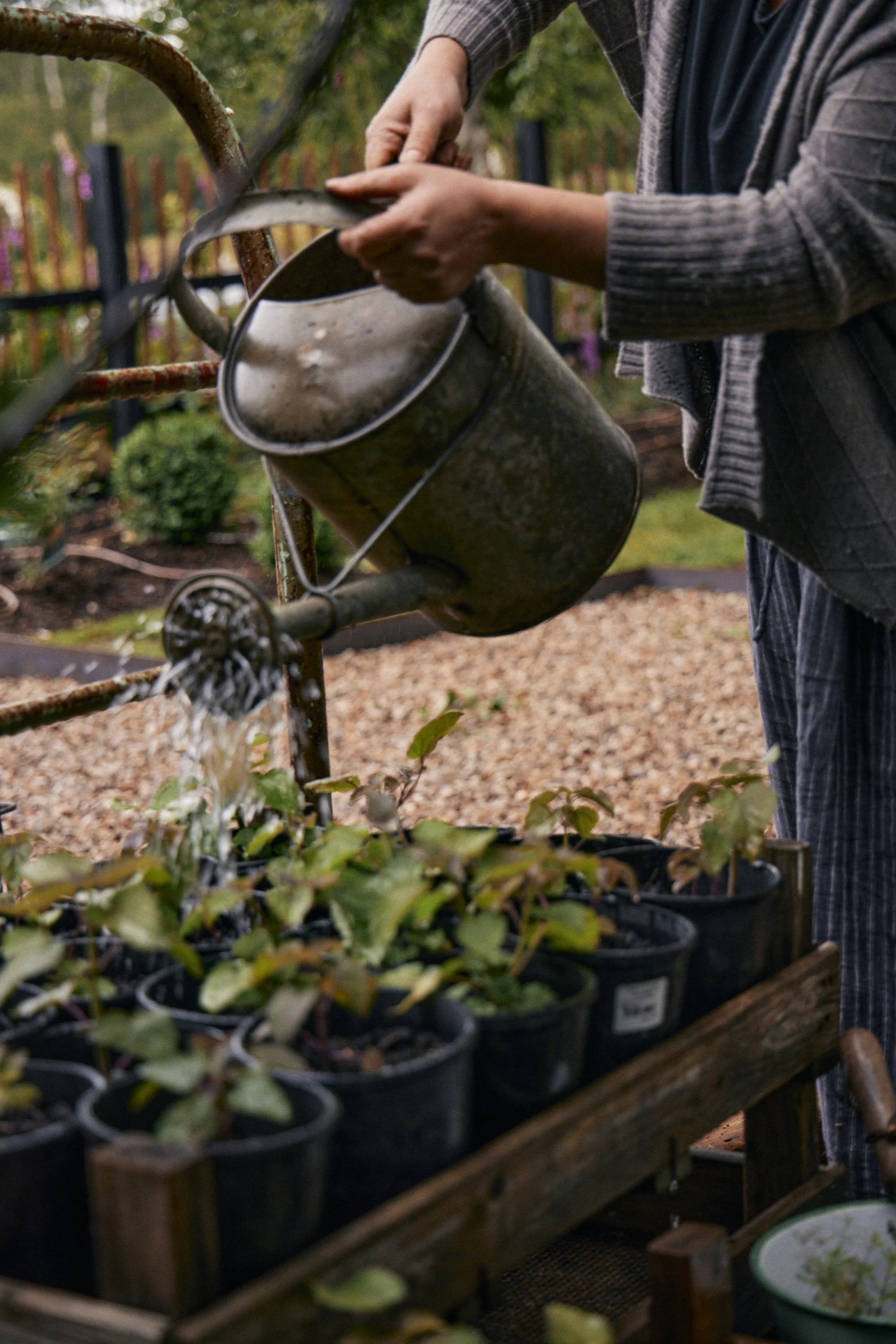
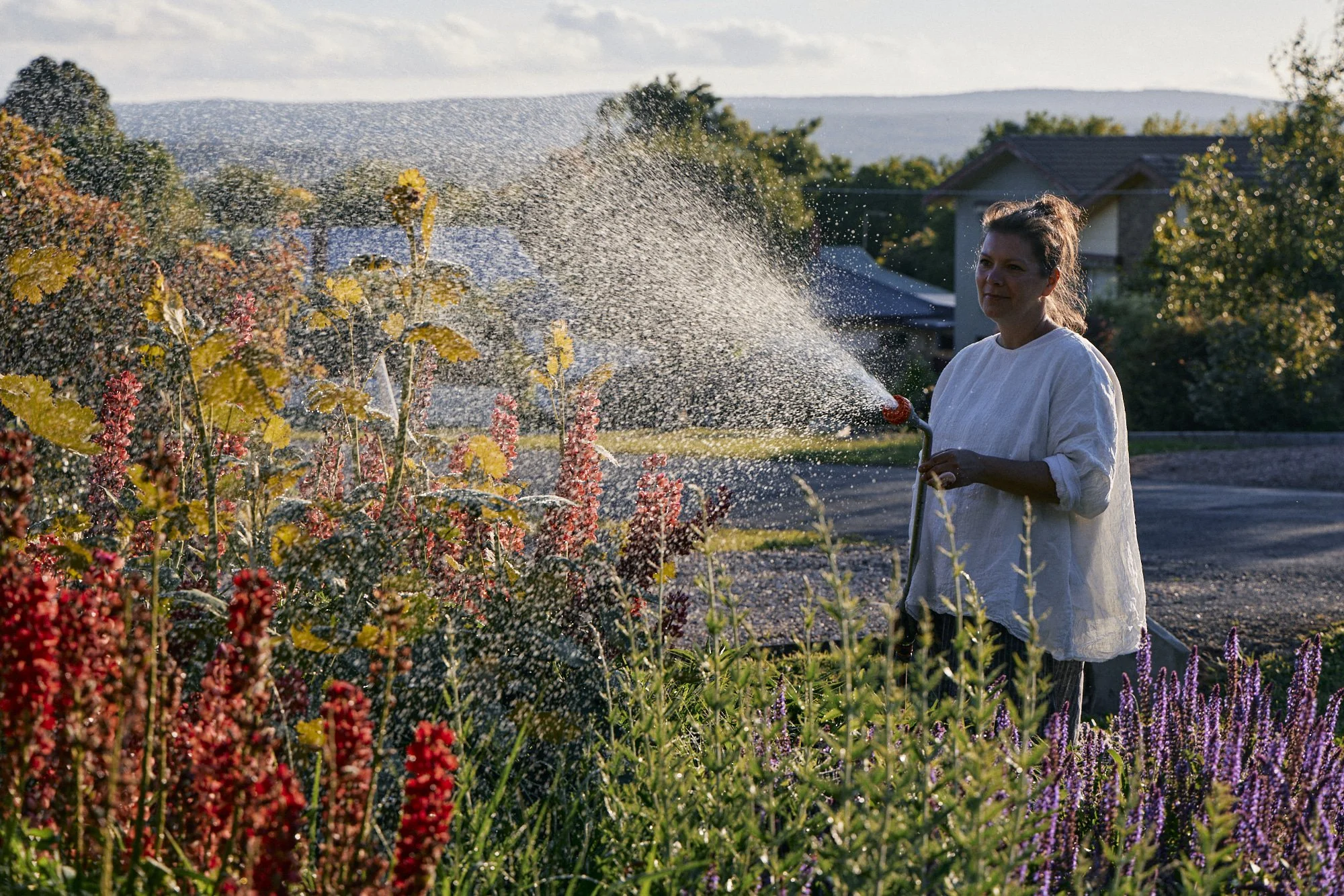
People sometimes imagine that the satisfaction of gardening lies in the finished picture – the overflowing beds, the baskets of produce, the vases of flowers on the table. For me, the deepest contentment lives in the tending itself. Watering a single pot at the back door. Brushing past lemon verbena and carrying its scent with me into the house. Tying in a wandering stem so it can find the light more easily.

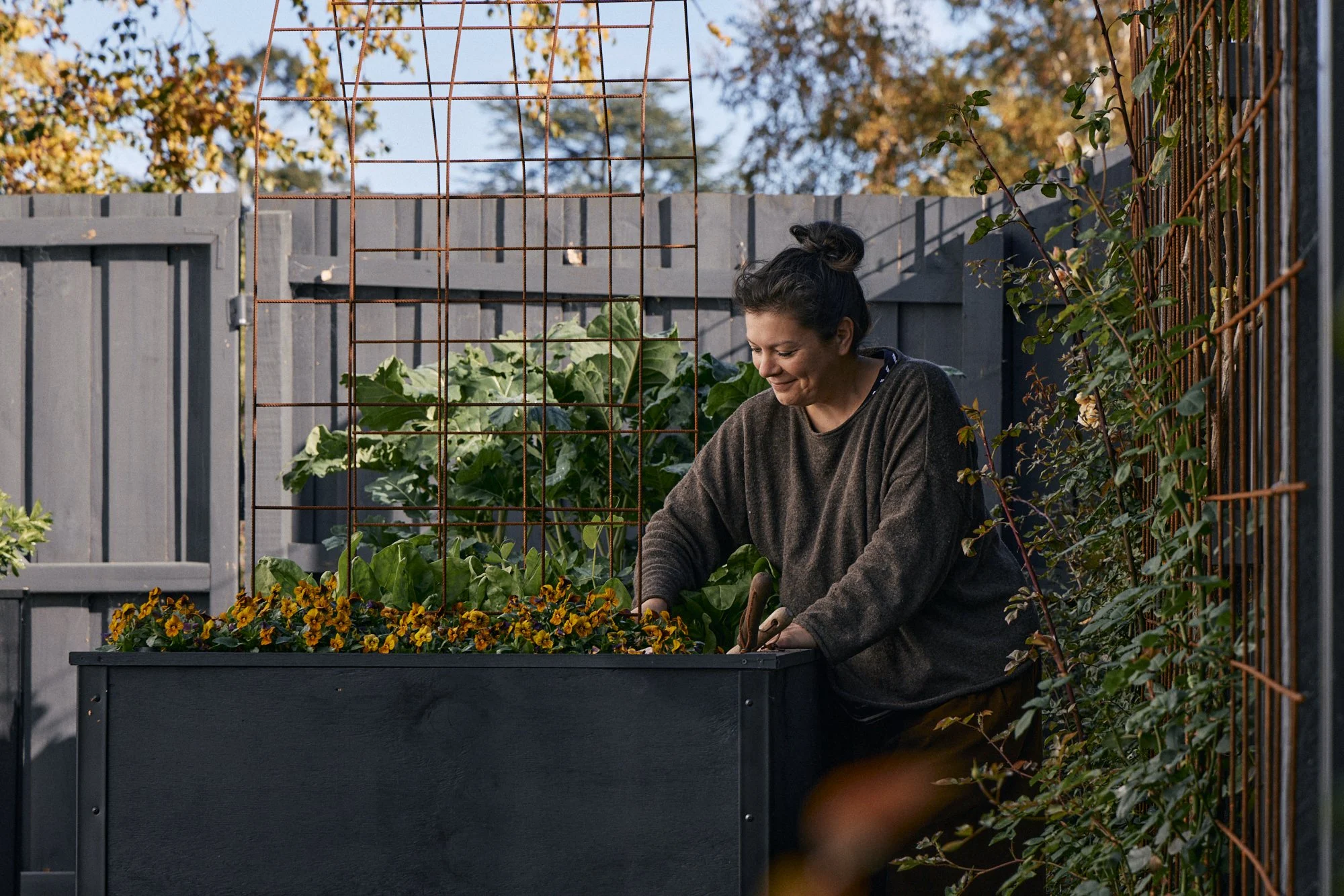
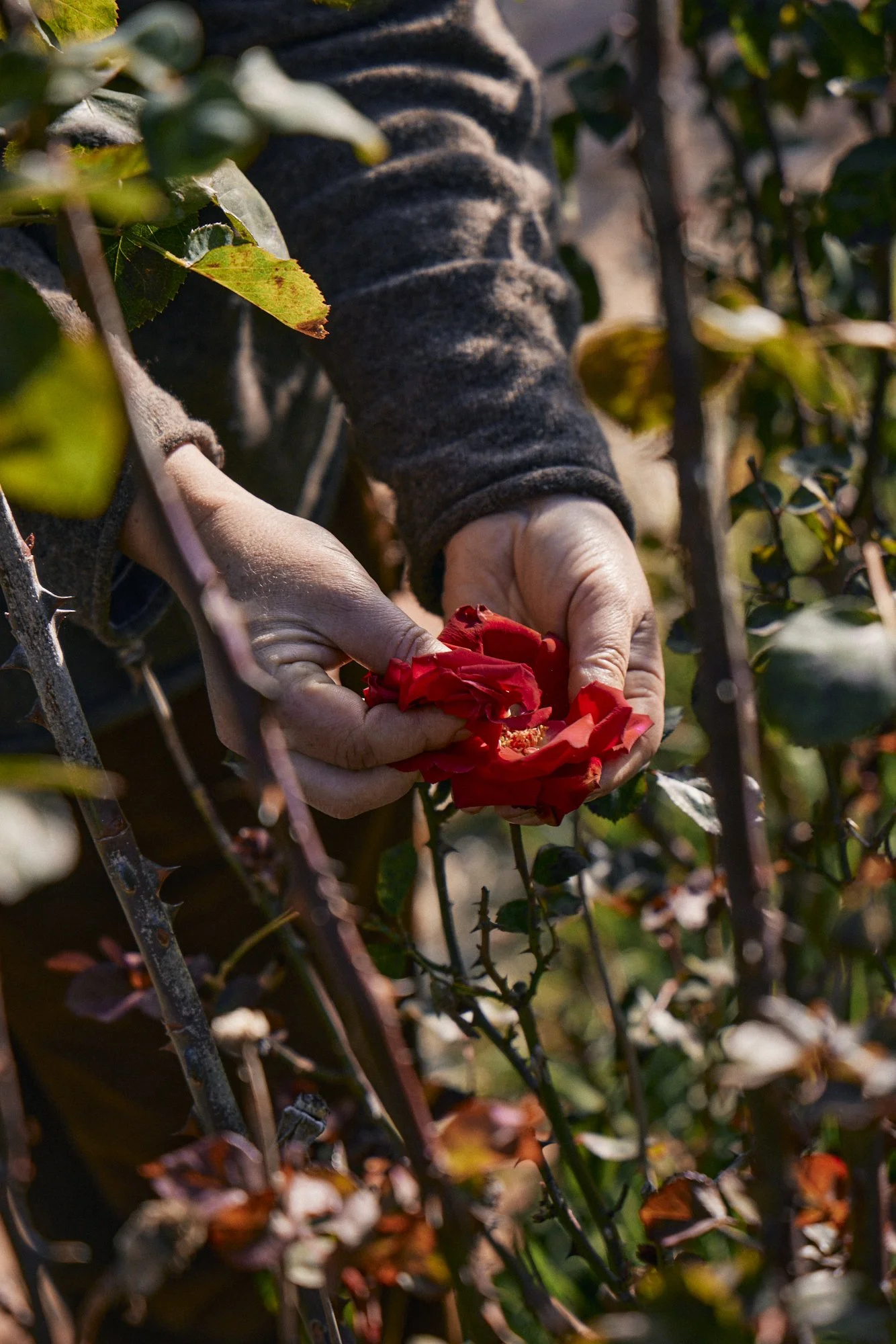
There is a profound relief in doing one small, useful thing for something living – especially on the days when life feels unruly, loud or beyond my control. I don’t need to fix the world; I can deadhead a rose, top up a wicking bed, check the moisture under the mulch with my fingers. Each of these gestures is tiny, almost invisible from a distance, but together they knit a rhythm that steadies me. The garden gives back in beauty and harvest, yes, but it also gives back in pace – in a tempo my nervous system can actually live inside.

Curiosity, exploration and discovery

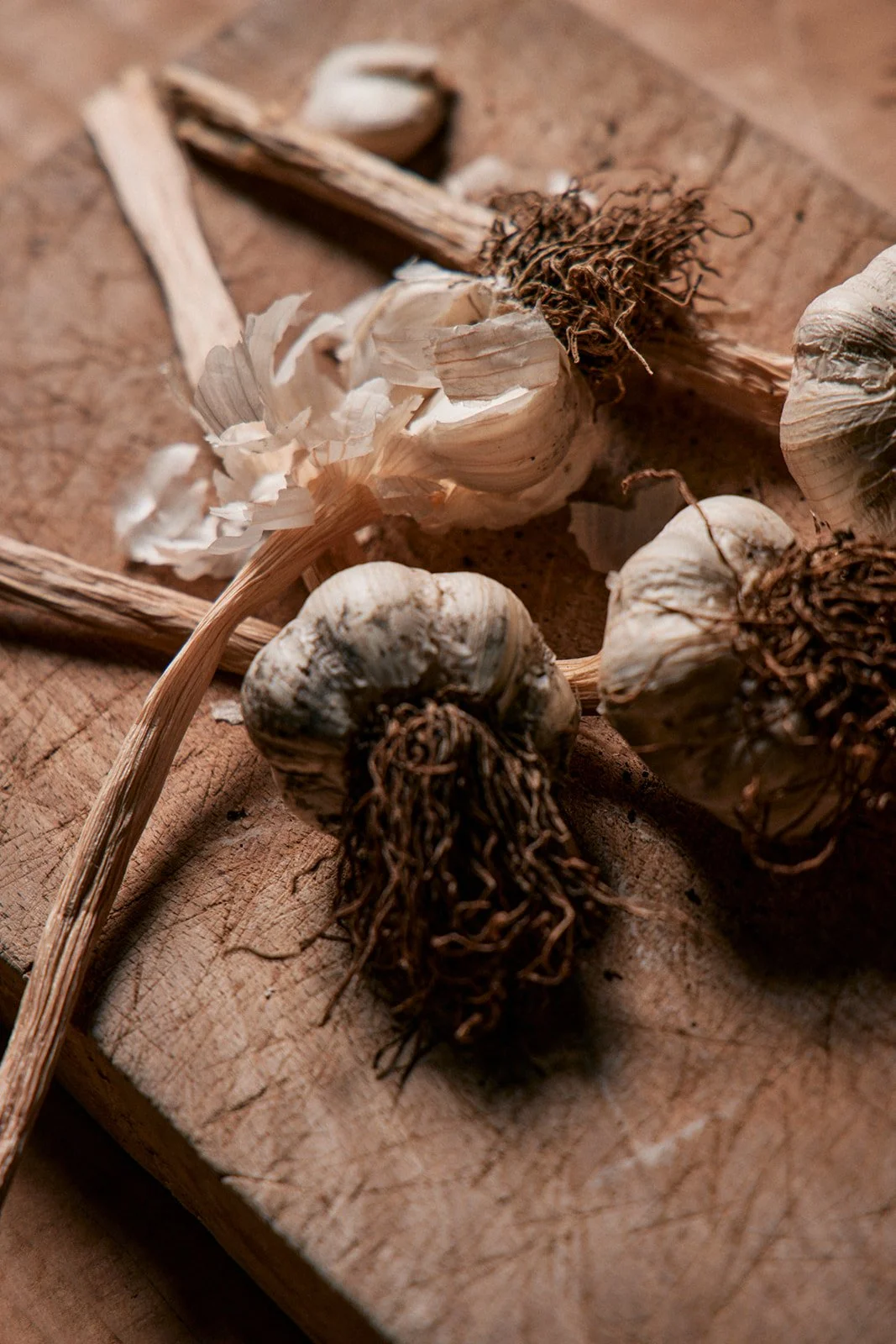
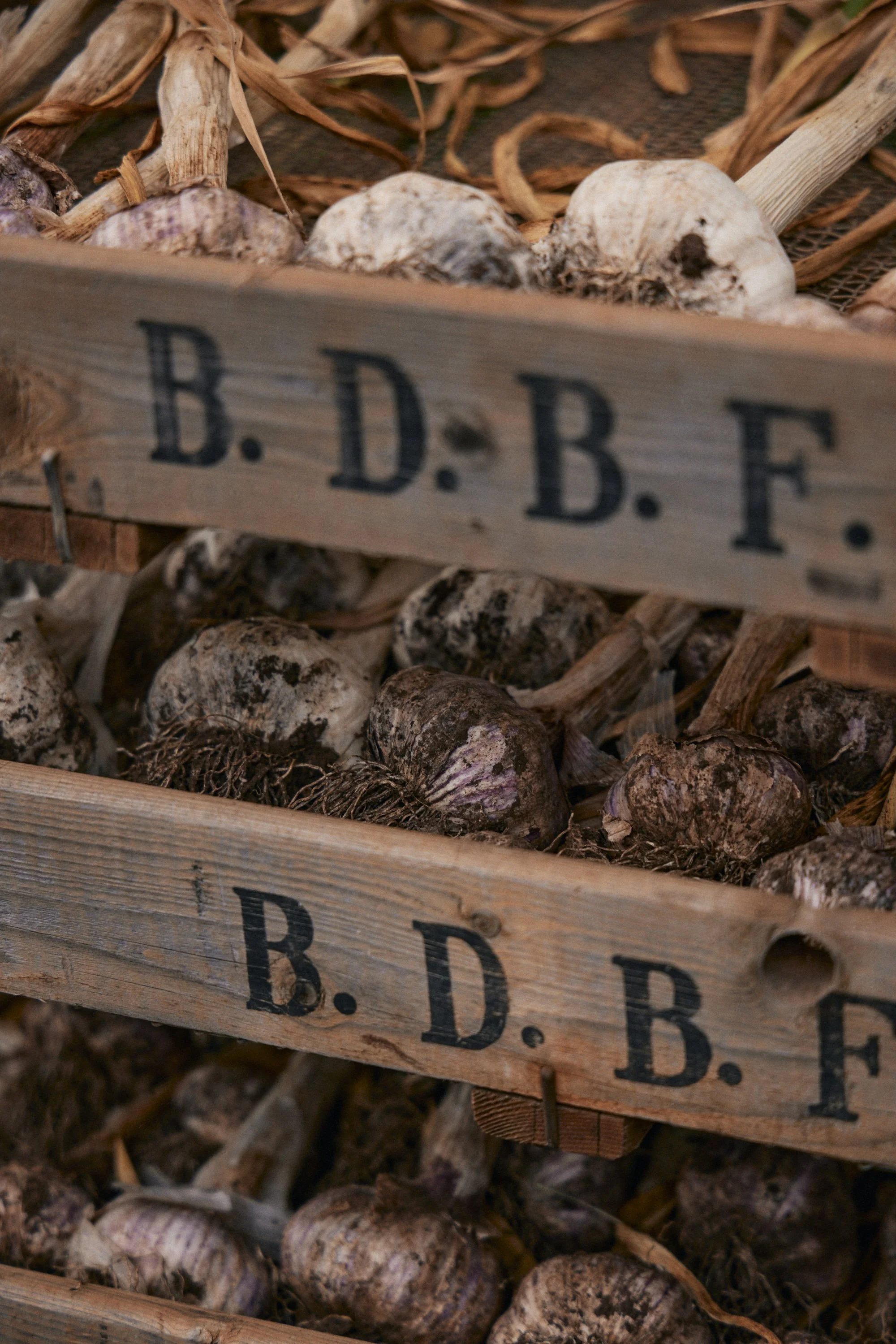
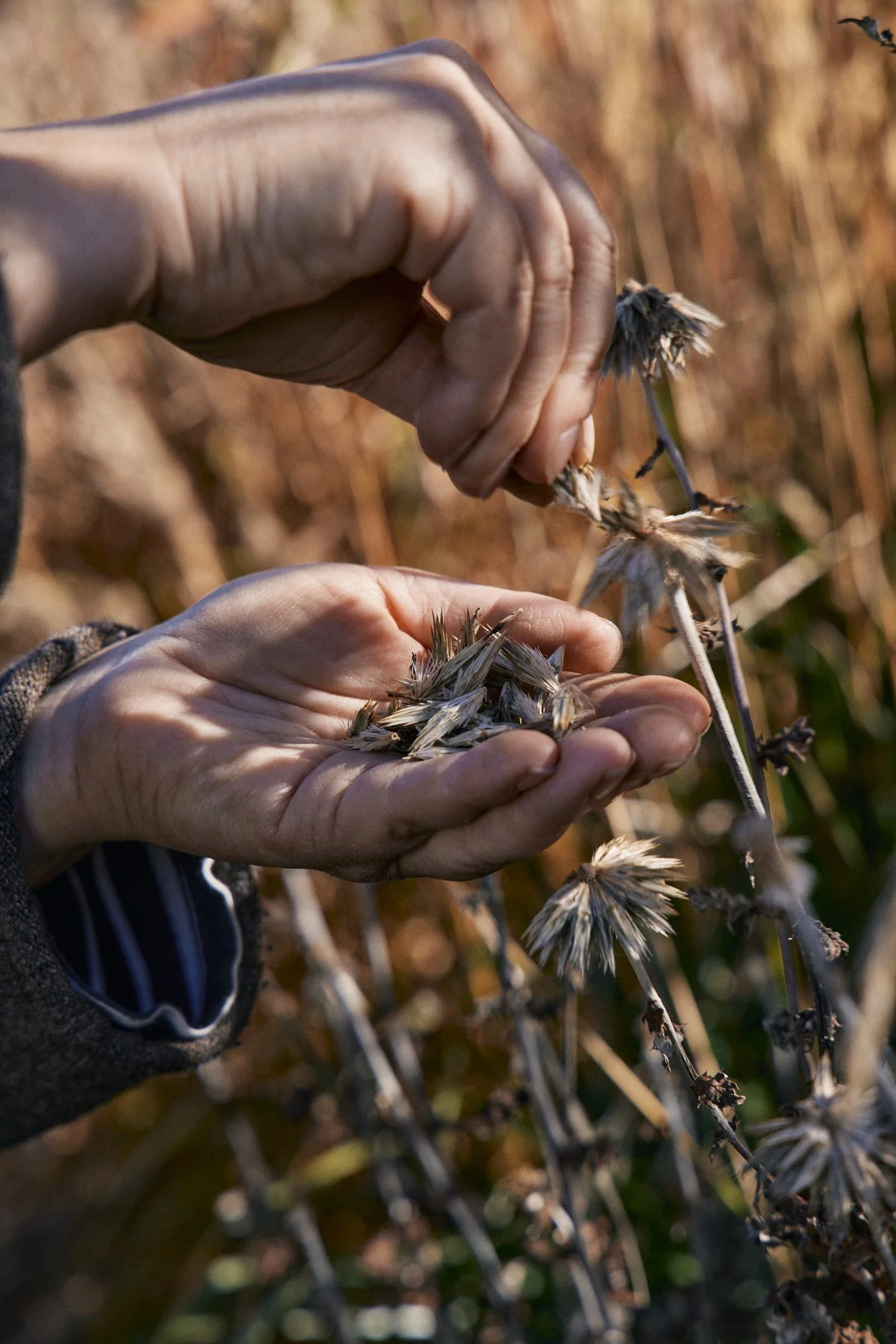
Growing things has always been my favourite way to ask questions. What happens if I plant garlic between the flowers? If I leave the seedheads standing through winter? If I turn off the irrigation and see who copes? Gardens, by nature, are experiments written in soil and time. I rarely follow the textbook to the letter, yet still, the garden grows – and that gives me courage to keep trying, adjusting, learning on the job.

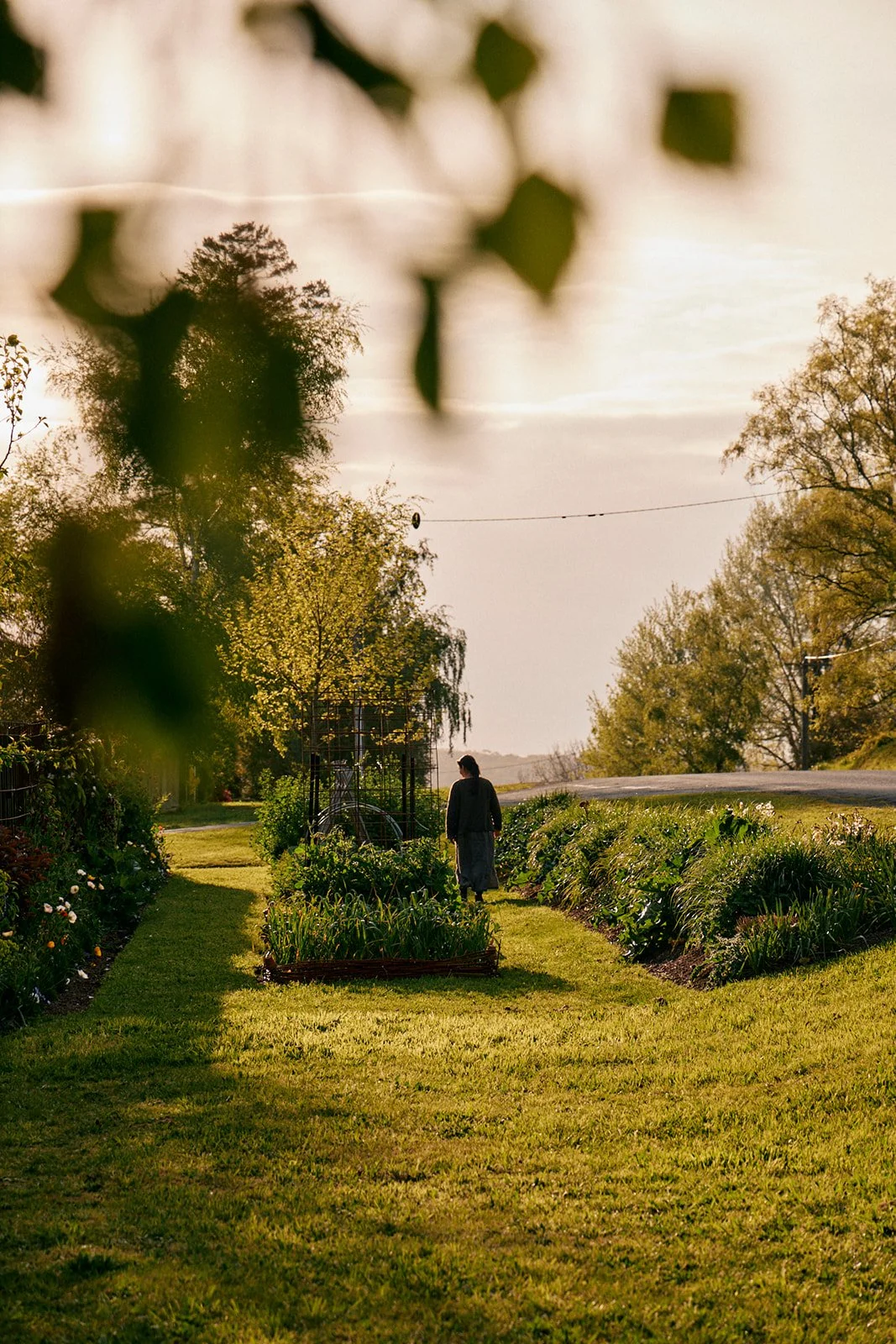
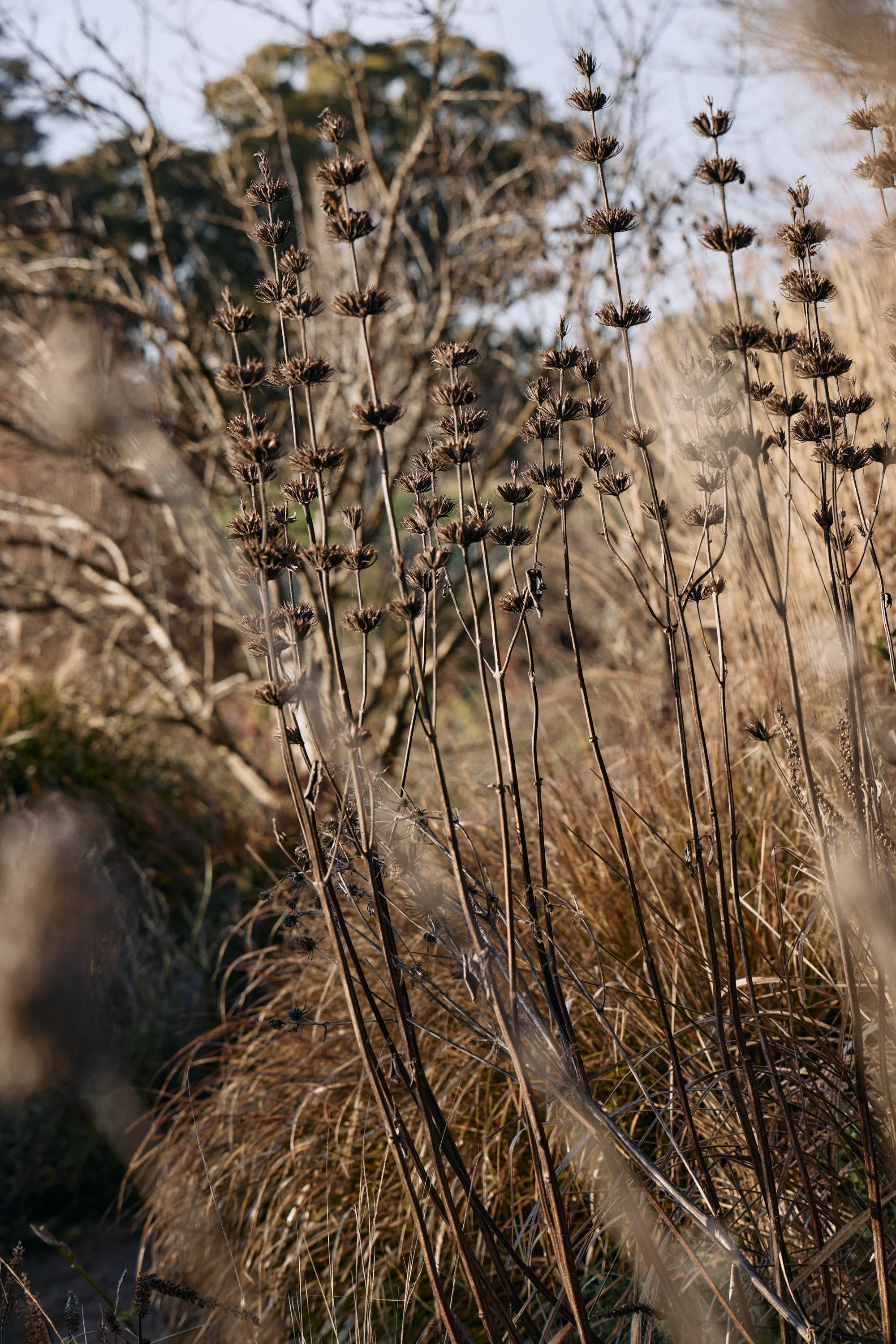
Curiosity shows up in small daily explorations: a lap of the wicking beds in bitter weather, checking which plants are holding their nerve; a wander along the verge to see what self-seeded while I was busy elsewhere; a notebook scribble about which flower kept the bees busy longest. The garden keeps offering discoveries – a leaf my child holds up like a jewel, a volunteer plant in exactly the right place, a combination of scent and light that makes me stop mid-task and simply breathe. In a noisy world, growing things is how I keep my capacity for surprise alive.

Beauty as a way of staying

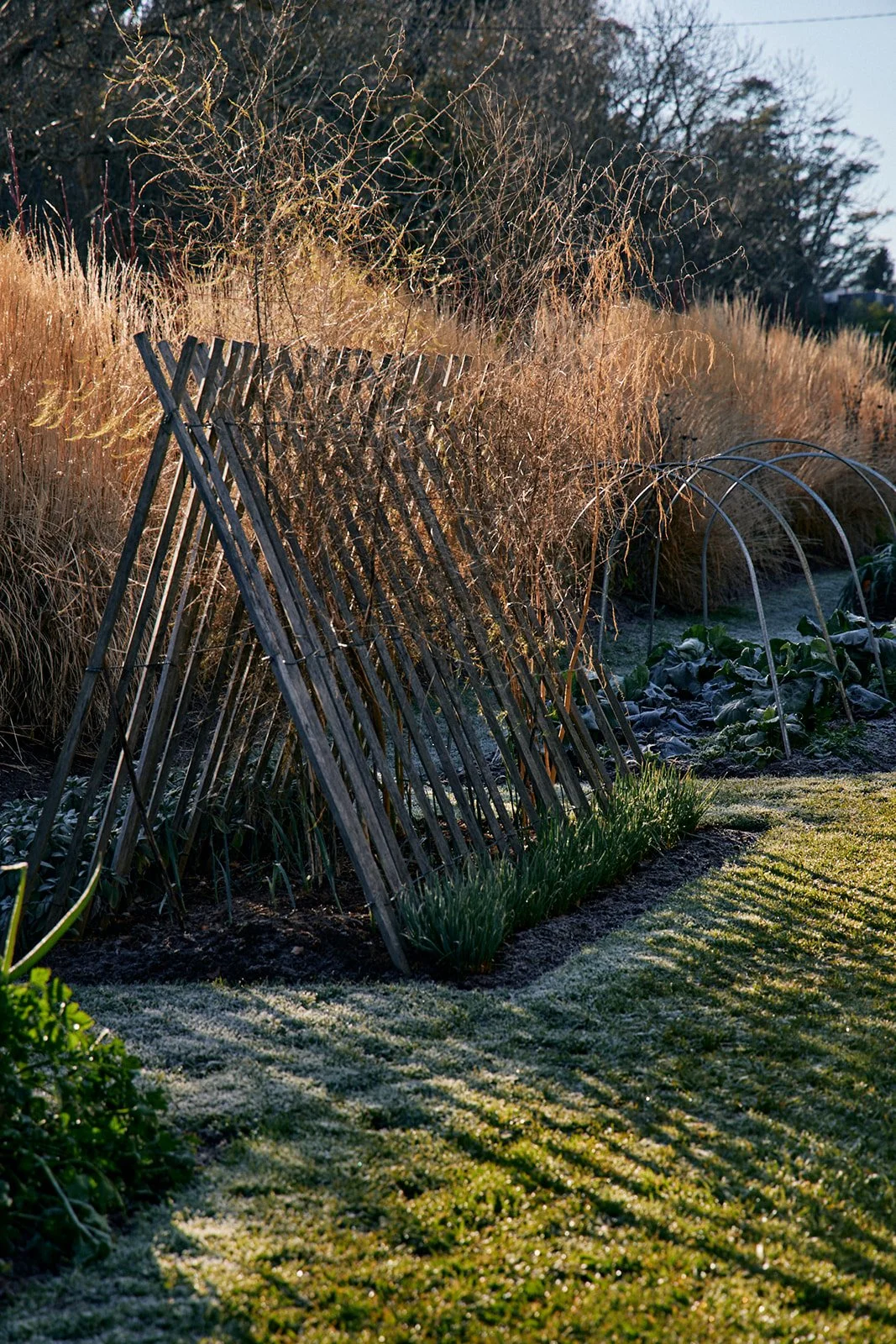
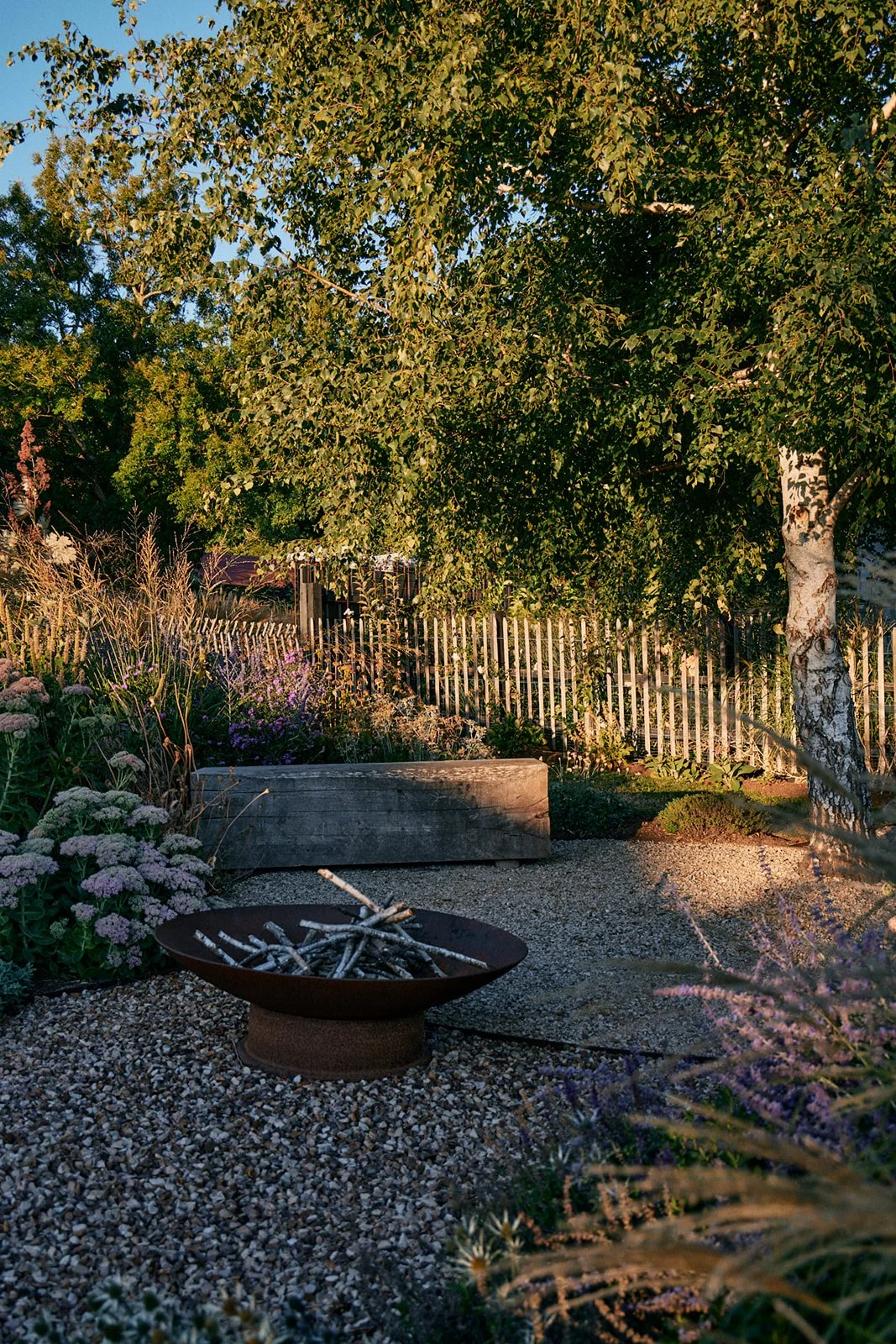
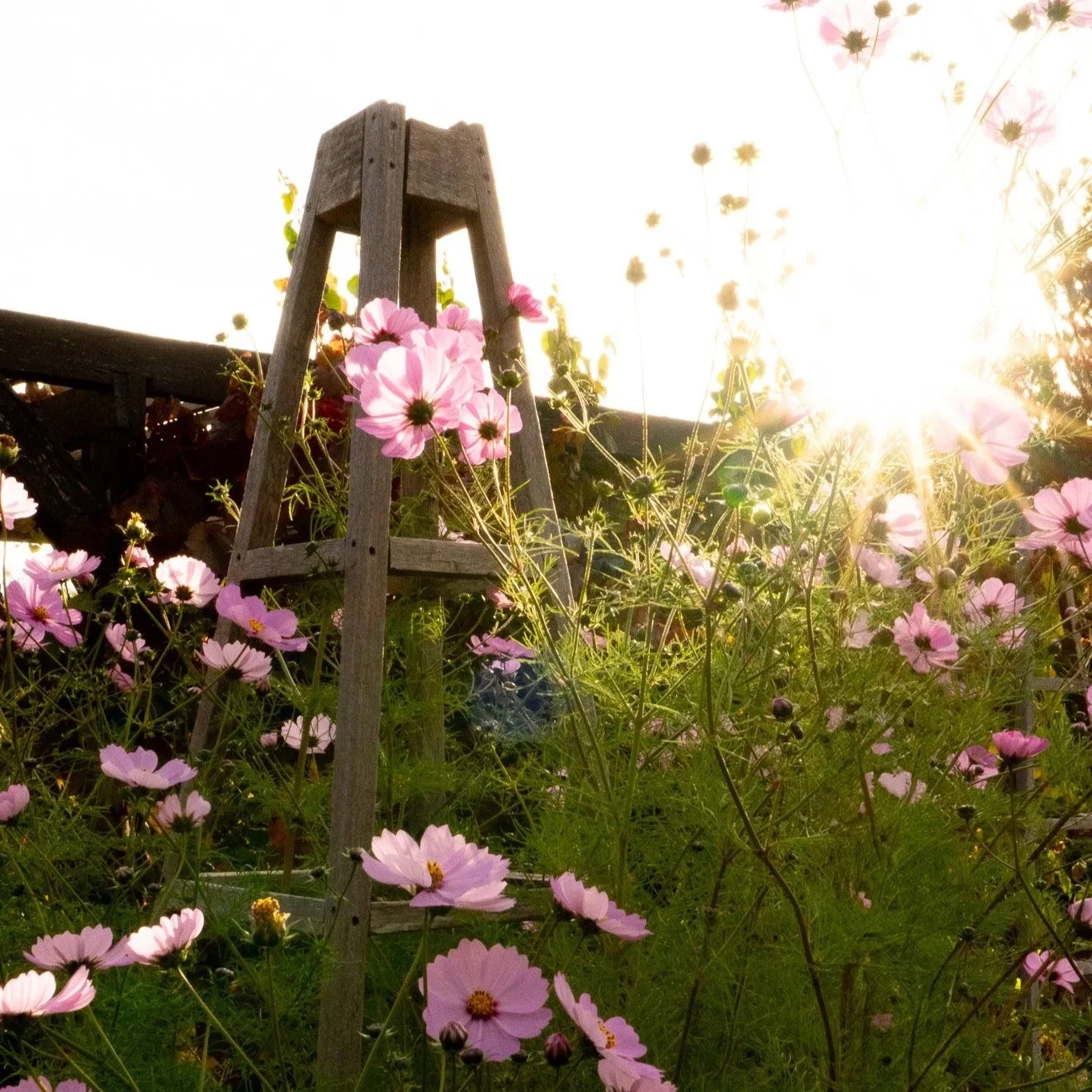
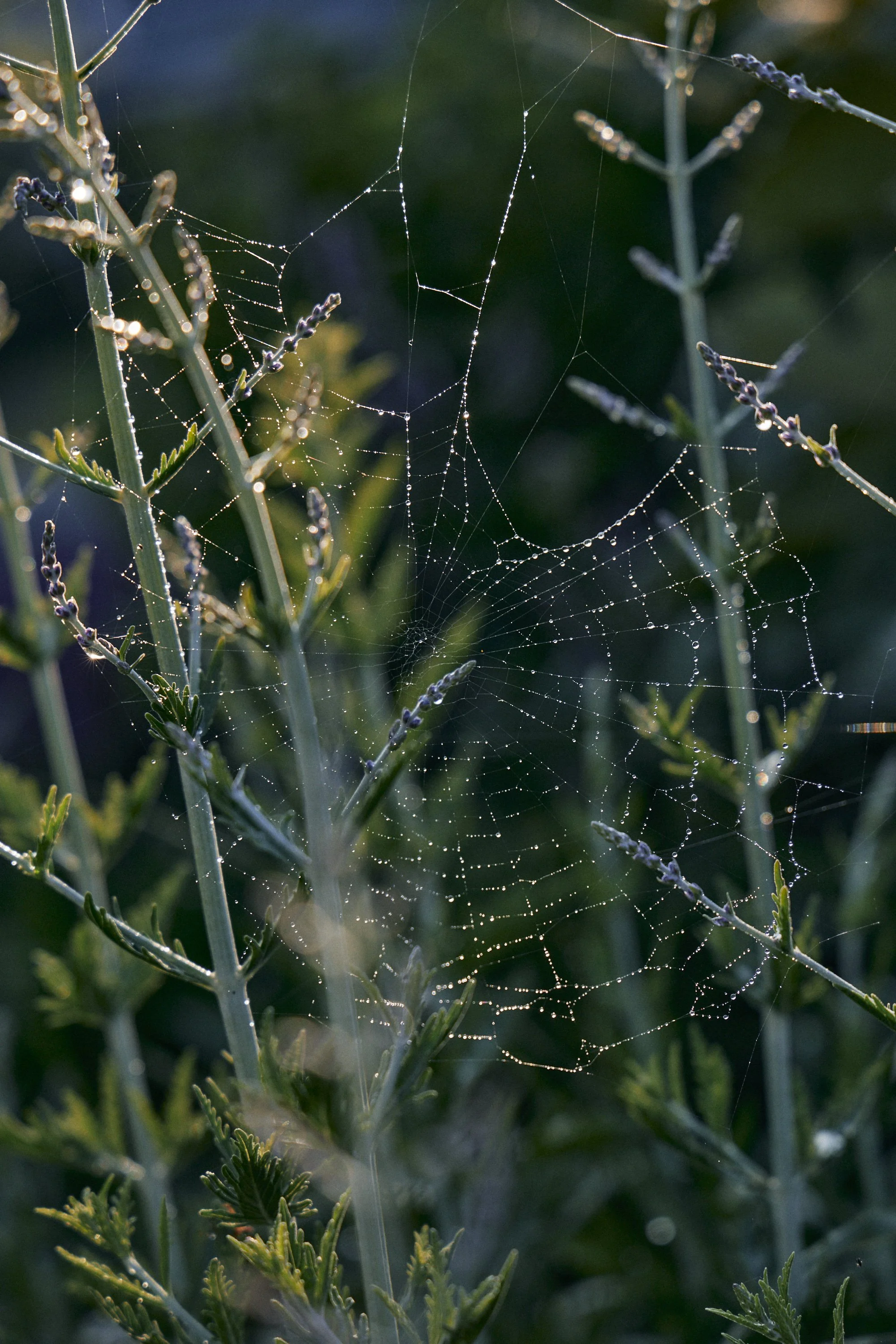
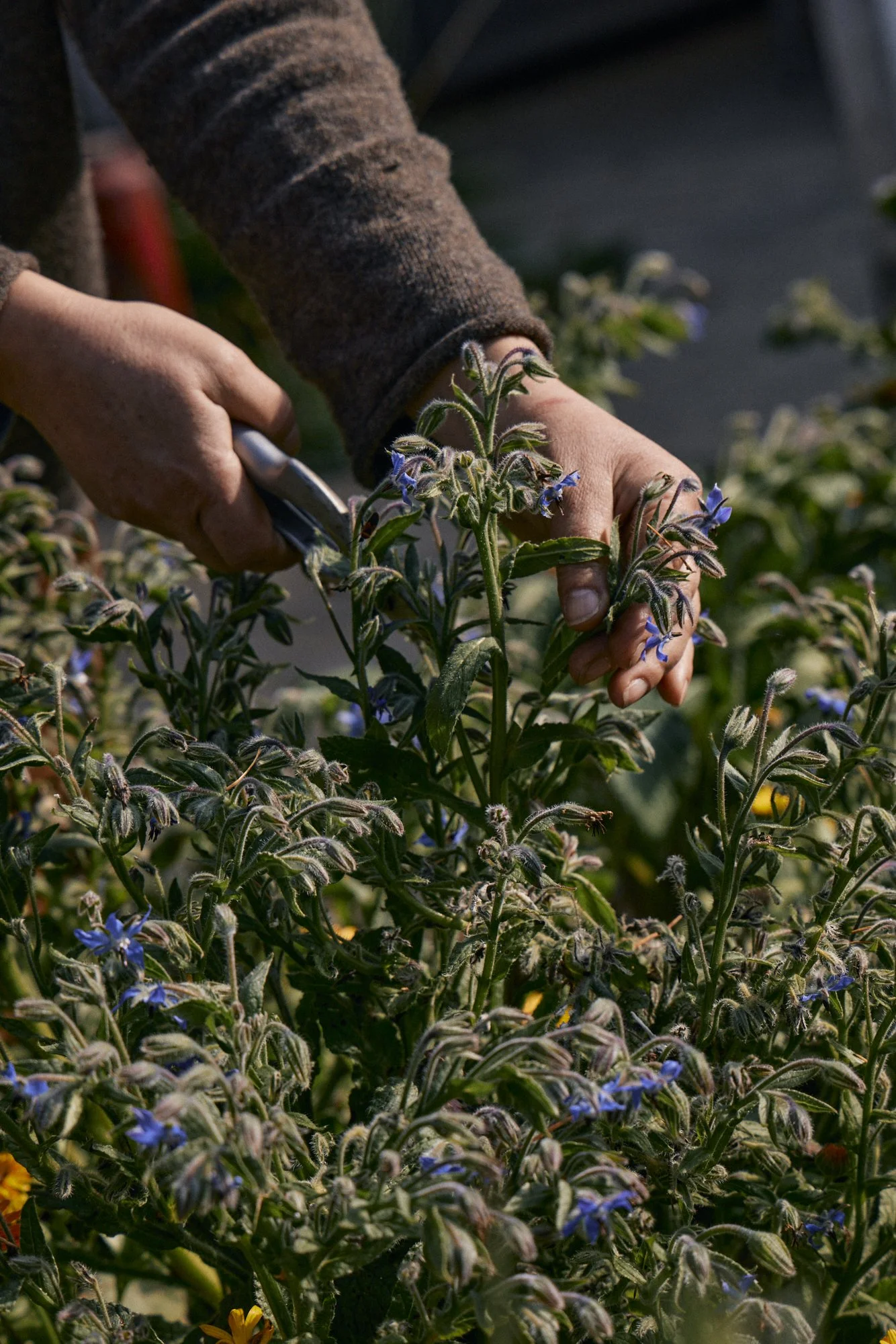
There’s a misconception that beauty in the garden is indulgent, something to earn only after the “real work” is done. In my world, beauty is the real work – not in a decorative sense, but as a reason to keep showing up. The shape of morning light through grasses, the hum of bees in borage, the brush of lavender against a path – these are not extras, they are invitations.

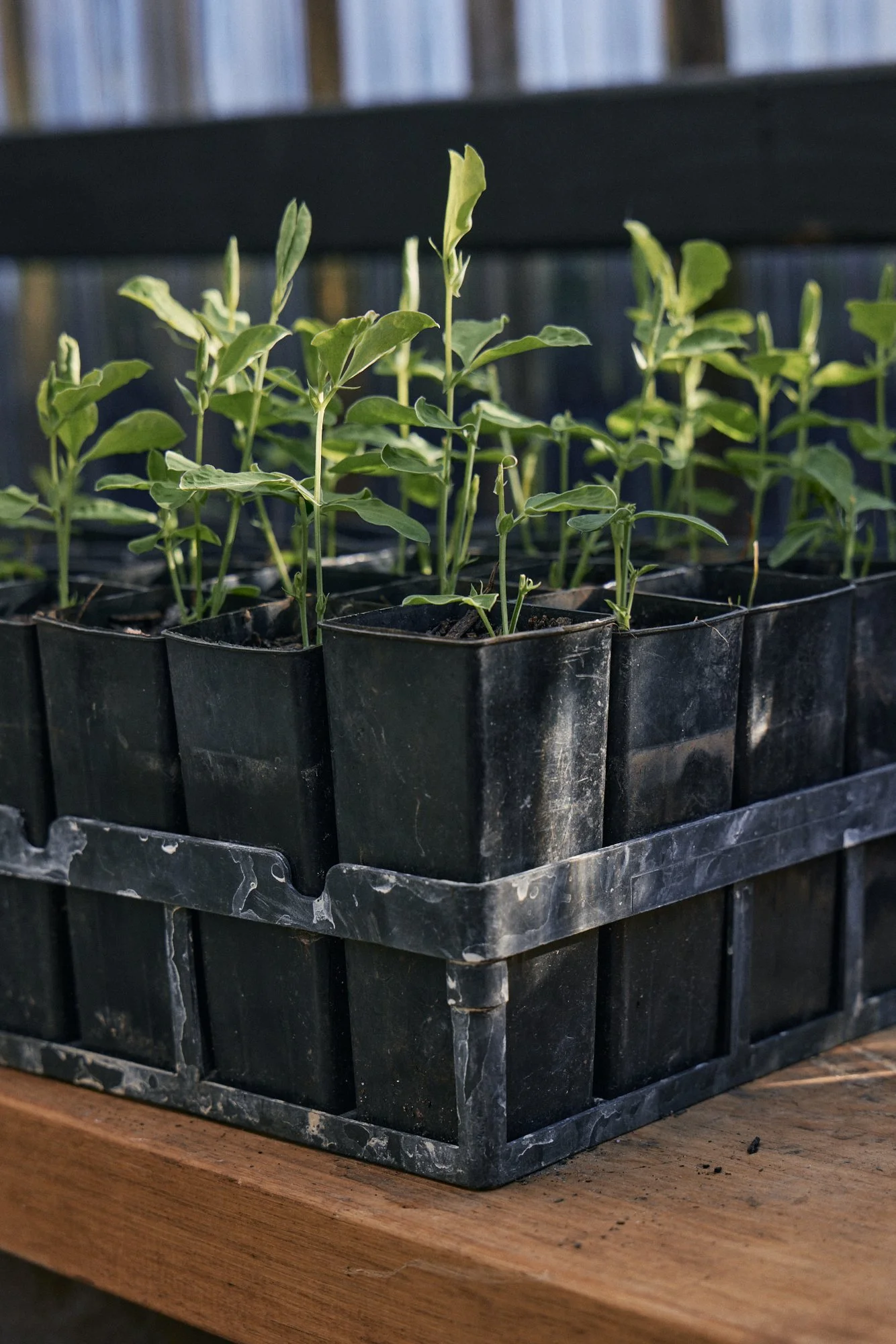
When beauty is woven into the everyday, care stops feeling like a chore and becomes almost instinctive. I don’t step outside because I should; I step outside because some part of me longs to see how the fennel is catching the sun today, or whether the sweet peas have finally decided to open. Beauty turns maintenance into ritual, ritual into rhythm, and rhythm into a way of moving through a year that feels intentional and kind.

Growing one thing, and then more

So much of my work rests on a simple, almost disarmingly small idea: grow one thing. Not an entire garden overhaul, not a reinvention of your life, just one honest plant that fits inside the days you already have. A pot of parsley by the gate with a note that says, “Take some.” A single tomato on a sunny sill. A flower whose scent makes your shoulders drop each time you brush past.

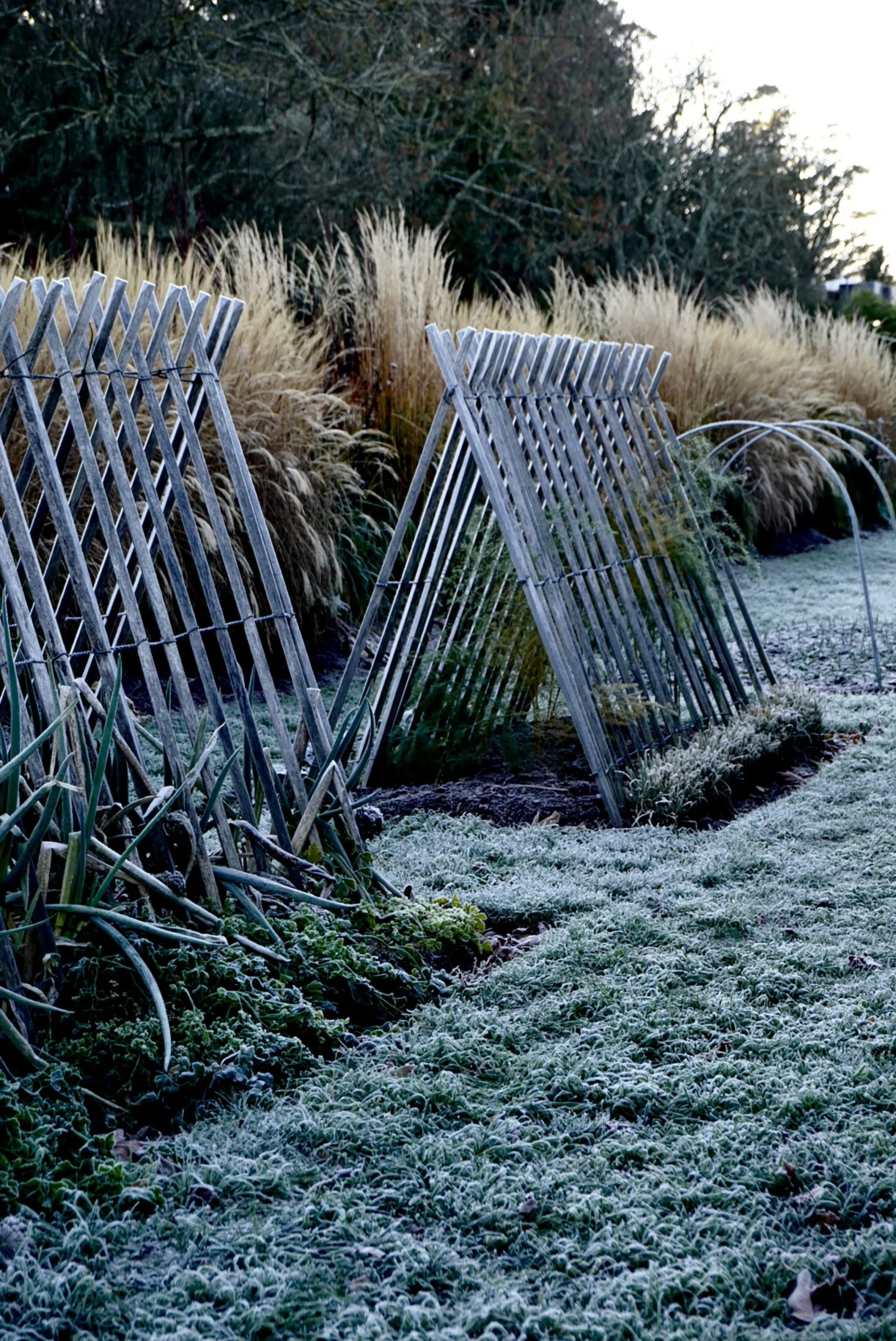
For me, the profound power and contentment of growing things lives precisely there – in the way one plant can change how you see light, weather, time and yourself. You start noticing where the frost settles, where the wind sneaks through, which days you have energy to tend and which days a brief look and a deep breath are enough. From the outside, it doesn’t look like much. From the inside, it’s a quiet revolution: a decision to participate, to pay attention, to belong to the living world rather than stand apart from it.

That is where my childlike joy sits now – not in grand gestures, but in these repeatable, seasonal acts of care. A seed. A cutting. A single bed re-mulched before the rain. Each one is a small promise: I will grow one thing. And from that, for me at least, contentment keeps quietly, generously, growing.

Continue your gardening journey with me

If you enjoy this kind of content, my workshops offer more detail and guidance on design, productivity and seasonal care.

If you are building your garden from home right now, my ebooks on Wicking Bed Gardens and Introduction to Backyard Chicken Keeping offer practical step by step guidance that pairs well with the workshops.

I share seasonal tips, behind the scenes at Little Cottage on a Hill, and new resources through my newsletter. Subscribe to receive my entire plant list from the garden as a personal thank you.

You may want to check out my related content below:

The Medicinal Garden Workshop with Caroline Parker & Natasha Morgan - a journey through the healing power of plants bringing them into your everyday life from your own garden that nurtures the body, mind, and soul.

Why I Grow. Why I Design. Why I Return. - Finding comfort in small daily acts.

Rooted in Reflection, Growing with Intention – Explore the intentionality behind creating a garden that serves both purpose and beauty.

Stay connected for more seasonal inspiration:
Instagram | Facebook | Gardenstead | LinkedIn | Pinterest | YouTube | Website | Newsletter

Thanks so much for following along.
Natasha xx

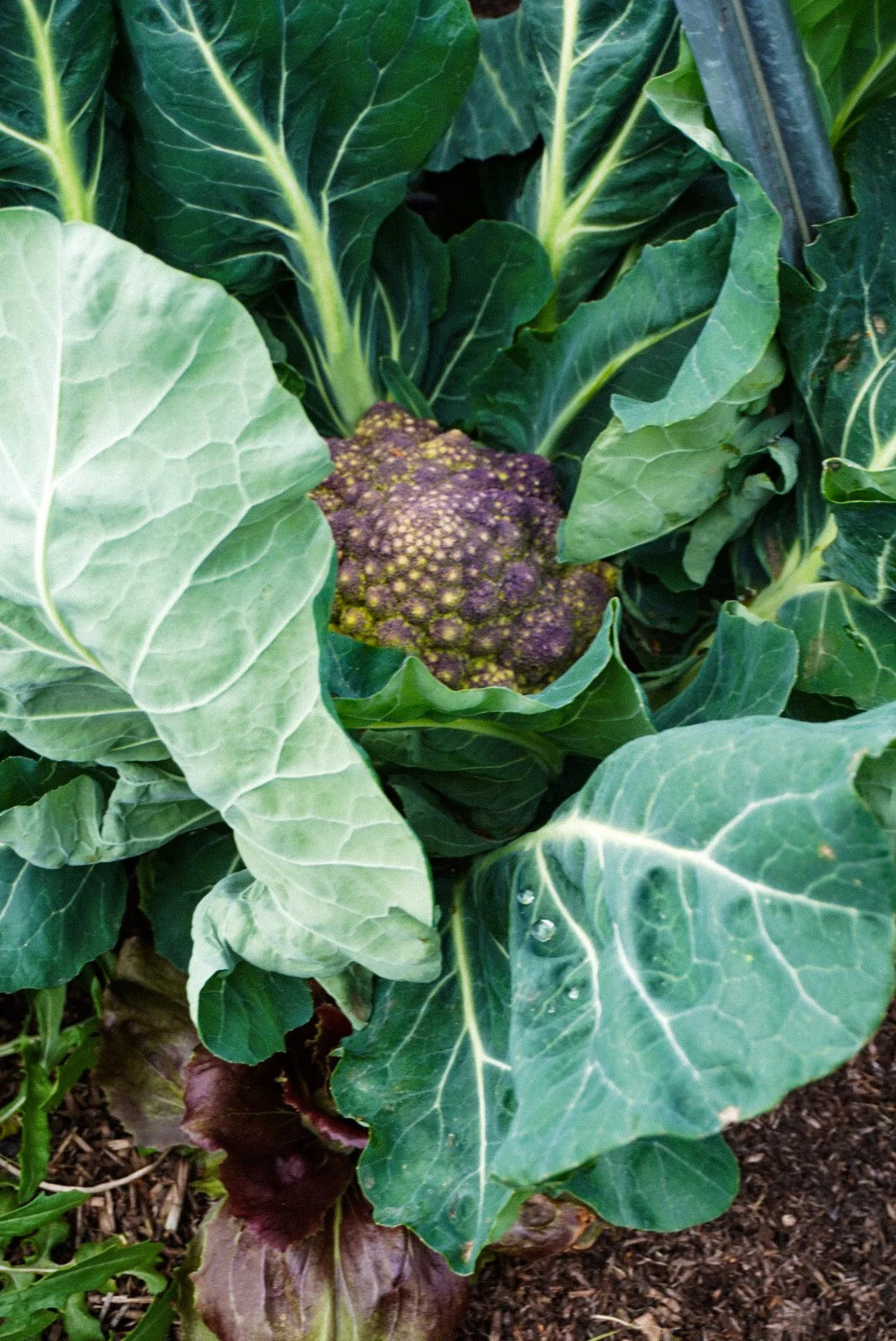
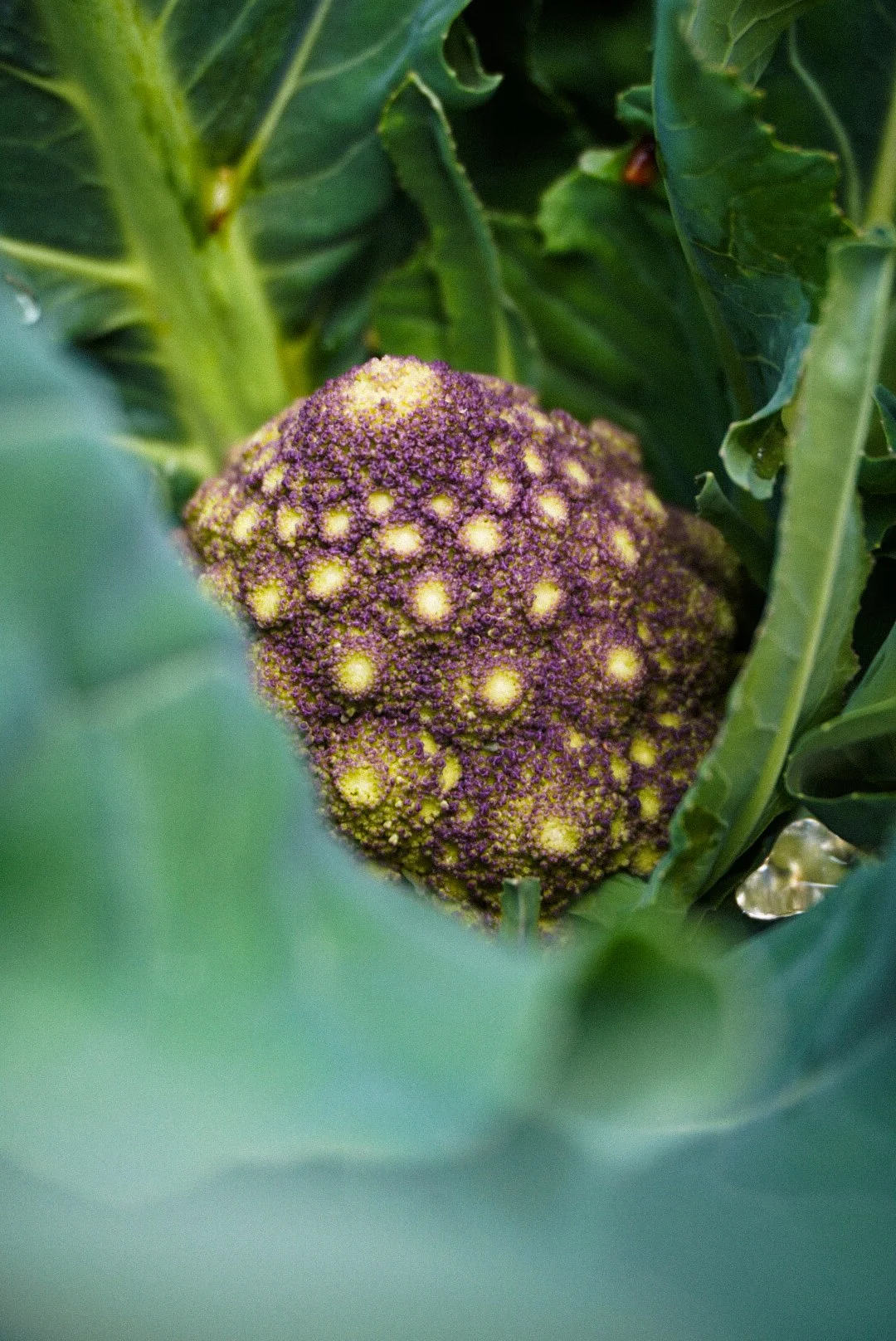
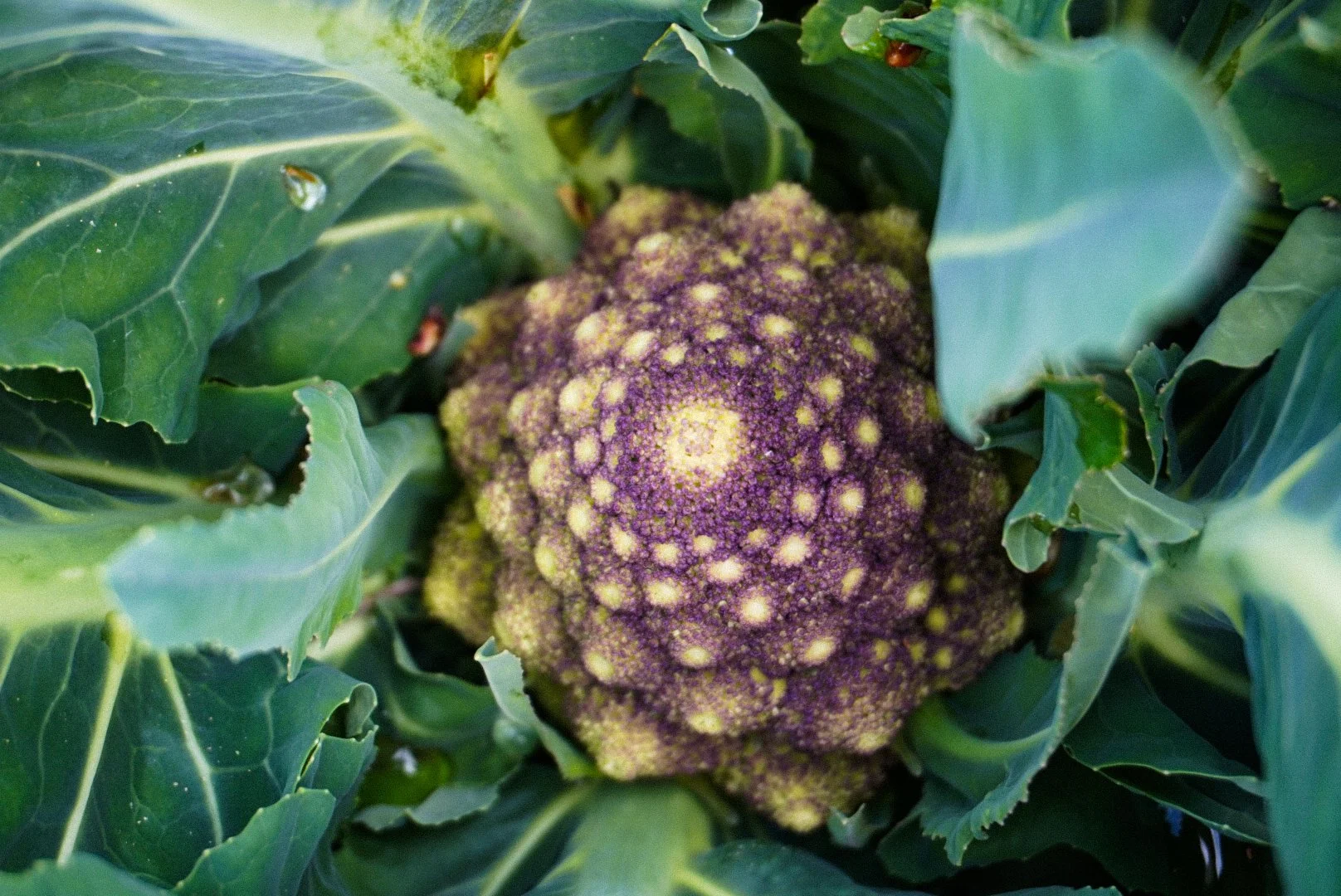
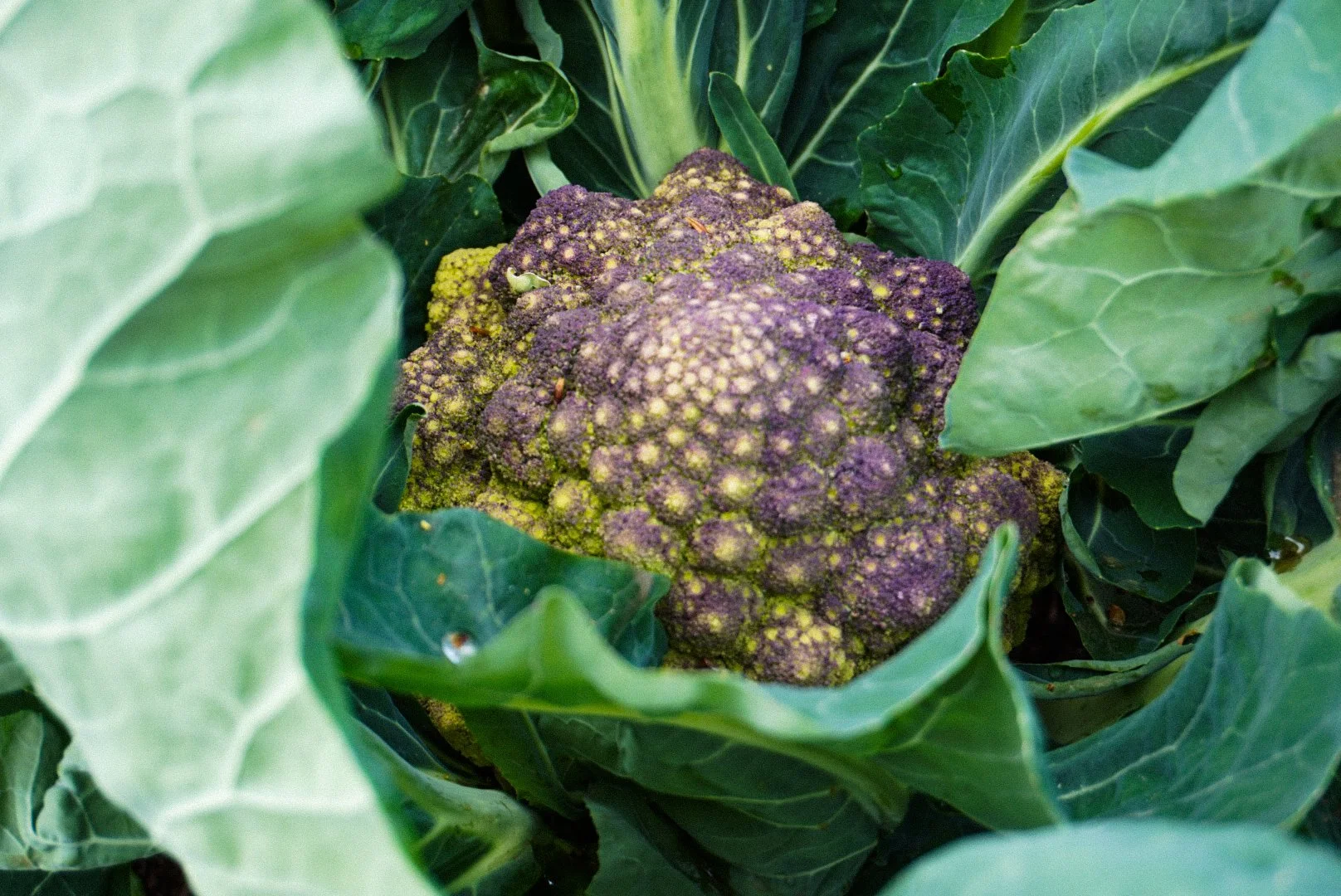
Romanesco: fractal beauty from the brassica bed

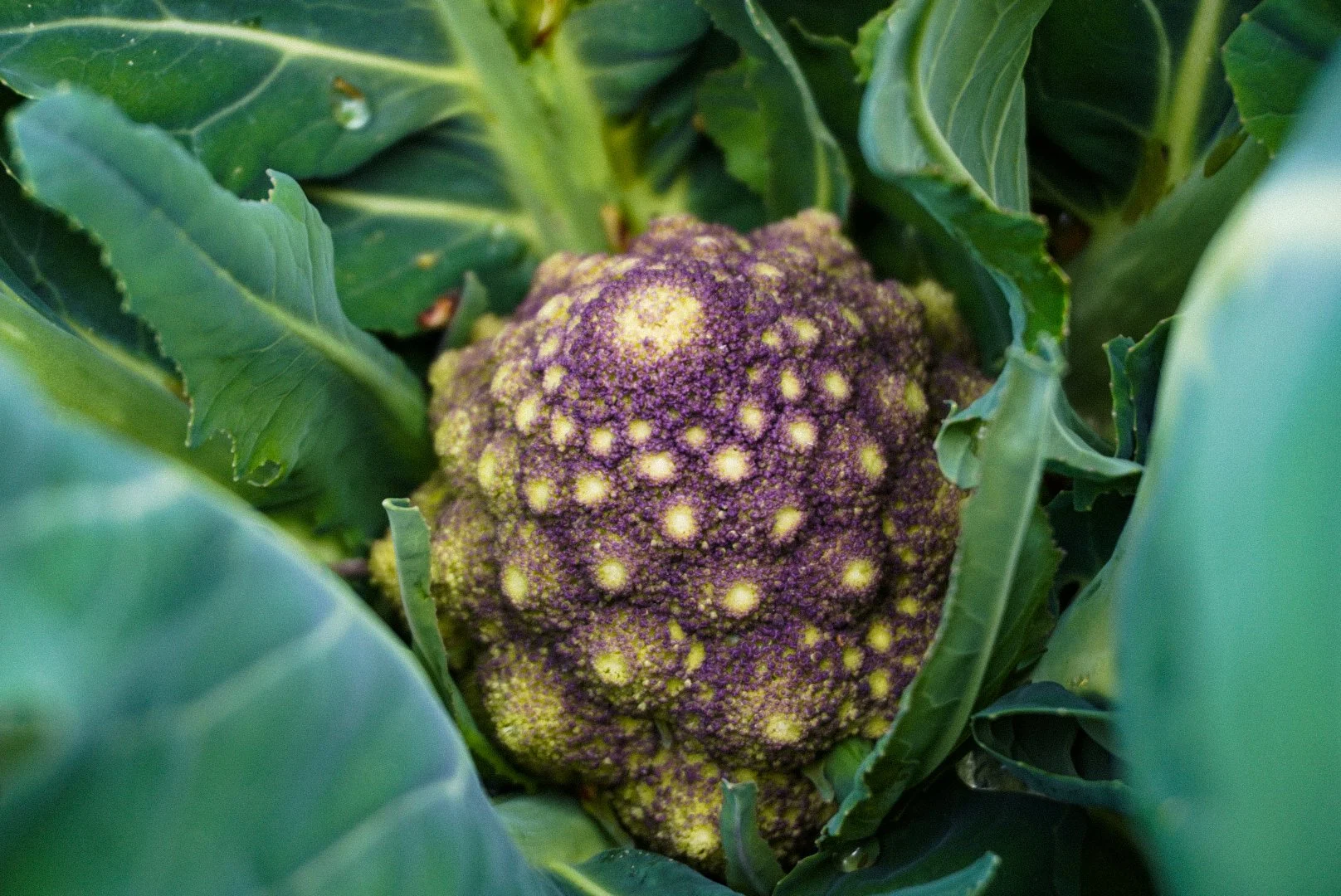
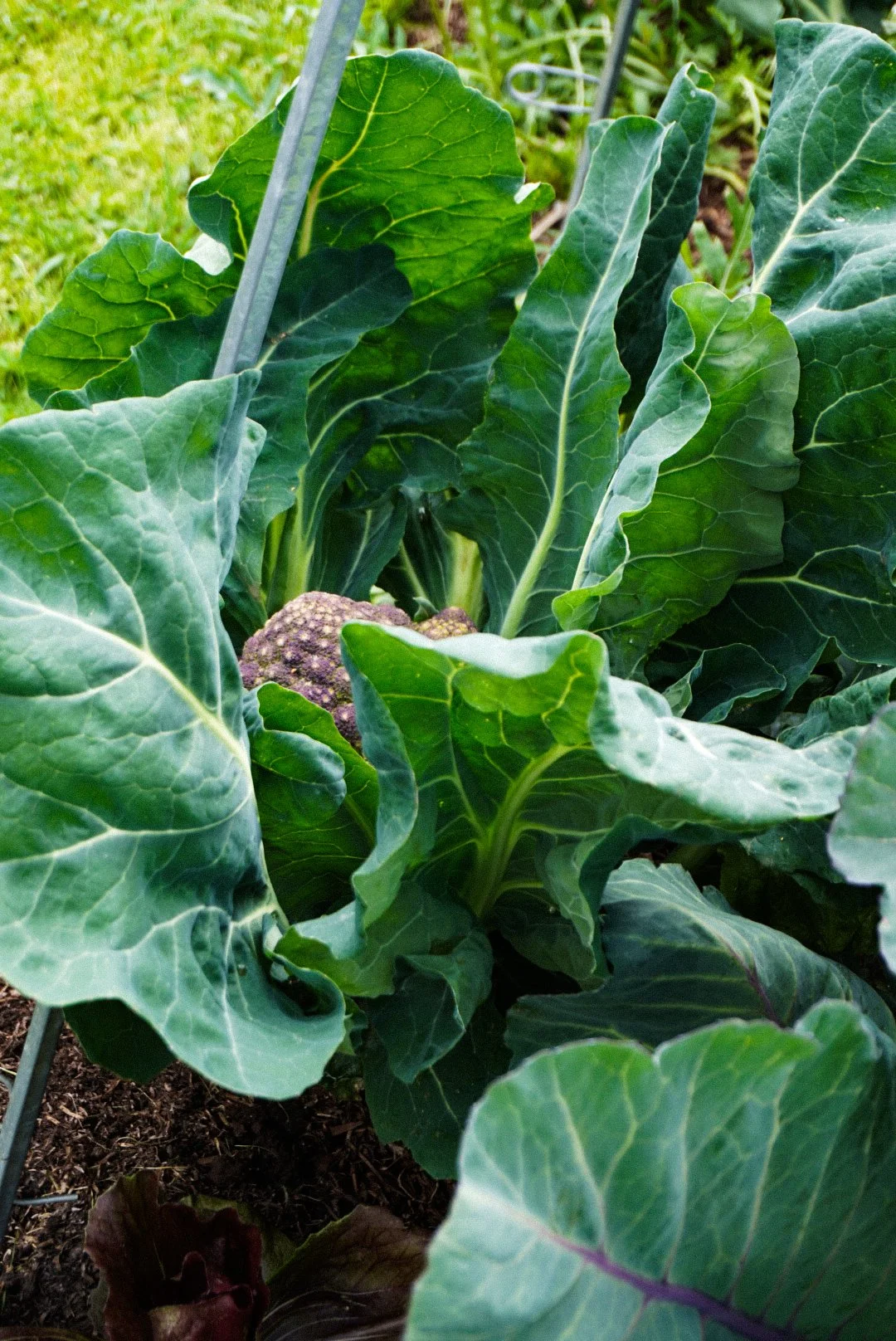
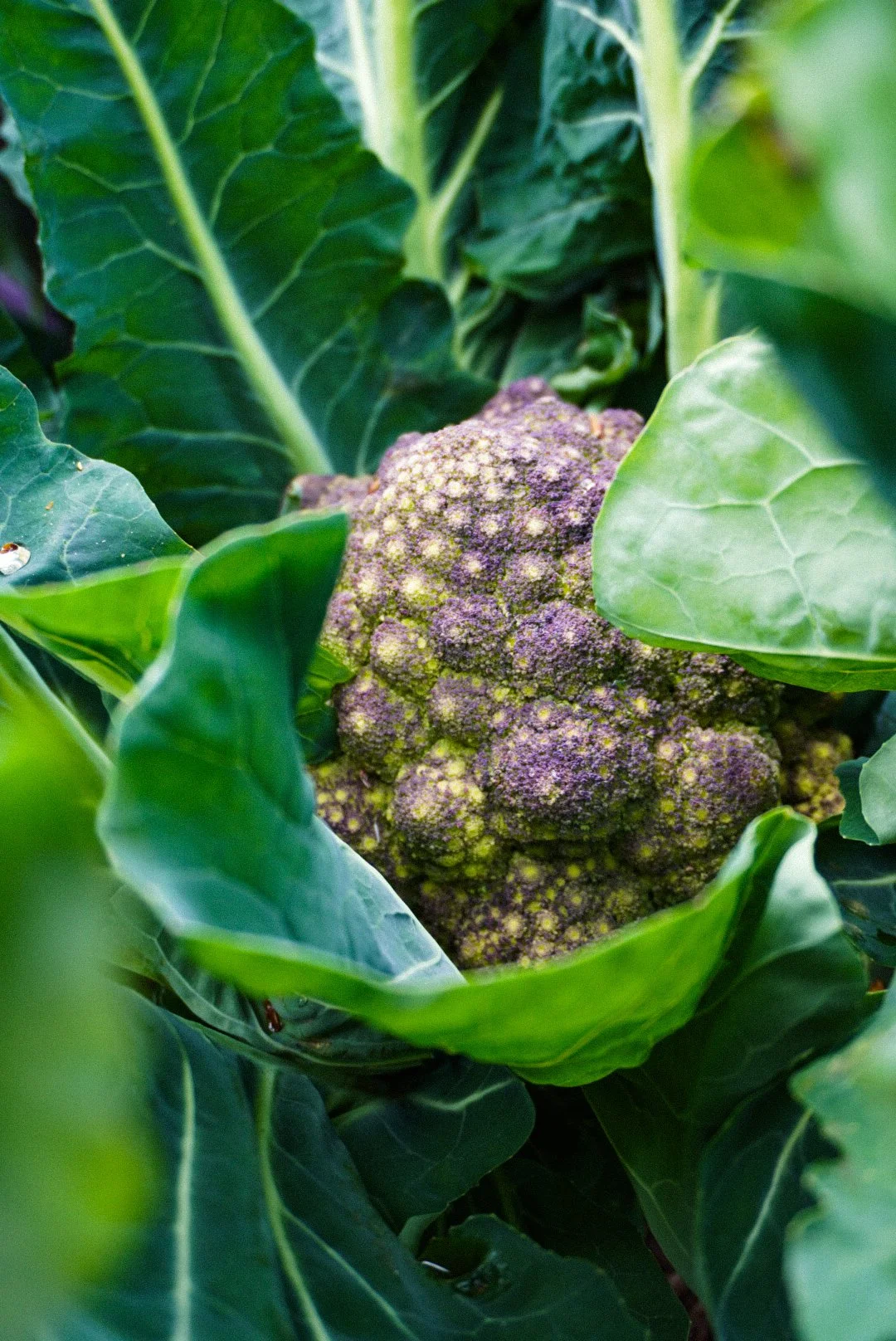
I harvested the first Romanesco heads this week and had to stop and stare.

Those luminous chartreuse spirals feel like a little lesson in pattern and patience. I grow Romanesco because it is delicious, beautiful, and surprisingly resilient in a cool temperate garden like Daylesford.

What is romanesco

Romanesco is a brassica that sits between cauliflower and broccoli. It cooks like cauliflower, with a flavour that is slightly sweeter and nuttier. The texture is tender but holds shape beautifully, which makes it perfect for roasting and for dishes where you want structure on the plate.

Why I plant it

I like plants that serve more than one role. Romanesco offers food, sculptural presence, and a steady supply of leaves for the kitchen (and chooks!). The heads become seasonal markers in the bed, and when they finally appear it feels like the garden offering a small celebration.

How I grow romanesco in a cool temperate garden

Timing

  • Sow in late summer to early autumn for spring harvests. In cooler pockets, start seed in trays under cover, then transplant once seedlings are sturdy.

  • You can also sow in late winter for late spring to early summer heads if your season allows. Stagger a few sowings to spread the harvest.

Site and soil

  • Full sun and rich, living soil are non-negotiable. I prep beds with compost and a light sprinkle of a balanced, organic fertiliser, then mulch after transplanting.

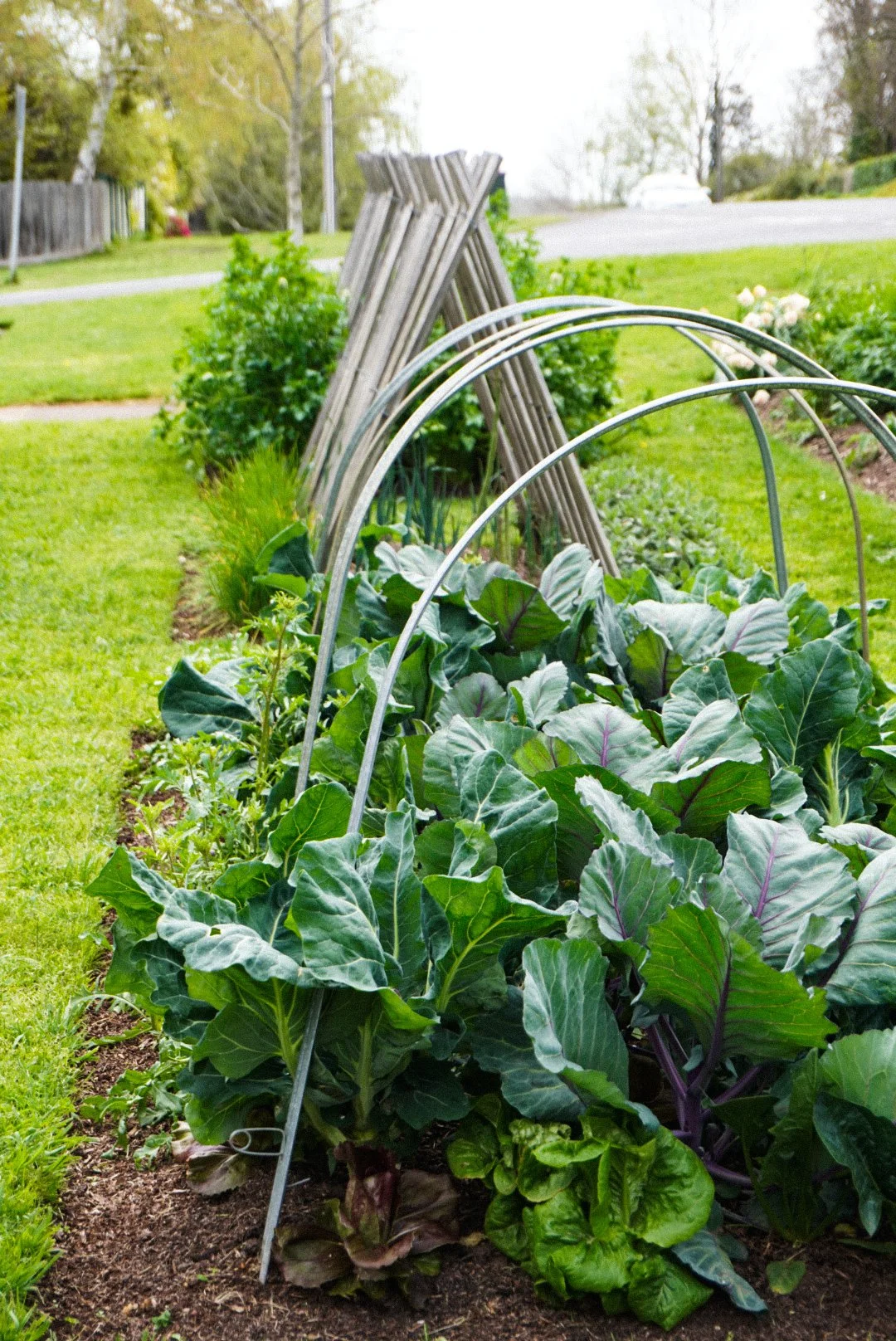
  • Brassicas like consistent moisture. My wicking beds hold an even soil profile which helps prevent stress and buttoning. Water at the base rather than overhead to discourage disease.

Spacing

  • Give each plant room to develop a full head. I use 45 centimetres between plants and about 45 centimetres between rows. Good airflow is essential.

Protection and care

  • Cabbage white butterflies adore brassicas. I keep insect exclusion netting over young plants. If you are not netting, check daily and remove any green caterpillars by hand.

  • Feed little and often. I alternate seaweed and compost teas through the season and keep mulch topped up to regulate soil temperature.

  • Romanesco appreciates cool nights for head formation. If a sudden warm spell arrives, keep water consistent and shade the bed lightly in the afternoon if needed.

Rotation and companions

  • Rotate brassicas yearly to protect soil health and reduce disease.

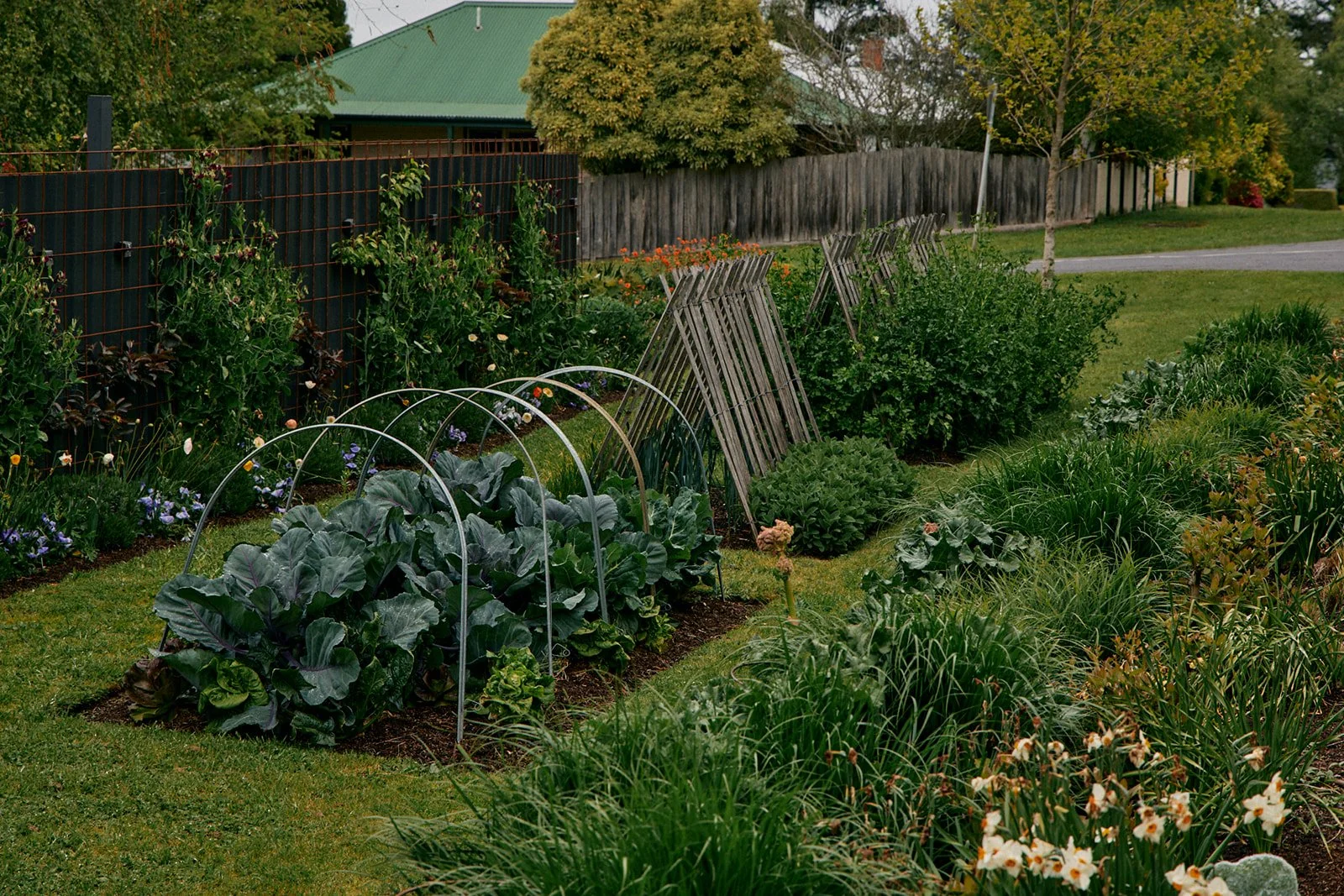
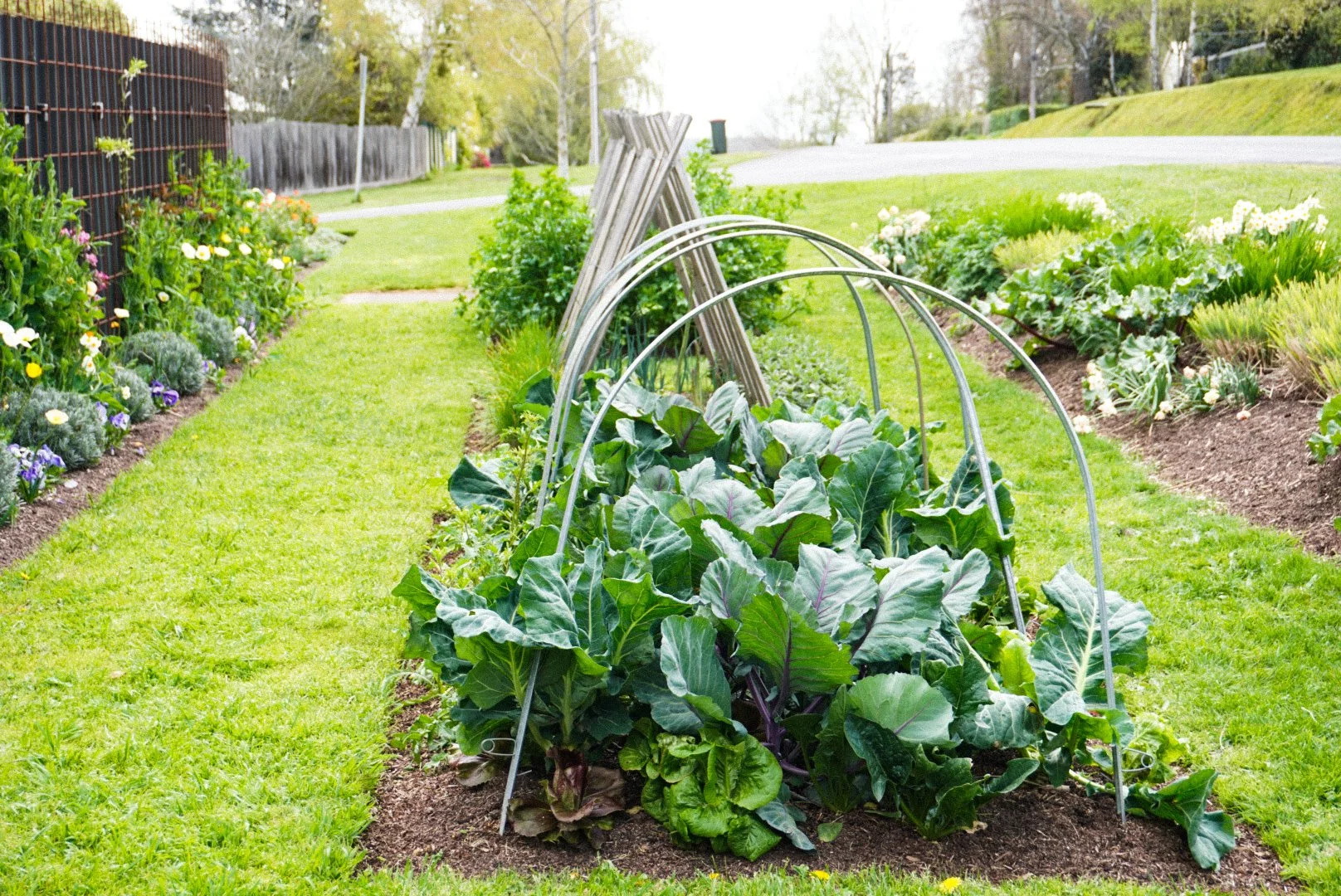
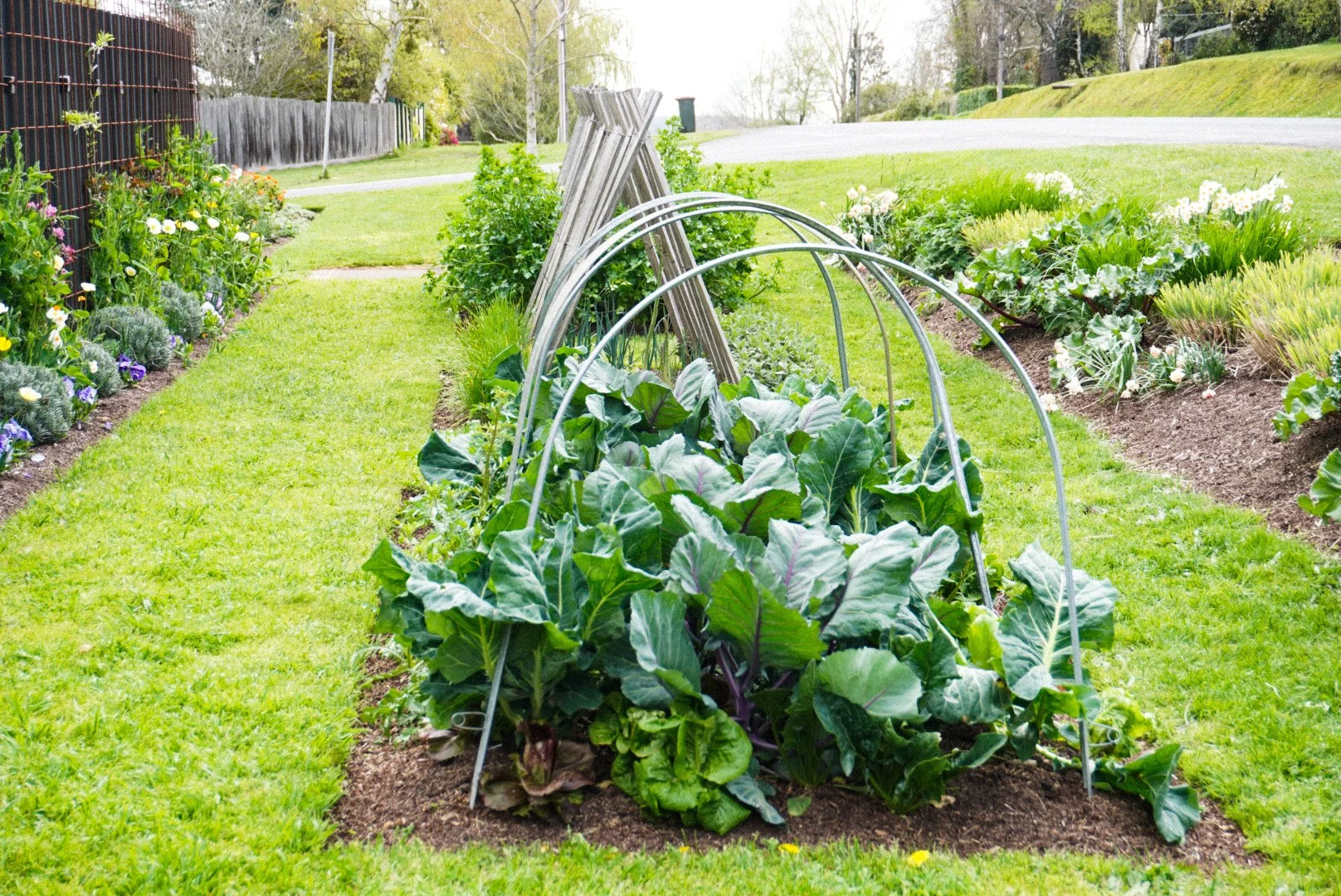
  • Companion plant with dill, calendula, and sweet alyssum to support beneficial insects and soften the edge of the bed. I’ve planted this lots with spinach, lettuce and radicchio for a diverse and thriving polyculture 

Harvest and storage

  • Pick when the head is tight, uniform, and firm. Use a sharp knife and keep a few leaves attached to protect the florets.

  • Store in the crisper wrapped loosely. Eat within a few days for best flavour.

Small-space tip
Romanesco is a statement plant. If you only have room for one, give it pride of place at the end of a bed or in a large wicking container and underplant with herbs or salad greens.

Kitchen notes and serving suggestions

Roasted romanesco with yoghurt tahini and pomegranate molasses

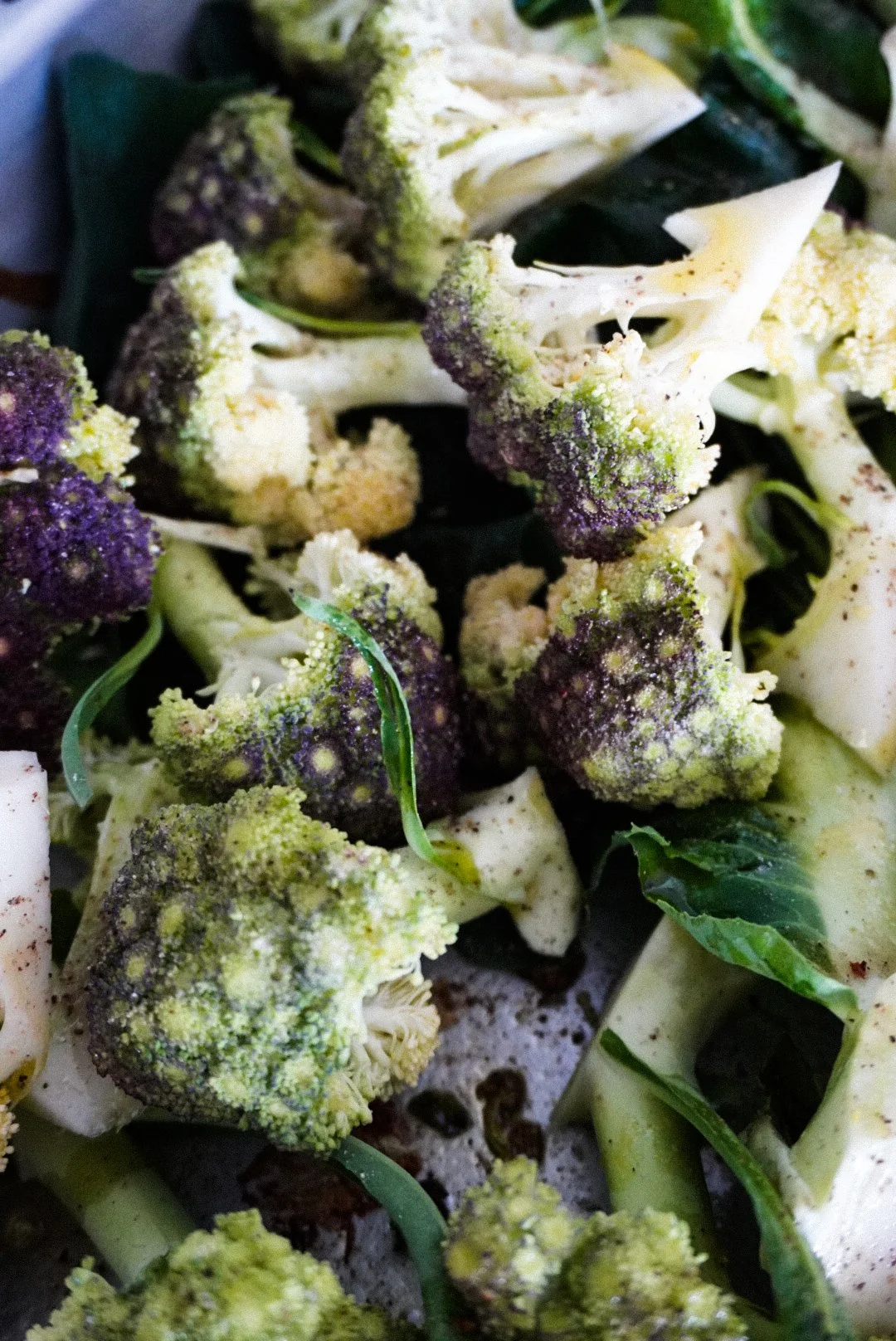
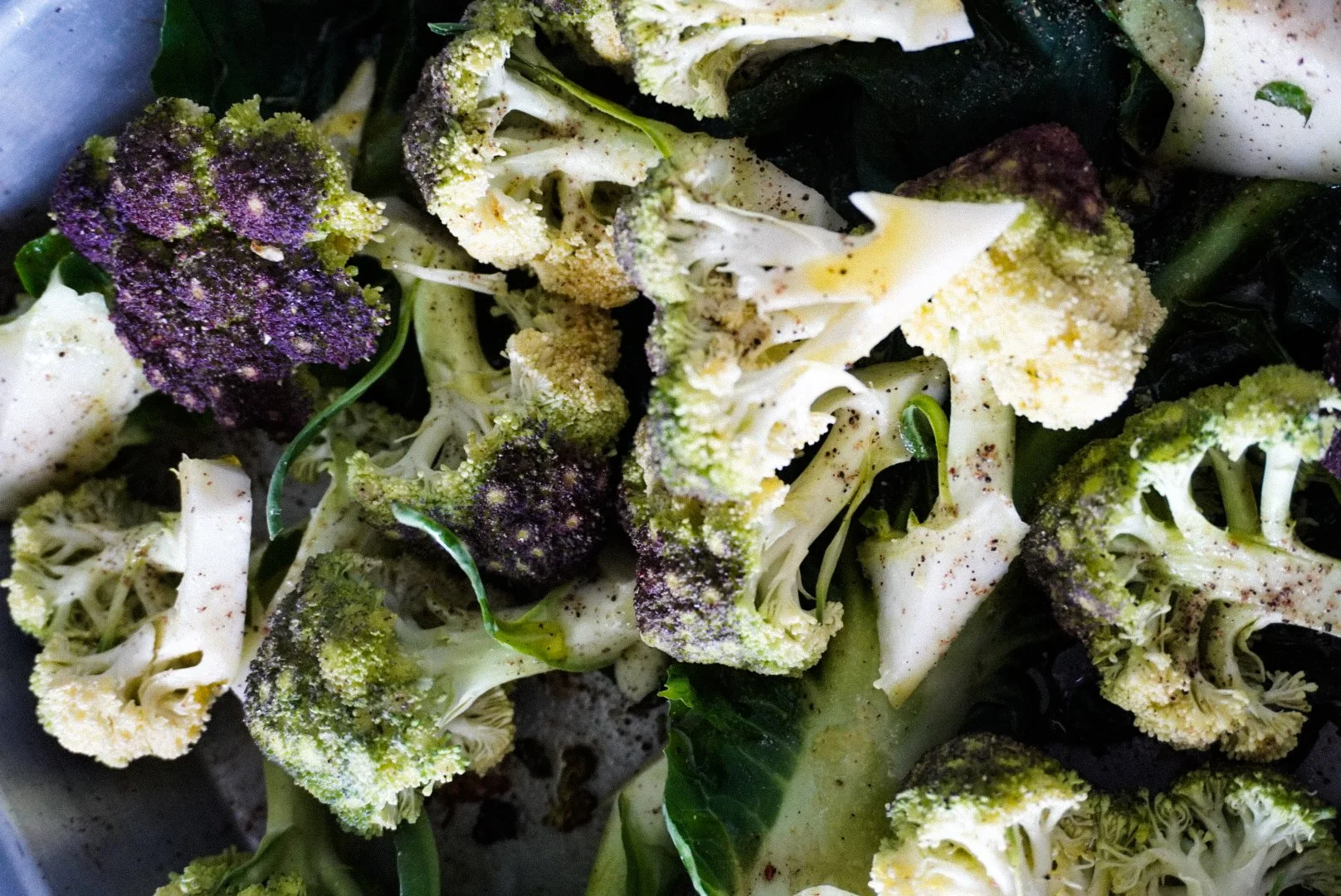
Break into florets. Toss with extra virgin olive oil, sea salt, and cracked pepper. Add a Middle Eastern spice profile such as cumin, coriander, or za’atar. Roast hot until caramelised at the edges. Finish with a yoghurt and tahini drizzle, a thread of pomegranate molasses, fresh herbs, and toasted nuts.

More ways to serve

  • Toss warm florets with anchovy, lemon zest, chilli, and breadcrumbs.

  • Steam until just tender, then dress with olive oil, lemon, and parsley for a simple side.

  • Cut into small florets for a quick tray bake with chickpeas and red onion.

  • Use the leaves as you would kale. Slice and sauté with garlic and a squeeze of lemon.

Cook’s tip

Do not overcook. Romanesco is at its best when the spirals stay intact and there is still a little bite.

Sustainability notes

I like to use the whole plant. The leaves are excellent, the core can be thinly sliced for stir-fries, and any trim goes to the chocks, compost or worm farm. If a plant wants to flower and you do not need seed, let it. The bees will thank you.

Troubleshooting at a glance

  • Tiny or loose heads: heat or stress. Keep water steady, mulch well, and plant for the cool end of your season.

  • Caterpillars: net early, hand-pick, and encourage beneficial insects with companion flowers.

  • Yellowing leaves: a sign of nutrient drawdown. Side-dress with compost and water in.

Continue your gardening journey with me

If you enjoy this kind of content, my workshops offer more detail and guidance on design, productivity and seasonal care.

If you are building your garden from home right now, my ebooks on Wicking Bed Gardens and Introduction to Backyard Chicken Keeping offer practical step by step guidance that pairs well with the workshops.

I share seasonal tips, behind the scenes at Little Cottage on a Hill, and new resources through my newsletter. Subscribe to receive my entire plant list from the garden as a personal thank you.

You may want to check out my related content below:

Rooted in Reflection, Growing with Intention – Explore the intentionality behind creating a garden that serves both purpose and beauty.

The Power of Noticing: How a Garden Wander Led Me to Morels – Explore the quiet magic of noticing the small wonders that grow in your garden.

If You Could Learn Anything From Me This Year, What Would It Be? Discover what I’ve been reflecting on the workshops I’ve shared over the years—and dreaming into what might come next.

Stay connected for more seasonal inspiration:
Instagram | Facebook | Gardenstead | LinkedIn | Pinterest | YouTube | Website | Newsletter

Thanks so much for following along.
Natasha xx
Connecting with Nature for Creative Self-Care

There’s a quiet magic in the act of connecting with nature—a soft, grounding presence that whispers us back to ourselves. For me, it’s not just a practice but a way of being—a form of creative self-care that nurtures the spirit while inspiring the work of my hands.

Walking through the Wombat Hill Botanic Gardens or the winding trails of Cornish Hill in Daylesford, foraging for elderflowers kissed by the sun or windfallen apples resting gently on the earth, I find myself rooted in the present. These moments—fleeting yet profound—are my meditation, my ritual, and my joy. They are the essence of living well: simple, intentional, and deeply connected to the rhythm of the seasons.

The Art of Foraging: A Reflection of Living Well

Foraging is my quiet act of mindfulness. It’s more than the gathering of nature’s gifts—it’s a conversation with the landscape, a chance to notice its beauty and abundance. The honeyed fragrance of elderflowers, the dusky richness of elderberries, or the earthy delight of wild mushrooms after the rain—all become treasures waiting to be discovered.

There’s something deeply humbling about holding a windfallen apple, its imperfections a reminder of its story and potential. These small acts of seeking, gathering, and creating feel symbiotic—taking what is freely offered while leaving plenty for the earth to continue its cycle.

Each find carries more than its physical presence. It holds the memory of where it was discovered, the season it reflects, and the joy it sparked in that moment. Foraging invites us to slow down, to step lightly, and to embrace the quiet abundance in unexpected places.

Creating with Nature: From Forage to Preserve

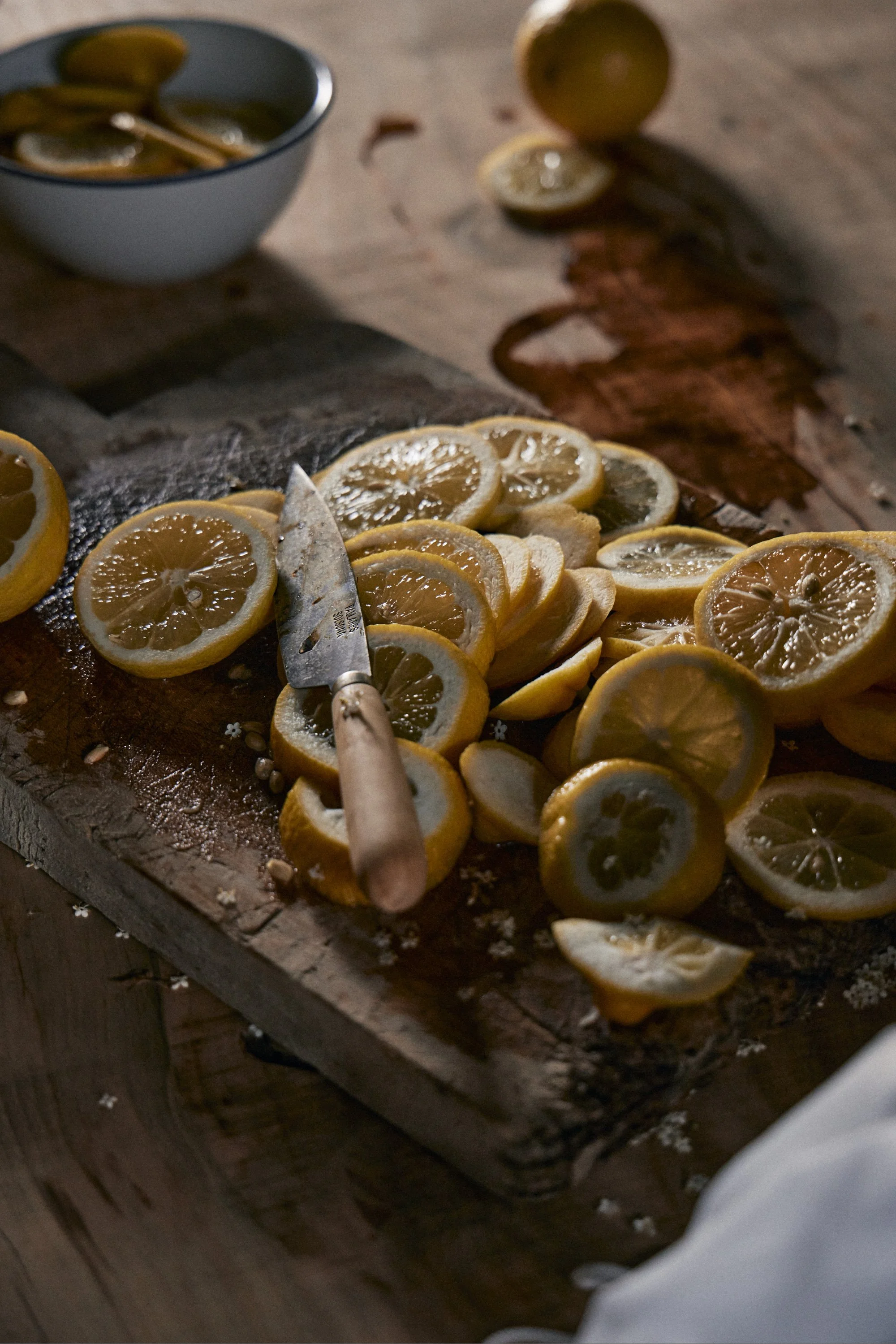
The real magic begins when I bring these offerings into my kitchen. Transforming elderflowers into a delicate syrup or windfallen apples into a warm, spiced chutney becomes an extension of the creativity sparked by foraging. The act of preserving isn’t just about saving the harvest; it’s about capturing the essence of the season—the sweetness of spring, the crispness of autumn, the earthiness of winter.

Each creation feels like a bridge between the natural world and our daily lives. A jar of jam becomes more than a spread for toast—it becomes a memory of golden mornings in the garden, a reminder of the beauty we can hold onto.

To me, this is the heart of self-care: engaging with the world around us in a way that honours its gifts, creates something meaningful, and nourishes not just our bodies but our spirits.

A Life Designed in Symbiosis with the Seasons

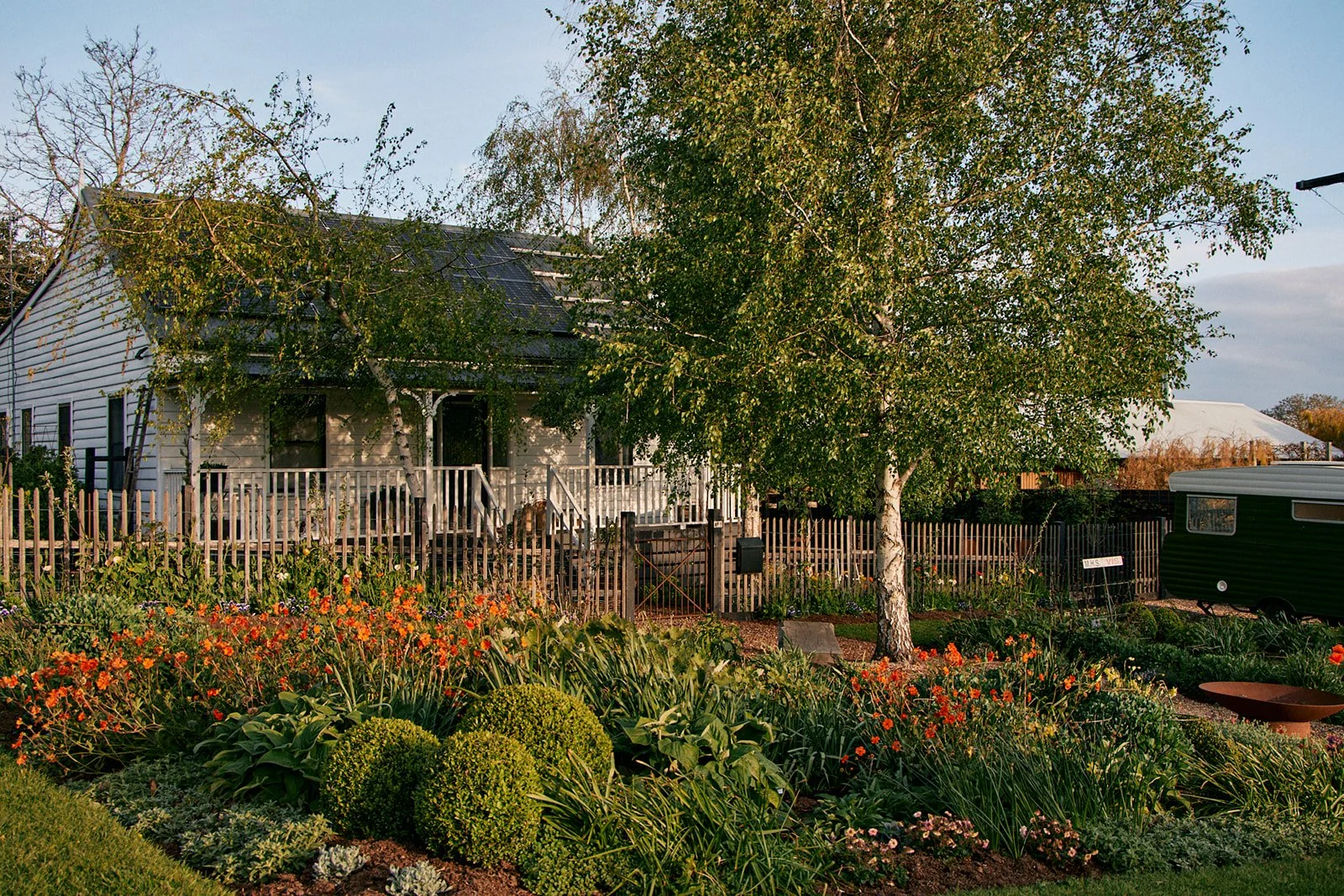
My passion for foraging and preserving is intertwined with my work as a landscape architect and my journey of creating gardens that reflect the rhythms of nature. At Little Cottage on a Hill, I’ve distilled years of experience into designing a garden that is not only productive and beautiful but also sustainable. It’s a small space that works hard, much like the land itself, embodying the values I hold dear: creativity, community, and a mindful connection to the seasons.

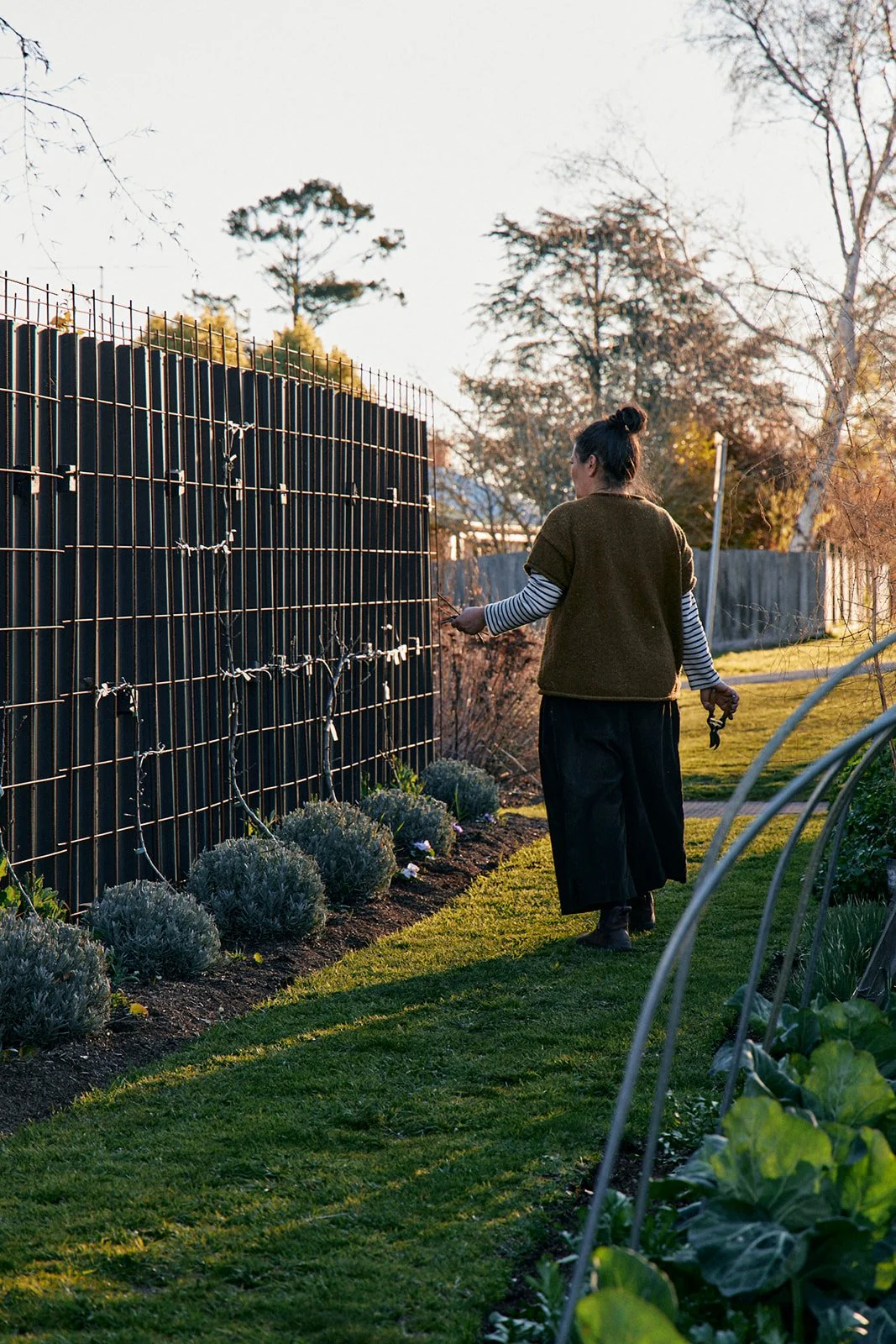
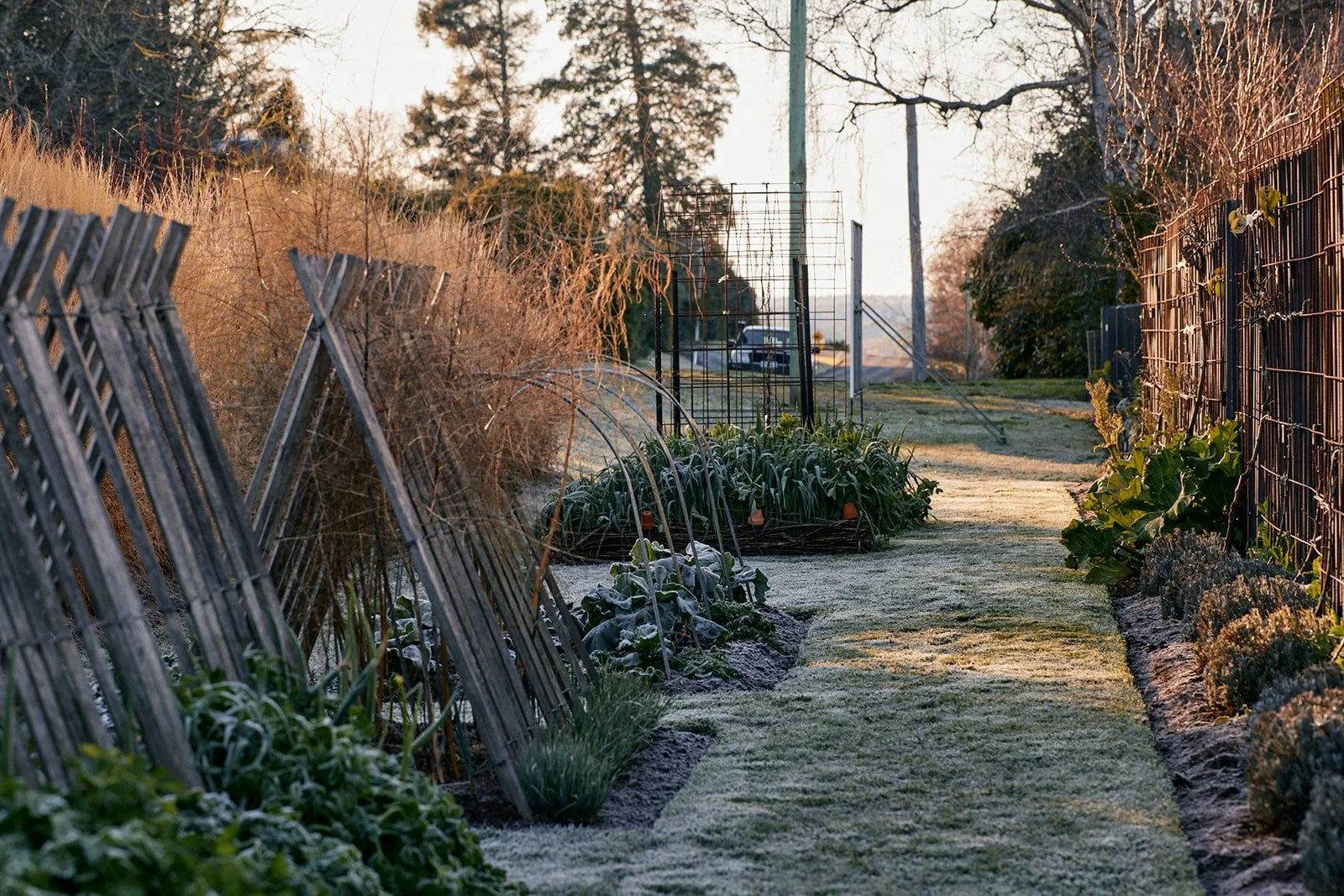
From espaliered fruit trees lining the verges to wicking beds brimming with herbs and vegetables, every element of my garden mirrors the cycles of growth, harvest, and renewal. These gardens are more than spaces to inhabit; they are places of experimentation, creativity, and community—a canvas for my passions and a prototype for sustainable living.

A Shared Joy: Connecting Through Nature

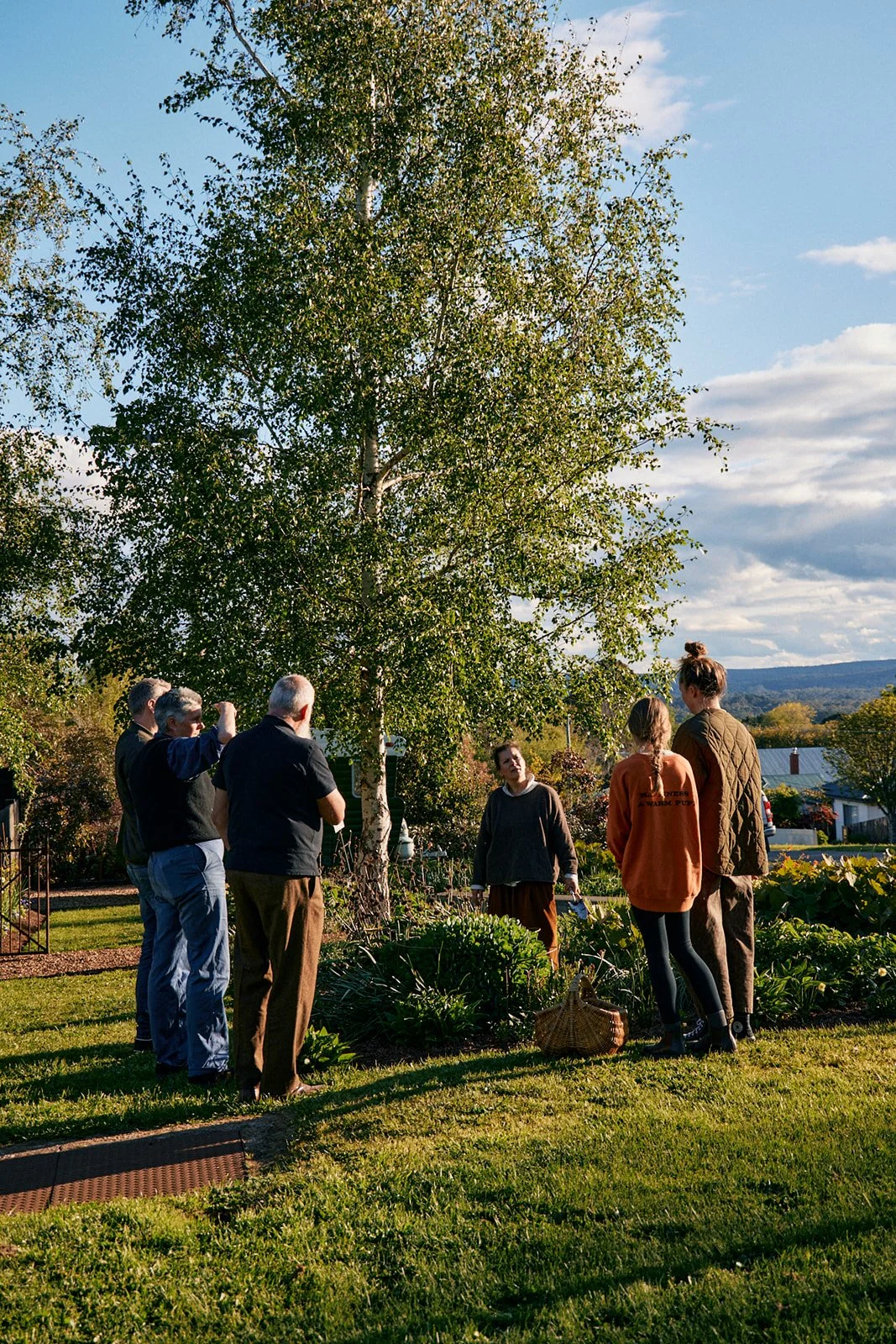
Beyond the personal, these practices have taught me the value of sharing and connecting with others. Through my workshops and collaborations, I’ve seen how foraging, gardening, and creating can inspire a sense of community and collective care for the earth. Gardens and wild spaces remind us of life’s cycles and the beauty of embracing them, not just as observers but as active participants.

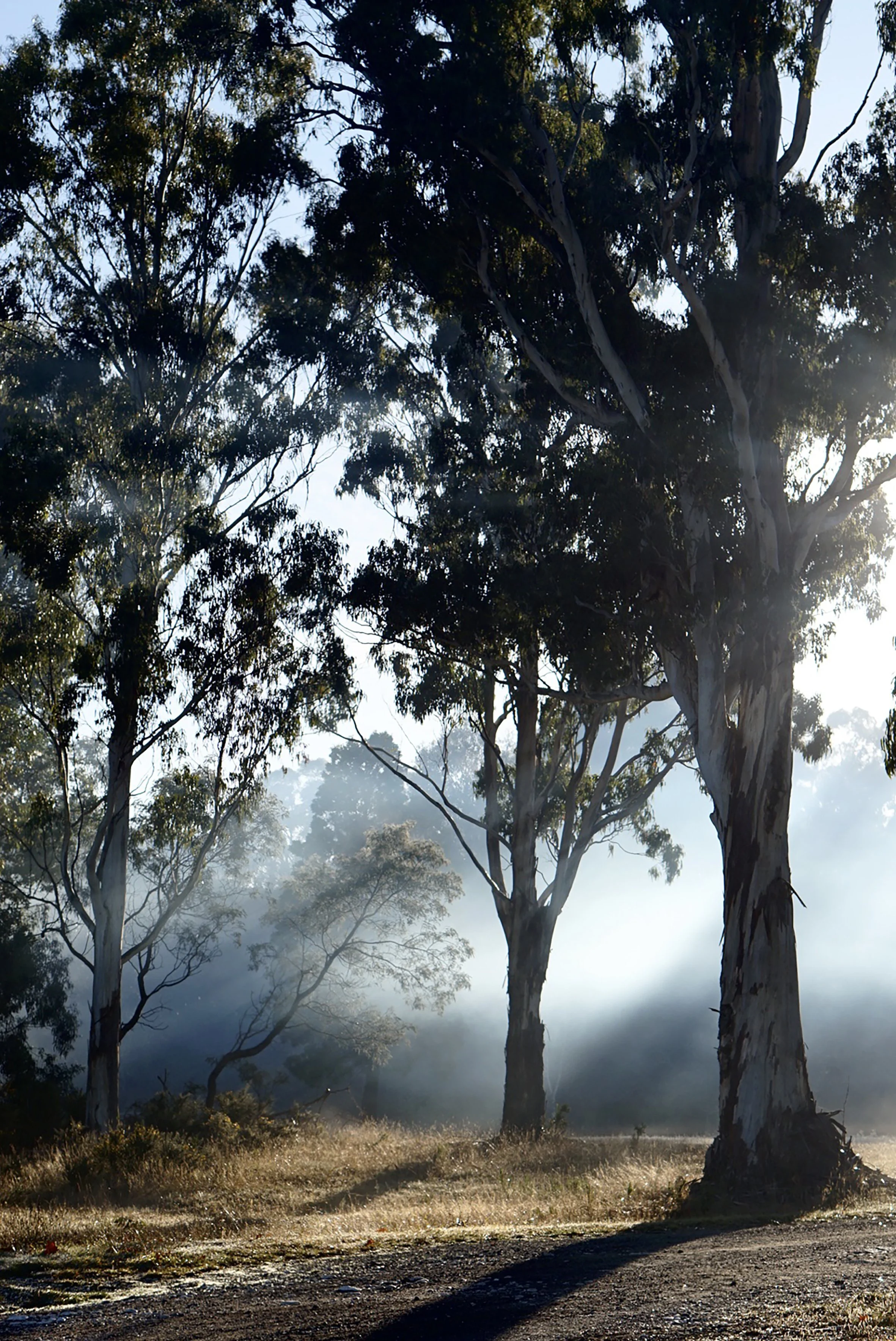
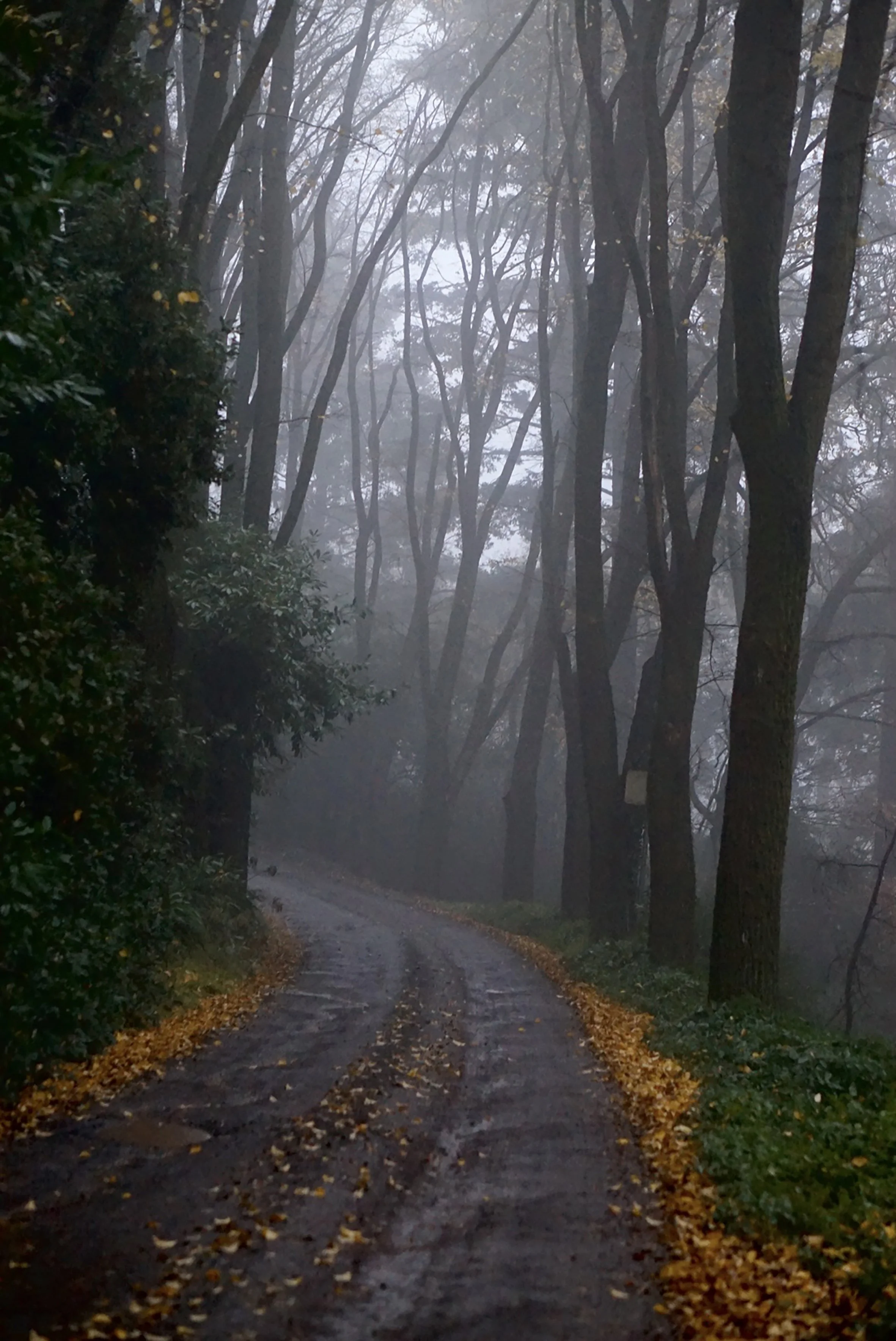
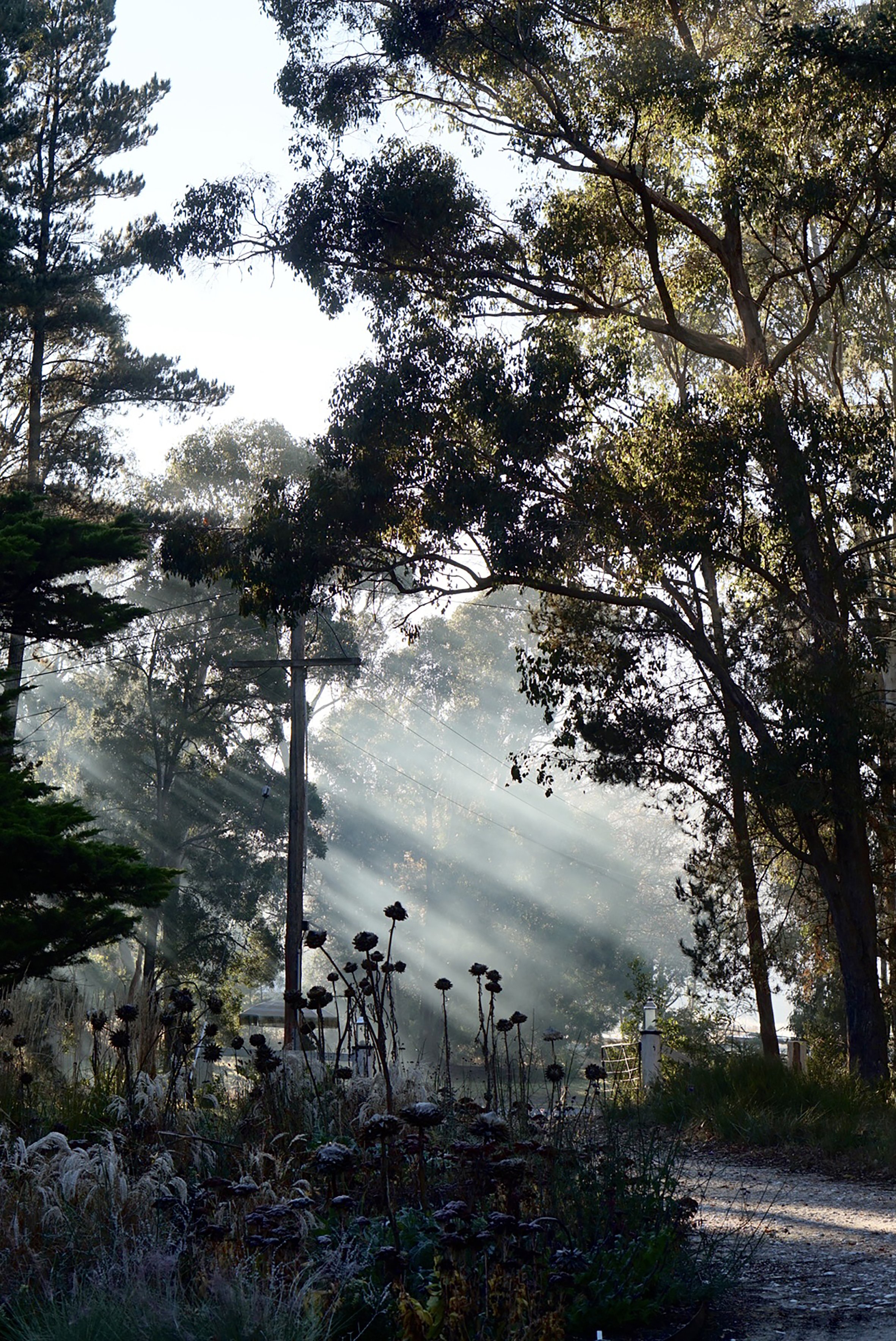
There’s an unparalleled joy in these rituals. Whether I’m walking through the fog-laden forest, tending to my verge garden, or crafting a batch of elderflower syrup, I’m reminded of the quiet abundance that surrounds us. These moments, fleeting yet profound, are the essence of living well as I see it—rooted in nature, mindful, and creative.

An Invitation to Begin to Connect with Nature

If this way of living calls to you, start small. Take a walk through a local park or along a favourite path. Notice the textures of bark, the play of light through leaves, the colours that speak of the season. Perhaps you’ll forage a little—always with care, always with respect.

Try crafting something simple, like a syrup or a small jar of jam. Let the act of creation connect you to the land and its gifts, grounding you in the beauty of the present moment.

Nature has a way of holding us, of inspiring and restoring us, if we let it. By engaging with its rhythms—walking, foraging, preserving, or simply pausing to breathe—we find not only self-care but a sense of belonging.

Here’s to the quiet joys, the mindful moments, and the beauty of a life rooted in nature. Let’s walk gently together, in tune with the seasons, and find our way back to the heart of living well.

"There’s no Wi-Fi in Nature, but I promise you’ll find a better connection."