
April brings a sense of settling to the garden.
The rush of high summer has passed. Light softens, mornings cool, and the garden begins to shift from heat and speed into a more measured autumn rhythm. This is the month to tidy with restraint, prepare beds carefully, and make the most of the soil warmth that still lingers.
In many parts of Australia, April is one of the best planting windows of the year. The pressure is off. Moisture begins to hold a little longer. New sowings establish more steadily. It is also a good time to pay close attention to what the garden has taught you over summer. Which crops performed well? Which beds struggled in heat or wind? Where did water move, sit or disappear too quickly?
I always think of April as a month for resetting. Not by stripping everything back, but by observing first, then acting with a bit more clarity.

Shared tasks for all climates
These are the April tasks I keep as my base checklist:
Clear out spent summer crops, but only where they are truly finished.
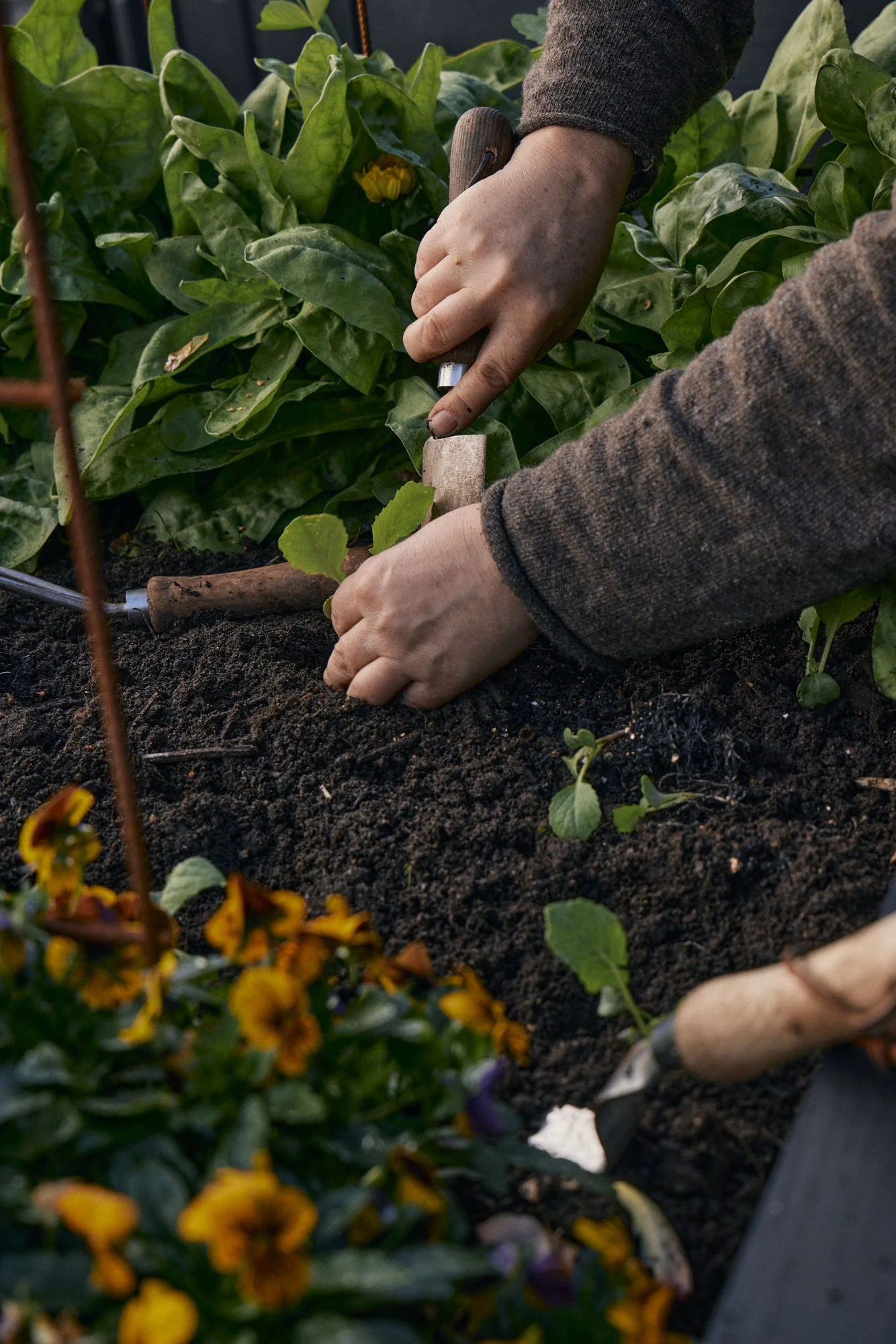
Top-dress productive beds with compost or well-rotted manure.
Refresh mulch to around 5 to 7 cm (2 to 3 inches), keeping it clear of stems and trunks.
Sow in succession rather than all at once, especially for leafy greens and quick crops.
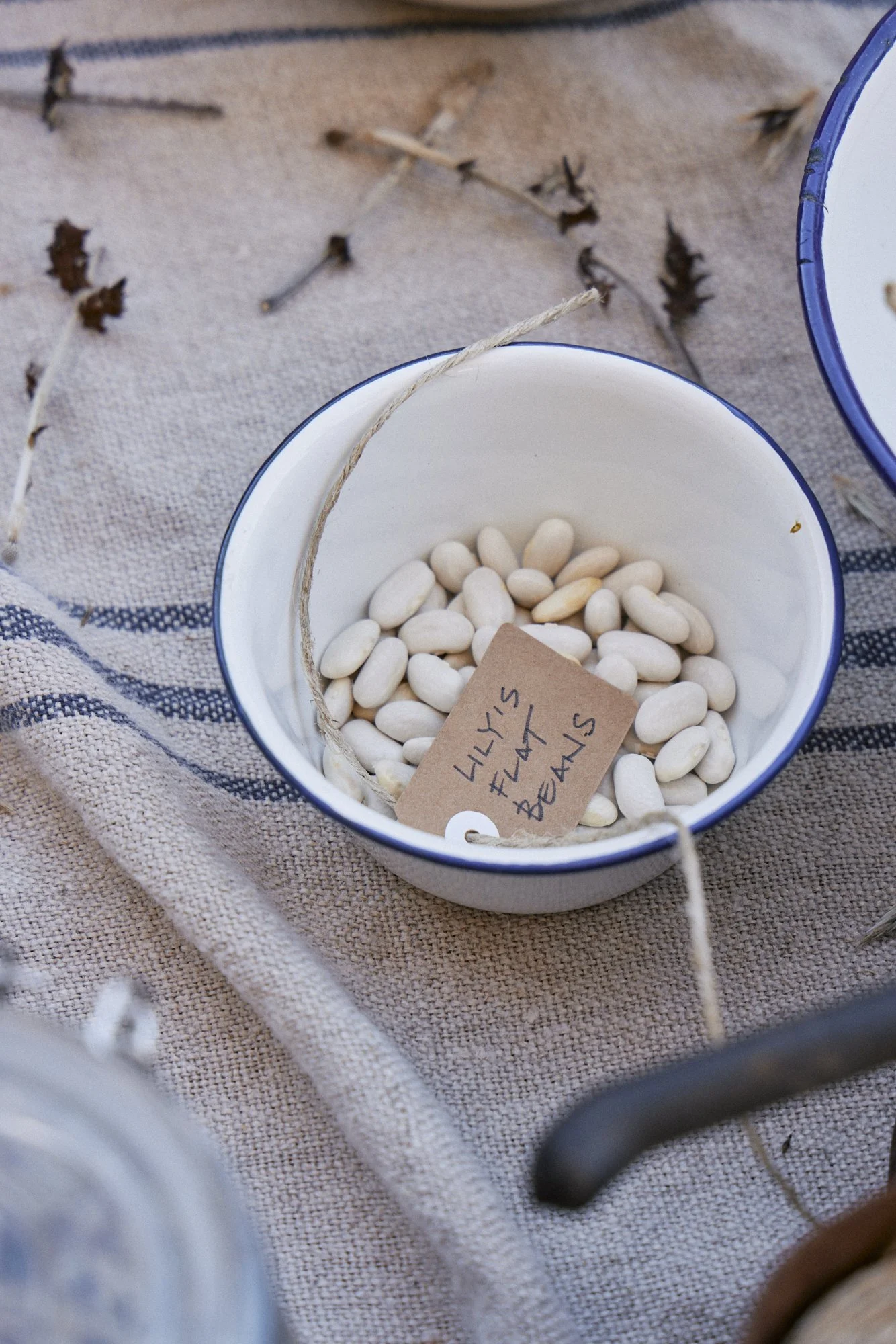
Save seed from healthy, productive plants.
Weed early while the ground is softer and before winter growth slows things down.
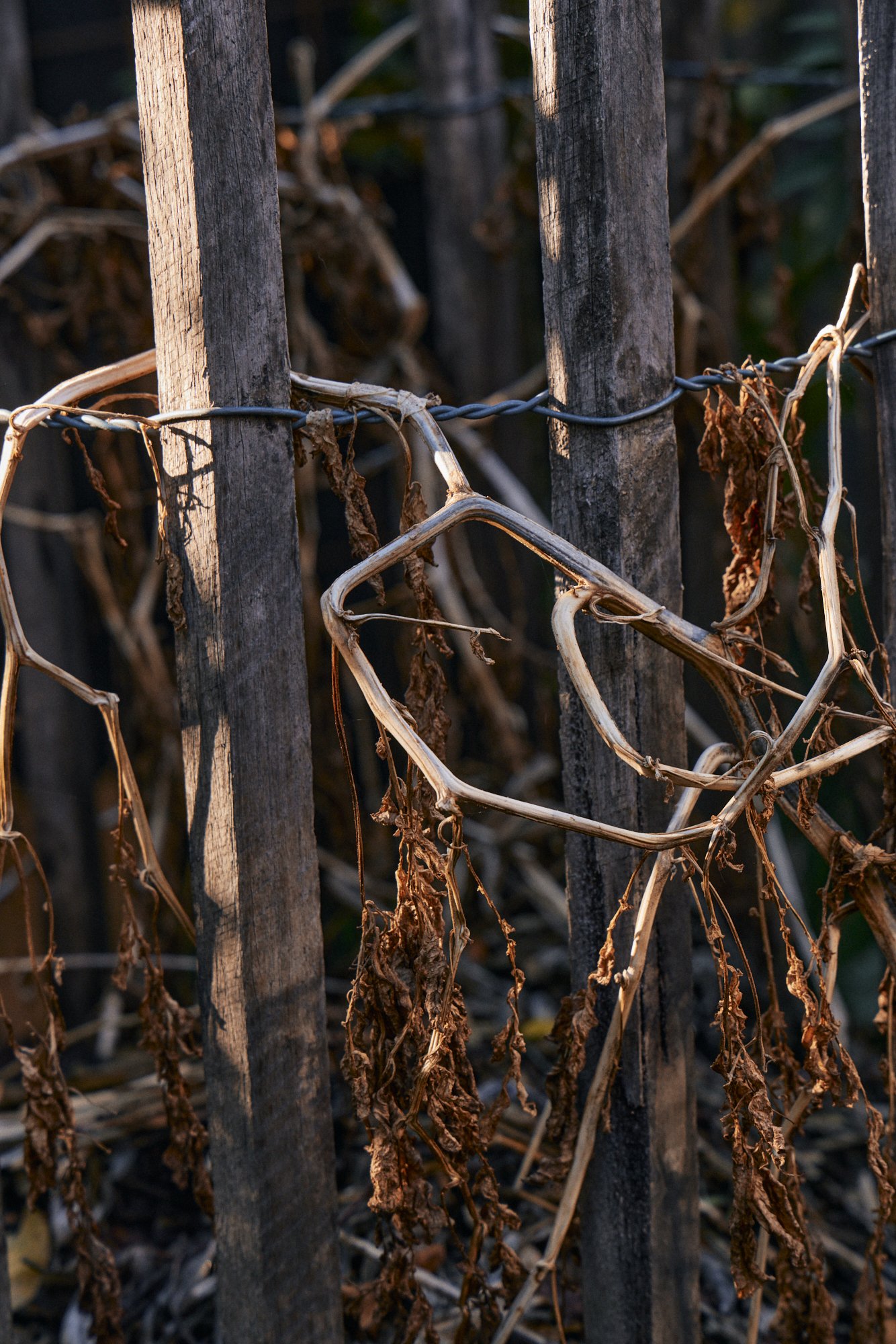
Check supports, trellises and ties before autumn winds strengthen.
Seeds and seedlings by climate
Here are the April highlights by climate.
Temperate
This is one of the most generous planting windows of the year. Soil still holds warmth, but the fierceness has gone out of the season.
Try: broccoli, cabbage, cauliflower, kale, beetroot, carrots, radish, silverbeet, lettuce, rocket, spinach, peas, broad beans, spring onions, leeks, parsley, coriander and dill.
This is also a good time to:
feed and mulch fruit trees
plant strawberries in cooler temperate districts
keep harvesting lingering tomatoes, basil and late zucchini while nights remain mild
sow little and often so the garden stays productive rather than peaking all at once
Cool and alpine
April is a serious month in cool gardens. Growth slows, frosts begin to return in some districts, and timing matters.
Try sowing or planting: broad beans, peas, beetroot, carrots, broccoli, Brussels sprouts, cabbage, kale, lettuce, silverbeet, spinach, spring onions, leeks and garlic.
This is also a good time to:
tidy out the last of the summer crops
sow a green manure crop in any bed you will rest over winter
prune back herbaceous perennials as flowering finishes
protect young seedlings from sudden cold snaps
choose fast-maturing varieties where the growing window is short
Subtropical
April often brings a welcome easing. There is still warmth in the soil, but conditions are usually more workable and less relentless.
Try sowing or planting: lettuce, Asian greens, silverbeet, beetroot, carrots, radish, spring onions, coriander, parsley, broccoli, cabbage, cauliflower, kale, leeks, celery, ginger and turmeric in suitable districts.
This is also a good time to:
turn compost heaps and accelerate them with nitrogen-rich inputs
lift, divide and replant rhizomatous crops such as ginger, turmeric and horseradish
weed thoroughly, then mulch before winter weeds take hold
give citrus its final feed before spring growth
store chill-requiring bulbs in the crisper if your winters are mild
Tropical
April is a transition month between the wet season and the dry in many tropical areas. The work now is about harvesting what is finishing, reducing weed pressure, and preparing beds properly for the next round of sowing.
Try sowing or planting: beans, beetroot, cabbage, capsicum, carrot, cauliflower, celery, coriander, cucumber, eggplant, kale, basil, corn and chilli.
This is also a good time to:
harvest the last of the wet-season crops
weed regularly and mulch heavily
prepare beds with compost and well-rotted manure
apply trace elements to help renew the soil ahead of the dry season
keep a close watch on snails, slugs, aphids and citrus leafminer
Arid
In arid regions, April is a valuable reset point. Days can still be warm, but this is the moment to capture the gentler conditions before winter slows everything too sharply.
Try sowing or planting: broccoli, cabbage, cauliflower, kale, beetroot, carrots, radish, turnip, swede, lettuce, silverbeet, spring onions, beans and herbs such as coriander and parsley.
This is also a good time to:
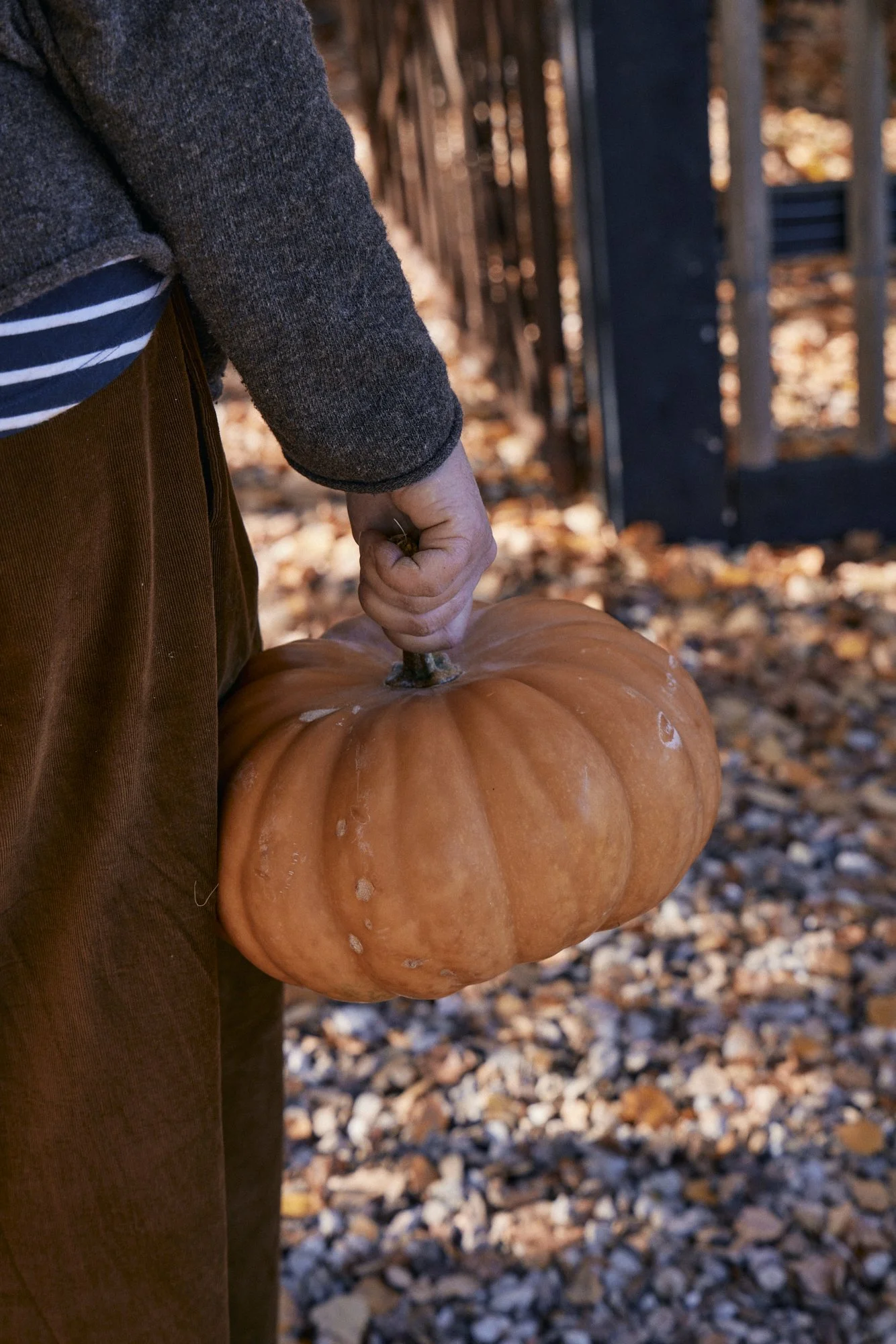
harvest pumpkins and the last melons
prune and feed citrus and other evergreen fruit trees
top up mulch to suppress weeds and reduce moisture loss
protect brassicas early from caterpillars
keep watering deeply but less often, rather than little and often
Plants to think about in April for winter colour and interest
April is a beautiful moment to plant shrubs, bulbs and perennials that will carry the garden visually through winter.
Winter gardens often rely on three subtle elements:
• Fragrance that carries through cold air
• Flowers appearing on bare branches
• Plants with beautiful stems, bark or evergreen form
These quieter moments are what give winter gardens their depth. Plants like winter sweet, daphne, hellebores and witch hazel are not loud performers, but they hold the garden beautifully through the coldest months.
One of my favourite winter flowering shrubs is Chimonanthus praecox, winter sweet. It is a quiet plant for much of the year, but in the depths of winter it suddenly comes into its own. Small waxy flowers appear along the bare branches, releasing a warm, spicy fragrance that carries through the cold air. Often you smell it before you see it. In a cool climate garden it is one of those plants that quietly holds the garden through winter and reminds you that the seasons are already beginning to shift.
Cool climate gardens
These gardens benefit from plants that bring fragrance, early flowers, bark and structure through winter.
Fragrant winter shrubs
• Chimonanthus praecox, winter sweet
• Daphne odora, incredibly fragrant late winter flowers
Winter flowering perennials and bulbs
• Hellebores, often flowering through the coldest months
• Snowdrops, Galanthus, delicate white winter flowers
• Cyclamen coum, jewel like ground layer colour
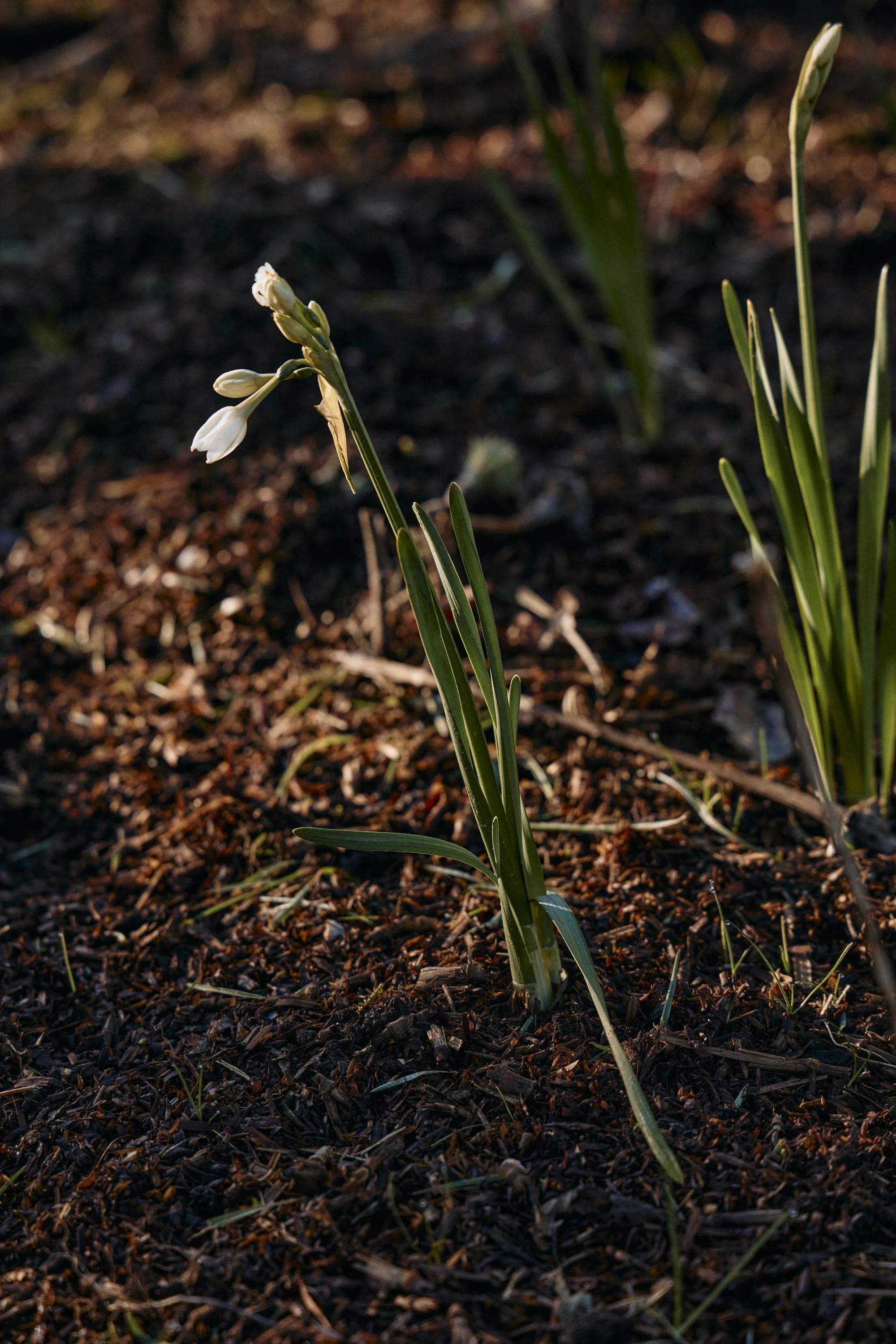
• Early narcissus, bringing brightness to the late winter garden
Plants that provide structure or seasonal beauty
• Hamamelis, witch hazel, sculptural winter flowers
• Cornus, dogwoods, colourful winter stems
• Sarcococca, sweet box, subtle fragrance in deep winter
Temperate climates
Milder winters allow a mix of evergreen structure and seasonal flowers.
Winter flowering shrubs
• Camellia sasanqua, early winter colour
• Camellia japonica, mid to late winter flowers
• Correa, wonderful winter nectar for birds
• Grevillea, many varieties flower through winter
Perennials and bulbs for colour
• Hellebores
• Pansies and violas
• Freesia and anemone
• Ranunculus
Warmer climates
Northern NSW, Queensland, subtropical regions
Winter is gentler, so colour and structure come from different plants.
Winter flowering plants
• Aloe species, dramatic winter flowers
• Salvias, many varieties flower through winter
• Plectranthus, soft purple winter blooms
• Hibiscus, providing colour through mild winters
How I work with April
I see April as a month of adjustment. Not retreat, and not quite rest either. More a recalibration.
It is the time I start reading the garden differently. The angle of light changes. The air sits differently in the morning. Growth is no longer racing, which means there is a chance to intervene with a bit more intelligence. Beds can be improved. Crop choices can become more strategic. Mistakes made in summer can be noticed and resolved before winter really settles in.
This is also when I am thinking about continuity. I do not want a productive garden to operate in feast and famine. I want something always moving forward. A tray of seedlings under cover. A gap replanted before it becomes empty for too long. Compost maturing in the background. Mulch protecting what is already in place.
April rewards that kind of steady thinking.
Quick checklist
Clear tired summer crops.
Top-dress beds with compost.
Refresh mulch.
Sow leafy greens and roots in succession.
Plant brassicas suited to your climate.
Watch for early frost in cooler districts.
Weed, edge and tidy lightly.
Take note of what summer taught you.
Continue your gardening journey with me
If you enjoy this kind of content, my workshops offer more detail and guidance on design, productivity and seasonal care. April is also the month to sign up to my newsletter if you do not already subscribe. To celebrate my birthday each week of April I will be sharing via the newsletter free resources to help you in your garden journey.
If you are building your garden from home right now, my ebooks on Wicking Bed Gardens and Introduction to Backyard Chicken Keeping offer practical step by step guidance that pairs well with the workshops.
You may want to check out my related content below:
When the world feels uncertain, grow one thing – are you thinking what I am thinking?
Romanesco: fractal beauty from the brassica bed – I harvested the first Romanesco heads this week and had to stop and stare.
The Medicinal Garden Workshop with Caroline Parker & Natasha Morgan — Step into the magic of nature
Stay connected for more seasonal inspiration:
Instagram | Facebook | Gardenstead | LinkedIn | Pinterest | YouTube | Website | Newsletter
Thanks so much for following along.
Natasha xx
