
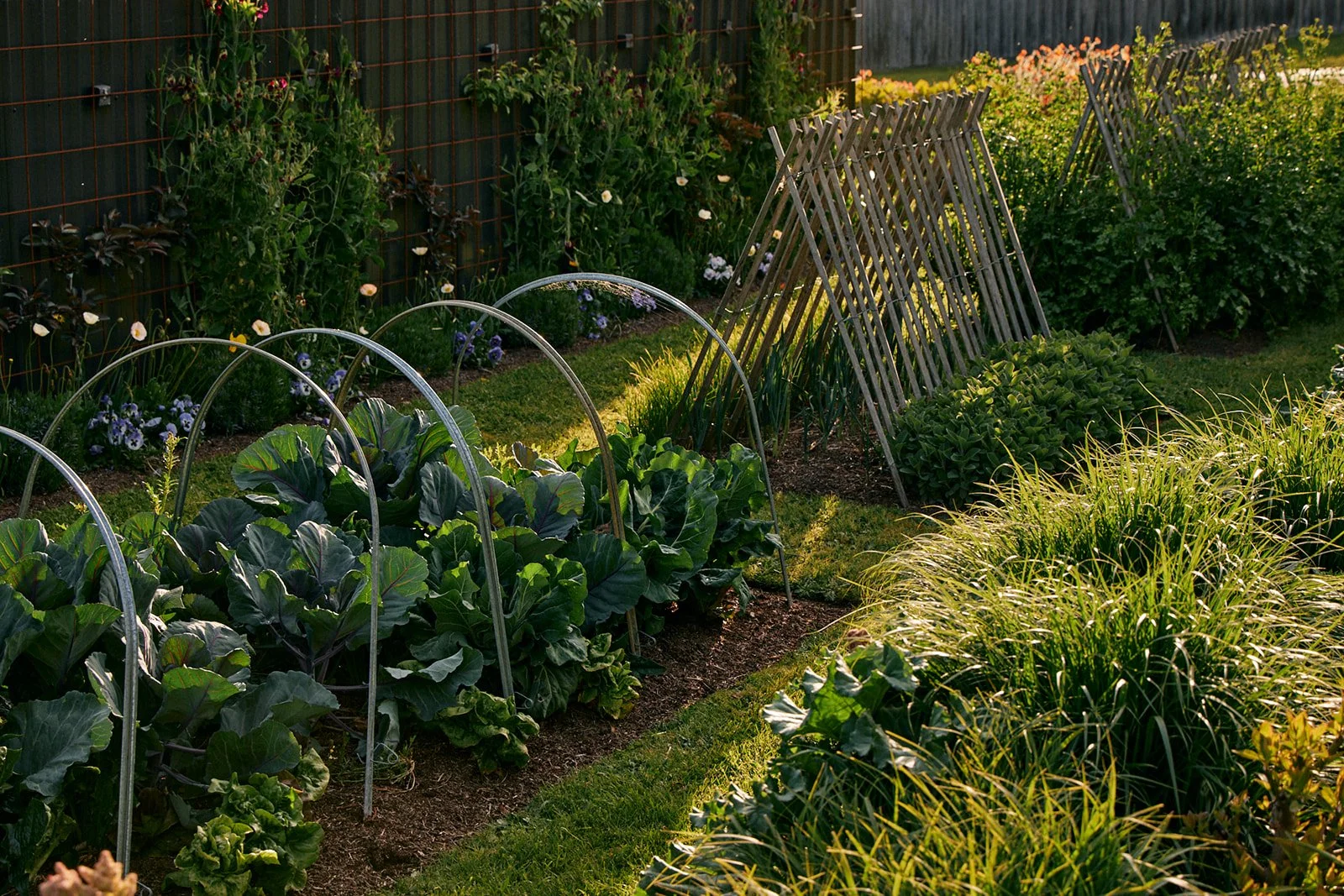
September garden tasks for all climates. Southern hemisphere climates and northern hemisphere climates. What to plant now, what to sow now.
Read Moregarden workshops
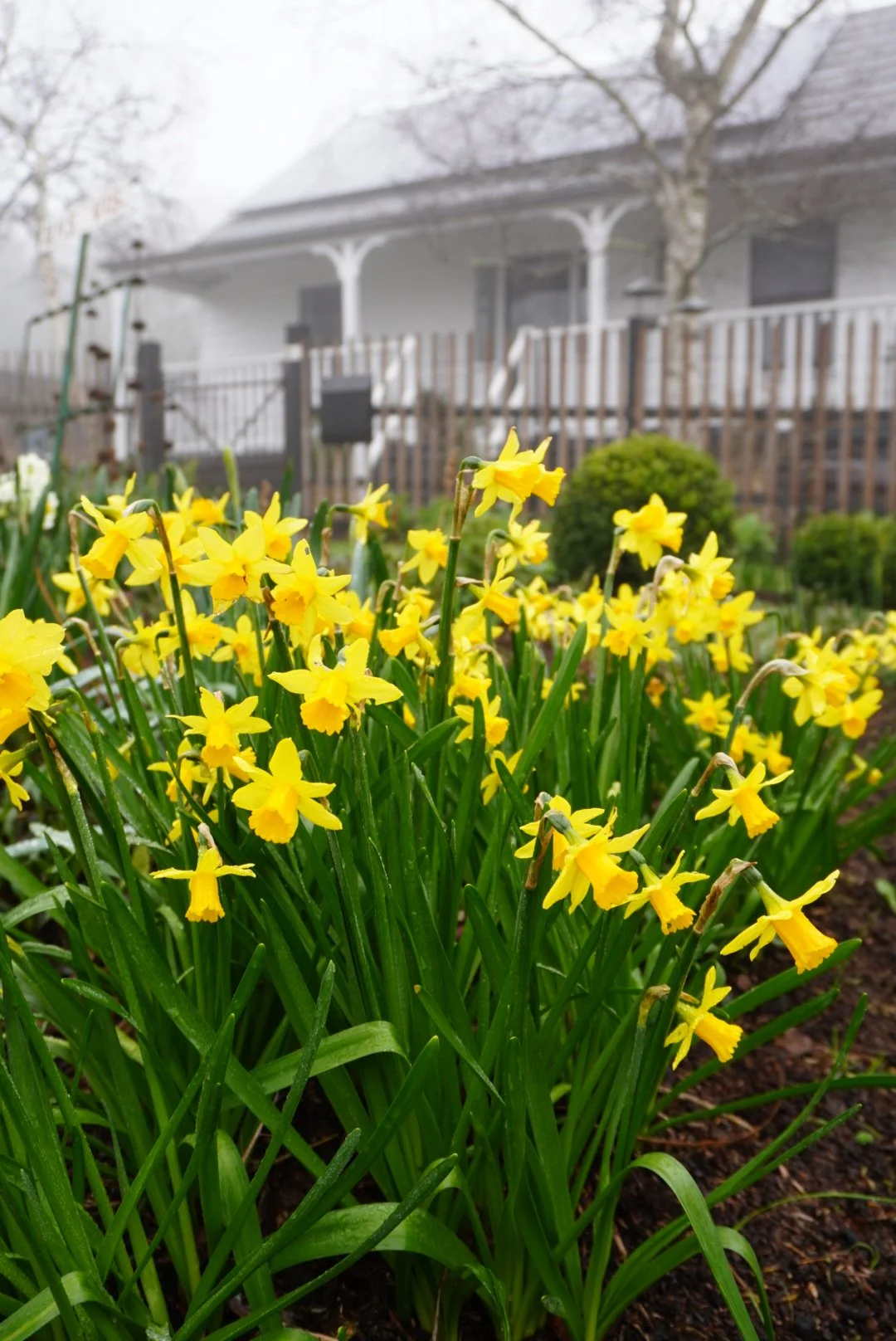
Sap Rising — Spring in a Daylesford Garden
Spring arrives as a verb in a cool-climate Daylesford garden — sprinter frost, a choreography of bulbs, and the one practice the season asks: tending.
Read More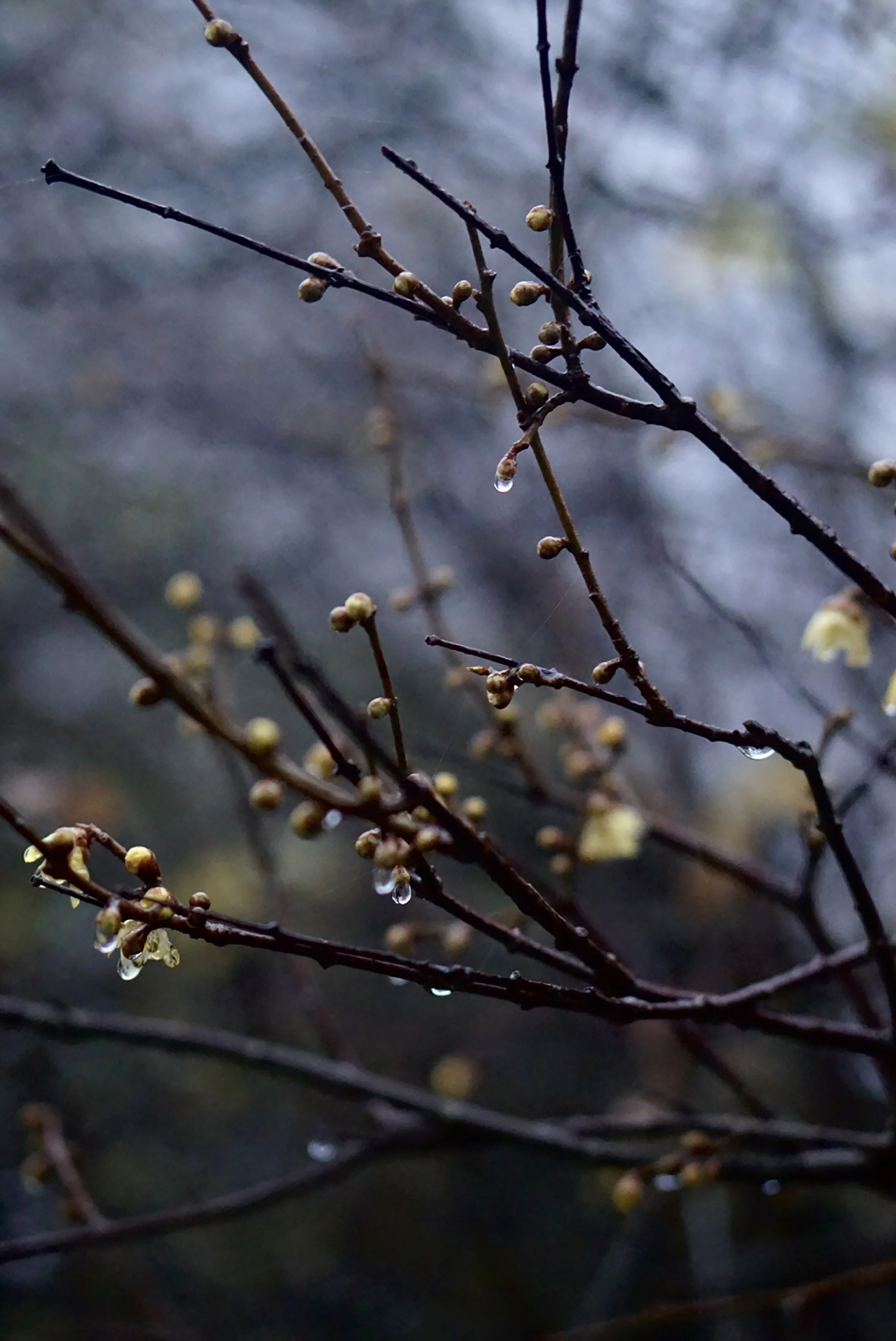
August Garden Tasks for Australian Climates
August garden tasks for all Australian climates.
Read More
The most terrifying part of making a book
Six endorsements from Costa Georgiadis. The story behind them: the most terrifying part of making my book, the phone calls that came before a single written word, and "a big welcome hug back to nature.
Read More
Explore my new book The Productive Garden Companion by clicking on the image above!
July Garden Tasks for Australian Climates
July garden tasks for Australian climates.
Read MoreExplore my new book The Productive Garden Companion by clicking on the image above!
June Garden Tasks for Australian Climates
June is the beginning of winter, but not the end of the garden.
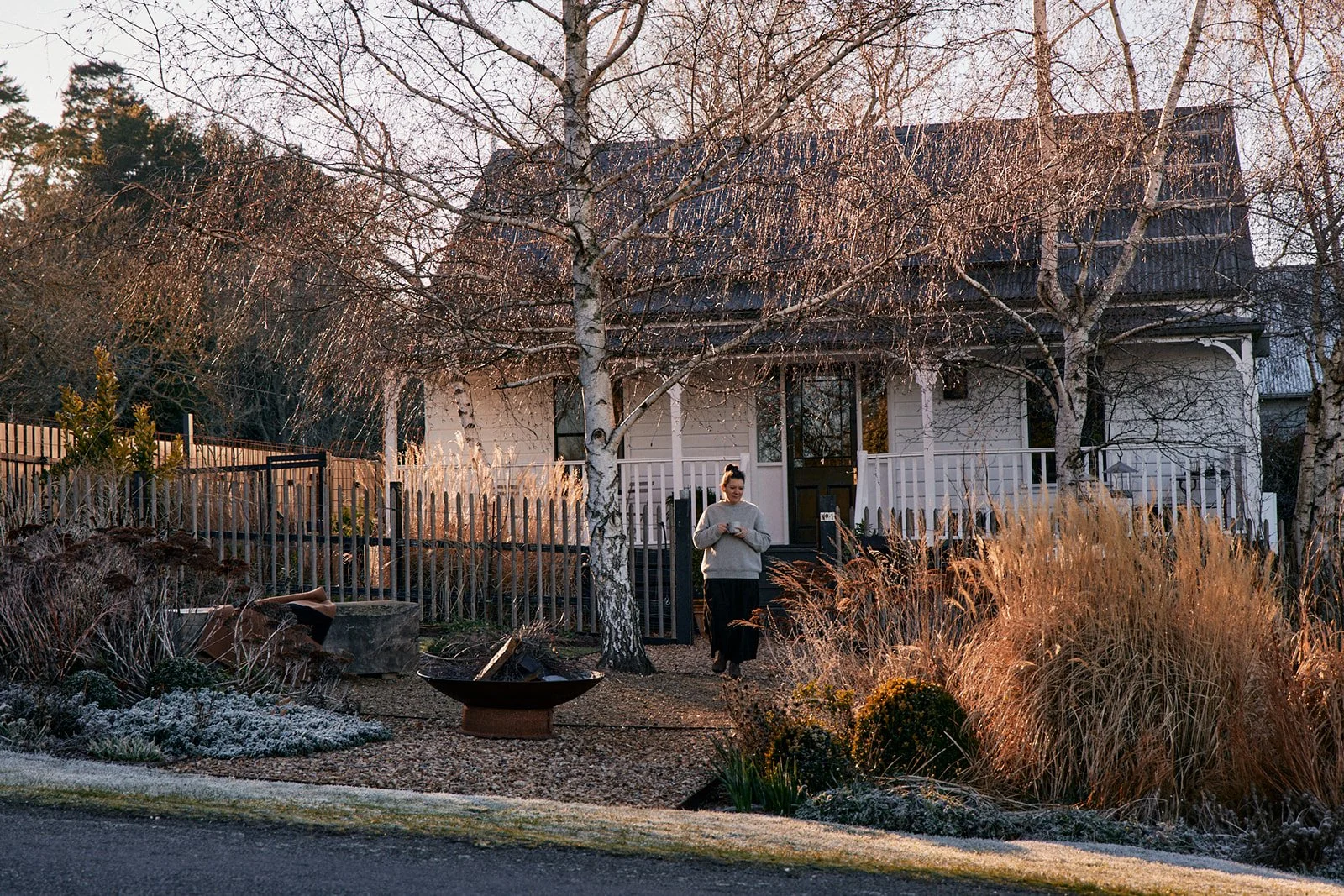
In my Daylesford garden, June arrives in the frost before it arrives anywhere else. The first light lifts off the seed heads before it reaches the lawn. Echinacea, phlomis, agastache and hydrangea panicles stand silvered and still, and the whole garden can feel reluctant to wake.
But winter is not a dead season. It is a clarifying one.
The leaves drop. The structure appears. Paths, fences, hedges, fruit tree frameworks, bare stems, trellises and the true shape of the garden come forward. What was softened by summer growth is suddenly visible again. You can see where the design holds, where the soil is exposed, where water sits, where frost lingers, and where the next layer of the garden might begin.
For me, June is not a month for rushing. It is a month for watching carefully, feeding the soil, planting what suits the cold, and working with the slower intelligence of winter.
In many climates, June is also one of the most useful months for planting deciduous trees, roses, cane fruit, garlic, broad beans and winter greens. In others, particularly subtropical and tropical gardens, it can be a generous growing window, with cooler conditions making it easier to establish food crops and flowering plants.
As always, the calendar is only part of the story. Your own garden will tell you more.
Where does frost settle?
Where does the winter sun reach?
Which beds are too wet to work?
Which paths are asking to be widened?
Which structures need repair before spring growth returns?
Start there. Observe first, then act.
Tasks for all Climates:
Observe the garden before you clean too much away. Notice frost pockets, drainage, wind exposure, winter light and the structure of your beds.
Keep soil covered with compost, mulch, living crops or green manure. Bare soil is vulnerable soil.
Gather fallen leaves and use them for compost, leaf mould, mulch layers or chicken bedding if you keep chickens.
Plant bare rooted deciduous trees, roses, vines and cane fruit where suitable for your climate and soil conditions.
Sow or plant cool season crops such as broad beans, peas, snow peas, spinach, lettuce, mizuna, mustard greens, radish and parsley where conditions suit.
Prune deciduous fruit trees and grape vines once dormant, but leave apricots to dry, late autumn pruning where disease risk is lower.
Take hardwood cuttings from grape vines, currants, gooseberries, figs and other suitable woody plants.
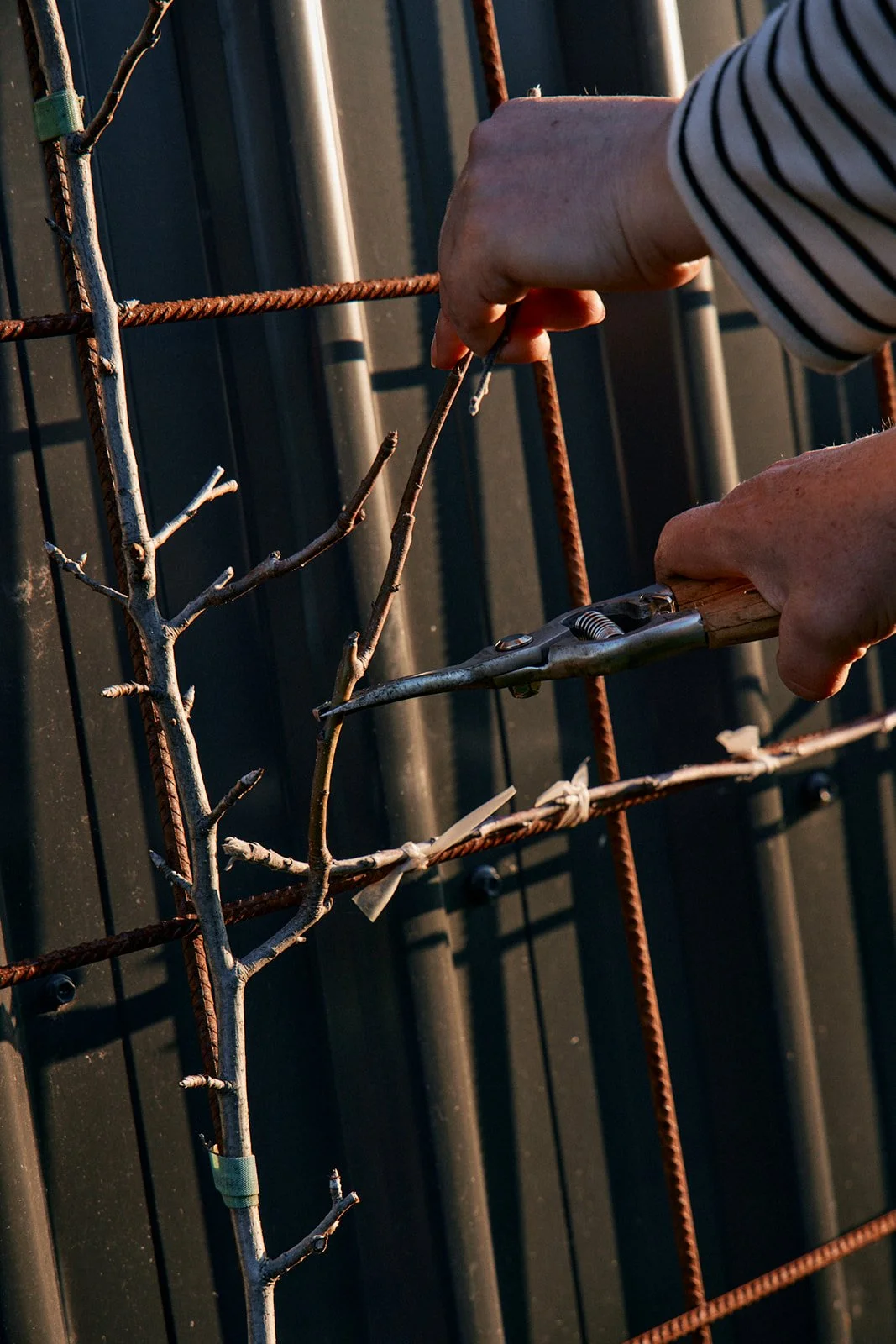
Check espalier wires, tree ties, trellises, stakes, arches and climbing frames while the growth is bare and easy to read.
Protect frost tender plants overnight when hard frost is forecast, using hessian, frost cloth, shadecloth, straw, cardboard or another breathable cover.
Avoid working saturated soil. If it sticks heavily to your boots or tools, wait.
Refresh productive beds with compost or well rotted organic matter before planting the next crop.
Keep harvesting what winter is offering, especially leafy greens, herbs, citrus, brassicas, root crops and late autumn crops that are still holding.
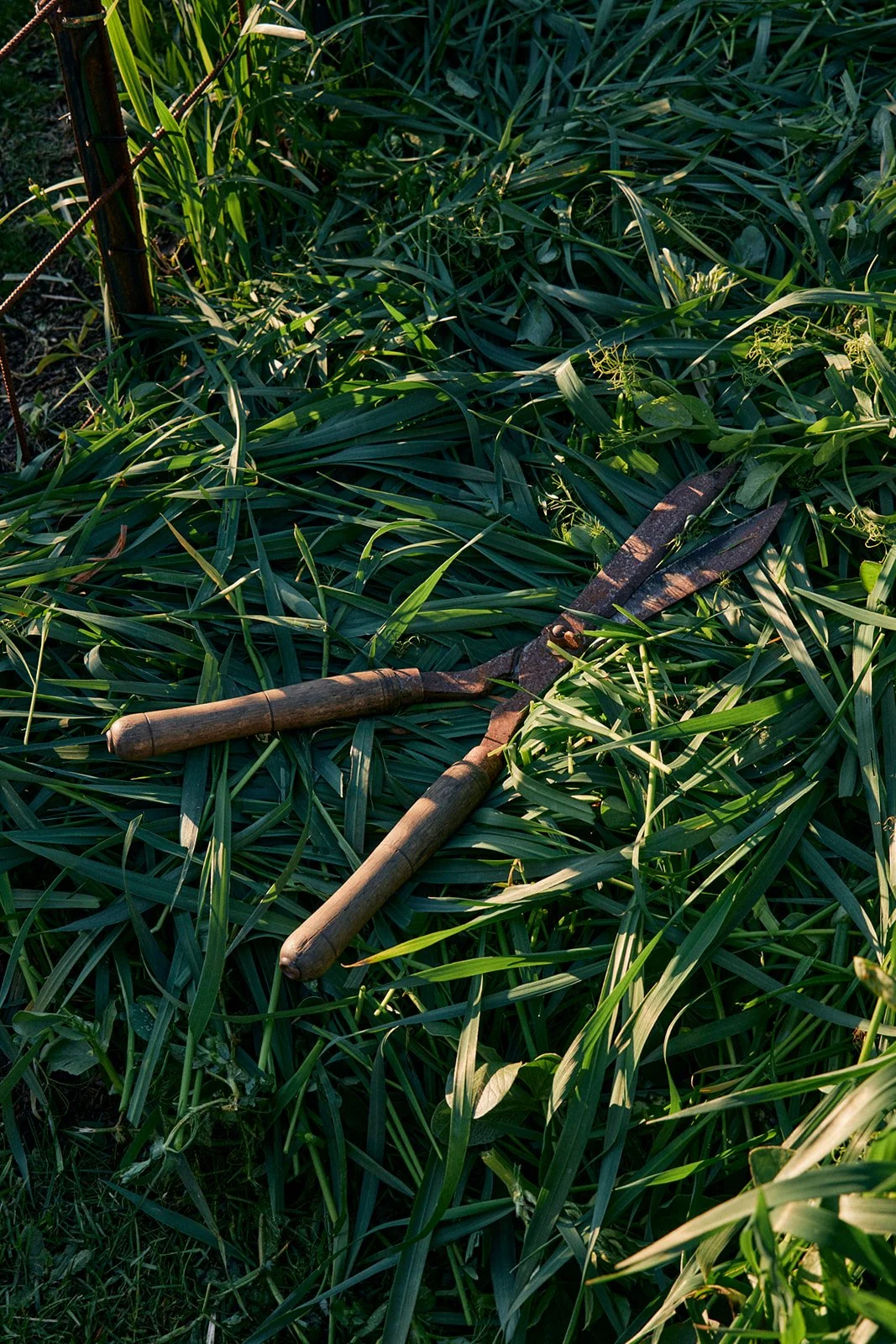
Clean, sharpen and oil secateurs, snips, spades and other tools so they are ready for pruning and winter planting.
Sort seed packets, make notes from the last growing season and begin planning what you want to grow when the garden wakes again.
A note on compost
You’ll notice that many of these June tasks come back to the same foundation: compost. It is one of the simplest and most effective ways to improve soil, reduce waste and keep fertility moving through your own garden system.
If you would like more practical guidance, my new eBook, Compost for Beautiful Productive Gardens, steps through the composting systems I use and teach, with clear guidance for choosing an approach that suits your garden, your space and the way you live.



What to sow and plant now, and tasks by climate.
Temperate
Edible: broad beans, garlic, lettuce, mizuna, mustard greens, parsley, peas, radish, rocket, shallots, silverbeet, snow peas, spinach, spring onion and strawberry runners.
Flowers and ornamentals: alyssum, billy buttons, calendula, Canterbury bells, cerinthe, cornflower, delphinium, foxglove seedlings, hollyhock, lupin, mignonette, pansy, poppy, pyrethrum, sweet pea, viola and bare rooted roses.
Tasks:
Plant bare rooted trees, roses, vines and cane fruit while they are dormant and the soil is workable.
Sow broad beans, peas, snow peas, spinach, radish and other hardy greens in small successions rather than all at once.
Prune dormant deciduous fruit trees and grape vines, leaving apricots alone unless your local conditions are dry and suitable.
Add compost to beds that will carry winter crops, then mulch lightly to protect soil structure.
Watch for frost, especially in low areas, and cover vulnerable seedlings overnight when needed.
Alpine and cool
Edible: broad beans, garlic and spinach. In protected pockets or under cover, you may also try hardy greens such as rocket, mustard greens and winter lettuce, but let the soil temperature and frost decide.
Flowers and ornamentals: billy buttons, hellebores, pansies, violas, primulas, wallflowers, bare rooted roses, deciduous shrubs, deciduous trees and hardy perennials.
Tasks:
Treat June as a slow, precise planting month. Plant only when the soil is not frozen, waterlogged or compacted.
Plant garlic, broad beans and spinach in the best drained, sunniest beds you have.
Protect new plantings from frost and cold wind, especially young evergreens and newly planted perennials.
Prune dormant deciduous fruit trees and grape vines, and take hardwood cuttings while the structure is visible.
Use winter to study the bones of the garden. In cool climates, June reveals where frost lies, where sun reaches and where structure is needed.
Subtropical
Edible: beetroot, broad beans, cabbage, carrot, cauliflower, celeriac, celery, chicory, chives, collard greens, endive, garlic, kale, kohlrabi, lettuce, mizuna, mustard greens, onion, pak choy, parsley, parsnip, peas, potato, radish, rocket, shallots, silverbeet, snow peas, spinach, strawberry plants and strawberry runners.
Flowers and ornamentals: alyssum, borage, calendula, cerinthe, cleome, corn cockle, cosmos, delphinium, echinacea, everlasting daisy, false Queen Anne’s lace, hollyhock, lupin, marigold, nasturtium, salvia, sunflower, viola and zinnia.
Tasks:
Make the most of the cooler planting window for brassicas, leafy greens, peas, root crops and herbs.
Refresh beds after summer growth with compost, mulch and gentle soil care before planting hungry crops.
Keep airflow in mind. Subtropical winter can still bring fungal pressure where plants are crowded or foliage stays wet.
Plant strawberries, garlic, shallots and potatoes where your local conditions suit.
Prune deciduous fruit trees and vines where they are grown, and take cuttings from suitable woody plants.
Tropical
Edible: amaranth, basil, beans, beetroot, broccoli, cabbage, capsicum, carrot, cauliflower, celery, chilli, Chinese cabbage, chives, choko, collard greens, coriander, cucumber, daikon, dill, eggplant, fennel, garlic, ginger, kale, kohlrabi, leeks, lettuce, mizuna, mustard greens, okra, onion, oregano, pak choy, parsley, peas, pumpkin, radish, rocket, silverbeet, spring onion, sweet corn, sweet potato, tomato, turnip, Warrigal greens and zucchini.
Flowers and ornamentals: alyssum, borage, calendula, cleome, cosmos, marigold, nasturtium, salvia, sunflower and zinnia.
Tasks:
Use the dry season and milder conditions to plant a broad range of vegetables, herbs and flowers.
Sow fast crops such as beans, leafy greens, radish and herbs in small rounds so harvesting is steady.
Refresh soil with compost and organic matter before planting heavy feeders such as cucurbits, sweet corn and fruiting crops.
Keep pruning for airflow, especially where humidity, dense planting or lingering wetness can invite disease.
Add flowering plants such as calendula, cosmos, marigold, nasturtium, salvia, sunflower and zinnia to support beneficial insects and keep the garden active.
Arid
Edible: asparagus crowns, beetroot, broad beans, broccoli, cabbage, carrot, cauliflower, chives, collard greens, dill, endive, Florence fennel, garlic, globe artichoke, horseradish, Jerusalem artichoke, kale, kohlrabi, lettuce, mustard greens, onion, pak choy, parsley, parsnip, peas, radish, sage, silverbeet, snow peas, spinach, strawberry plants, swedes, thyme and turnips.
Flowers and ornamentals: alyssum, calendula, cornflower, everlasting daisy, marigold, nasturtium, poppy, sweet pea, viola and tough cool season seedlings suited to your local frost level.
Tasks:
Plant cool season crops while conditions are more forgiving, but water deeply at planting and mulch straight away.
Improve soil before sowing with compost and organic matter so it can hold moisture more effectively.
Watch for frost as well as dryness. Arid gardens can have sharp overnight temperature drops.
Plant deciduous trees, vines, cane fruit and roses while dormant, provided irrigation can support establishment.
Use mulch, wind protection and thoughtful spacing to reduce stress on new plantings.

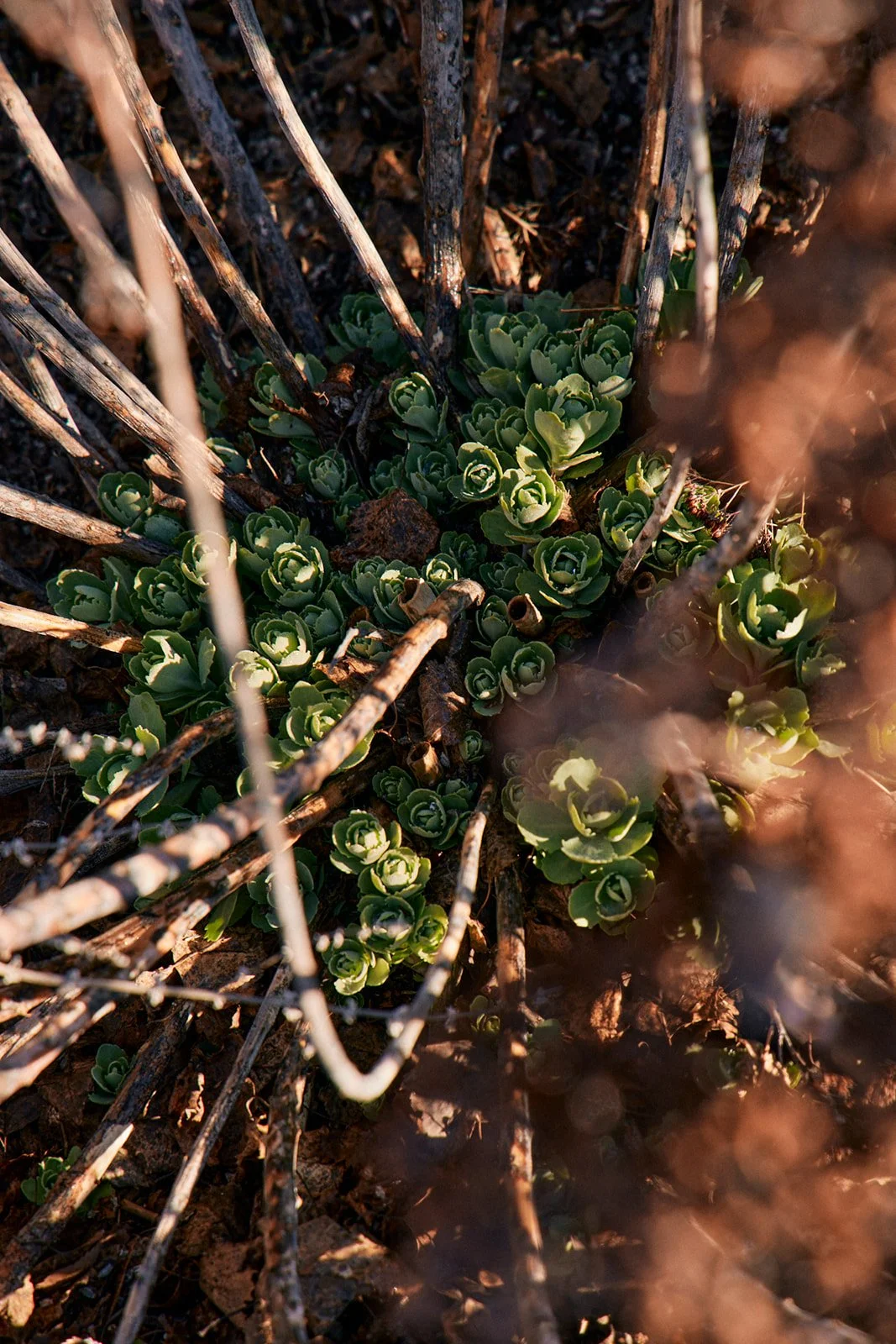
How I work with June.
June is the month when I can see the garden clearly again.
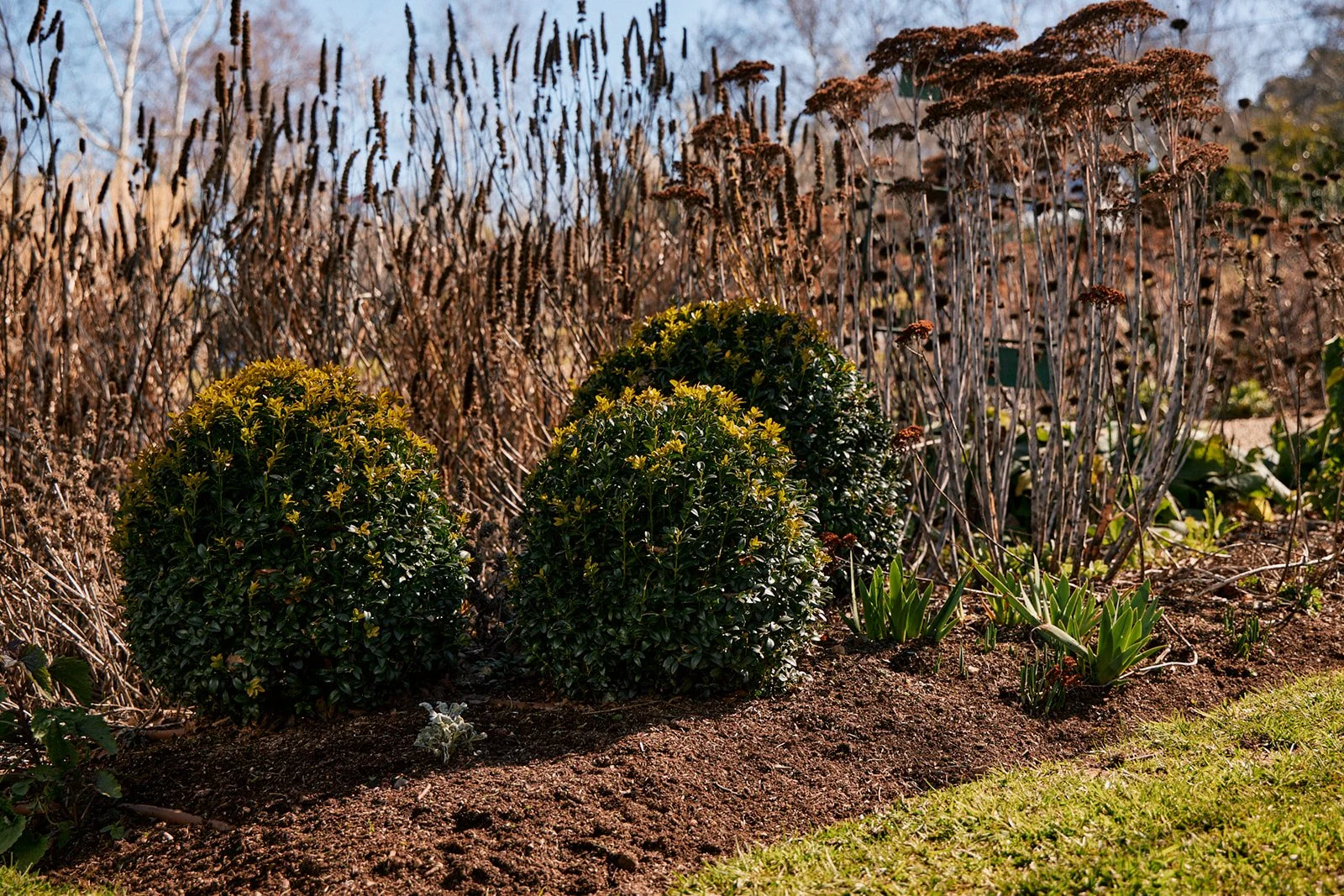
At Little Cottage on a Hill, the perennial growth has softened back and the structure does the holding. The box balls sit like small green anchors through the beds. The espaliered crabapples, pears and quinces become lines on the fence again. The seed heads I have left standing catch frost and low light. The garden is quieter, but not empty.
This is the season where I try not to rush in with secateurs. I leave more than my tidy instincts would sometimes like. Seed heads feed birds. Hollow stems shelter insects. Spent plants tell me where the wind has moved, where the frost has settled, where the soil is holding too much moisture.
I also use June to look at the practical bones of the garden.
Are the paths wide enough?
Can I still move a barrow through without brushing the beds?
Are the climbing frames in the right place?
Is there enough winter sun reaching the soil?
Which bed needs compost first?
Which space is asking for rest?
This is when the next growing season begins for me, not in the obvious way, but underneath. In the lists. In the seed boxes. In the quiet act of standing at the window and noticing where the light lands. In the decision to plant garlic before the solstice, or to leave a bed covered for a little longer, or to let compost continue its slow work out of sight.
I have come to understand that my gardening year does not begin in January. January is harvesting, preserving, watering and repeating. June is where I begin to imagine again.
Winter gives me room to think.
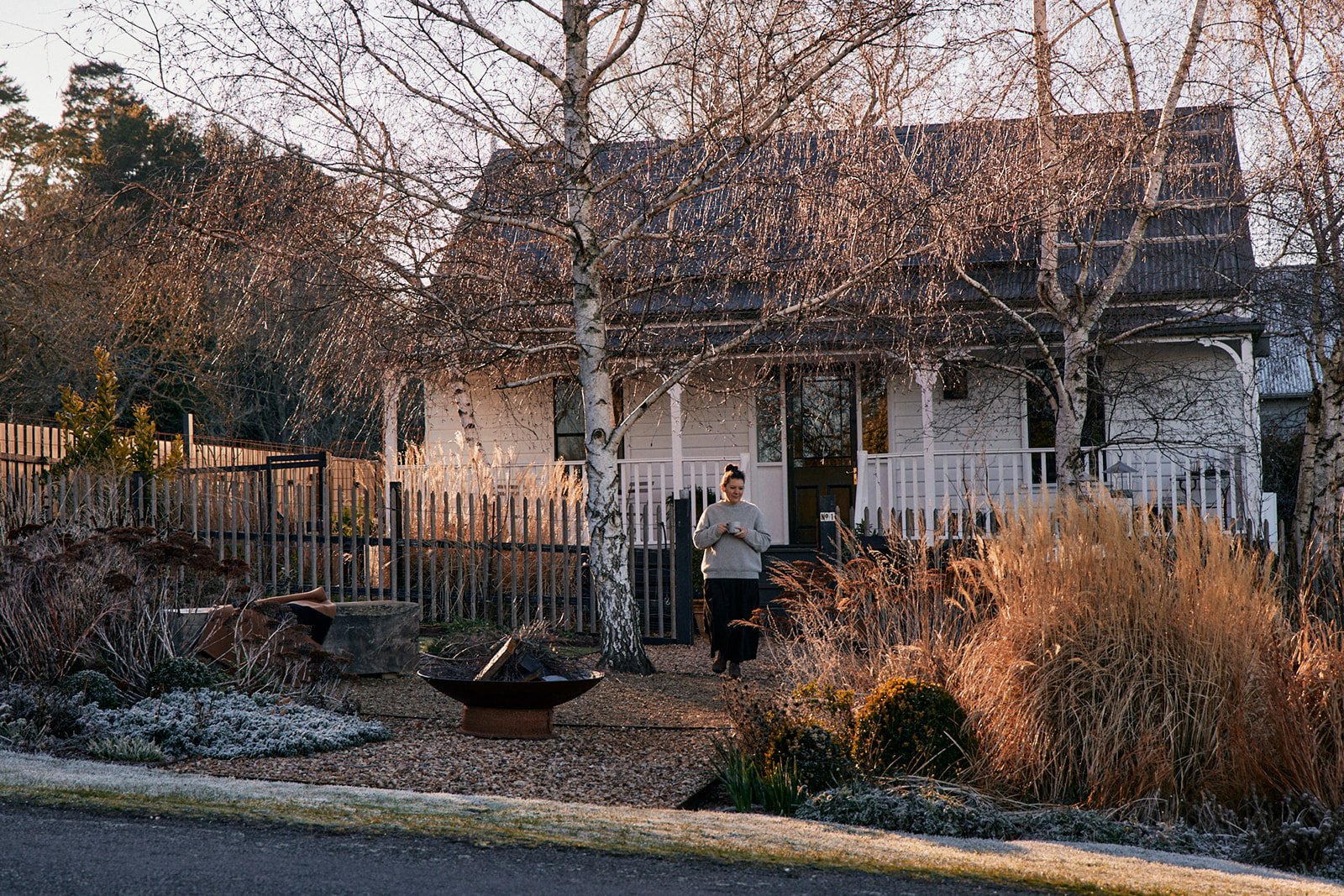
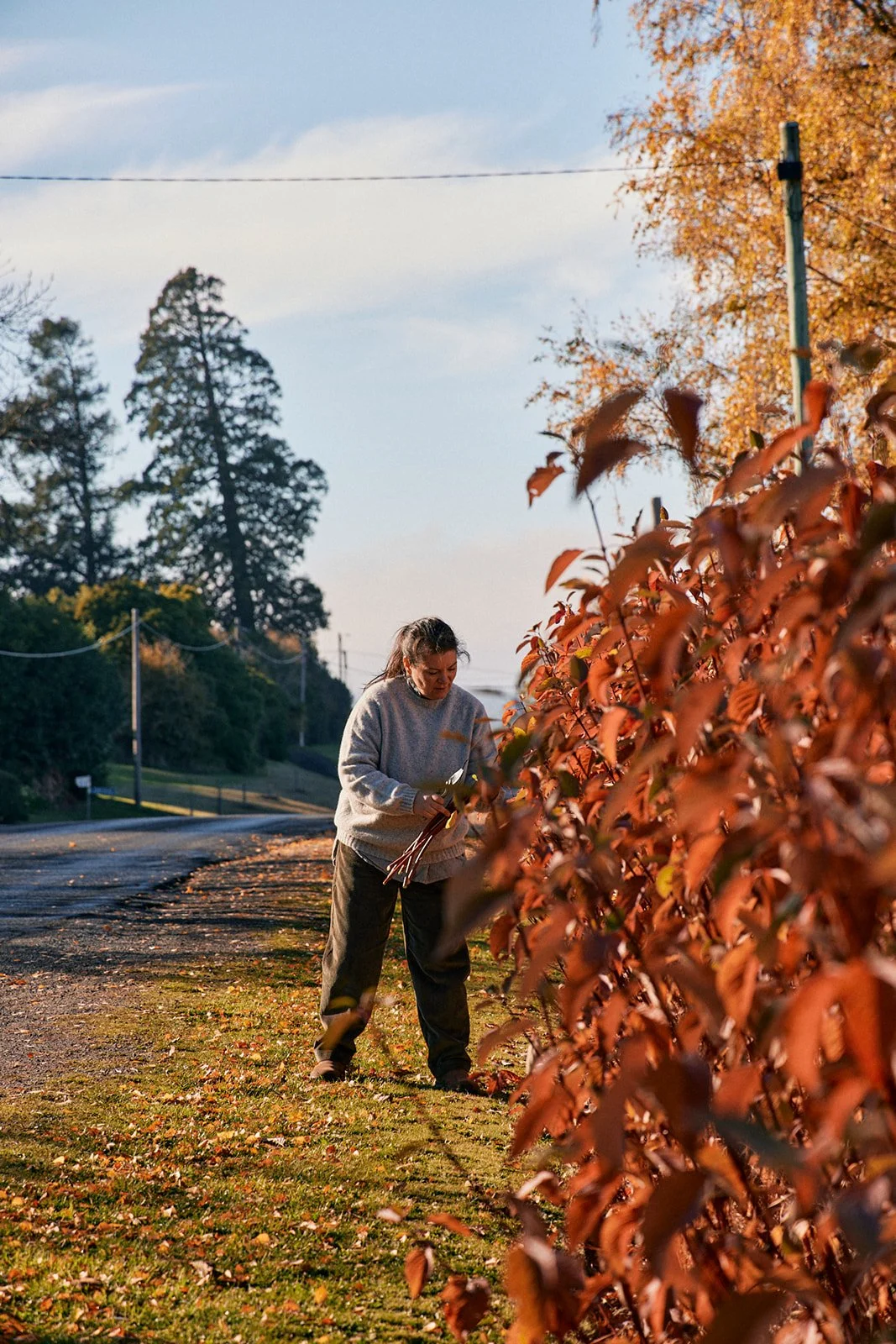
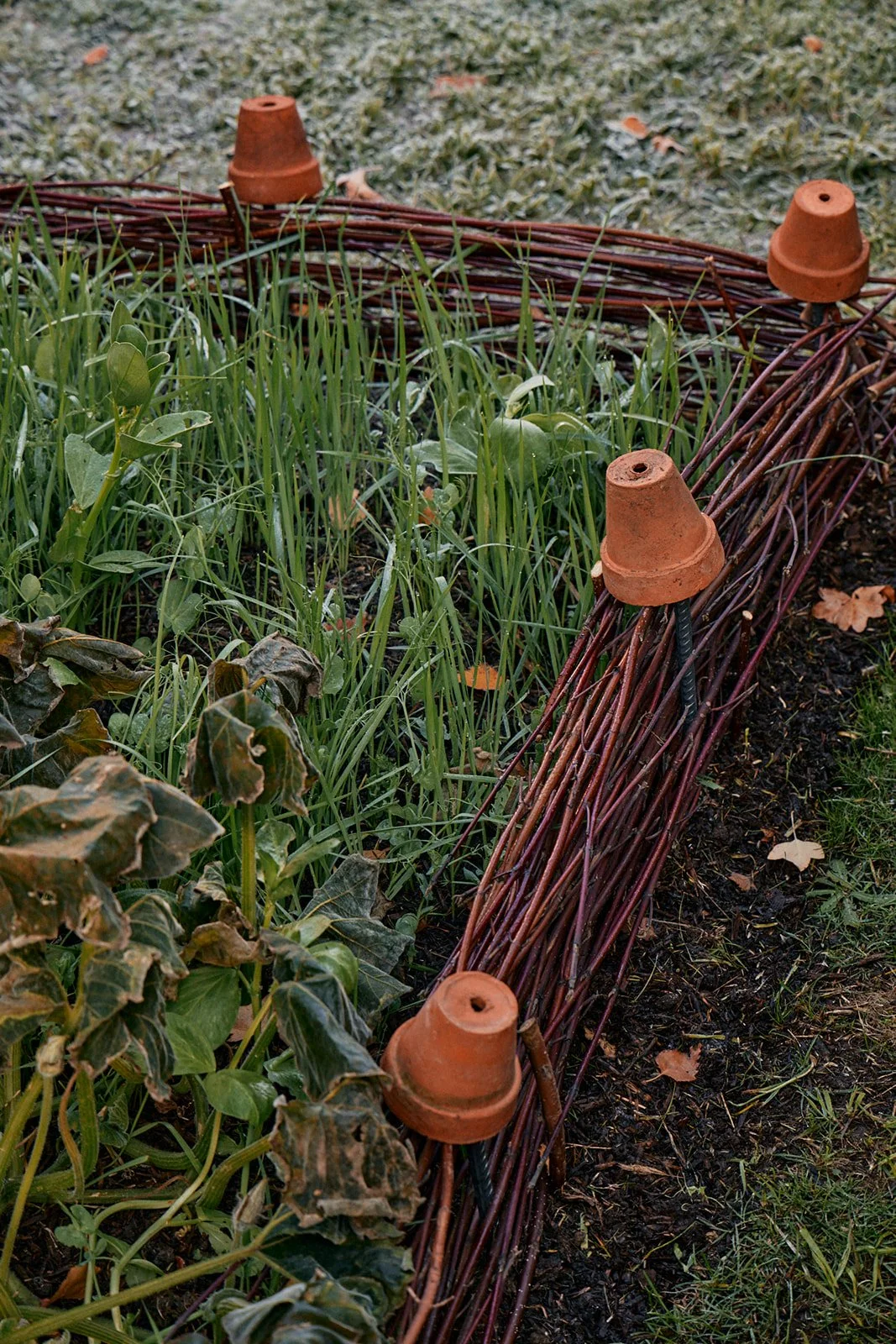
The verge garden on a crisp frosty winter’s morning.
Quick checklist.
Watch where frost settles before moving or planting anything important.
Keep soil covered with compost, mulch, leaves, straw, green manure or winter crops.
Plant garlic, broad beans, peas, snow peas and hardy greens where your climate allows.
Plant bare rooted trees, roses, vines and cane fruit while dormant.
Prune deciduous fruit trees and grape vines, but avoid pruning apricots in wet winter weather.
Gather fallen leaves for compost, leaf mould or mulch.
Check trellises, tree ties, espalier wires, stakes and climbing frames while plants are bare.
Protect frost tender plants when hard frost is forecast.
Avoid walking on or digging saturated soil.
Sort seeds, make notes and begin planning the next layer of the garden.
Continue your gardening journey with me
If this aligns with how you are thinking about your own garden, my workshops offer more detail and guidance on garden design, productive growing, soil care and seasonal practice.
June is also a good time to sign up to my newsletter if you do not already subscribe. I share seasonal notes from the garden, workshop updates, book news, upcoming events and practical ideas for creating a productive garden that works with your place.
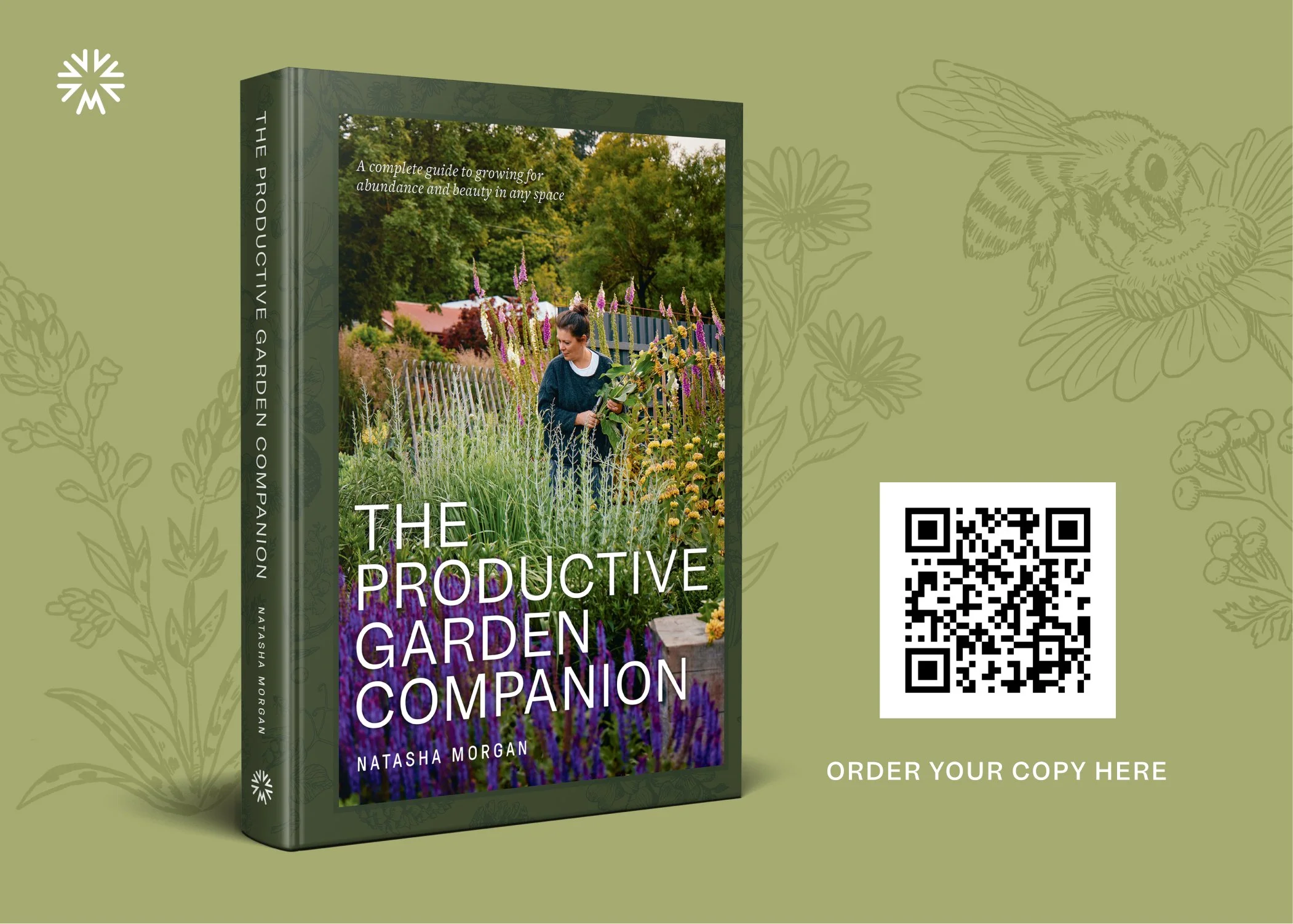
My book, The Productive Garden Companion, is now available to pre order. It brings together decades of landscape architecture, gardening, teaching, preserving and lived practice, with guidance for creating beauty and abundance at any scale.
If you are building your garden from home right now, my eBooks on Wicking Bed Gardens, Introduction to Backyard Chicken Keeping and Compost for Beautiful Productive Gardens offer practical guidance that pairs well with this seasonal work.
Stay connected for more seasonal inspiration:
You may want to check out my related content below:
The Productive Garden Companion is now available to pre-order - This is the book I’ve wanted to find my entire life.
No Dig Gardening - less work, healthier soil
Caring for Ornamental Grasses - When (and Whether) to Cut Back
Stay connected for more seasonal inspiration:
Instagram | Facebook | Gardenstead | LinkedIn | Pinterest | YouTube | Website | Newsletter
Thanks so much for following along.
Natasha xx

What a productive garden means to me
What a productive garden means to me
Read More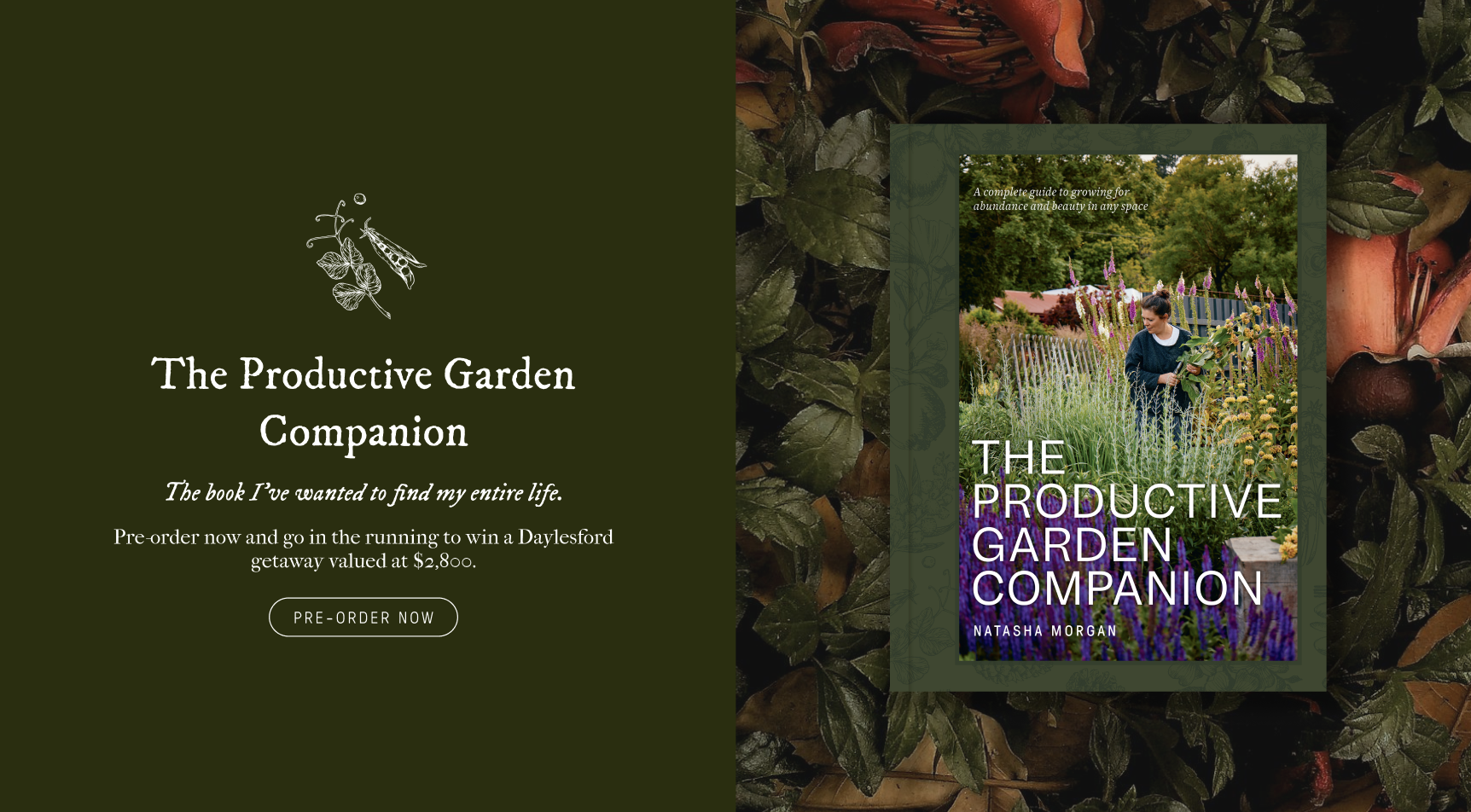
Win a bespoke Daylesford getaway inspired by The Productive Garden Companion
Win a bespoke Daylesford getaway inspired by The Productive Garden Companion.
There are moments in a big project like a book where you stop, look around, and realise just how many people are holding it with you.
The launch of The Productive Garden Companion has felt like one of those moments for me.
This book has been years in the making. It carries so much of my life, my work, my gardens, my teaching, and the way I’ve come to understand beauty, abundance, seasonality, and living well. And when it finally went out into the world, the response was extraordinary. Warmth, encouragement, generosity, pre-orders, messages, comments, and a sense that this book was already beginning to find its people.
I wanted to mark that support with something deeply special. Not something flashy or generic, but something thoughtful, beautiful, and genuinely generous. Something that felt aligned with the spirit of the book and with the world that has shaped so much of my work.
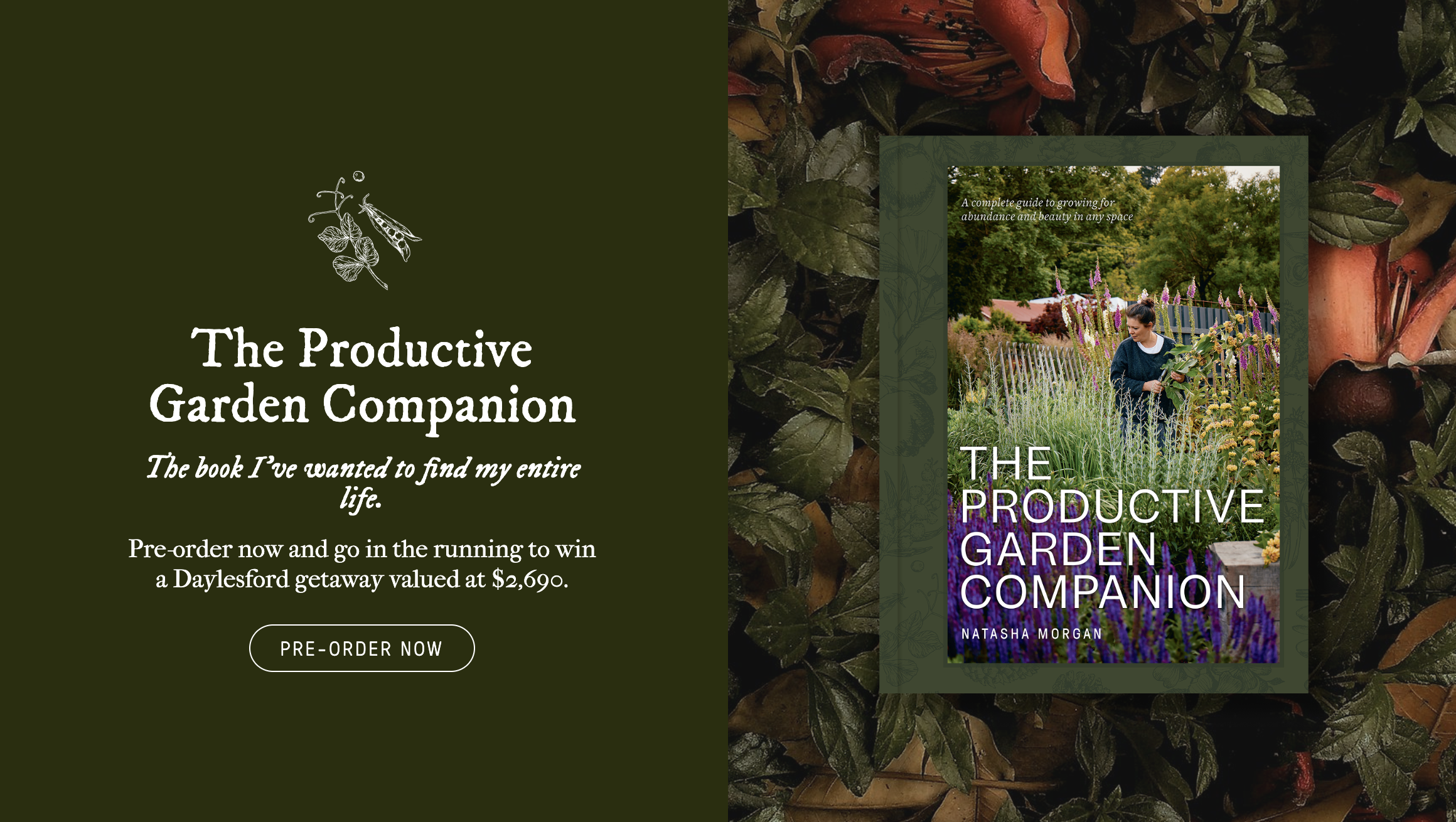
So, to celebrate the pre-order launch of The Productive Garden Companion, every pre-ordered copy now goes in the running to win a bespoke Daylesford getaway valued at $2,690.
This is not just a giveaway. It is a thank you.
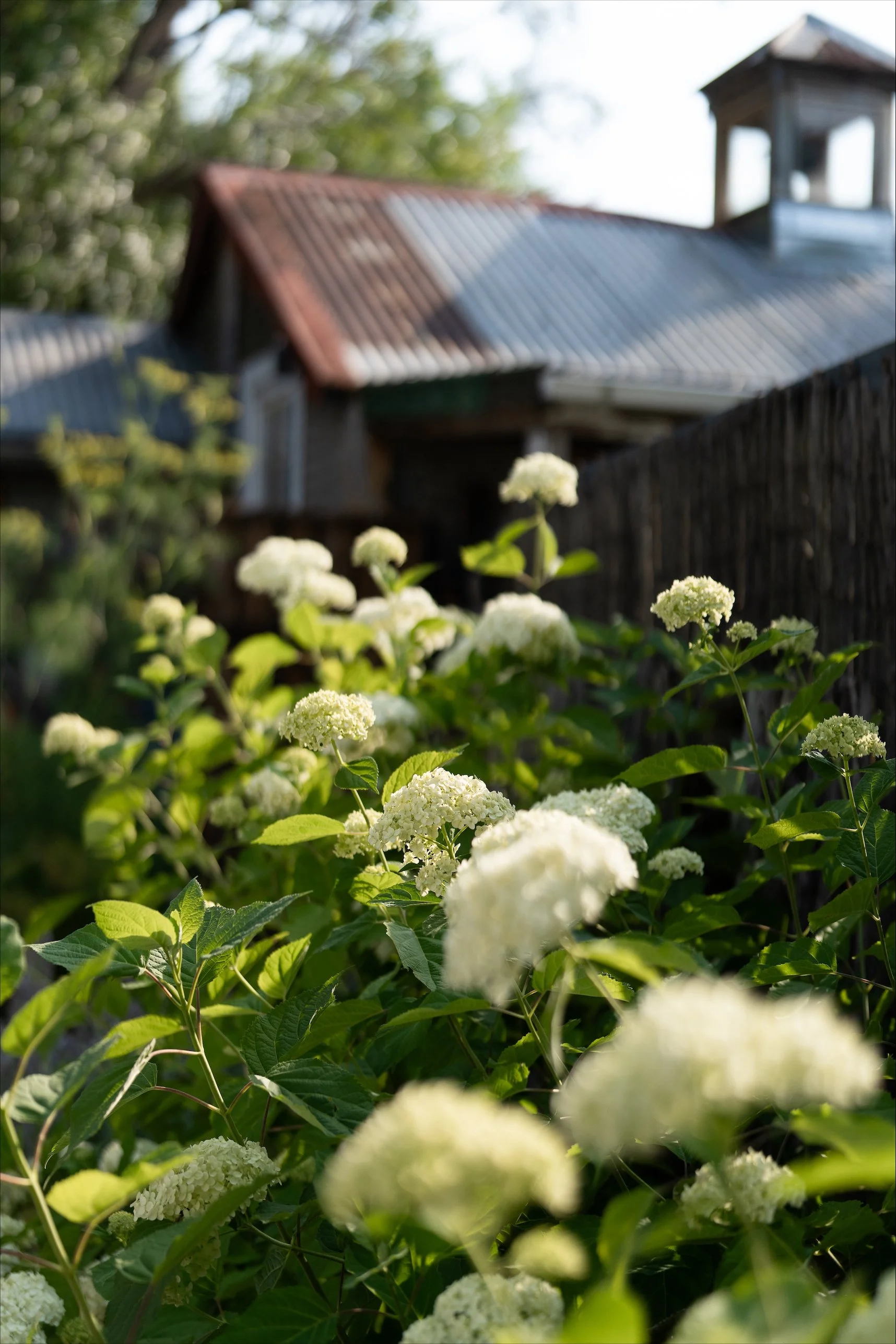
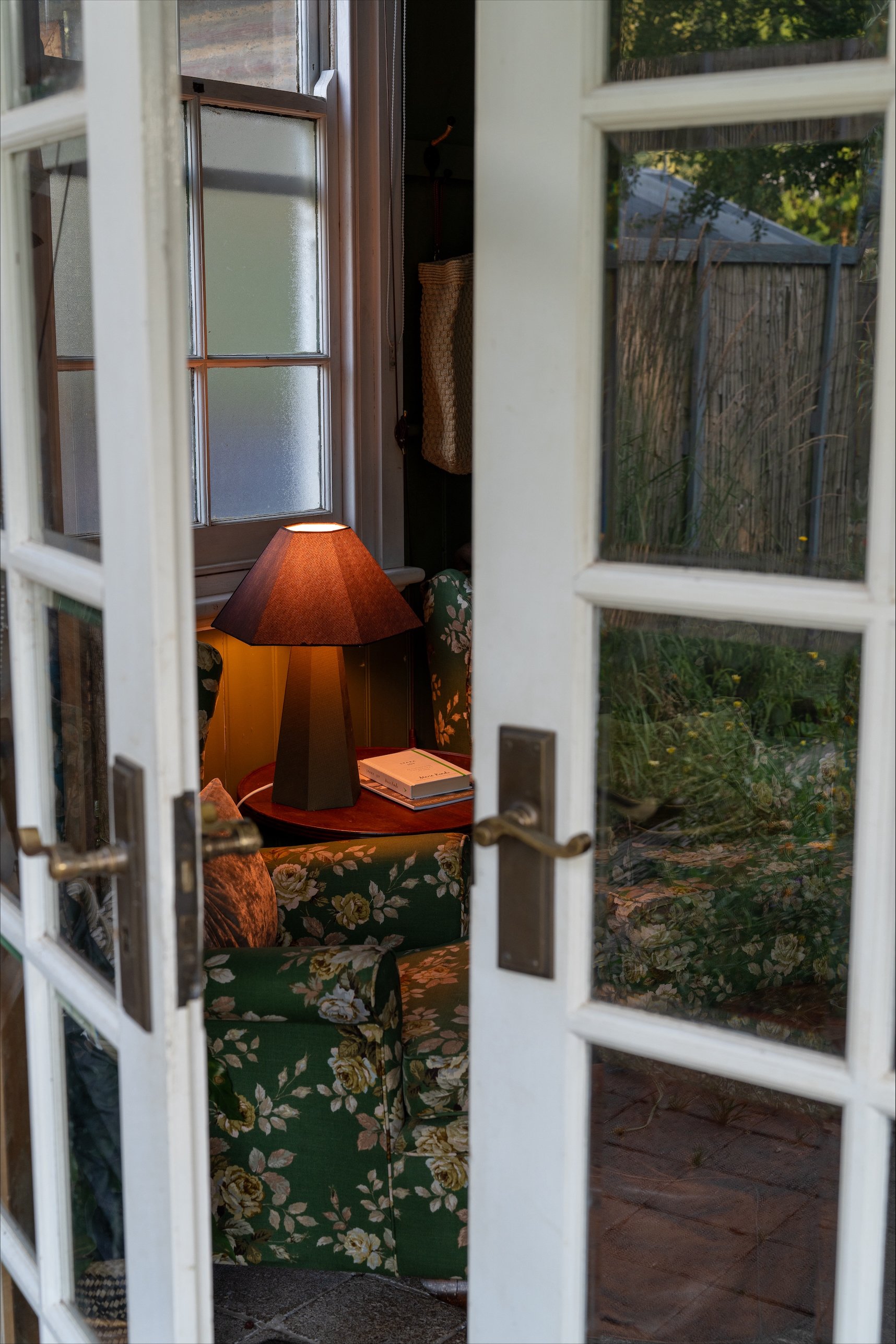
At the heart of it is a three-night stay at Acre of Roses in The Potting Shed Retreat. If you know Acre of Roses, you’ll know it is a place of extraordinary beauty and care. Sandy has been one of my greatest champions and supporters over many years, and also a wonderful collaborator. I am so incredibly grateful to her for the generosity behind this prize and for helping create something that feels so deeply aligned with this book and this season.
The giveaway also includes breakfast or lunch for two at Cliffy’s Emporium (the very place much of my book was written!), two tickets to a Natasha Morgan workshop, and one of my seasonal syrup packs. The Acre of Roses experience also includes curated breakfast provisions by Michael Furness, a Spinal Flow session with Simone Gilbert, and a restorative wellness experience by Catherine Laurent. Together, it has been shaped as an offering of beauty, nourishment, rest, and connection.
That matters to me.
Because this book has never just been about gardening as task or output. It is about the life that gathers around a garden. The rituals. The table. The pause. The learning. The return to what matters. I wanted this giveaway to reflect that same feeling.

Why pre-orders matter
I know people often hear that pre-orders are important for authors, but it really is true.
A strong pre-order campaign helps build early momentum around a book. It gives retailers confidence. It supports visibility. It influences print decisions. And it helps a book travel further from the very beginning. In very real terms, pre-orders help a book find its readers.
For an author, they are one of the most meaningful forms of support.
So if you have already pre-ordered, thank you. Truly.
And if you have been thinking about it, this is a beautiful time to do so.

What’s included
The Potting Shed Experience at Acre of Roses
A three-night stay for up to two guests in The Potting Shed Retreat, shaped around beauty, stillness and restoration.
Also included:
Curated breakfast provisions by Michael Furness
Access to the private outdoor bath pavilion beneath the trees
A firepit experience during your stay
A Spinal Flow session with Simone Gilbert
A restorative wellness experience with Catherine Laurent
Breakfast or lunch for two at Cliffy’s Emporium
Two tickets to a Natasha Morgan workshop
A Natasha Morgan seasonal syrup pack
Total prize value: $2,690 AUD

How to enter
To go in the running:
Pre-order one or more copies of The Productive Garden Companion
Email your proof of pre-order to hello@natashamorgan.com.au
Include your full name and contact details
Each copy purchased counts as one entry. So if you pre-order multiple copies, you receive multiple entries.
You can find the full giveaway details here: Daylesford giveaway
And you can pre-order the book here: The Productive Garden Companion
Entries close at 8.00pm on Sunday 31 May 2026 (AEST)
Thank you so much for supporting this book. It means more than I can say.
Join a workshop
Explore current workshops in the shop.
This season’s offerings include:
If you are building your garden from home right now, my e-books on Wicking Bed Gardens and Introduction to Backyard Chicken Keeping offer practical step by step guidance that pairs well with the workshops.
Continue your gardening journey with me
If you enjoy this kind of content, my workshops offer more detail and guidance on design, productivity and seasonal care. May is also a great month to sign up to my newsletter if you do not already subscribe, where you can find out more about an exciting giveaway I am running for those who pre-order a copy of my book The Productive Garden Companion.
If you are building your garden from home right now, my ebooks onWicking Bed Gardens andIntroduction to Backyard Chicken Keeping offer practical step by step guidance that pairs well with the workshops.
You may want to check out my related content below:
From Fumigation to Flavour - What Happens to Imported Garlic Before It Reaches You
Gravel to the Edges – Blurring Boundaries
The Medicinal Garden Workshop with Caroline Parker & Natasha Morgan — Step into the magic of nature
Stay connected for more seasonal inspiration:
Instagram | Facebook | Gardenstead | LinkedIn | Pinterest | YouTube | Website | Newsletter
Thanks so much for following along.
Natasha xx
Explore my new book The Productive Garden Companion by clicking on the image above!
May Garden Tasks for Australian Climates
May brings a quieter kind of momentum to the garden.
The intensity of summer has eased. The days are shorter, the mornings colder, and the garden begins to ask something different of us. This is not a month of urgency. It is a month for noticing. For clearing what is finished, preparing beds with care, and making considered decisions about what comes next.
In many parts of Australia, May is one of the most useful planting windows of the year. Soil still holds some warmth, but growth has steadied. Moisture lingers longer. New plantings often establish more reliably, especially in cool season vegetable beds and newly planted perennials. It is also a valuable time to pay attention to what the garden has shown you through summer and autumn. Where did crops perform well? Which spaces felt tired or overworked? Where is frost beginning to settle, or water beginning to sit?
I tend to think of May as a month for quiet structure. Not stripping the garden back, but strengthening what matters. Feeding the soil. Repairing supports. Planting for the months ahead. Observing first, then acting with a little more clarity.
Tasks for all Climates:
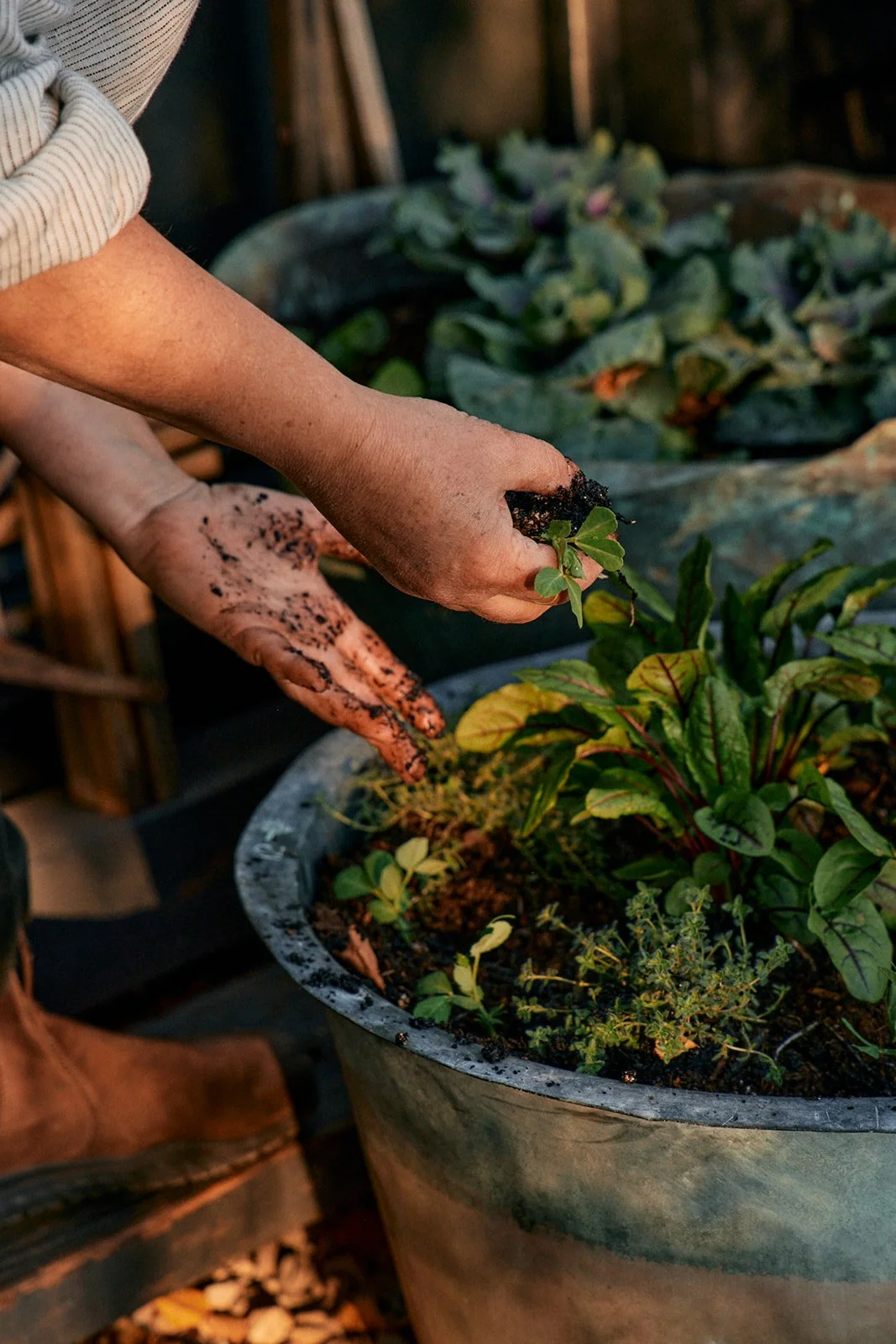
Plant trees, shrubs, climbers, and perennials while the soil still holds some warmth.
Lift and divide perennials that have outgrown their space, giving tired clumps a new lease on life.
Cut back spent berry canes and tidy deciduous shrubs.
Compost fallen leaves, layering them to feed the soil.
Sow green manure crops such as mustard or vetch, or plant broad beans in any bed you want to keep active while building the soil.
Strengthen the structure of your garden: repair trellises, replace stakes, check tree ties before the winter winds arrive.

What to sow and plant now, and tasks by climate.
Temperate
Seeds to sow now.
Edible: Lettuce, cauliflower, peas, coriander, broccoli, spring onion, onion, parsnip, pak choy, thyme, strawberries, chives, garlic, parsley, radish, rocket, shallots, spinach, mizuna, swedes and turnips.
Flowers: poppies, billy buttons, cornflower, delphinium, tansy, alyssum, cerinthe, love in the mist, hollyhock, lupin, pyrethrum.
Tasks:
Plant cool-season crops while soils are still workable.
Direct sow or plant hardy greens in succession rather than all at once, so you have a continuous harvest through the colder months.
Tidy and prepare beds for winter cropping by removing spent summer plants, adding compost and keeping the soil covered. I chop plants off at the ground, rather than pulling them out, so the roots can decompose in the soil.
Plant flowering annuals for winter and spring display such as alyssum, cornflower, delphinium, hollyhock, lupin and poppy, depending on your local frost level.
Watch moisture and airflow as the season cools. In temperate areas, May is a good time to shift from growth-at-all-costs into steadier maintenance: less frequent watering, better drainage awareness and closer observation of fungal issues.
Cool and Alpine
Seeds to sow now
Edible: Broad beans, corn salad, garlic, mustard greens, rocket, shallots, spinach, spring onions.
Flowers: alyssum, billy buttons, cerinthe, corn cockle, false Queen Anne’s lace, hollyhock, poppy, pyrethrum, tansy and tulips.
Tasks:
Use frost to your advantage by continuing with cold-loving crops and planning around frost pockets rather than fighting them. Frost sweetens brassicas and root veg. May is the right time to notice how cold settles across the garden.
Divide or tidy perennial edibles such as rhubarb while growth is slowing.
Mulch and protect soil before winter deepens, especially around garlic, leafy greens and any newly planted seedlings. In cool zones, getting beds covered before the harshest cold is more useful than leaving them exposed.
Sow or plant cold-season flowers for later colour. Tulips are also typically planted from late autumn into early winter.
Plant the hardiest edibles only now, such as beans, garlic, spring onion.
Subtropical
Seeds to sow now:
Edible: Beetroot, broad beans, broccoli, burdock, cabbage, carrot, cauliflower, celeriac, celery, chicory, chives, collard greens, coriander, dill, endive, fennel, garlic, kale, kohlrabi, lettuce, mizuna, mustard greens, onion, oregano, pak choy, parsley, peas, potatoes, radish, rocket, shallots and strawberry runners
Flowers: nasturtium, poppy, pyrethrum, salvia, Sturt’s Desert Pea, sunflower, sweet pea, tansy, viola and zinnia.
Tasks:
Plant your main cool-season crops now. May is one of the best windows for broccoli, cabbage, cauliflower, carrot, beetroot, celery, fennel, kale, lettuce, peas, garlic and shallots in subtropical gardens.
Get root crops in promptly while conditions are still mild. Carrots, beetroot, radish and onions are all suited to this period in subtropical areas.
Feed and reset beds after summer exhaustion with compost, mulch and light cultivation where needed. May is very much about slowing down, tending and re-establishing what matters most.
Plant strawberries or strawberry runners if your local conditions suit it.
Sow or plant seasonal flowers such as nasturtium, poppy, salvia, sunflower, sweet pea, viola and zinnia to carry colour and pollinator interest into the cooler months.
Tropical
Seeds to sow now:
Edible: amaranth, angelica, asparagus, asparagus pea, basil, climbing beans, bush beans, beetroot, borage, broccoli, cabbage, capsicum, carrot, cauliflower, celery, chicory, chilli, chives, choko, collards, coriander, cucumber, daikon, dill, eggplant, endive, fennel, tarragon, garlic, ginger, globe artichokes, horseradish, kale, kohlrabi, leeks, lemon balm, lettuce, luffa, marrow, mint, mizuna, mustard greens, Warrigal greens, okra, oregano, pak choy, parsley, peas, potatoes, pumpkin, radish, rocket, rockmelon, rosemary and sage
Flowers: alyssum, borage, calendula, cleome, cosmos, marigold, nasturtium, salvia, sunflower and zinnia.
Tasks:
Make the most of the broad May planting window. Tropical gardeners can still plant a wide range of crops now.
Sow in stages rather than all at once, particularly for fast crops such as beans, lettuce, Asian greens and herbs, so you do not end up with a glut all at the same time. Tropical conditions can still drive quick growth.
Keep on top of pest pressure and airflow. Warm, humid conditions can still favour mildew, caterpillars and fungal issues, so spacing, pruning and regular checks matter.
Refresh beds with compost and organic matter before planting heavy feeders such as brassicas, cucurbits and fruiting crops. Tropical gardens can keep producing hard, so soil replenishment remains important.
Add flowering support plants such as calendula, cosmos, marigold, nasturtium, sunflower and zinnia to attract beneficial insects and keep the garden lively.
Arid
Seeds to sow now:
Edible: beetroot, broad beans, broccoli, burdock, cabbage, carrot, cauliflower, celery, chicory, collard greens, dill, endive, garlic, Jerusalem artichokes, kale, kohlrabi, leeks, lemon balm, lettuce, mustard greens, onions, pak choy, parsley, parsnip, peas, radish, rocket, silverbeet, snow peas, spinach, strawberries, swedes, thyme and turnips.
Flowers: alyssum, bergamot, calendula, Canterbury bells, cerinthe, corn cockle, cornflower, delphinium, false Queen Anne’s lace, hollyhock, lupin, mignonette, poppy, pyrethrum, sweet pea, tansy and viola.
Tasks:
Use May as a key planting window for cool season food crops. In arid gardens, it is often one of the more forgiving planting times of the year.
Prioritise soil preparation before planting by adding compost and organic matter. In arid gardens, improved water-holding capacity and soil structure are essential for success.
Mulch deeply after planting to reduce evaporation and buffer temperature swings. Even as temperatures fall, moisture conservation remains one of the most important jobs.
Watch for frost as well as dryness. Arid does not mean frost-free, and May can bring sharp overnight drops, so newly planted crops may still need protection depending on your local site.
Add tough seasonal flowers suited to autumn sowing.

How I work with May.
I see May as a month of consolidation. The rush has passed, but the garden is not asleep. It is still moving, just more slowly, and that slower pace makes it easier to see what needs attention.
This is the month I start thinking more carefully about structure. I clear only what is properly finished. I feed beds that will carry winter crops. I mulch exposed soil. I check ties, arches and trellises before the weather turns rougher. And I pay close attention to how cold, moisture and shade are beginning to behave across the garden.
I am also thinking about continuity. I do not want bare gaps sitting for too long or soil left exposed through winter. This is something I talk to Matthew Evan’s, of Fat Pig Farm and author of Soil, in my book, The Productive Garden Companion.
I want the garden to keep carrying itself forward. That might mean succession sowing leafy greens, replanting a bed as soon as it opens up, or putting in something simple that protects and improves the soil while I decide what comes next.
May rewards that kind of steady, practical care.
Quick checklist.
Clear out truly spent summer crops and tidy only what is finished.
Add compost or well-rotted organic matter to any beds you plan to plant next.
Mulch exposed soil to protect structure, hold moisture and buffer temperature shifts.
Plant or sow what suits your climate now, especially cool-season edibles in temperate, cool/alpine, sub-tropical and arid regions.
Weed early while the ground is still softer and easier to work.
Check trellises, ties, arches and other supports before late-autumn and winter winds strengthen.
Watch how water moves through the garden after rain and fix any drainage issues before winter deepens.
Notice frost pockets, shade shifts and wind exposure so you can plant more intelligently.
Keep succession sowing going for leafy greens, herbs or other quick crops where your climate allows.
Pause and observe what actually worked this season before making new decisions.
Continue your gardening journey with me
If you enjoy this kind of content, my workshops offer more detail and guidance on design, productivity and seasonal care. May is also a great month to sign up to my newsletter if you do not already subscribe, where you can find out more about an exciting giveaway I am running for those who pre-order a copy of my book The Productive Garden Companion.
If you are building your garden from home right now, my ebooks onWicking Bed Gardens andIntroduction to Backyard Chicken Keeping offer practical step by step guidance that pairs well with the workshops.
You may want to check out my related content below:
The Productive Garden Companion is now available to pre-order - This is the book I’ve wanted to find my entire life.
Beauty, Tending, Belonging: Why I Keep Growing Things - Growing things is how I remember who I am.
The Medicinal Garden Workshop with Caroline Parker & Natasha Morgan — Step into the magic of nature
Stay connected for more seasonal inspiration:
Instagram | Facebook | Gardenstead | LinkedIn | Pinterest | YouTube | Website | Newsletter
Thanks so much for following along.
Natasha xx
April garden tasks for Australian climates & adding interest for winter
April brings a sense of settling to the garden.
The rush of high summer has passed. Light softens, mornings cool, and the garden begins to shift from heat and speed into a more measured autumn rhythm. This is the month to tidy with restraint, prepare beds carefully, and make the most of the soil warmth that still lingers.
In many parts of Australia, April is one of the best planting windows of the year. The pressure is off. Moisture begins to hold a little longer. New sowings establish more steadily. It is also a good time to pay close attention to what the garden has taught you over summer. Which crops performed well? Which beds struggled in heat or wind? Where did water move, sit or disappear too quickly?
I always think of April as a month for resetting. Not by stripping everything back, but by observing first, then acting with a bit more clarity.

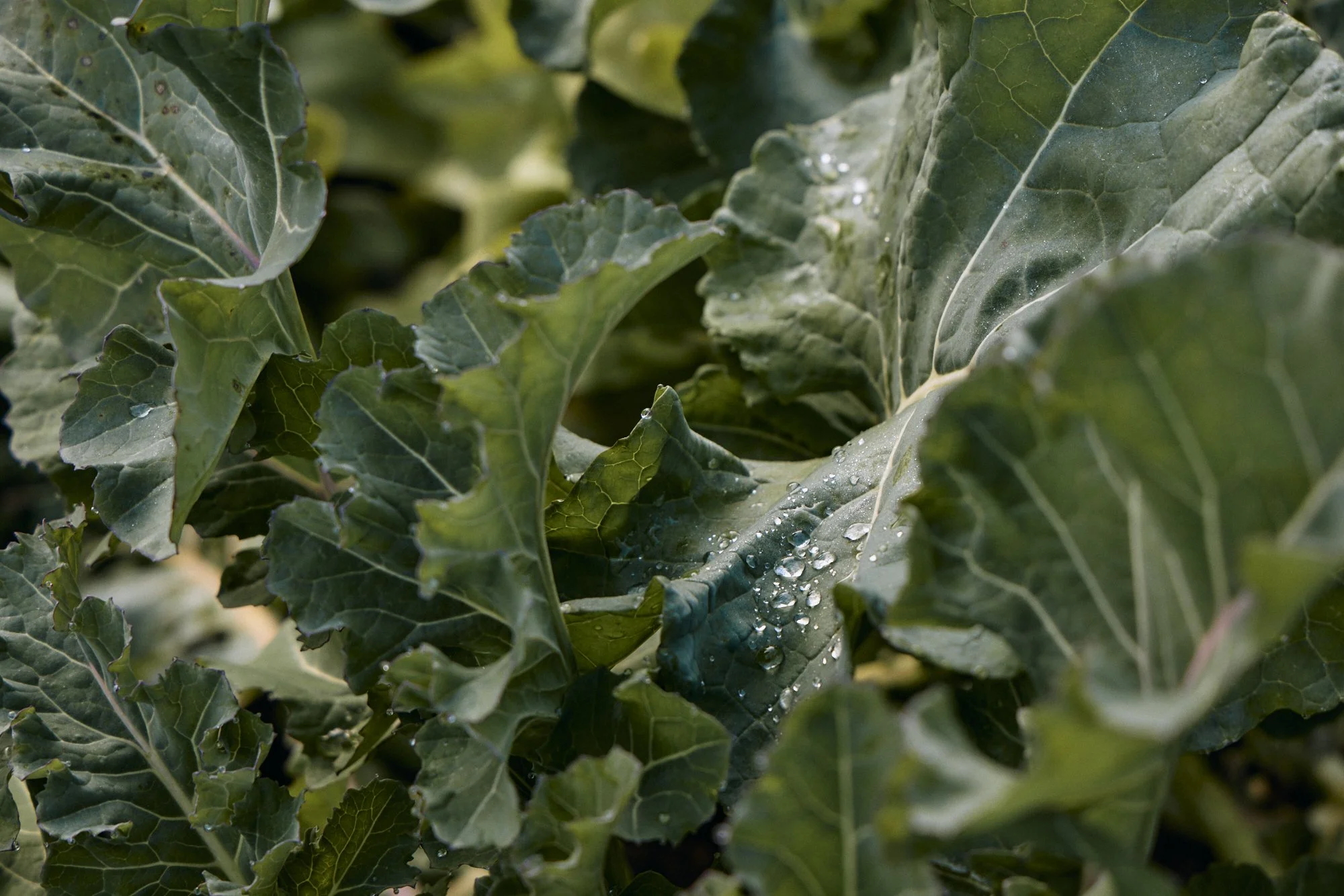
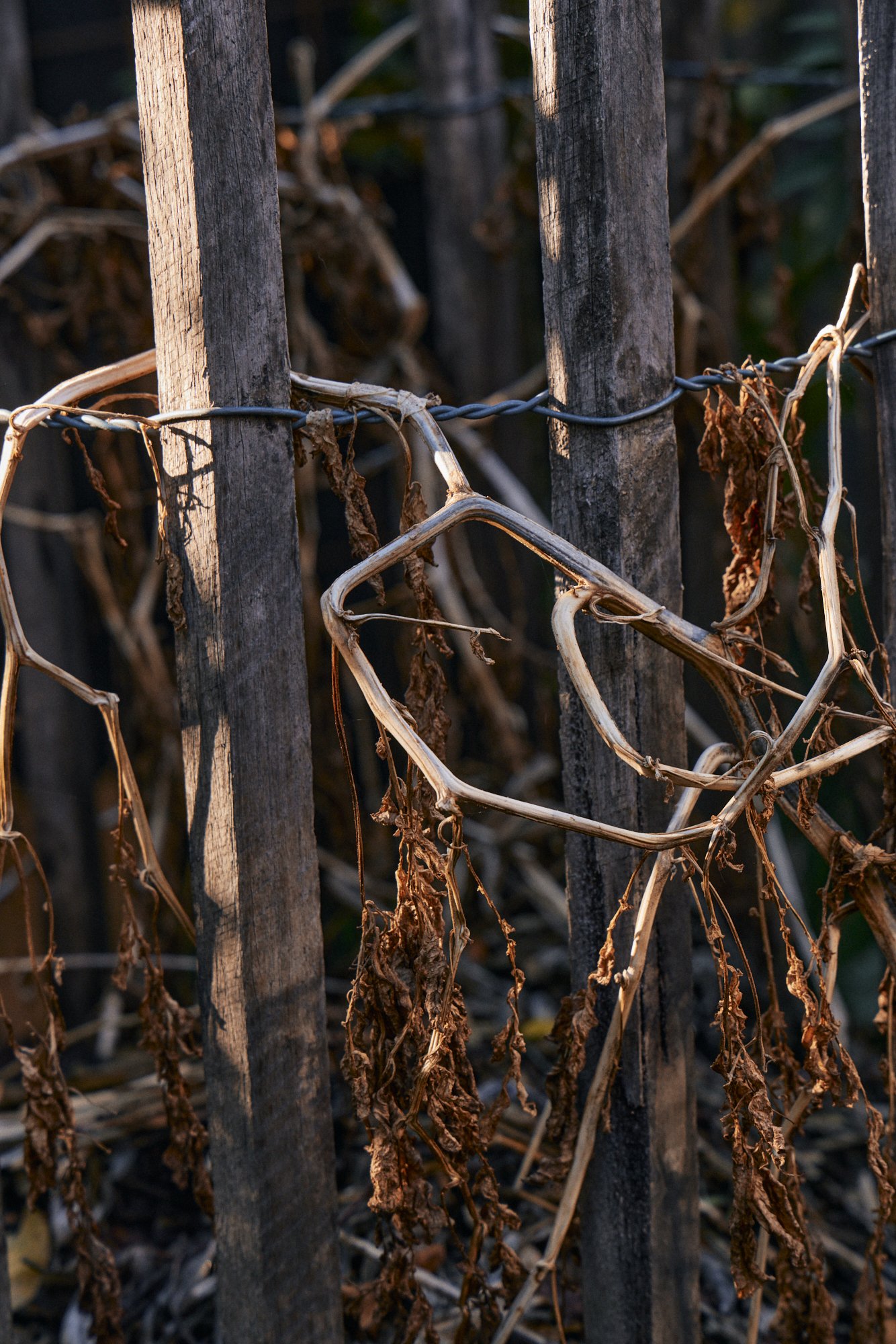
Shared tasks for all climates
These are the April tasks I keep as my base checklist:
Clear out spent summer crops, but only where they are truly finished.
Top-dress productive beds with compost or well-rotted manure.
Refresh mulch to around 5 to 7 cm (2 to 3 inches), keeping it clear of stems and trunks.
Sow in succession rather than all at once, especially for leafy greens and quick crops.
Save seed from healthy, productive plants.
Weed early while the ground is softer and before winter growth slows things down.
Check supports, trellises and ties before autumn winds strengthen.
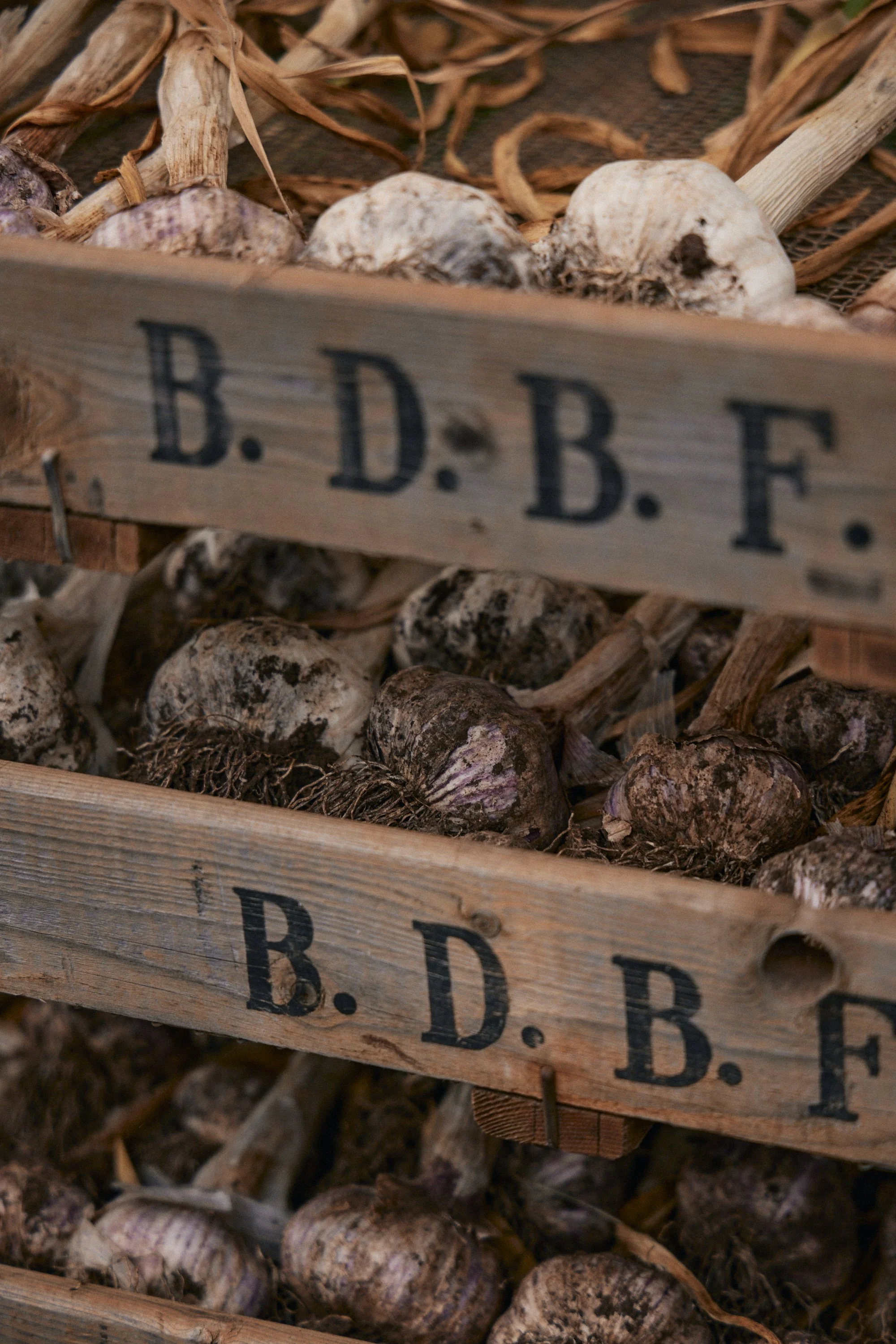
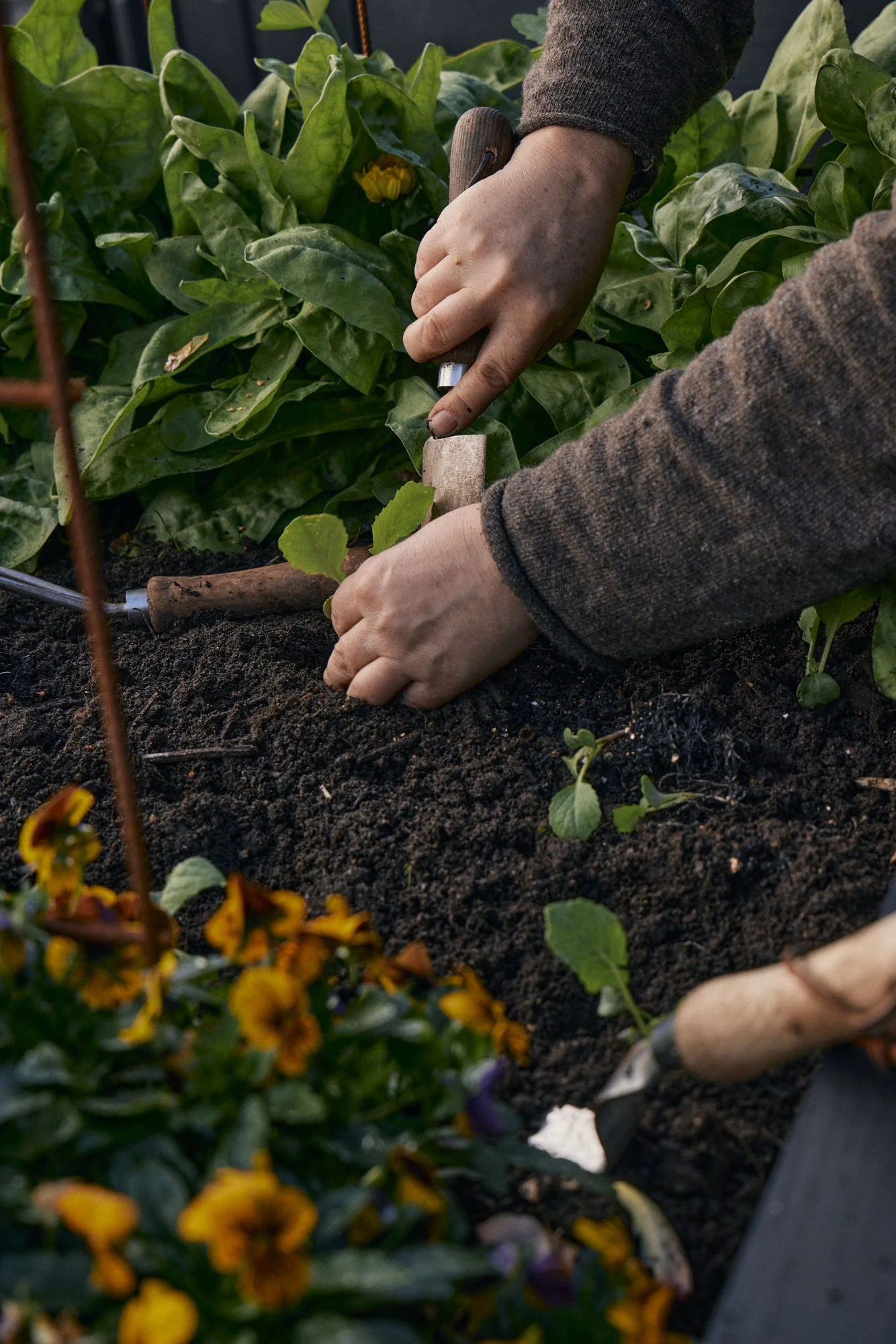
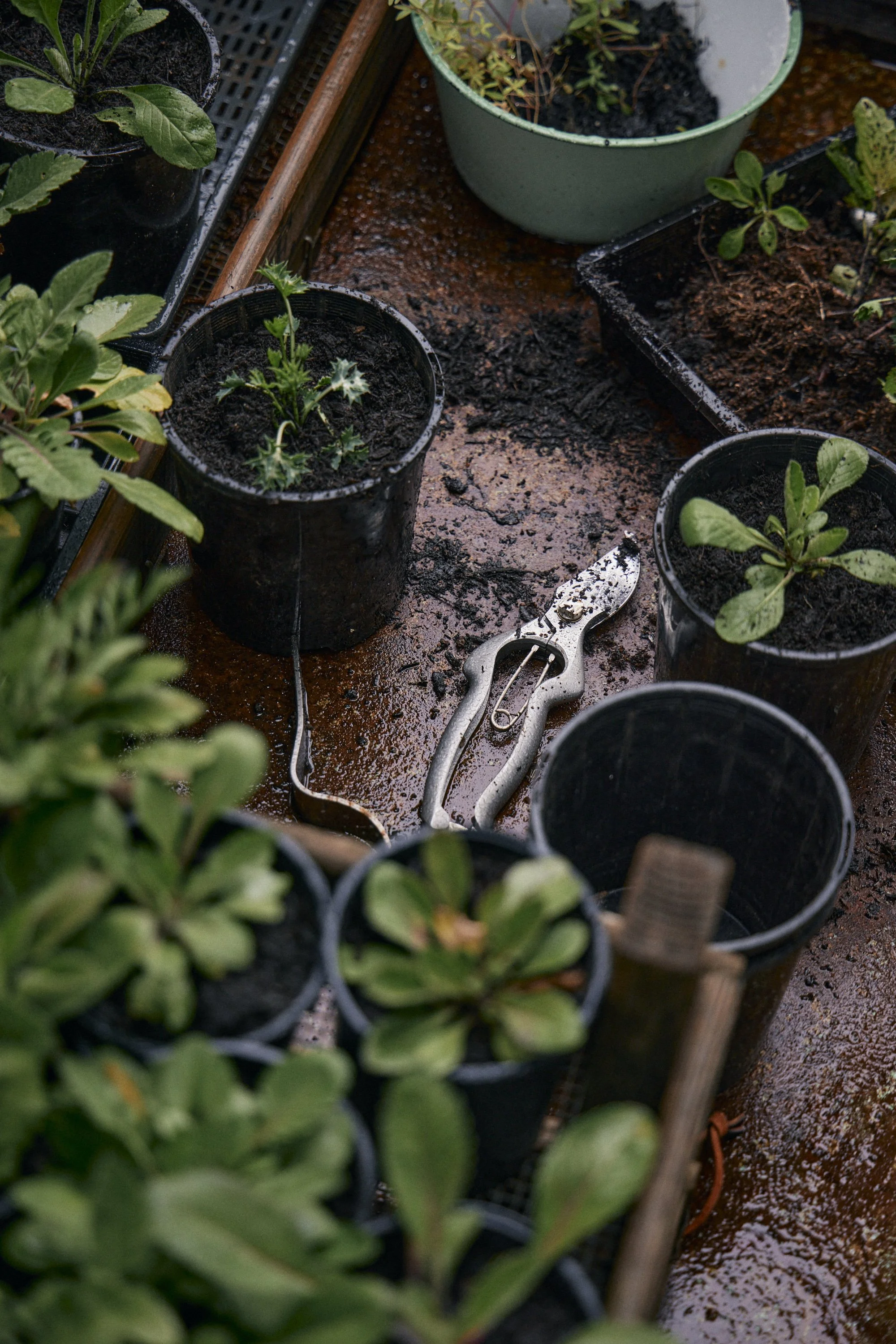
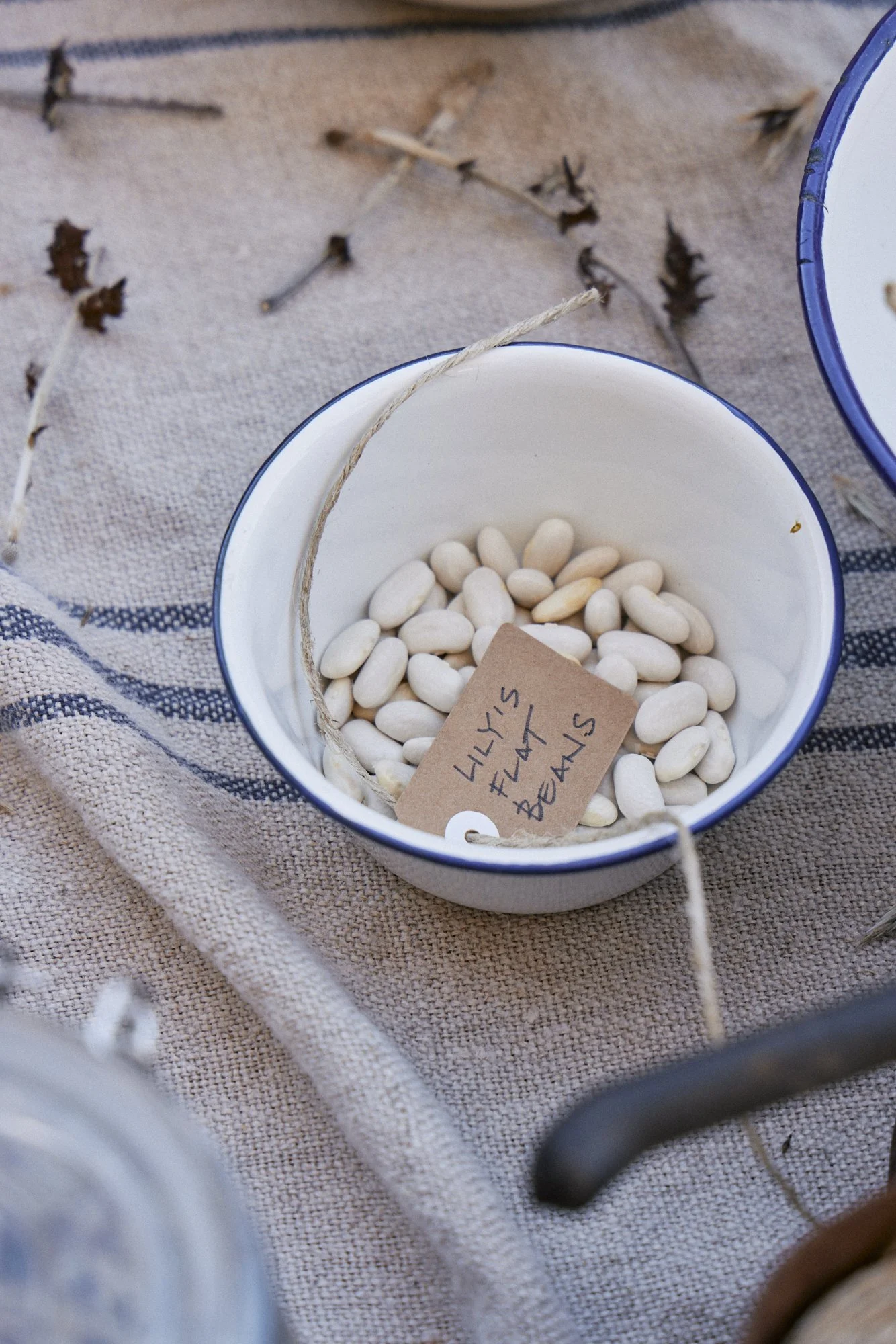
Seeds and seedlings by climate
Here are the April highlights by climate.
Temperate
This is one of the most generous planting windows of the year. Soil still holds warmth, but the fierceness has gone out of the season.
Try: broccoli, cabbage, cauliflower, kale, beetroot, carrots, radish, silverbeet, lettuce, rocket, spinach, peas, broad beans, spring onions, leeks, parsley, coriander and dill.
This is also a good time to:
feed and mulch fruit trees
plant strawberries in cooler temperate districts
keep harvesting lingering tomatoes, basil and late zucchini while nights remain mild
sow little and often so the garden stays productive rather than peaking all at once
Cool and alpine
April is a serious month in cool gardens. Growth slows, frosts begin to return in some districts, and timing matters.
Try sowing or planting: broad beans, peas, beetroot, carrots, broccoli, Brussels sprouts, cabbage, kale, lettuce, silverbeet, spinach, spring onions, leeks and garlic.
This is also a good time to:
tidy out the last of the summer crops
sow a green manure crop in any bed you will rest over winter
prune back herbaceous perennials as flowering finishes
protect young seedlings from sudden cold snaps
choose fast-maturing varieties where the growing window is short
Subtropical
April often brings a welcome easing. There is still warmth in the soil, but conditions are usually more workable and less relentless.
Try sowing or planting: lettuce, Asian greens, silverbeet, beetroot, carrots, radish, spring onions, coriander, parsley, broccoli, cabbage, cauliflower, kale, leeks, celery, ginger and turmeric in suitable districts.
This is also a good time to:
turn compost heaps and accelerate them with nitrogen-rich inputs
lift, divide and replant rhizomatous crops such as ginger, turmeric and horseradish
weed thoroughly, then mulch before winter weeds take hold
give citrus its final feed before spring growth
store chill-requiring bulbs in the crisper if your winters are mild
Tropical
April is a transition month between the wet season and the dry in many tropical areas. The work now is about harvesting what is finishing, reducing weed pressure, and preparing beds properly for the next round of sowing.
Try sowing or planting: beans, beetroot, cabbage, capsicum, carrot, cauliflower, celery, coriander, cucumber, eggplant, kale, basil, corn and chilli.
This is also a good time to:
harvest the last of the wet-season crops
weed regularly and mulch heavily
prepare beds with compost and well-rotted manure
apply trace elements to help renew the soil ahead of the dry season
keep a close watch on snails, slugs, aphids and citrus leafminer
Arid
In arid regions, April is a valuable reset point. Days can still be warm, but this is the moment to capture the gentler conditions before winter slows everything too sharply.
Try sowing or planting: broccoli, cabbage, cauliflower, kale, beetroot, carrots, radish, turnip, swede, lettuce, silverbeet, spring onions, beans and herbs such as coriander and parsley.
This is also a good time to:
harvest pumpkins and the last melons
prune and feed citrus and other evergreen fruit trees
top up mulch to suppress weeds and reduce moisture loss
protect brassicas early from caterpillars
keep watering deeply but less often, rather than little and often
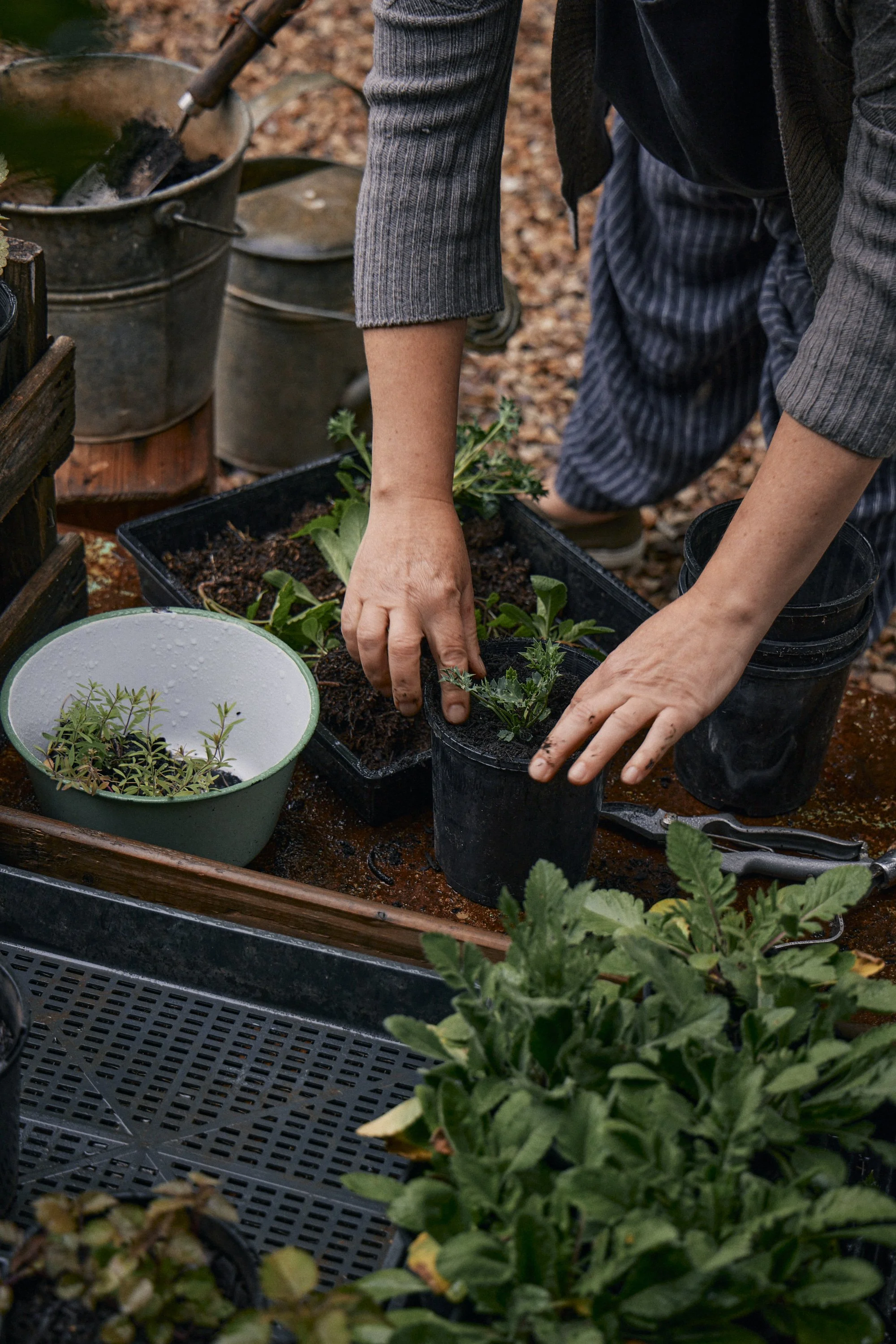
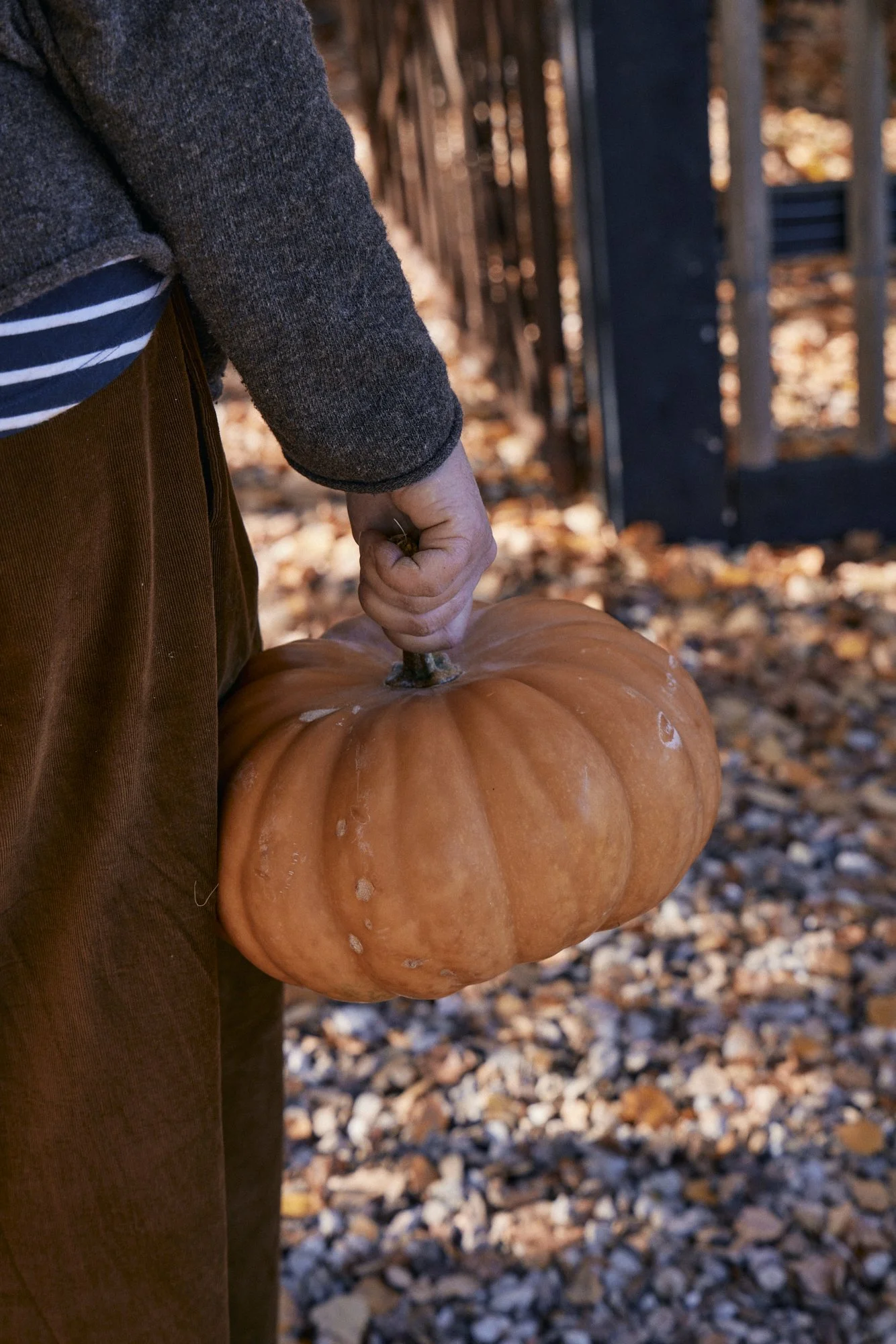
Plants to think about in April for winter colour and interest
April is a beautiful moment to plant shrubs, bulbs and perennials that will carry the garden visually through winter.
Winter gardens often rely on three subtle elements:
• Fragrance that carries through cold air
• Flowers appearing on bare branches
• Plants with beautiful stems, bark or evergreen form
These quieter moments are what give winter gardens their depth. Plants like winter sweet, daphne, hellebores and witch hazel are not loud performers, but they hold the garden beautifully through the coldest months.
One of my favourite winter flowering shrubs is Chimonanthus praecox, winter sweet. It is a quiet plant for much of the year, but in the depths of winter it suddenly comes into its own. Small waxy flowers appear along the bare branches, releasing a warm, spicy fragrance that carries through the cold air. Often you smell it before you see it. In a cool climate garden it is one of those plants that quietly holds the garden through winter and reminds you that the seasons are already beginning to shift.
Cool climate gardens
These gardens benefit from plants that bring fragrance, early flowers, bark and structure through winter.
Fragrant winter shrubs
• Chimonanthus praecox, winter sweet
• Daphne odora, incredibly fragrant late winter flowers
Winter flowering perennials and bulbs
• Hellebores, often flowering through the coldest months
• Snowdrops, Galanthus, delicate white winter flowers
• Cyclamen coum, jewel like ground layer colour
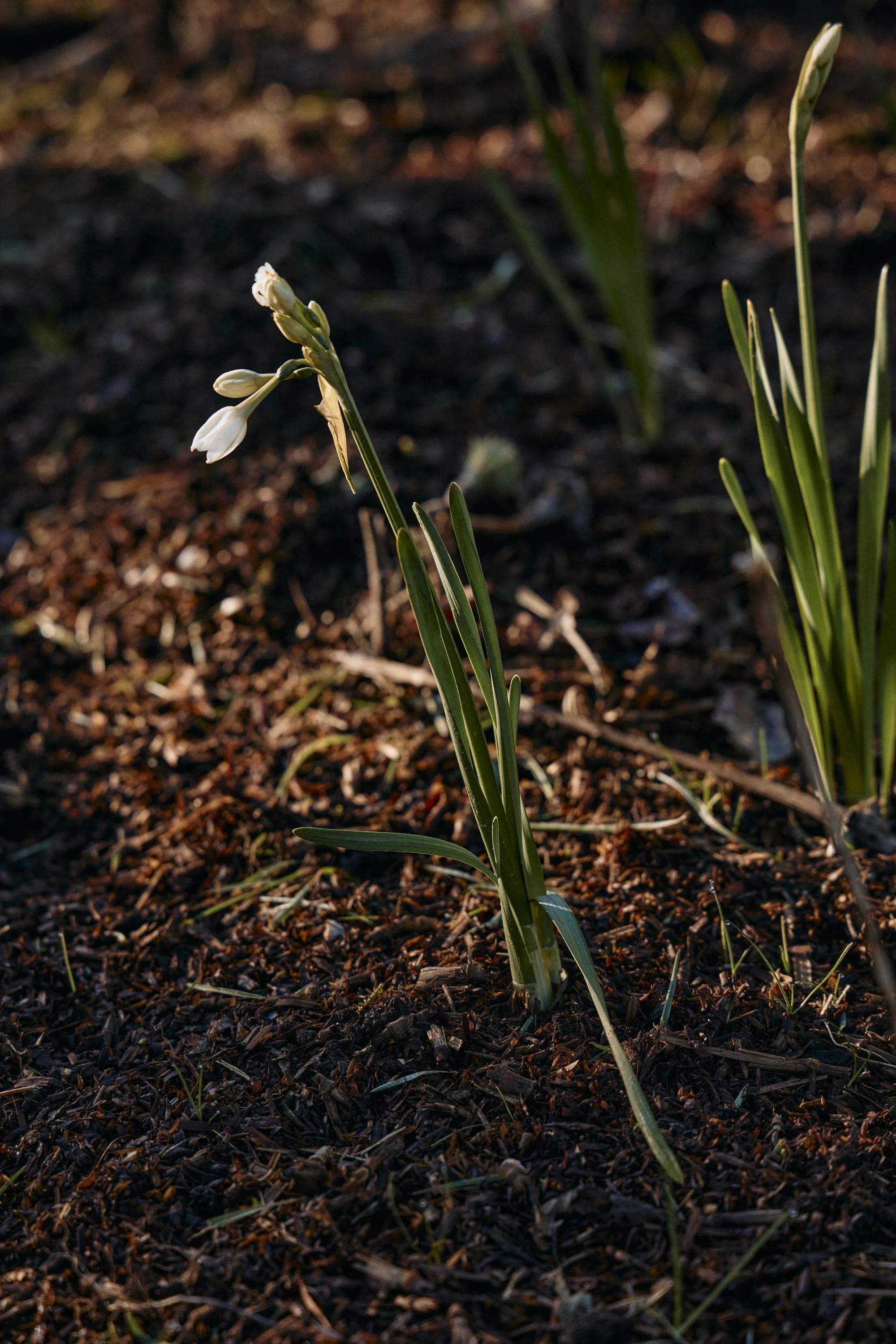
• Early narcissus, bringing brightness to the late winter garden
Plants that provide structure or seasonal beauty
• Hamamelis, witch hazel, sculptural winter flowers
• Cornus, dogwoods, colourful winter stems
• Sarcococca, sweet box, subtle fragrance in deep winter
Temperate climates
Milder winters allow a mix of evergreen structure and seasonal flowers.
Winter flowering shrubs
• Camellia sasanqua, early winter colour
• Camellia japonica, mid to late winter flowers
• Correa, wonderful winter nectar for birds
• Grevillea, many varieties flower through winter
Perennials and bulbs for colour
• Hellebores
• Pansies and violas
• Freesia and anemone
• Ranunculus
Warmer climates
Northern NSW, Queensland, subtropical regions
Winter is gentler, so colour and structure come from different plants.
Winter flowering plants
• Aloe species, dramatic winter flowers
• Salvias, many varieties flower through winter
• Plectranthus, soft purple winter blooms
• Hibiscus, providing colour through mild winters
How I work with April
I see April as a month of adjustment. Not retreat, and not quite rest either. More a recalibration.
It is the time I start reading the garden differently. The angle of light changes. The air sits differently in the morning. Growth is no longer racing, which means there is a chance to intervene with a bit more intelligence. Beds can be improved. Crop choices can become more strategic. Mistakes made in summer can be noticed and resolved before winter really settles in.
This is also when I am thinking about continuity. I do not want a productive garden to operate in feast and famine. I want something always moving forward. A tray of seedlings under cover. A gap replanted before it becomes empty for too long. Compost maturing in the background. Mulch protecting what is already in place.
April rewards that kind of steady thinking.
Quick checklist
Clear tired summer crops.
Top-dress beds with compost.
Refresh mulch.
Sow leafy greens and roots in succession.
Plant brassicas suited to your climate.
Watch for early frost in cooler districts.
Weed, edge and tidy lightly.
Take note of what summer taught you.
Continue your gardening journey with me
If you enjoy this kind of content, my workshops offer more detail and guidance on design, productivity and seasonal care. April is also the month to sign up to my newsletter if you do not already subscribe. To celebrate my birthday each week of April I will be sharing via the newsletter free resources to help you in your garden journey.
If you are building your garden from home right now, my ebooks on Wicking Bed Gardens and Introduction to Backyard Chicken Keeping offer practical step by step guidance that pairs well with the workshops.
You may want to check out my related content below:
When the world feels uncertain, grow one thing – are you thinking what I am thinking?
Romanesco: fractal beauty from the brassica bed – I harvested the first Romanesco heads this week and had to stop and stare.
The Medicinal Garden Workshop with Caroline Parker & Natasha Morgan — Step into the magic of nature
Stay connected for more seasonal inspiration:
Instagram | Facebook | Gardenstead | LinkedIn | Pinterest | YouTube | Website | Newsletter
Thanks so much for following along.
Natasha xx
October garden tasks for Australian climates
October brings a sense of momentum in the garden.
Soil is warming, days are stretching, and spring growth is accelerating. This is the month to keep sowing steadily, build structure, and prepare for the abundant months ahead.


Shared tasks for all climates
These are the October jobs I keep as my base checklist:
Mulch to lock in moisture and protect warming soil.
Feed fruit trees and top-dress beds with compost.
Plant out spring annuals, evergreens, and citrus while soil is still soft.
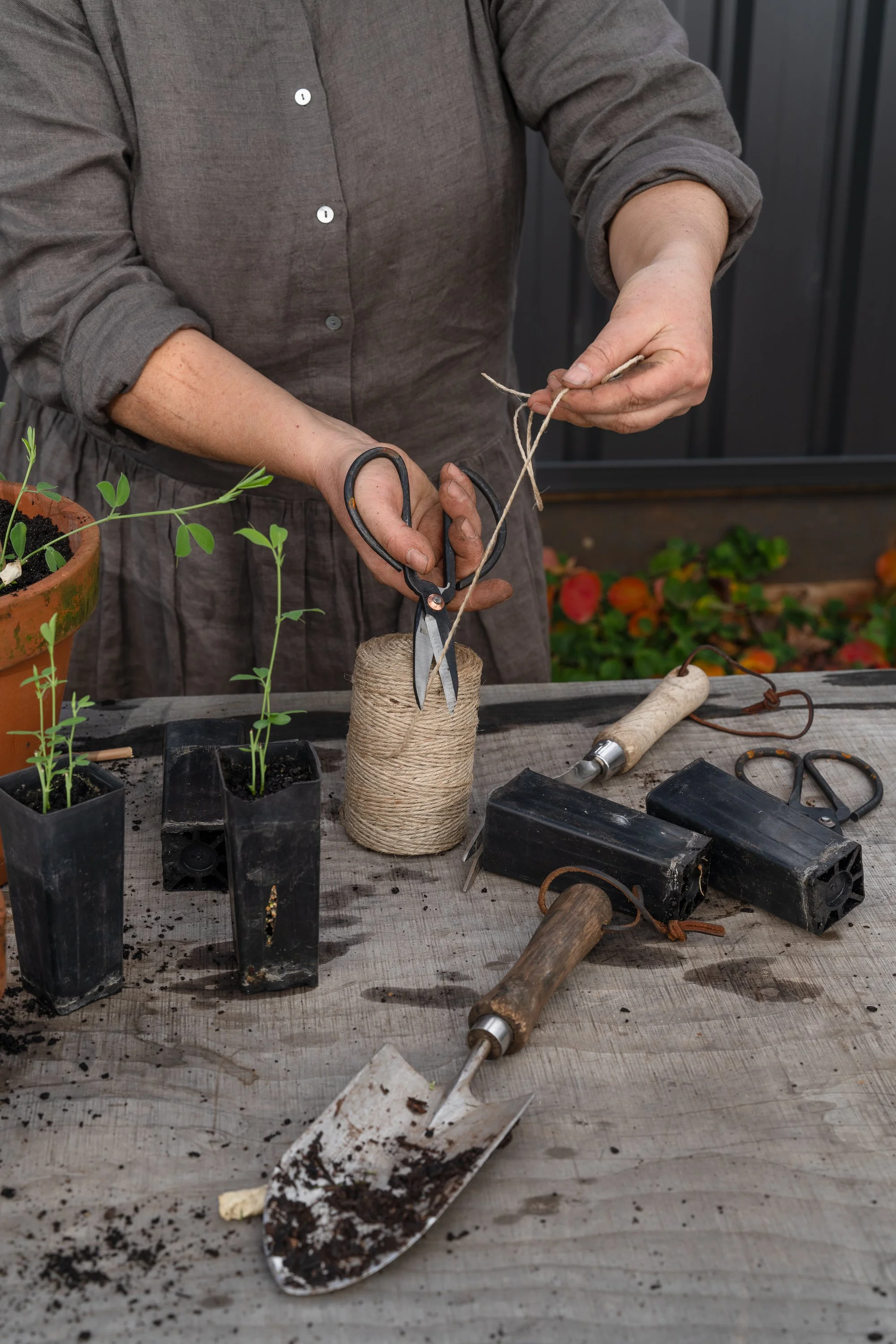
Tie up climbing crops and trellis where needed.
Pinch tips on herbs such as basil to encourage bushier growth.
Keep sowing in succession for a continuous harvest.
Watch for pests and act early with gentle, natural control.
Water deeply and less often to encourage strong root systems.


Seeds and seedlings by climate
Here are the October highlights by climate.
Temperate
Warm season crops take off now.
Try: tomatoes, basil, beans, cucumber, zucchini, pumpkin, corn, melons, capsicum, eggplant, lettuce, rocket, silverbeet. Harden off seedlings and plant out once frost risk has passed.
Cool and alpine
Frosts may still linger in higher areas, so stay watchful.
Try: beetroot, cabbage, cauliflower, kale, peas, silverbeet, spring onions, radish. Start warmth lovers like tomatoes, basil, zucchini, and corn in trays and transplant once conditions settle.
Subtropical
Conditions are reliably warm, with storms possible along the coast.
Try: beans, cucumber, capsicum, eggplant, pumpkin, corn, okra, melons, sweet potato, taro, basil, coriander, dill. Plant passionfruit and keep mulching heavily.
Tropical
The build-up towards the wet season begins, with increasing humidity.
Try: snake beans, cowpeas, okra, zucchini, sweet corn, sweet potato, taro, basil, coriander. Shade cloth or afternoon protection helps tender crops.
Arid
Heat is climbing quickly, so protect soil and conserve water.
Try: tomatoes, capsicum, eggplant, zucchini, pumpkin, melons, okra, corn, basil, oregano. Plant in cool parts of the day and mulch deeply.


How I work with October
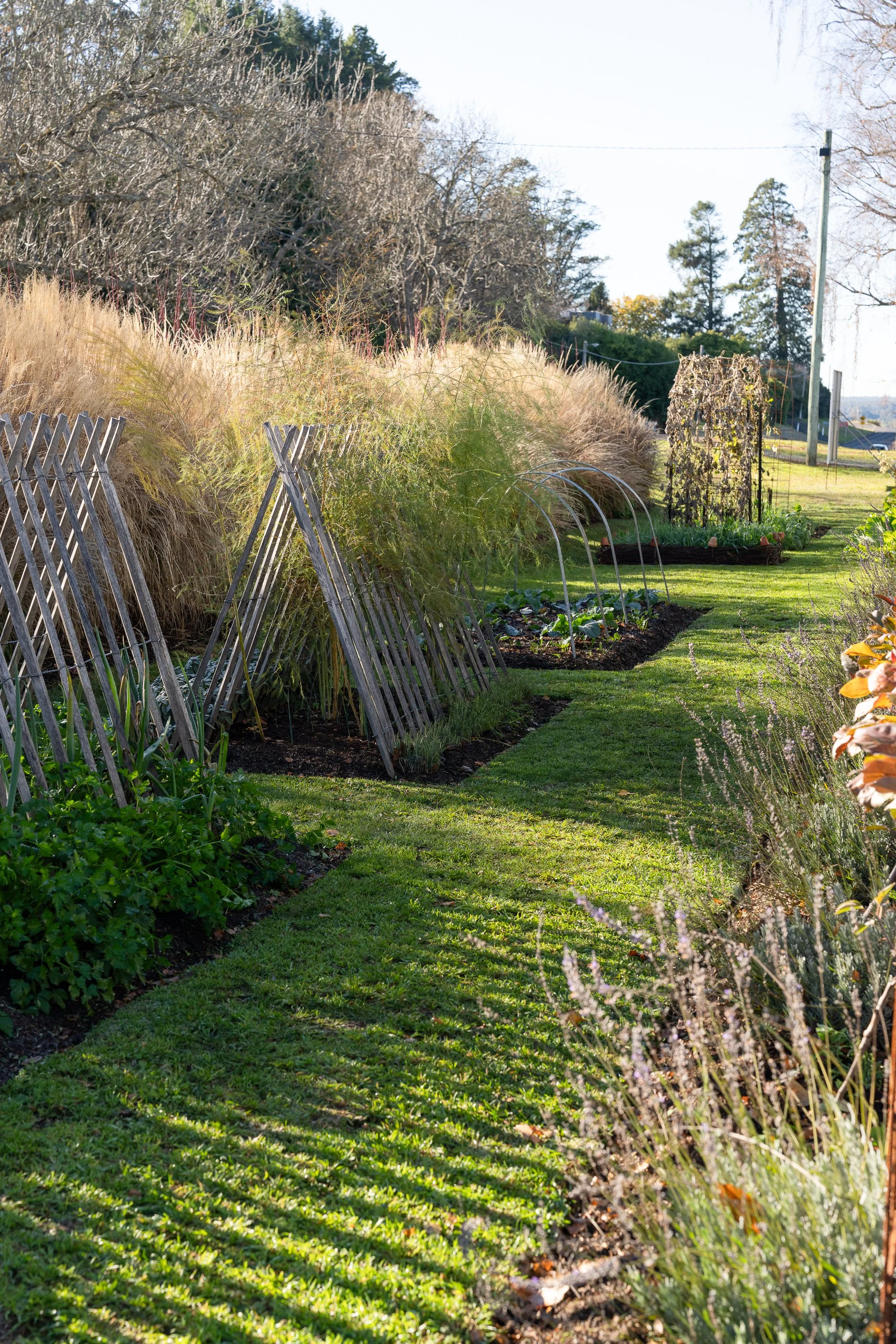
I see October as the turning point of spring — the garden shifts from tentative beginnings to full momentum. I keep sowing little and often, making sure I’m not overwhelmed all at once. I also start building in structure now: staking tomatoes, weaving in trellises, and tying up climbers before they surge. It’s about keeping ahead of growth so that abundance feels generous rather than unruly.
Quick checklist
Mulch and feed fruit trees.
Succession sow warm-season crops.
Tie in climbing beans, peas, and cucumbers.
Pinch herbs like basil.
Protect tender crops in frost or harsh sun zones.
Water deeply and mulch to conserve soil moisture.
Continue your gardening journey with me
If you enjoy this kind of content, my workshops offer more detail and guidance on design, productivity and seasonal care.
If you are building your garden from home right now, my ebooks on Wicking Bed Gardens and Introduction to Backyard Chicken Keeping offer practical step by step guidance that pairs well with the workshops.
You may want to check out my related content below:
Workshops are back. Gathering again for Spring – Discover the rest of the years workshops — from Garden Design, Productive Gardens, Wicking Beds and Medicinal Gardens.
Rooted in Reflection, Growing with Intention – Explore the intentionality behind creating a garden that serves both purpose and beauty.
September garden tasks for Australian climates — Explore last months quick tips and my must dos.
Stay connected for more seasonal inspiration:
Instagram | Facebook | Gardenstead | LinkedIn | Pinterest | YouTube | Website | Newsletter
Thanks so much for following along.
Natasha xx
The Medicinal Garden Workshop with Caroline Parker & Natasha Morgan
Step into the magic of nature
With Caroline Parker of The Cottage Herbalist and Natasha Morgan at the idyllic Little Cottage On A Hill. Together, they will guide you on a journey through the healing power of plants bringing them into your everyday life from your own garden that nurtures the body, mind, and soul. Whether you’re new to medicinal plants and their uses, a seasoned gardener or just starting, this workshop will provide valuable insights and hands-on experience to help you cultivate the use of healing plants in your gardens and everyday life.
Date: Sunday 2 November 2025
Time: 10 am - 1 pm
Location: Natasha’s Studio & Garden, Little Cottage On A Hill, Daylesford, VIC
Buy your ticket via the shop.
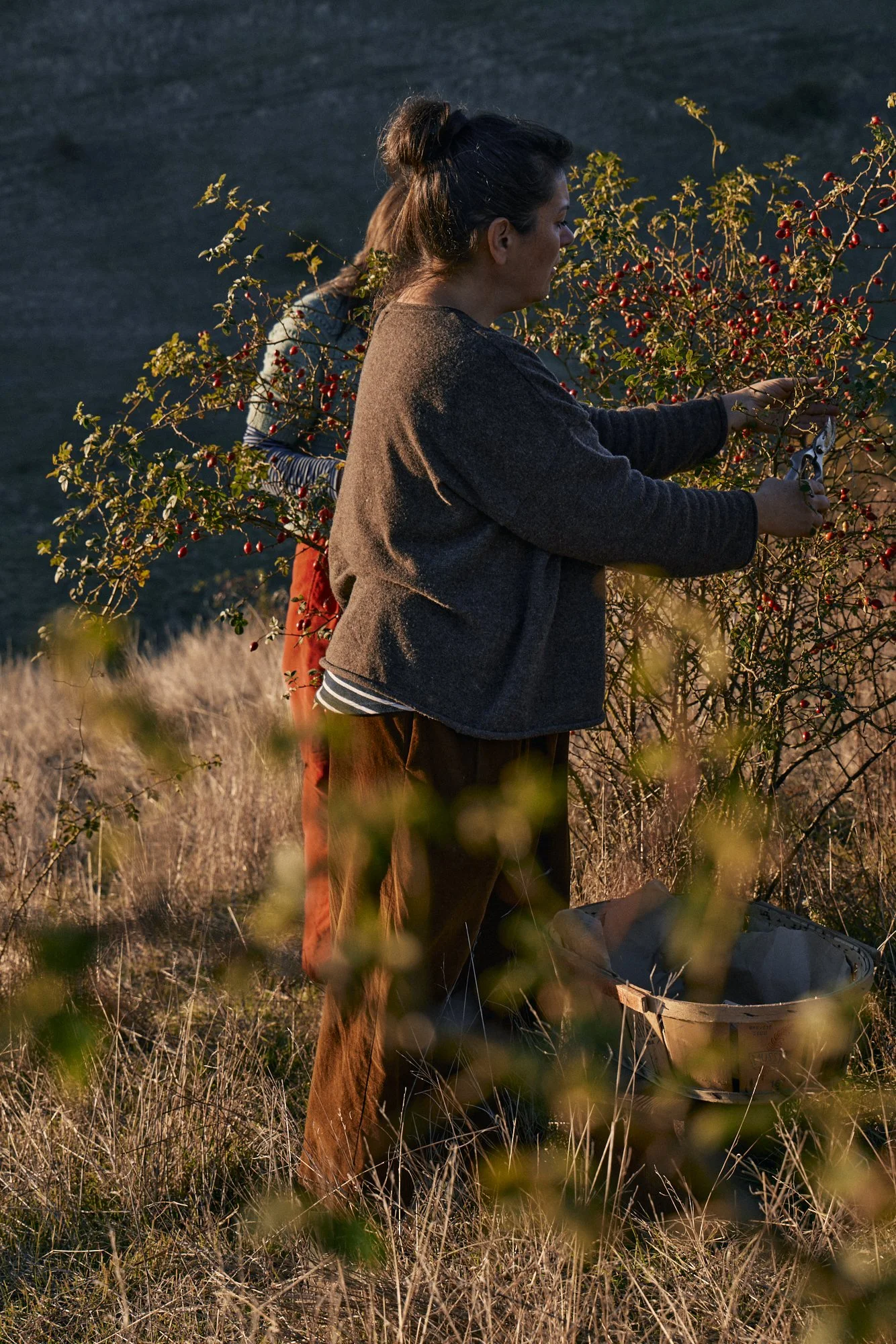

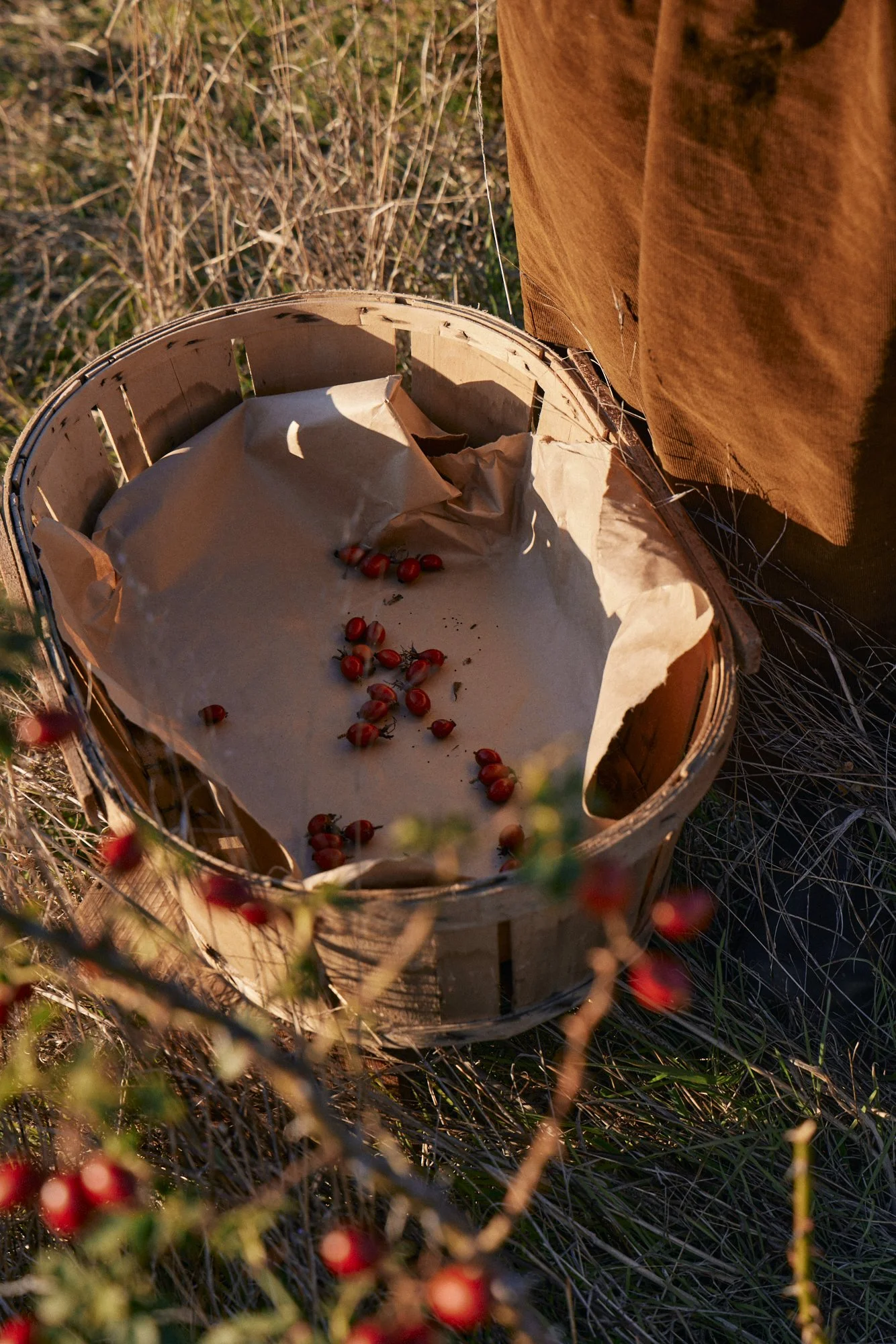

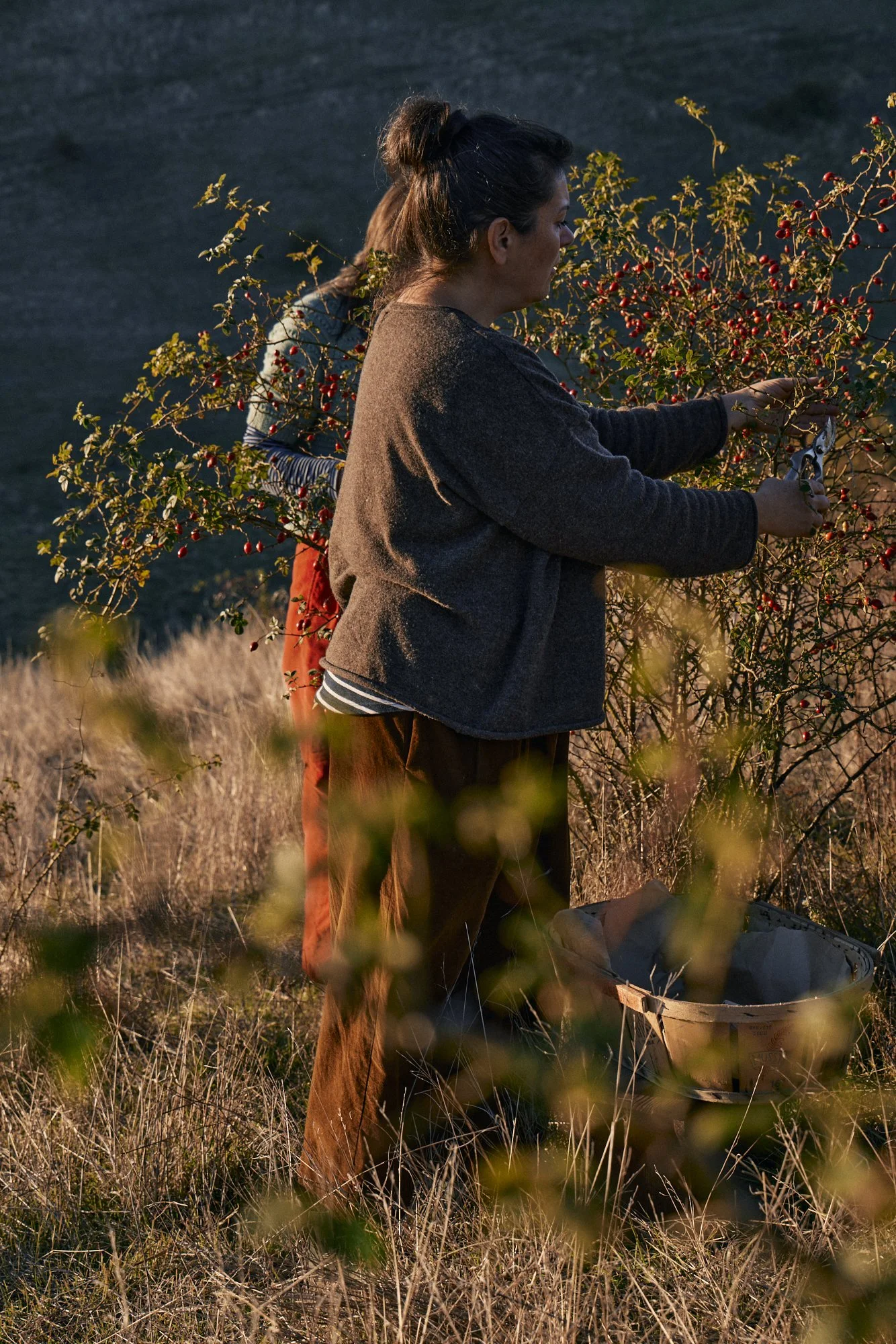
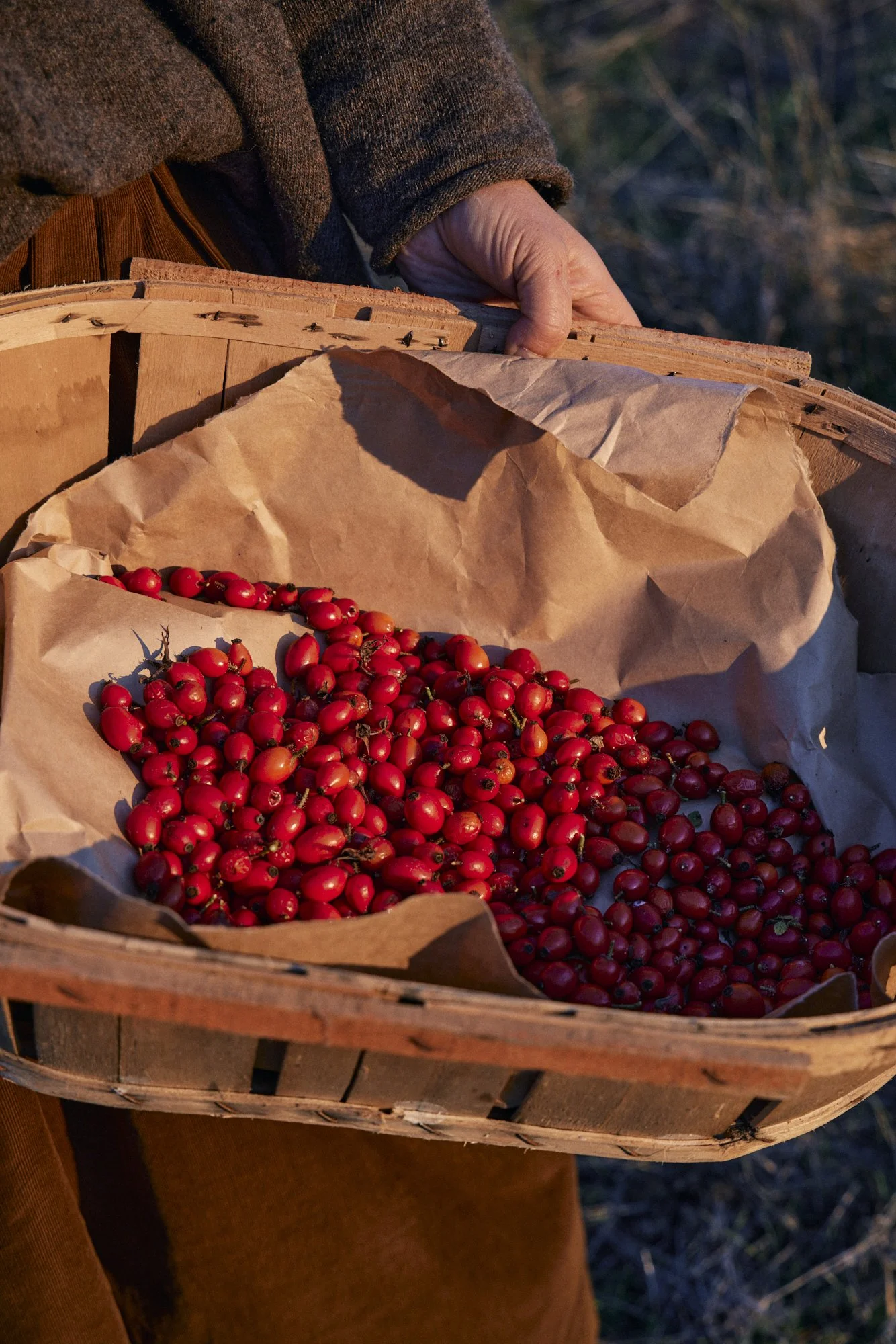
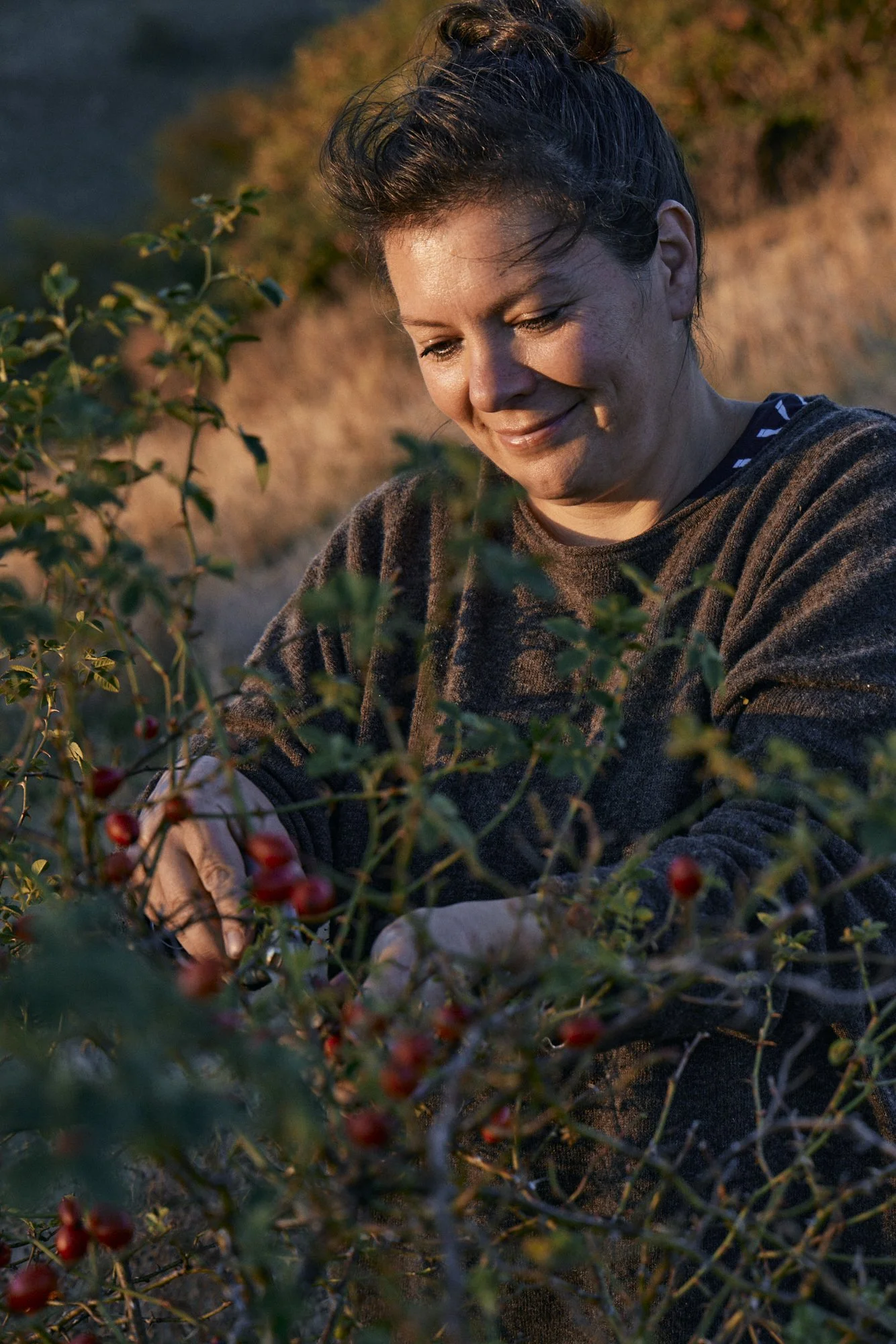
From edible treats to therapeutic remedies, unearth the healing potential of plants, both wild and cultivated. Come for a day of healing botanical goodness, learning to make healing treats for the body, mind and soul. Delve into the medicinal benefits of botanicals by creating your own hand-made delights and celebrate the release of Caroline’s book, ‘The Medicinal Garden’.
Enjoy a day of sumptuous experiences in a gorgeous space with lovely people. Natasha and Caroline will share discussions on how to bring plants and their incredible healing properties into your everyday life in the simplest yet most precious ways.


About the Workshop:
Join Caroline Parker (aka @thecottageherbalist), and Natasha Morgan for a unique hands-on workshop in the idyllic setting of Little Cottage On A Hill, Daylesford. Dive deep into the world of botanical healing as Caroline shares her expertise in creating natural, healing remedies.
Caroline is a degree-qualified herbalist, author, farmer, forager and facilitator. She is obsessed with cups of tea, getting her hands dirty, growing beautiful herbs and flowers, and foraging for wild weeds and herbs. Caroline’s small home-based studio, in the cool and misty Wombat Forest, is where you'll find her blending up award-winning teas and tisanes.
What You’ll Learn and Create:
• An immunity-boosting botanical syrup
• A magical medicinal balm for gardeners and so much more!
• A weedy pesto/salsa from foraged botanicals that will transform any meal
Participants will receive beautiful botanicals to use on the day, as well as recipes to follow and take home, ensuring you can continue creating medicinal magic long after the workshop. Be welcomed in Natasha’s idyllic garden world to pick from and enjoy during a guided tour. Of course, there will also be pots of Caroline’s award-winning hand-blended tea and a sumptuous long table morning tea of freshly baked botanically infused healing treats (sweet and savoury), beautiful company and conversation!
Tickets are extremely limited, so grab some friends, your camera or phone to take pics, and come to Daylesford for the day—just do it quickly! You don’t want to miss out.
Note: Caroline will have her latest book ‘The Medicinal Garden’ available for purchase and signing on the day.



Continue your gardening journey with me
See what other workshops I offer, you’ll find everything from guidance of design, productivity and seasonal care.
If you are building your garden from home right now, my ebooks on Wicking Bed Gardens and Introduction to Backyard Chicken Keeping offer practical step by step guidance that pairs well with the workshops.
You may want to check out my related content below:
Workshops are back. Gathering again for Spring – Discover the rest of the years workshops — from Garden Design, Productive Gardens, Wicking Beds and Medicinal Gardens.
Rooted in Reflection, Growing with Intention – Explore the intentionality behind creating a garden that serves both purpose and beauty.
Stay connected for more seasonal inspiration:
Instagram | Facebook | Gardenstead | LinkedIn | Pinterest | YouTube | Website | Newsletter
Thanks so much for following along.
Natasha xx
Join Gardenstead for a world first Spring meet up at Stonewalls in Musk
Save the date: Sunday 9 November 2025, 11am
I have been waiting to share this.
We are hosting the first ever Gardenstead spring meet up anywhere in the world. It will be held at Stonewalls in Musk, a place that brings art, landscape and hospitality together in a way that feels both considered and generous.
This gathering is for Gardenstead members only. If you are not yet part of the community, you can join Gardenstead today and come along. I would love to welcome you to our very first global Gardenstead event.


What is Gardenstead
Gardenstead is a new social platform for gardeners. It is a digital home where growers of every level connect, learn and share practical knowledge. It brings together conversations, seasonal tips and community features so that gardeners can grow together, online and in real life.
My role and how I arrived here
I have joined the Gardenstead team as Community Manager. After many years teaching, designing and building community through workshops and events, the chance to help shape a platform designed for gardeners felt natural. My focus is to make sure the experience is generous, practical and real. This meet up is our first invitation to bring that online energy into the physical world.
About Stonewalls in Musk
Stonewalls sits on 25 acres of gardens and mature forest just outside Daylesford. It is the principal studio and gallery of acclaimed Australian artist Andrew O’Brien. The property includes a gallery, a working studio, with boutique accommodation on site. Stonewalls is ordinarily open by appointment only, which makes this gathering a rare opportunity to experience the gardens together.
Andrew is known for luminous colour, large scale works and a practice that draws deeply from the Australian landscape. In fact they even grace the walls of the Danish Royal Family. He and his wife, Georgie Corke, have shaped Stonewalls as a place where art and landscape meet in daily life. We are so grateful to Andrew and Georgie for opening their property to us.


Why this meet up matters
Gardenstead was built to connect people who grow. This gathering is a simple way to stand in the same place, walk a garden together and share what we are learning as the season turns. It is about generosity, sharing seeds and stories, and the quiet momentum that comes when a community meets in person.
Members only save your place
🗓 When: Sunday 9 November 2025, 11am
Numbers are limited and strictly for Gardenstead members only.
Tickets are $10 AUD to cover catering.
👉 Save your place here
👉 Download the Gardenstead app to join the community
Once you have booked you will receive full location details and a simple run sheet. Please bring a warm layer, and any seeds or plants you would like to swap.
I cannot wait to welcome you.

Continue your gardening journey with me
If you enjoy this kind of community gathering, my workshops offer more detail and guidance on design, productivity and seasonal care.
If you are building your garden from home right now, my ebooks on Wicking Bed Gardens and Introduction to Backyard Chicken Keeping offer practical step by step guidance that pairs well with the workshops.
You may want to check out my related content below:
The Power of Noticing: How a Garden Wander Led Me to Morels – Explore the quiet magic of noticing the small wonders that grow in your garden.
Rooted in Reflection, Growing with Intention – Explore the intentionality behind creating a garden that serves both purpose and beauty.
Workshops are back. Gathering again for Spring – Discover the rest of the years workshops — from Garden Design, Productive Gardens, Wicking Beds and Medicinal Gardens.
Stay connected for more seasonal inspiration:
Instagram | Facebook | Gardenstead | LinkedIn | Pinterest | YouTube | Website | Newsletter
Thanks so much for following along.
Natasha xx

The Healing Power of Gardening: Why It’s Good for You
When I step into the garden, I’m reminded of why I’ve dedicated so much of my life to cultivating these beautiful spaces. For me, a garden is far more than just a patch of earth; it’s a sanctuary, a place of healing, and a connection to the rhythms of nature. As someone who is most at peace and ease in gardens, I know first hand the profound impact they have on our physical and mental well-being.


Fit, Strong, and Happy
Gardening isn’t just about growing plants; it’s also about nurturing ourselves. Every time I pick up a spade, bend down to plant a seed, or carry a watering can, I’m engaging in a full-body workout without even realising it. Gardening keeps me fit, strong, and agile. It engages muscles, improves flexibility, and builds strength. Studies have shown that those who garden are more physically active than those who don’t. Even spending a little extra time in the garden each day can bring the same health benefits as a session at the gym, without the need for weights or treadmills.


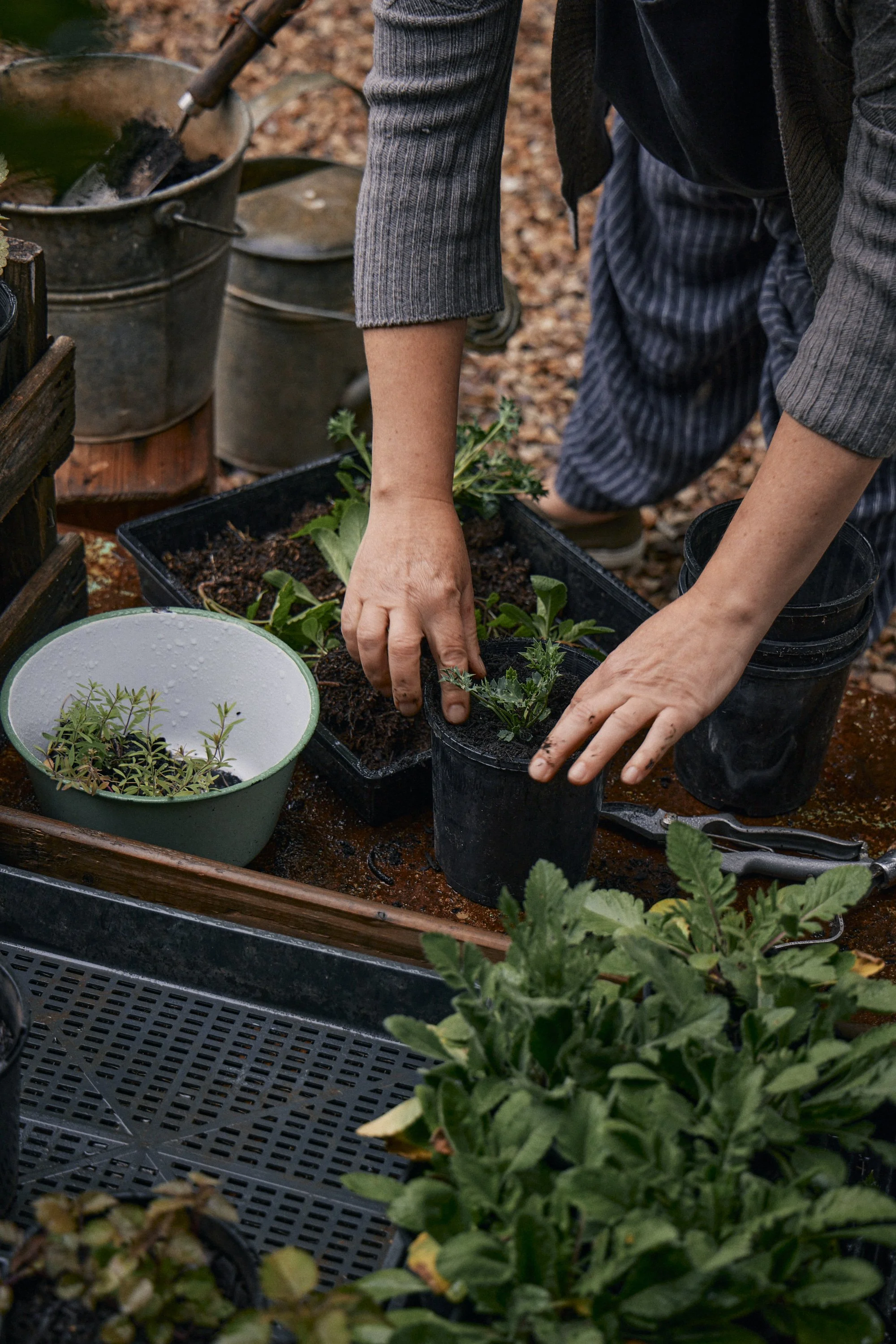
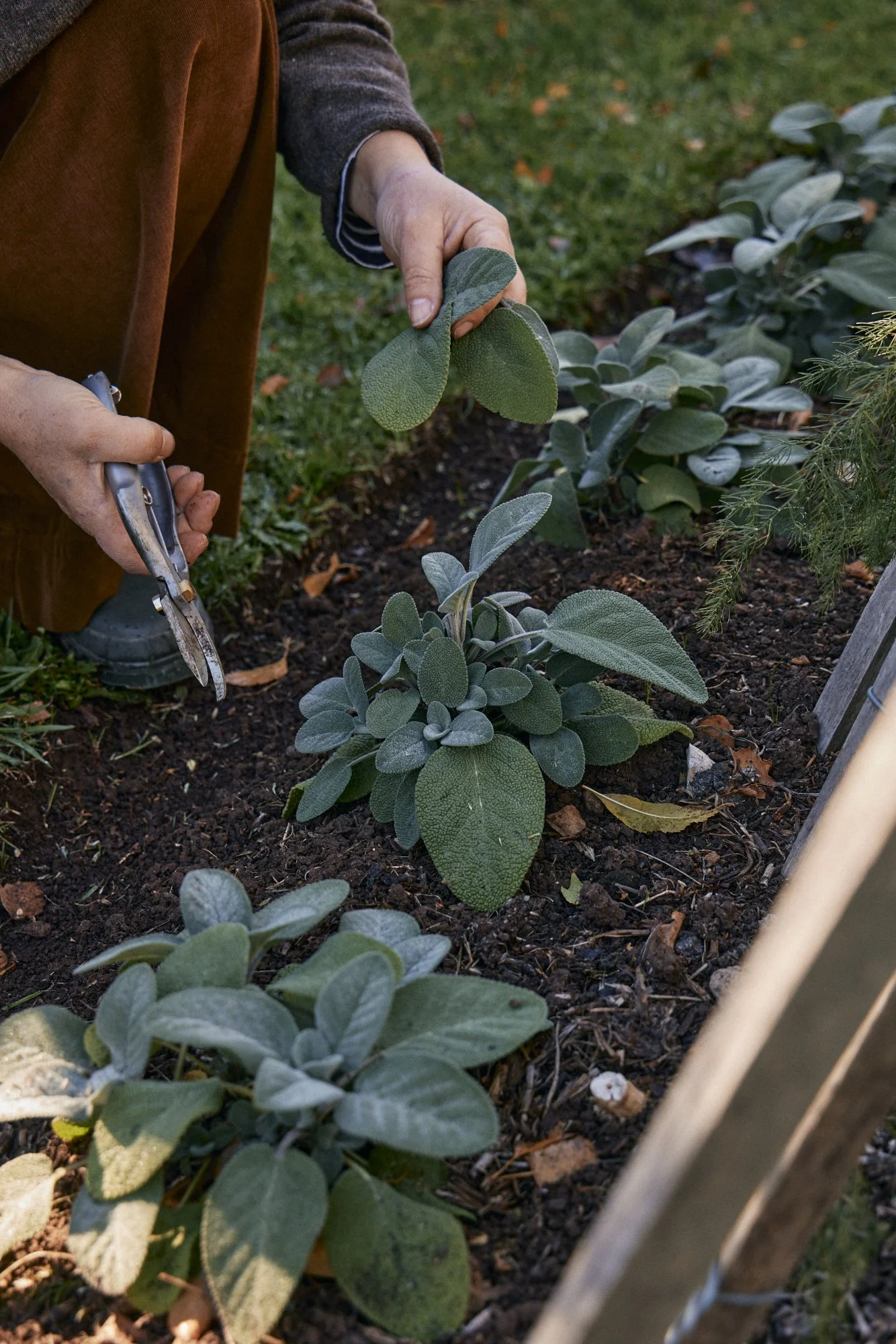
Research reveals that just 30 to 50 minutes of gardening can burn as many calories as a brisk walk, a bike ride, or a short jog. But what I find most remarkable is how it engages every part of the body in a gentle, natural way. Whether it’s digging, lifting, or pruning, each task helps build cardiovascular health, maintain a healthy weight, and reduce the risk of chronic conditions like stroke, diabetes, and heart disease.


Boosting Our Defences
For me, one of the greatest gifts of gardening is its ability to support our immune systems. Spending time among plants exposes us to beneficial microorganisms in the soil that help strengthen our immunity. I’ve always believed there’s something special about working with the earth, and science backs this up. Research indicates that the act of gardening reduces stress hormones, like cortisol, and increases the release of endorphins — those feel-good chemicals that improve our mood.

In Japan, the practice of shinrin-yoku, or “forest bathing,” has been found to enhance immune function, reduce stress, and promote overall well-being. I think of gardening as a kind of mini forest bathing experience — one that’s right in our back gardens. There’s also growing evidence that the soil itself has a positive impact on our health, thanks to its ability to expose us to natural bacteria that can boost our immune response.


A Feast for the Senses
Gardening is an experience that engages all of our senses. There’s a unique joy in the smell of fresh soil, the sound of birdsong, the sight of vibrant blooms, the texture of leaves, and even the taste of freshly picked herbs. For me, there’s no greater pleasure than walking through a garden, inhaling the scents of rosemary, thyme, and lavender — it’s like aromatherapy for the soul.
It’s no wonder studies have found that being surrounded by green spaces can significantly reduce anxiety and improve mental health. The colours and textures of plants have been shown to reduce blood pressure, pulse rate, and muscle tension, creating a sense of calm and relaxation. When I’m designing a garden, I always think about how it will appeal to the senses — how it will make people feel. It’s about creating spaces that are not just visually stunning, but also soothing, restorative, and invigorating.


Toxin Trappers and Climate Champions
Another aspect of gardening that I’m passionate about is its role in improving our environment. Plants act as natural “toxin trappers,” absorbing harmful pollutants from the air and releasing oxygen. They help reduce carbon dioxide levels, mitigate the effects of climate change, and even prevent soil erosion. I love the idea that every flower we plant, every tree we nurture, is helping to clean the air and protect our planet.

Gardening also fosters a sense of responsibility and care for the world around us. By creating spaces that attract birds, bees, and other wildlife, we’re encouraging biodiversity and building a healthier ecosystem. It’s all part of a bigger picture — one where we’re not just nurturing our own well-being, but also contributing to the health of our community and our planet.

Why Gardening Matters
There are countless ways that gardening improves our health and well-being, but for me, it’s about something deeper. It’s about the connection we feel to the earth, to the seasons, and to the cycle of life. Gardening is a reminder that we are part of a larger, living world — one that needs our care and attention.
So, whether you have a sprawling garden or just a few potted herbs on your windowsill, take a moment to connect with nature. Spend time tending to your plants, breathing in the fresh air, and appreciating the small miracles that grow around us every day. After all, the solution to many of life’s problems might just be found right outside our door, in the garden.


Creating Productive Gardens: Natasha Morgan’s Approach to Blending Beauty, Function, and Sustainability
In my years as a landscape architect, both large and small-scale projects have taught me that a garden can be so much more than just a space of beauty. It can serve a multitude of purposes, nourishing the body, connecting us with nature, and offering moments of mindfulness. My approach to creating productive gardens reflects this philosophy: a seamless blend of beauty, function, and sustainability that invites participation in the natural rhythms of life.

Little Cottage On A Hill, Daylesford
A Deep Connection with Nature
For me, a productive garden is more than just a source of sustenance; it is an active partnership with the landscape. It embodies a respect for the cycles of nature, encouraging us to grow what is suited to the soil, climate, and season. I believe that by working with nature, rather than imposing upon it, we can create gardens that are both abundant and sustainable.

Little Cottage On A Hill, Daylesford (As featured in Better Homes and Gardens Magazine - May 2024 issue)
Beauty and Function in Harmony
At the core of my garden design philosophy is the belief that beauty and function should never be mutually exclusive. Every element in the garden has a role to play. Whether it’s an espaliered fruit tree that defines the boundary while producing seasonal fruit, or a wicking bed that conserves water while adding sculptural interest to the landscape, I aim to create spaces where every element serves multiple purposes. It’s this careful balance of form and function that makes a garden truly inspiring.

The Wicking Bed Garden at Little Cottage on a Hill, Daylesford, uses repurposed and timber-clad IBCs (industrial-grade containers engineered for the mass handling, transport, and storage of liquids) and reinforcing mesh to create beautiful and water-wise wicking beds that not only nourish my productive crops but also save my back!
Sustainability as a Guiding Principle
Sustainability is integral to my approach. From Oak & Monkey Puzzle’s expensive five acres to the compact Little Cottage on a Hill, I’ve always prioritised environmentally conscious practices. This means using water wisely through techniques like wicking beds, encouraging biodiversity by planting for pollinators, and reusing materials wherever possible. These practices are not only good for the environment but also make the garden more resilient and self-sustaining.
Small Spaces, Big Impact
My latest project, Little Cottage on a Hill, is a testament to how even the smallest spaces can be highly productive and deeply rewarding. With only 515 square metres, I’ve reimagined the concept of a productive garden, demonstrating that with thoughtful design, small spaces can produce an abundance of food while remaining beautiful and inviting. From the verge gardens that provide seasonal vegetables, medicinal plants and herbs to the espaliered fruit trees that define the space, every square metre has been carefully considered to maximise both productivity and aesthetics.

Little Cottage on a Hill’s west-facing verge garden includes flowers and medicinal plants, maximising our wide verges on deep volcanic soils.
A Space to Live Well
A productive garden isn’t just about growing food—it’s about cultivating a space that allows for living well. It’s a space to slow down, observe the seasons, and find joy in the simple act of planting, harvesting, and preserving. For me, this mindfulness is just as important as the garden’s physical yield. It’s about creating a space that nourishes the body and the soul, offering a deeper connection to nature and to ourselves.

Little Cottage on a Hill’s north-facing verge garden includes flowers, herbs and vegetables maximising every horizontal and vertical surface.
Gardens are living, evolving spaces. They are places of beauty, function, and sustainability, where each season brings new challenges and rewards. My approach is always to create spaces that are not only visually pleasing but also deeply functional and environmentally mindful. Whether working on large-scale projects or intimate urban spaces, my goal remains the same: to inspire others to live well through the creation of beautiful, sustainable, and productive gardens.
