
Grow one thing.
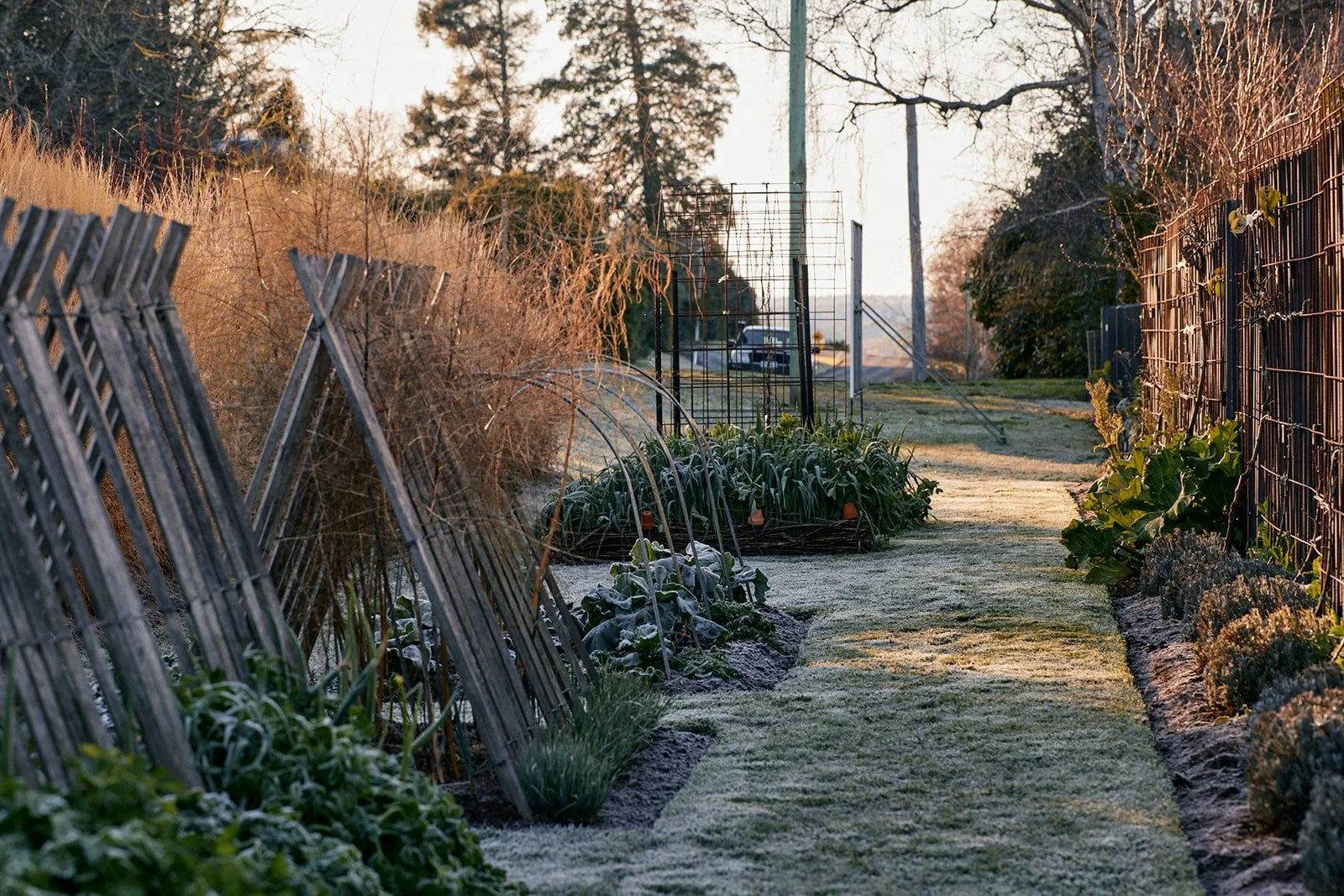
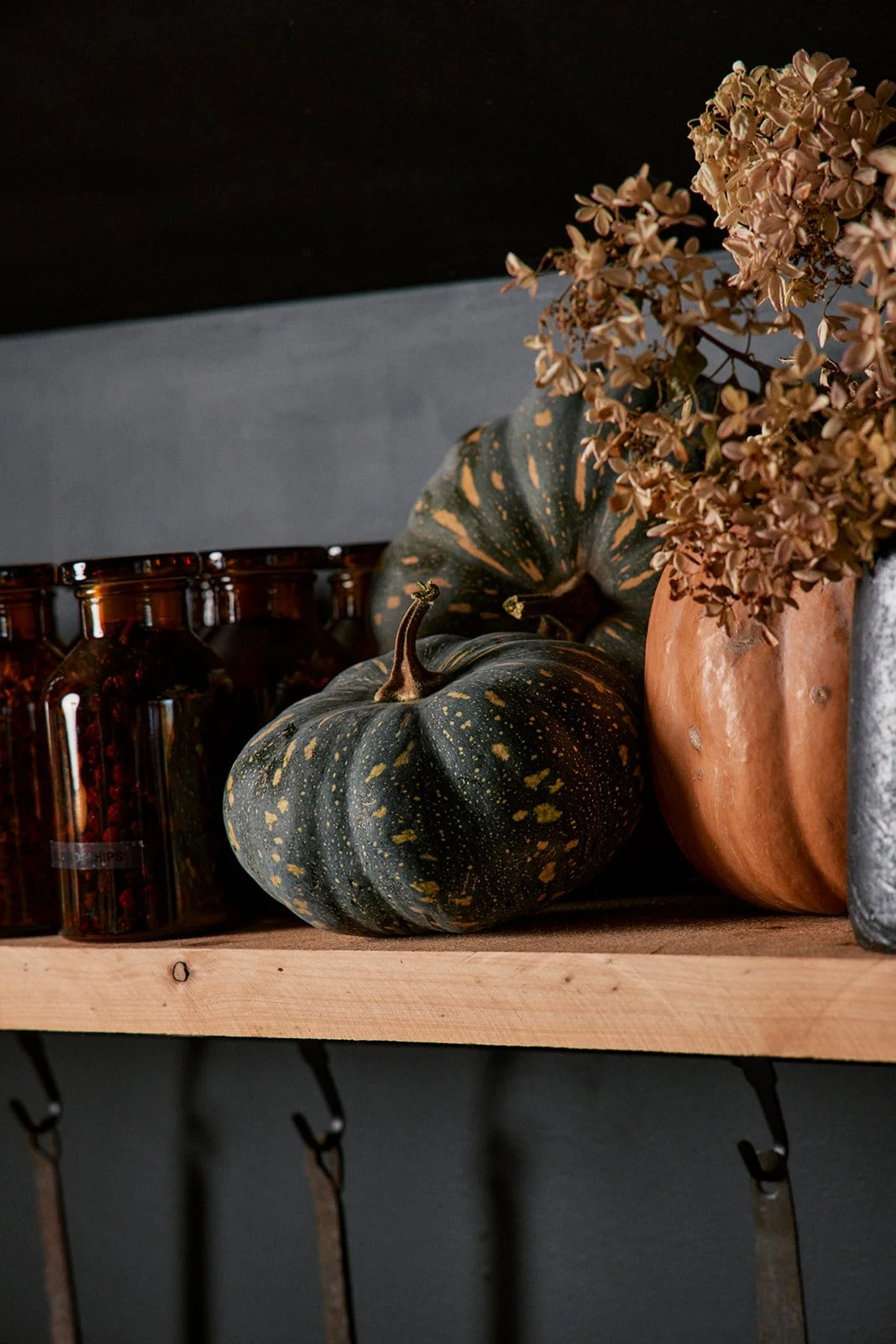
The verge runs the length of the front fence, 235 square metres of volcanic soil between the road and the gate. It is late May, and the season has been strange — cold the whole way through to Christmas, then hot, then cold again, now mild enough that three pumpkins are still hanging on a vertical frame and the espaliered quinces along the fence lines are giving me one or two to pick each morning.
A paper bag of apples sat on the doorstep when I came out earlier. No note. This happens — not often, but often enough — and I never know who leaves them. I take them inside and put it on the kitchen bench, where it sits beside last week’s lemons that came from the neighbour who has more than she knows what to do with and who long ago told me, with the particular firmness of a woman who has produced too many lemons for too many years, do not grow lemons. I never have. She knows tomatoes and cucumbers and zucchinis will come back across the fence in summer, and we leave it there. It is not an arrangement. It is the small recurring fact of two people who grow different things and have agreed, without ever putting it into words, to keep doing so.
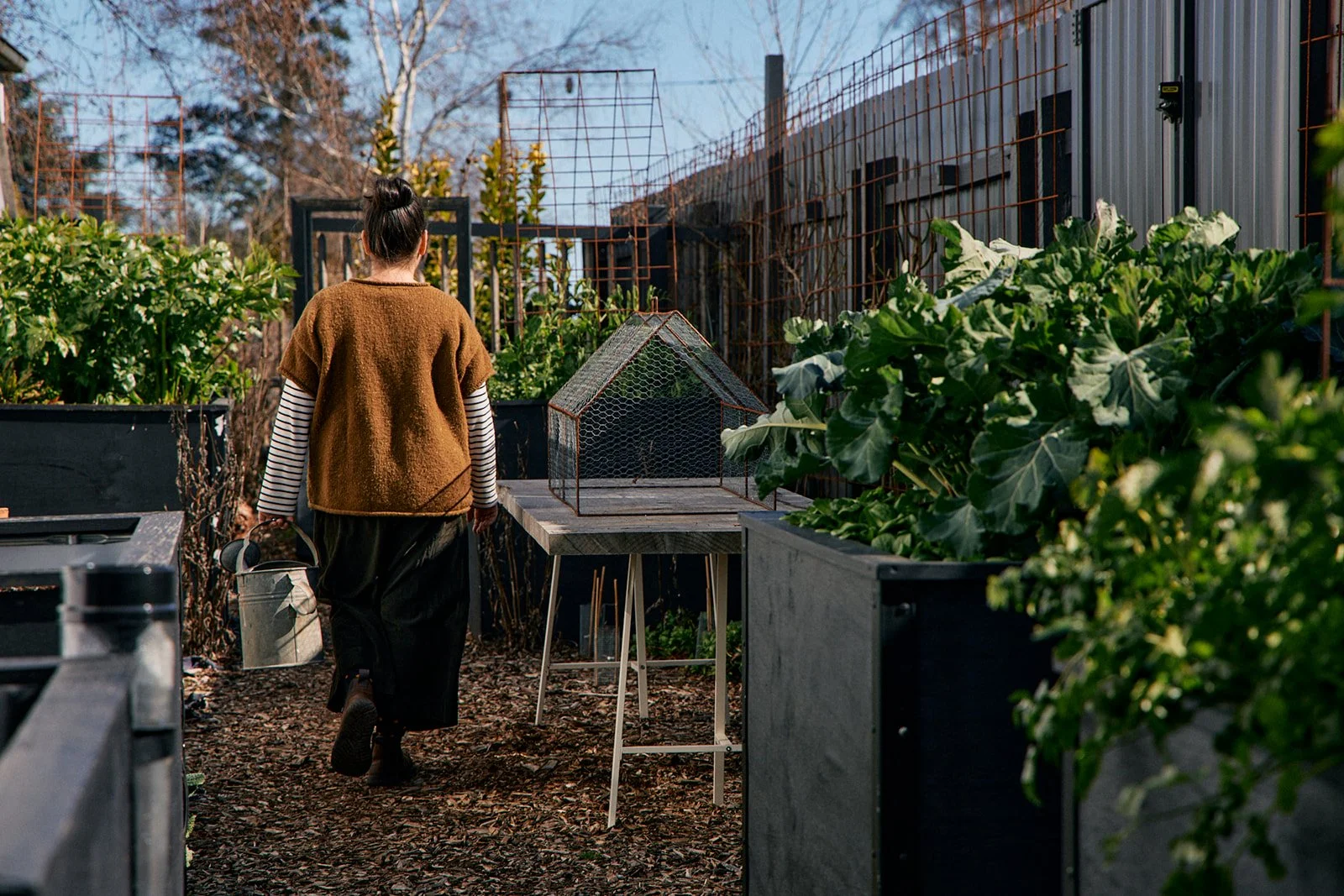
It was a few months ago, at Cliffy’s in Daylesford, that Donna Livermore and I sat down for an impromptu cuppa on a morning when the world was the kind of loud that lives in the shoulders before it lives in the news cycle. I do not have anything to add to those larger conversations that has not been said better elsewhere. But I do have a garden.
What Donna and I found ourselves saying to each other that morning — slowly, between sentences about other things — was that we were both looking at our patches of dirt this season and quietly wondering whether to put an extra thing in. We already had enough for ourselves. We were thinking about the world we were reading about, and the people we knew in it.
From that conversation came the small decision that we would run a workshop together on planting the naturestrip. People drove from across the shire to come. We didn’t know what we were starting. We still don’t, not really anyway. But we have a deep desire, plenty of ideas and are guided by our beautifully aligned values.
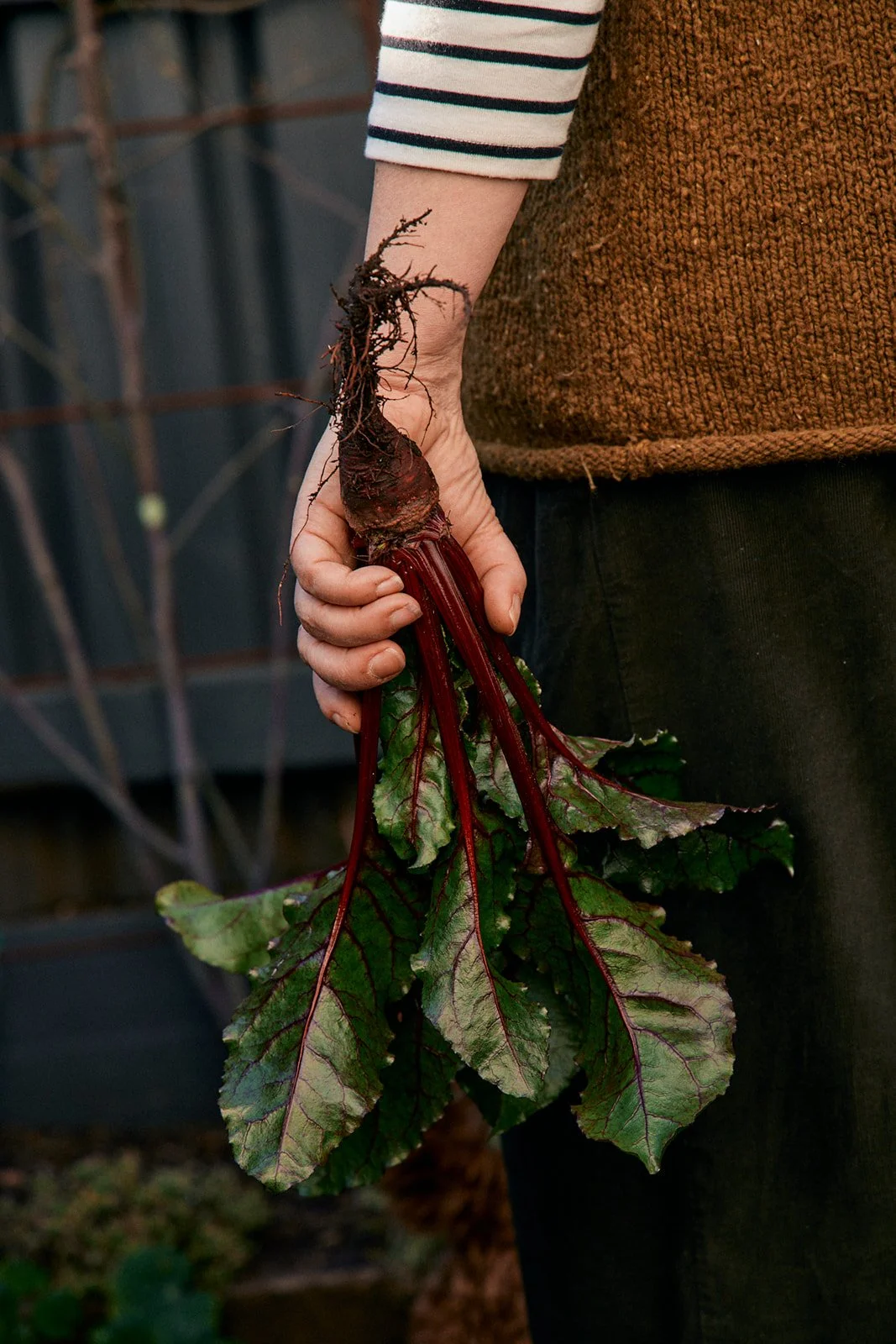
There was a year, a few years ago now, when the gates of Oak & Monkey Puzzle closed and the workshops stopped and there were no people to walk through the garden I had built. I had an existential crisis I think most people had in some form that year, which was to wonder what it had all been for. And then, somewhere inside the crisis, came something I could not have predicted. I noticed that the four things I needed in order to be all right were already there. Soil. Sky. Fresh air. Water.
The garden had been giving me these the whole time. I came to think of them as a currency. As long as I had access to those four, I would not go hungry and I would not lose the thing inside me that needs beauty and that needs the natural world. It is a kind of strange currency to count, but I have counted it many times since, in years that have not been easier, and the counting has held.
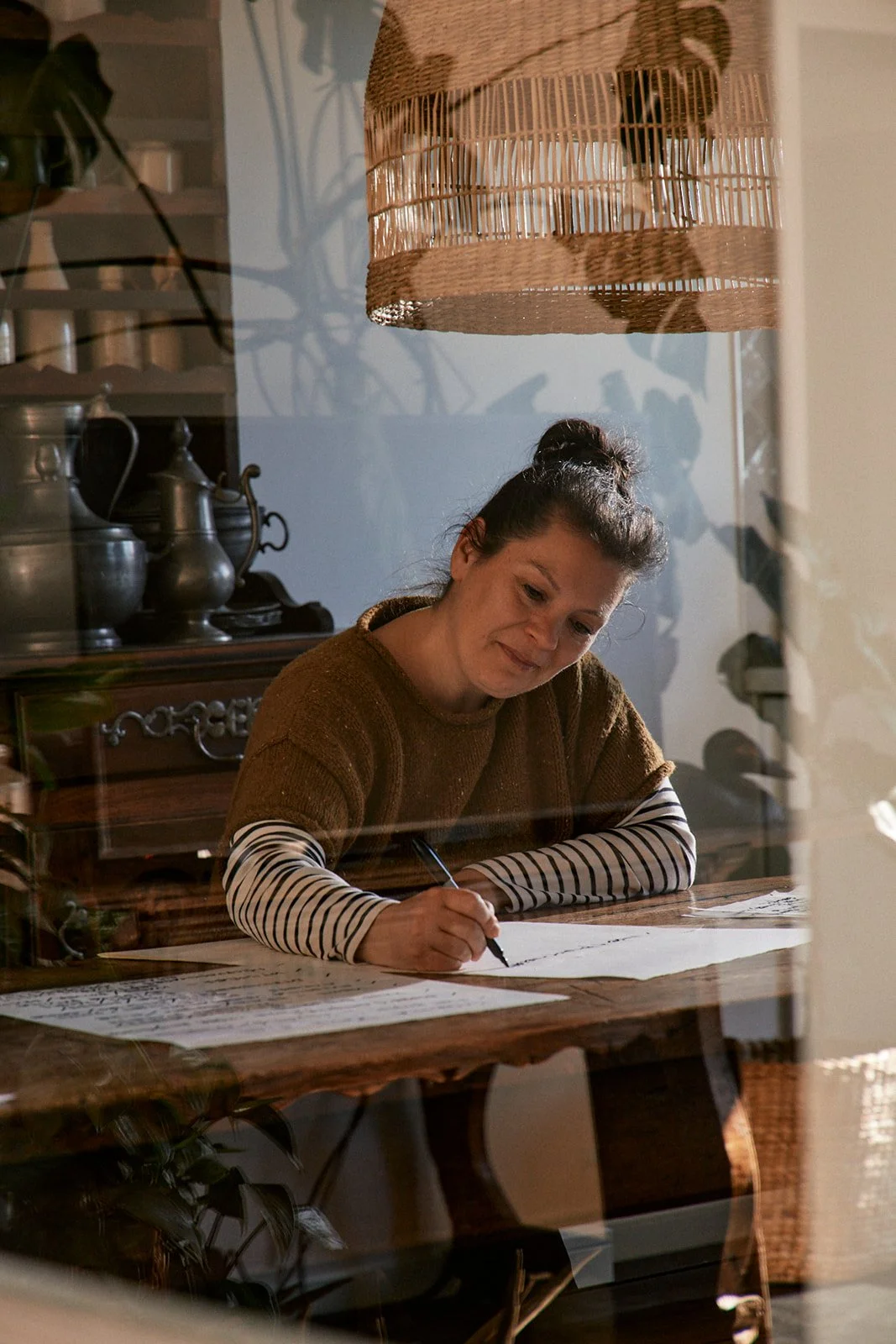
This is the part of growing that does not get said enough. A seed contains everything it needs to grow a plant. An egg contains everything it needs to grow a bird. Nothing has to be added. The conditions have to be right — soil, water, warmth, light, time — but the thing itself is already complete. You hold a tomato seed in the palm of your hand and you are holding a whole future plant, already written. There is no point in my life when I have not found this profoundly incredible. The word for what you feel when you have grown something yourself is agency. It is the feeling, in your hands, that you have made a thing happen that would not otherwise have happened. There are not many things in modern adult life that produce this feeling on demand. Growing food is one of them.
What I keep coming back to, after several years of writing about it in The Productive Garden Companion, is a question that is also a suggestion: what if every household, in whatever space they have, grew one edible thing this season. One. A pot of basil on a kitchen windowsill. A tomato in a polystyrene box on a balcony. A zucchini in a patch of borrowed dirt. A bean trained up a downpipe. One thing, grown from seed where possible, tended for a season, and eaten at the end. That is the whole proposition. There is no campaign attached to it. There is no pledge to take. Just the one thing, grown.
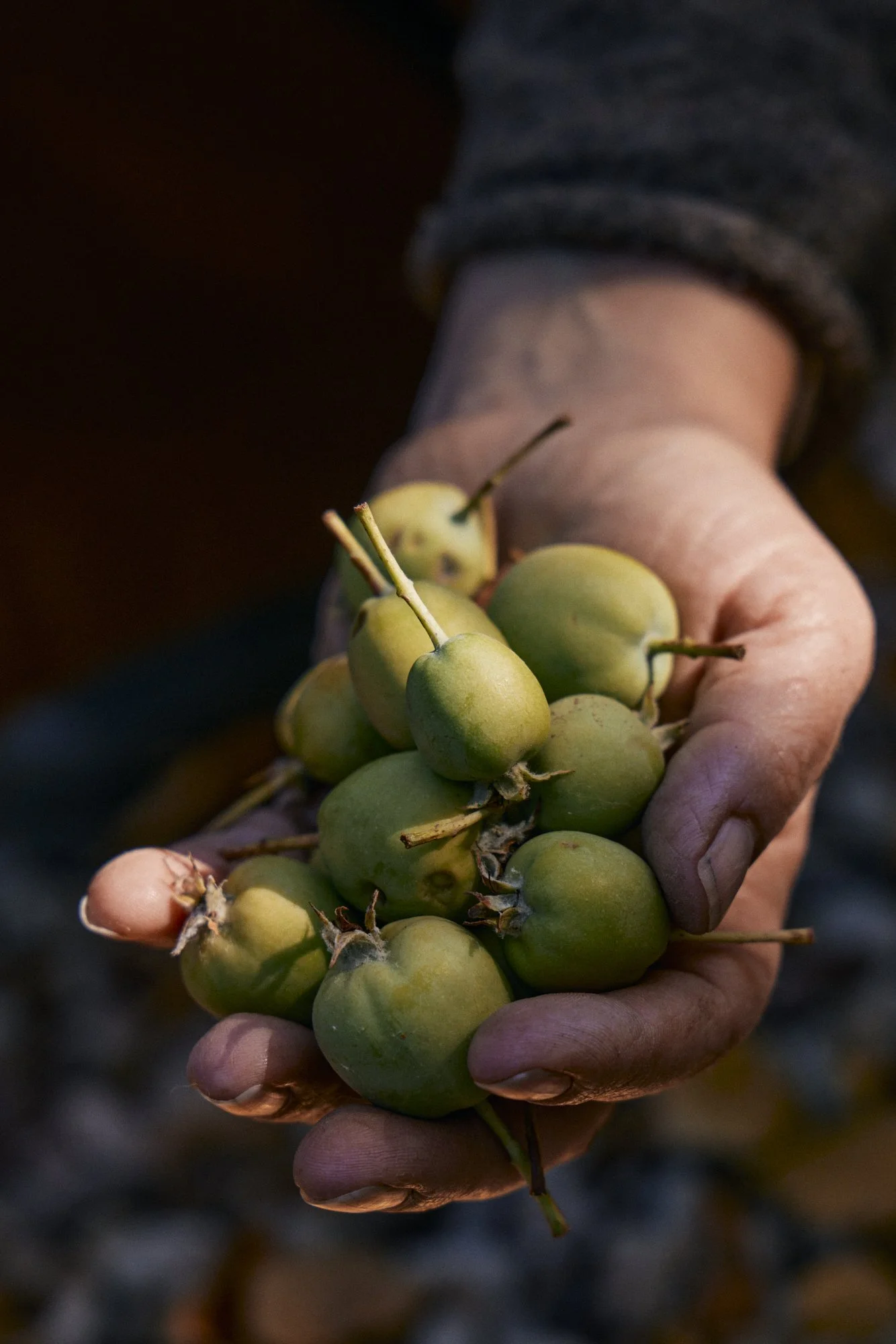
There are children alive now who have never tried a fresh pear. They have eaten pear, but always from a can. I find this almost impossible to sit with when I think about it for any length of time. Something has happened in our food systems that has put a small soft fruit, easily grown across most temperate climates, out of arm’s reach for an entire generation. The pear is not the point. The pear is one example.
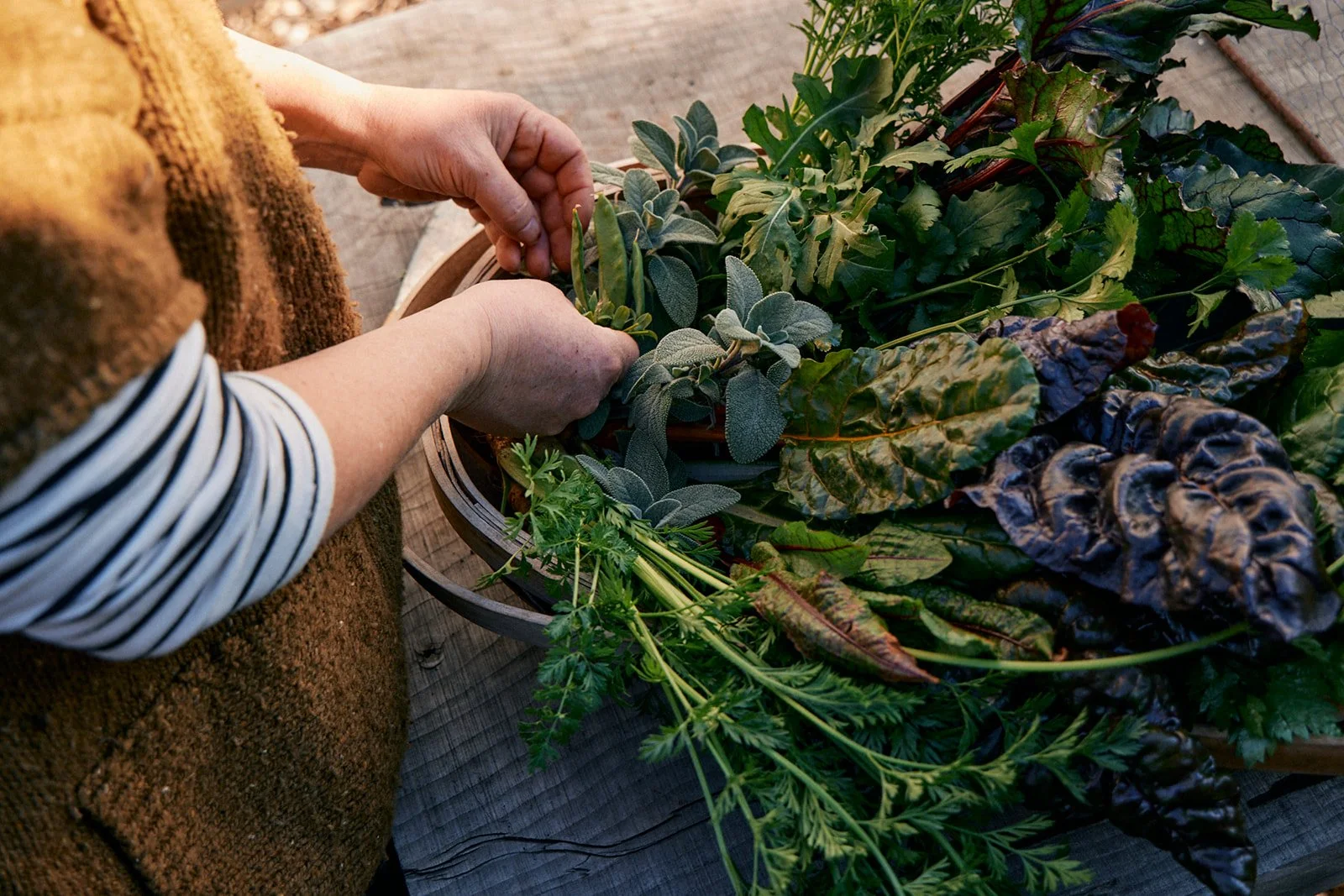
What I have changed my mind about — and this is the most important shift since I first wrote this idea down — is the shape of the ask. There is no obligation to swap. There is no obligation to share. There is no obligation to scale. If a person grows one thing this season and eats it themselves and feels the small specific feeling of having grown the food on the plate, that is enough.
The ripple happens anyway. A paper cup with a seed in it, repeated a hundred times in a hundred different windowsills, is a hundred more conversions of seed to plant than there was before. There are no failures in growing. If the seedling dries out, you have learned what your seedling looks like before it dies of thirst. Every dead plant is a piece of information the next plant will benefit from. The only way to fail at growing is not to start.
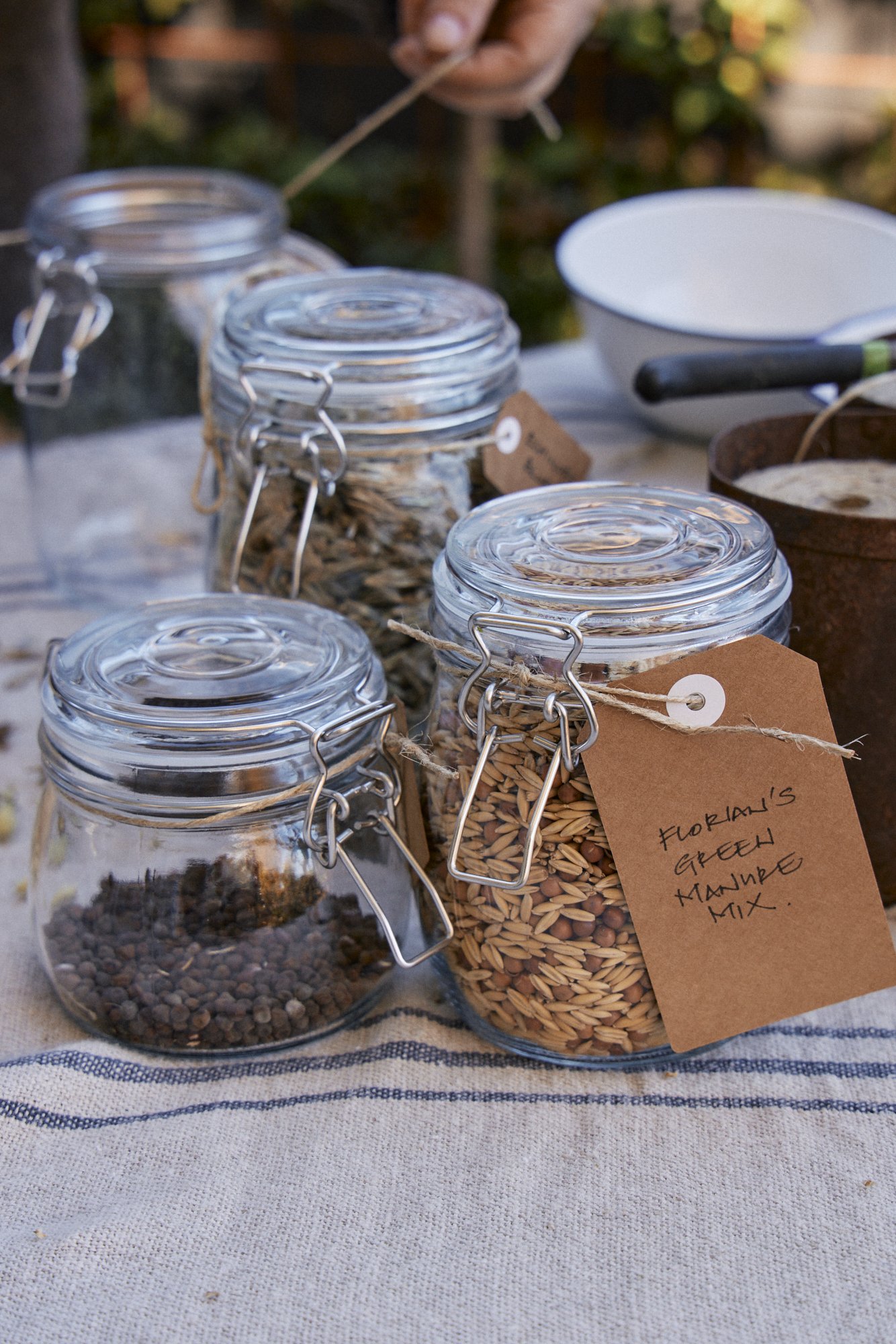
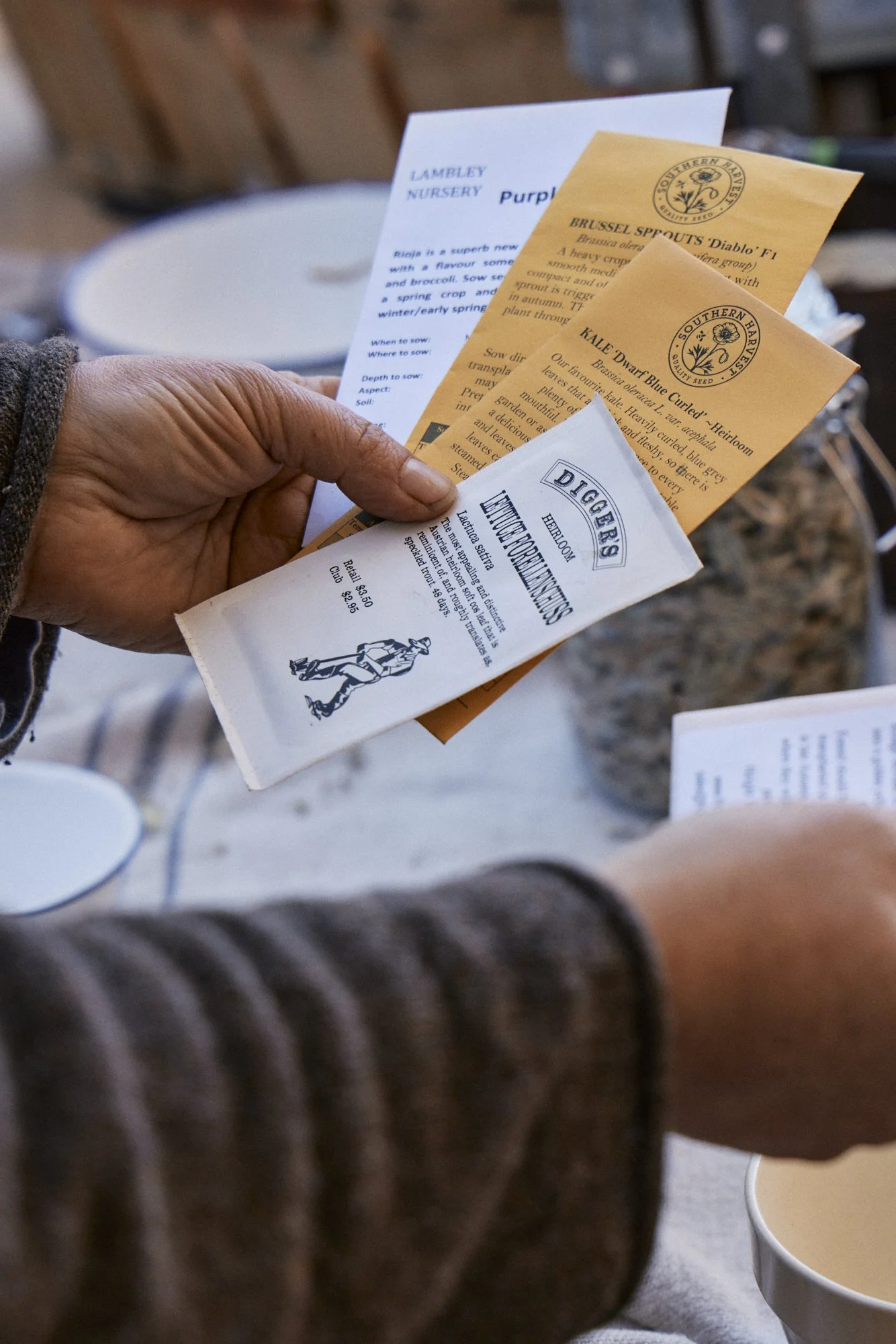
That, in the end, is what I am asking. Just the start. One thing, in whatever space you have. The seed that you put into the soil will do almost all of the work. You need to notice it once a day. You need to give it water before it wilts. You need to be there when something happens, and you need to be there when something does not happen, because both teach you the same thing about being a person who tends.
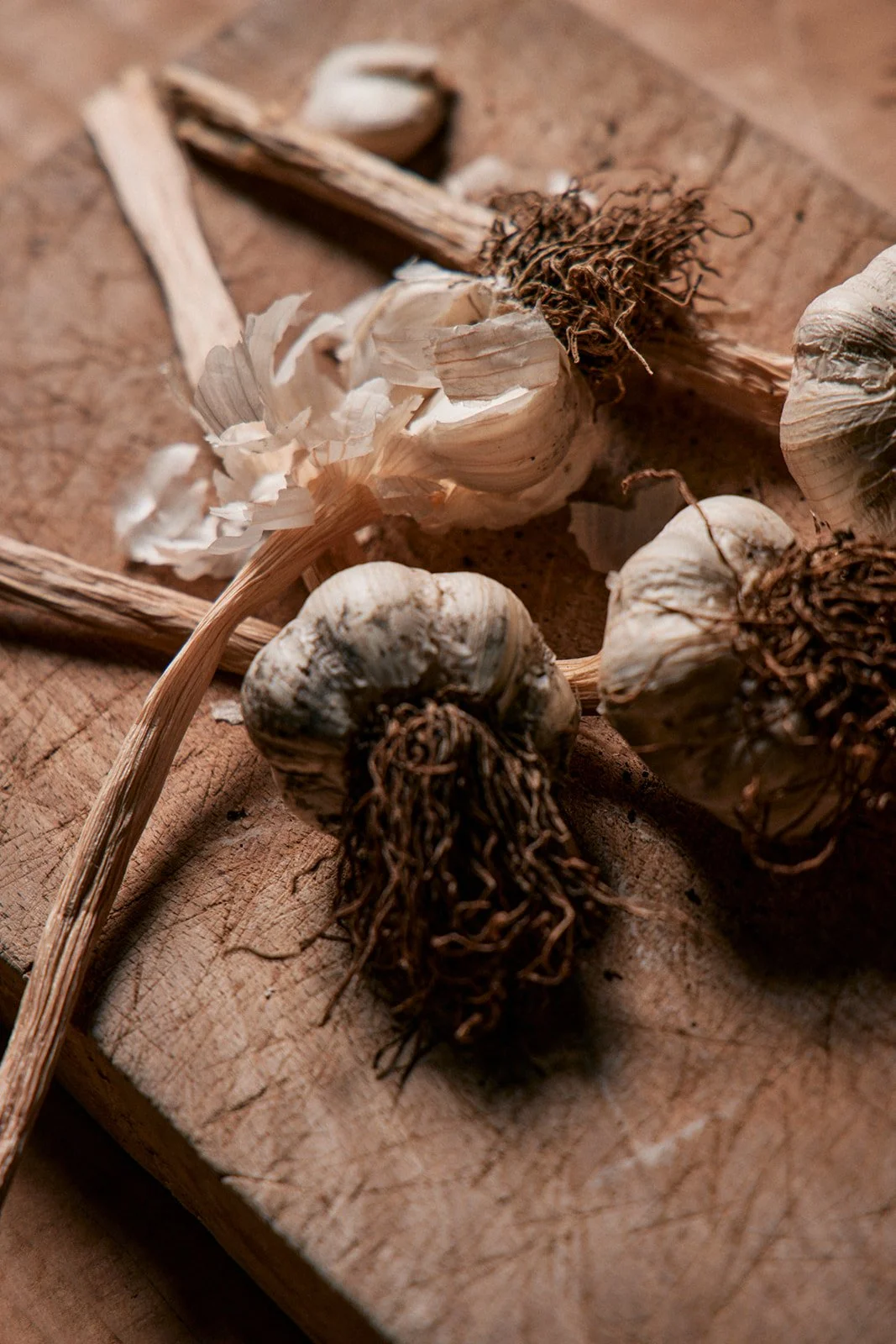
The paper bag of garlic is still on the kitchen bench. I do not know who left it. I will probably never know. The leeks are flowering and the parsley is a carpet. The seed is doing what the seed has always done, which is everything it needs.
Continue your gardening journey with me
If you enjoy this kind of content, my workshops offer more detail and guidance on design, productivity and seasonal care.
If you are building your garden from home right now, my e-books on Wicking Bed Gardens, Introduction to Backyard Chicken Keeping and Compost for Beautiful Productive Gardens offer practical step by step guidance that pairs well with the workshops
I share seasonal tips, behind the scenes at Little Cottage on a Hill, and new resources through my newsletter. Subscribe to receive my entire plant list from the garden as a personal thank you.
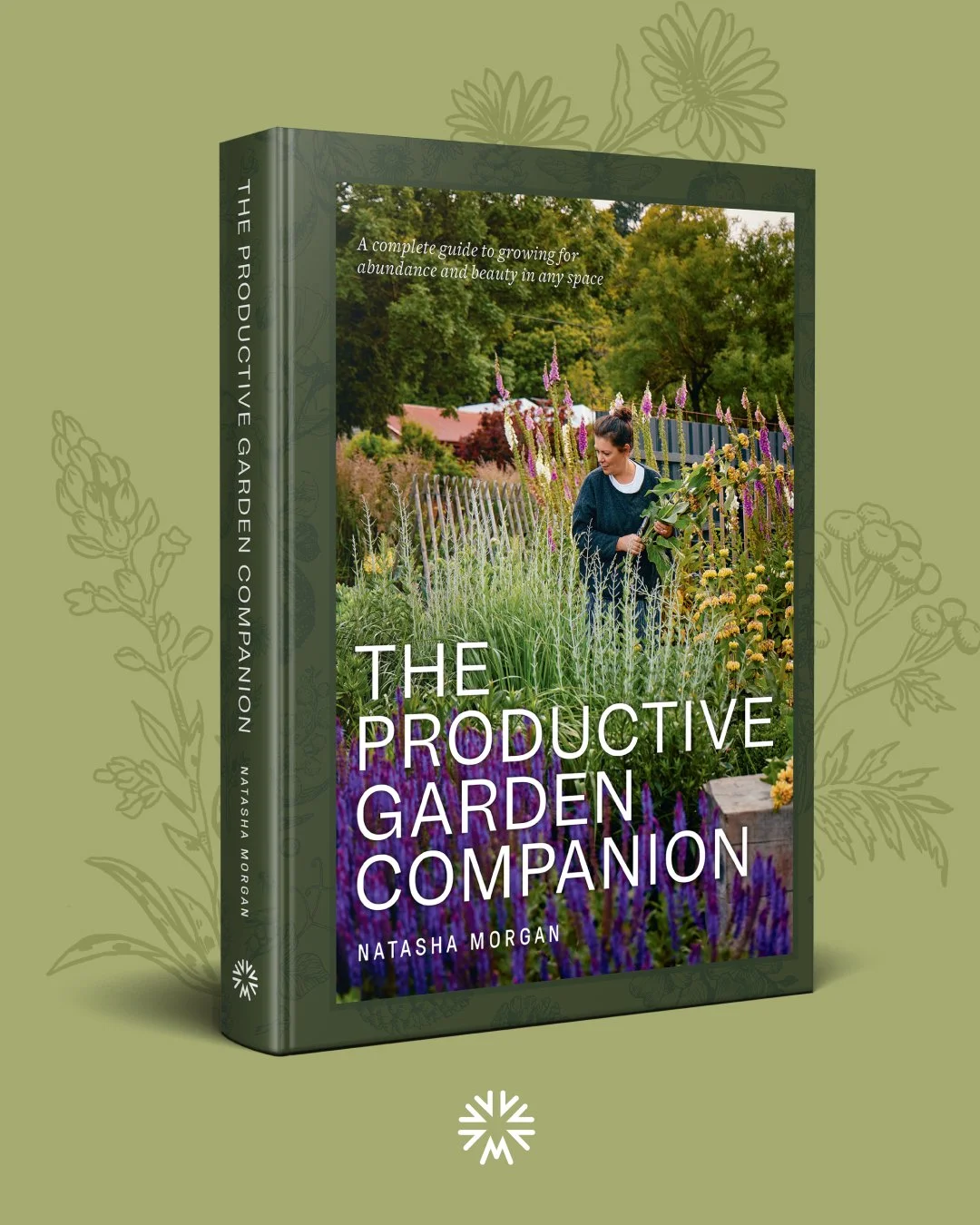
You can also pre-order my book The Productive Garden Companion, the book I have wanted to find my entire life. A complete guide to growing for abundance and beauty in any space. The Productive Garden Companion is a practical, reassuring and visually rich modern gardening book that meets gardeners wherever they are, from windowsill pots to generous acreage.
You may want to check out my related content below:
When the World Feels Uncertain - Grow One Thing
Why I Grow. Why I Design. Why I Return. - Finding comfort in small daily acts.
Romanesco - fractal beauty from the brassica bed
Stay connected for more seasonal inspiration:
Instagram | Facebook | Gardenstead | LinkedIn | Pinterest | YouTube | Website | Newsletter
Thanks so much for following along.
Natasha xx
