June is the beginning of winter, but not the end of the garden.
In my Daylesford garden, June arrives in the frost before it arrives anywhere else. The first light lifts off the seed heads before it reaches the lawn. Echinacea, phlomis, agastache and hydrangea panicles stand silvered and still, and the whole garden can feel reluctant to wake.
But winter is not a dead season. It is a clarifying one.
The leaves drop. The structure appears. Paths, fences, hedges, fruit tree frameworks, bare stems, trellises and the true shape of the garden come forward. What was softened by summer growth is suddenly visible again. You can see where the design holds, where the soil is exposed, where water sits, where frost lingers, and where the next layer of the garden might begin.
For me, June is not a month for rushing. It is a month for watching carefully, feeding the soil, planting what suits the cold, and working with the slower intelligence of winter.
In many climates, June is also one of the most useful months for planting deciduous trees, roses, cane fruit, garlic, broad beans and winter greens. In others, particularly subtropical and tropical gardens, it can be a generous growing window, with cooler conditions making it easier to establish food crops and flowering plants.
As always, the calendar is only part of the story. Your own garden will tell you more.
Where does frost settle?
Where does the winter sun reach?
Which beds are too wet to work?
Which paths are asking to be widened?
Which structures need repair before spring growth returns?
Start there. Observe first, then act.
Tasks for all Climates:
Observe the garden before you clean too much away. Notice frost pockets, drainage, wind exposure, winter light and the structure of your beds.
Keep soil covered with compost, mulch, living crops or green manure. Bare soil is vulnerable soil.
Gather fallen leaves and use them for compost, leaf mould, mulch layers or chicken bedding if you keep chickens.
Plant bare rooted deciduous trees, roses, vines and cane fruit where suitable for your climate and soil conditions.
Sow or plant cool season crops such as broad beans, peas, snow peas, spinach, lettuce, mizuna, mustard greens, radish and parsley where conditions suit.
Prune deciduous fruit trees and grape vines once dormant, but leave apricots to dry, late autumn pruning where disease risk is lower.
Take hardwood cuttings from grape vines, currants, gooseberries, figs and other suitable woody plants.
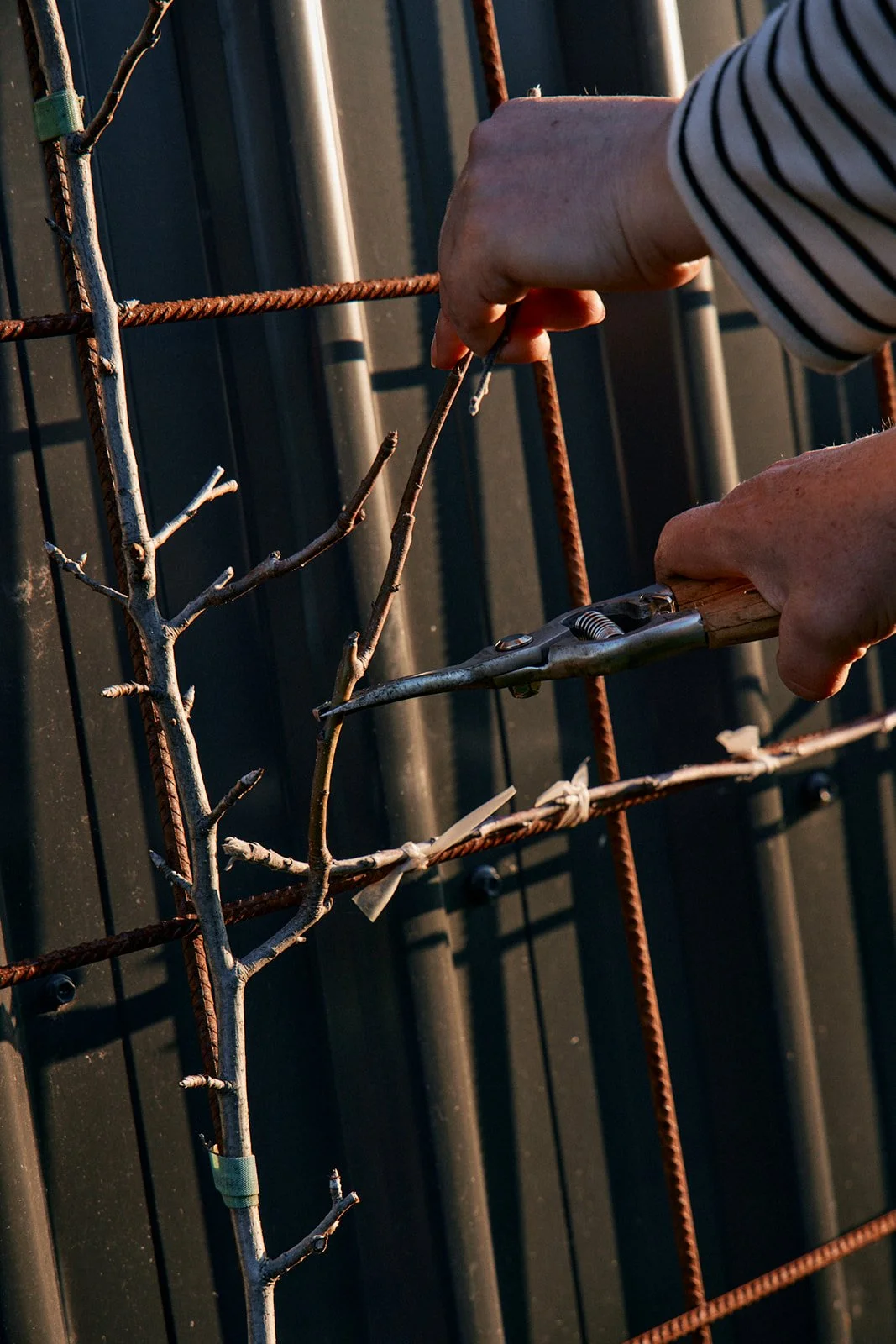
Check espalier wires, tree ties, trellises, stakes, arches and climbing frames while the growth is bare and easy to read.
Protect frost tender plants overnight when hard frost is forecast, using hessian, frost cloth, shadecloth, straw, cardboard or another breathable cover.
Avoid working saturated soil. If it sticks heavily to your boots or tools, wait.
Refresh productive beds with compost or well rotted organic matter before planting the next crop.
Keep harvesting what winter is offering, especially leafy greens, herbs, citrus, brassicas, root crops and late autumn crops that are still holding.
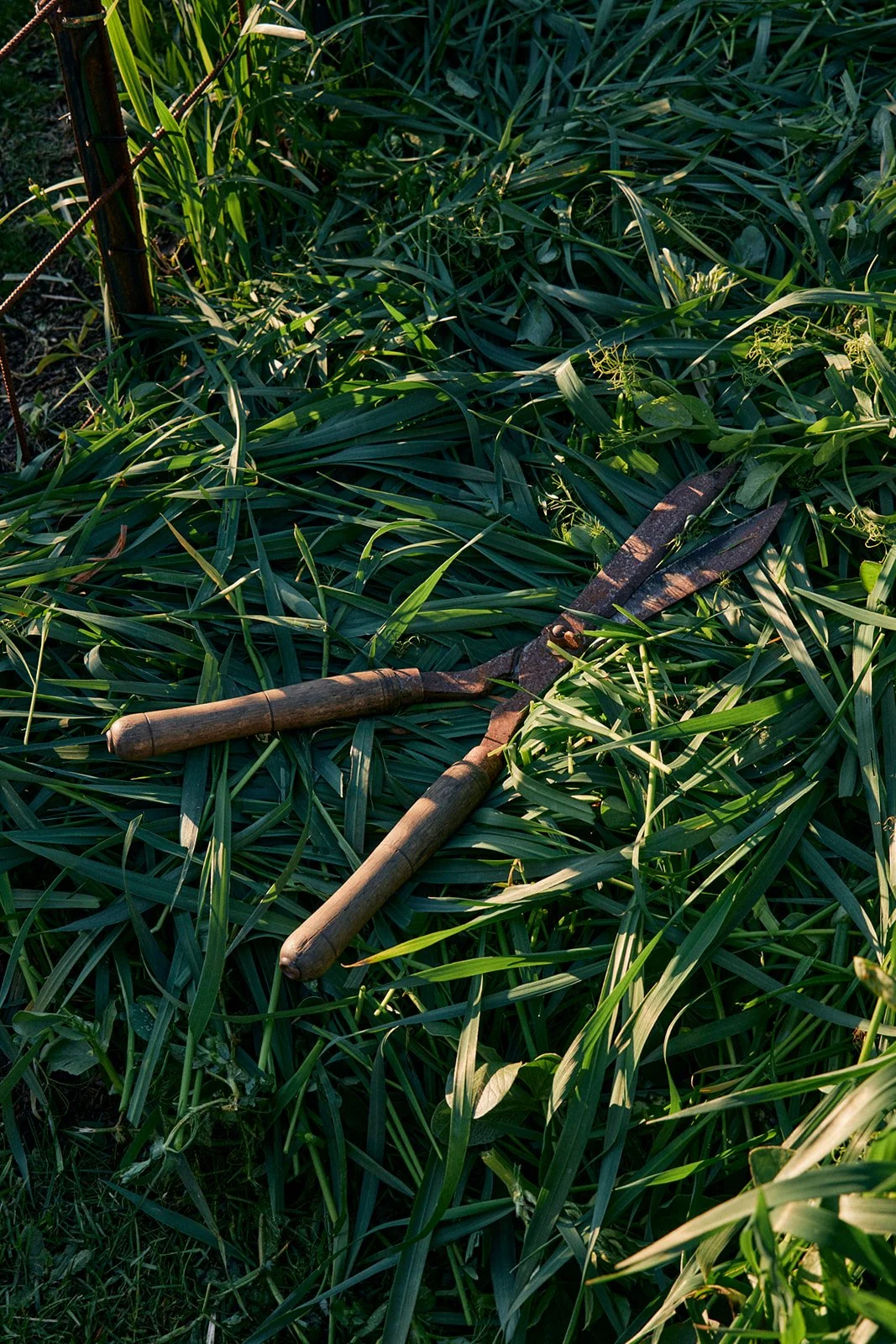
Clean, sharpen and oil secateurs, snips, spades and other tools so they are ready for pruning and winter planting.
Sort seed packets, make notes from the last growing season and begin planning what you want to grow when the garden wakes again.
A note on compost
You’ll notice that many of these June tasks come back to the same foundation: compost. It is one of the simplest and most effective ways to improve soil, reduce waste and keep fertility moving through your own garden system.
If you would like more practical guidance, my new eBook, Compost for Beautiful Productive Gardens, steps through the composting systems I use and teach, with clear guidance for choosing an approach that suits your garden, your space and the way you live.



What to sow and plant now, and tasks by climate.
Temperate
Edible: broad beans, garlic, lettuce, mizuna, mustard greens, parsley, peas, radish, rocket, shallots, silverbeet, snow peas, spinach, spring onion and strawberry runners.
Flowers and ornamentals: alyssum, billy buttons, calendula, Canterbury bells, cerinthe, cornflower, delphinium, foxglove seedlings, hollyhock, lupin, mignonette, pansy, poppy, pyrethrum, sweet pea, viola and bare rooted roses.
Tasks:
Plant bare rooted trees, roses, vines and cane fruit while they are dormant and the soil is workable.
Sow broad beans, peas, snow peas, spinach, radish and other hardy greens in small successions rather than all at once.
Prune dormant deciduous fruit trees and grape vines, leaving apricots alone unless your local conditions are dry and suitable.
Add compost to beds that will carry winter crops, then mulch lightly to protect soil structure.
Watch for frost, especially in low areas, and cover vulnerable seedlings overnight when needed.
Alpine and cool
Edible: broad beans, garlic and spinach. In protected pockets or under cover, you may also try hardy greens such as rocket, mustard greens and winter lettuce, but let the soil temperature and frost decide.
Flowers and ornamentals: billy buttons, hellebores, pansies, violas, primulas, wallflowers, bare rooted roses, deciduous shrubs, deciduous trees and hardy perennials.
Tasks:
Treat June as a slow, precise planting month. Plant only when the soil is not frozen, waterlogged or compacted.
Plant garlic, broad beans and spinach in the best drained, sunniest beds you have.
Protect new plantings from frost and cold wind, especially young evergreens and newly planted perennials.
Prune dormant deciduous fruit trees and grape vines, and take hardwood cuttings while the structure is visible.
Use winter to study the bones of the garden. In cool climates, June reveals where frost lies, where sun reaches and where structure is needed.
Subtropical
Edible: beetroot, broad beans, cabbage, carrot, cauliflower, celeriac, celery, chicory, chives, collard greens, endive, garlic, kale, kohlrabi, lettuce, mizuna, mustard greens, onion, pak choy, parsley, parsnip, peas, potato, radish, rocket, shallots, silverbeet, snow peas, spinach, strawberry plants and strawberry runners.
Flowers and ornamentals: alyssum, borage, calendula, cerinthe, cleome, corn cockle, cosmos, delphinium, echinacea, everlasting daisy, false Queen Anne’s lace, hollyhock, lupin, marigold, nasturtium, salvia, sunflower, viola and zinnia.
Tasks:
Make the most of the cooler planting window for brassicas, leafy greens, peas, root crops and herbs.
Refresh beds after summer growth with compost, mulch and gentle soil care before planting hungry crops.
Keep airflow in mind. Subtropical winter can still bring fungal pressure where plants are crowded or foliage stays wet.
Plant strawberries, garlic, shallots and potatoes where your local conditions suit.
Prune deciduous fruit trees and vines where they are grown, and take cuttings from suitable woody plants.
Tropical
Edible: amaranth, basil, beans, beetroot, broccoli, cabbage, capsicum, carrot, cauliflower, celery, chilli, Chinese cabbage, chives, choko, collard greens, coriander, cucumber, daikon, dill, eggplant, fennel, garlic, ginger, kale, kohlrabi, leeks, lettuce, mizuna, mustard greens, okra, onion, oregano, pak choy, parsley, peas, pumpkin, radish, rocket, silverbeet, spring onion, sweet corn, sweet potato, tomato, turnip, Warrigal greens and zucchini.
Flowers and ornamentals: alyssum, borage, calendula, cleome, cosmos, marigold, nasturtium, salvia, sunflower and zinnia.
Tasks:
Use the dry season and milder conditions to plant a broad range of vegetables, herbs and flowers.
Sow fast crops such as beans, leafy greens, radish and herbs in small rounds so harvesting is steady.
Refresh soil with compost and organic matter before planting heavy feeders such as cucurbits, sweet corn and fruiting crops.
Keep pruning for airflow, especially where humidity, dense planting or lingering wetness can invite disease.
Add flowering plants such as calendula, cosmos, marigold, nasturtium, salvia, sunflower and zinnia to support beneficial insects and keep the garden active.
Arid
Edible: asparagus crowns, beetroot, broad beans, broccoli, cabbage, carrot, cauliflower, chives, collard greens, dill, endive, Florence fennel, garlic, globe artichoke, horseradish, Jerusalem artichoke, kale, kohlrabi, lettuce, mustard greens, onion, pak choy, parsley, parsnip, peas, radish, sage, silverbeet, snow peas, spinach, strawberry plants, swedes, thyme and turnips.
Flowers and ornamentals: alyssum, calendula, cornflower, everlasting daisy, marigold, nasturtium, poppy, sweet pea, viola and tough cool season seedlings suited to your local frost level.
Tasks:
Plant cool season crops while conditions are more forgiving, but water deeply at planting and mulch straight away.
Improve soil before sowing with compost and organic matter so it can hold moisture more effectively.
Watch for frost as well as dryness. Arid gardens can have sharp overnight temperature drops.
Plant deciduous trees, vines, cane fruit and roses while dormant, provided irrigation can support establishment.
Use mulch, wind protection and thoughtful spacing to reduce stress on new plantings.
How I work with June.
June is the month when I can see the garden clearly again.
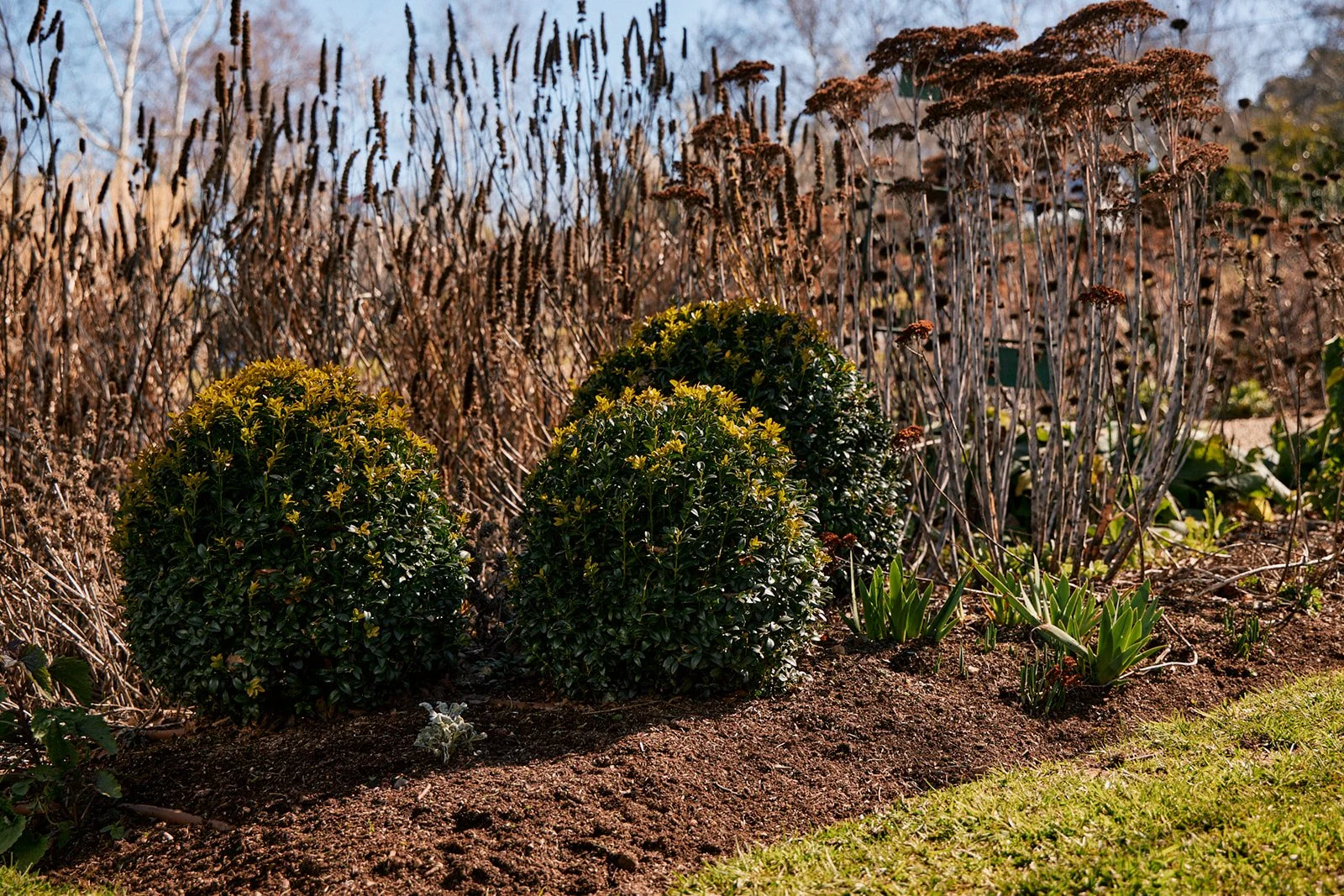
At Little Cottage on a Hill, the perennial growth has softened back and the structure does the holding. The box balls sit like small green anchors through the beds. The espaliered crabapples, pears and quinces become lines on the fence again. The seed heads I have left standing catch frost and low light. The garden is quieter, but not empty.
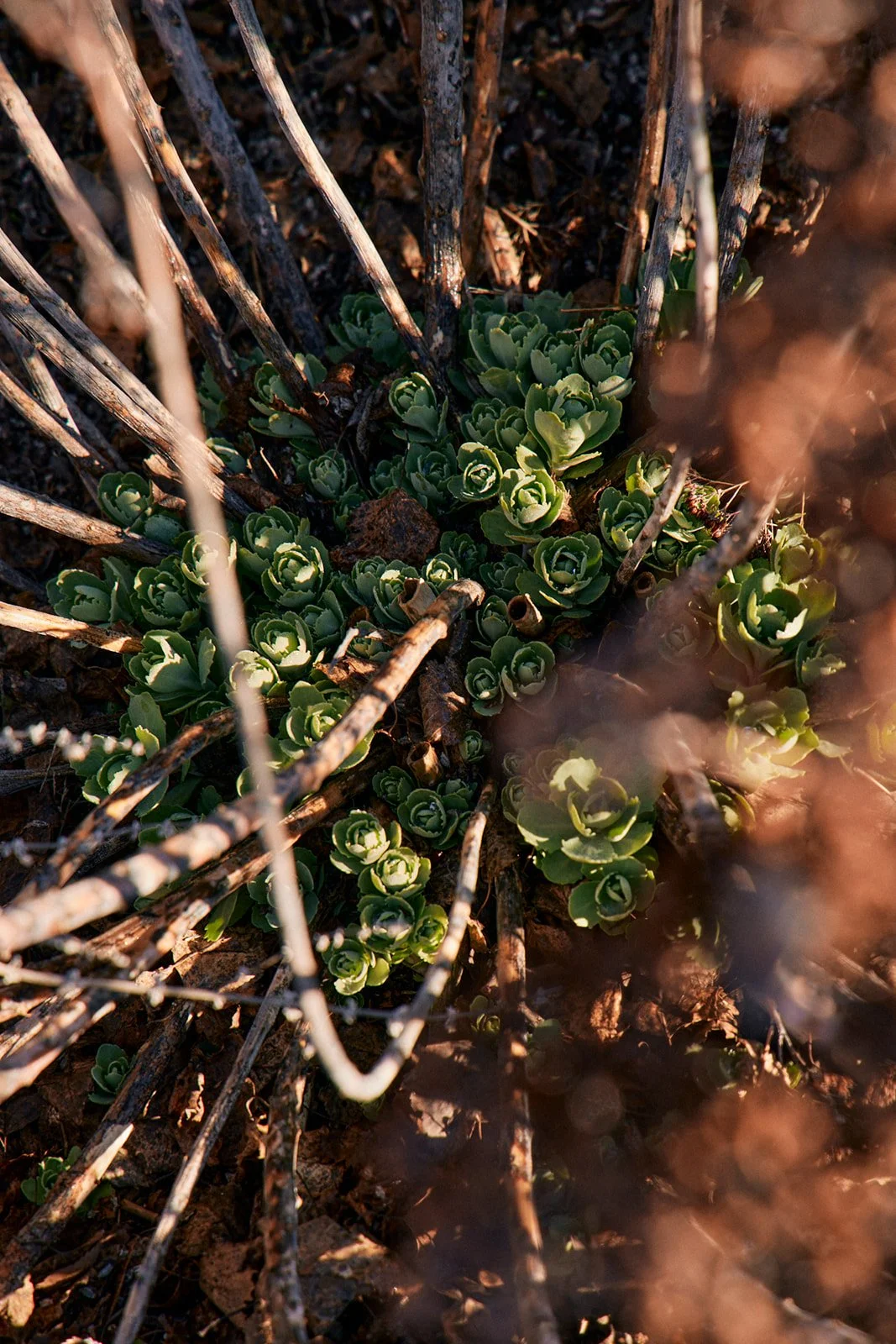
This is the season where I try not to rush in with secateurs. I leave more than my tidy instincts would sometimes like. Seed heads feed birds. Hollow stems shelter insects. Spent plants tell me where the wind has moved, where the frost has settled, where the soil is holding too much moisture.
I also use June to look at the practical bones of the garden.
Are the paths wide enough?
Can I still move a barrow through without brushing the beds?
Are the climbing frames in the right place?
Is there enough winter sun reaching the soil?
Which bed needs compost first?
Which space is asking for rest?
This is when the next growing season begins for me, not in the obvious way, but underneath. In the lists. In the seed boxes. In the quiet act of standing at the window and noticing where the light lands. In the decision to plant garlic before the solstice, or to leave a bed covered for a little longer, or to let compost continue its slow work out of sight.
I have come to understand that my gardening year does not begin in January. January is harvesting, preserving, watering and repeating. June is where I begin to imagine again.
Winter gives me room to think.
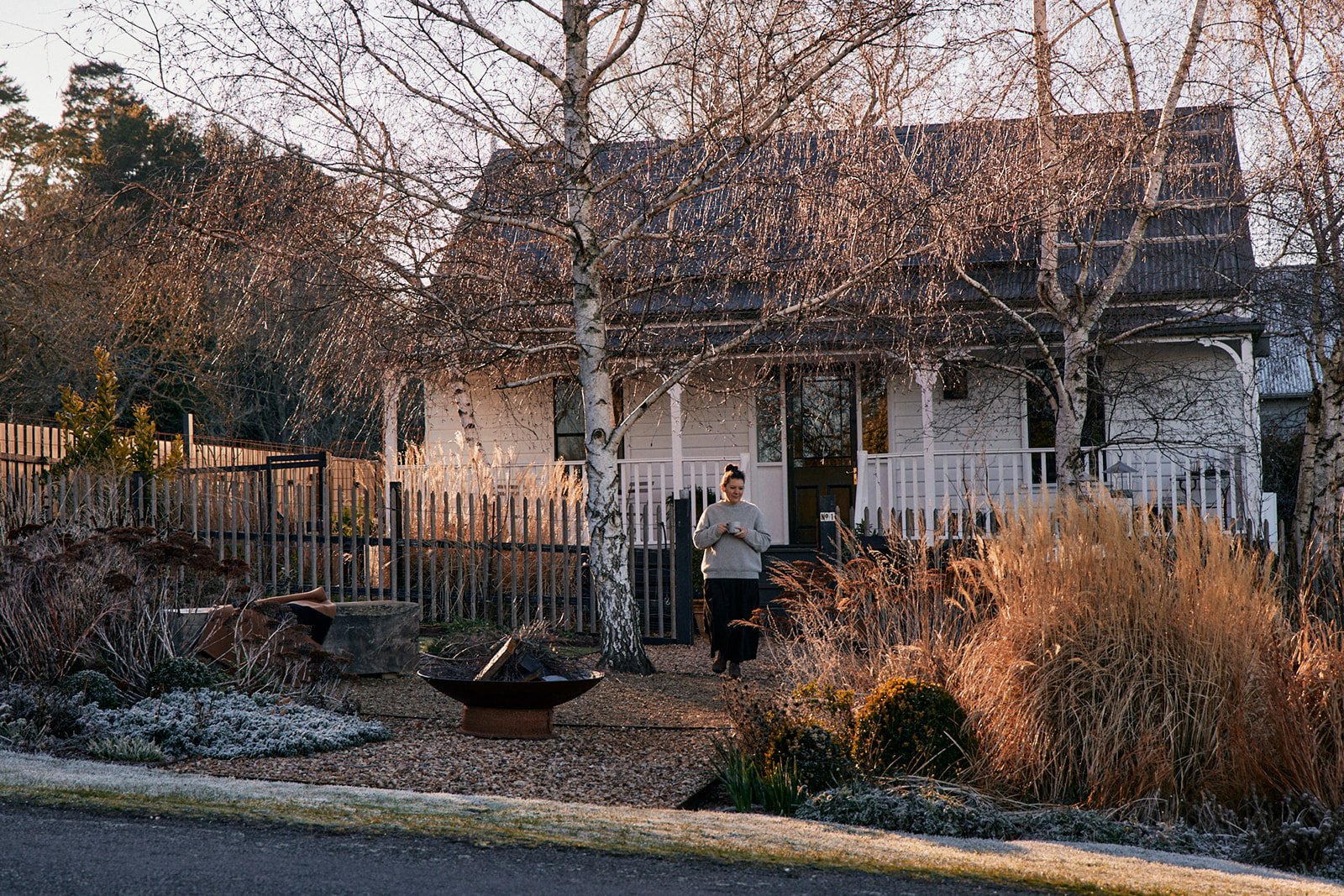
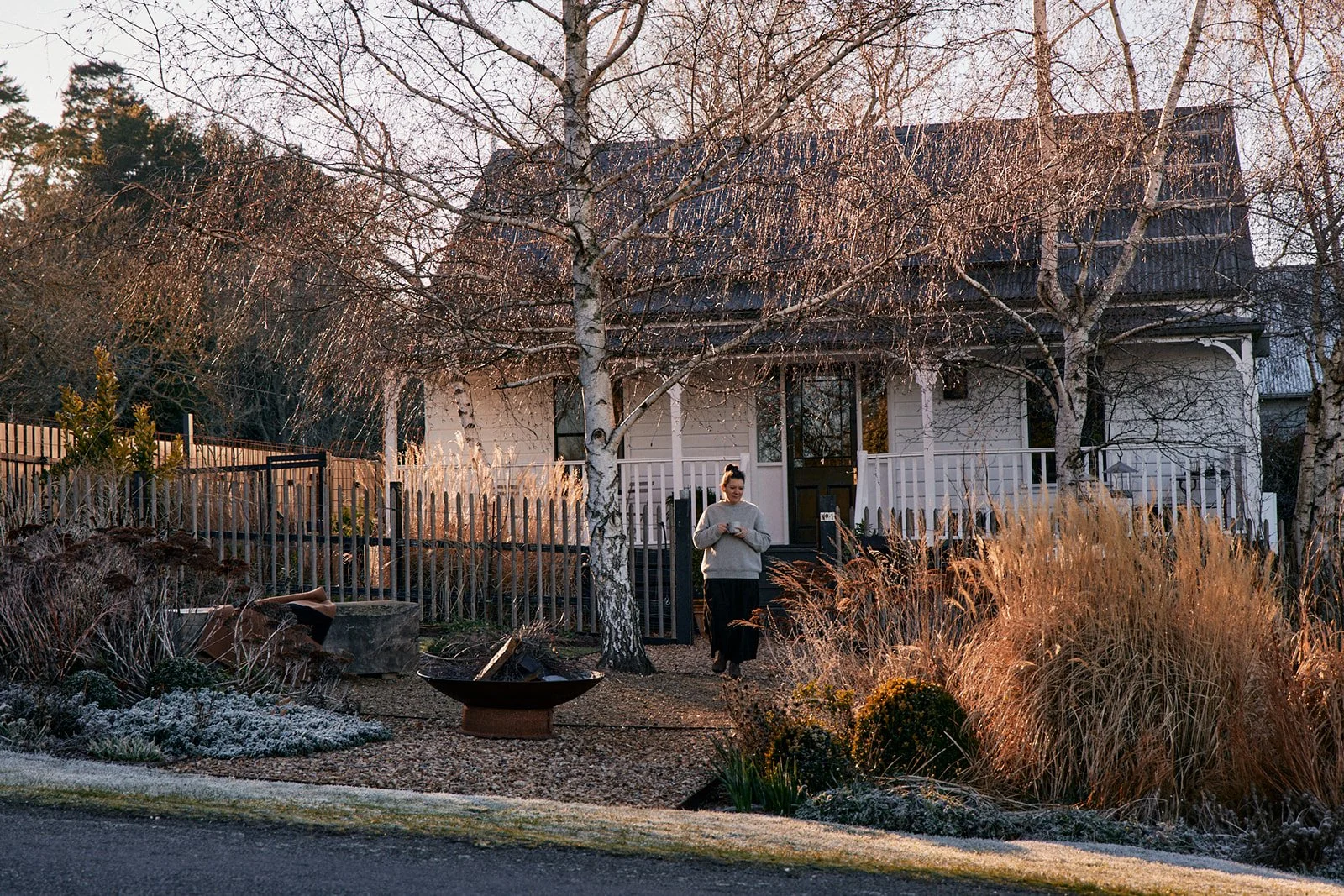
The verge garden on a crisp frosty winter’s morning.
Quick checklist.
Watch where frost settles before moving or planting anything important.
Keep soil covered with compost, mulch, leaves, straw, green manure or winter crops.
Plant garlic, broad beans, peas, snow peas and hardy greens where your climate allows.
Plant bare rooted trees, roses, vines and cane fruit while dormant.
Prune deciduous fruit trees and grape vines, but avoid pruning apricots in wet winter weather.
Gather fallen leaves for compost, leaf mould or mulch.
Check trellises, tree ties, espalier wires, stakes and climbing frames while plants are bare.
Protect frost tender plants when hard frost is forecast.
Avoid walking on or digging saturated soil.
Sort seeds, make notes and begin planning the next layer of the garden.
Continue your gardening journey with me
If this aligns with how you are thinking about your own garden, my workshops offer more detail and guidance on garden design, productive growing, soil care and seasonal practice.
June is also a good time to sign up to my newsletter if you do not already subscribe. I share seasonal notes from the garden, workshop updates, book news, upcoming events and practical ideas for creating a productive garden that works with your place.
My book, The Productive Garden Companion, is now available to pre order. It brings together decades of landscape architecture, gardening, teaching, preserving and lived practice, with guidance for creating beauty and abundance at any scale.
If you are building your garden from home right now, my eBooks on Wicking Bed Gardens, Introduction to Backyard Chicken Keeping and Compost for Beautiful Productive Gardens offer practical guidance that pairs well with this seasonal work.
Stay connected for more seasonal inspiration:
You may want to check out my related content below:
The Productive Garden Companion is now available to pre-order - This is the book I’ve wanted to find my entire life.
No Dig Gardening - less work, healthier soil
Caring for Ornamental Grasses - When (and Whether) to Cut Back
Stay connected for more seasonal inspiration:
Instagram | Facebook | Gardenstead | LinkedIn | Pinterest | YouTube | Website | Newsletter
Thanks so much for following along.
Natasha xx