
Why I started with the verge
On moving from five acres to 515 square metres, and learning that the most exposed strip of ground was the place to begin.
The removal truck had gone by lunchtime. I stood at the front of Little Cottage on a Hill — 515 square metres, after five acres — and the first piece of ground I wanted my hands in was the one I had the least real claim to. The verge. That strip of tired grass between the fence and the road, the part of a garden you'd assume you'd get to last, once everything behind the fence was sorted.
I didn't get to it last. I started there.
For nearly a decade, Oak & Monkey Puzzle in Spargo Creek had been my proof of everything — five acres where I could test an idea at full size and live it in its fullness too. Leaving it for a small town block in Daylesford felt, for a while, like an exercise in origami, folding something enormous into a tiny drawer. The question that kept me up wasn't whether I could garden here. It was whether the life I'd built out there on acreage — the seasonal rhythm, the room to be generous, the sense that a place could hold more than its own boundary — could survive the shrinking. Thrive in fact.
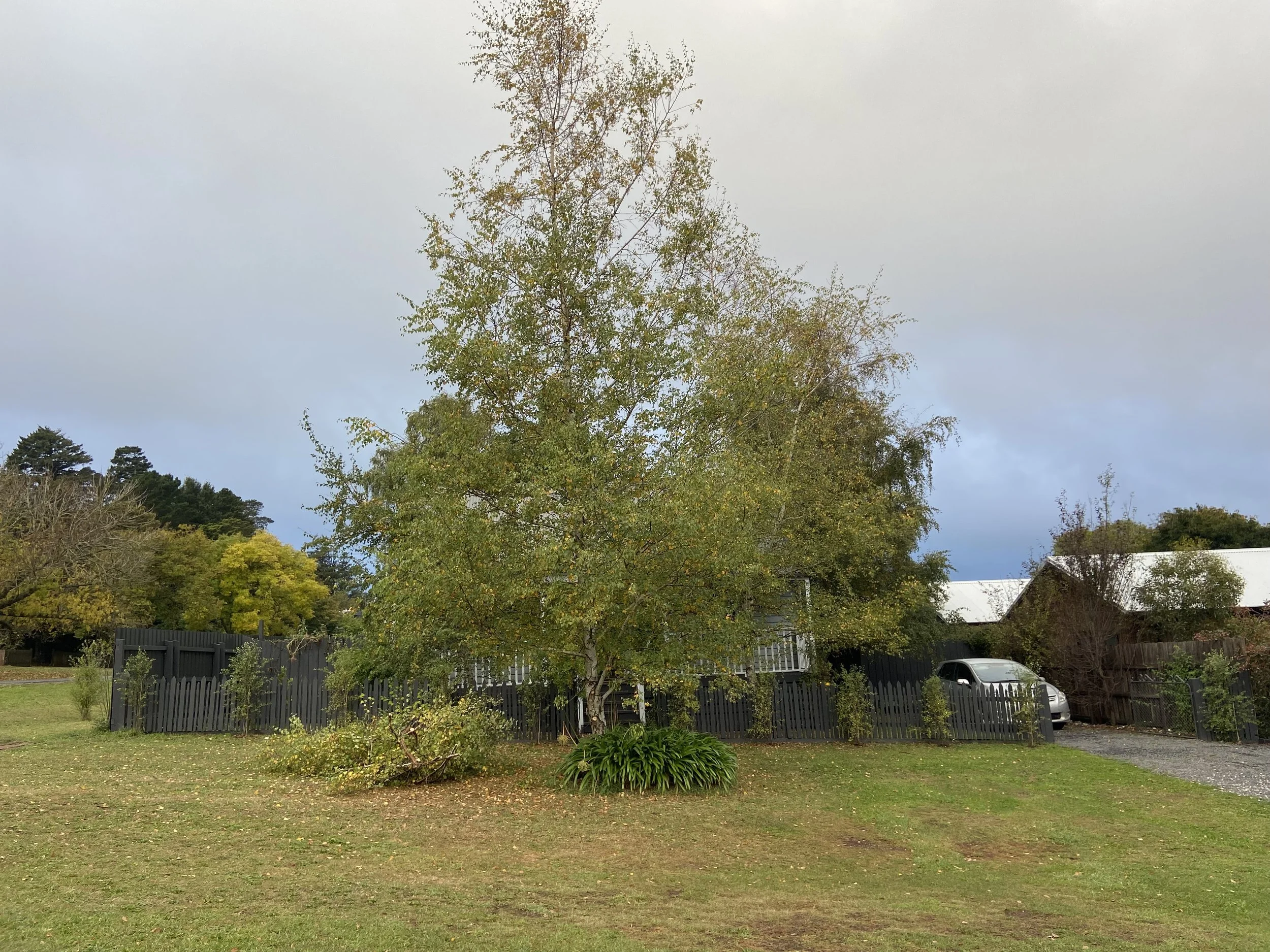
The western verge garden before.
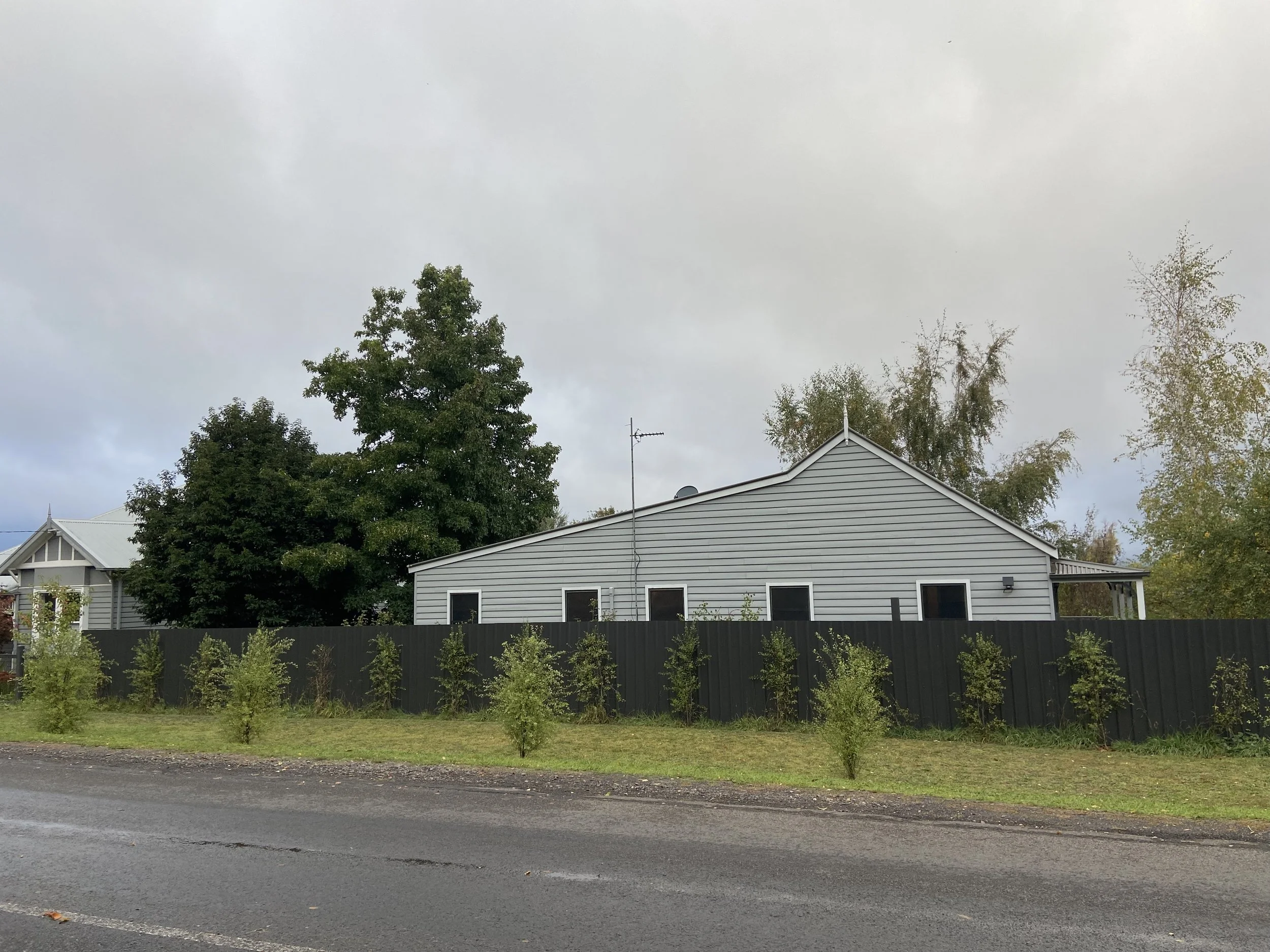
The northern verge garden before.
The verge is where I found my answer. That might surprise you, because the verge is the often thought of as the hardest ground on a property. It's public land, really, not even half mine. It's the most visible part of the whole garden and the most bound by rules. In Hepburn Shire, where I am, the planting guidelines are firm: no raised beds, no solid edging, sightlines kept open at the crossing, clearances left around services and the path that might one day run through. On paper that reads like a list of things you can't do. I saw it as an opportunity.
I've spent a working life reading briefs like that. Years on public landscapes far larger than a front strip taught me that the constraint is usually what gives a design its grit. So I stopped reading the guidelines as a fence around what was possible and started reading them as the brief. The offsets, the height limits, the open ground left for a future path: those became the structure I designed within.
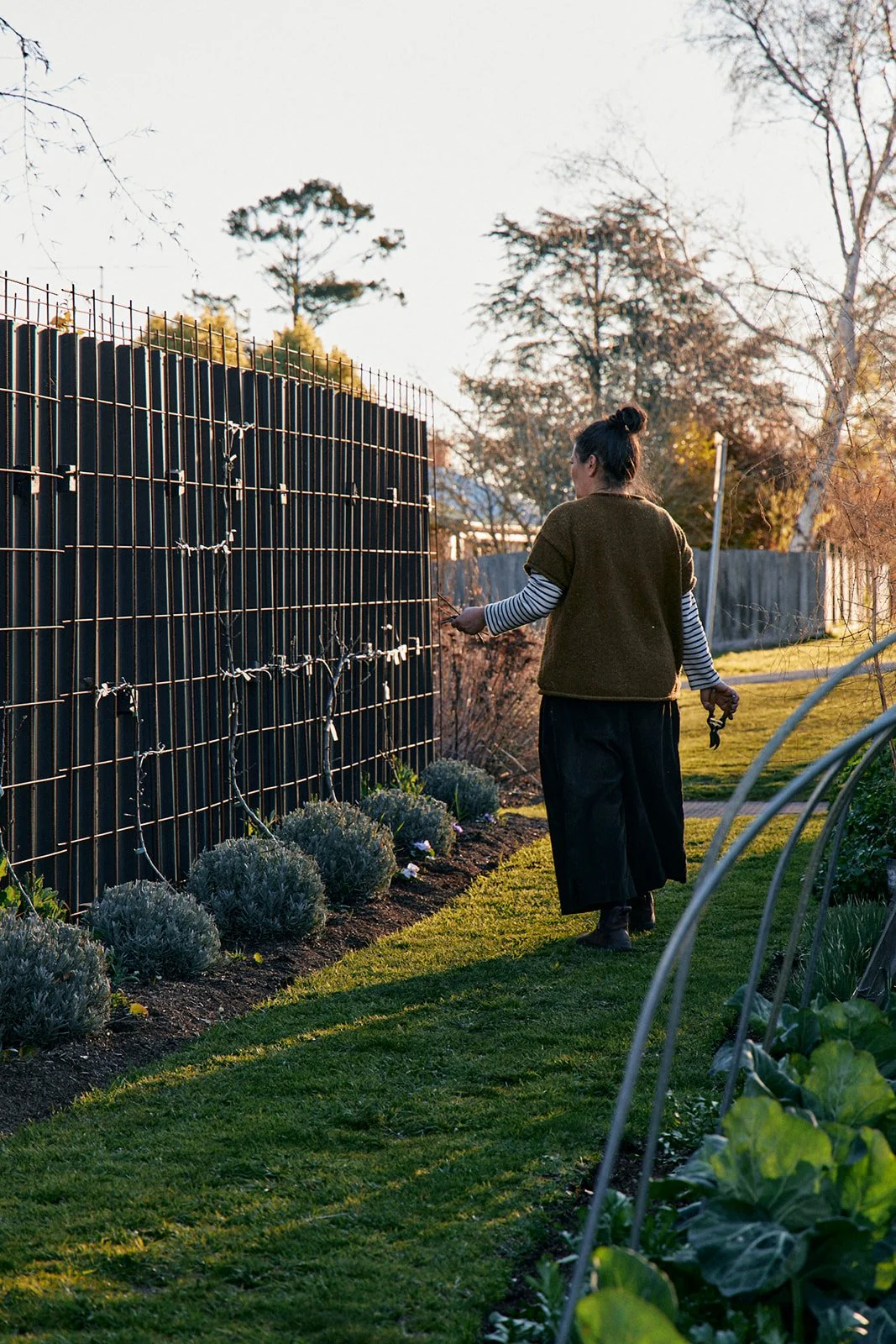
What came out of it was more considered than anything I'd made at Oak & Monkey Puzzle, and perhaps truer to the place. Beds cut with a clean spade edge instead of timber. Planting kept low and open near the corner so a driver and a child can see each other. A deliberate gap of bare ground where a path may one day go — negative space, left on purpose, doing as much work as anything planted. The strip softened the long northern fence without becoming a wall. It taught me that I hadn't lost the five acres. I'd distilled them.
That is the real thing the verge gave me, and it's why I keep returning to it. A garden doesn't matter because of its size. It matters because of whether it gives more than it takes. A 515-square-metre block can do that. So can a single bed. So, it turns out, can a strip of council grass.
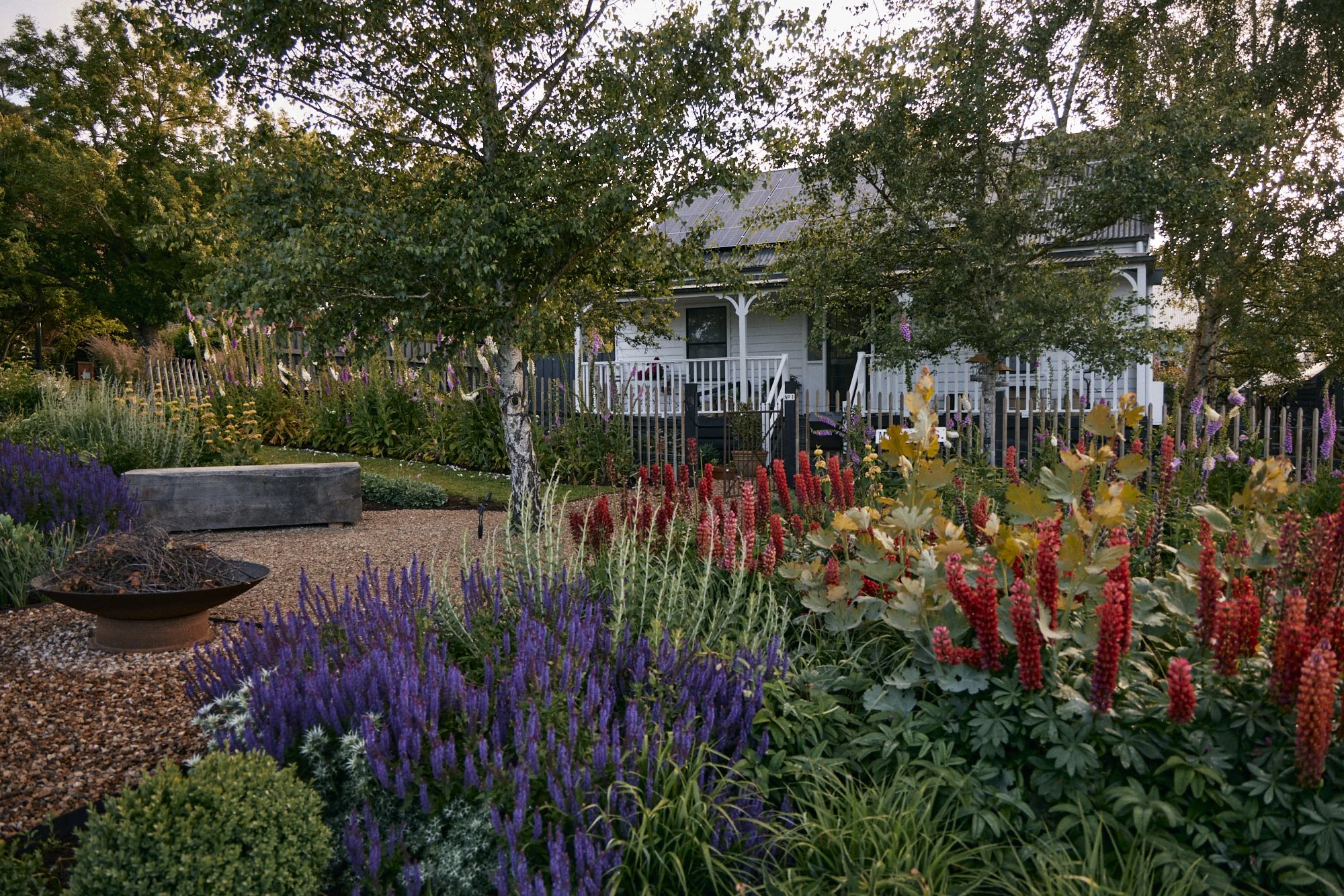
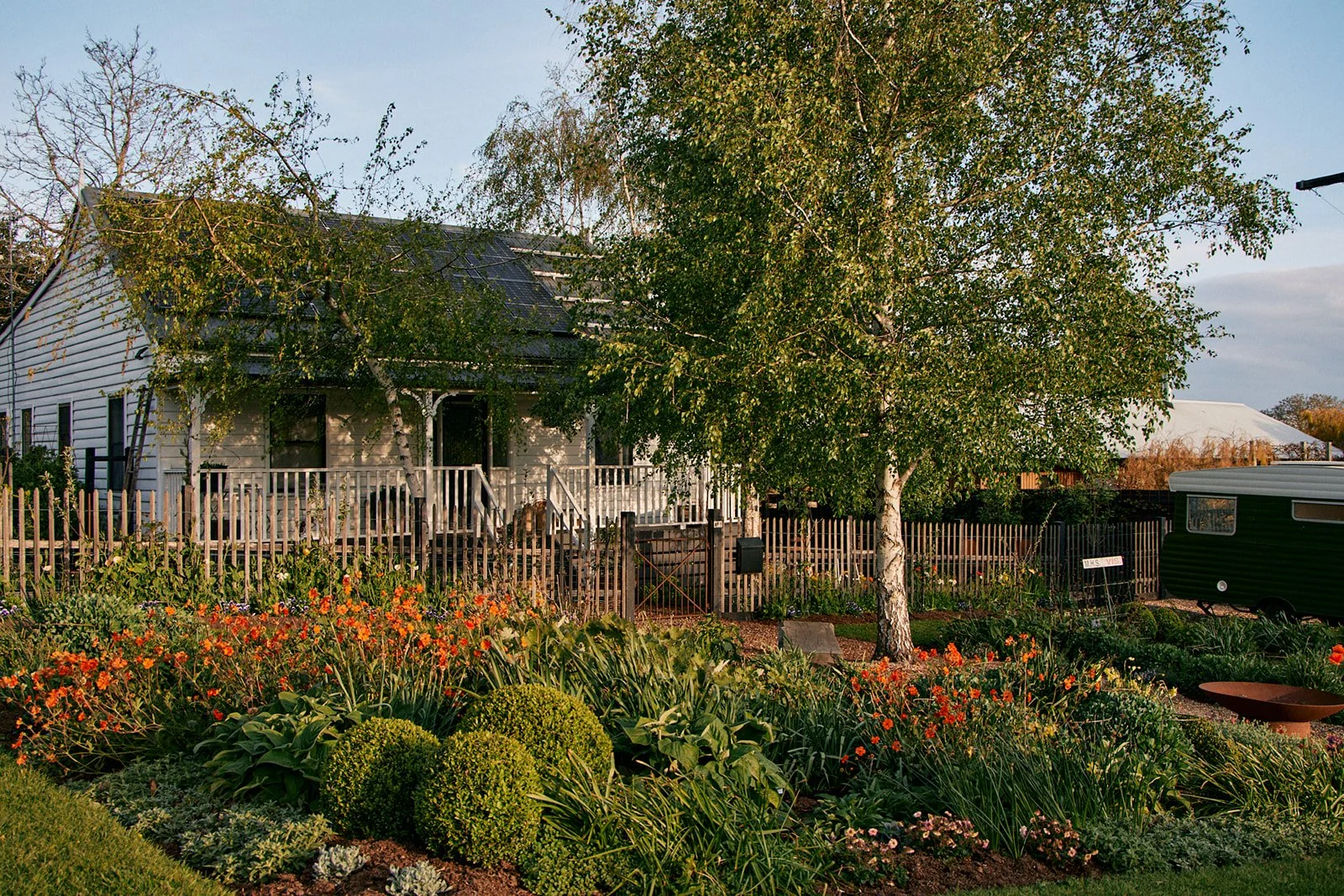
The western verge garden at Little Cottage on a hill in full bloom.
There's a line I come back to: grow one thing, and share it. One herb, one flower, one crop you have in small abundance. If each of us did that and let the overflow go over the fence, we'd build a kind of resilience into our streets that none of us could manage alone. The verge is the most honest place to practise it, because it's the part of your garden the street can see. When it's tended, people notice. When something's growing there you're happy to give away, they stop and ask. Daylesford has taught me that community rarely arrives through the front door — it comes through side doors and in-between spaces. A note left on a doorstep that says for you. Strawberry runners that Lizzie at the café pressed on me one season, still fruiting. Generosity, I've found, is the currency that has never once left me feeling broke.
All of which brings me to this little ebook, and to Donna Livermore.
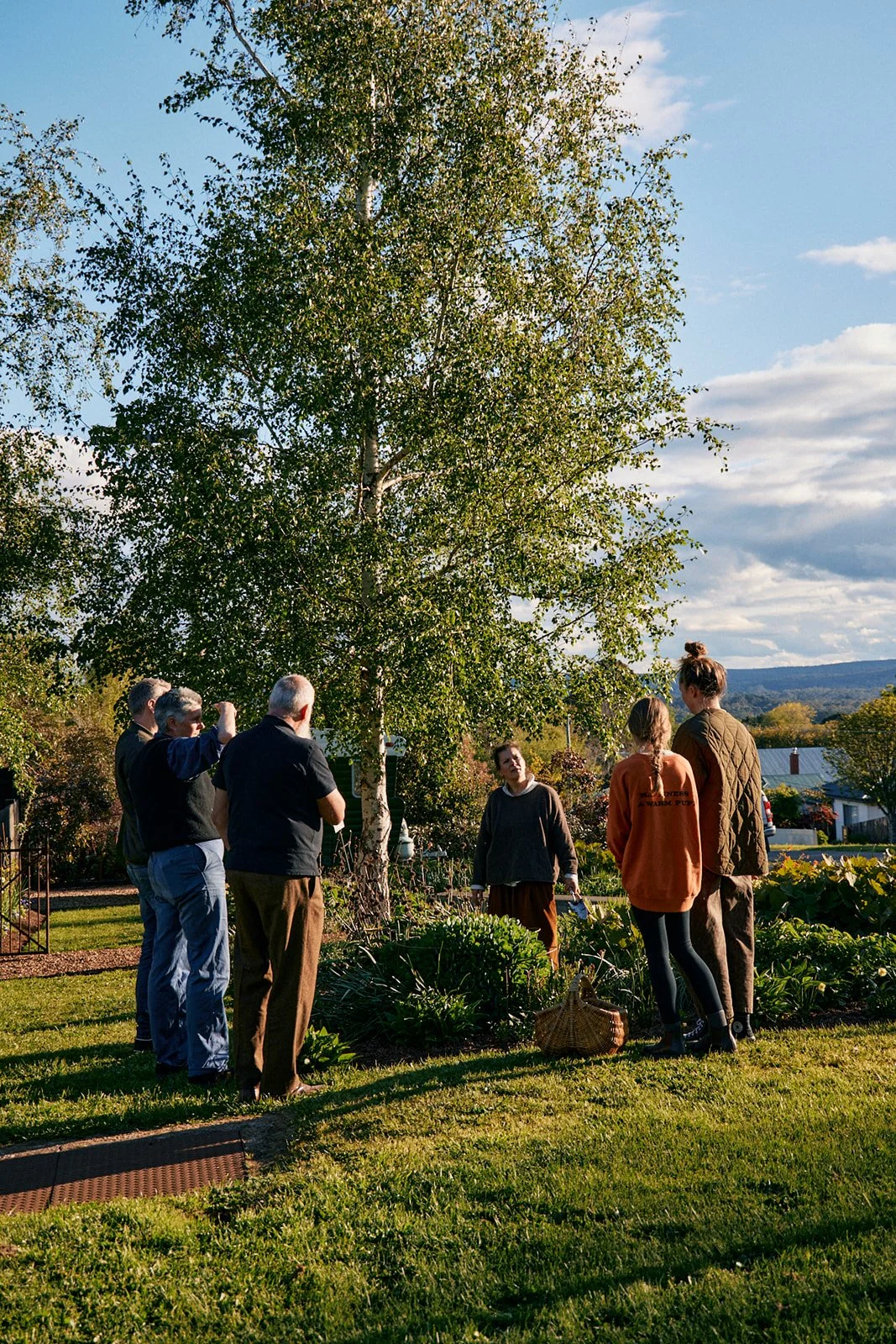
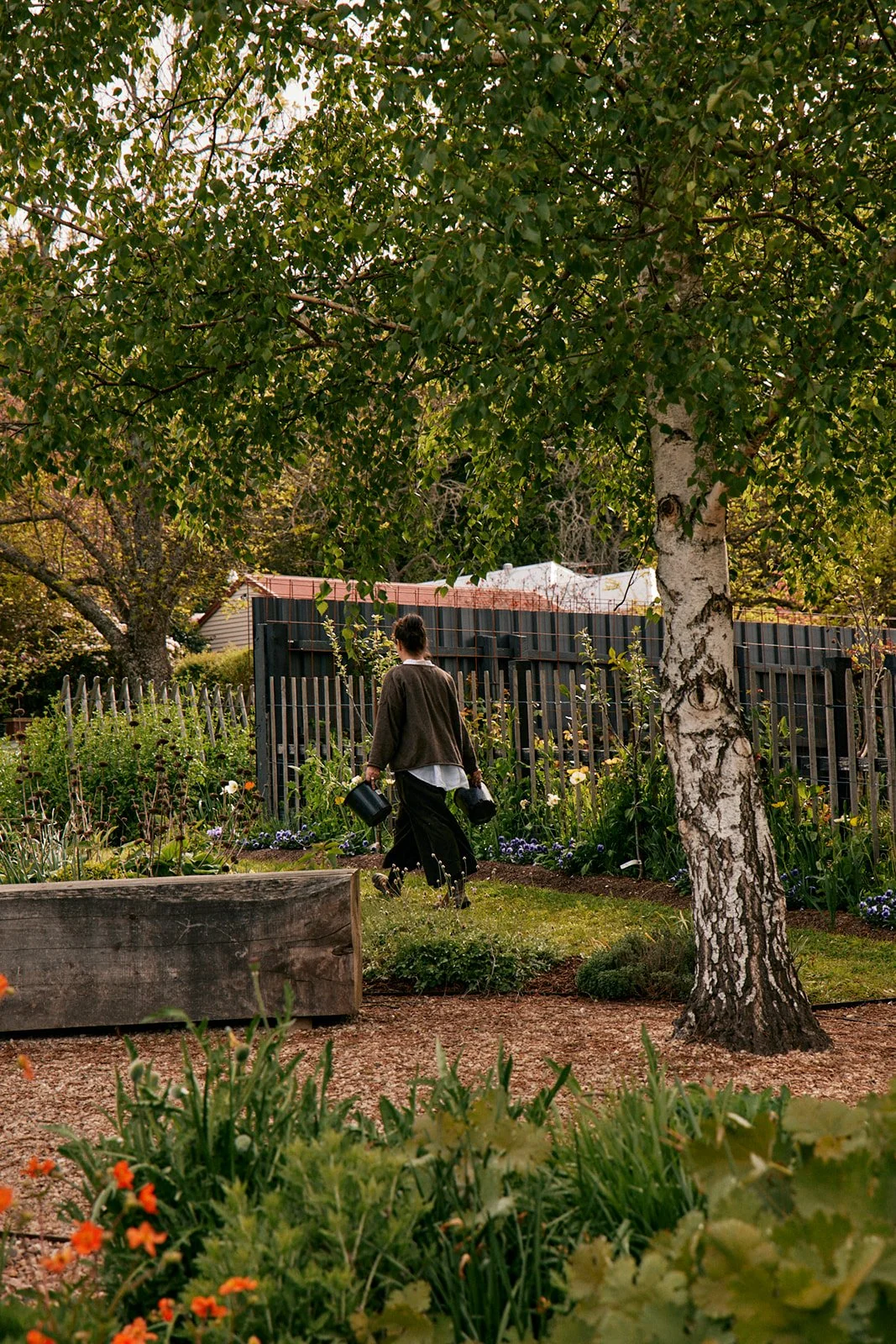
Nature Strip Gardens ebook came out of the first local verge workshop Donna and I ran together — an afternoon of people standing on Little Cottage on a Hill’s western and northern verge gardens, sharing what our council actually allows and considering what they might want for their own patch and how to bring it to fruition. It's a concise, practical fundamentals guide: how to read your site, how to apply the rules as a brief wherever you live, how to build tired verge soil over time, what to plant where people walk and where car doors open. Enough to get you started on a metre or two, then return to as the season turns.
We're giving this ebook away for free, and I want to be plain about why.
The work that pays — my book, my workshops, my partnerships and collaborations — is what makes the giving possible. When someone buys The Productive Garden Companion or books into a workshop, some of what they pay goes straight back out: into the free ebook, the verge working bees, and an ecosystem of resources that are available at no price, just like this blog! That's the model I'm building for myself, deliberately — a practice where the paid work holds up the generous work, so I get to live by what I value deeply — sharing skills, empowering action, creating a world where we can give more than we take one small patch of soil at a time.
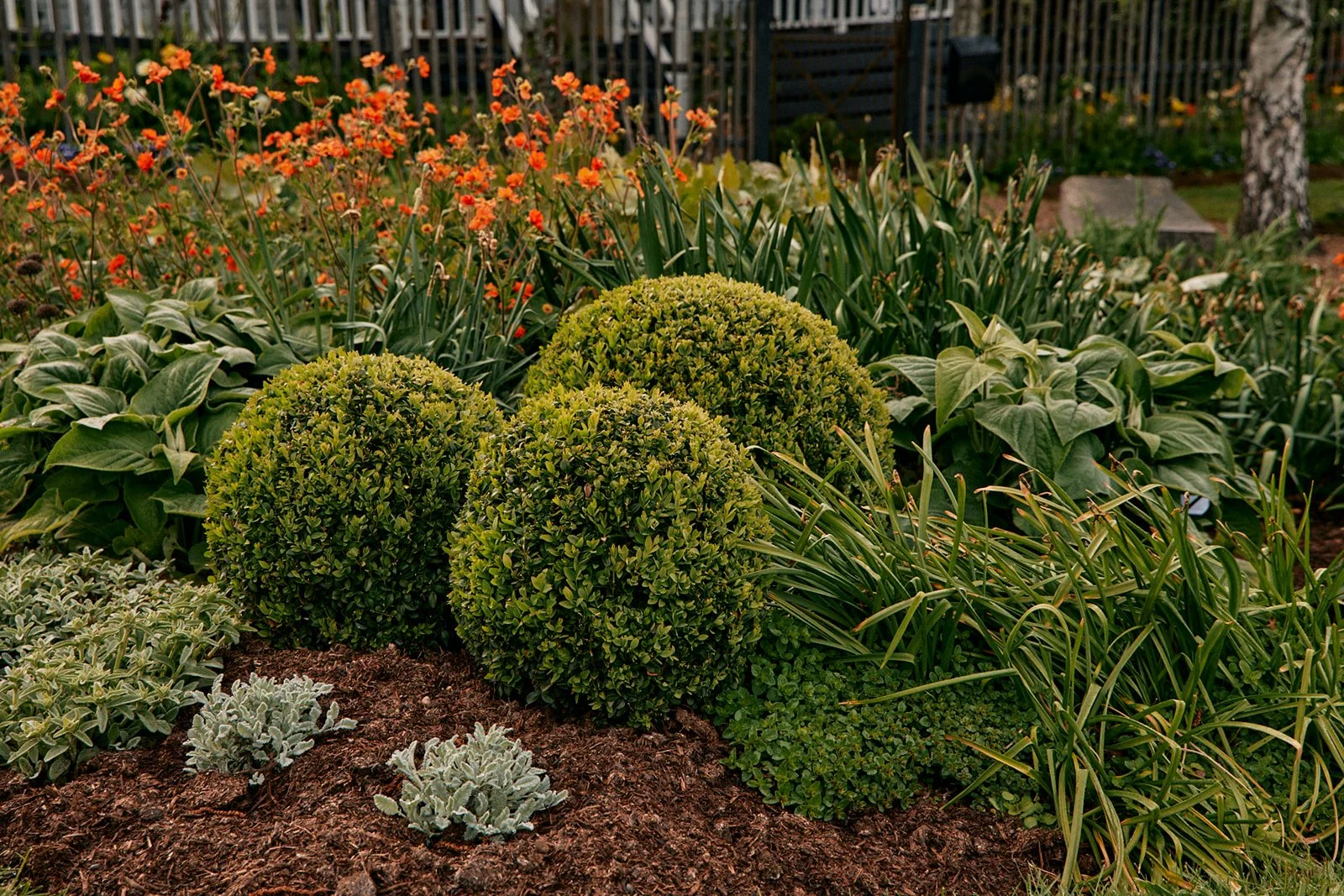
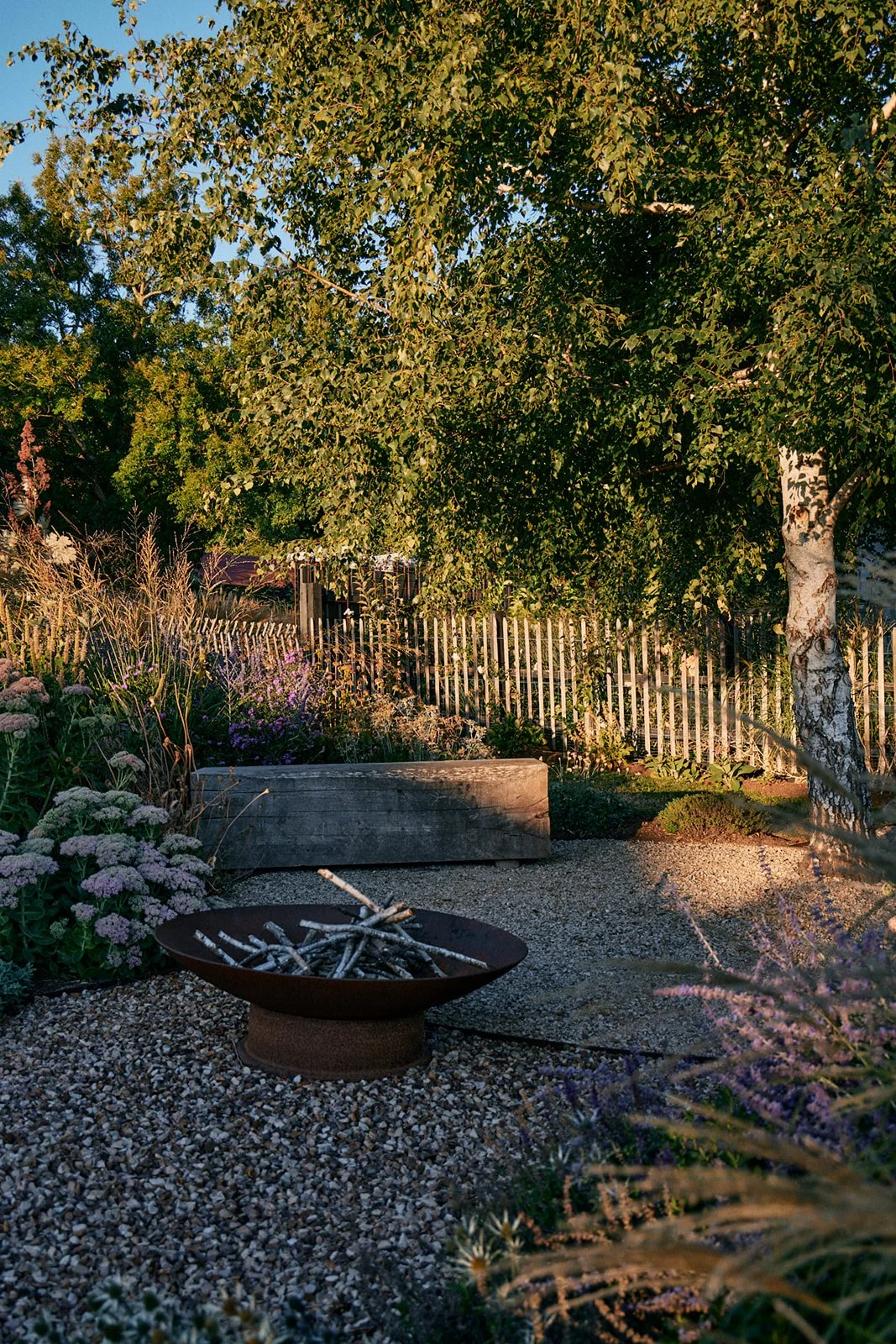
Details in the western verge garden.
We're hosting all of it on Gardenstead, in the Hepburn Shire Growers Network group — a local group inside the platform where I work as Global Community Manager. It's our living noticeboard: planting experiments, swaps, the odd question someone worried was too basic to ask. Wherever you live, the ebook will send you back to your own council's rules and your own street. But if you're nearby, that's where the conversation keeps going after you've read the last page.
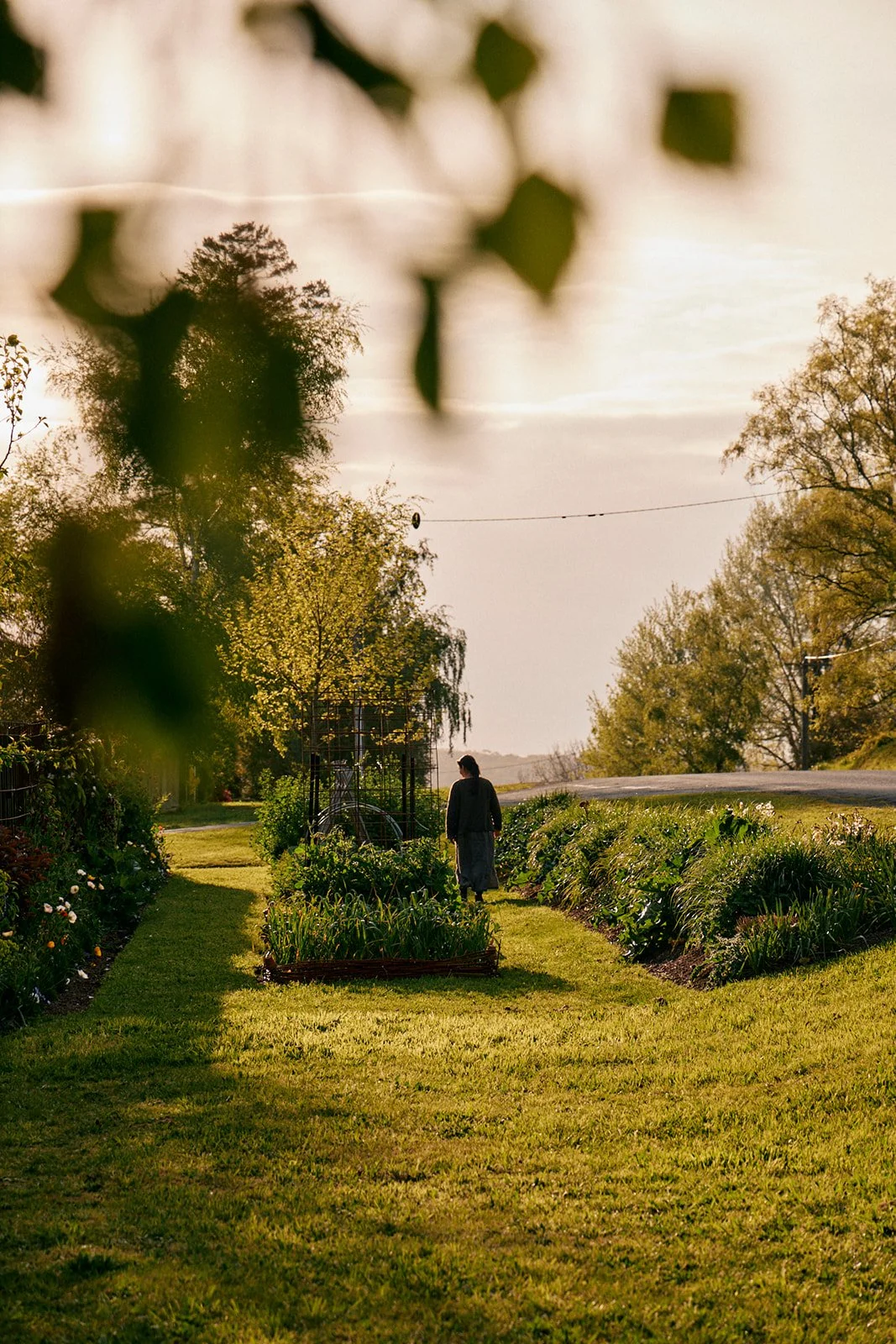
So — the strip out the front. The bit most thought I'd do last. It's the first thing visitors see now, and the first thing I check on my five-minute morning walk, snipping anything flopping over the path, noticing what the bees have found. I still don't have the five acres. I've stopped wanting them back. There's a path I've left room for that hasn't been built, and may never be, and I find I like the garden better for the space I've kept open in it.
Download Nature Strip Gardens: Fundamentals for Beautiful, Compliant Verges — free.
Start with one small section. Grow one thing. Share it.
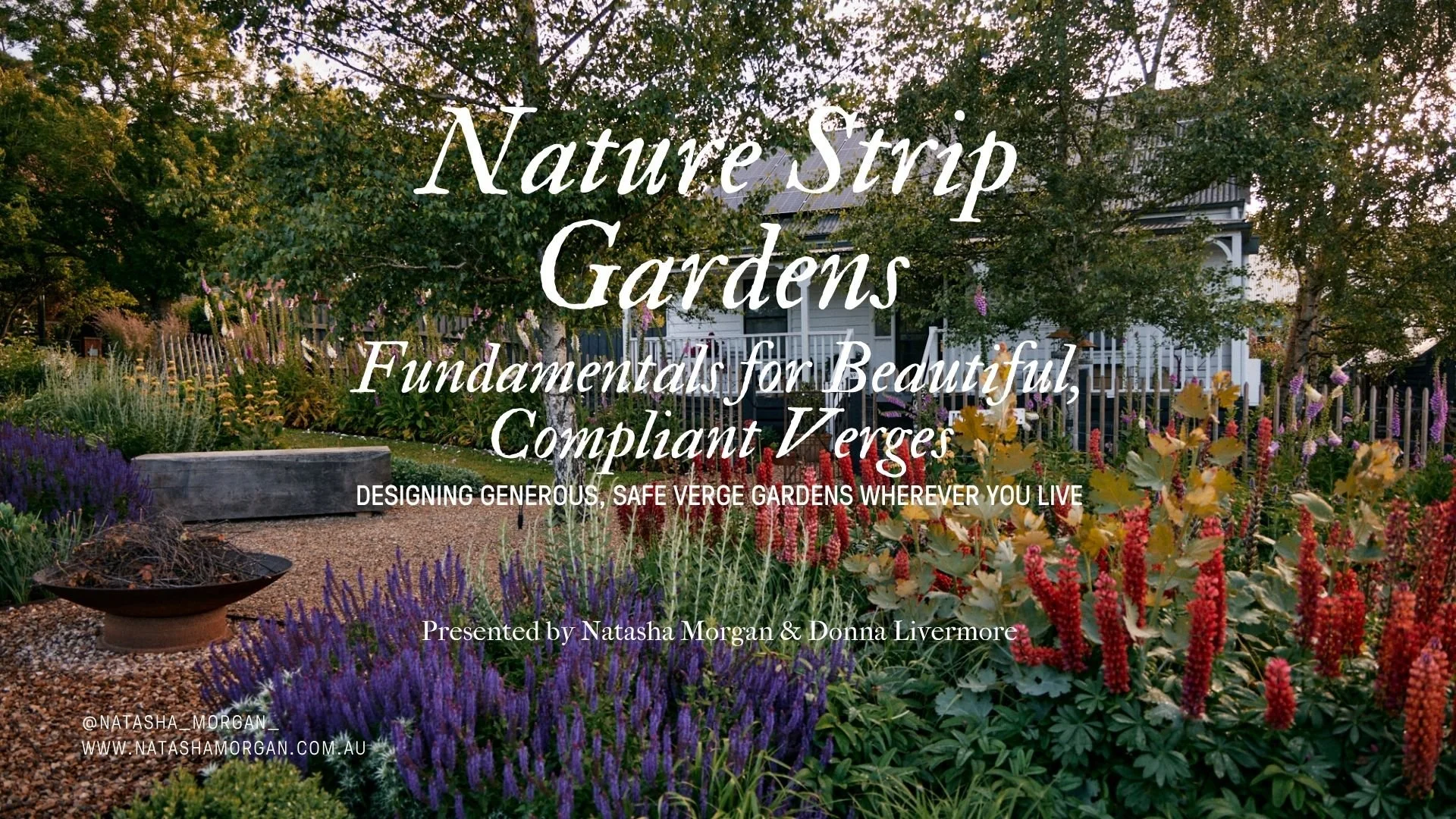
Front cover of Nature Strip Gardens - Fundamentals for Beautiful Compliant Verges.
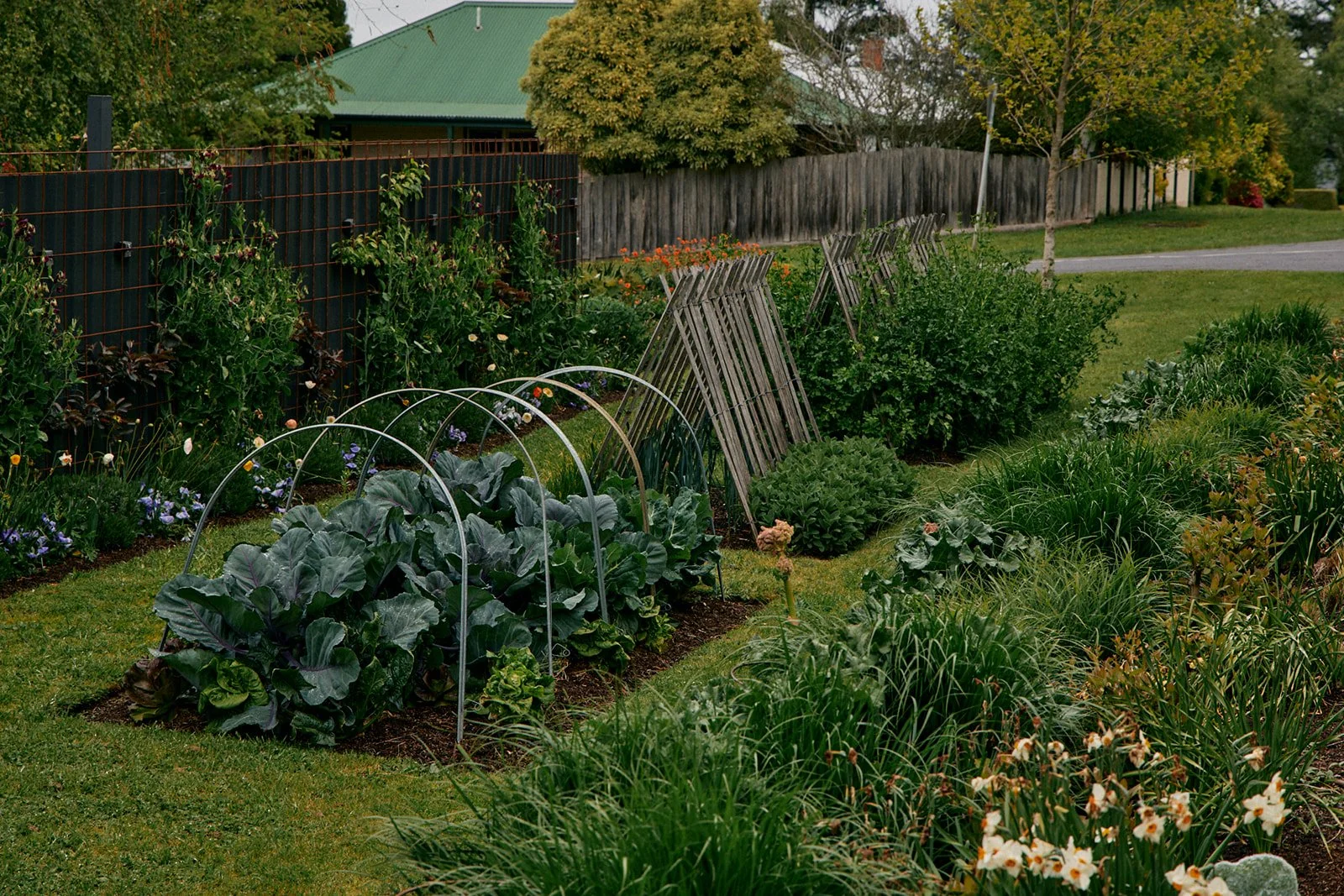
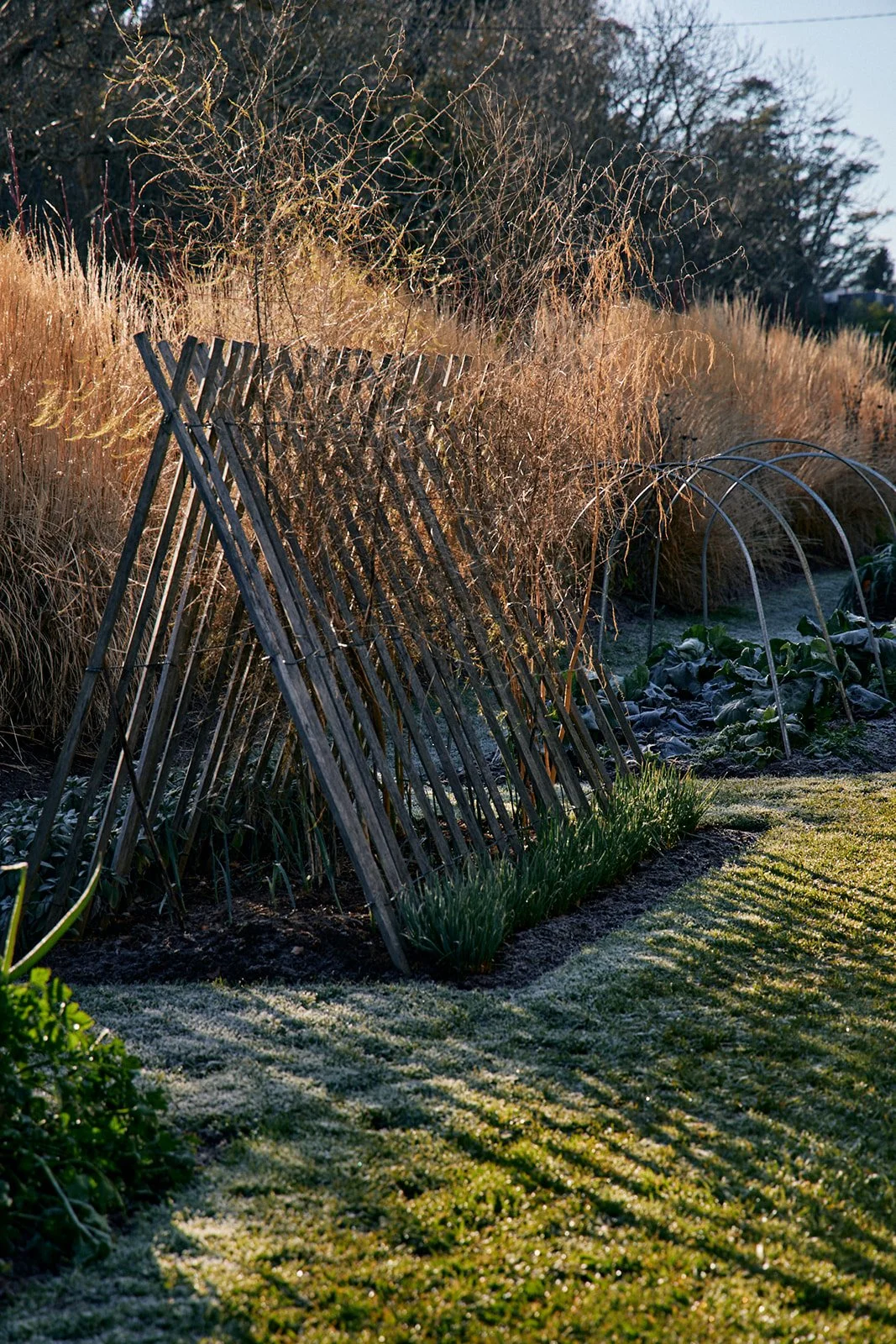
The northern verge garden.
Continue your gardening journey with me
If you enjoy this kind of content, my workshops offer more detail and guidance on design, productivity and seasonal care.
If you are building your garden from home right now, my e-books on Wicking Bed Gardens, Introduction to Backyard Chicken Keeping and Compost for Beautiful Productive Gardens offer practical step by step guidance that pairs well with the workshops
I share seasonal tips, behind the scenes at Little Cottage on a Hill, and new resources through my newsletter. Subscribe to receive my entire plant list from the garden as a personal thank you.
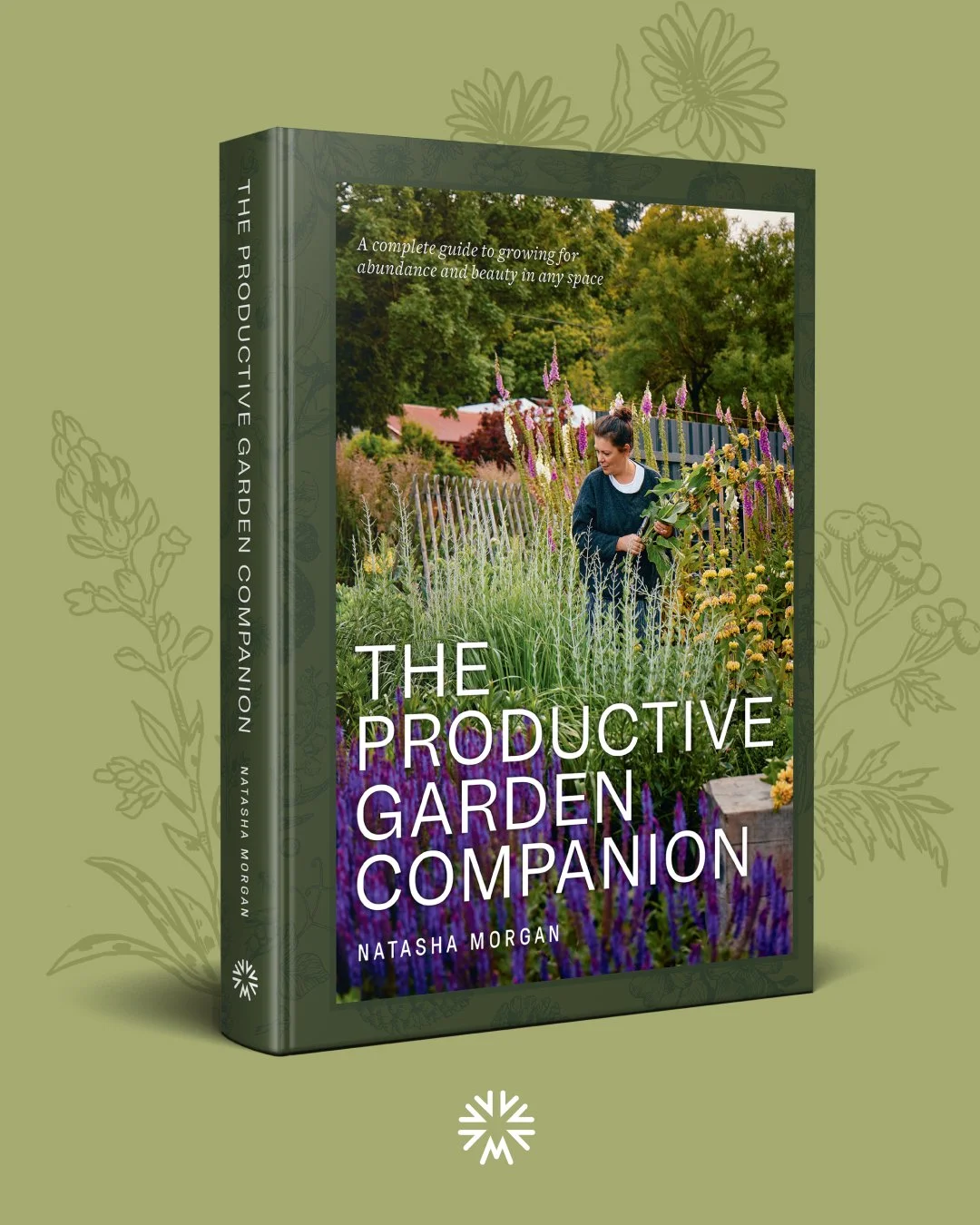
You can also pre-order my book The Productive Garden Companion, the book I have wanted to find my entire life. A complete guide to growing for abundance and beauty in any space. The Productive Garden Companion is a practical, reassuring and visually rich modern gardening book that meets gardeners wherever they are, from windowsill pots to generous acreage.
You may want to check out my related content below:
June Garden Tasks - For Australian Climates
Growing Pumpkins Up - Maximising Small Spaces for a Thriving Productive Garden
Green Manure - Green Manure - The Soil-Building Secret Most Gardeners Overlook
Stay connected for more seasonal inspiration:
Instagram | Facebook | Gardenstead | LinkedIn | Pinterest | YouTube | Website | Newsletter
Thanks so much for following along.
Natasha xx
