A spring reflection from a Daylesford garden.
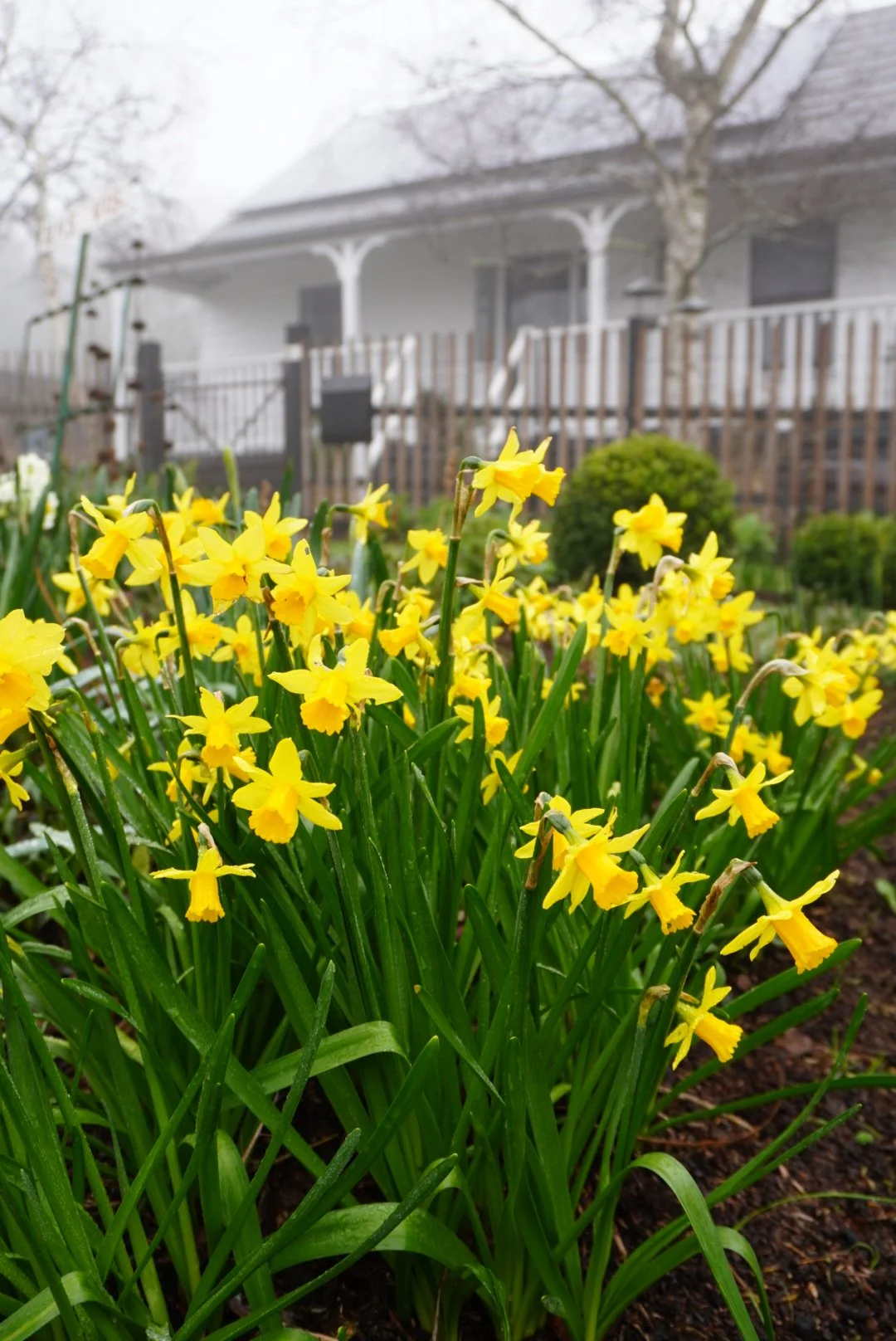
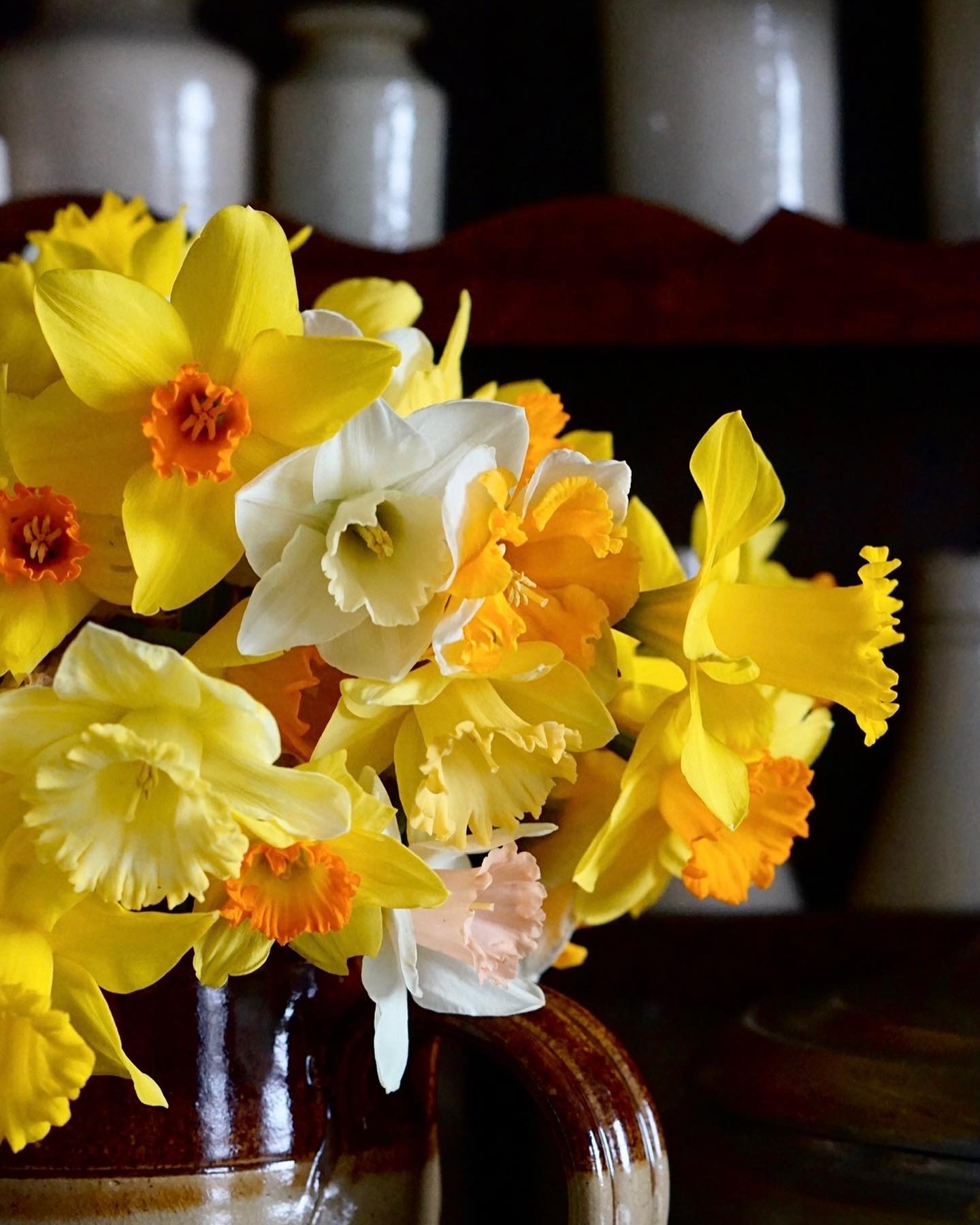
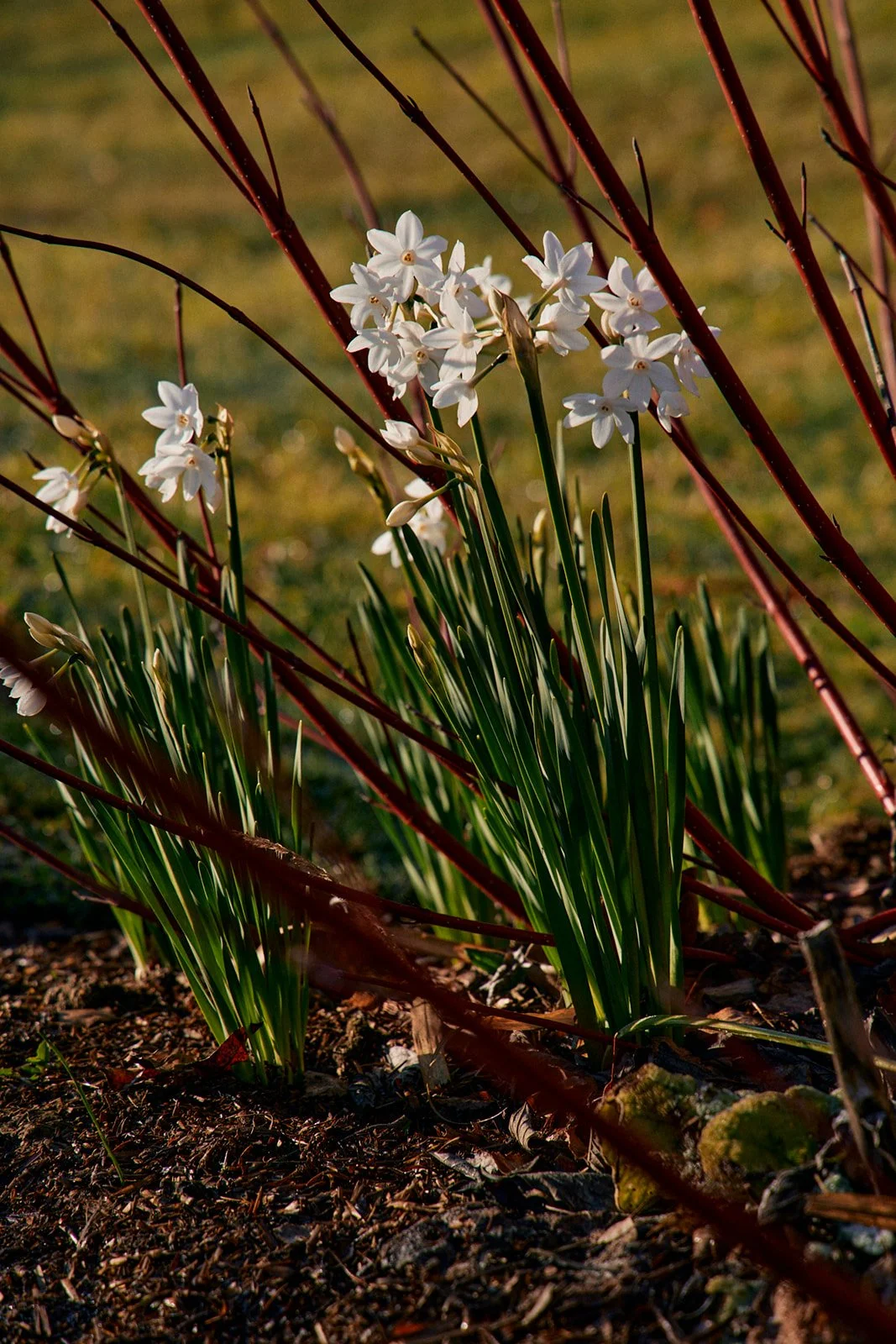
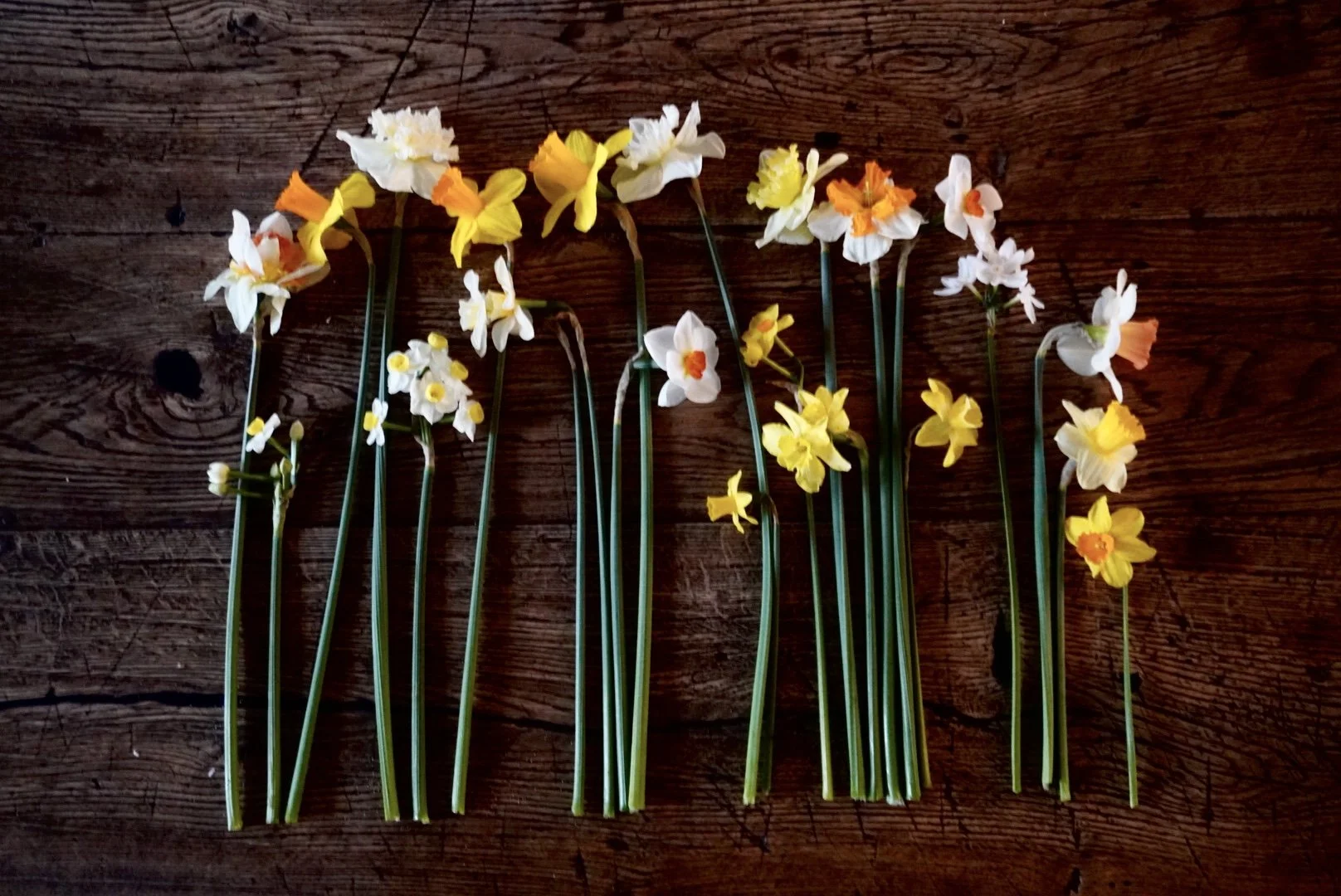
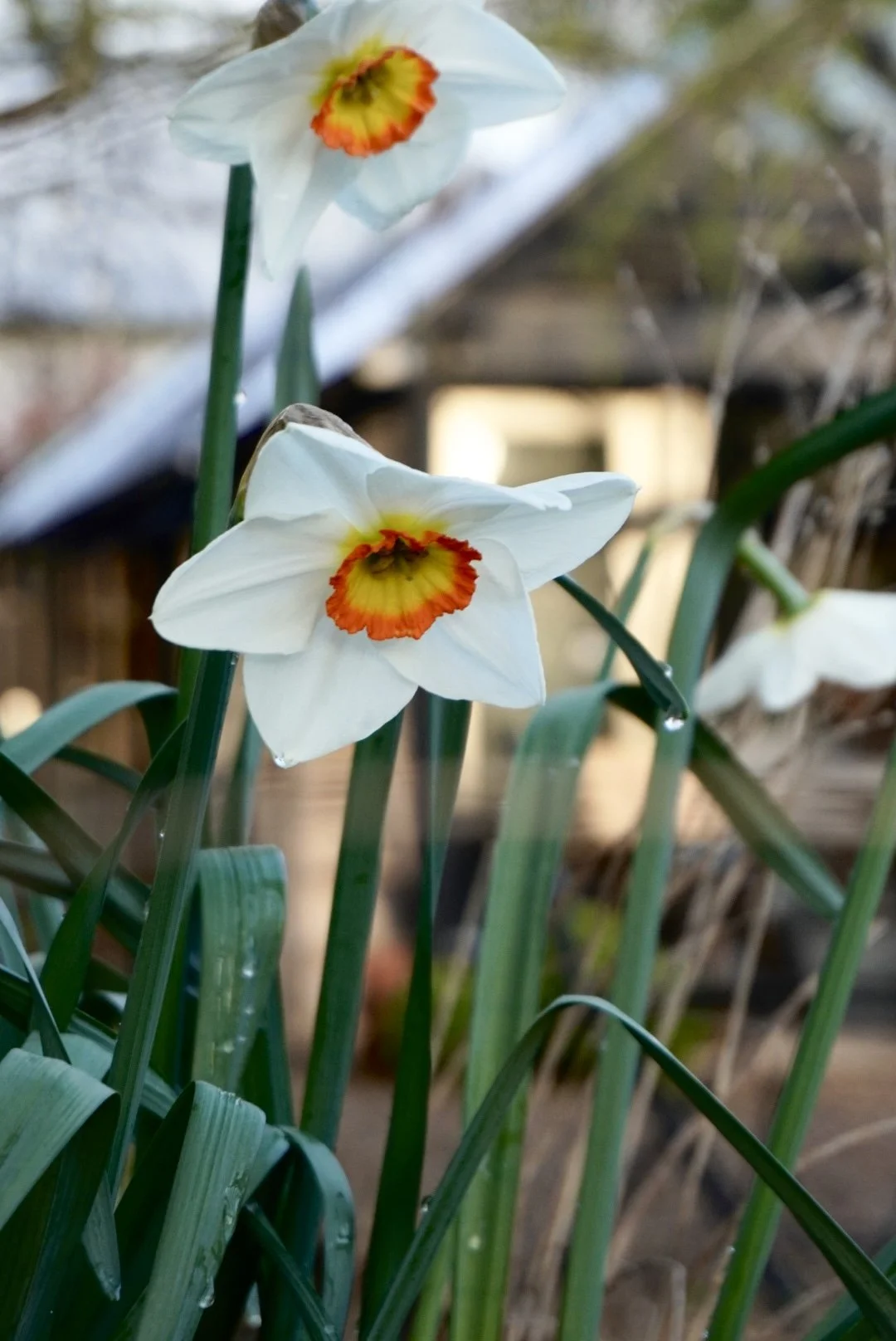
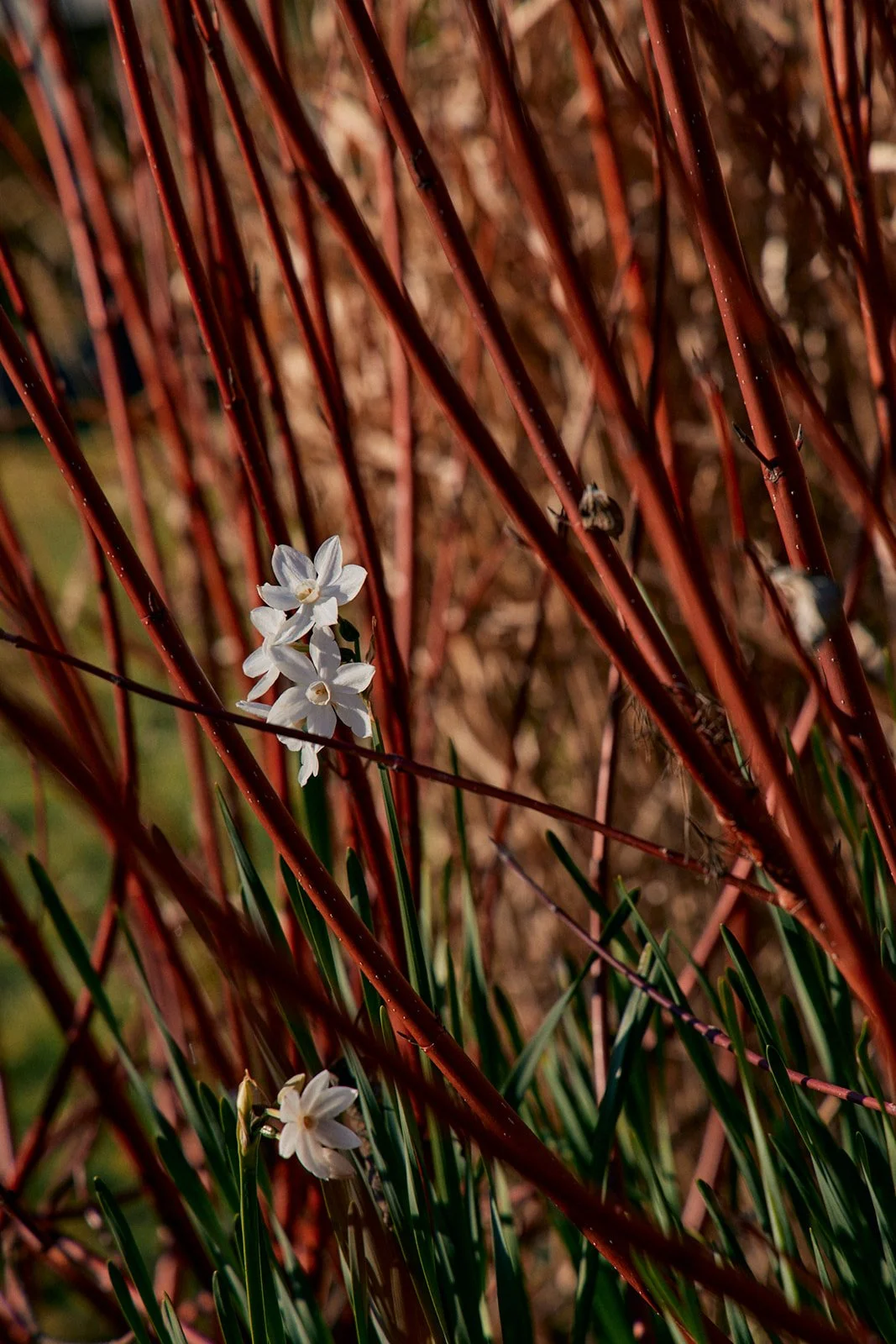
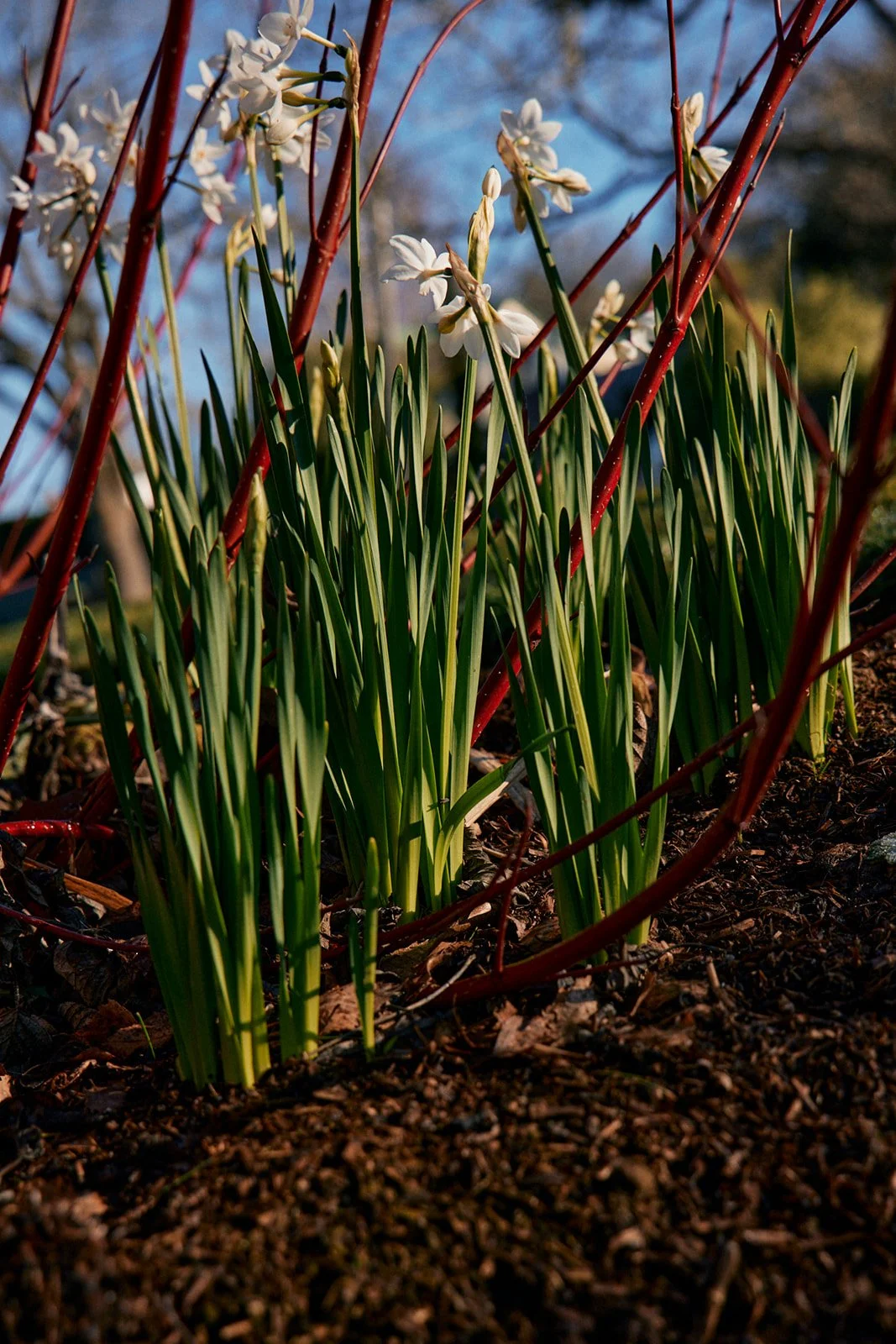
The tête-à-têtes (Narcissus 'Tête-à-Tête') are always first. They push through the mulch on the western verge sometime in August, and give me cues to the unfolding cadence of the season to come. This year they feel early. Already in full flower. Small, certain, absurdly yellow — and this morning, the first of September, the jonquils and narcissus (Narcissus spp.) are opening behind them. The light has changed. It lands deeper into the beds now and stays later into the afternoon. And underneath it all, the thing no photograph holds: you can feel the sap rising. Literally. It's palpable.
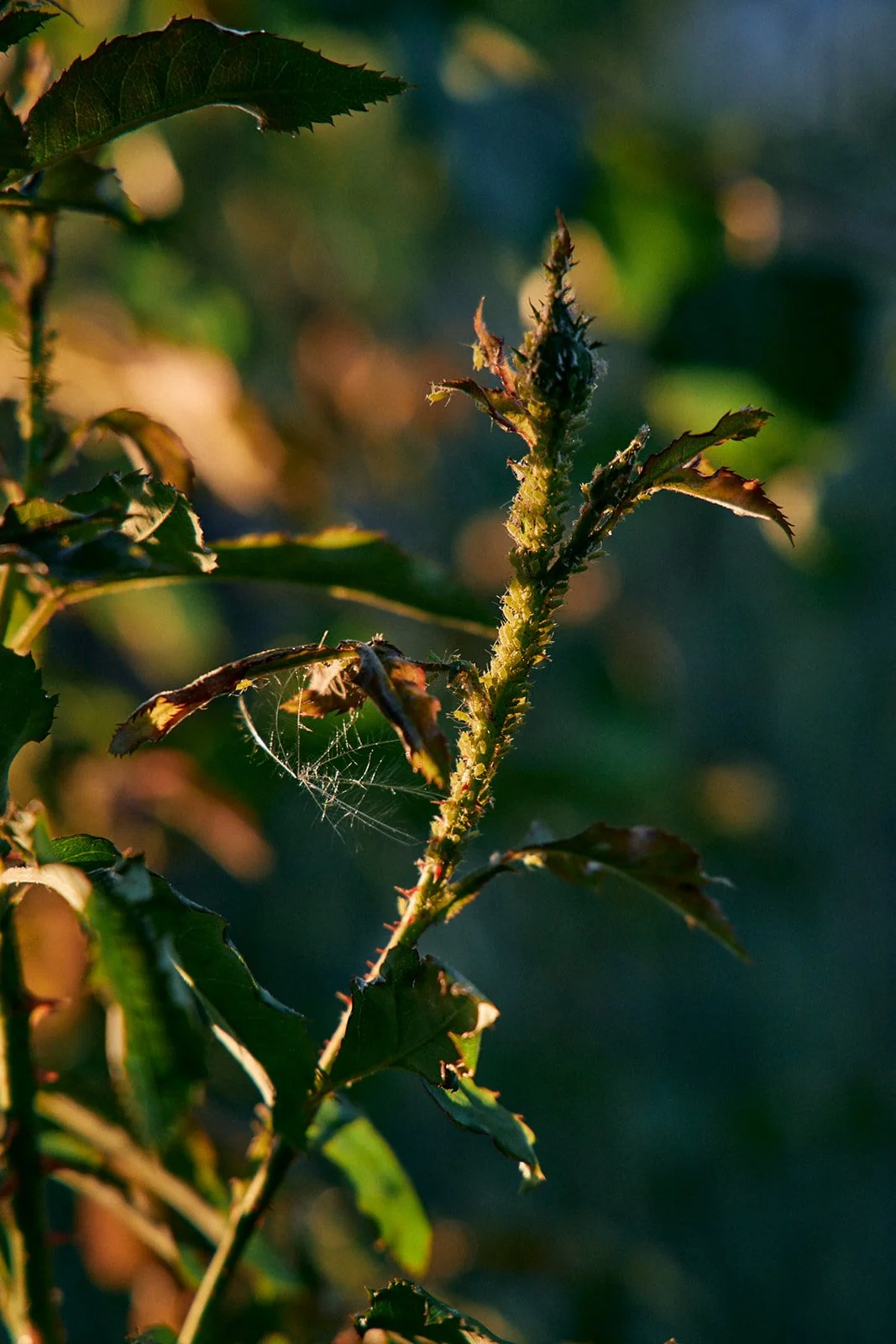
I'm aware of how that sounds. But live inside one garden long enough and a kind of attunement arrives, uninvited. The days stretch by a few minutes at each end and the whole system registers the difference. The birds know it. The bees know it, and the ladybirds, and the aphids they're waking to eat. So, it turns out, do I. All winter I wrote about watching — frost on the seed heads, the garden's bare architecture, everything moving underground while the surface held still. I've said for years that my year doesn't start in January; it starts when the sap rises. And it’s happening right now. The promise being kept.
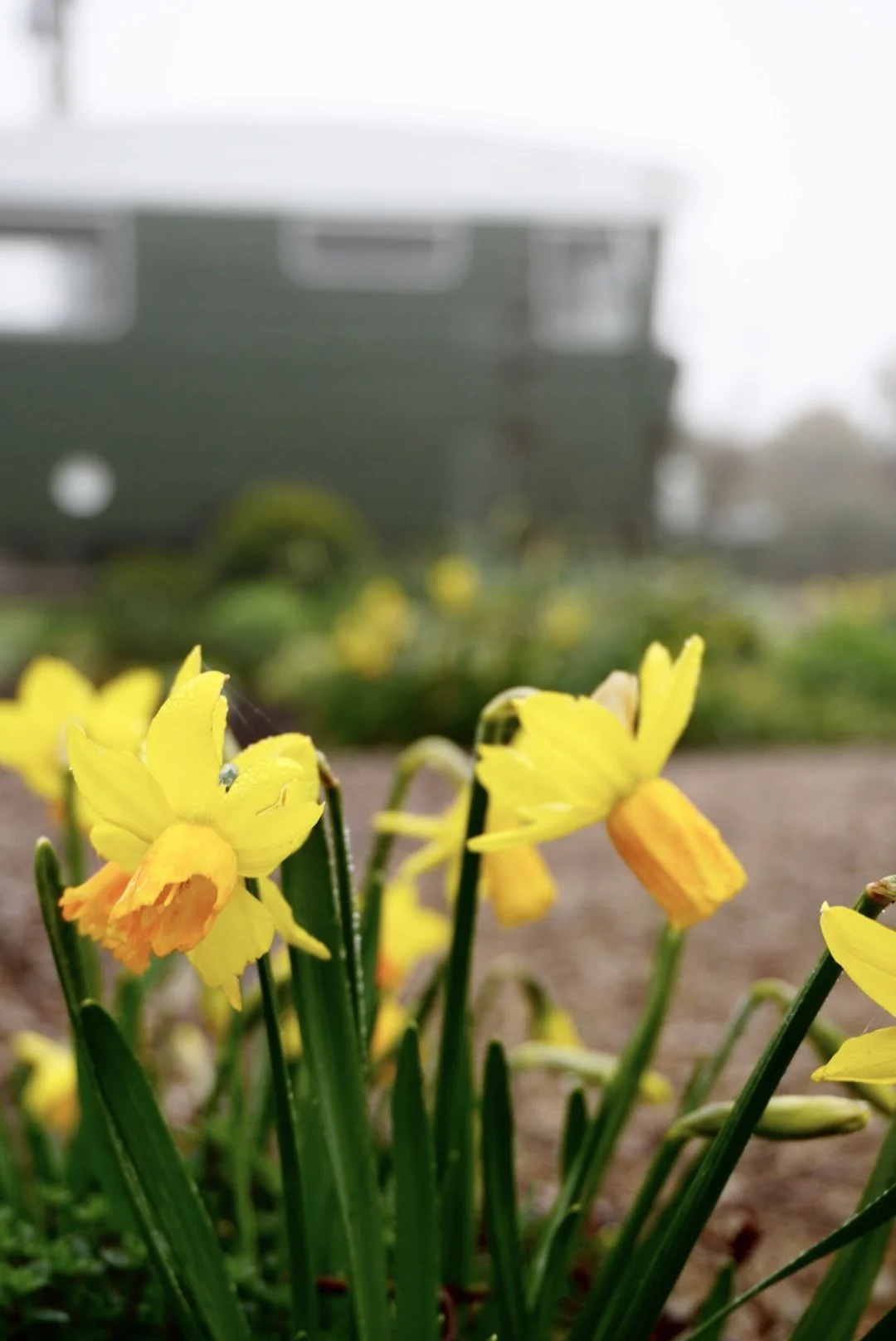
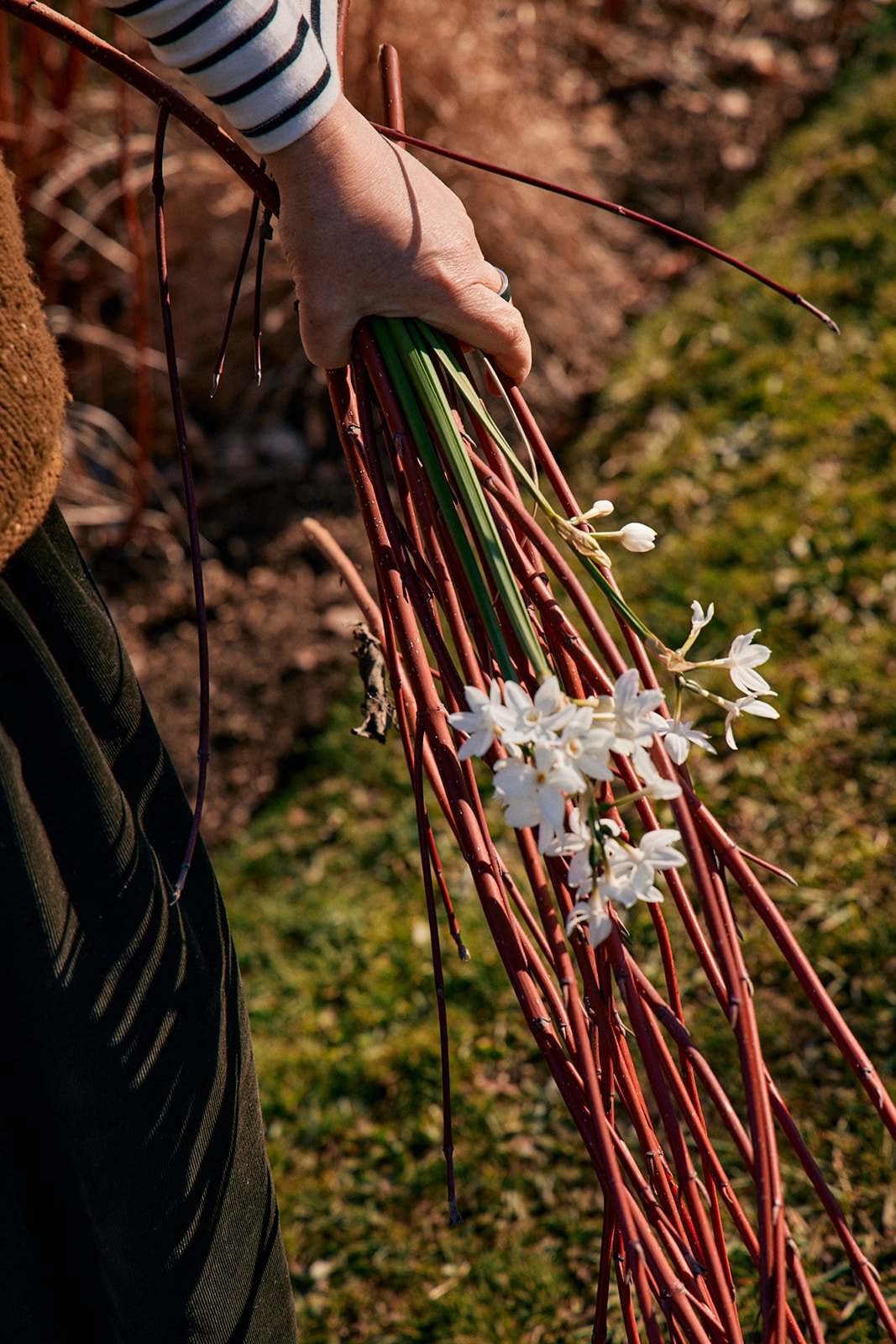
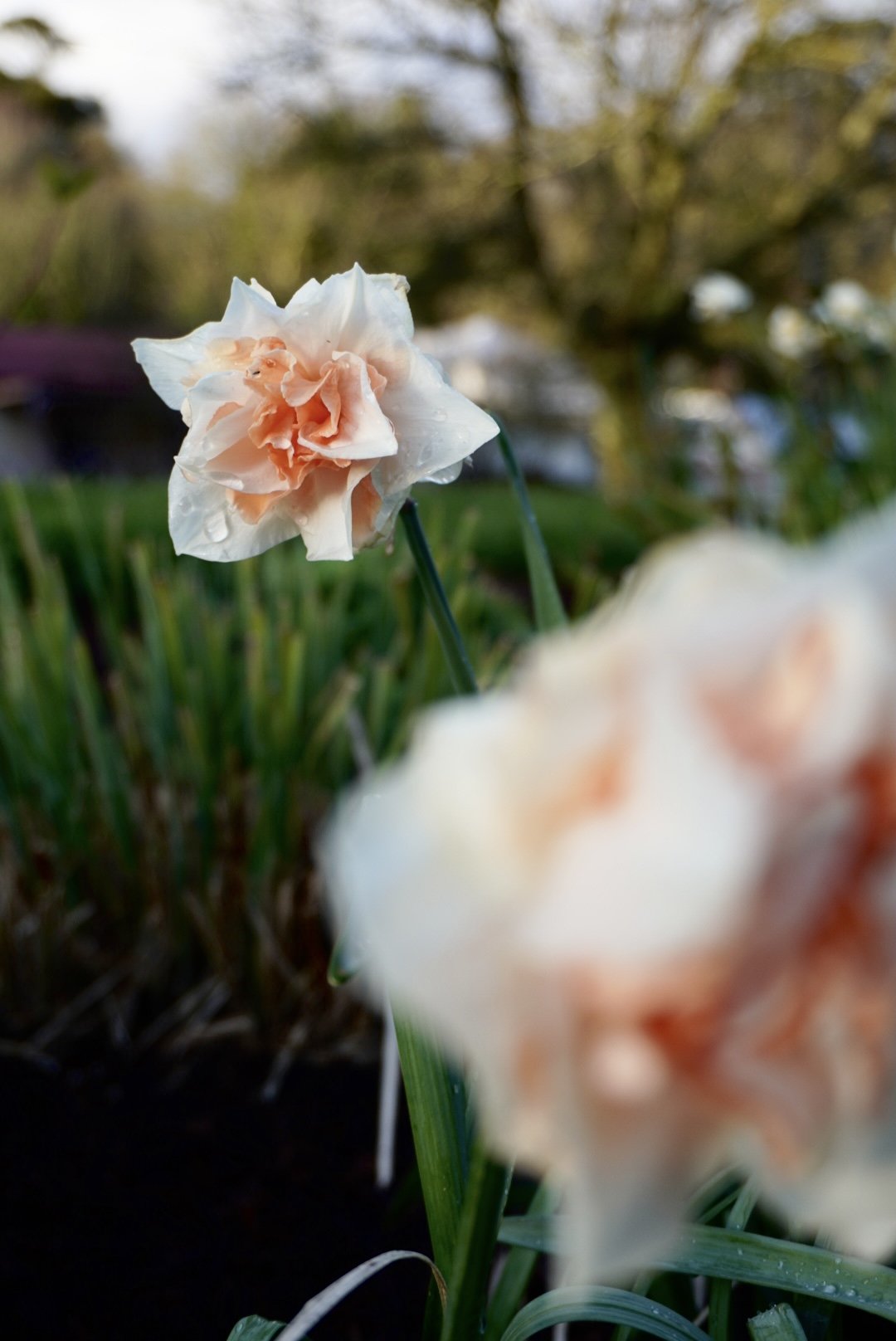
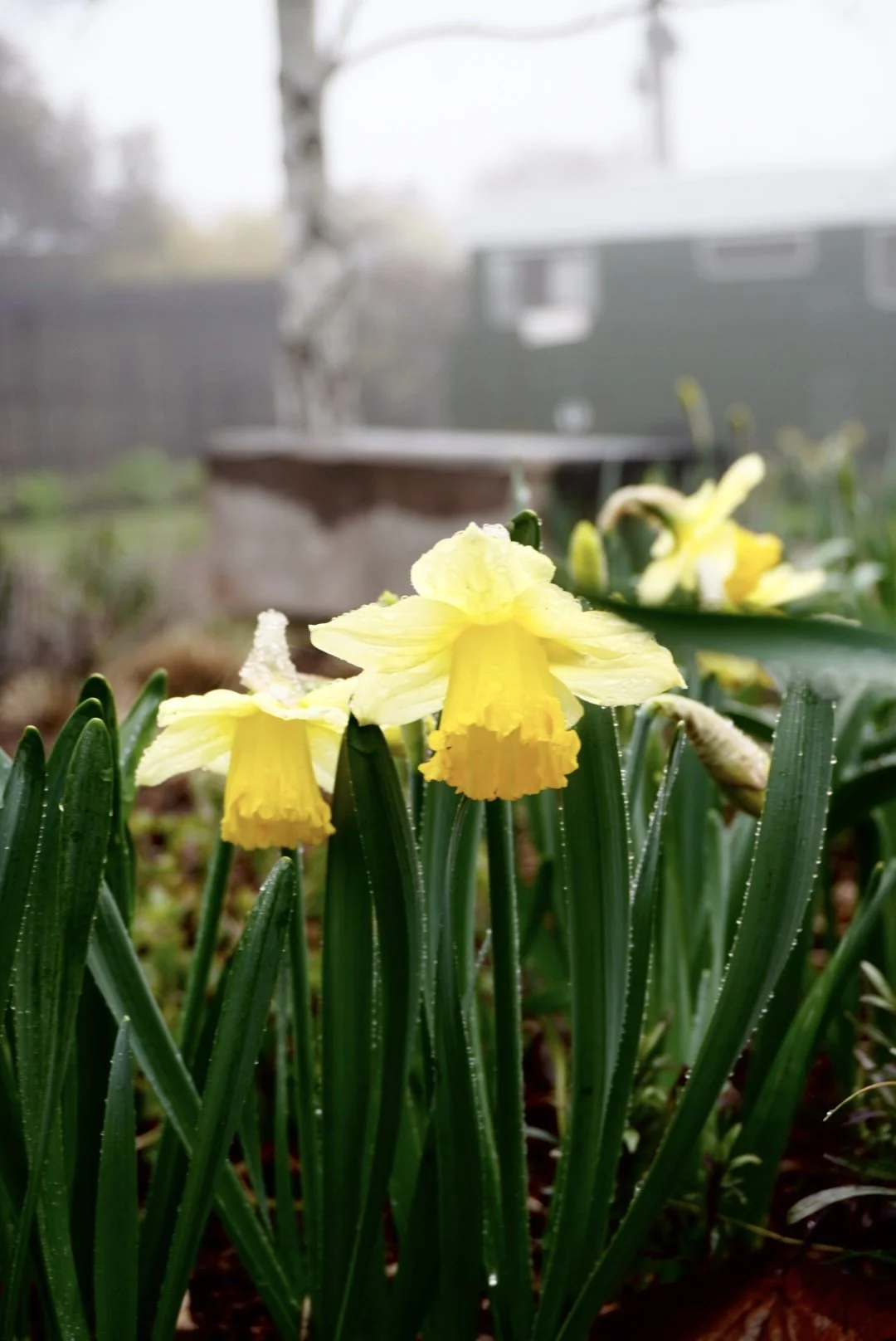
A choreography of bulbs
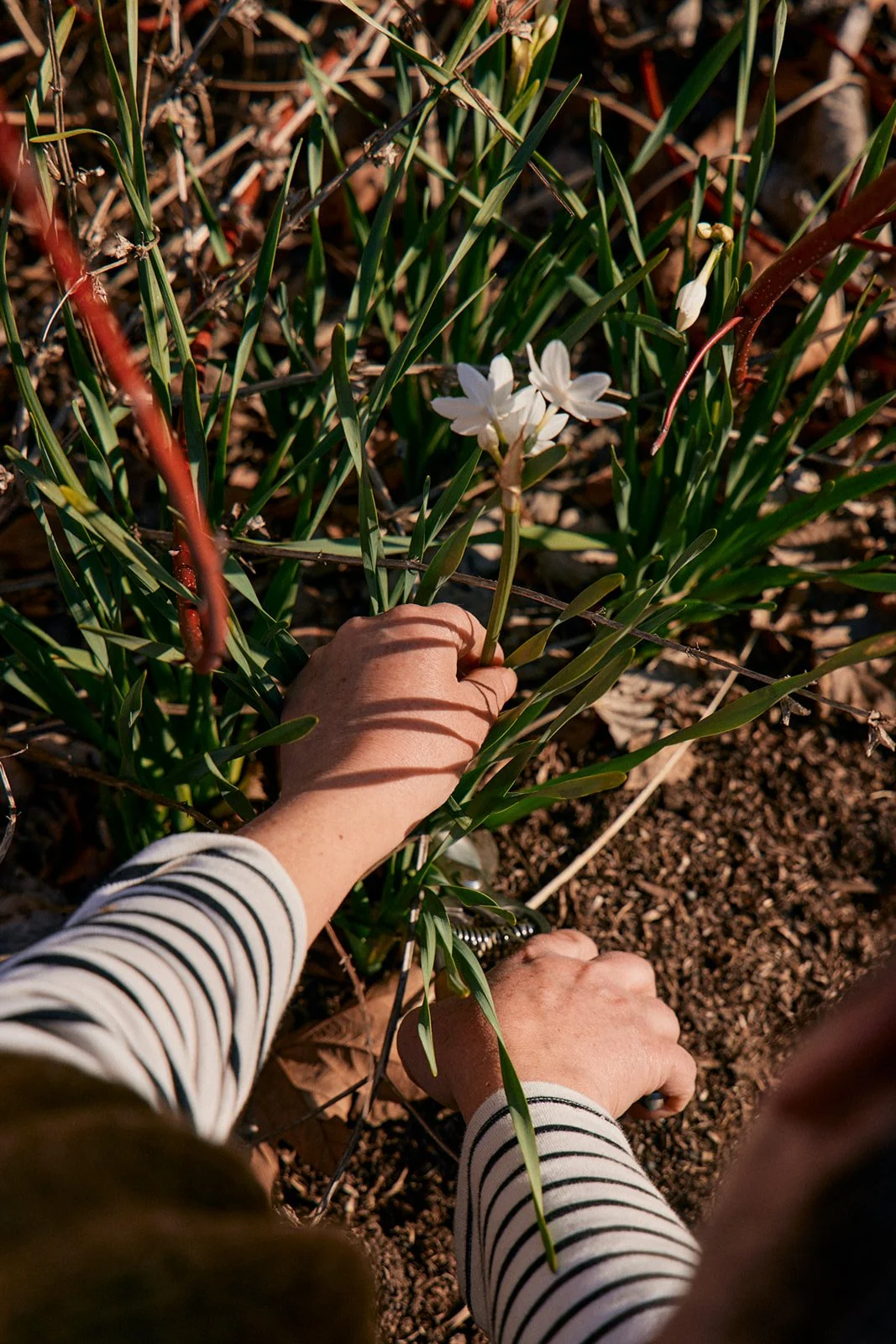
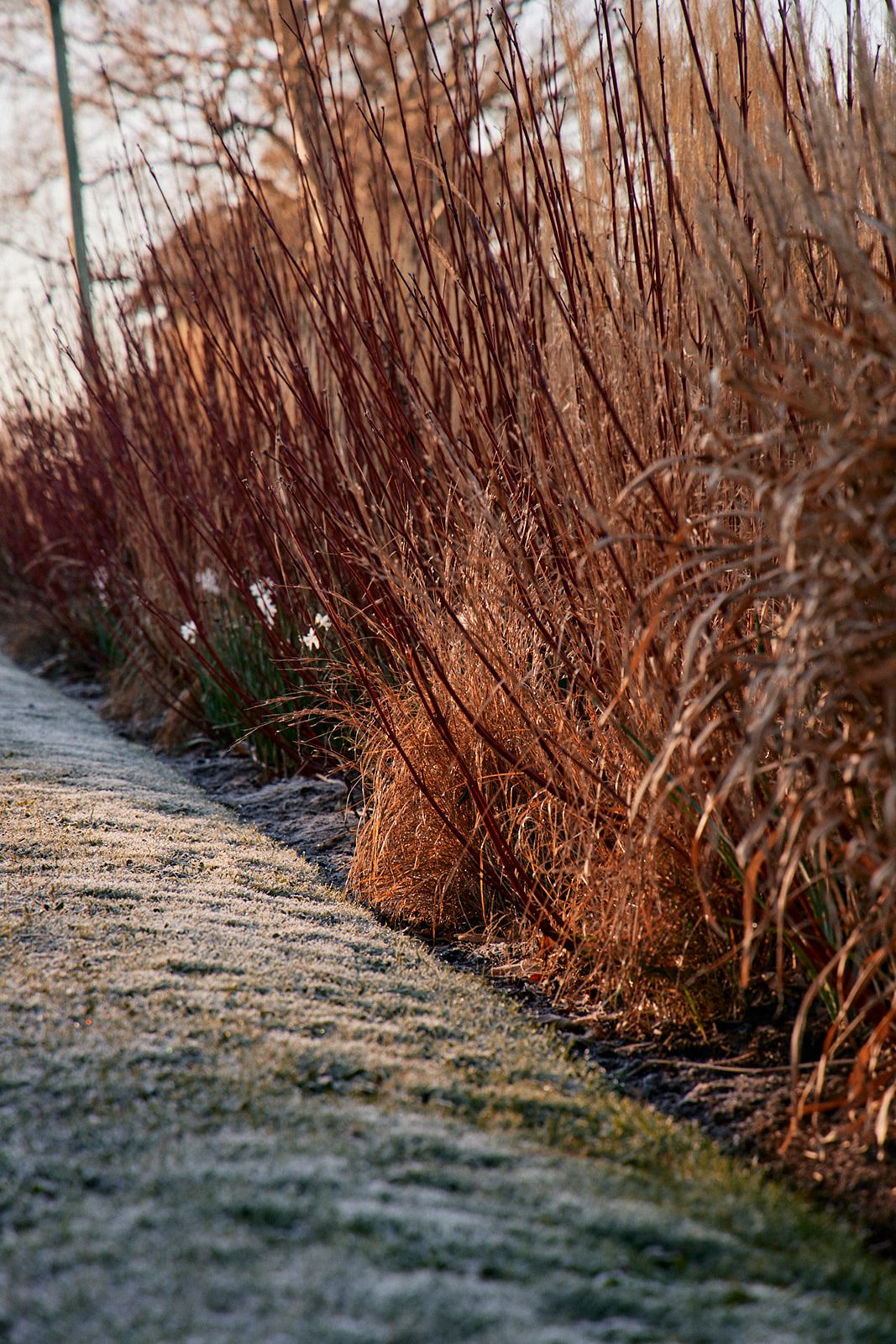
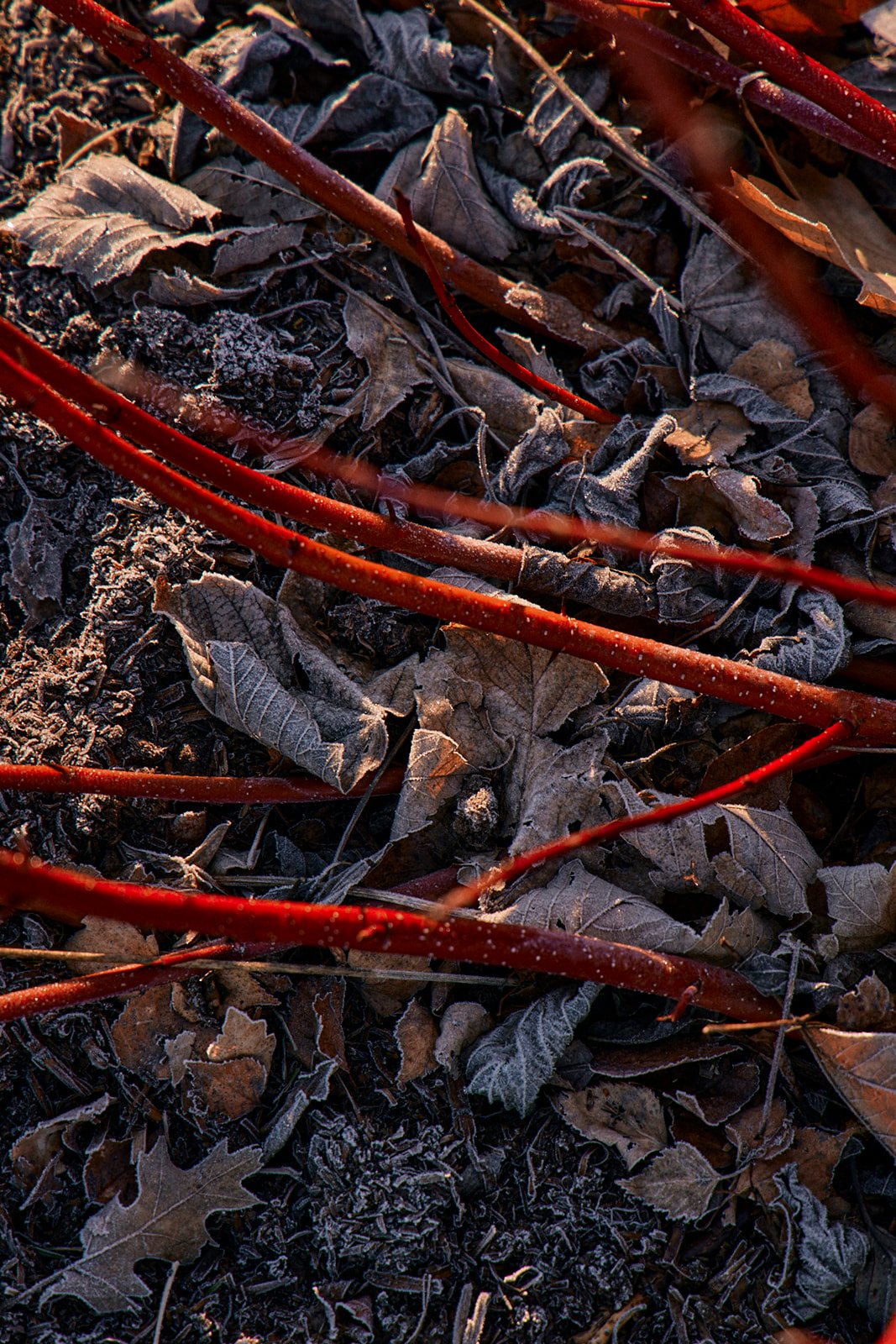
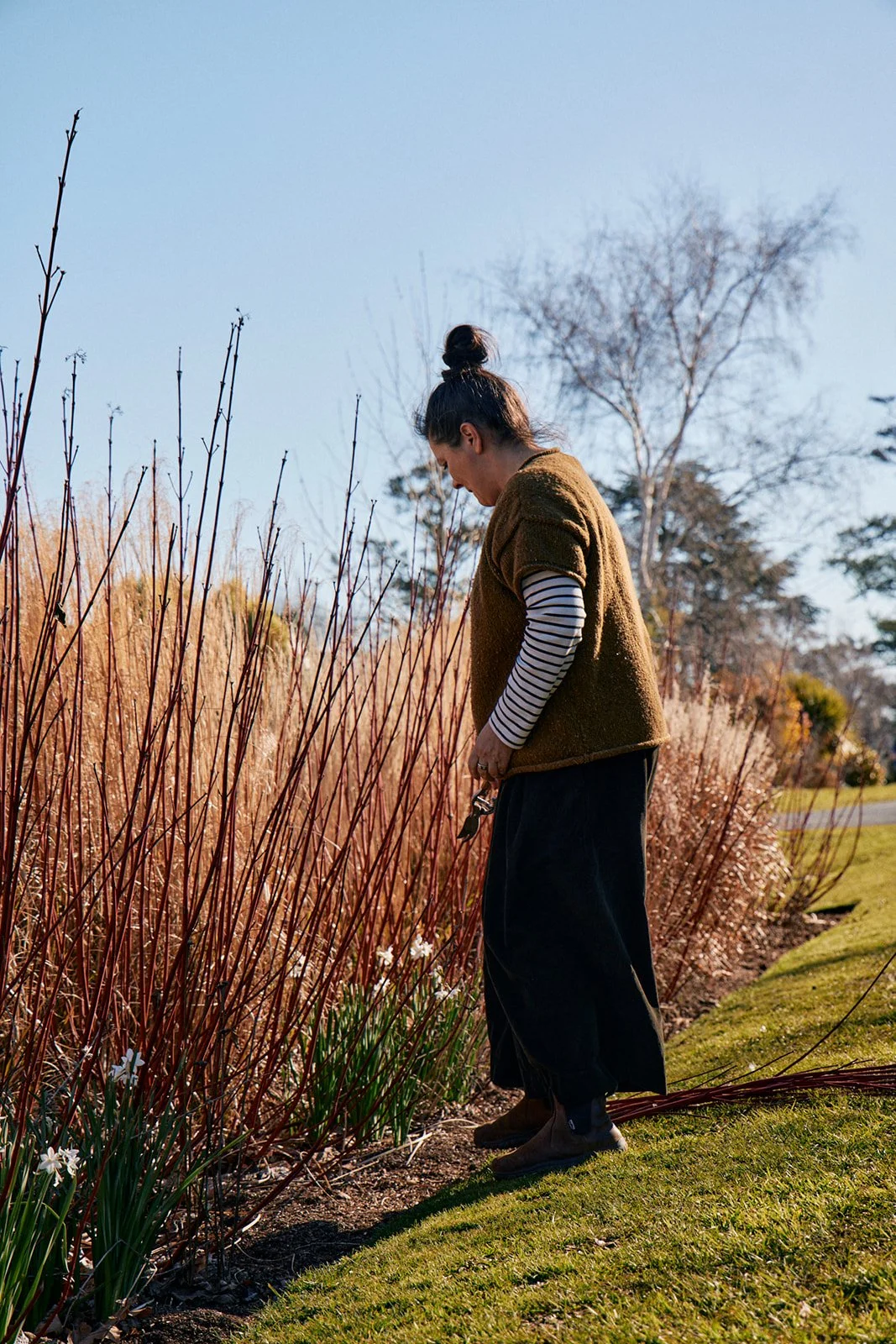
Every bulb in this garden went in for two reasons: fragrance, and sequence. Nearly a thousand of them under the verge beds, timed so that one thing is always opening while the next pushes through — violets (Viola spp.) low along edges, the narcissus arriving in waves, the rest of the order still holding underground. I think of it as choreography. A slow-motion sculpture that takes three months to perform, changes daily, and asks nothing of its audience except the walk to the letterbox. The sedums (Hylotelephium spp.) are almost back too, rising in those neat domes people assume I've clipped. I haven't. They do that themselves. The red-barked dogwood (Cornus alba 'Sibirica') is at the reddest of red it will be all year — the week before leaf, which is exactly when I cut the stems down low and weave them into low edges around the beds. Asparagus (Asparagus officinalis) spears are through. Trays of seed are germinating on the propagation bench. The ground is alive.
Sprinter: one step forward, two back
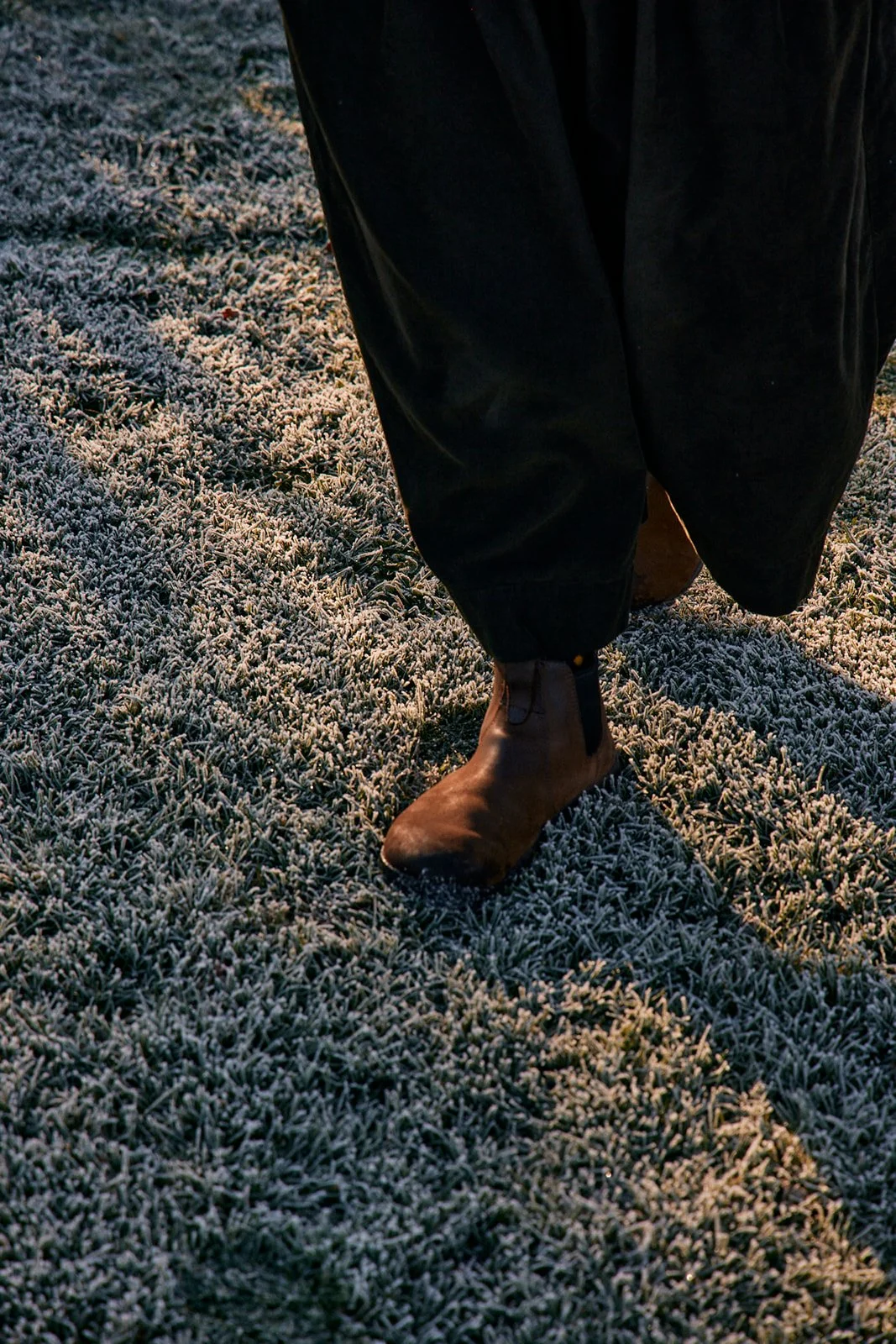
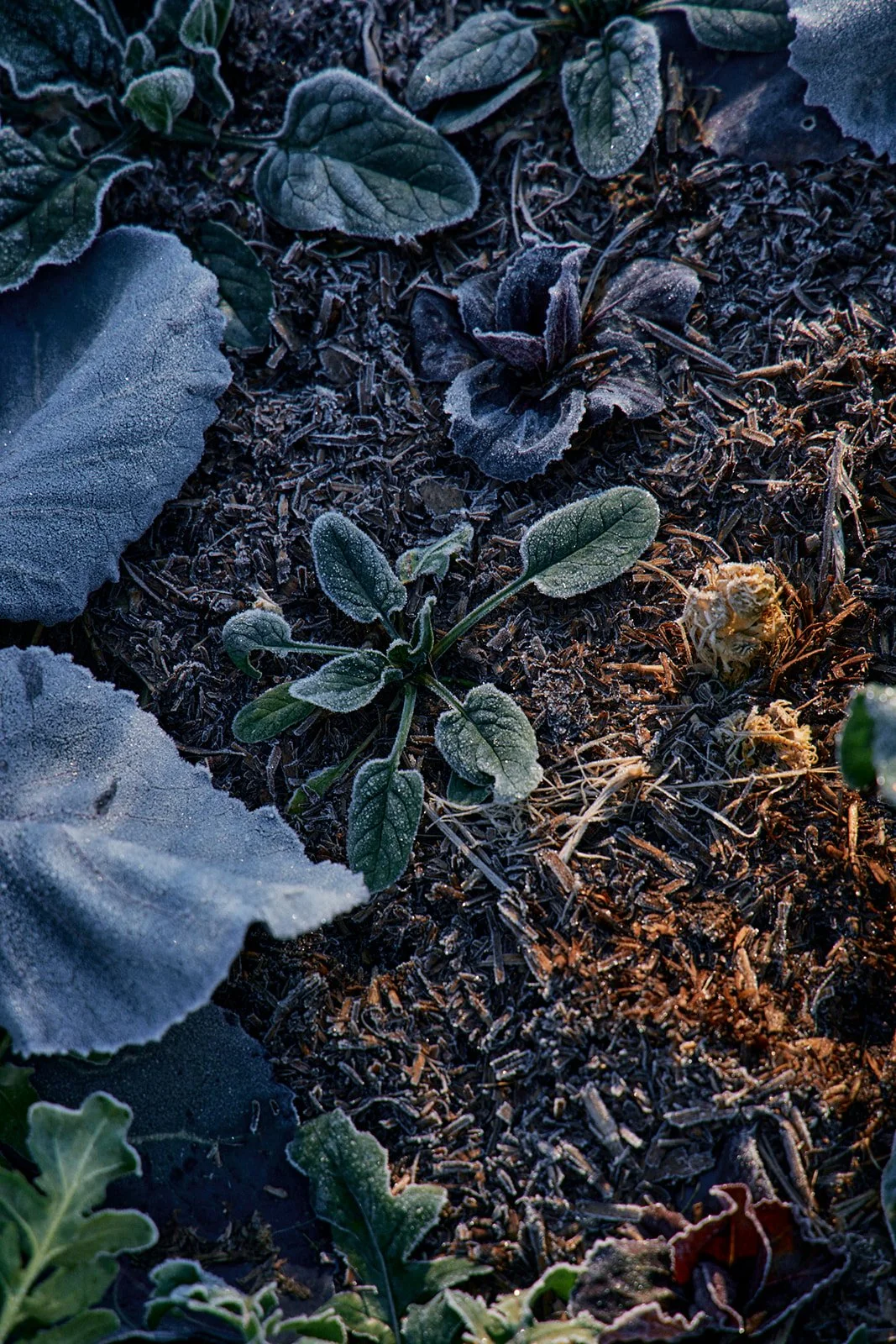
It would be convenient to call all of this spring, and the calendar does. The garden is less sure. This is a cool-climate hill in Central Victoria; frost will keep visiting these beds until the end of October, maybe even into November, and late snow on the higher ground is never out of the question. Around here, the in-between has its own name — sprinter — and it behaves like a dance. Two warm days that convince you, then a morning that bites. One step forward, two steps back. There's flamenco in it: anticipation, advance, withdraw. The season isn't asking to be argued with. It's asking to be moved with.
Something happens in the body as well, and I notice it more each year. Winter draws me inward — I've stopped resisting that, it's when the thinking gets done — and then this fortnight arrives and I can feel myself stepping back out. The cadence of the days changes. There's energy where there was deliberation, a vibration under the ordinary tasks. Whatever shifts in the garden when the day lengthens appears to shift in me on the same schedule. I don't think that's poetry. I think it's biology, and I think most of us feel it and file it under something else.
Flora, the verb
I went looking for a word big enough for all this and ended up a long way back. Flora — before it was anyone's name, before it titled the field guides — grows from an ancient root that meant to thrive, to bloom. A verb, sitting quietly under the noun. I've been turning that over all week, because it matches what the season actually does. Nothing out there this month is a finished object. Everything is mid-act: pushing, unfurling, reaching — roots plunging down and sideways, exploring, connecting, new shoots finding their line toward the light. Spring is the vegetal world caught in the doing.
The roses that wouldn't sleep
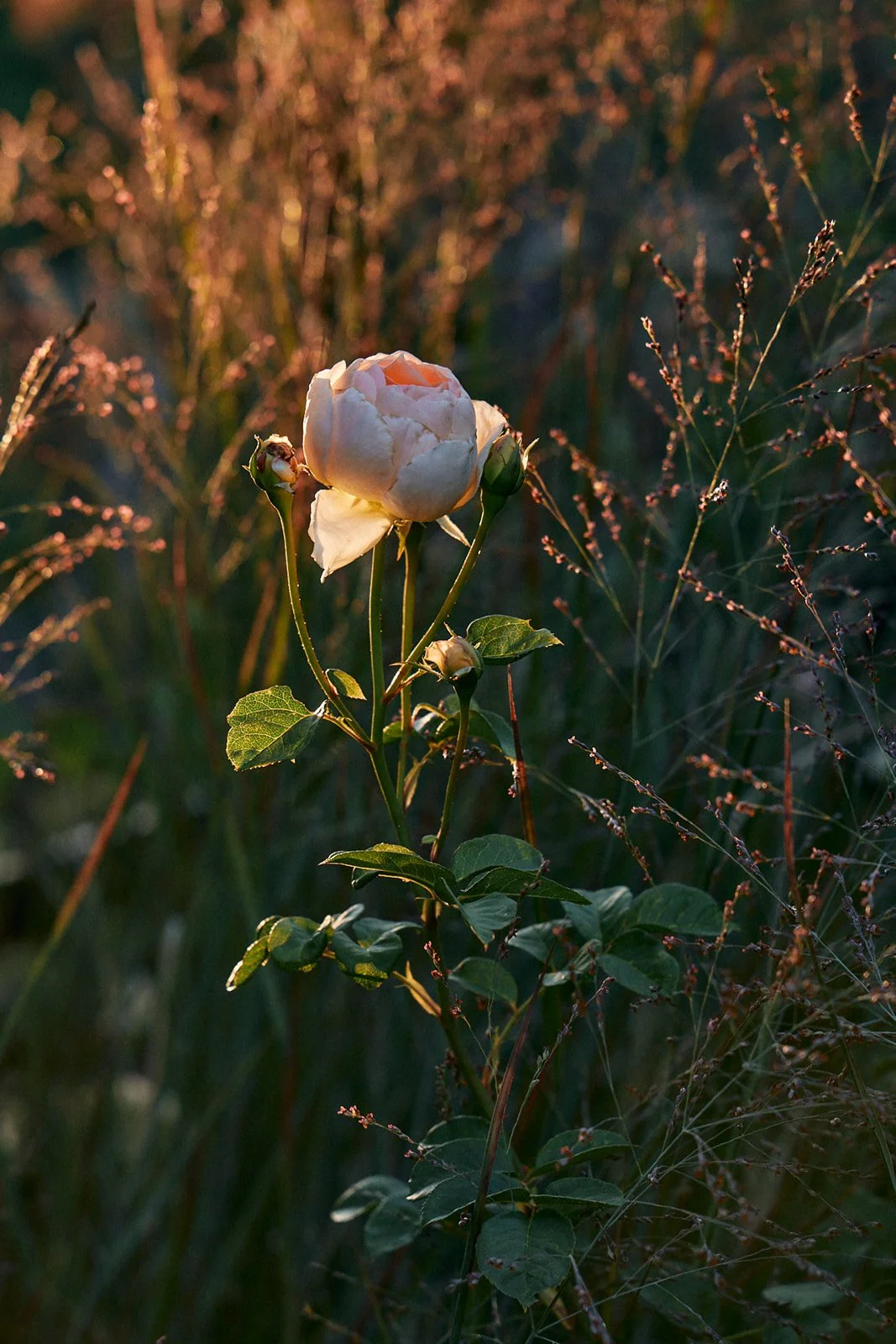
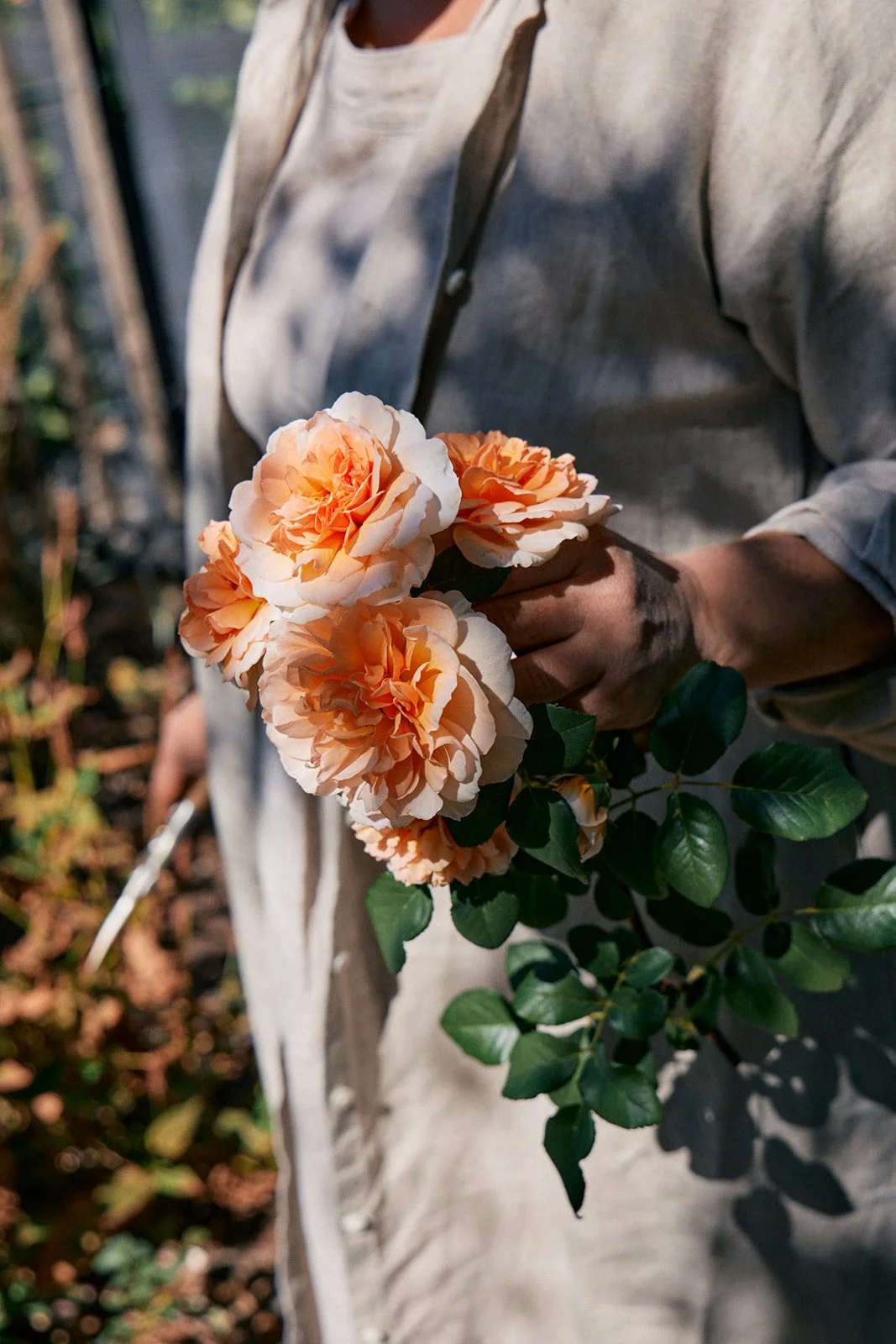
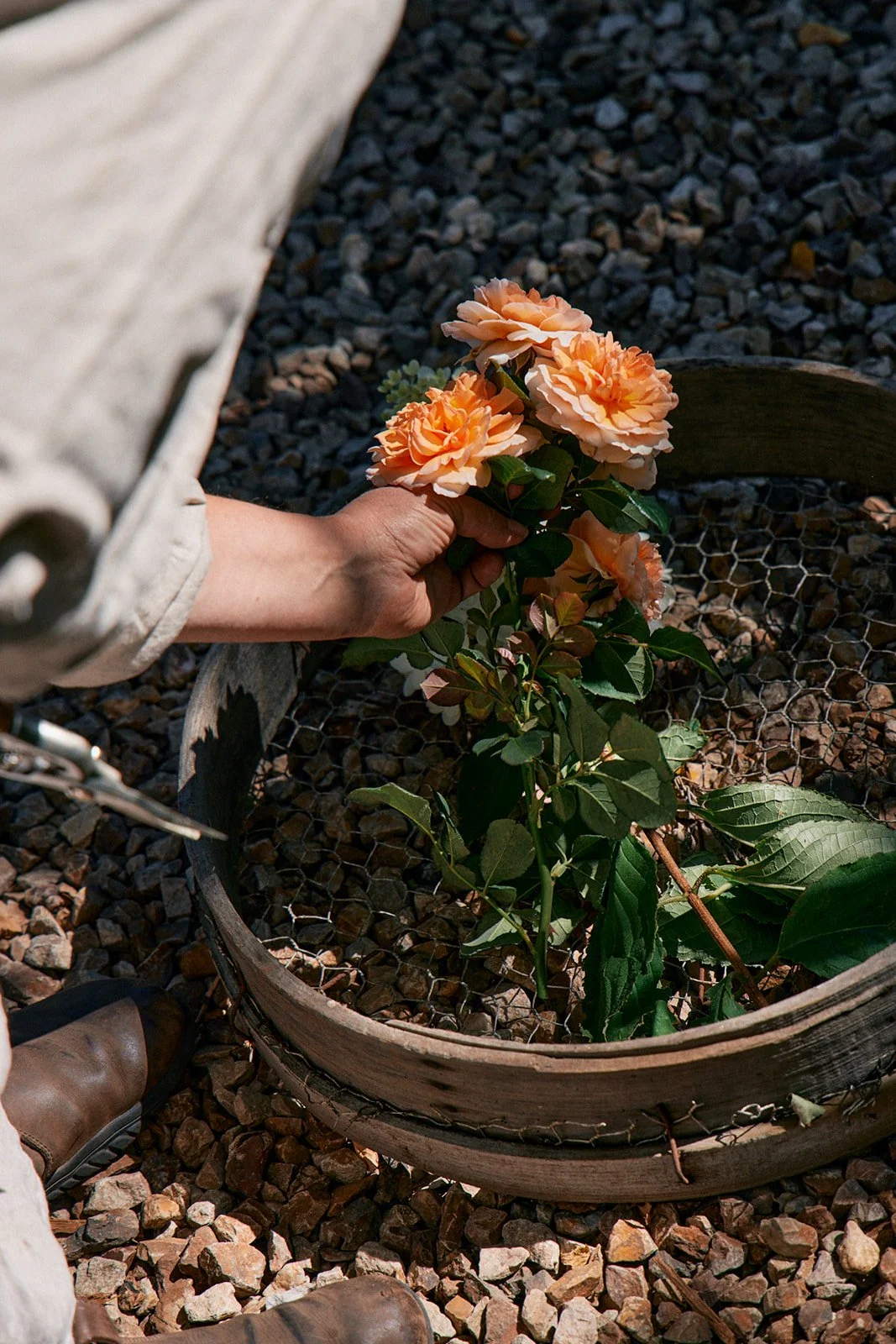
And then there are the roses (Rosa spp.). Along the warm side of the fence, they never stopped. All through winter — buds, flowers, more buds — the first time I have ever watched roses simply decline to go dormant. That is terrifying. I choose the word deliberately. The Japanese apricot (Prunus mume) opened in August again, weeks ahead of the old expectations. I wrote in my book that I'm not ready for winter to end, and I meant it — I've come to honour each season for what it alone can do, and this year the seasons are blurring at their edges, trading weeks. I don't have a tidy place to put that. So I'm recording it: in photographs, in my body, in the garden's own ledger. The observation stands, unresolved, and I'd rather hold it honestly than explain it away.
Spring's practice is tending
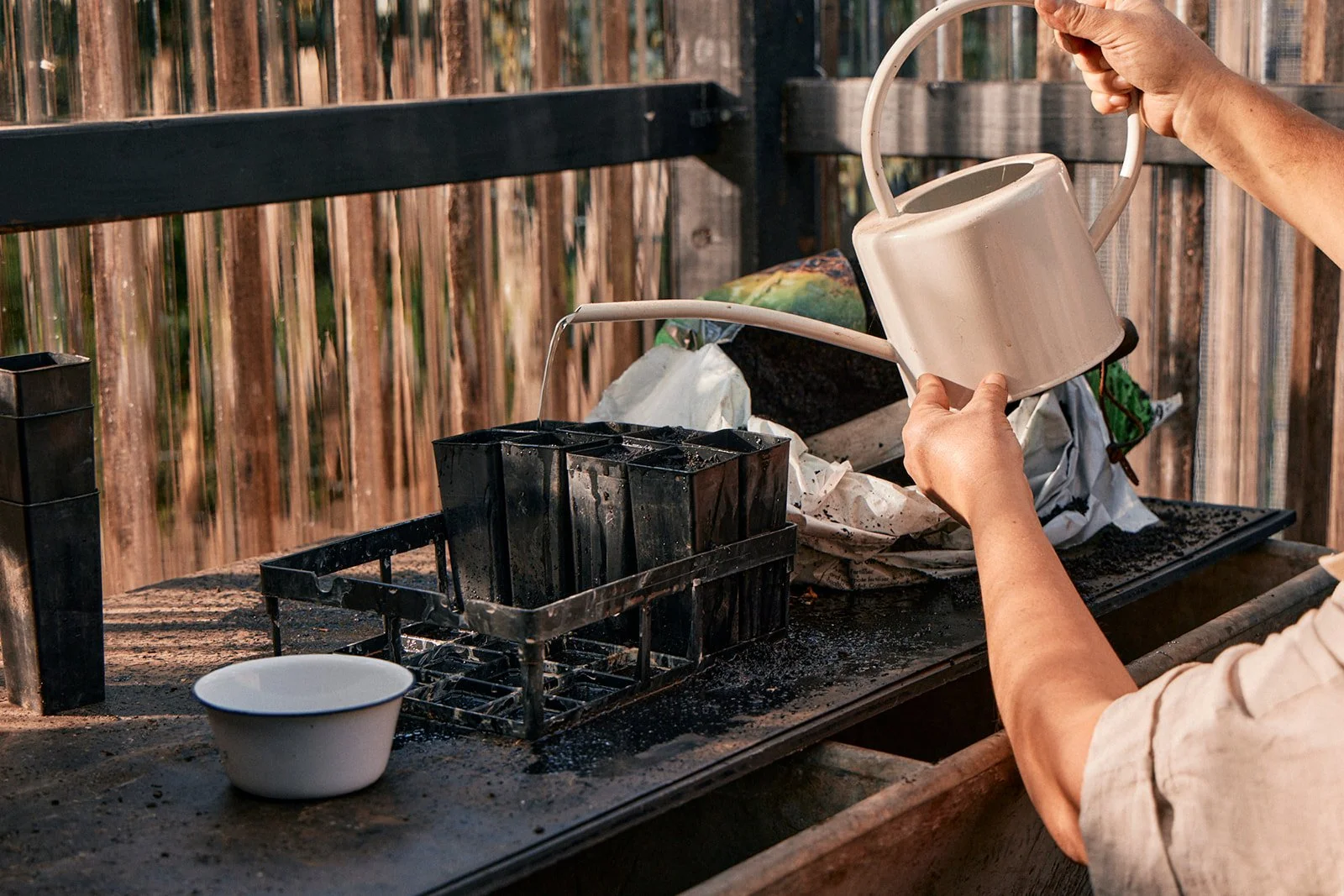
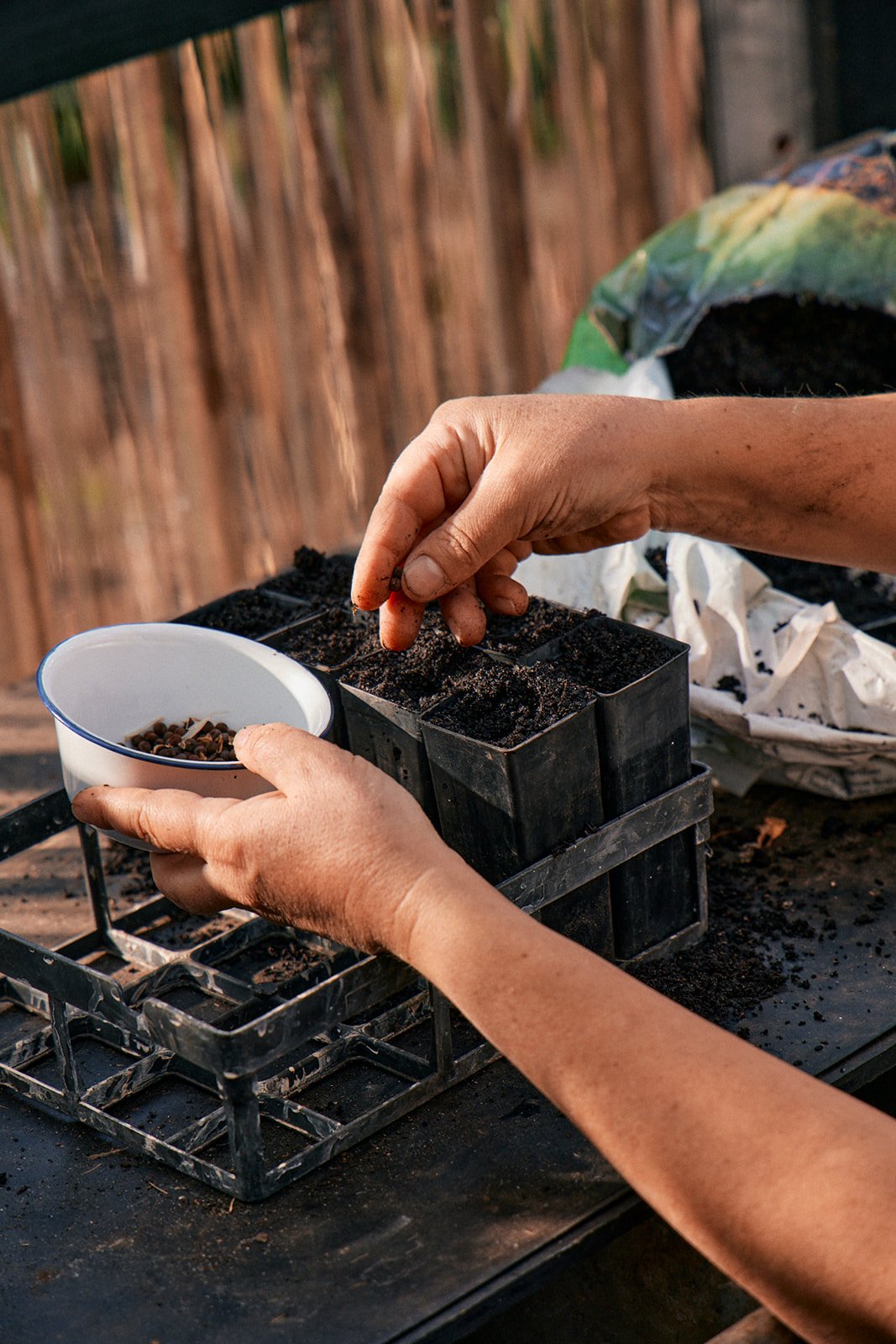
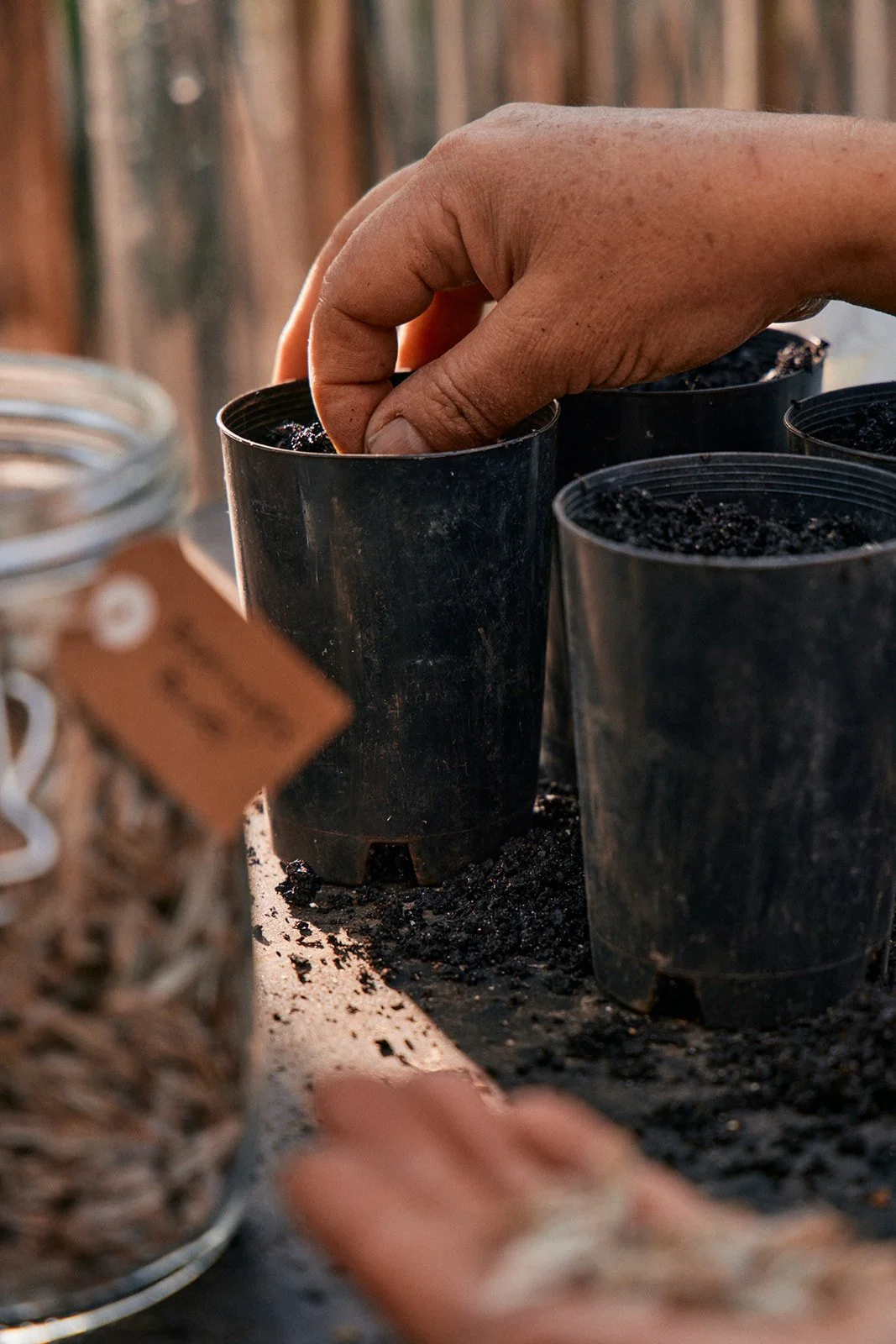
So here is what the season asks, and it's different from what winter asked. Winter's practice was noticing. Spring's practice is tending — and tending, I've come to think, is a relationship between the ground and the sowing. It starts underfoot. The next layer of care goes on now: compost spread while the beds are waking, so the soil is fed before it's asked to feed anything. Then the weeding. Everybody thinks weeding is a chore. I don't think it's a chore; I think it's a relationship — the closest attention you'll ever pay to a bed, down at its level, learning what it's doing while you decide what stays. And then the other half: seed. Sow now, under cover. The summer crops begin their lives in trays this month in a garden like mine, and nothing frost-tender touches open ground until the frosts are truly finished — which, on this hill, means November. Feed the ground, clear it, commit seed to it. Beauty and abundance, in relationship. That's the whole practice, and almost any of it can be done in an afternoon, at any scale, in any garden.
There's an old word for the first felt movement of something alive: quickening. It arrived in my mouth this week before I remembered ever hearing it, which is how the truest words tend to come. And it fits more than the garden. The book I've spent two years growing leaves the printer this month and goes out into the world — my own small becoming, sap rising in another form.
Wherever you are, the season will announce itself in its own dialect — a scent, a spear, a returning bird — and it won't consult the first of September before it does. Worth catching what its first word is, in your patch.
Out on the verge this evening, the light held on the tête-à-têtes a few minutes longer than last week. The next bulbs are already pushing underneath. The sequence doesn't wait to be declared. It's simply, palpably, under way — and the invitation is to be in it. Hands in the ground. Seed in hand. Tending.
Continue your gardening journey with me
If this aligns with how you are thinking about your own garden, my workshops offer more detail and guidance on garden design, productive growing, soil care and seasonal practice.
Now is also a good time to sign up to my newsletter if you do not already subscribe. The full program of book launch events for The Productive Garden Companion is being shared with my beautiful community of newsletter subscribers so if you’re keen to be able to access these special events, that’s the place to find out. I also share seasonal notes from the garden, workshop updates, book news, and practical ideas for creating a garden of beauty and abundance that works wherever you are, and at any scale.
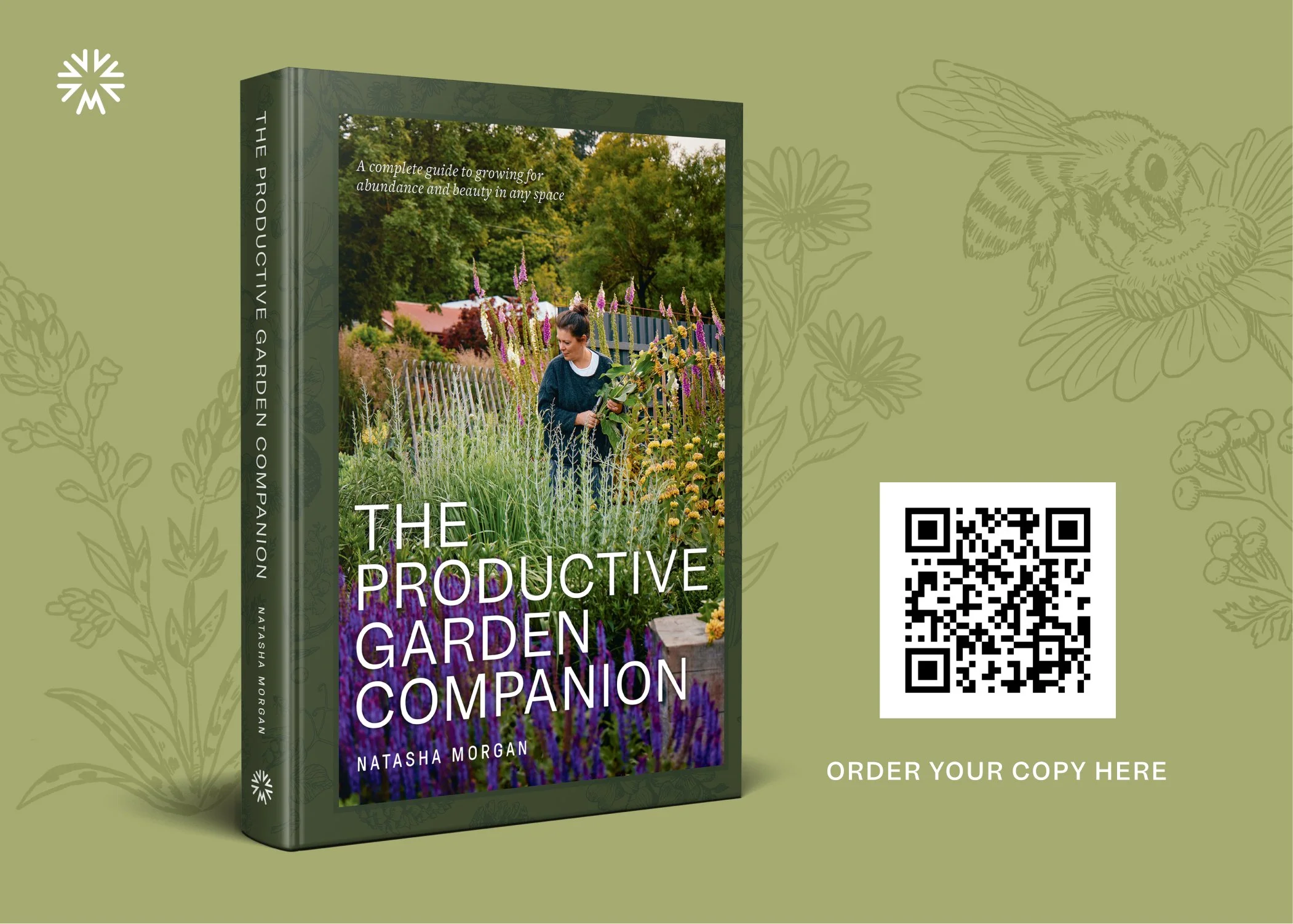
My book, The Productive Garden Companion, is now available to pre-order. It brings together decades of landscape architecture, gardening, teaching, preserving and lived practice, with guidance for creating beauty and abundance at any scale.
If you are building your garden from home right now, my eBooks on Wicking Bed Gardens, Introduction to Backyard Chicken Keeping and Compost for Beautiful Productive Gardens offer practical guidance that pairs well with this seasonal work.
Stay connected for more seasonal inspiration:
You may want to check out my related content below:
The Root: Shoot Ratio – Why Bigger Isn’t Always Better
Designing Gardens for Every Season - A Personal Reflection
Connecting with Nature - for Creative Self-Care
Stay connected for more seasonal inspiration:
Instagram | Facebook | Substack | Gardenstead | LinkedIn | Pinterest | YouTube | Website | Newsletter
As always, thank you so much for following along.
Natasha xx