Spring may be here on the calendar. Here on the hill, ‘sprinter’ has the last word.
The first of September arrives, and the calendar tells you it is spring. If it’s been a long winter for you, you’ve probably been counting down the days until September 1st. In some parts of Australia, spring has sprung! Lucky you, how’s the warmth? Here in the Central Victorian Highlands, spring is still weeks away, although it does feel early here this year, so who knows! My gut tells me though that we are finishing true winter and moving into the season locals call ‘sprinter’. It’s the handful of weeks where the days begin to feel noticeably longer, the wattle turns the roadsides gold, the daffodils open at Wombat Hill, and then the weather turns and drops you back into winter without warning. It is not a fault of the season. It is the season. And once you know it, you can work with it.
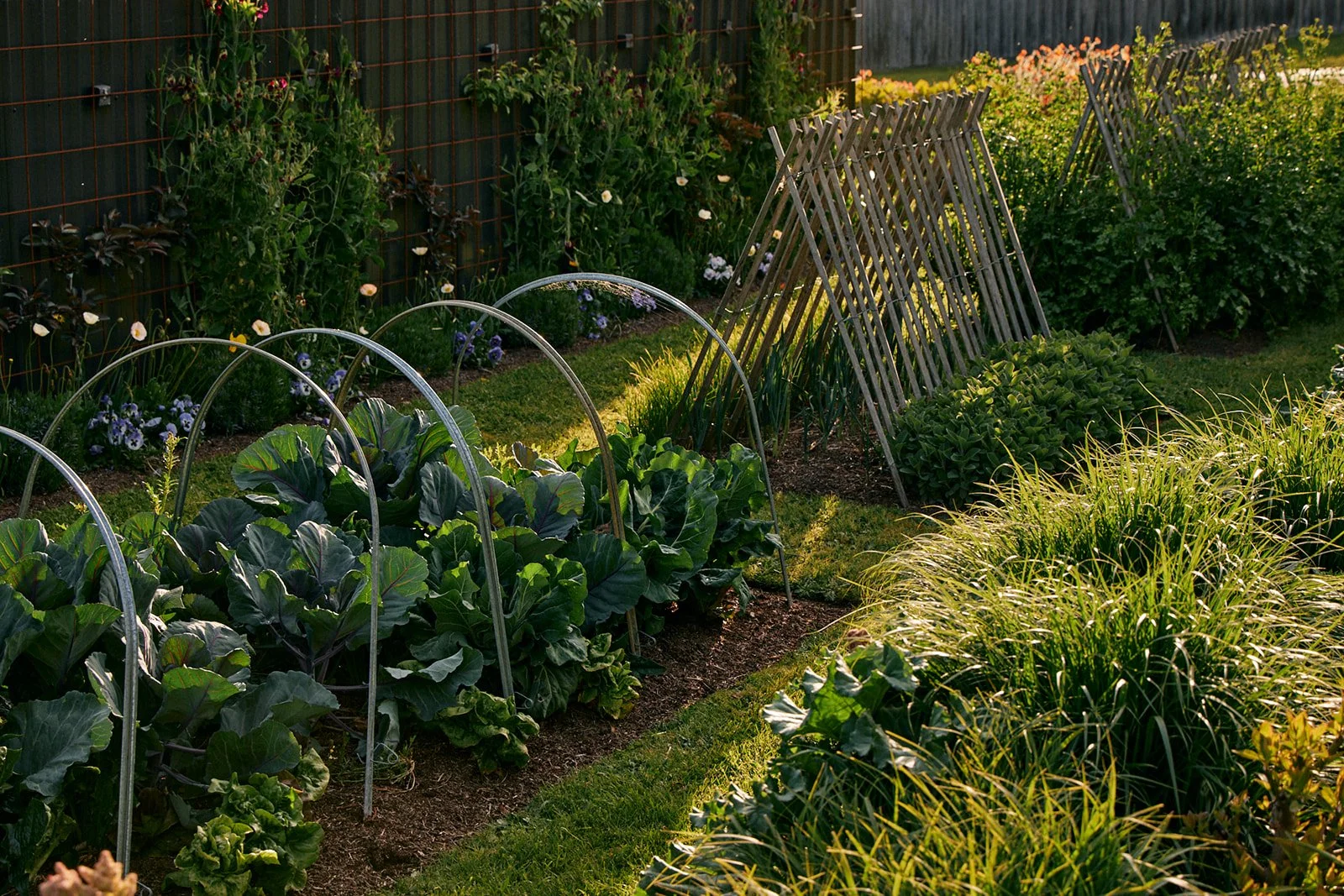
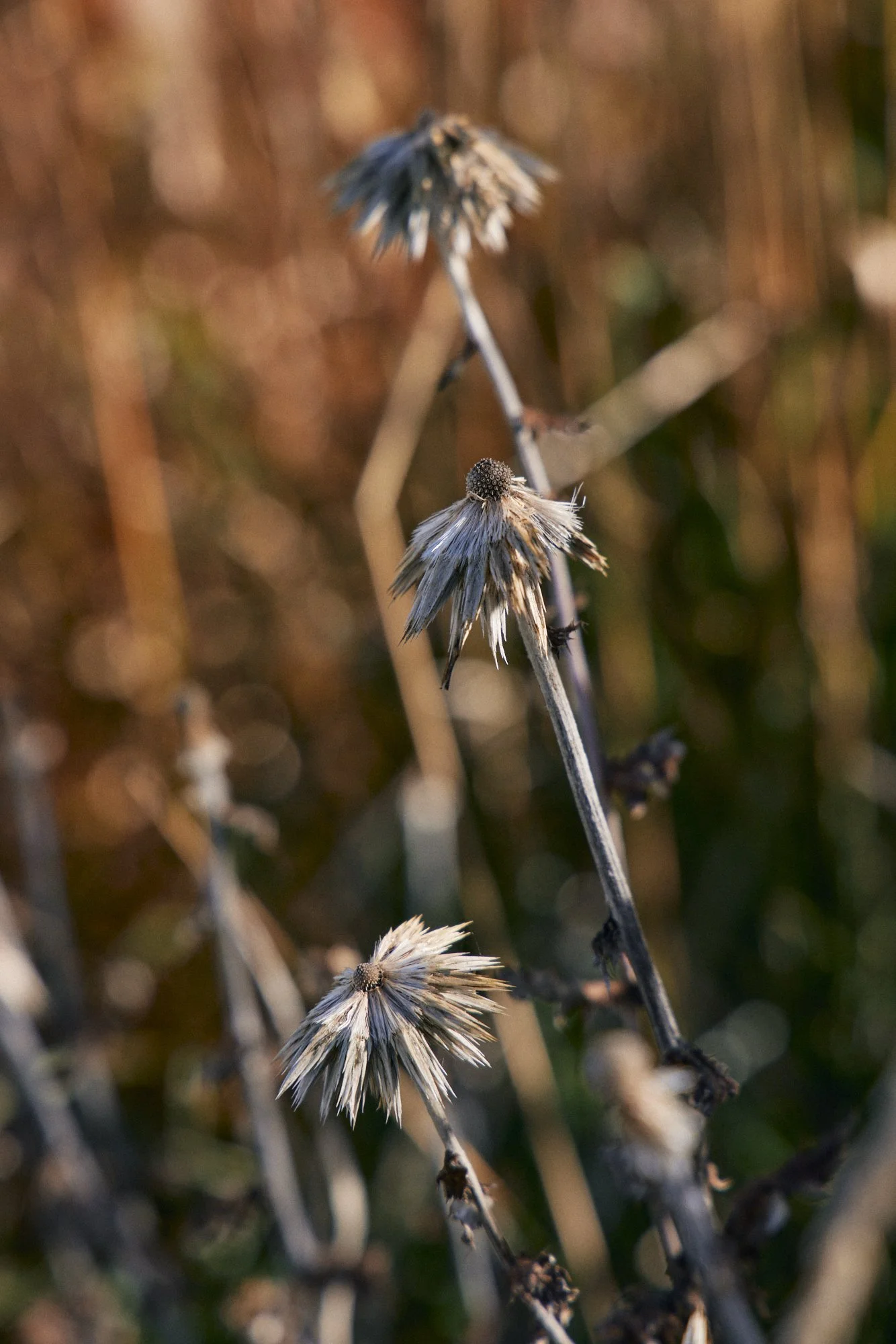
At Little Cottage on a Hill, the hellebores are still holding. The first jonquils have opened along the front verge. The espalier quinces are showing the earliest bud swell. The lorikeets have moved off the echinacea seedheads and started arguing over the flowering wattle instead. Everything in the garden is beginning to move at once, but very few frost-tender things are quite ready to be planted out without protection just yet.
As The Productive Garden Companion draws nearer to release, I have noticed that more and more people are joining me on my social media and subscribing to my newsletter from the Northern Hemisphere. If that’s you, welcome! I am so glad you are here. Because so many more people are joining me online from the other side of the world, I will be including northern hemisphere climates in my monthly garden task blogs going forward.
For September, before I do anything in the garden, I ask a few questions.
Where has the winter sun finally reached?
Which beds are drying out enough to be worked?
Which frost pockets still catch, and which have softened?
Where do I still want to move something while the ground is workable?
Which last-winter jobs did I not finish, and can they still be done in this window?
Start there. Observe first, then act.
General Tasks for Southern Hemisphere Climates
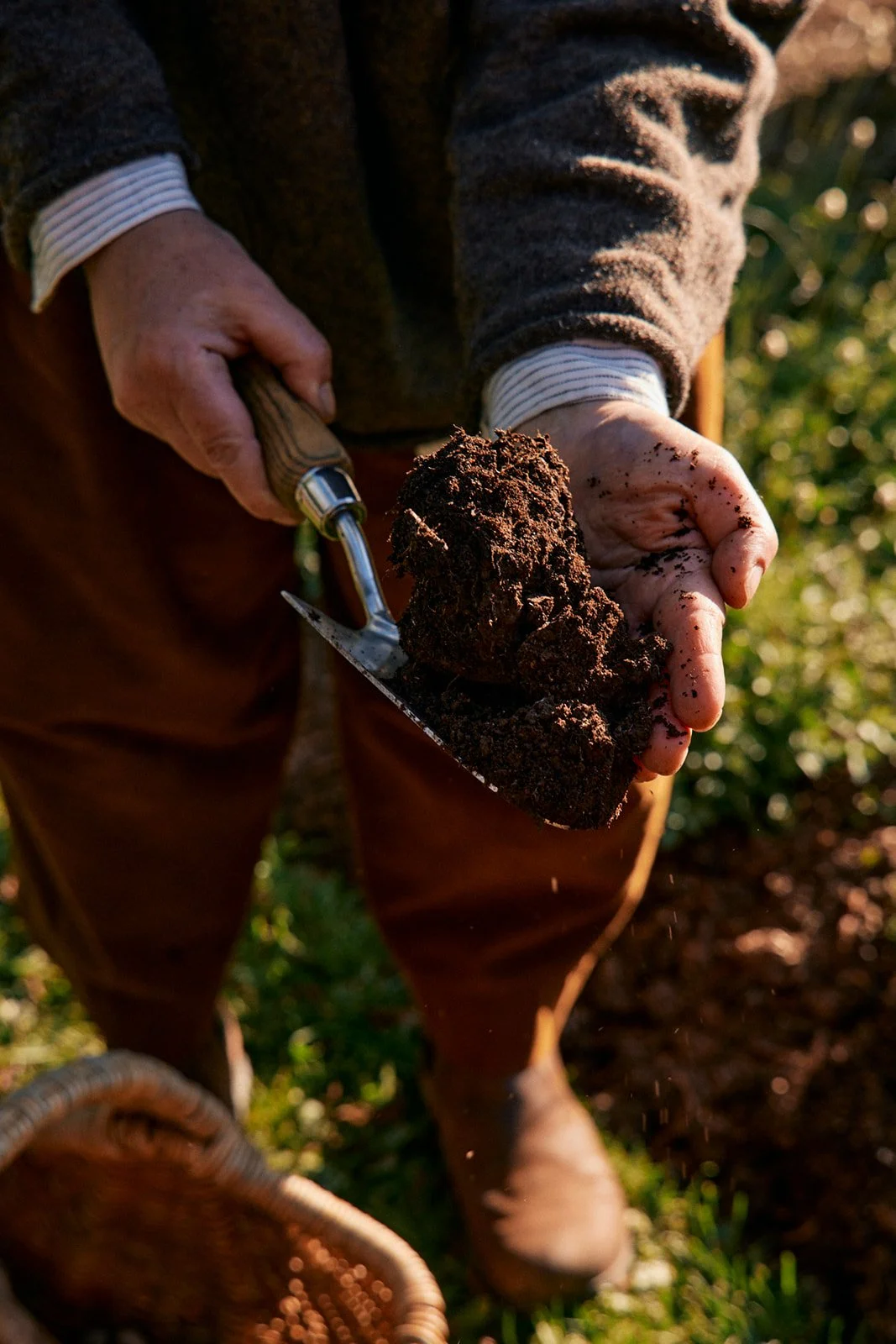
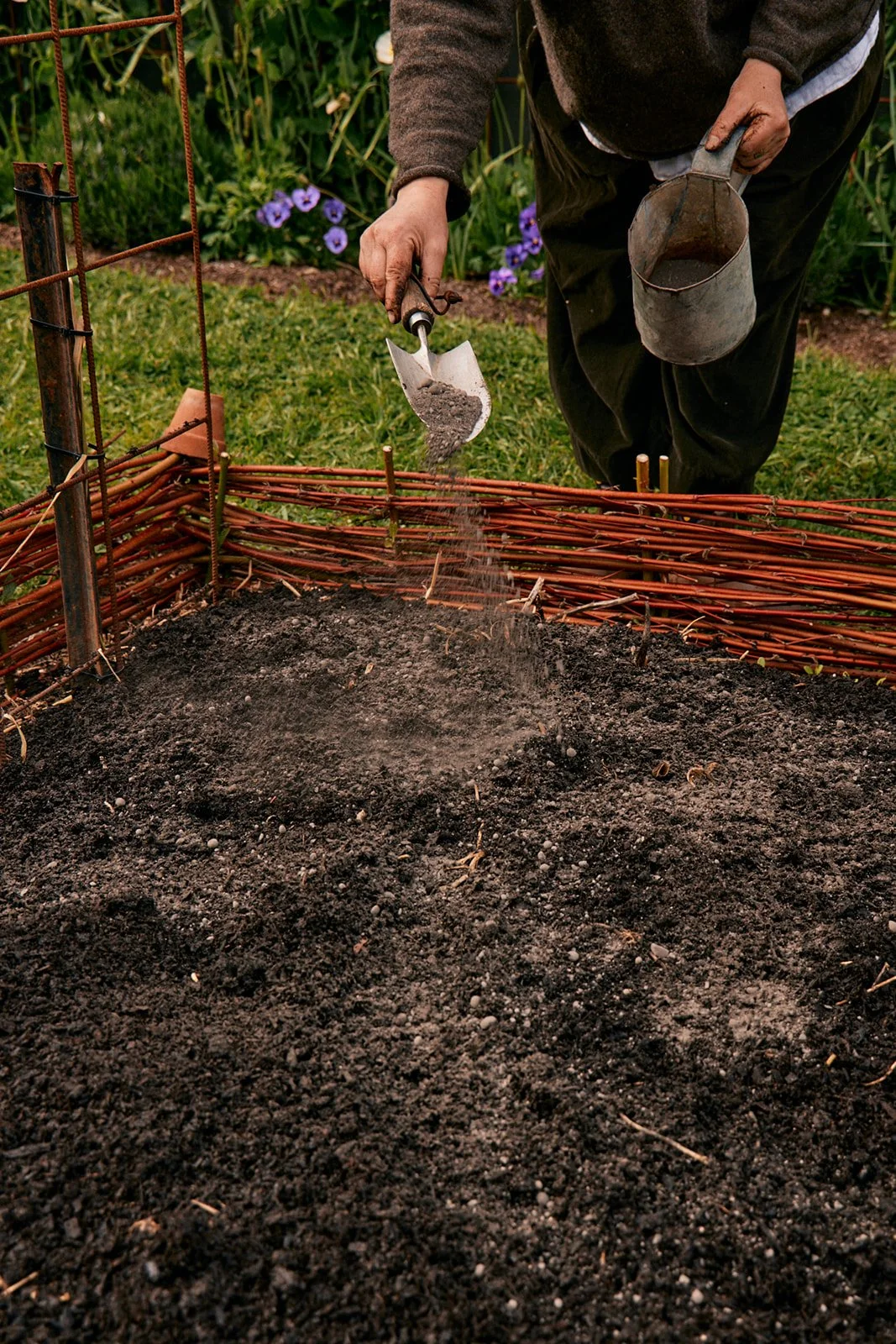
Refresh compost, mulch, leaf mould or living cover on any bed that lost its layer through winter. Soil that is still moist is the best soil to mulch.
Complete the last of winter pruning on any dormant deciduous fruit trees, roses or grapevines that were missed. In warmer districts, the window is closing rapidly.
Take softwood cuttings from suitable shrubs and perennials as new growth begins.
Plant evergreen shrubs and trees, including citrus, while conditions are gentle
Complete the last of bare-rooted planting for the year. Deciduous fruit trees, ornamental trees, roses and cane fruit go in now or wait until autumn.
Feed established fruit trees with well-rotted manure, compost or a balanced organic fertiliser before growth accelerates.
Divide congested perennials such as chives, day lilies and irises as new growth appears.
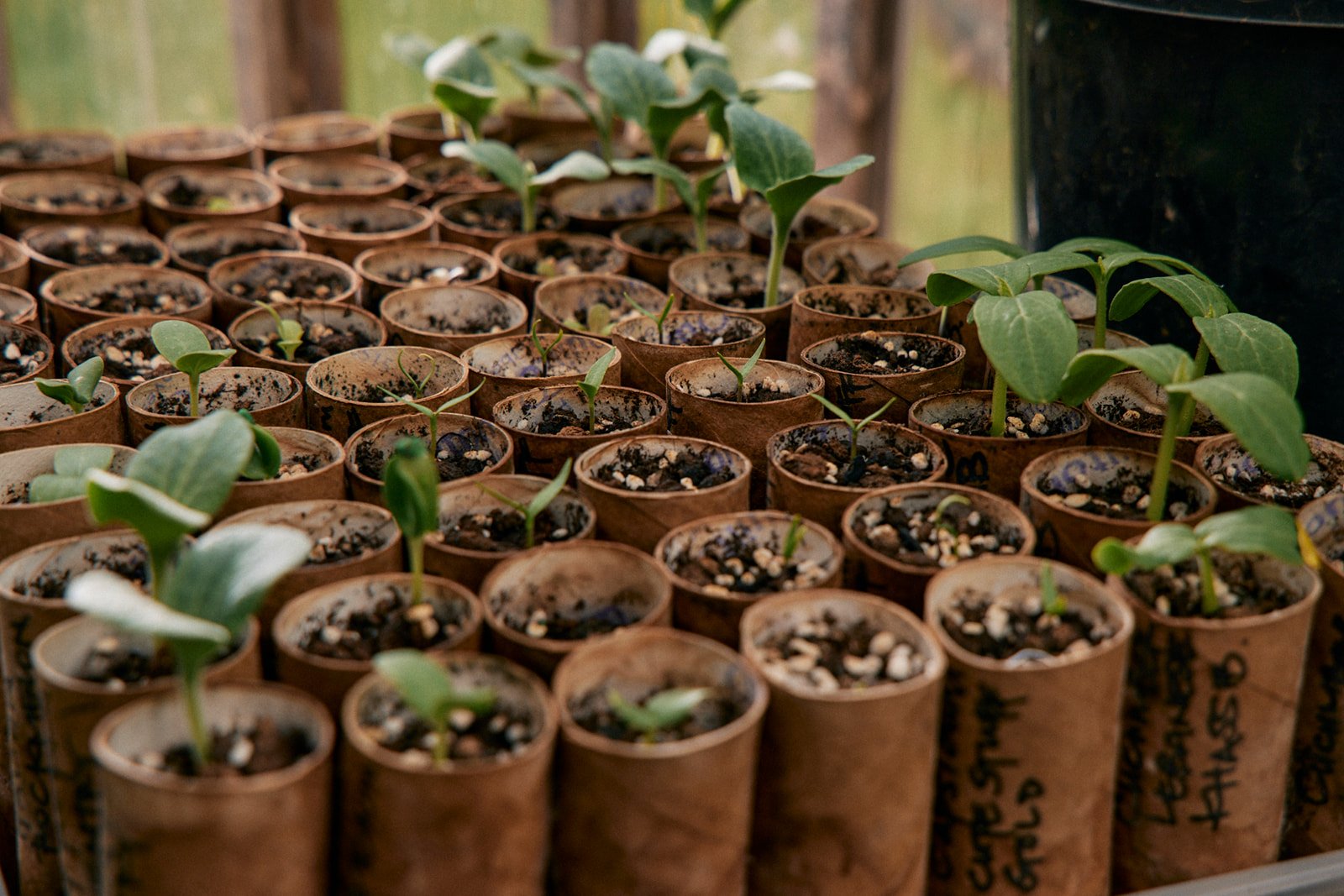
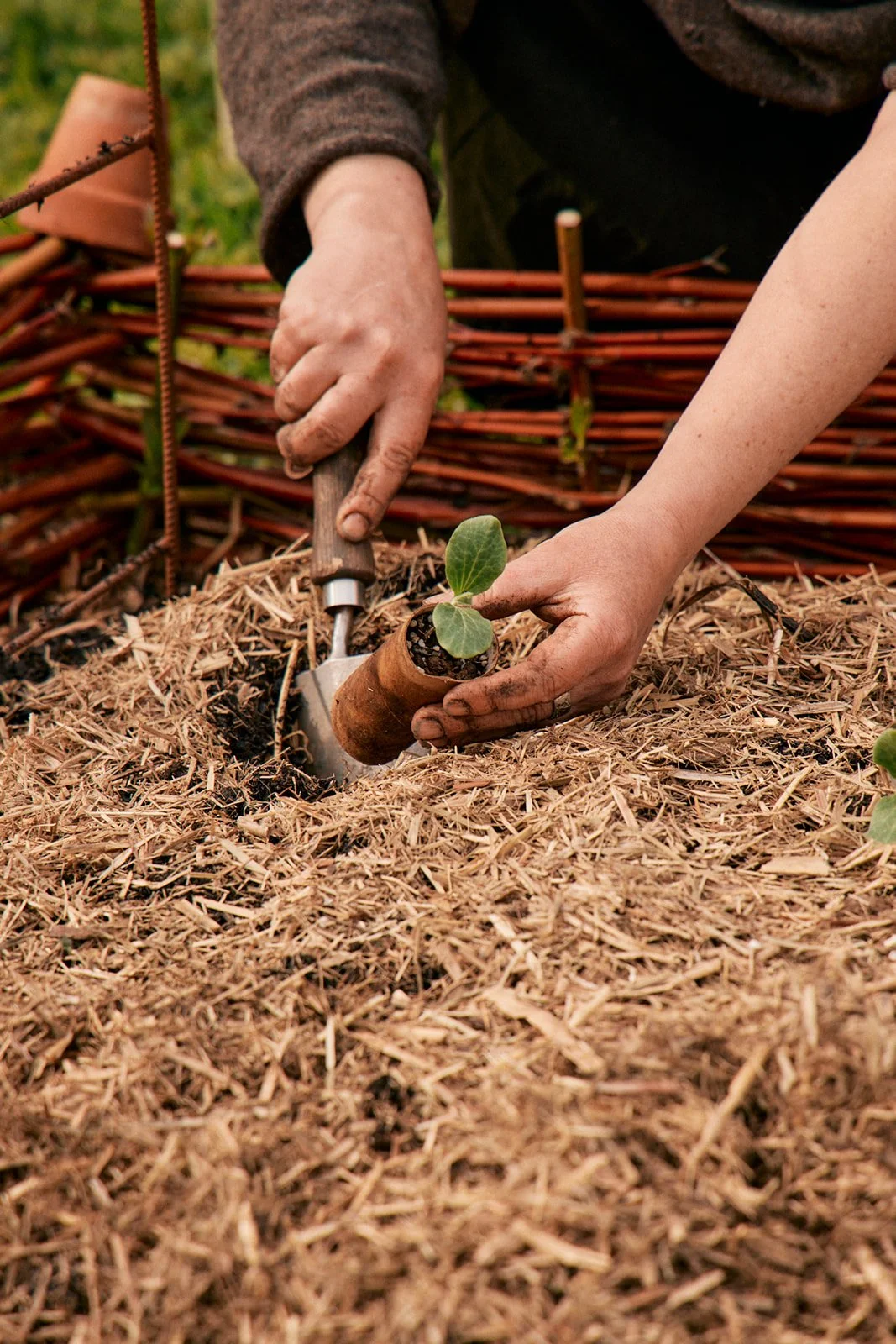
Harden off any seedlings you started undercover in August once the threat of frost has passed. Give them seven to ten days of gradually increasing sun and cold before planting out.
Continue starting summer seedlings undercover in the cooler climates, and begin direct sowing warmer crops where the ground is ready in warmer climates.
Watch peach and nectarine bud swell and complete the final leaf curl spray if it is part of your organic practice, before flower colour shows.
Keep frost cloth or hessian to hand for the cold nights that sprinter will still bring.
General Tasks for all Northern Hemisphere climates
Harvest steadily. Vegetables, fruit and herbs come off the plants faster now, before autumn weather takes them.
Plant spring bulbs in beds, borders and containers. Daffodils, crocus, hyacinth and allium go in now. Tulips can wait until October or November in warmer zones.
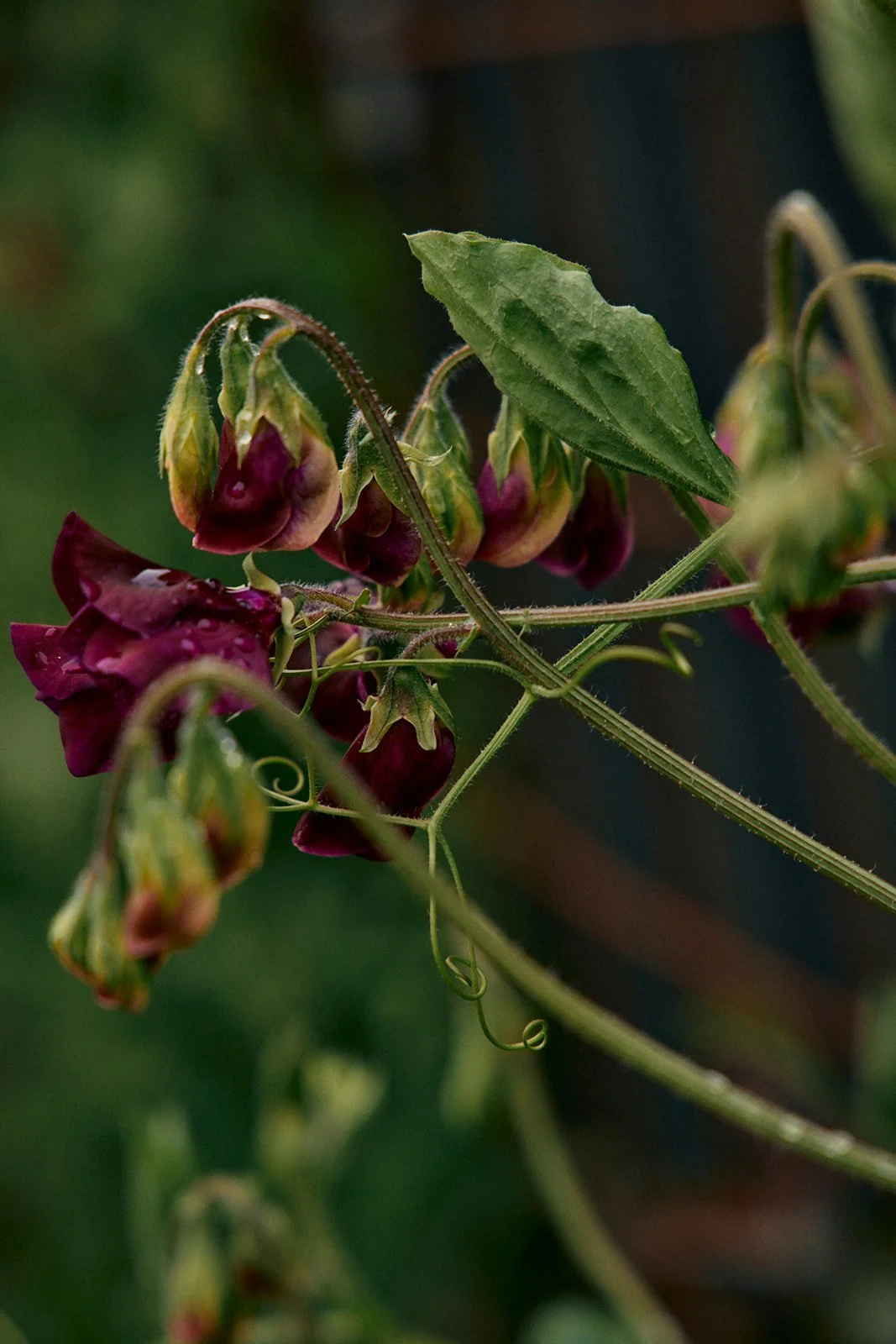
Sow hardy annuals for next year's flowers. Calendula, cornflower, ammi, cerinthe, larkspur and sweet pea sown now flower far earlier and stronger than spring-sown ones.
Plant garlic, shallots, overwintering onion sets, and autumn broad beans and peas where the climate suits.
Take softwood or semi-ripe cuttings from favourite plants such as fuchsia, salvia, pelargonium, penstemon and hydrangea.
Divide congested perennials as they finish flowering.
Sow green manures or cover crops on any bed that would otherwise sit bare through winter.
Start a leaf mould bin ready for autumn leaves, and add spent summer growth to the compost.
Bring tender plants indoors or into a cool greenhouse before the first frosts, particularly in the colder zones.
Order bare-root fruit trees, ornamentals and roses to plant later in autumn or winter.
A quick note on protecting the first spring growth
Many of these September tasks for the southern hemisphere come back to a single reality: the soil is warming faster than the air. The plants respond to soil temperature first. That means a lot of new growth begins before the frosts have finished, and a single cold night can undo a week of visible progress. Keep frost cloth ready, mulch consistently, and do not be tempted by the first warm week to plant out everything at once.
If you are building a productive garden system that will carry that early growth through spring and summer, my eBook, Wicking Bed Gardens, sets out the design and construction of a self-watering bed system that gives young plants the most consistent conditions I have ever grown in.
What to sow & plant now, and tasks by climate
Temperate - Southern Hemisphere
Days are longer, the soil is slowly warming, and the planting window opens across almost every category. This is the last window for bare-rooted planting, and the beginning of the first proper outdoor sowing of the year.
Edible seeds and plants to sow or plant now
Asparagus crowns, beetroot, broad beans (last chance in most temperate zones), cabbage seedlings, carrot, celeriac, celery, chives, collard greens, coriander, dill, endive, Florence fennel, globe artichokes, Jerusalem artichoke tubers, kale, kohlrabi, leek, lettuce, mustard greens, onion, parsley, parsnip, peas, potato (chit first, then plant), radish, rhubarb crowns, rocket, silverbeet, snow peas, spinach, spring onion, strawberry runners, turnip.
Undercover: tomato, capsicum, chilli, eggplant, cucumber, basil, sweet marjoram, lemon balm, thyme, sunflower, sweet corn.
Flowering plants to sow or plant now
Alyssum, calendula, cornflower, cosmos, delphinium, foxglove, hollyhock, larkspur, love-in-a-mist, lupin, marigold, nasturtium, pansy, poppy, salvia, snapdragon, stock, sunflower, sweet pea, viola, and (undercover) zinnia. Plant bare-rooted roses and hellebores as plants for immediate colour.
Tasks for temperate gardens
Chit seed potatoes and plant early varieties in the ground as soon as it is workable.
Direct-sow hardy vegetables where the soil is ready. Peas, broad beans (last chance), carrots, beetroot, spinach, silverbeet, rocket and coriander all belong in the ground now.
Continue starting summer seedlings undercover, and begin hardening off August's seedlings for planting out later this month or into October.
Divide established perennials as new growth begins to appear.
Feed fruit trees with compost or organic fertiliser before growth accelerates.
Alpine and cool - Southern Hemisphere
September in alpine and cool gardens is still cold enough to be cautious. The risk of frost is still very real. Snow can still fall in the highest districts. Some beds are still too wet or too shaded to work. Planting is more selective than in temperate zones, and undercover sowing continues.
Edible seeds and plants to sow or plant now
Asparagus crowns, broad beans (last chance), garlic (final planting if not done), lettuce, peas, silverbeet, snow peas, spinach, spring onions, strawberry plants and runners, rhubarb crowns.
In sheltered positions or under cover, you may also start cabbage, cauliflower, celeriac, celery, kale, kohlrabi, and hardy greens.
Undercover: continue tomato, capsicum, chilli, eggplant and basil on a heated propagator or a warm windowsill.
Flowering plants to sow or plant now
Hellebores as plants, pansy, viola, primula, poppies, cornflower, delphinium, larkspur, foxglove, lupin, bare-rooted roses and hardy perennials. Sow sweet pea where the soil is workable.
Tasks for alpine and cool gardens
Sow hardy greens in sheltered positions or under cover. Heavy frost can still bite.
Continue starting summer seedlings on a warm windowsill or in a heated propagator.
Prepare beds for spring planting with compost and mulch, avoiding any soil that is too wet.
Plant asparagus crowns, rhubarb crowns and strawberry plants where soil is workable.
Protect frost-sensitive new growth on cold nights with frost cloth, hessian or straw.
Subtropical - Southern Hemisphere
September in subtropical gardens is one of the widest planting windows of the year. The heat is coming, but nights are still mild in most districts. Both cool-season and warm-season crops can go in, and this is the month to plant broadly before summer intensity returns.
Edible seeds and plants to sow or plant now
Amaranth, basil, beans (climbing and dwarf), beetroot, borage, cabbage, capsicum, carrot, chilli, chives, coriander, cowpeas, cucumber, dill, eggplant, ginger, globe artichokes, Jerusalem artichokes, kohlrabi, leek, lettuce, luffa, marrow, mustard greens, okra, oregano, parsnip, potato, pumpkin, radish, rocket, rockmelon, rosella, silverbeet, spring onion, squash, sunflower, sweet corn, sweet potato slips, taro, thyme, tomato, watermelon, yacon, zucchini.
Flowering plants to sow or plant now
Alyssum, calendula, cosmos, marigold, nasturtium, salvia, snapdragon, stock, sunflower, sweet pea, zinnia.
Tasks for subtropical gardens
Plant broadly across the cool and warm season crops. This is one of the widest planting windows of the year.
Sow warm-season crops directly where nights are gentle. Tomato, capsicum, chilli, cucumber, zucchini and corn all belong in the ground now.
Mulch beds deeply as temperatures climb, and water consistently to keep young roots settled.
Plant sweet potato slips, ginger rhizomes and Jerusalem artichoke tubers.
Continue succession sowing lettuce, coriander, radish and rocket in small quantities every couple of weeks.
Tropical - Southern Hemisphere
September in tropical gardens is the tail of the cool, dry season. Days are hotter and humidity is starting to build. Growth can be strong, but conditions are shifting quickly. Water and mulch are the two most important tools you have this month.
Edible seeds and plants to sow or plant now
Basil, collard greens, cowpeas, cucumber, ginger, mustard greens, okra, sunflower, sweet corn, sweet potato slips, taro tubers, zucchini. In cooler tropical pockets you can still plant capsicum, chilli and pumpkin.
Flowering plants to sow or plant now
Amaranth, celosia, cosmos, marigold, salvia, sunflower, zinnia.
Tasks for tropical gardens
Take advantage of the last of the cool dry conditions before the wet season builds.
Focus on heat-tolerant crops such as okra, sweet potato, cowpeas and corn.
Water deeply and mulch heavily as humidity rises. Consistency matters more than volume.
Watch for early wet-season pests and fungal issues, particularly in dense plantings.
Prune windbreak plants and check supports before dry-season winds strengthen.
Arid - Southern Hemisphere
September in arid gardens brings warm days, cooler nights, drying winds and one of the most useful planting windows of the year. Both cool-season and warm-season crops can go in. The work is to plant well, mulch well and water deeply from the start.
Edible seeds and plants to sow or plant now
Amaranth, asparagus crowns, basil, beans (climbing and dwarf), beetroot, borage, capsicum, carrot, celeriac, chilli, chives, choko, coriander, cucumber, eggplant, ginger, globe artichokes, Jerusalem artichokes, leek, lettuce, mizuna, okra, oregano, pak choy, parsnip, potato, pumpkin, radish, rhubarb crowns, rocket, rockmelon, rosella, shallots, silverbeet, spring onion, squash, sunflower, sweet corn, sweet marjoram, sweet potato slips, taro, tomato, watermelon, yacon, zucchini.
Flowering plants to sow or plant now
Alyssum, calendula, cornflower, cosmos, hollyhock, larkspur, lupin, marigold, nasturtium, pansy, poppy, snapdragon, stock, strawflower, sweet pea, viola.
Tasks for arid gardens
Plant cool-season vegetables that will mature before the heat.
Direct sow or plant summer crops while temperatures are still gentle.
Improve soil deeply with compost and organic matter before planting, to hold moisture through the drier weeks ahead.
Mulch generously, keeping mulch clear of stems and crowns.
Water in the morning when needed, checking under the mulch rather than judging by the surface.
UK and Northern Europe (temperate maritime)
Early autumn is your bulb-planting, cutting-taking, seed-collecting month. Nights are cooling. The greenhouse work is shifting toward overwintering.
What to plant or sow now:
Spring bulbs (crocus, daffodil, tulip, hyacinth, allium, snake's-head fritillary), overwintering onion sets, shallots, garlic, autumn broad beans and peas, hardy greens (kale, land cress, pak choi, lamb's lettuce, winter lettuce, mustard, mizuna, spinach), wallflowers, pansies, forget-me-nots, and hardy annuals for next summer's flowers (calendula, cornflower, ammi, scabiosa, cerinthe, sweet pea).
Tasks:
Lift maincrop potatoes, dry them and store in a cool, dark, well-ventilated place.
Plant spring bulbs in beds and containers.
Take softwood cuttings from fuchsia, salvia and pelargonium.
Divide congested perennials as they finish flowering.
Prune out fruited canes of summer raspberries and tie in new canes.
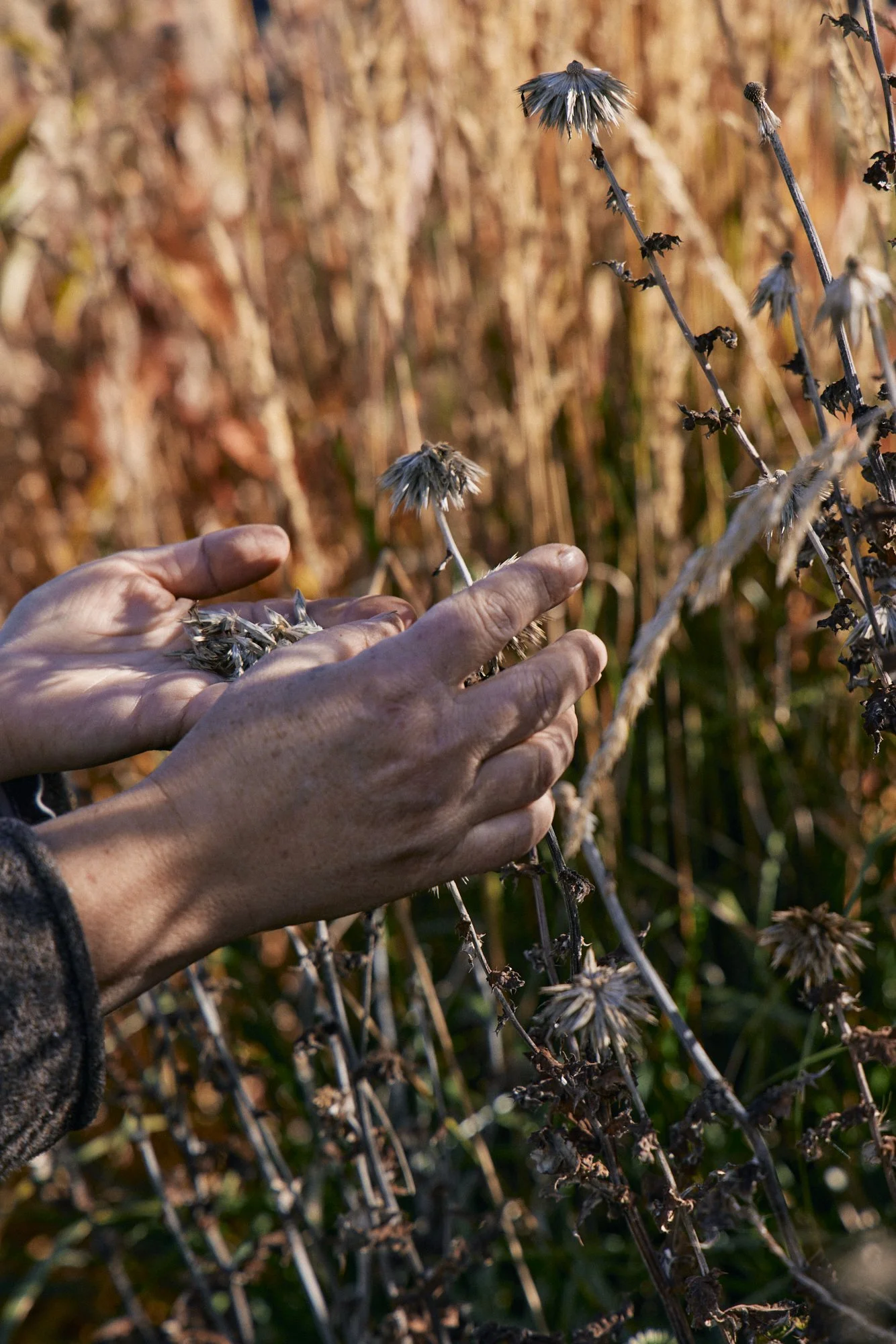
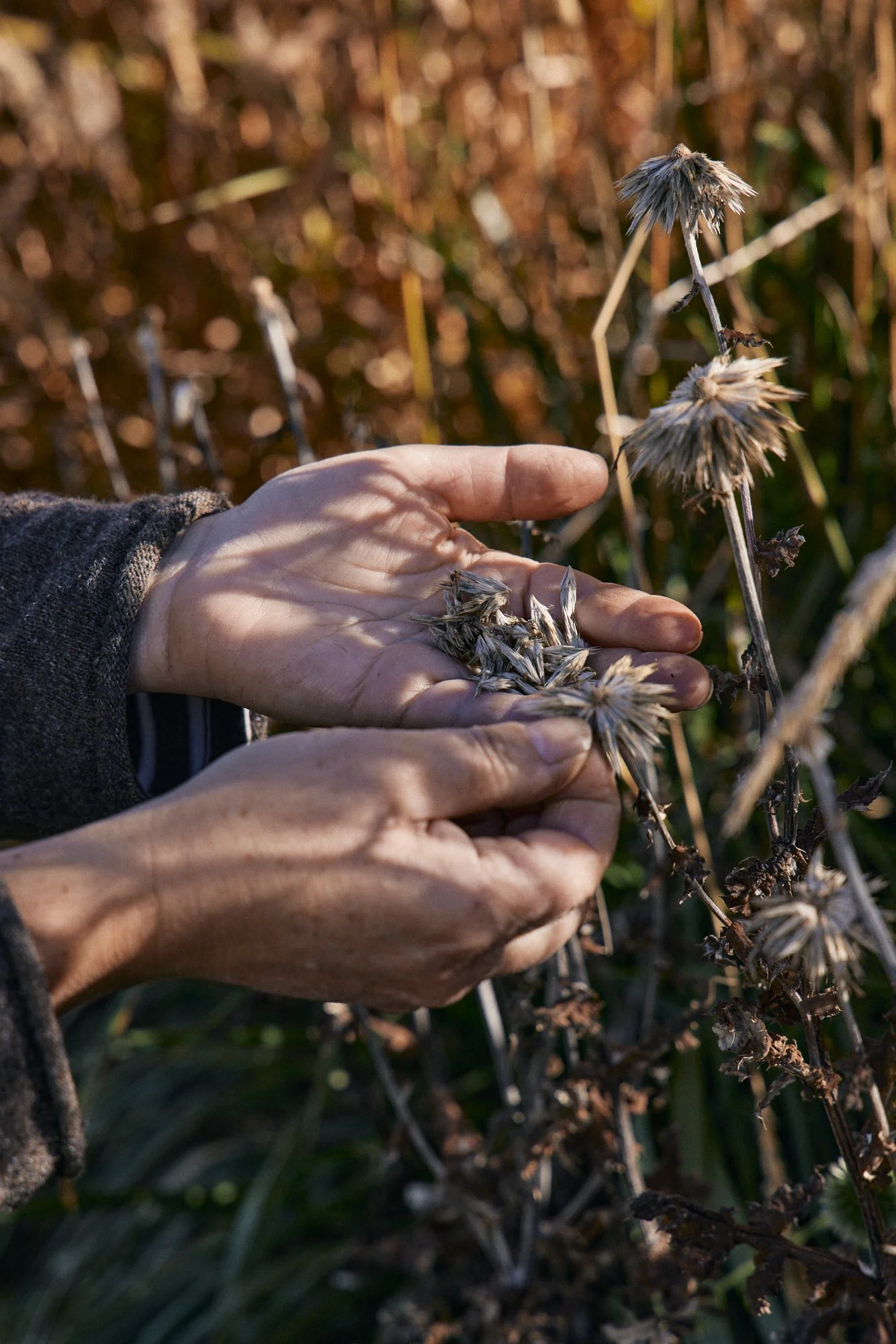
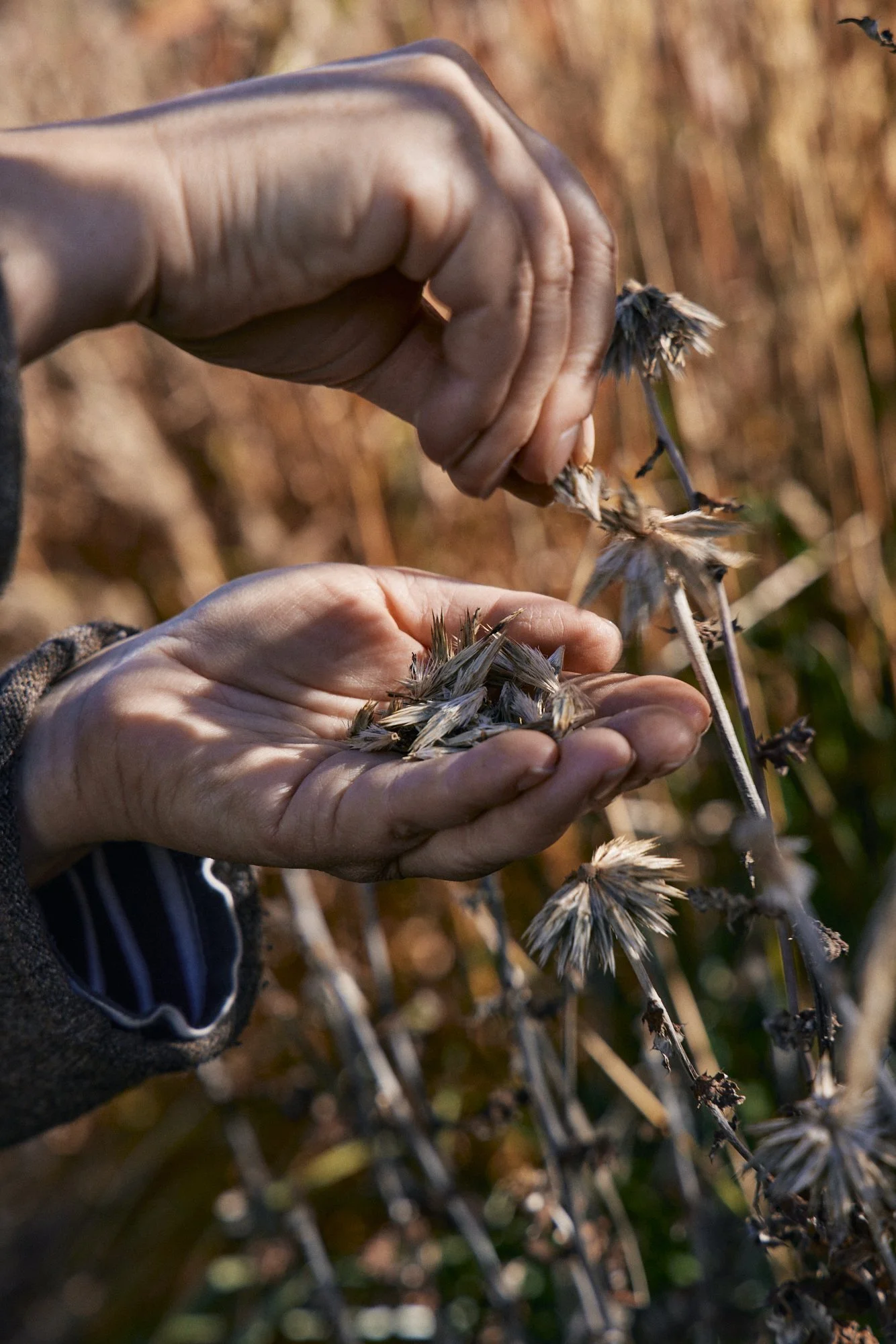
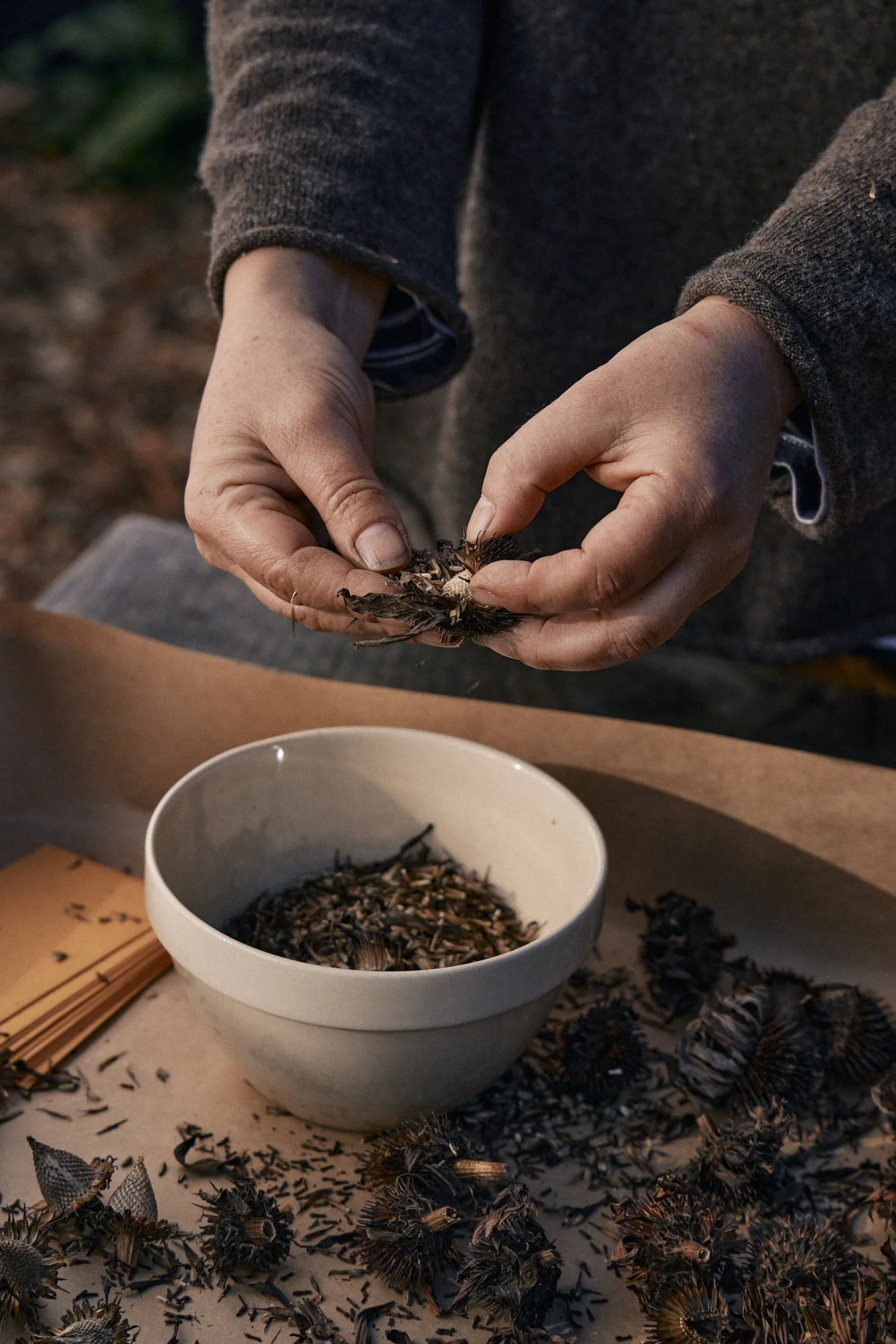
Collect ripe seed from favourite plants and store in labelled envelopes.
Mediterranean and Southern Europe
September marks the end of the dry summer and the beginning of the most generous autumn planting window of the year. The soil begins to hold moisture again, and cool-season crops can go in as the days shorten.
What to plant or sow now:
Cool-season vegetables (lettuce, rocket, kale, chard, spinach, cabbage, cauliflower, broccoli, endive, radicchio, peas, broad beans, garlic, shallot, onion sets), coriander, dill, parsley, hardy annual flowers (sweet peas, calendula, poppies), spring bulbs.
Tasks:
Begin the autumn planting window as temperatures ease.
Plant garlic, shallots and overwintering onions.
Refresh soil with compost after the summer crops.
Sow cool-season greens directly.
Collect seed from favourite plants for next year.
Continental and Alpine (USDA zones 3 to 6)
First frosts are close. This is the month to harvest what remains, plant garlic for next year's crop, protect what needs protection, and close down the summer growth well.
What to plant or sow now:
Garlic (the main planting window), hardy overwintering greens under cover, spring bulbs, cover crops or green manures on bare beds.
Tasks:
Harvest tomatoes, peppers, squash and beans before the first frost.
Plant garlic for next summer's harvest.
Sow green manures or cover crops on any bed that will be bare through winter.
Bring tender potted plants indoors before the first frost.
Mulch heavily around perennial roots to insulate them through winter.
Plant spring bulbs while the ground is still workable.
Warm and subtropical Southern USA (USDA zones 9 to 11)
The intensity of summer is easing. This is the month the fall vegetable garden begins in earnest, and the last of the tomatoes finish.
What to plant or sow now:
Cool-season crops (lettuce, spinach, kale, chard, mustard, cabbage, cauliflower, broccoli, beetroot, carrot, radish, peas), herbs (parsley, dill, cilantro, chives), sweet peas, calendula, snapdragons, pansies, spring bulbs where the winter climate allows.
Tasks:
Begin the fall vegetable garden in earnest.
Plant broccoli, cabbage and cauliflower transplants.
Direct-sow hardy greens as temperatures ease.
Refresh mulch after the summer heat.
Start pansies, violas and other cool-season colour.
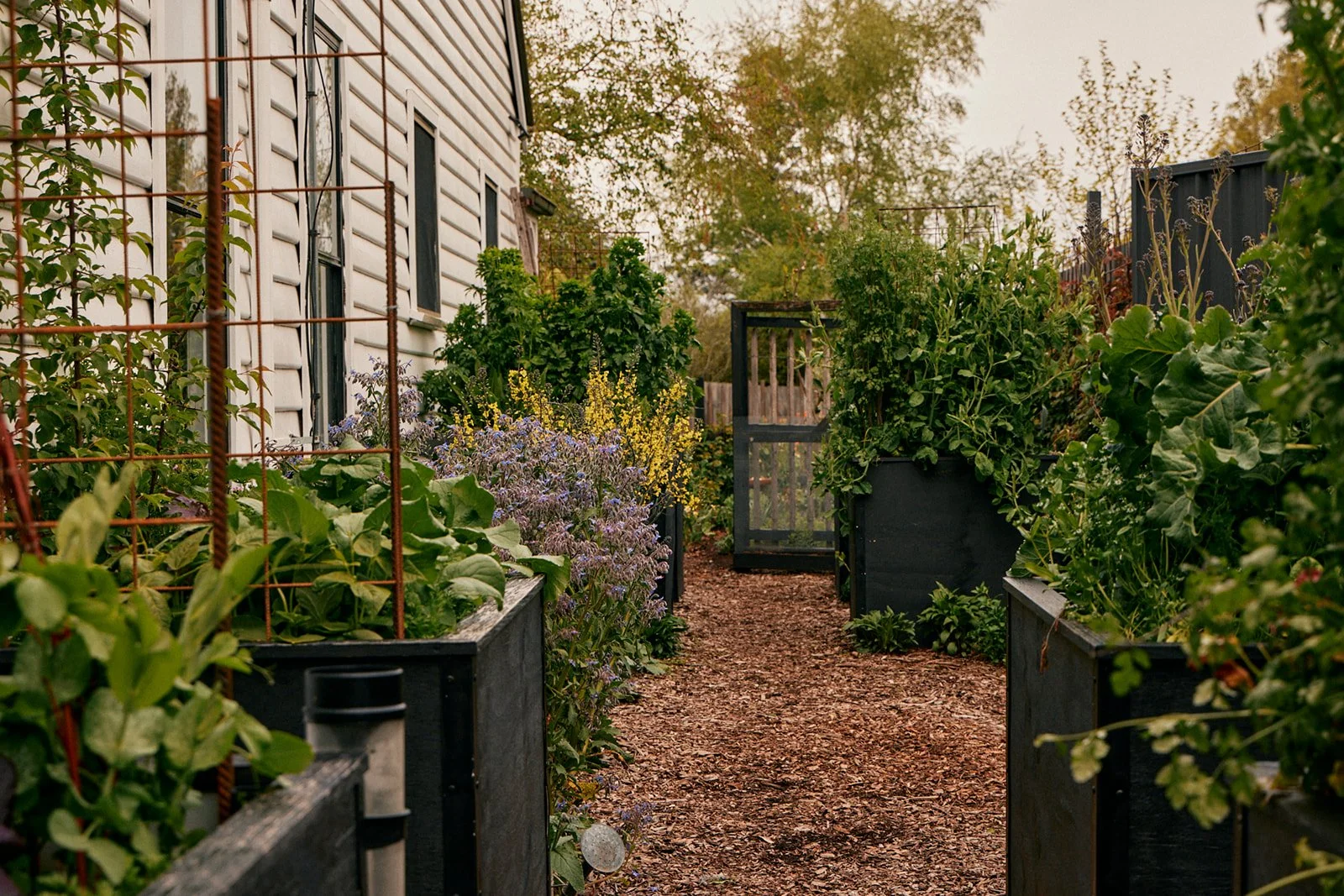
The Wicking Bed Garden at Little Cottage on a Hill
How I work with September
In September the calendar says one thing and the garden says another. September is when spring starts happening in the ground before it is visible in the air. The soil is warming, the bulbs are pushing, the fruit tree buds are swelling, the birds have shifted their attention. Everything is moving, even the parts that look still.
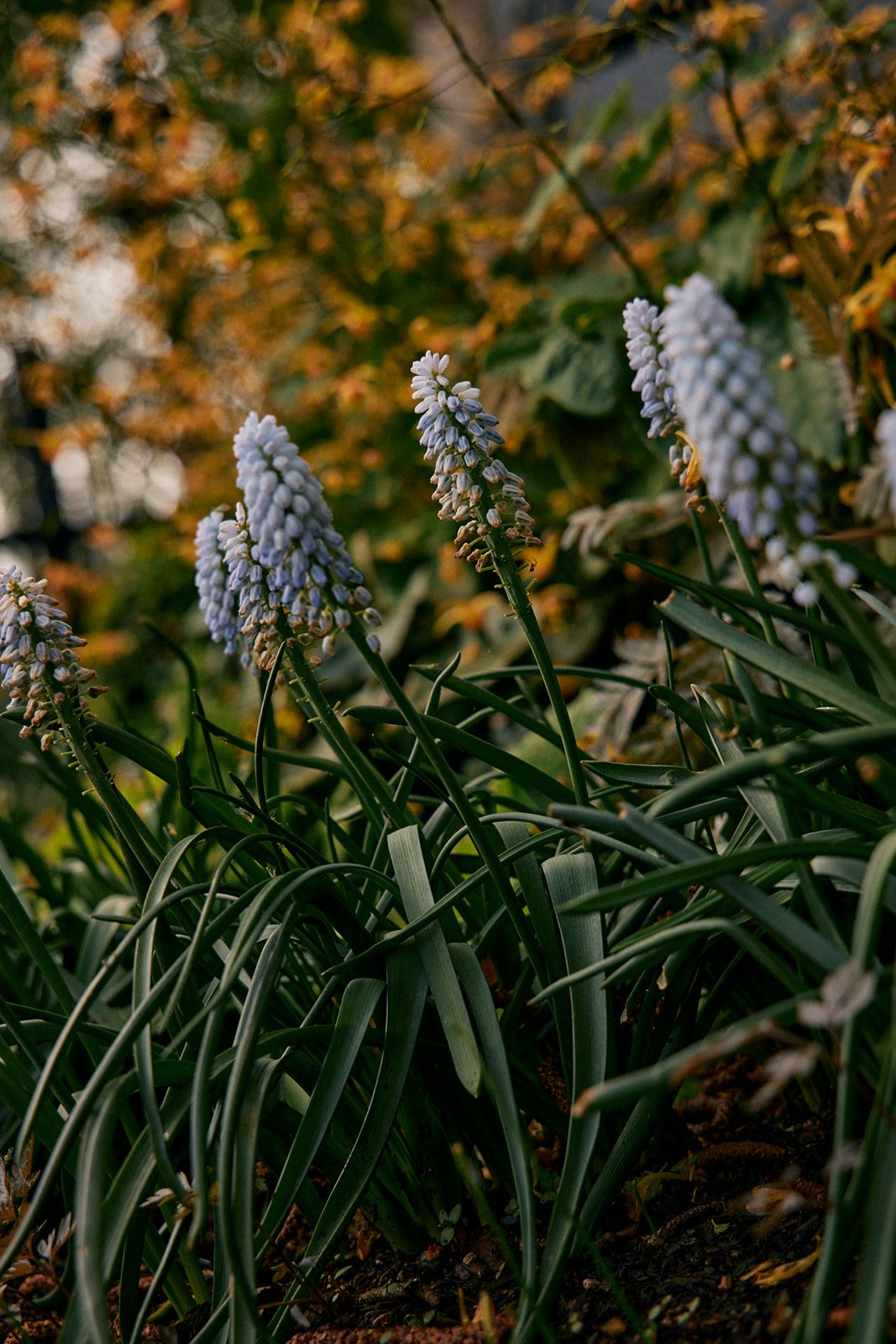
Here at Little Cottage on a Hill, the woodland garden is at its most generous. The hellebores are finishing, but only just. The jonquils have taken over. The daffodils under the crab apple are opening. The first Muscari have started to show up on the edge of beds the pavers. There is more colour in the garden every morning than there was the morning before, and it happens without me lifting a finger.
The garden work is different from July or August. This means I start doing rather than mostly observing. I get seed potatoes into the ground. I direct-sow the first proper rows of peas, carrots, coriander and rocket in the productive beds. I begin hardening off the tomato and capsicum seedlings I started undercover in August, though I know I will not plant them out until after Melbourne Cup Weekend (second week of November for anyone reading outside of Australia) when the frost is 99% behind us. I take cuttings from the plants I want more of. I refresh mulch on the beds that lost cover through winter. And I keep an eye on the peach and nectarine bud swell, because the leaf curl spray window can close before you have caught up with it.
If August was about noticing the shift, September is about answering it.
Stand in the garden. Watch what is opening. Start there.
My Quick September Checklist
Observe frost pockets, winter sun, drainage and bud swell before making decisions.
Complete the last of winter pruning if you have not already.
Take softwood cuttings from suitable shrubs and perennials.
Direct sow hardy vegetables and support flowers where the soil is workable.
Chit seed potatoes ready for planting, or plant them out if the ground is right.
Continue starting summer seedlings undercover and harden off August's seedlings.
Divide congested perennials as new growth begins to show.
Feed established fruit trees before growth accelerates.
Refresh mulch on any bed that lost cover through winter.
Continue your gardening journey with me
If this aligns with how you are thinking about your own garden, my workshops offer more detail and guidance on garden design, productive growing, soil care and seasonal practice.
Now is also a good time to sign up to my newsletter if you do not already subscribe. The full program of book launch events for The Productive Garden Companion will be shared with my beautiful community of newsletter subscribers so if you’re keen to be able to access these special events, that’s the place to find out. I also share seasonal notes from the garden, workshop updates, book news, and practical ideas for creating a garden of beauty and abundance that works wherever you are, and at any scale.
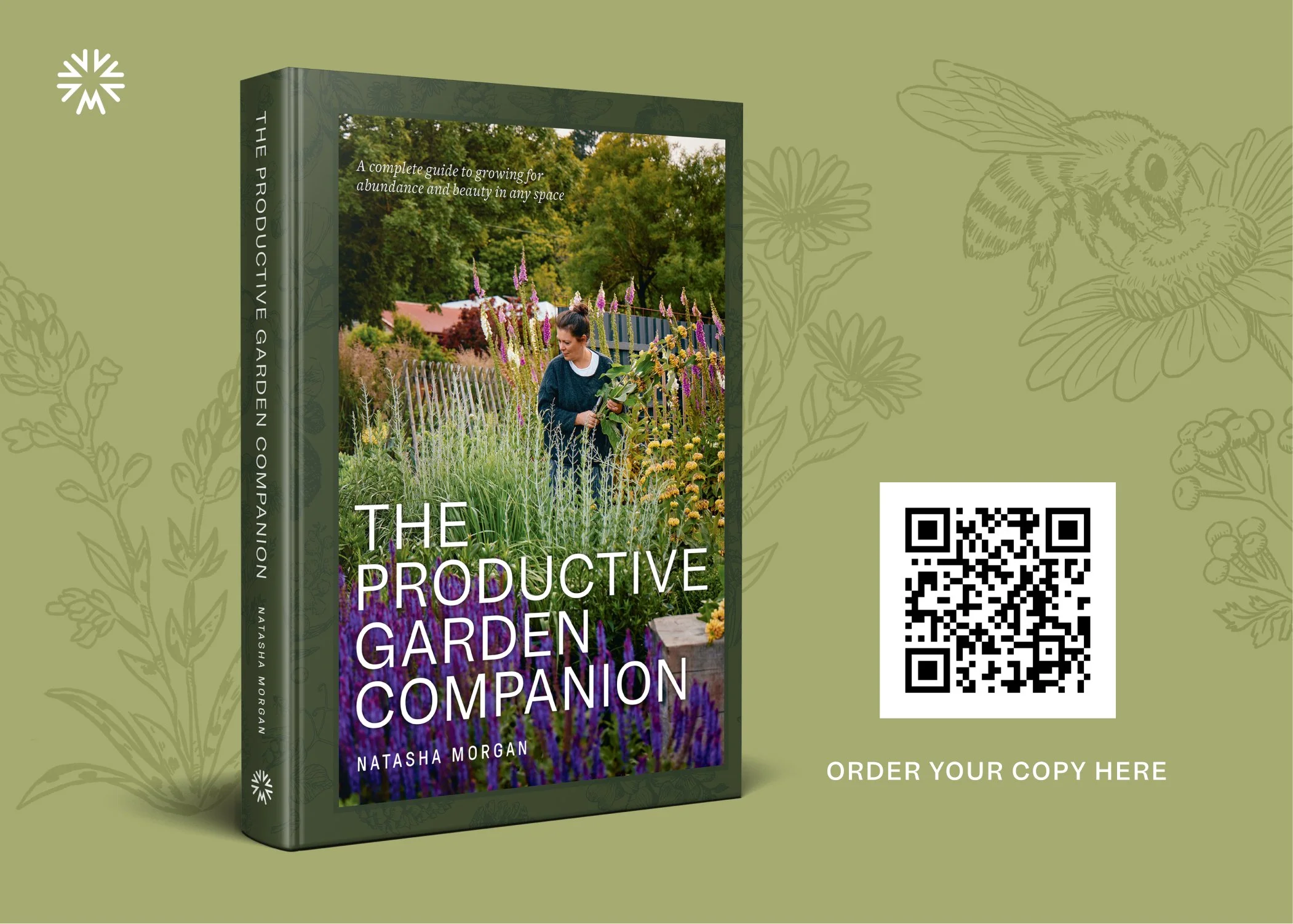
My book, The Productive Garden Companion, is now available to pre-order. It brings together decades of landscape architecture, gardening, teaching, preserving and lived practice, with guidance for creating beauty and abundance at any scale.
If you are building your garden from home right now, my eBooks on Wicking Bed Gardens, Introduction to Backyard Chicken Keeping and Compost for Beautiful Productive Gardens offer practical guidance that pairs well with this seasonal work.
Stay connected for more seasonal inspiration:
You may want to check out my related content below:
August Garden Tasks - for Australian Climates
Solitude and Connection - Through Gardens
Documenting Little Cottage On A Hill - A Garden Designed By Hand
Stay connected for more seasonal inspiration:
Instagram | Facebook | Substack |Gardenstead | LinkedIn | Pinterest | YouTube | Website | Newsletter
As always, thank you so much for following along.
Natasha xx