The hellebores are in full bloom, and the garden begins to lean toward spring.
Two-thirds through winter, and the garden is beginning to shift.
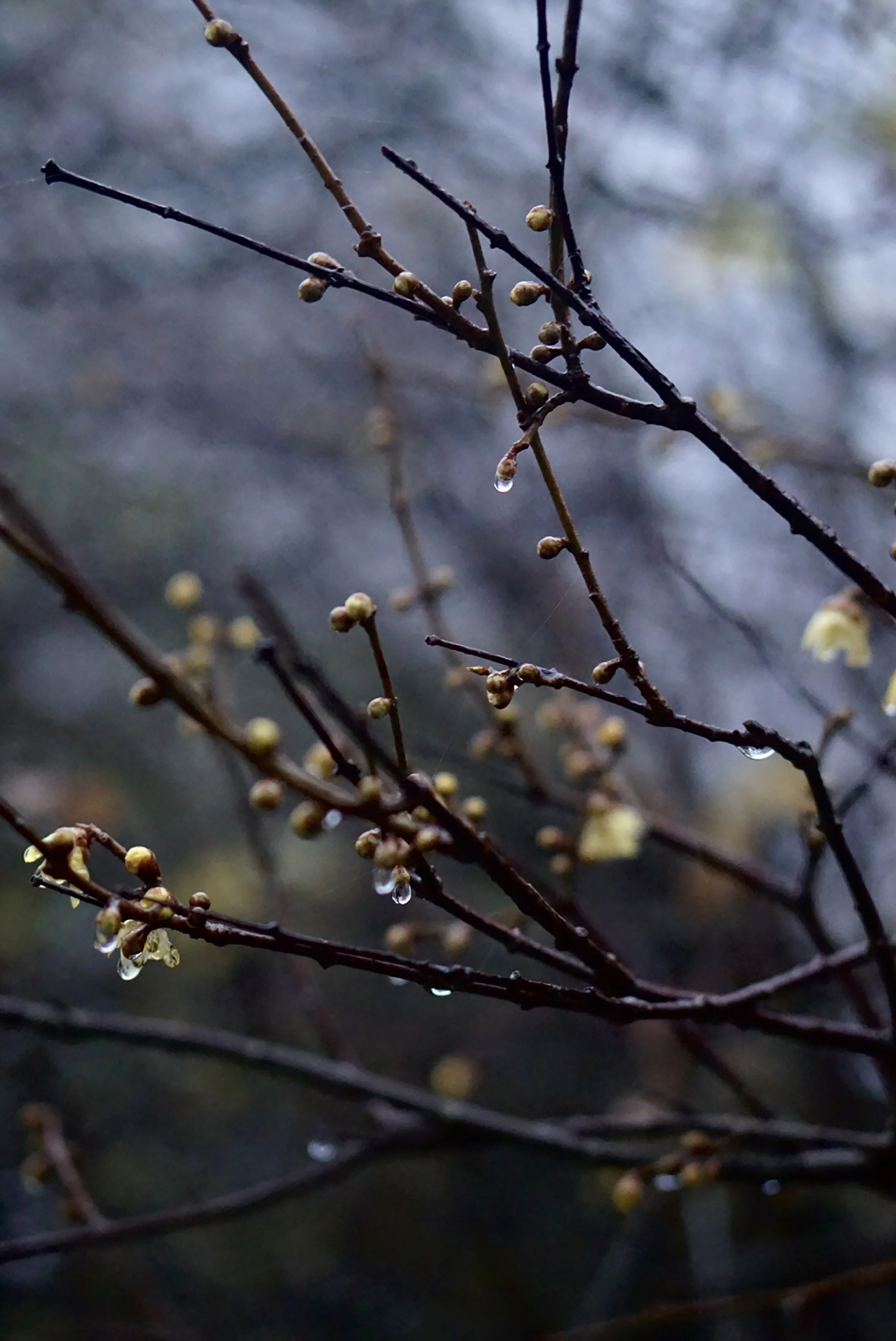
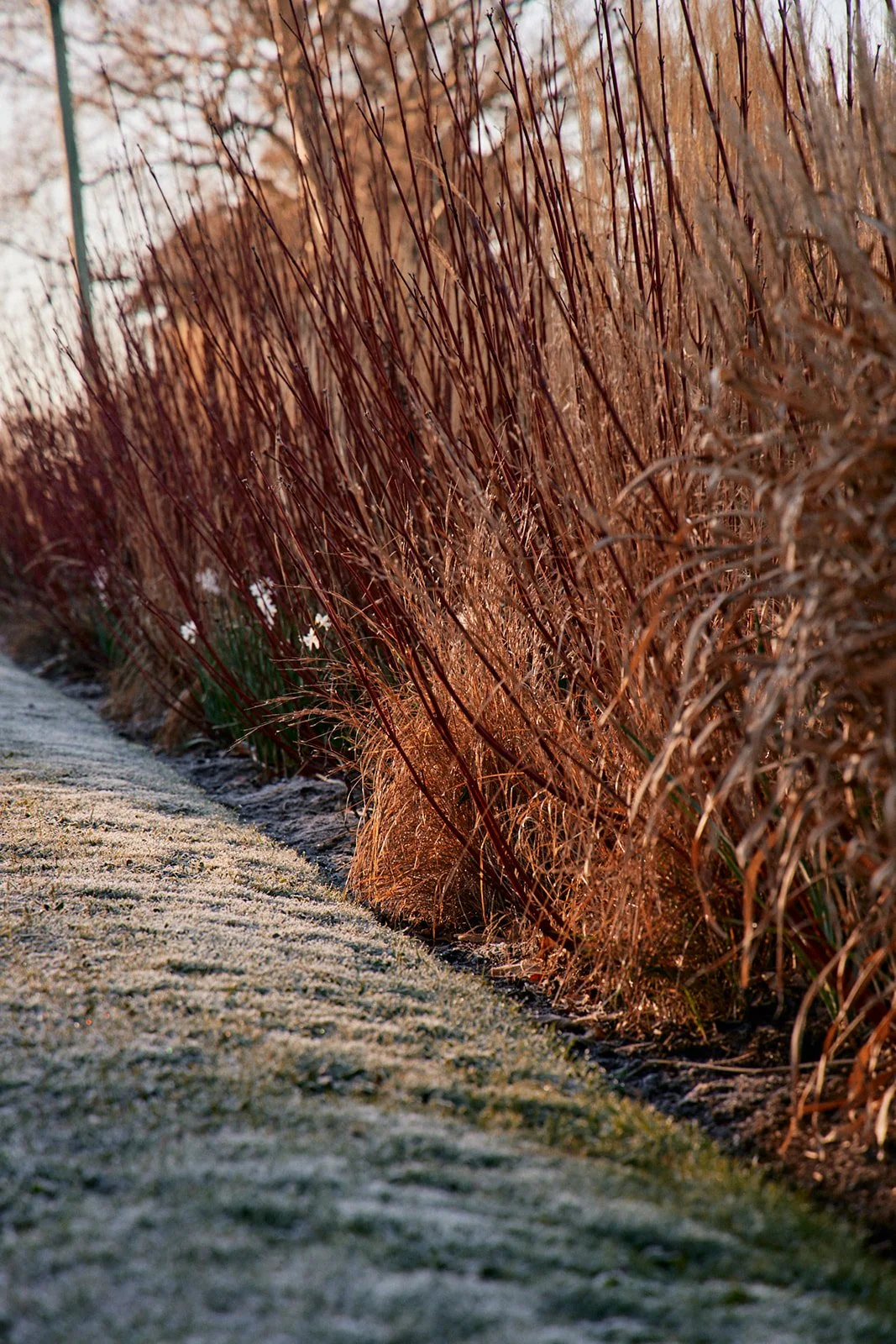
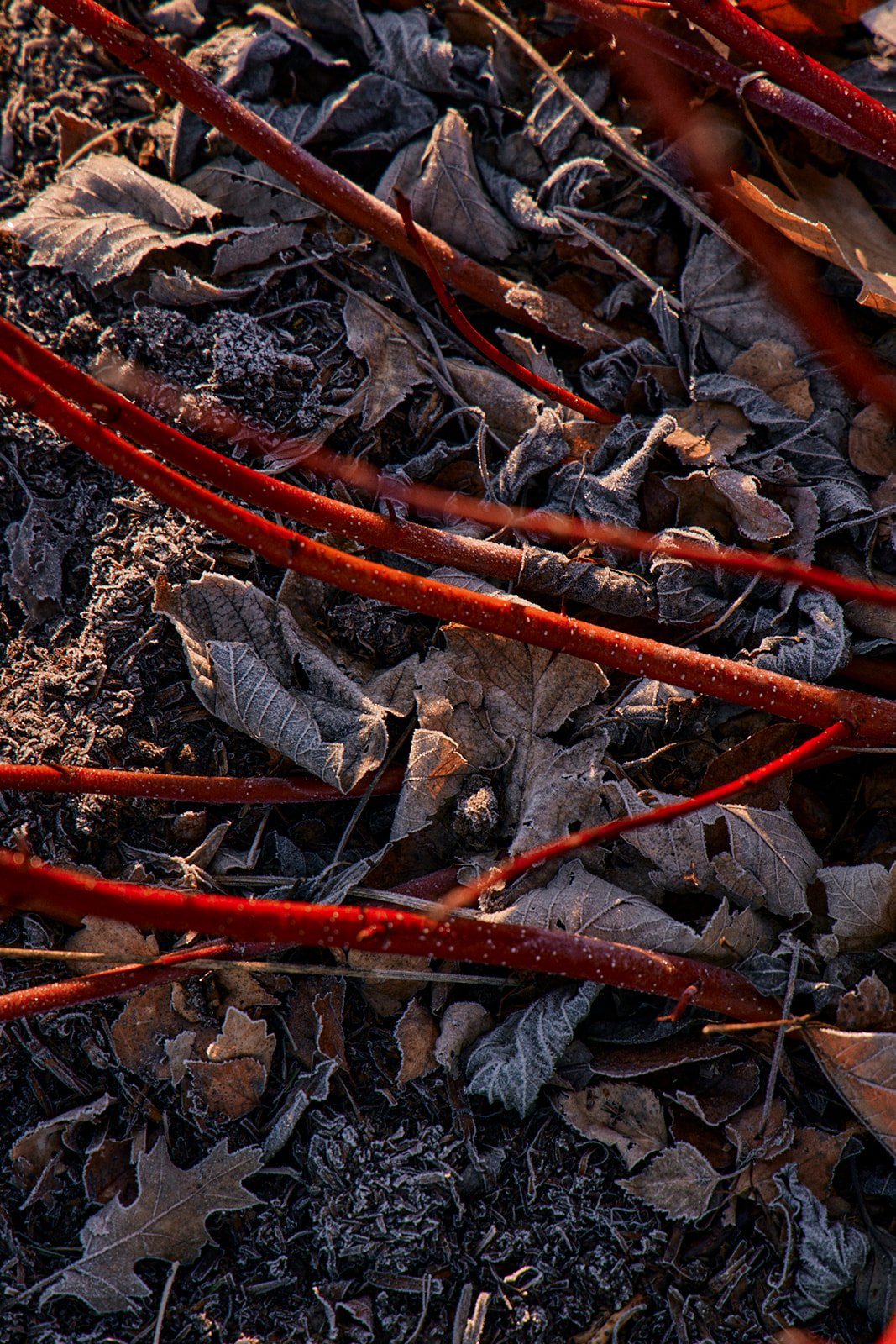
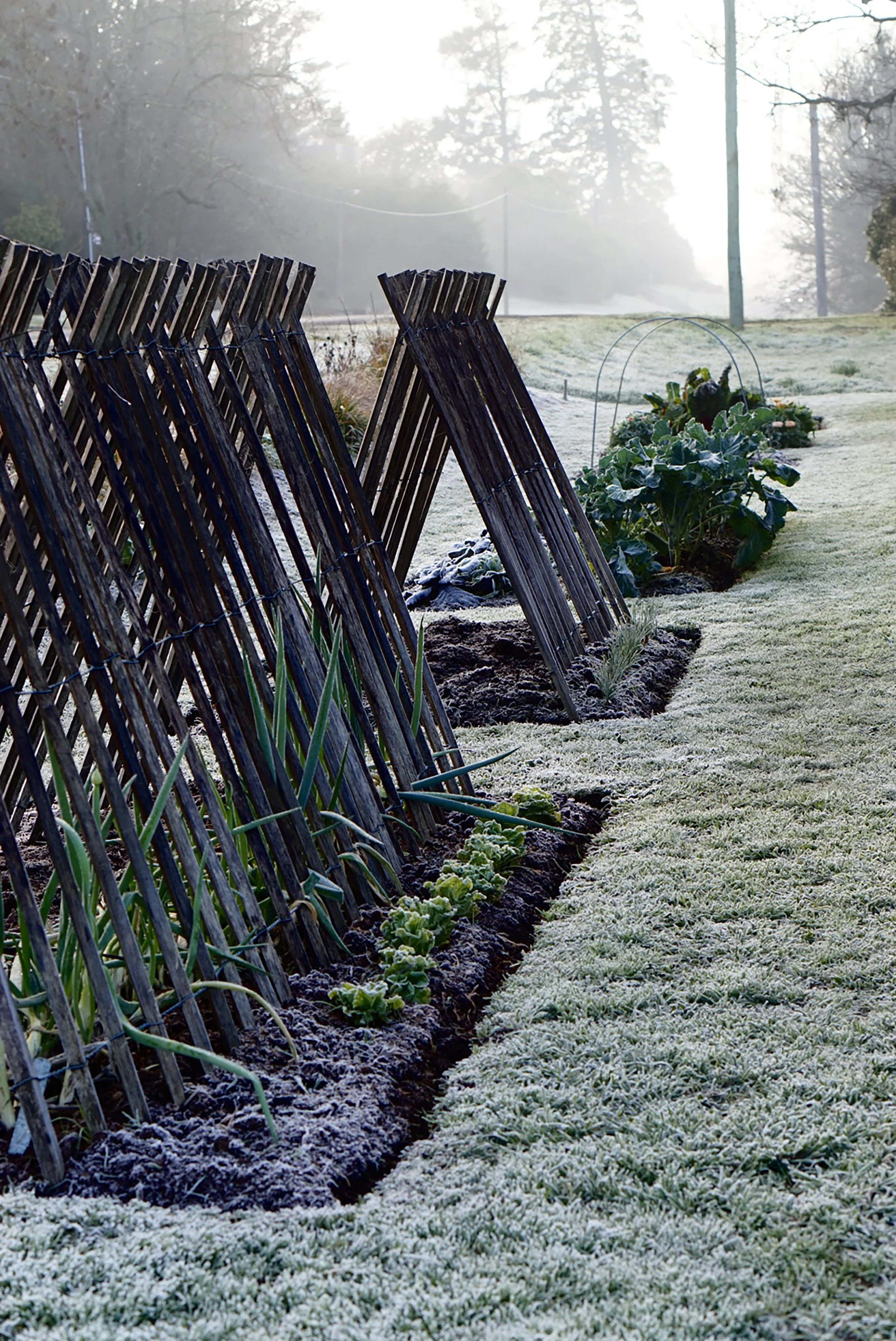
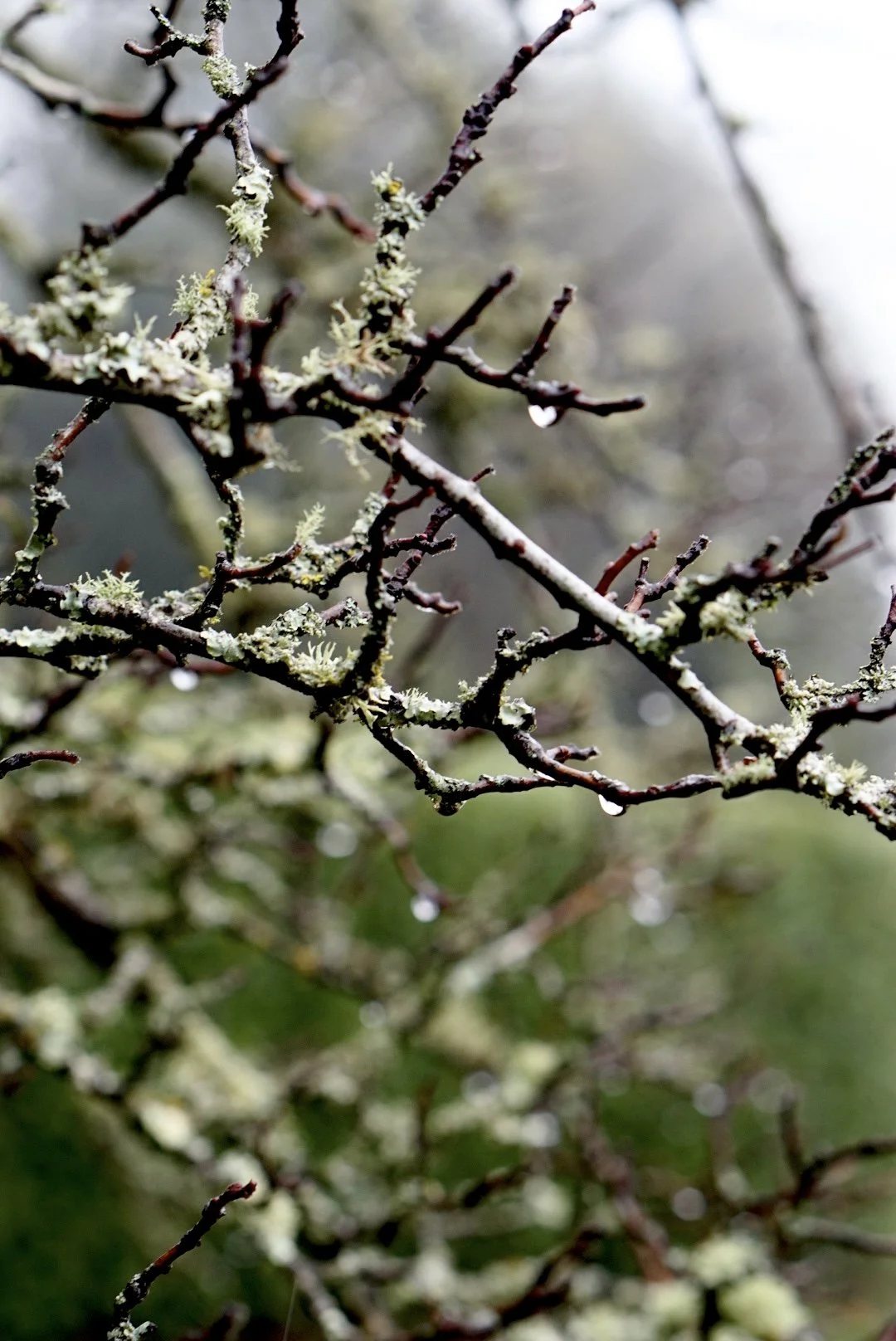
Here in the Central Highlands, we've had days of heavy frost and days where the fog hasn't lifted at all. The garden holds cold. The frost sits low on the beds in the morning, and by mid-afternoon the mist still hangs around the trees on the hill.
And underneath all of that, the hellebores are in full bloom.
There's a stretch of soft plum, freckled cream and deep burgundy nodding through the perennial garden right now, and every time I walk past them I stop. They're one of the reasons winter here doesn't feel like a pause. It feels like the season that keeps its own company.
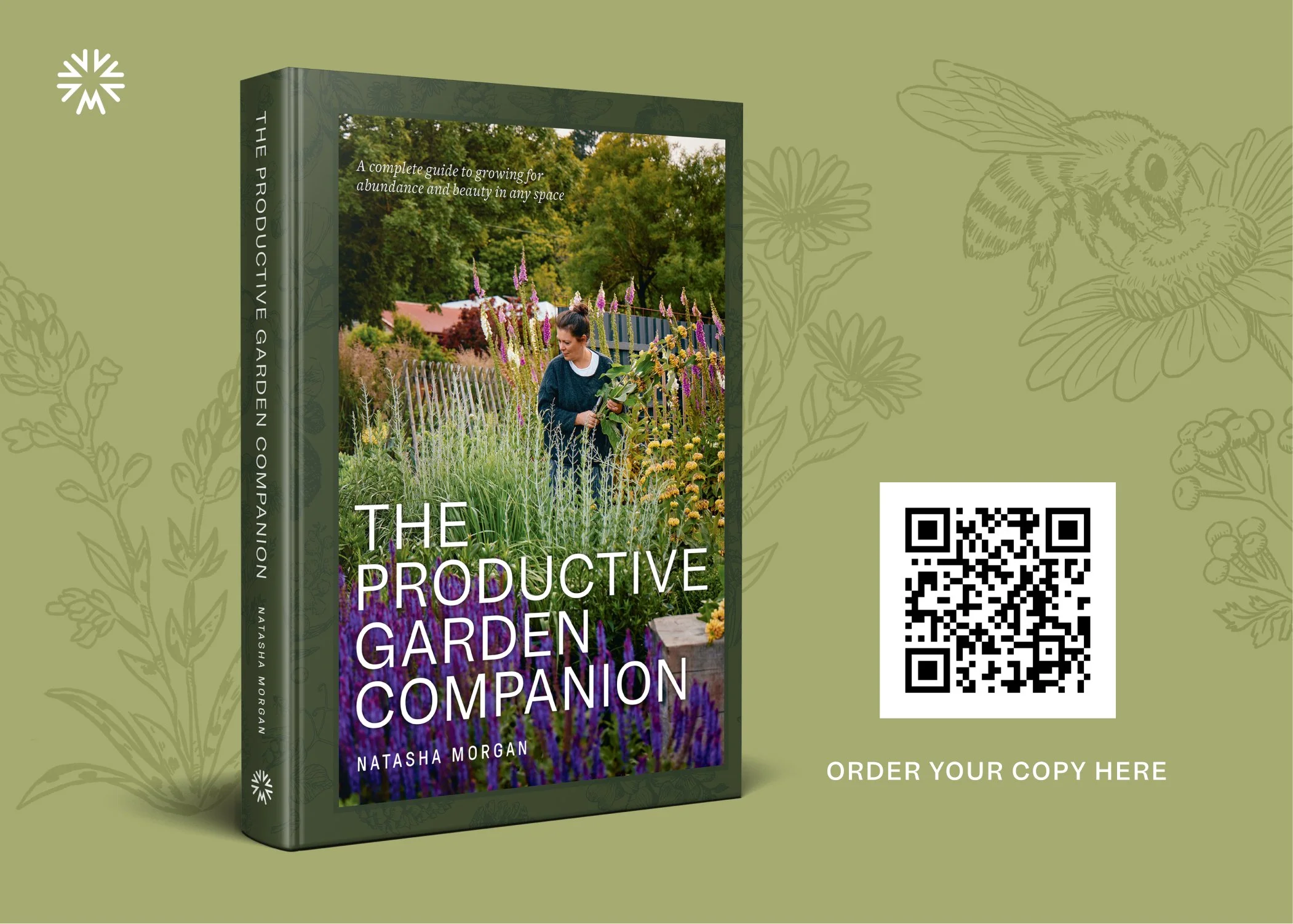
Much of my winter has gone into planning the book tour. The Productive Garden Companion releases on 15 September, and there's a lot of the machinery you don't see — dates, media, travel, conversations — that fills the days between garden moments. But in between, the garden has been holding its part of the season for me: the hellebores, the bare structure of the trees, the bulbs just beginning to push through the soil, the espalier lines legible against the sky.
August is where I begin planning what an abundant spring looks like.
The change of season isn't far away now. In cool and temperate climates, the days are already noticeably longer. The soil is still cold, but it is starting to warm. This is the last real window before spring calls for everything at once — the last window for winter pruning, the last window for bare-rooted planting, the last window to sit and observe without the garden asking anything back.
Which beds still hold frost the longest?
Where does the winter sun finally reach the ground?
Which fruit trees have bud swell, and which are still bare?
Which spaces are asking to be prepared before spring makes decisions on your behalf?
Which of last winter's plans didn't get done, and can still be done now?
Start there. Observe first, then act.
Tasks for all climates
Keep your soil covered with compost, mulch, leaf mould, living roots or green manure. Cold, wet soil holds nutrients better when it isn't exposed.
Complete the last of winter pruning on dormant deciduous fruit trees, roses and grapevines while the structure is still bare and easy to read.
Take hardwood cuttings from grapes, figs, currants, gooseberries and hydrangeas before buds break.
Continue bare-rooted planting of fruit trees, roses, cane fruit and deciduous ornamentals where soil conditions allow. Avoid working saturated soil.
Start chitting seed potatoes on a windowsill or in a cool, light space so they are ready for spring planting.
Sow the first summer vegetable seeds undercover — tomato, capsicum, chilli, eggplant and basil — in a warm sunny spot indoors, in a greenhouse or on a north-facing sill.
Feed fruit trees with organic fertiliser, well-rotted manure and compost before growth begins, so the nutrients will be waiting for spring roots.
Spray peaches and nectarines for leaf curl at bud swell, before flower colour shows.
Refresh mulch around bulbs, hellebores and emerging perennials to keep soil moisture steady as it starts to warm.
Weed while weeds are small and the soil is soft. This is the last easy window before spring growth accelerates.
Sort your seeds, order what's missing, and clean, sharpen and oil your secateurs, snips and loppers before the spring rush.
A note on preparing for spring
Many of these August tasks come back to one shared idea — preparing well now so the spring garden can carry itself. That includes the soil, the seeds and the systems that will support the season ahead.
If you'd like a practical starting point for the soil side of that work, my eBook, Compost for Beautiful Productive Gardens, steps through the composting systems I use here at Little Cottage on a Hill and teach in my workshops, with clear guidance for choosing an approach that suits your space and the way you live.
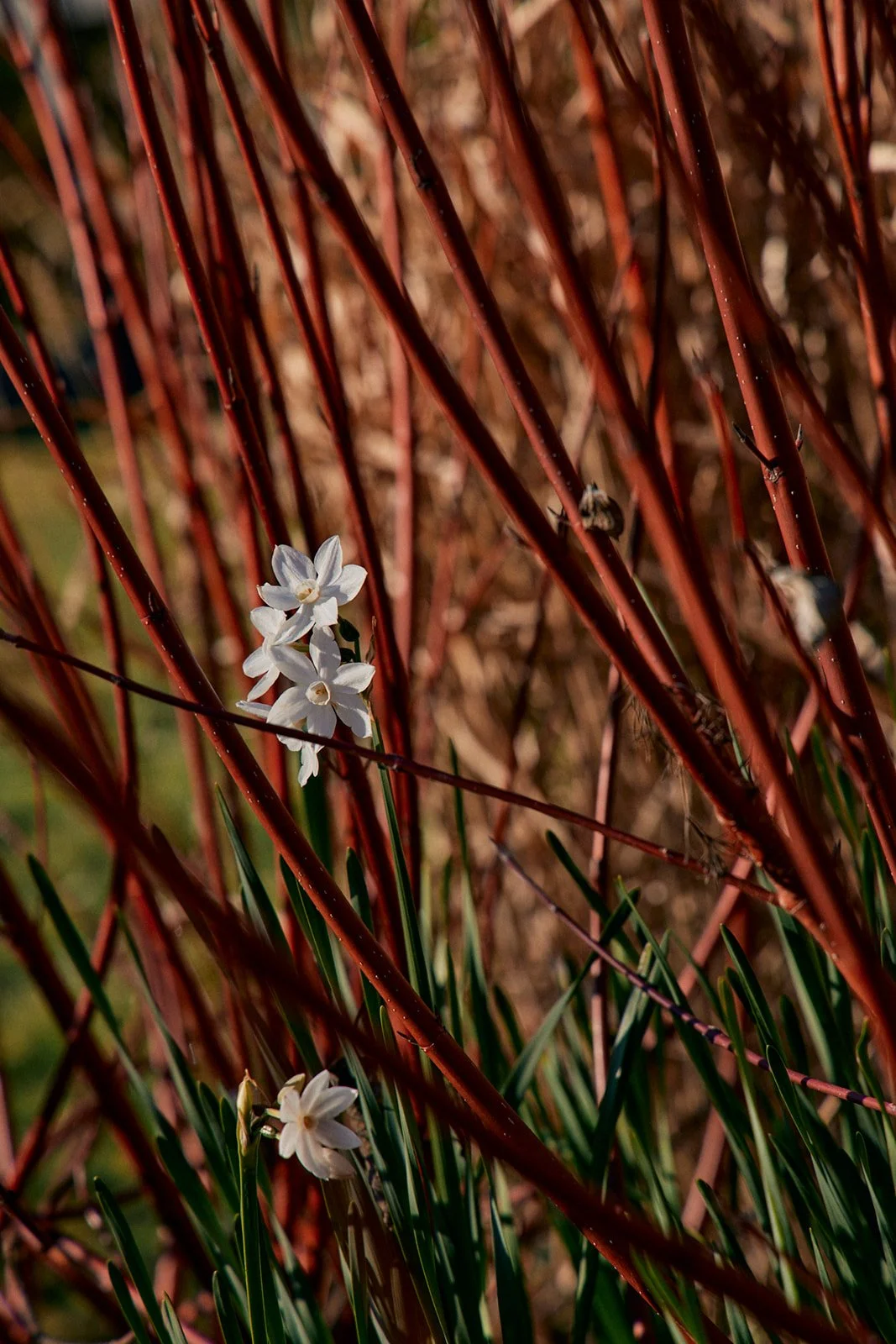
What to sow and plant now, and tasks by climate
Temperate
August in temperate gardens is late winter beginning to soften. Days are growing noticeably longer. The soil is still cold, but it is starting to warm. This is the last window for bare-rooted planting and winter pruning, and the first month to begin summer sowing under cover.
Edible seeds and plants to sow or plant now
Broad beans, beetroot, cabbage seedlings, carrot, Florence fennel, kale, kohlrabi, leek, lettuce, mustard greens, onion sets, parsley, parsnip, peas, radish, rocket, silverbeet, snow peas, spinach, spring onion, strawberry runners and asparagus crowns.
Undercover: tomato, capsicum, chilli, eggplant, cucumber, basil, sweet marjoram, lemon balm, thyme and mint. Chit seed potatoes on a light windowsill ready for spring planting.
Flowering plants to sow or plant now
Alyssum, calendula, cornflower, delphinium, foxglove, hollyhock, larkspur, love-in-a-mist, lupin, pansy, poppy, primula, snapdragon, stock, sweet pea, viola, bare-rooted roses and hellebores as plants.
Tasks for temperate gardens
Complete winter pruning of apples, pears, quinces, grapevines and roses while structure is still readable.
Plant bare-rooted fruit trees, cane fruit and roses while they are dormant.
Sow the first summer vegetables — tomato, capsicum, chilli, eggplant and basil — undercover in a warm sunny spot.
Feed fruit trees before growth begins, with organic fertiliser, manure or compost dug into the drip line.
Refresh beds with compost and mulch, and avoid working any soil that is too wet.
Alpine and cool
In alpine and cool gardens, August is still deep winter. Some beds may be frozen, sodden or too shaded to work. Planting is best kept to the hardiest crops, sheltered positions and undercover sowing. The reward for waiting is a healthier plant in the ground.
Edible seeds and plants to sow or plant now
Broad beans, peas, snow peas, silverbeet, spinach and hardy lettuce in sheltered positions or under cover. Where the soil is workable, plant garlic cloves, onion sets and asparagus crowns.
Undercover: begin summer seedlings of tomato, capsicum, chilli and basil in a heated propagator or on a warm windowsill.
Flowering plants to sow or plant now
Hellebores as plants, pansy, viola, primula, poppy, larkspur, foxglove, lupin, bare-rooted roses and hardy perennials. Sow sweet pea where the soil is workable.
Tasks for alpine and cool gardens
Continue undercover sowing of hardy greens and summer seedlings, and protect from hard frost.
Plant bare-rooted trees, roses and cane fruit only when soil is workable, not frozen or waterlogged.
Complete pruning of dormant apples, pears, quinces and grapevines, and use the bare structure to check espalier wires, ties and supports.
Keep beds covered with compost, mulch, straw or green manure through the last cold weeks.
Sort seeds, map spring beds and note where frost pockets have persisted through winter.
Subtropical
Subtropical gardens are still comfortably inside the cool-season growing window in August. Days are lengthening, and in frost-free pockets the first warm-season crops can begin. This is one of the most useful planting months you have.
Edible seeds and plants to sow or plant now
Beetroot, cabbage, carrot, Chinese cabbage, chives, coriander, dill, endive, fennel, kale, kohlrabi, lettuce, mustard greens, parsnip, peas, potato, radish, rocket, shallot, silverbeet, snow peas, spinach, spring onion, strawberry and thyme.
In frost-free pockets, begin warm-season crops — tomato, capsicum, chilli, cucumber, eggplant, sweet corn, zucchini and pumpkin.
Flowering plants to sow or plant now
Alyssum, calendula, cosmos, marigold, nasturtium, pansy, poppy, salvia, snapdragon, stock, sunflower, sweet pea, viola and zinnia.
Tasks for subtropical gardens
Continue sowing cool-season crops in short succession before the warmth returns.
In frost-free pockets, begin planting warm-season crops — tomato, capsicum, chilli, cucumber and zucchini — while nights are still gentle.
Prune roses and any deciduous fruit trees still dormant, and check for the leaf curl spray window.
Feed productive beds with compost before the next crop cycle.
Watch soil moisture, as clear winter days can dry beds quickly.
Tropical
August in tropical gardens is the cool, dry season. Growth can still be strong, and conditions are often more forgiving than the wet season. Keep watering and mulching at the centre of your work.
Edible seeds and plants to sow or plant now
Amaranth, asparagus crowns, basil, climbing beans, bush beans, borage, broccoli seedlings, cabbage seedlings, capsicum, cauliflower seedlings, celery, chilli, Chinese cabbage, chives, choko, coriander, cucumber, daikon, dill, eggplant, endive, fennel, ginger, kale, kohlrabi, lettuce, mizuna, mustard greens, okra, pak choy, parsley, pumpkin, radish, shallot, silverbeet, spring onion, sweet corn, sweet potato, tomato, watermelon, yacon and zucchini.
Flowering plants to sow or plant now
Amaranth, borage, calendula, celosia, cleome, cosmos, gomphrena, marigold, nasturtium, salvia, sunflower and zinnia.
Tasks for tropical gardens
Use the cool, dry conditions to plant broadly across vegetables, herbs and support flowers.
Sow fast crops such as beans, lettuce, pak choy, coriander and radish in staggered succession rather than one large sowing.
Water deeply and mulch well, especially where dry-season winds are drawing moisture from the soil.
Watch for caterpillars, aphids and fungal issues, particularly in dense plantings.
Prune wind-exposed shrubs and repair supports before dry-season winds strengthen.
Arid
August in arid gardens brings cool nights, warm days, drying winds and surprisingly useful planting conditions. The work is to make the most of the window while protecting new growth from extremes.
Edible seeds and plants to sow or plant now
Asparagus crowns, beetroot, broad beans, broccoli seedlings, carrot, celery, celeriac, chives, coriander, dill, endive, Florence fennel, globe artichoke, Jerusalem artichoke tubers, kale, leek, lettuce, mizuna, mustard greens, onion, pak choy, parsnip, peas, radish, rhubarb crowns, silverbeet, snow peas, spinach, swede, thyme and turnip.
Undercover: begin summer seedlings of tomato, capsicum, chilli and eggplant where cold nights can still bite.
Flowering plants to sow or plant now
Alyssum, billy buttons, calendula, cornflower, hollyhock, larkspur, lupin, mignonette, pansy, poppy, snapdragon, stock, strawflower, sweet pea and viola.
Tasks for arid gardens
Plant cool-season vegetables, herbs and flowers while conditions are more forgiving than the heat of summer.
Begin summer vegetables undercover in a warm space that can protect seedlings from cold nights.
Improve soil with compost and organic matter before planting to help hold moisture and buffer temperature swings.
Mulch deeply after planting, keeping mulch just clear of stems and crowns.
Protect new seedlings from frost, drying wind and sudden temperature shifts, using temporary shade or wind protection where young plants are exposed.

How I work with August
In many parts of Australia, August is the month between. Winter is beginning to loosen, and spring is already sending signals through the soil.
Here in Daylesford, most mornings still open with heavy frost. Some days, the fog holds until afternoon. And the double black hellebores from Post Office Farm Nursery are in full bloom now — the inkiest of dark plum ones I planted a few years ago, nodding through the woodland garden — and every time I walk past them I stop. They are one of the most generous plants in the winter garden. They ask for very little. They give you the shape of the season back.
Much of my August is going into planning the book tour. The Productive Garden Companion releases on 15 September, and there is a lot of work that happens off the garden before a book can land generously into the world. So my time here has been in shorter bursts. When I am in the garden, the moments have been sharper for it.
I have been walking the perennial beds slowly, learning what the frost has done and what the winter wet has softened. I have been standing in front of the espalier orchard, tracing the lines with my eye, watching for bud swell on the peaches before the leaf curl spray window closes. I have been sitting in the potting shed sorting seeds — the summer packets I've been carrying around for months in my head are suddenly relevant, because in cool climates this is the first month I sow tomatoes, capsicum, chilli and basil undercover on a warm windowsill.
I chit potatoes in the potting shed too, laying them out in shallow trays where the light can reach them. Small acts that don't look like much. They are the beginning of everything I want the spring garden to hold.
August is when I make the last decisions before spring makes them for me. It is when I decide where a new bed will go, where a plant needs to be moved while it is still dormant, where a path needs widening, where the compost needs to travel before the beds close over with growth. It is the month I begin planning what an abundant spring looks like.
If July asks you to step inside winter, August asks you to notice that the door on the other side is already opening.
Stand in the garden. Notice what is coming and what is still to be done. Start there.
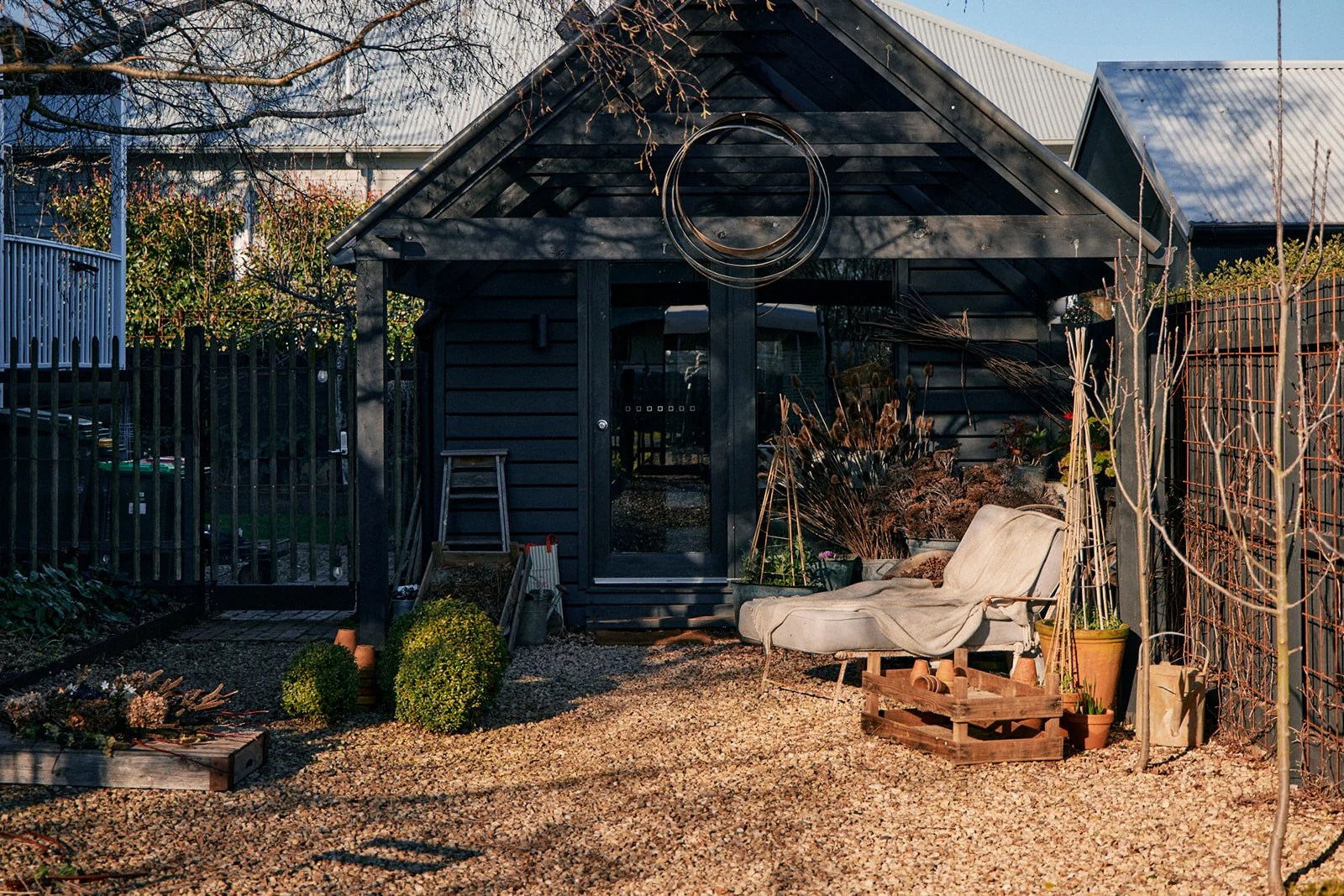
The verge garden on a crisp frosty winter’s morning.
Quick checklist
Observe frost, winter sun, wind and drainage as the season begins to shift.
Keep soil covered with compost, mulch, leaves or living plants.
Complete winter pruning of dormant deciduous fruit trees, roses and grapevines.
Take hardwood cuttings before buds break.
Continue bare-rooted planting where soil is workable.
Sow the first summer vegetable seeds undercover — tomato, capsicum, chilli, eggplant and basil.
Chit seed potatoes ready for spring planting.
Feed fruit trees with organic fertiliser, manure or compost before growth begins.
Spray peaches and nectarines for leaf curl at bud swell, before flower colour shows.
Sort seeds, sharpen tools and prepare beds for spring.

Continue your gardening journey with me
If this aligns with how you are thinking about your own garden, my workshops offer more detail and guidance on garden design, productive growing, soil care and seasonal practice.
August is also a good time to sign up to my newsletter if you do not already subscribe. The full program of book launch events for The Productive Garden Companion will be shared with my beautiful community of newsletter subscribers so if you’re keen to be able to access these special events, that’s the place to find out. I also share seasonal notes from the garden, workshop updates, book news, and practical ideas for creating a garden of beauty and abundance that works wherever you are, and at any scale.
My book, The Productive Garden Companion, is now available to pre-order. It brings together decades of landscape architecture, gardening, teaching, preserving and lived practice, with guidance for creating beauty and abundance at any scale. There’s a very special Daylesford getaway giveaway valued at $2600 open until 23 August 2026 for those who pre-order the book.
If you are building your garden from home right now, my eBooks on Wicking Bed Gardens, Introduction to Backyard Chicken Keeping and Compost for Beautiful Productive Gardens offer practical guidance that pairs well with this seasonal work.
Stay connected for more seasonal inspiration:
You may want to check out my related content below:
Landscape Lingo - The ‘Chelsea Chop’ and Ways to Have Plants Look Their Best
My top 5 plants - from Oak & Monkey Puzzle
Stay connected for more seasonal inspiration:
Instagram | Facebook | Gardenstead | LinkedIn | Pinterest | YouTube | Website | Newsletter
As always, thank you so much for following along.
Natasha xx