Winter has settled in, but the garden is not asleep.
By July, winter has properly arrived.
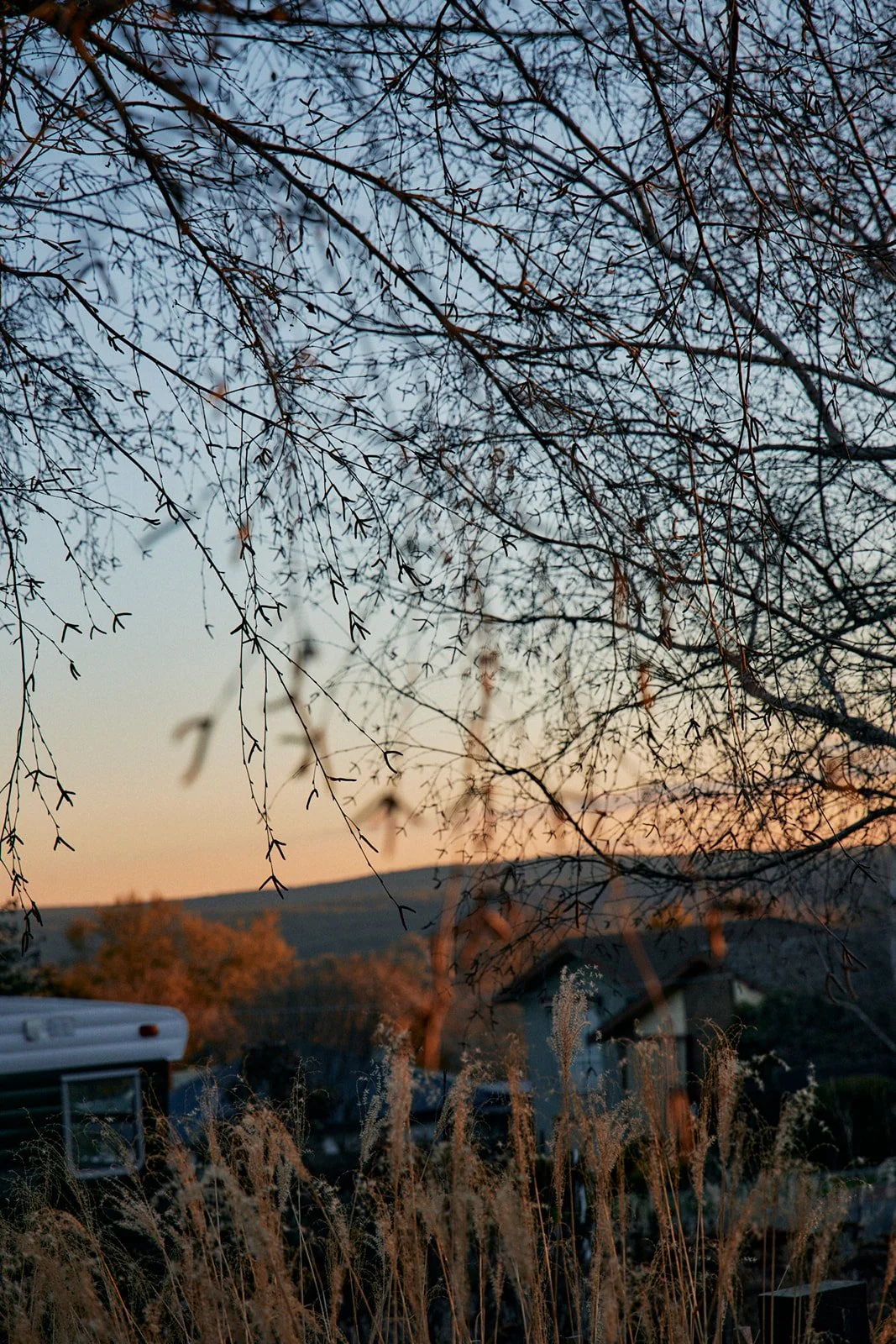
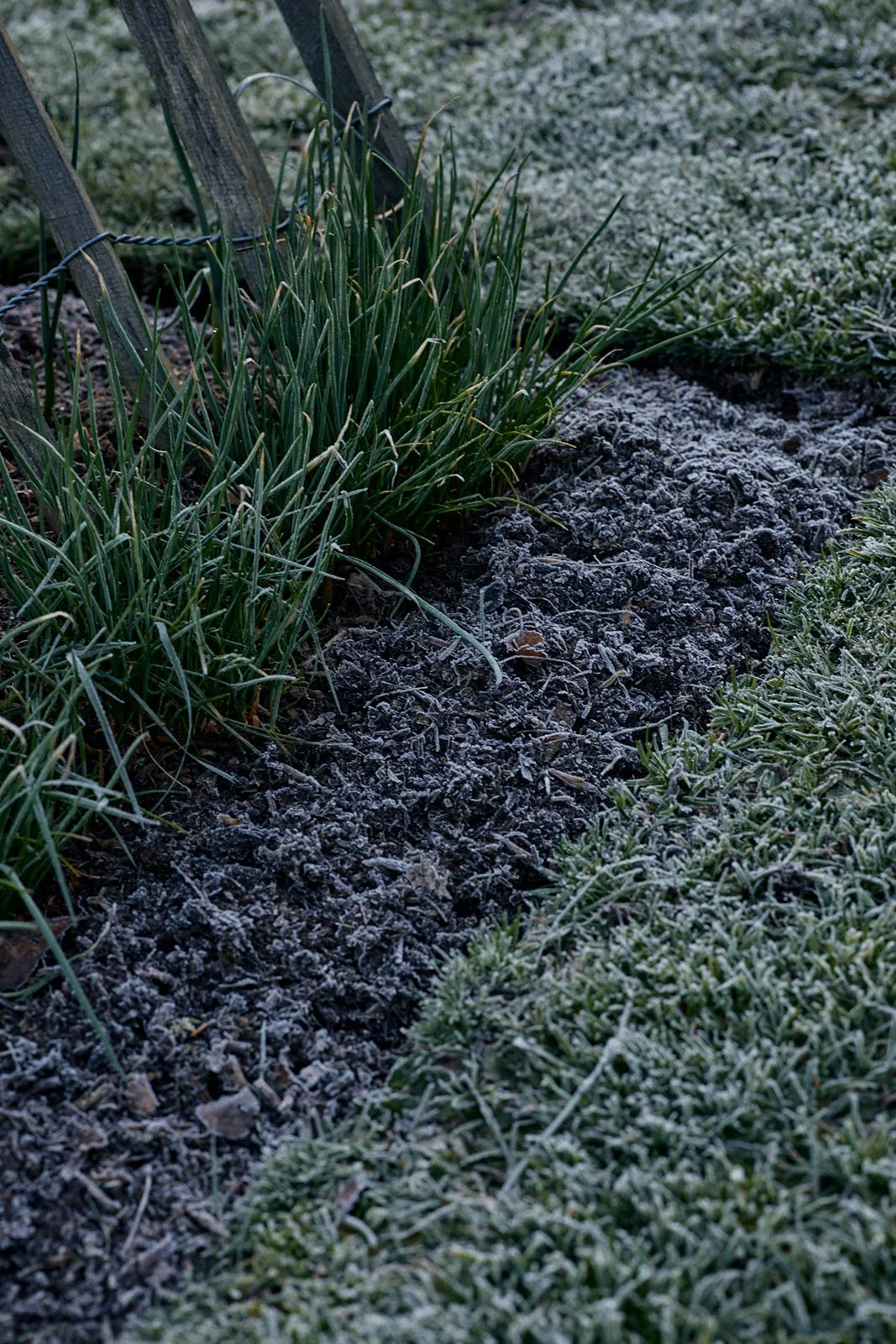
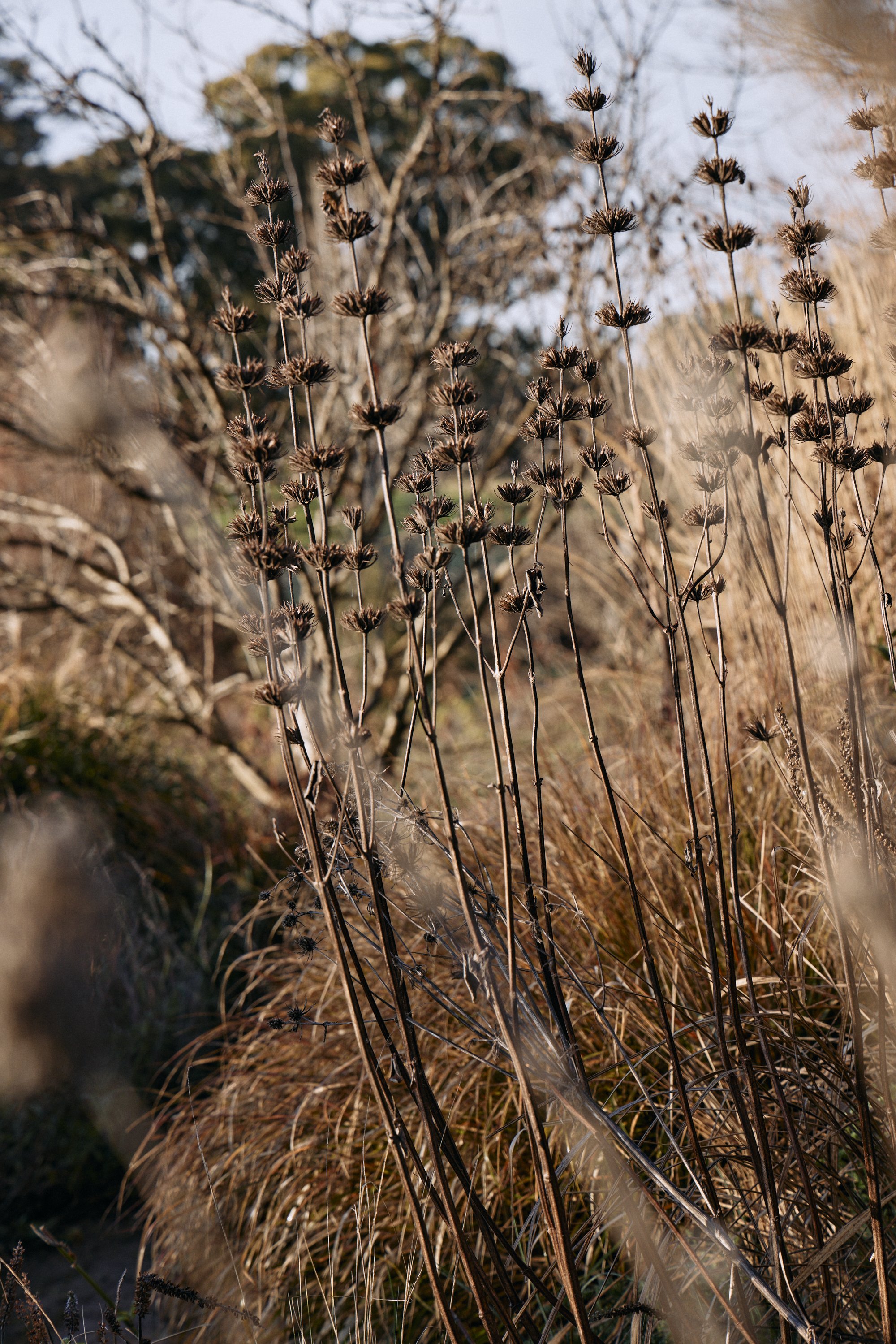
Here in the cool highlands, the garden has slowed right down into its clearest season. The lawn holds frost in the morning. The seed heads still standing catch the low light. The deciduous trees have let go of their leaves, and all of a sudden the lines are visible again. The fence. The beds. The espalier ‘orchard’ wires. The paths. The places where the garden holds, and the places that are still gently asking for attention.
And underneath all of that stillness, the next season is already moving.
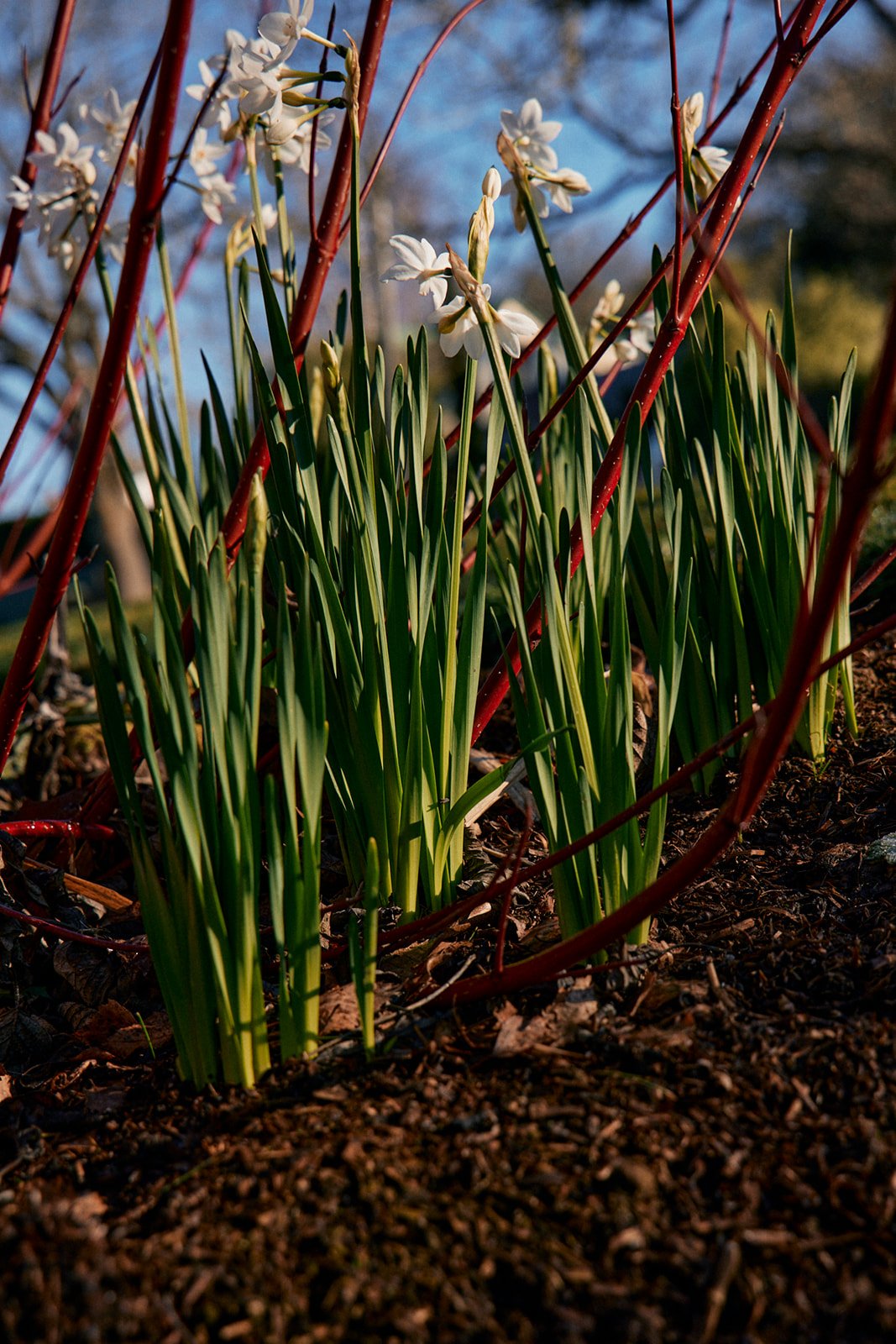
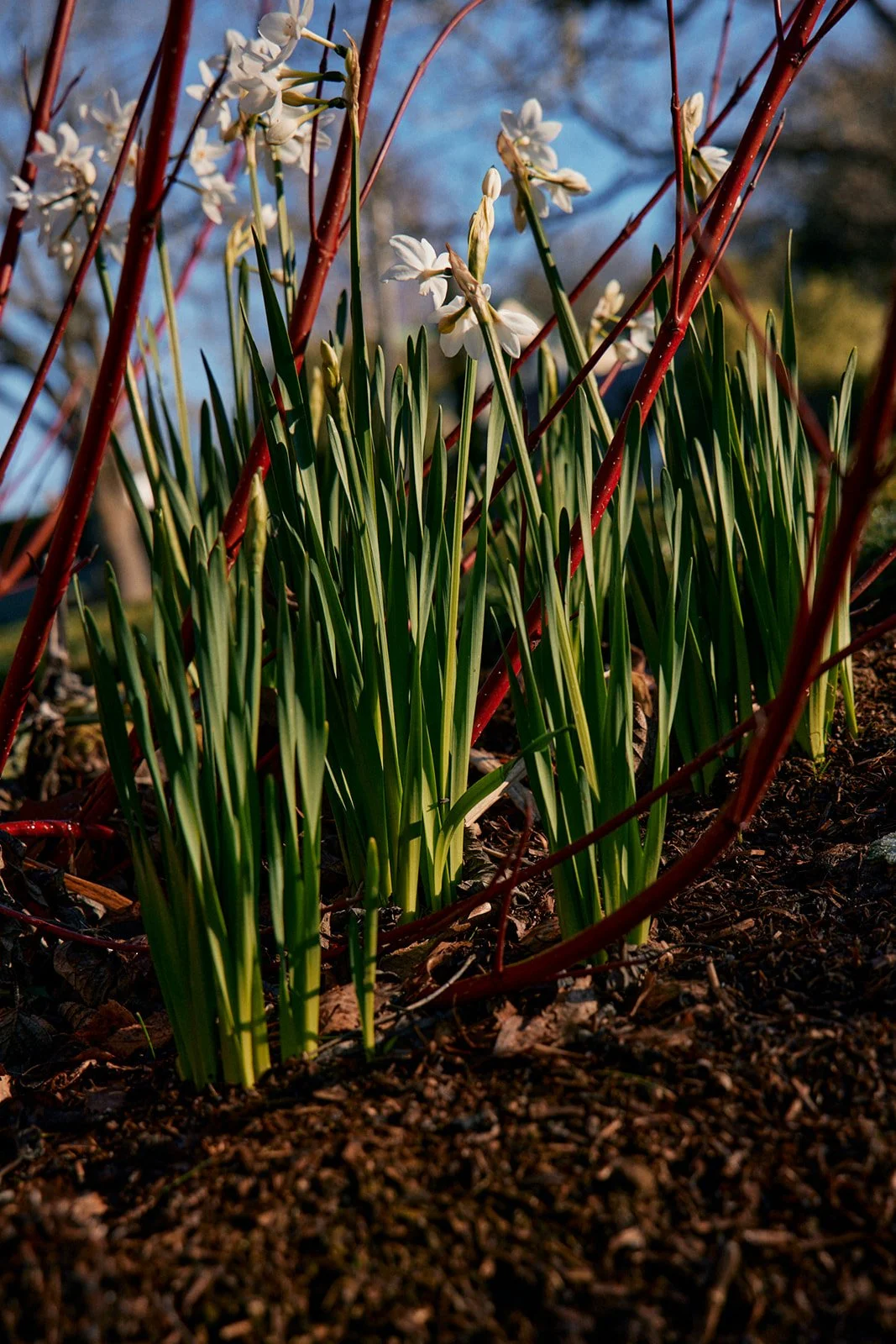
The bulbs are pushing up through the soil. The hellebores are budding and starting to bloom. The bare branches are carrying the smallest swelling buds. From a distance, the garden can look like it has stopped, but walk through it slowly and you see that winter is not a pause. It is preparation
July is not a month for rushing. It is a month for pruning with care, planting what belongs in the cold, protecting what needs a little help, feeding the soil and watching closely. In some Australian climates July is the narrowest planting window of the whole year. In others, especially subtropical, tropical and arid gardens, it is one of the most generous and useful growing months you get.
The calendar is only ever a guide. Your own garden is the real authority, and it will always tell you more.
Where does the frost sit?
Where does the winter sun actually reach?
Which beds are too wet to touch?
Which plants are asking to be moved while they are dormant?
Which spaces are ready for the next layer?
Start there. Observe first, then act.
Tasks for all climates
Keep your soil covered with compost, mulch, leaf mould, living roots or green manure. Bare soil is vulnerable soil, even in winter.
Plant bare-rooted deciduous fruit trees, roses, ornamental trees, vines and cane fruit where they suit your climate and soil.
Avoid planting or digging into saturated soil. If it sticks heavily to your boots or your tools, wait.
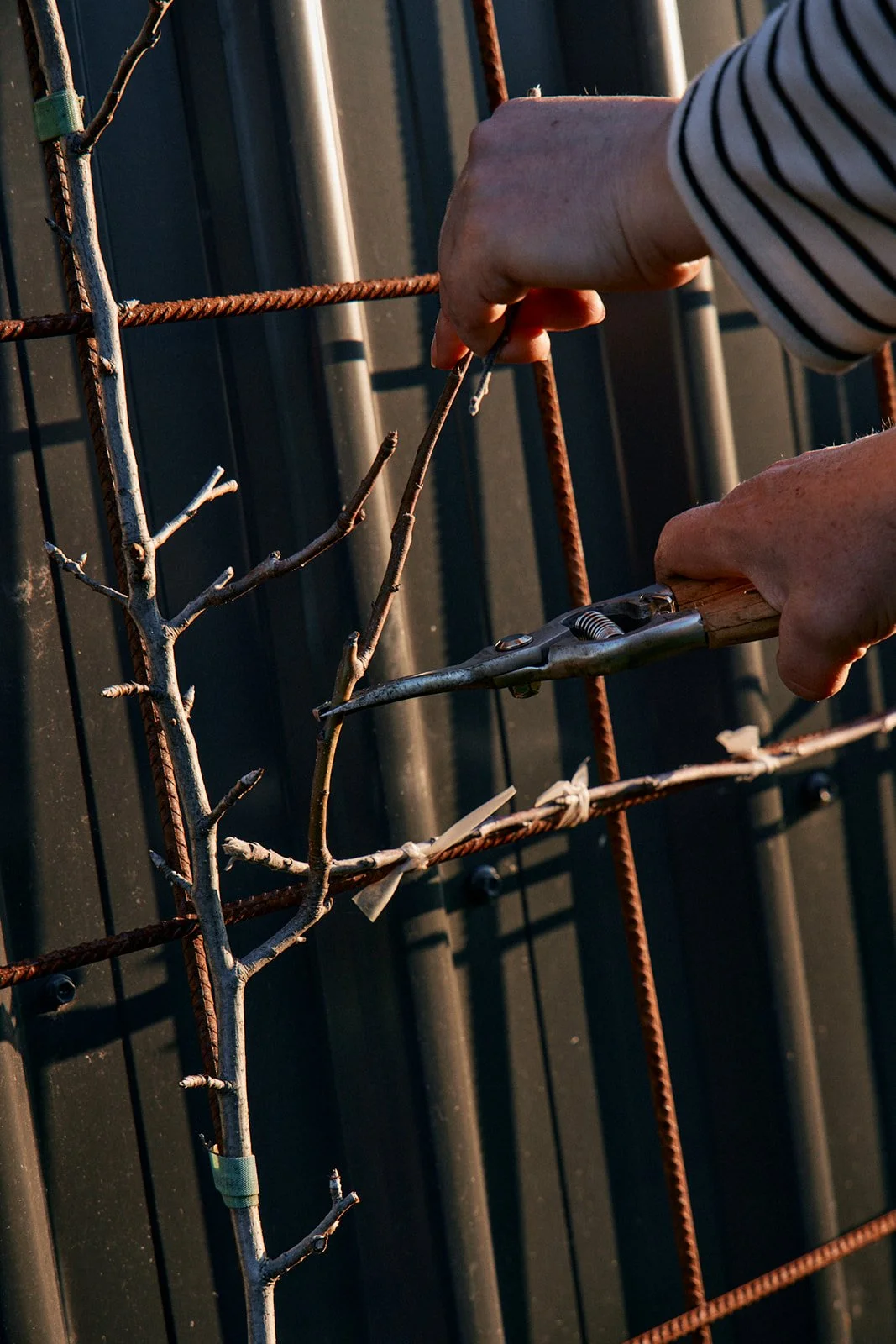
Prune dormant deciduous fruit trees, roses and grapevines where appropriate, but go more carefully with apricots and other disease-prone stone fruit in wet climates. They are better pruned in drier weather to lower the risk of disease.
Check peaches and nectarines for bud swell and spray for leaf curl before any flower colour shows, if this is part of your organic practice.
Take hardwood cuttings from suitable plants such as grapes, figs, currants, gooseberries, hydrangeas and other woody shrubs.
Protect frost-tender plants and young seedlings on cold nights with frost cloth, hessian, shadecloth, straw, cardboard or another breathable cover.
Check tree ties, espalier wires, stakes, arches, trellises and climbing frames now, while the deciduous growth is bare and easy to read.
Weed while the weeds are small, especially after rain, when the soil is soft.
Gather fallen leaves for compost, leaf mould, mulch or chicken bedding.
Refresh your productive beds with compost or well-rotted organic matter before you replant.
Keep harvesting what winter offers: leafy greens, brassicas, herbs, citrus, root crops and any late autumn crops still holding well.
Plant or divide perennials where conditions suit, especially in temperate, cool and arid gardens where winter dormancy makes transplanting gentler on the plant.
Sort your seed packets, make notes from last season and start planning your spring and summer sowing.
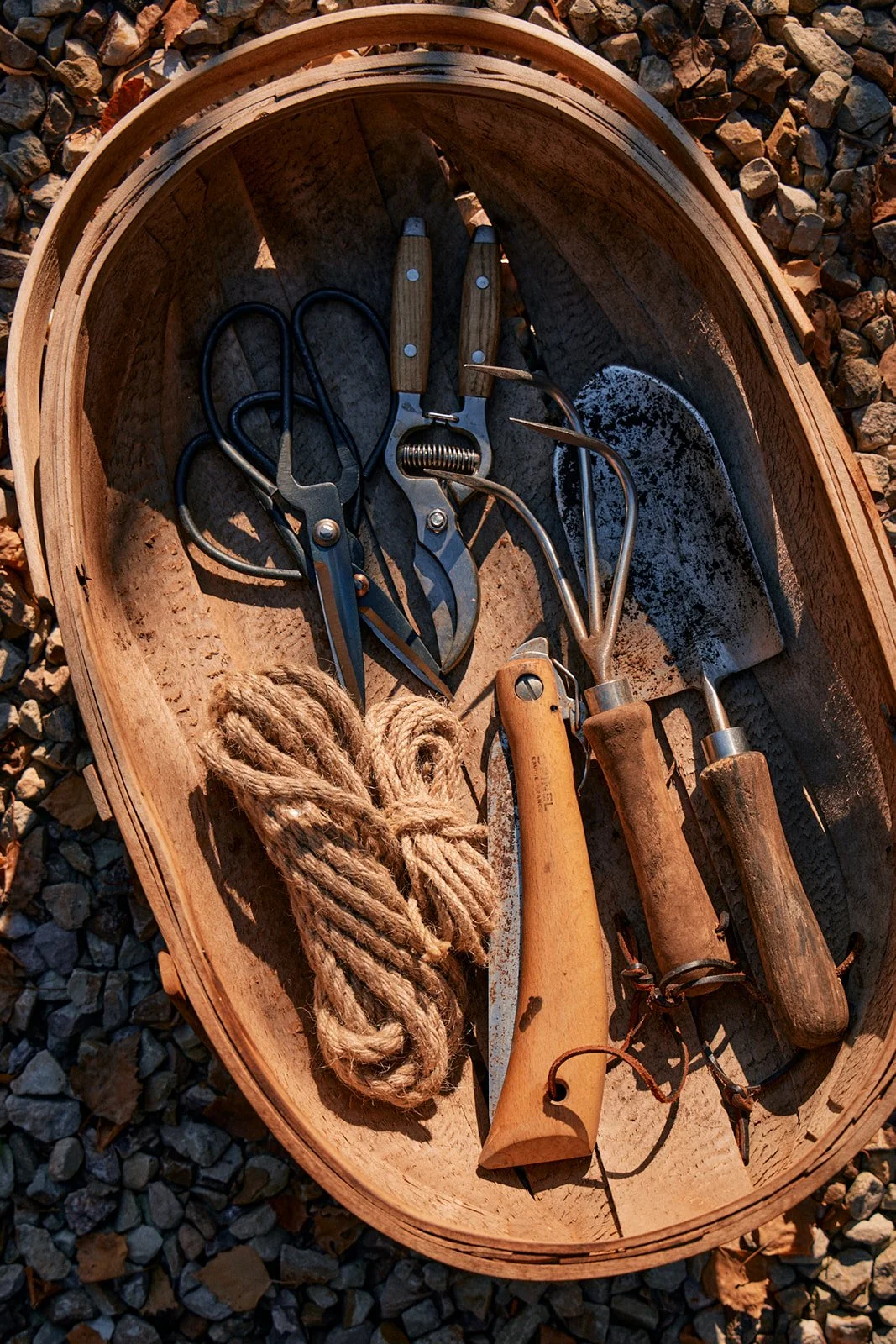
Clean, sharpen and oil your secateurs, snips, loppers, spades and other tools so they are ready for pruning and the first flush of spring.
A note on compost
As with June, you will notice that many of these July tasks come back to the same foundation: compost. It is one of the simplest and most effective ways to improve soil, reduce waste and keep fertility moving through your own garden system.
If you would like more practical guidance, my new eBook, Compost for Beautiful Productive Gardens, steps through the composting systems I use and teach, with clear guidance for choosing an approach that suits your garden, your space and the way you live.
What to sow and plant now, and tasks by climate
Temperate
July in temperate gardens is deep winter, but there is still useful work to do. Planting is more selective now than it was in May or June, but it is a good time for bare-rooted plants, winter pruning, hardy greens and careful planning.
Edible seeds and plants to sow or plant now
Beetroot, broad beans, Florence fennel, kohlrabi, leeks, lettuce, onions, parsley, peas, potatoes in milder districts, radish, silverbeet, snow peas, spinach, spring onions, strawberry plants and runners.
Garlic can still be planted in some temperate gardens if you have not already done it, though earlier planting is usually preferable.
Flowering plants to sow or plant now
Alyssum, calendula, cornflower, delphinium, foxglove, hellebores as plants, hollyhock, larkspur, love-in-a-mist, lupins, pansies, poppies, primulas, stock, sweet peas, violas and bare-rooted roses.
Tasks for temperate gardens
Plant bare-rooted fruit trees, roses, cane fruit and deciduous ornamentals while they are dormant.
Prune apples, pears, quinces, grapevines and roses, taking time to understand the structure before cutting.
Watch peaches and nectarines for bud swell and treat for leaf curl before flowers begin to open, if needed.
Sow hardy greens and roots in small quantities rather than all at once, so growth is staggered through late winter and early spring.
Refresh beds with compost and mulch, and avoid working any soil that is too wet.
Alpine and cool
In alpine and cool gardens, July is the month to be discerning. The cold is real now. Some beds may be frozen, sodden or too shaded to work. Planting is best kept to the hardiest crops, sheltered positions and undercover sowing.
Edible seeds and plants to sow or plant now
Broad beans, garlic cloves, peas, silverbeet, snow peas and spinach.
In sheltered positions or undercover, you might also start small quantities of corn salad, hardy lettuce, mizuna, rocket, spring onions and parsley, but only if you can protect them from hard frost.
Flowering plants to sow or plant now
Hellebores as plants, pansies, violas, primulas, sweet peas in workable soil, poppies, cornflower, delphinium, larkspur, lupins, foxglove, bare-rooted roses and hardy perennials.
Tasks for alpine and cool gardens
Protect young greens, potted plants and frost-sensitive perennials before hard frosts rather than after damage appears.
Plant bare-rooted fruit trees, roses and cane fruit only when the soil is workable, not frozen or waterlogged.
Prune dormant apples, pears, quinces and grapevines, and use the bare structure to check espalier wires, ties and supports.
Keep beds covered with compost, mulch, straw or green manure so the soil is not left exposed through the coldest part of winter.
Use July for planning: sort seeds, map spring beds, note frost pockets and decide which crops will go where once the soil begins to warm.
Subtropical
Subtropical gardens often have one of their most comfortable growing windows in July. The heat has eased, the light is clear, and many cool-season crops can still be sown or planted. In frost-prone subtropical pockets, use protection where needed.
Edible seeds and plants to sow or plant now
Beetroot, cabbage, carrot, Chinese cabbage, chives, coriander, dill, endive, fennel, kale, kohlrabi, lettuce, mustard greens, parsnip, peas, potatoes, radish, rocket, shallots, silverbeet, snow peas, spinach, spring onions, strawberry plants and thyme.
In warmer frost-free districts, you may also trial small sowings of pumpkin, sunflower, sweet corn and watermelon, but avoid pushing these in colder pockets.
Flowering plants to sow or plant now
Alyssum, calendula, nasturtium, pansy, viola, poppy, salvia, snapdragon, stock, sweet pea and, in warmer frost-free pockets, sunflower and zinnia.
Tasks for subtropical gardens
Make the most of the cool-season planting window for leafy greens, peas, root crops, herbs and brassicas.
Sow in small successions so lettuce, coriander, radish, rocket and Asian greens do not all arrive at once.
Keep an eye on soil moisture. Winter sun and clear weather can still dry newly planted beds quickly.
Prune roses and deciduous fruit trees where they are dormant, and check peaches and nectarines for the leaf curl spray window.
Plant strawberries and shallots, and feed productive beds with compost before the next crop goes in.
Tropical
July is the cool, dry season for many tropical gardens, which makes it a valuable and productive month. Growth can still be strong, but conditions are often more forgiving than the wet season. Keep watering and mulching at the centre of your work.
Edible seeds and plants to sow or plant now
Amaranth, asparagus crowns, basil, climbing beans, bush beans, borage, broccoli seedlings, cabbage seedlings, capsicum, cauliflower seedlings, celery, chilli, Chinese cabbage, chives, choko, coriander, cucumber, daikon, dill, eggplant, endive, fennel, ginger, kale, kohlrabi, lettuce, mizuna, mustard greens, okra, pak choy, parsley, pumpkin, radish, shallots, silverbeet, spring onions, sweet corn, sweet potato, tomato, watermelon, yacon and zucchini.
Flowering plants to sow or plant now
Amaranth, borage, calendula, celosia, cleome, cosmos, gomphrena, marigold, nasturtium, salvia, sunflower and zinnia.
Tasks for tropical gardens
Use the cooler, drier conditions to plant a wide range of vegetables, herbs and flowering support plants.
Water deeply and mulch well, especially where dry-season winds are drawing moisture from the soil.
Sow fast crops such as beans, lettuce, pak choy, coriander and radish in stages rather than in one large sowing.
Keep checking for caterpillars, aphids, mildew and fungal issues, particularly in dense plantings.
Prune tall shrubs or wind-exposed plants where needed, and repair supports before dry-season winds strengthen.
Arid
July in arid gardens can bring cold nights, warm days, frost, drying winds and surprisingly useful planting conditions. The work is to make the most of the window while protecting young plants from extremes.
Edible seeds and plants to sow or plant now
Asparagus crowns, beetroot, broad beans, broccoli seedlings, carrot, celery, celeriac, chives, coriander, dill, endive, Florence fennel, globe artichoke, Jerusalem artichoke tubers, kale, leeks, lettuce, mizuna, mustard greens, onions, pak choy, parsnip, peas, radish, rhubarb crowns, silverbeet, snow peas, spinach, swedes, thyme and turnips.
Flowering plants to sow or plant now
Alyssum, billy buttons, calendula, cornflower, hollyhock, larkspur, lupin, mignonette, pansy, poppy, snapdragon, stock, strawflower, sweet pea and viola.
Tasks for arid gardens
Plant cool-season vegetables, herbs and flowers while conditions are more forgiving than the heat of summer.
Improve soil before planting with compost and organic matter to help hold moisture and buffer temperature swings.
Mulch deeply after planting, but keep mulch just clear of stems and crowns.
Water deeply in the morning when needed, checking under the mulch rather than judging by the surface.
Protect new seedlings from frost, wind and sudden heat, and use temporary shade or wind protection where young plants are exposed.
How I work with July
July is the month when winter stops being an idea and becomes the place I am standing in.
Here in Daylesford, the garden is cold enough to be properly useful. The frost shows me the low places. The fog shows me where the air sits. The bare branches show me the frame. The bulbs, just beginning to push through the soil, tell me that the next season is already under way, whether I am ready for it or not.
This is not a month where I try to make the garden perform. I try to read it.
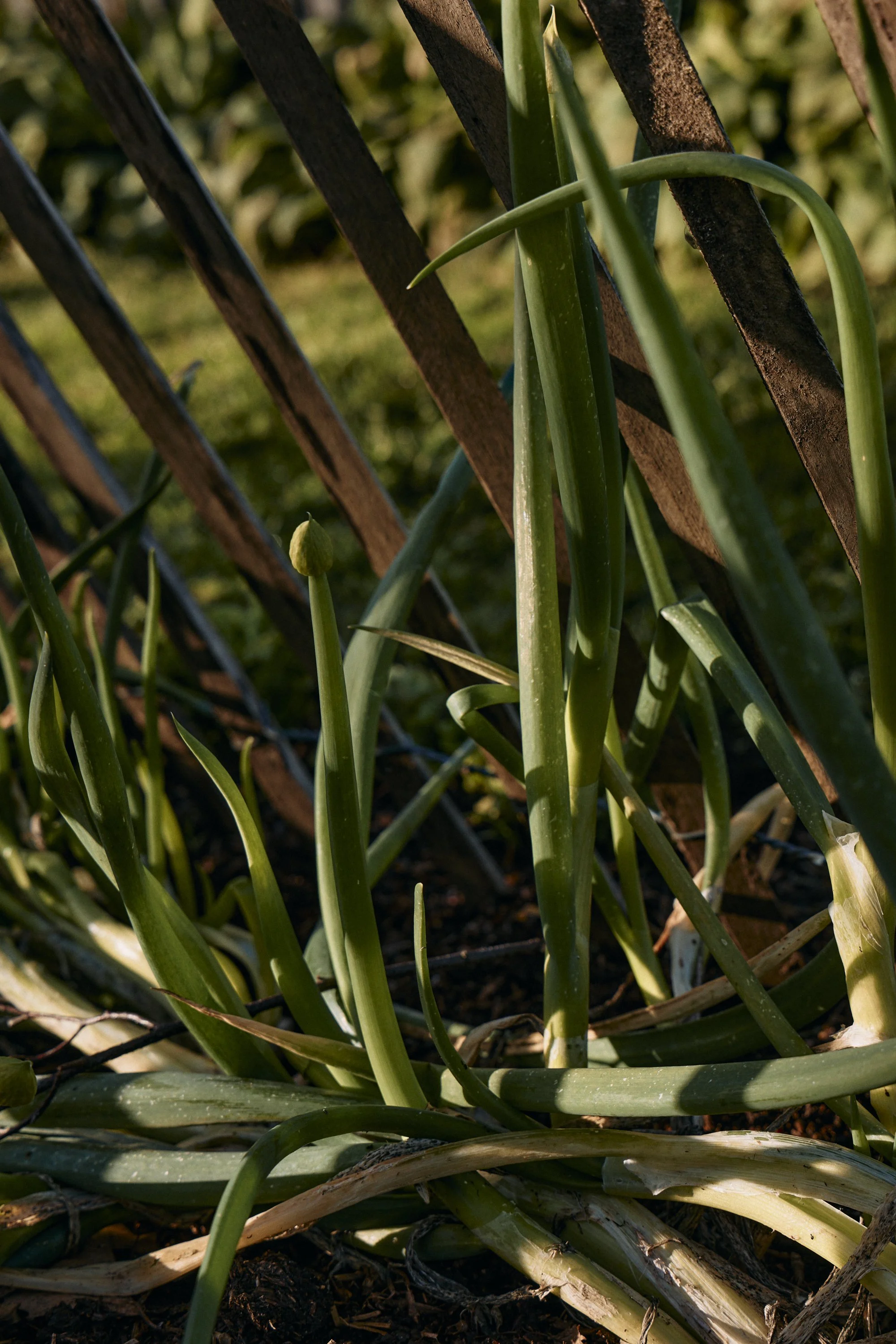
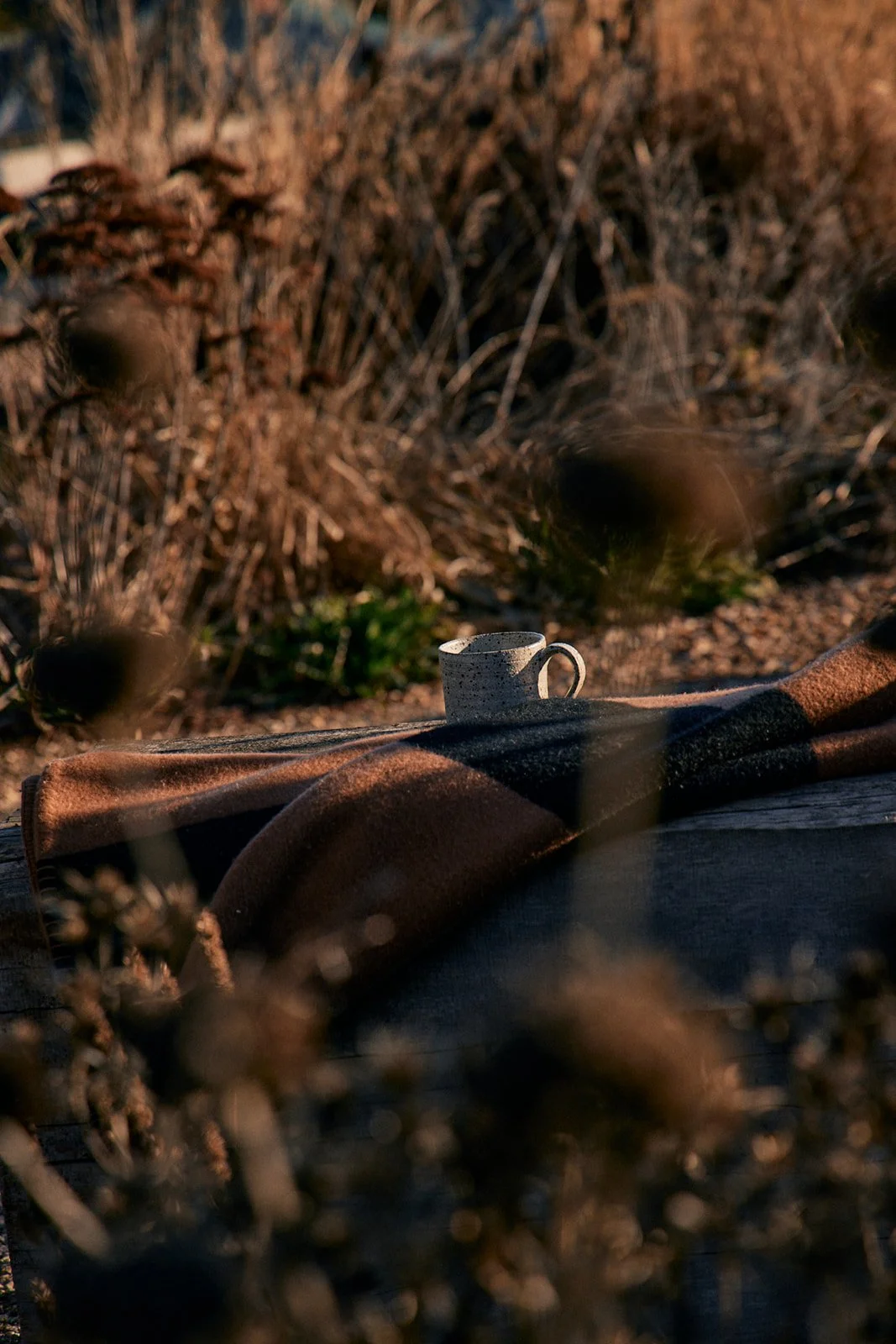
I leave more standing than some people expect. Seed heads still have work to do. They hold frost, feed birds, shelter insects and carry the shape of the garden when most of the colour has gone. I cut only what is truly collapsed or diseased, and even then I try not to tidy the garden into silence.
The practical work of July is very real. I prune the fruit trees with the structure in front of me. I check the espalier wires. I notice whether paths are still comfortable when the beds are wet. I look at where the winter sun reaches and where it does not. I plant bare-rooted things when the soil is ready, not when the calendar tells me I should. I protect the tender things, feed the soil and sharpen the tools.
But the deeper work of July is observation.
I have come to understand that my gardening year does not begin in January. January is harvesting, preserving, watering and repeating. July is when I can see again. It is when the garden gives me the bones of the next season: the gaps, the opportunities, the places where spring growth will need structure before it needs enthusiasm.
If June opens the door into winter, July asks you to step all the way inside.
Stand in your garden. Look at it without the distraction of flowers and abundance. Notice what holds. Notice what does not. That is where the next growing season begins.
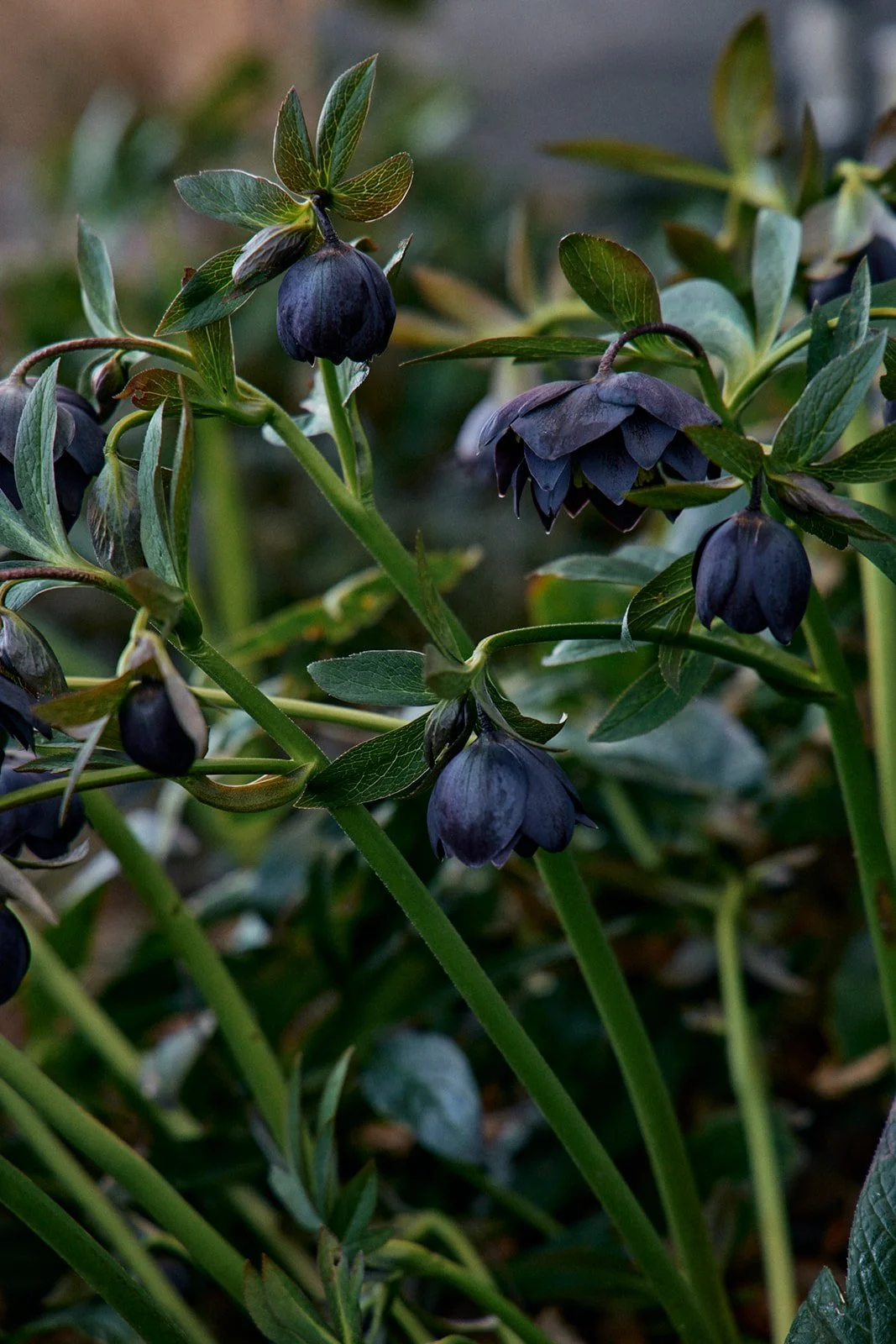
The verge garden on a crisp frosty winter’s morning.
Quick checklist
Observe frost, winter sun, wind and drainage before making decisions.
Keep soil covered with compost, mulch, leaves or living plants.
Plant bare-rooted fruit trees, roses, cane fruit and deciduous ornamentals where suitable.
Prune dormant fruit trees, roses and grapevines with care.
Check peaches and nectarines for the leaf curl spray window.
Sow or plant only what suits your climate now.
Protect frost-sensitive plants and young seedlings.
Refresh productive beds with compost before replanting.
Weed while weeds are small and the soil is soft.
Clean tools, sort seeds and begin planning for spring.
Continue your gardening journey with me
If this aligns with how you are thinking about your own garden, my workshops offer more detail and guidance on garden design, productive growing, soil care and seasonal practice.
July is one of the most useful months for learning how to really see a garden. If you would like to go deeper into this way of reading the winter garden, I would love you to join me for The Winter Structure Masterclass with Andrew O’Brien and Natasha Morgan.
This is a rare, one-day masterclass across two gardens: Little Cottage on a Hill in Daylesford and Stonewalls in Musk. Together, Andrew and I will look at winter structure through the eyes of a landscape architect and an artist, exploring how form, mass, void, planting and restraint carry a garden through the whole year.
Date: Sunday 12 July 2026
Time: 10.30 am to 3.00 pm
Location: Little Cottage on a Hill, Daylesford and Stonewalls, Musk
Places: Strictly limited to 25
July is also a good time to sign up to my newsletter if you do not already subscribe. I share seasonal notes from the garden, workshop updates, book news, upcoming events and practical ideas for creating a productive garden that works with your place.
My book, The Productive Garden Companion, is now available to pre order. It brings together decades of landscape architecture, gardening, teaching, preserving and lived practice, with guidance for creating beauty and abundance at any scale.
If you are building your garden from home right now, my eBooks on Wicking Bed Gardens, Introduction to Backyard Chicken Keeping and Compost for Beautiful Productive Gardens offer practical guidance that pairs well with this seasonal work.
Stay connected for more seasonal inspiration:
You may want to check out my related content below:
The Productive Garden Companion is now available to pre-order - This is the book I’ve wanted to find my entire life.
Feijoas - the fruiting hedge that gives back
Stay connected for more seasonal inspiration:
Instagram | Facebook | Gardenstead | LinkedIn | Pinterest | YouTube | Website | Newsletter
Thanks so much for following along.
Natasha xx