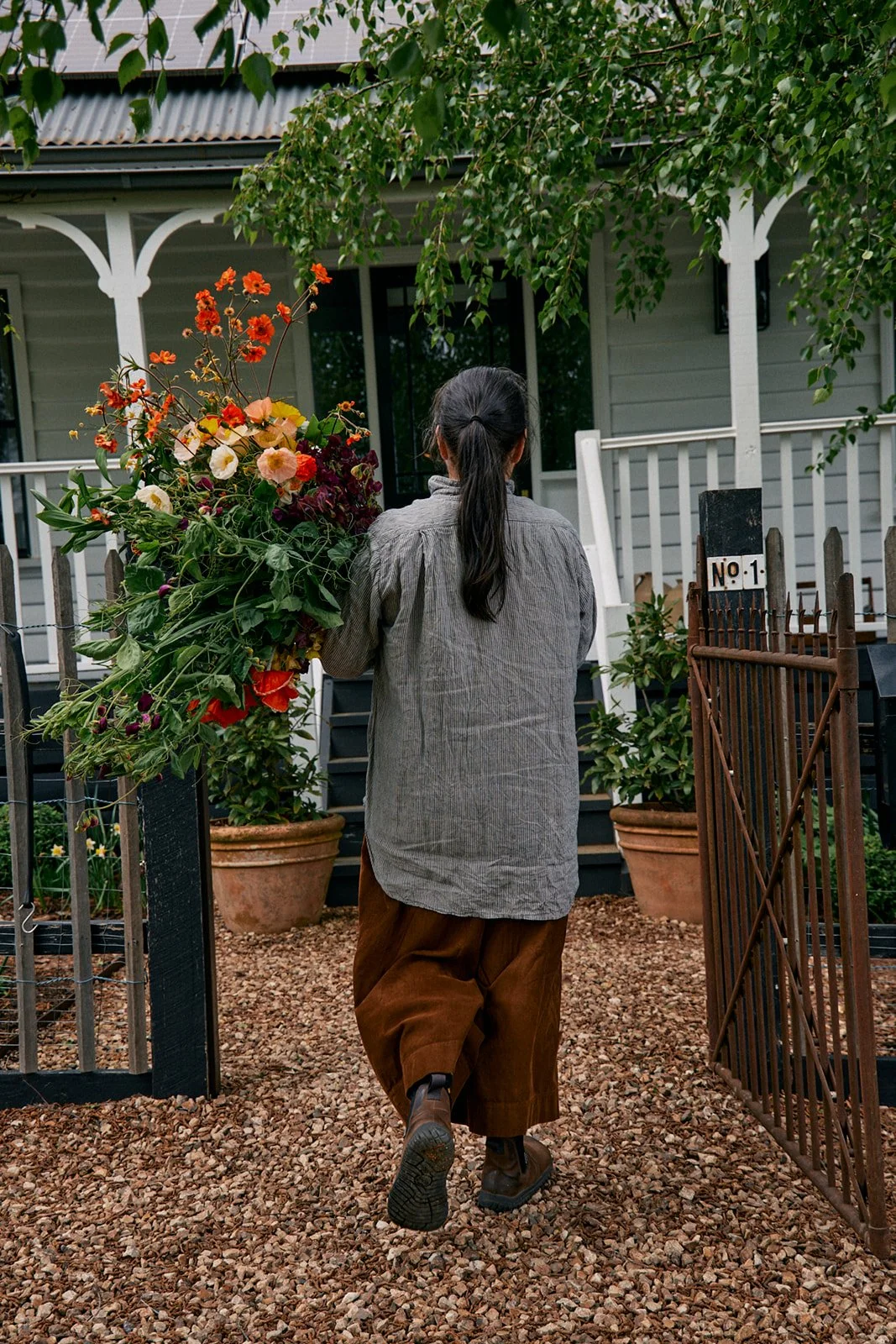
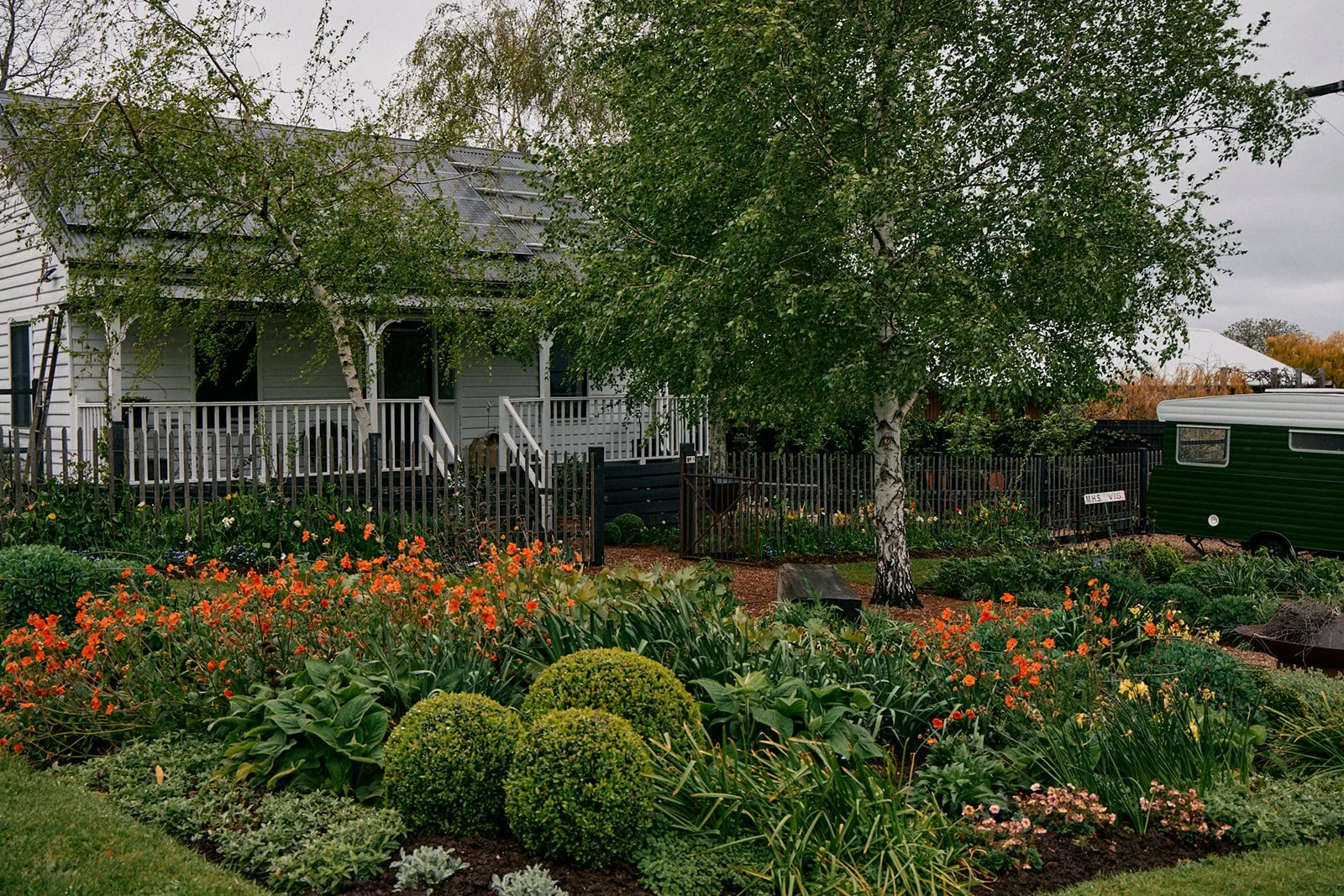
Melbourne Cup weekend is here, and here in Daylesford that means the rest of the tomatoes finally go in.
For weeks they have been sitting in their pots on the north side of the potting shed, hardened off and waiting, while I watched the forecast and the frost watched me. Cup weekend has been my line for as long as I have gardened in the Central Victorian Highlands, first at Spargo Creek and now here at Little Cottage on a Hill. So the first week of November goes at a run. Tomatoes, capsicums, chillies, eggplant, basil, cucumbers, beans and pumpkins all go out within a few days of each other. It is the busiest week of the year in my garden.
November is also the busiest month I have had on the road since the book came out, and I would love to see you at one of the upcoming book events, you can find more details on my website or subscribe to the newsletter to be the first to know. This month I will be at Edwards Providore in Bendigo, Como House in South Yarra, The Conservatory in Unley (SA), The Diggers Club at Adelaide Botanic Garden, and the Mountain Writers Festival in Macedon.
In between all of that, and the planting, it is syrup season. Most evenings the big urn is back on the stove, and the rhubarb that has been enormous since October finally has somewhere to go. The Christmas Syrup Boxes are on my website now: six, twelve or twenty-four bottles, flavours packed at random, made by hand in small batches in my kitchen here in Daylesford. They are pre-order only, and you collect your box from Little Cottage on a Hill at one of my garden pop-ups, on Saturday 7 November or Sunday 29 November between 2pm and 4pm, so there is a wander through the garden in it for you too.
If you are reading this from the Northern Hemisphere, welcome. Your November is our May. Late autumn, the last of the bulbs, leaves to gather and the garden to put to bed properly before the ground freezes. Scroll past the Australian climates and you will find yours.
For November, before I plant a single tomato, I ask a few questions.
Has the frost actually finished in my garden, or has it just been a kind fortnight?
Where does the afternoon sun hit hardest now, and what in that spot will need shade by January?
Which spring crops are finishing, and what goes in behind them?
What did the October wind loosen that I still have not tied back in?
And the honest one. How much water can I really give this garden through summer, and have I planted for that?
Start there. Look first, then plant.
General Tasks for Southern Hemisphere Climates
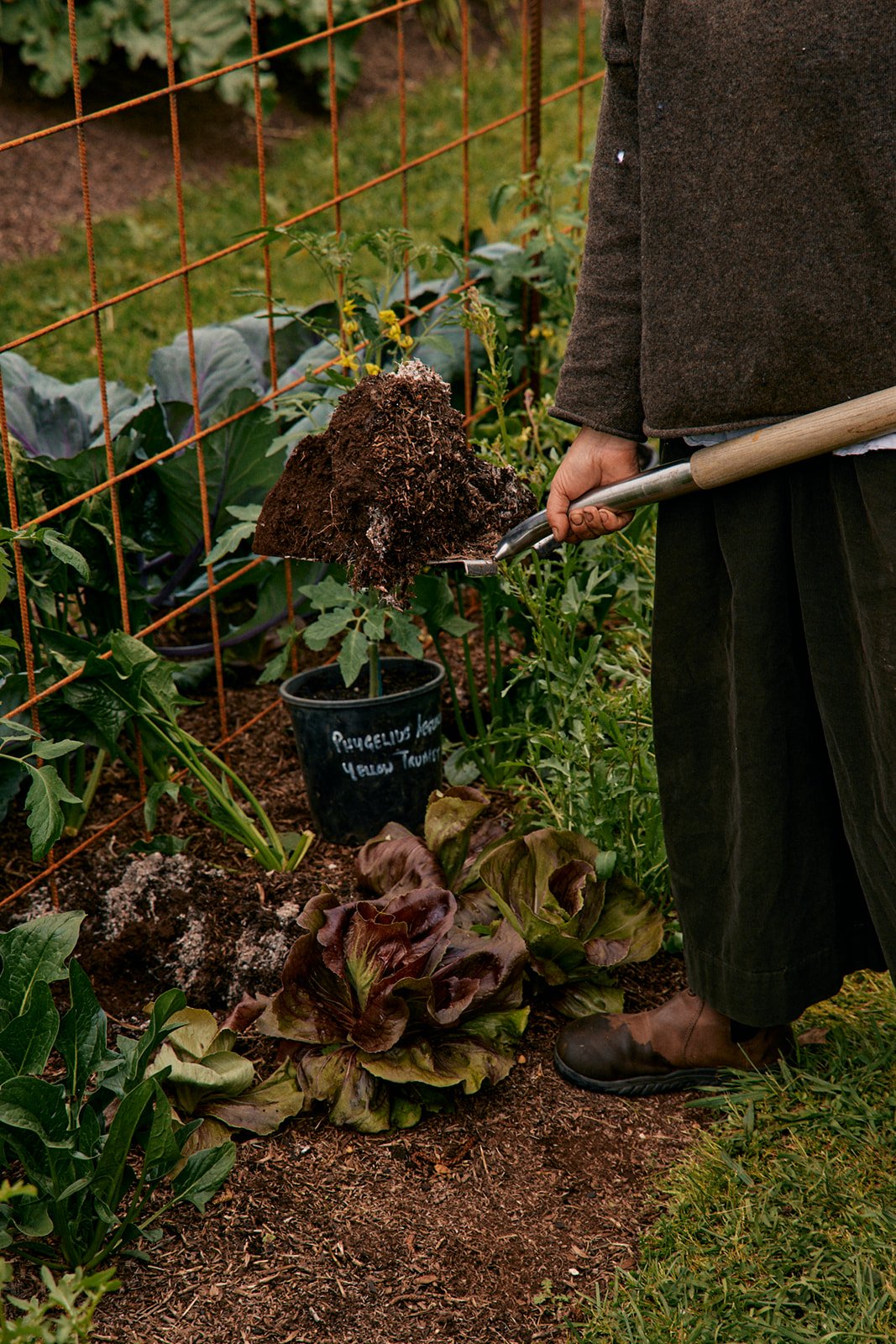
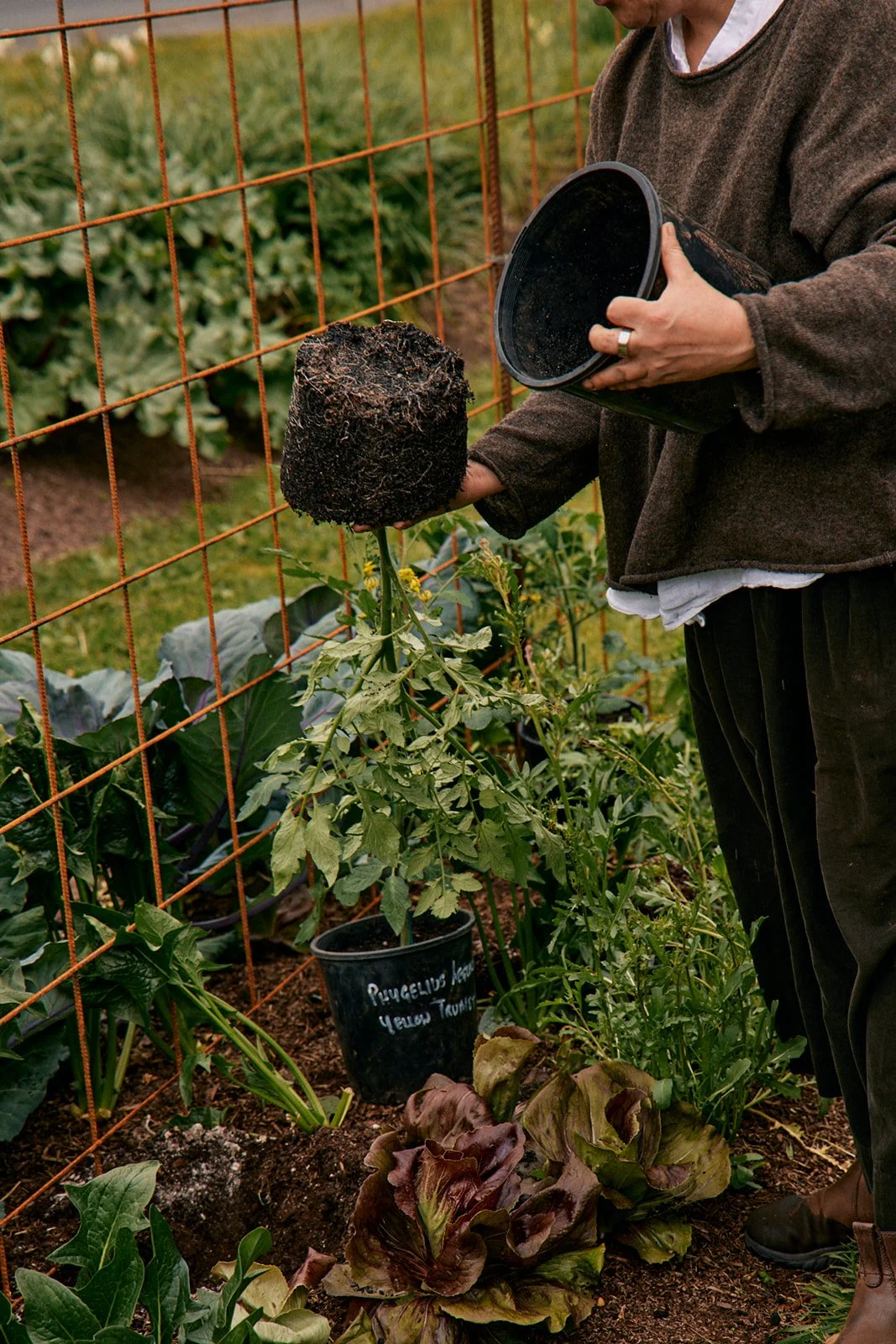
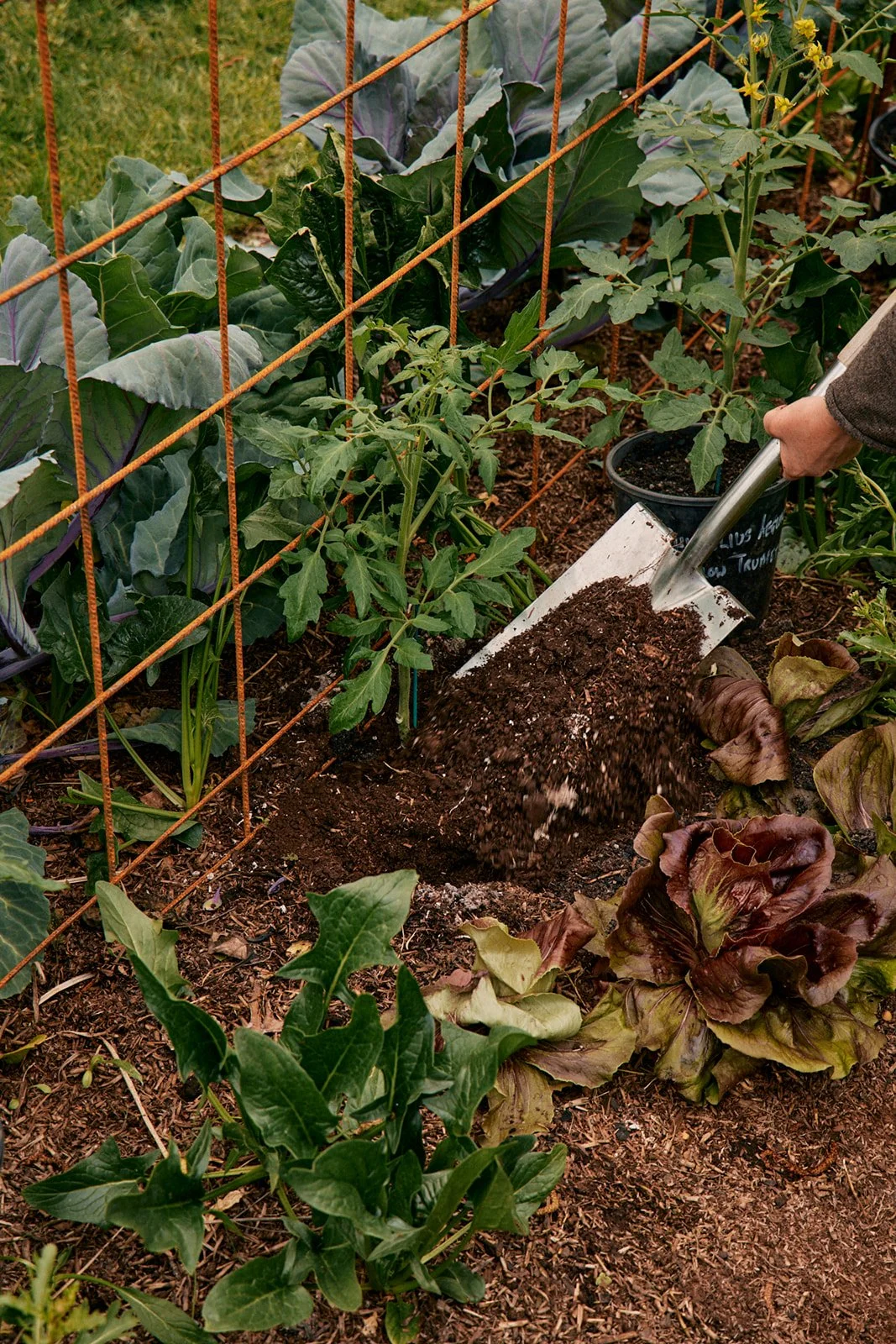
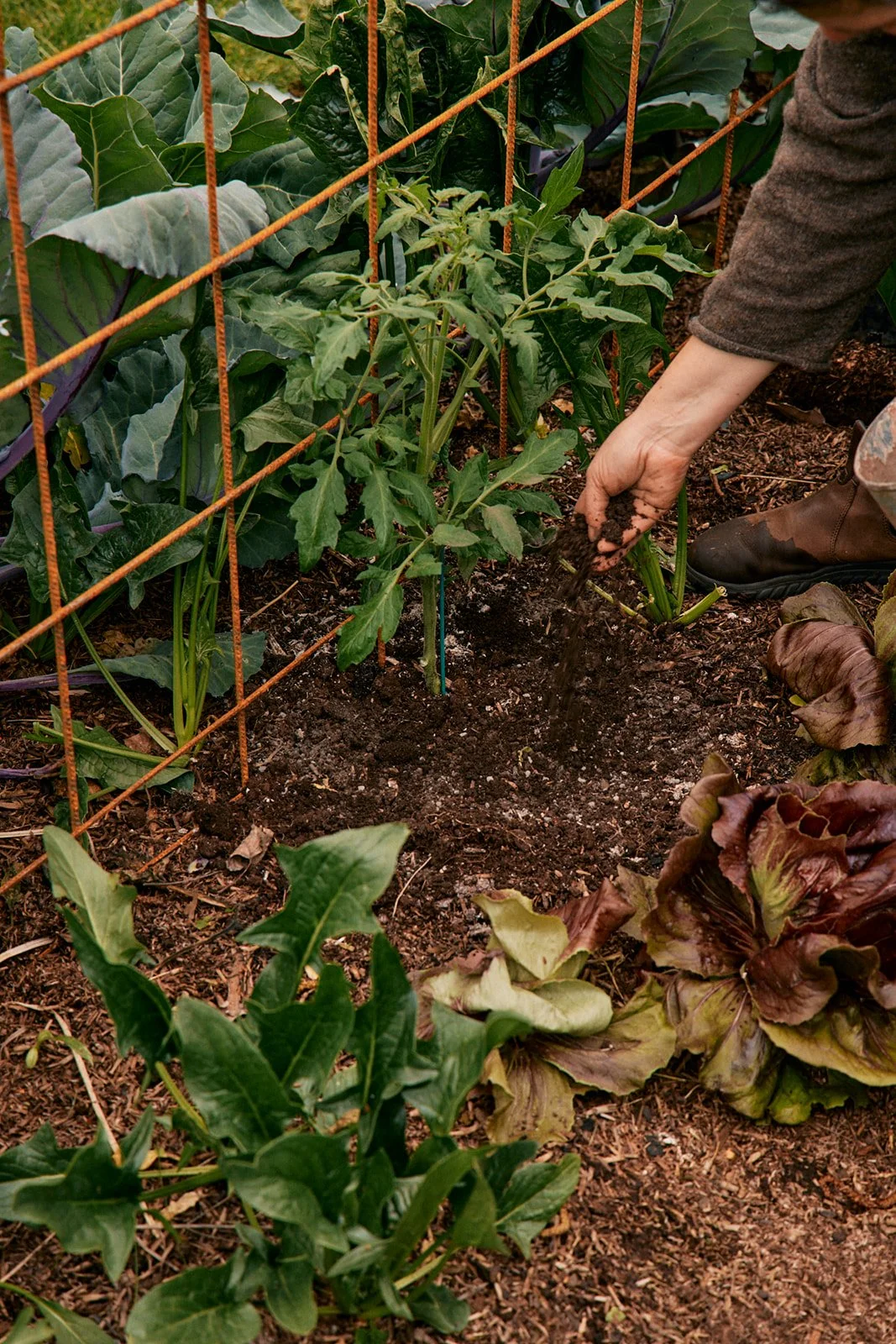
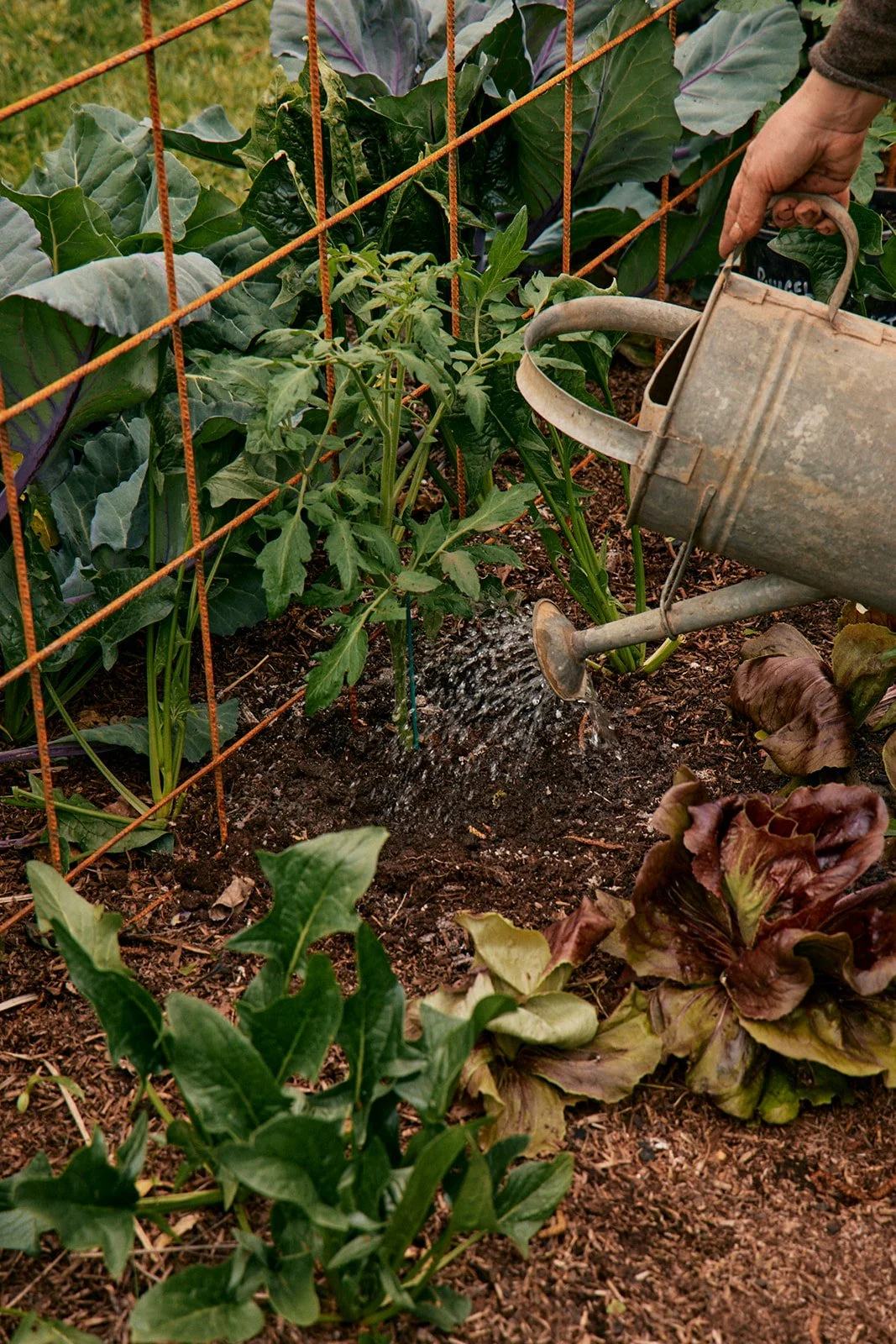
Plant out frost-tender seedlings once frost has genuinely finished in your district. In Central Victoria that is traditionally after Melbourne Cup Day, the first Tuesday in November, although it is starting to shift as the seasons become more erratic. Plant late in the afternoon so they have the cool of the night to settle.
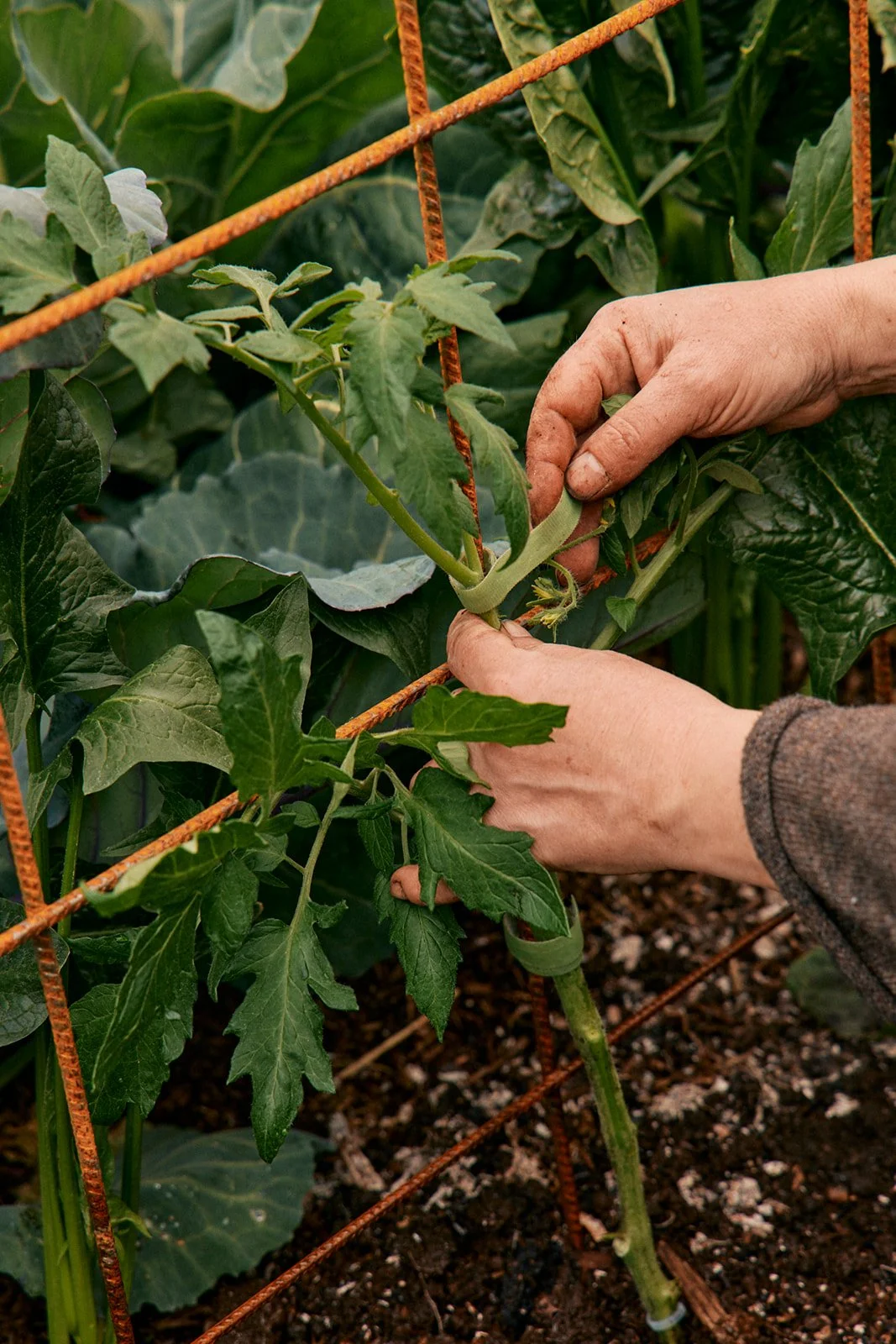
Stake as you plant. Tomatoes, climbing beans, cucumbers and dahlias all get their stake or frame on the day they go in, so you are never driving one through the roots in December.
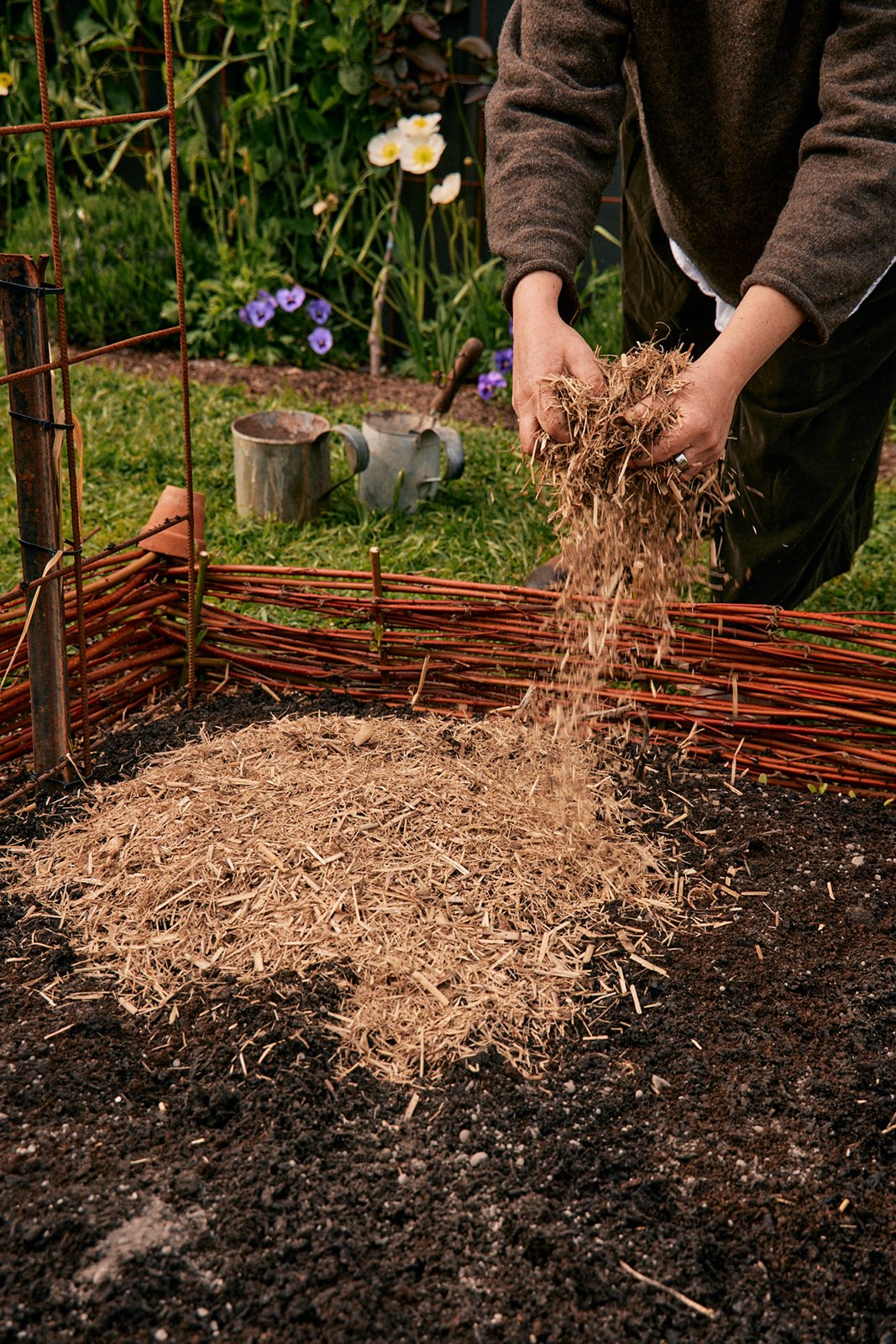
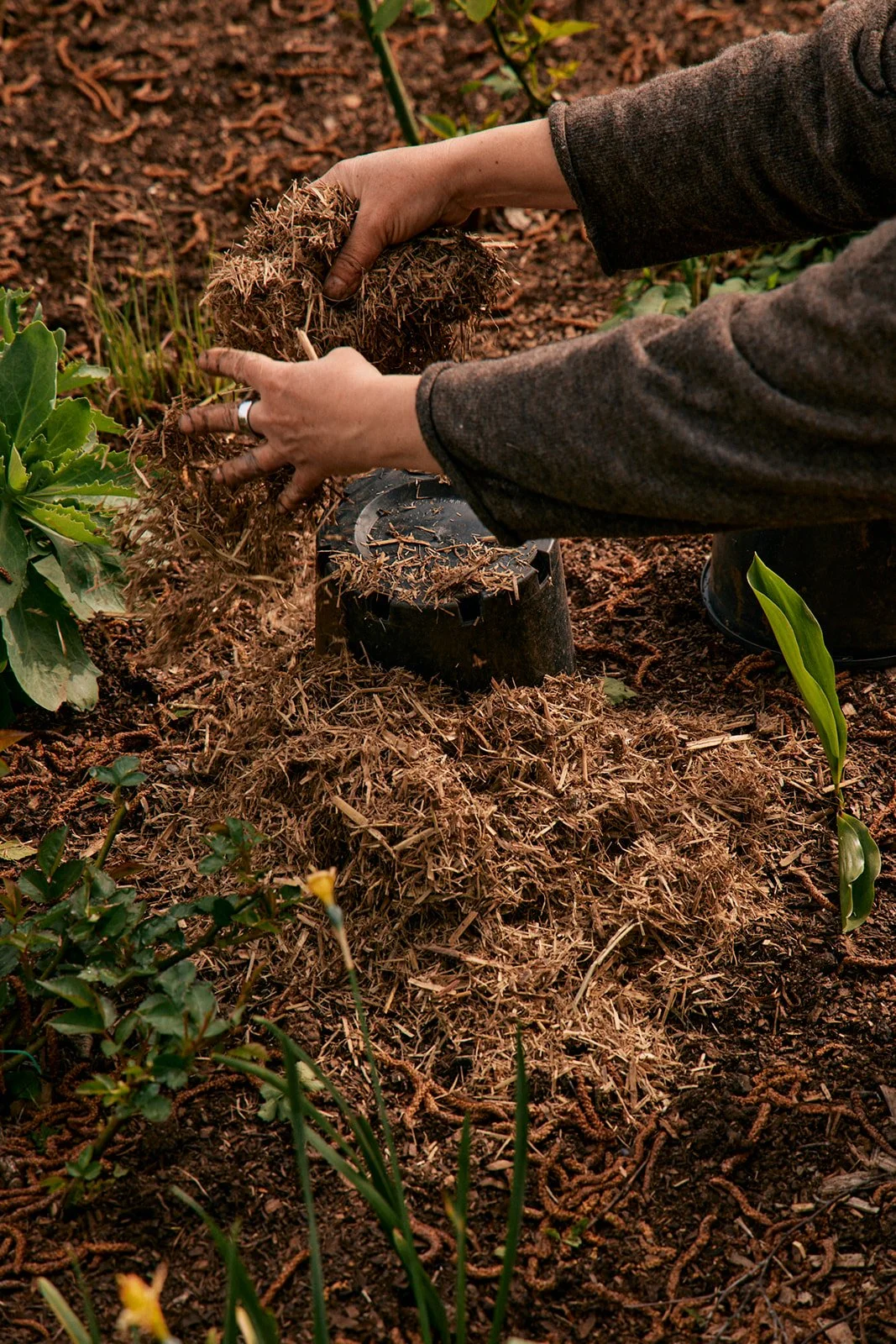
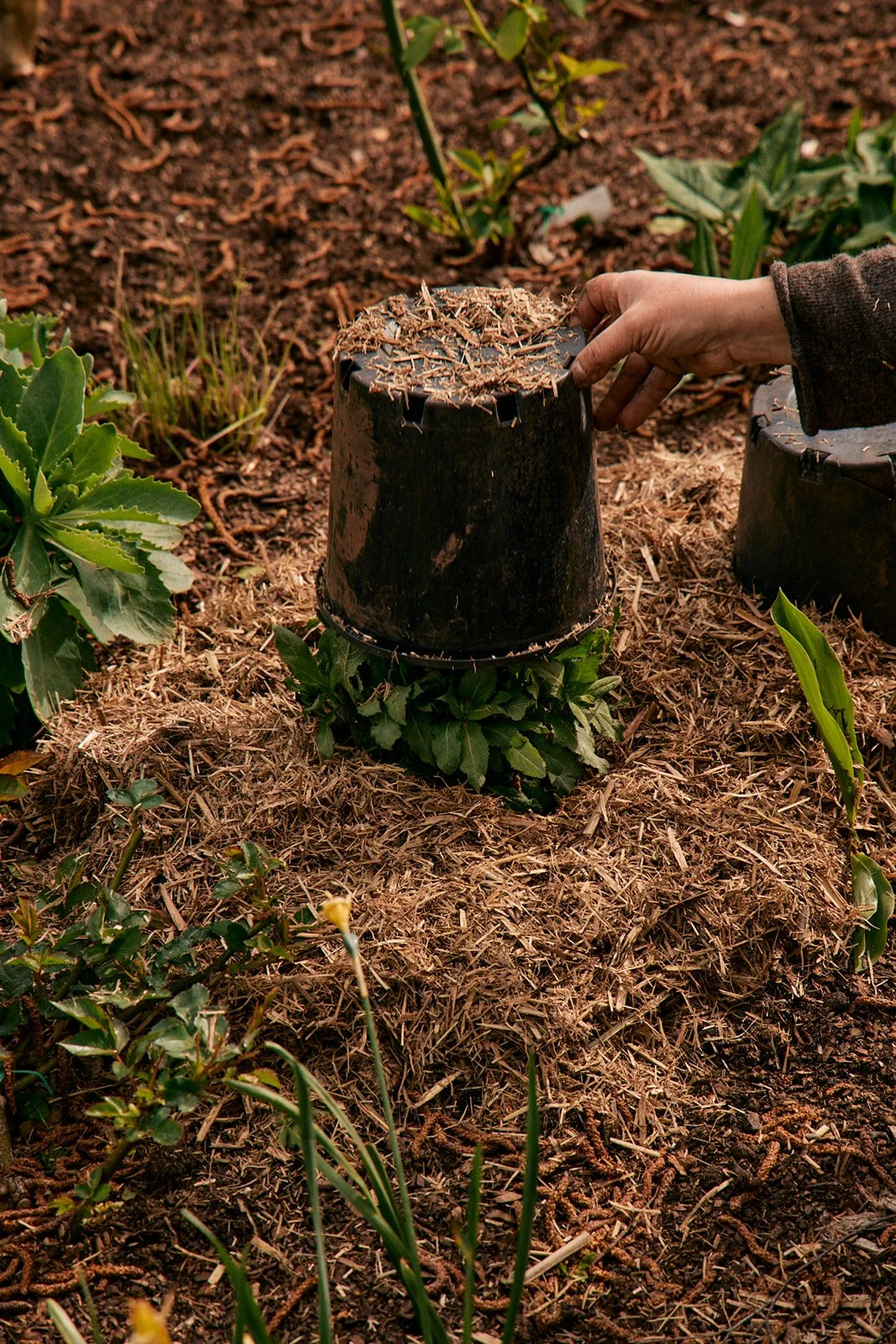
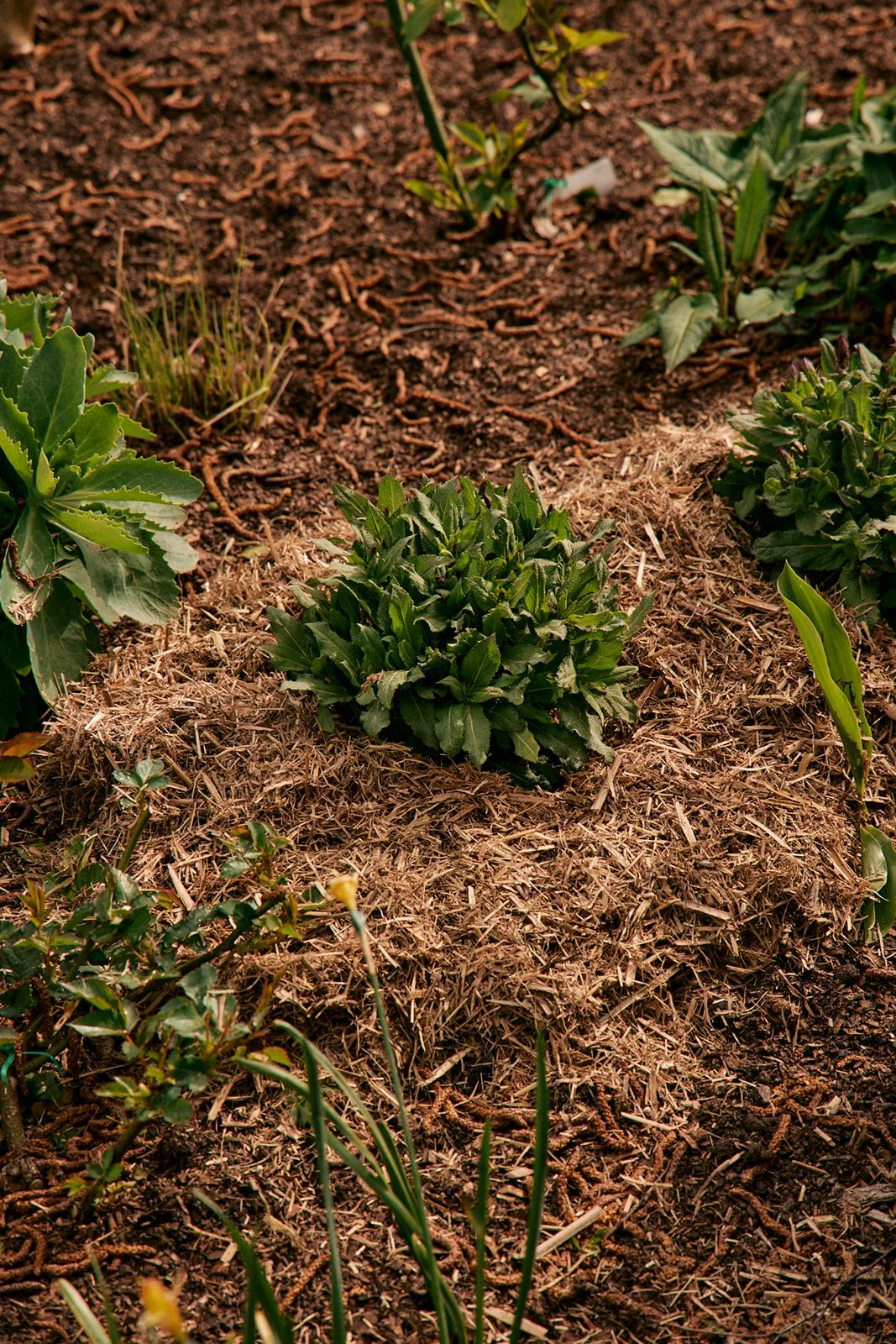
Mulch every bed now, while there is still spring moisture in the soil to hold in. Keep it a hand's width clear of stems and trunks to avoid collar rot.
Water deeply and less often, early in the morning, and check the soil under the mulch rather than judging by the surface.
This is the last chance to plant evergreen trees and shrubs, including citrus, before the heat. Potted fruit trees and vines can still go in if you can keep the water up to them.
Take softwood cuttings of salvias, lavender, rosemary, pelargoniums and anything else you would like more of. From now until January the new growth is soft and strikes easily.
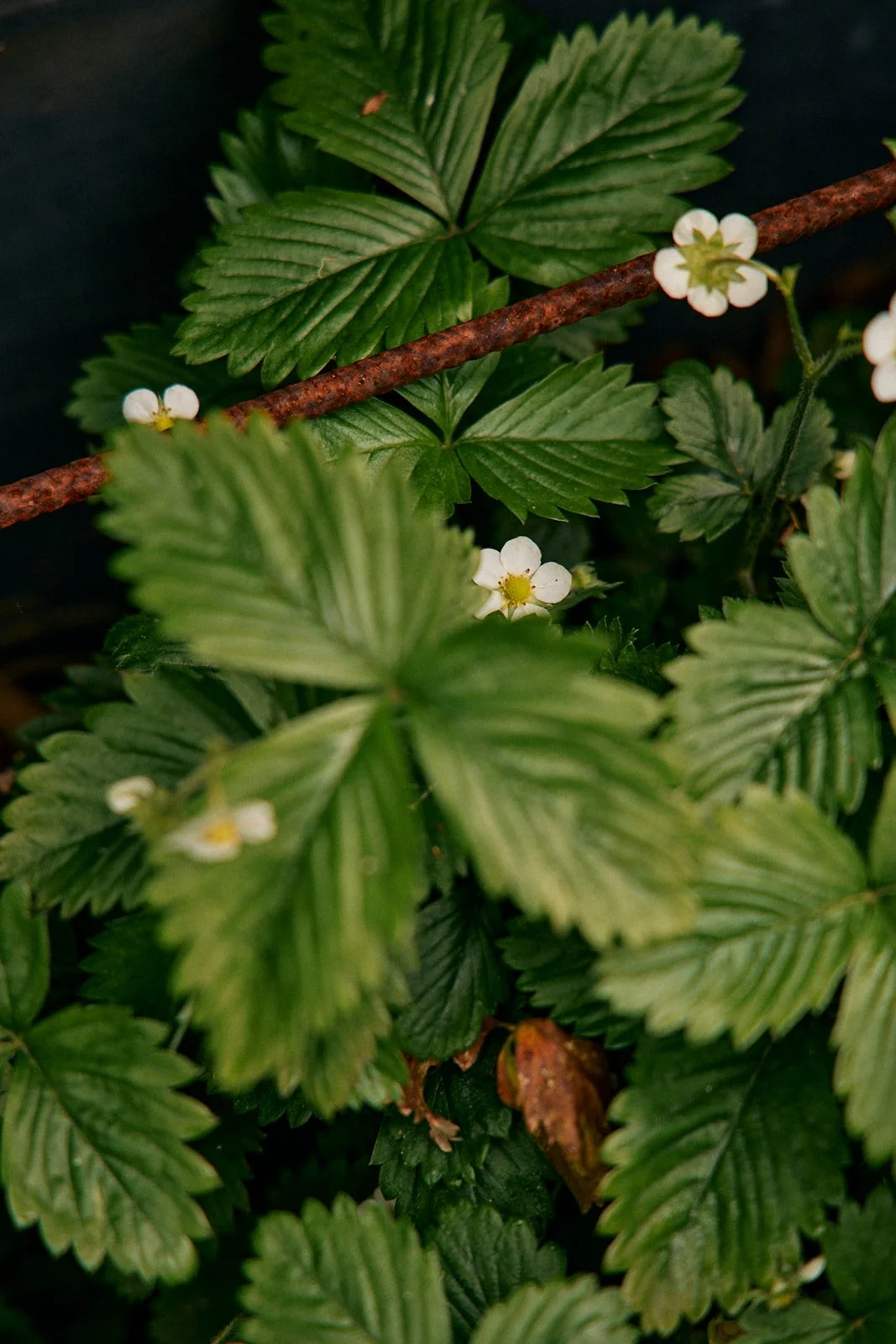
Tuck straw under fruiting strawberries to keep the berries off the soil, and pot up the runners for new plants.
Pick the spring crops young and often. Broad beans, peas and lettuce turn quickly once the heat arrives, so leave a few of your best plants to go to seed for next year.
Walk the garden every few days looking for aphids on new growth, snails after rain, cabbage white caterpillars on the brassicas and earwigs in the dahlias. If Queensland fruit fly is in your area, get traps or exclusion netting up before the fruit sets.
If you live in a bushfire prone area, finish preparing now. Clear gutters, cut back long grass and move anything that will burn away from the house. And for those of you in the Hepburn Shire, green waste is free at the transfer stations in November, so this is the month to take everything that does not fit in your green bin.
General Tasks for all Northern Hemisphere climates
Finish planting tulips this month, into cold soil, before the ground freezes.
Get garlic in if it is not already. In the coldest zones, plant it before the ground locks up.
Bare-root season is starting. Plant roses, fruit trees, hedging and shrubs whenever the soil is neither frozen nor waterlogged.
Rake leaves off lawns, ponds and beds, and bag or pile them for leaf mould.
Lift dahlias, cannas and gladioli once the foliage has blackened, and store them dry and frost free. In milder gardens, a thick mulch is enough.
Raise containers onto pot feet so they drain, and wrap anything that could crack in hessian or bubble wrap.
Net brassicas against pigeons, and put grease bands around fruit tree trunks to stop winter moth.
Cut back spent perennials selectively. Leave seed heads and hollow stems standing for birds and overwintering insects.
Clean, sharpen and oil your tools, and drain and store hoses before the first hard freeze.
Put out food and fresh water for the birds.
A quick note on water, before summer asks for it
November is the month to set your garden up for summer, while it is still pleasant to be out there. Right across Australia this month a hot, windy day can arrive without warning, and a newly planted bed can dry out in a single afternoon. Mulch, deep watering and a little shade cloth cover most of it. The rest comes down to how your beds are built.
My wicking beds exist because of a $900 water bill, the first I had paid in over ten years. Each one holds around 300 litres in a reservoir at the base, and the soil above drinks it up from below. At the height of summer I can go a week between waterings. If you want to build your own, my eBook, Wicking Bed Gardens, sets out the design and construction of the system I use. The guide is also included for free in The Productive Garden Companion.
What to sow & plant now, and tasks by climate
Temperate - Southern Hemisphere
November is the last month of spring and, most weeks, the first that feels like summer. Changeable and windy one day, hot the next. Almost everything frost tender can go in now across temperate gardens. In the colder pockets, hold off until your frost has genuinely finished.
Edible seeds and plants to sow or plant now
Amaranth, asparagus crowns, basil, beans (climbing and dwarf), beetroot, borage, cape gooseberry, capsicum, carrot, celery, chilli, chives, coriander, cucumber, dill, eggplant, endive, fennel (Florence and bronze), globe artichokes, kale, kohlrabi, leek, lemon balm, lettuce, luffa, marrow, mint, NZ spinach (warrigal greens), okra, oregano, parsley, parsnip, potato, pumpkin, radish, rocket, rockmelon, sage, salsify, silverbeet, spring onion, squash, summer savory, sunflower, sweet corn, sweet potato slips, taro tubers, thyme, tomatillo, tomato, turnip, watermelon, yacon, zucchini.
In a hot spell, sow lettuce, coriander and rocket where they get afternoon shade, or they will bolt before you have picked a leaf.
Flowering plants to sow or plant now
Ageratum, amaranthus, aster, celosia, cleome, cosmos, gomphrena, marigold, nasturtium, petunia, portulaca, rudbeckia, salvia, strawflower, sunflower, verbena, zinnia. Dahlia tubers and gladioli corms can still go in for late summer flowers.
Tasks for temperate gardens
Plant out tomatoes, capsicum, eggplant, chilli and basil once your district is clear of frost, staking the tomatoes as they go in.
Direct sow climbing beans, cucumbers, zucchini and pumpkin now the soil is warm.
Mulch fruit trees and beds while there is still spring moisture in the soil, keeping the mulch clear of stems and trunks.
Sow lettuce and coriander in a spot that gets afternoon shade, so they hold off bolting as the days heat up.
Tie in climbing vines and espaliers, passionfruit, grapes and kiwifruit among them, as the new growth races away.
Alpine and cool - Southern Hemisphere
November is when the cool and alpine garden finally catches up. Frost is still possible on clear, still nights, especially in the high country and early in the month, but by the second half most districts can plant out the tender crops. The cool-season crops are still generous, so there is plenty to sow alongside them.
Edible seeds and plants to sow or plant now
Asparagus crowns, beans (climbing and dwarf), beetroot, broccoli, Brussels sprouts (sow in trays for winter), cabbage, capsicum, carrot, cauliflower, celery, chilli, chives, coriander, cucumber, daikon, dill, eggplant, French tarragon, Jerusalem artichoke tubers, kale, kohlrabi, leek, lettuce, marrow, parsley, parsnip, potato, pumpkin, radish, rhubarb crowns, rocket, silverbeet, spring onion, squash, strawberry runners, sweet corn, thyme, tomato, turnip, zucchini.
Plant out the tomatoes, capsicums, eggplant, cucumbers, zucchini, pumpkin, sweet corn, beans and basil you have been holding under cover once frost has genuinely finished in your district.
Flowering plants to sow or plant now
Alyssum, aster, calendula, cornflower, cosmos, marigold, nasturtium, nigella, salvia, snapdragon, sunflower, zinnia. Dahlia tubers and gladioli corms can go in now the soil has warmed.
Tasks for alpine and cool gardens
Plant out your undercover summer seedlings once frost has finished, late in the afternoon so they settle overnight.
Keep frost cloth where you can reach it for the first half of the month. One clear, still night can still undo a fortnight of planting.
Sow Brussels sprouts and other winter brassicas in trays now, so they are big enough to plant out by late summer.
Plant strawberry runners and rhubarb crowns while the soil is still moist, and water them in well.
Once the asparagus spears come up thin, stop cutting and let the ferns grow to feed the crowns for next year.
Subtropical - Southern Hemisphere
November in subtropical gardens brings the storms. Thunderstorms and hail along the east coast, with hot, dry spells in between and the humidity building toward summer. Plant what loves heat and humidity, and plant it into beds that drain.
Edible seeds and plants to sow or plant now
Amaranth, asparagus crowns, basil, beans (climbing, dwarf and snake), cape gooseberry, capsicum, choko, cucumber, eggplant, ginger, lemon balm, luffa, marrow, mint, mustard greens, NZ spinach (warrigal greens), okra, oregano, pumpkin, rockmelon, rosella, squash, sunflower, sweet corn, sweet marjoram, sweet potato slips, taro, tomato, turmeric, watermelon, zucchini.
The perennial summer spinaches, Brazilian, Ceylon and Okinawa, go in now too, and will keep you in greens right through to autumn.
Flowering plants to sow or plant now
Celosia, coleus, cosmos, gomphrena, marigold, portulaca, salvia, sunflower, torenia, vinca, zinnia.
Tasks for subtropical gardens
Check drainage now. Raise beds or mound rows so roots are not sitting in water after a downpour.
Plant choko, sweet potato and taro, and give the choko something strong to climb.
As lettuce and English spinach bolt, swap them for the summer spinaches: Brazilian, Ceylon, Okinawa and warrigal greens.
Stake and tie in tall crops like tomatoes, sweet corn and climbing beans before the storm winds arrive.
Pick fruit and vegetables as soon as they ripen. In the humidity, anything left hanging draws fruit fly and rot.
Tropical - Southern Hemisphere
November in the tropics is the start of the wet, and the start of cyclone season. Rain is building, the heat is heavy, and the dry-season vegetables are done. This is the month to plant the crops made for exactly this, and to get the garden storm ready.
Edible seeds and plants to sow or plant now
Aibika, basil, Brazilian spinach, Ceylon spinach, cowpeas, ginger, kangkong, lablab beans, mustard greens, Okinawa spinach, pigeon pea, rosella, snake beans, sweet corn, sweet potato, taro, turmeric, winged beans.
Flowering plants to sow or plant now
Celosia, coleus, cosmos, gomphrena, portulaca, sunflower, torenia, vinca, zinnia.
Tasks for tropical gardens
Get the garden cyclone ready. Prune dead and overhanging branches, secure trellises and stakes, and put away anything that could fly.
Sow into raised, enriched beds early in the wet, and mulch thickly enough to stop weeds germinating in the heat.
Plant the leafy greens that thrive in the wet: kangkong, Ceylon spinach and Brazilian spinach.
Sow pigeon pea and winged beans. The legumes feed the soil, and pigeon pea can be pruned to shelter young seedlings.
Keep plantings open so air can move through, and watch for fungal disease as the humidity builds.
Arid - Southern Hemisphere
November in arid gardens is the start of the hard months. Hot, drying winds and almost no rain. Anything going in now needs shade, deep water and a thick layer of mulch from the day it is planted.
Edible seeds and plants to sow or plant now
Basil, beans (climbing and dwarf), borage, capsicum, chilli, chives, choko, cucumber, daikon, eggplant, globe artichokes, marrow, NZ spinach (warrigal greens), okra, oregano, potato, pumpkin, radish, rockmelon, rosella, salsify, shallots, silverbeet, spring onion, squash, sunflower, sweet corn, sweet potato slips, taro, tomato, watermelon, zucchini.
Flowering plants to sow or plant now
Celosia, cosmos, gaillardia, gomphrena, marigold, portulaca, salvia, sunflower, vinca, zinnia.
Tasks for arid gardens
Put shade cloth up over young plants now, ahead of the first heatwave.
Mulch thickly, seven to ten centimetres, and keep it clear of stems and crowns.
Water deeply and less often in the early morning. Drip lines under the mulch lose the least to evaporation.
Sow and plant in the cooler part of the day, and give new seedlings temporary shade for their first week.
Harvest the last of the spring crops before the heat bolts them, and save seed from your best plants.
UK and Northern Europe (temperate maritime)
Late autumn, and the last of the planting before winter. The leaves are down, the frosts are arriving, and bare-root season is just beginning.
Edible seeds and plants to sow or plant now
Garlic, autumn-sown broad beans and hardy peas, overwintering onion sets and shallots, winter salads under cover (lamb's lettuce, land cress, mizuna, winter purslane), rhubarb crowns, and bare-root fruit trees and soft fruit bushes.
Flowering plants to sow or plant now
Tulips (this is the last window), wallflowers, winter pansies and violas, sweet peas sown under cover for early flowers, and bare-root roses, hedging and trees.
Tasks:
Finish planting tulips before the ground freezes.
Plant bare-root roses, hedging and fruit trees whenever the soil is workable.
Rake leaves off lawns and ponds and bag them for leaf mould.
Net brassicas against pigeons, and grease band fruit tree trunks against winter moth.
Lift and store dahlia tubers, or mulch them deeply where winters are mild.
Raise containers onto pot feet and insulate them against frost.
Mediterranean and Southern Europe
The rains have settled in and the soil is still warm. November is the second great planting month of the year, and the time to put in anything that needs to establish before summer.
Edible seeds and plants to sow or plant now
Broad beans, peas, garlic, onion sets and shallots, lettuce, spinach, chard, kale, cabbage, broccoli, cauliflower, carrot, beetroot, radish, turnip, rocket, coriander, parsley, strawberry plants and artichoke offsets.
Flowering plants to sow or plant now
Sweet peas, calendula, poppies, nigella, cornflowers, anemone and ranunculus corms, and bare-root or container trees, shrubs and roses.
Tasks:
Sow broad beans and peas directly for a spring harvest.
Plant trees, shrubs, roses and hedges now so they root through the wet winter.
Harvest olives as they colour.
Mulch beds with compost to protect the soil from heavy winter rain.
Divide and replant perennials while the soil is moist.
Continental and Alpine (USDA zones 3 to 6)
Winter has arrived or is about to. The ground is freezing, and November is about protecting what you have and closing the garden down properly.
Edible seeds and plants to sow or plant now
Garlic, if the ground is still workable. Spinach, lamb's lettuce and other hardy greens sown in a cold frame (zones 5 and 6) to overwinter for an early spring harvest.
Flowering plants to sow or plant now
Any spring bulbs still in the bag, as long as you can still dig. Native wildflower and perennial seed that needs a cold spell to germinate can be winter sown now. Indoors, pot up amaryllis and paperwhites for winter flowers.
Tasks:
Mulch perennials, roses and strawberries once the ground has frozen.
Wrap or screen tender shrubs against wind and snow.
Empty and store containers that could crack in a freeze.
Drain and store hoses and irrigation.
Clean, sharpen and oil tools before you put them away.
Leave seed heads and leaf litter in the beds for birds and overwintering insects.
Warm and subtropical Southern USA (USDA zones 9 to 11)
The cool season is in full swing. November is one of the best months of the year in the vegetable garden, and an easy month to be outside.
Edible seeds and plants to sow or plant now
Lettuce, spinach, kale, chard, collards, mustard, cabbage, broccoli, cauliflower, carrot, beetroot, radish, turnip, peas, onions, garlic and strawberries, and herbs: parsley, dill, cilantro and chives.
Flowering plants to sow or plant now
Pansy, viola, snapdragon, calendula, sweet alyssum, stock and dianthus. Sow wildflower seed for spring, and plant trees, shrubs and citrus.
Tasks:
Keep sowing cool-season crops every couple of weeks for a steady harvest.
Plant strawberries now for a late winter and spring crop.
Plant trees, shrubs and citrus while the soil is warm and the air is cool.
Have frost cloth ready in zone 9 for the occasional cold snap.
Refresh beds with compost and mulch.
How I work with November
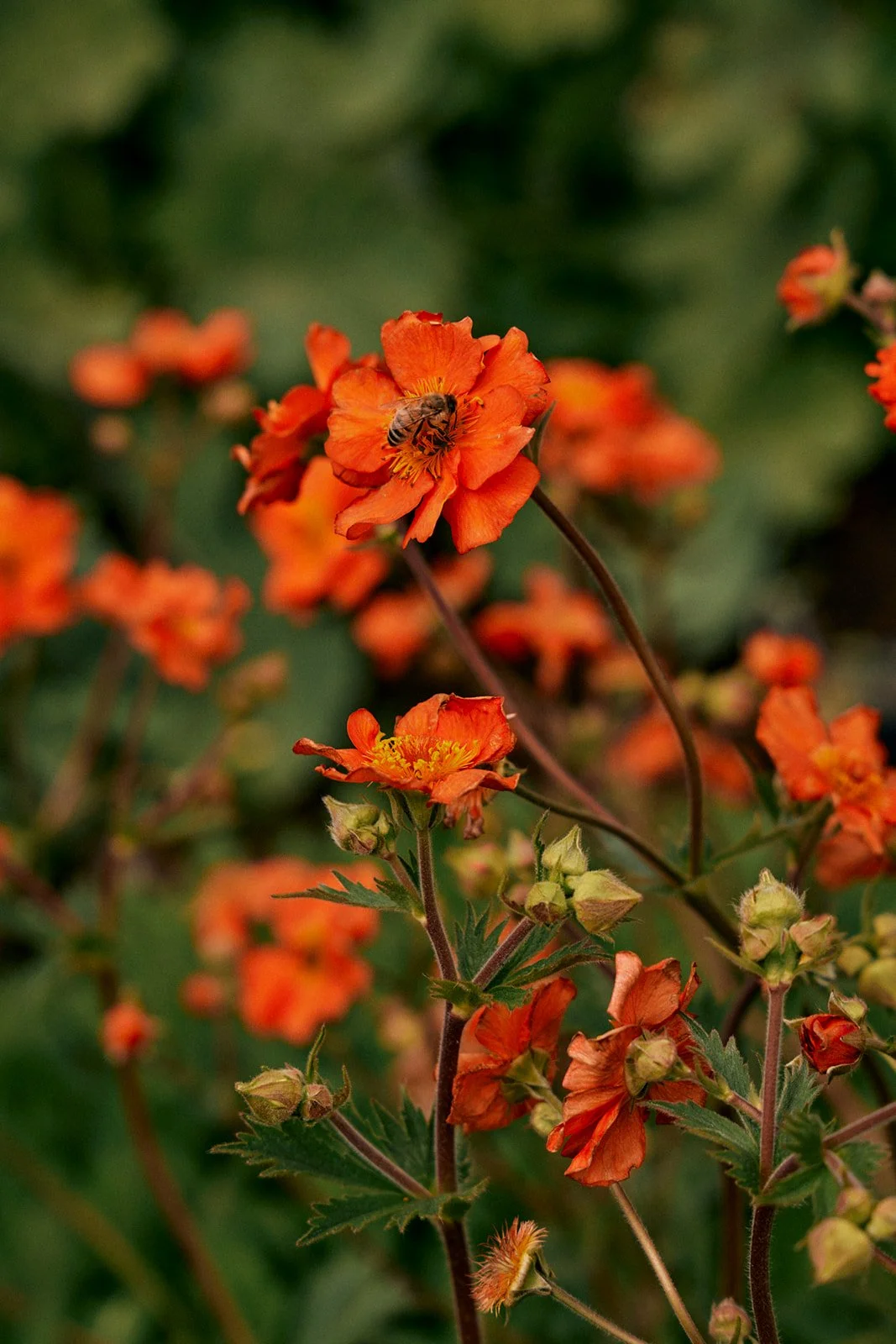
November is the month the garden fills up.
All spring I have been building toward it. Seeds started on the heat mat, seedlings potted on, hardened off and lined up in the sun on the north side of the potting shed, while I held my nerve through every warm week in October. Then Cup weekend comes and everything I have held back goes out in a few days. Tomatoes, basil, beans and cucumbers into the beds, the stakes in beside them, and the mulch down while the soil is still damp from spring. By the end of the first week the potting shed is almost empty and there is barely a bare patch of soil left.
This year I did not quite wait. The spring has been so unusually warm that I planted a few zucchini out in October, on the strength of watching the season closely. My usual line is still Cup weekend, and I would still tell anyone gardening at this altitude to hold theirs. The zucchini I risked in October are the first thing I check on my morning lap.
The first fortnight after planting out is the one I watch most carefully. Up here a clear, still night can bring a frost well into November, so the frost cloth stays folded on the bench by the back door, and I plant out late in the afternoon so the seedlings have the cool of the night to settle before their first full day of sun.
Meanwhile the spring garden is still giving. The broad beans are ready for picking. The peas that climbed without being asked in October are cropping, and the asparagus spears are coming up thinner, which is my cue to stop cutting and let the ferns grow to feed the crowns for next year. The wicking beds are still crammed with cabbage, celery and sugar snap peas, and they come out one by one as the summer crops need the room.
And most evenings, once the garden is done, I am back in the kitchen bottling syrup for the Christmas boxes.
Fill the beds. Then watch the first fortnight closely.
My Quick November Checklist
Wait until frost has genuinely finished in your district before planting out anything tender.
Plant out tomatoes, capsicum, eggplant, chilli and basil, and stake as you plant.
Mulch every bed while the soil still holds spring moisture.
Water deeply and less often, early in the morning, checking under the mulch.
Get shade cloth ready for young plants before the first hot day.
Tuck straw under strawberries and pot up the runners.
Take softwood cuttings while the new growth is soft.
Pick spring crops young and often, and leave a few to go to seed.
Check for aphids, snails, cabbage white caterpillars and fruit fly every few days.
Finish preparing for fire season, and in the Hepburn Shire, take your green waste to the transfer station while it is free.
Continue your gardening journey with me
If this way of working with the seasons speaks to how you are thinking about your own garden, come and spend three hours with me on Saturday 21 November for The Productive Garden workshop at Stonewalls in Musk, 10am to 1pm. Compost systems, green manures, worms, chickens, vertical growing and espalier, wicking beds, heirlooms and hybrids, and where beauty belongs in the hardest-working corners of a garden. I keep the numbers small so you get time with me, and no experience is needed. If you know someone who would love it, gift certificates are in the shop too.
Book The Productive Garden workshop here
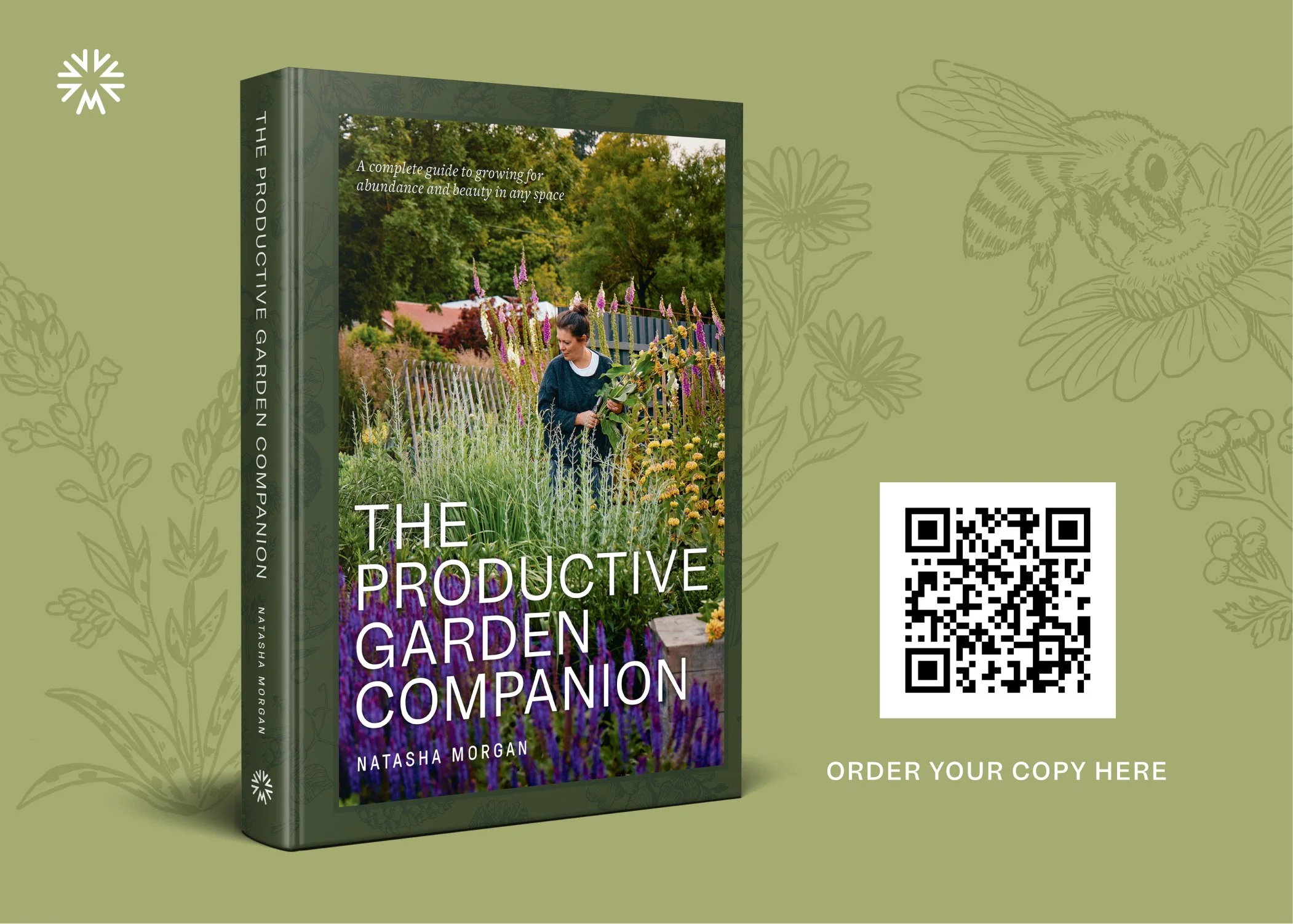
Everything I have shared here, and the whole seasonal rhythm behind it, is in The Productive Garden Companion. Signed copies are in my shop for Australian readers, and the book is available in the UK and the United States too.
UK, United States and everywhere else
South Australia, I will see you on Saturday 14 November at The Conservatory and at Adelaide Botanic Garden with The Diggers Club. The details for every November event are on my website. November events
For my daily garden lap, come and find me on Substack. Read the blog and visit me on Substack
The best way to hear about new dates before they go anywhere else is to be on the newsletter list. Newsletter subscribers get the first look at every new event, alongside seasonal notes from the garden, workshop updates, and practical ideas for growing beauty and abundance wherever you are. Subscribe here
If you are building your garden at home right now, my eBooks on Wicking Bed Gardens, Introduction to Backyard Chicken Keeping and Compost for Beautiful Productive Gardens offer practical guidance that pairs well with this seasonal work.
You may want to check out my related content below:
October Garden Tasks for All Climates
Growing Zucchini: Space-Saving and Pollination Tips for an Abundant Harvest
Stay connected for more seasonal inspiration:
Instagram | Facebook | Substack | Gardenstead | LinkedIn | Pinterest | YouTube | Website | Newsletter
Thanks so much for following along.
Natasha xx