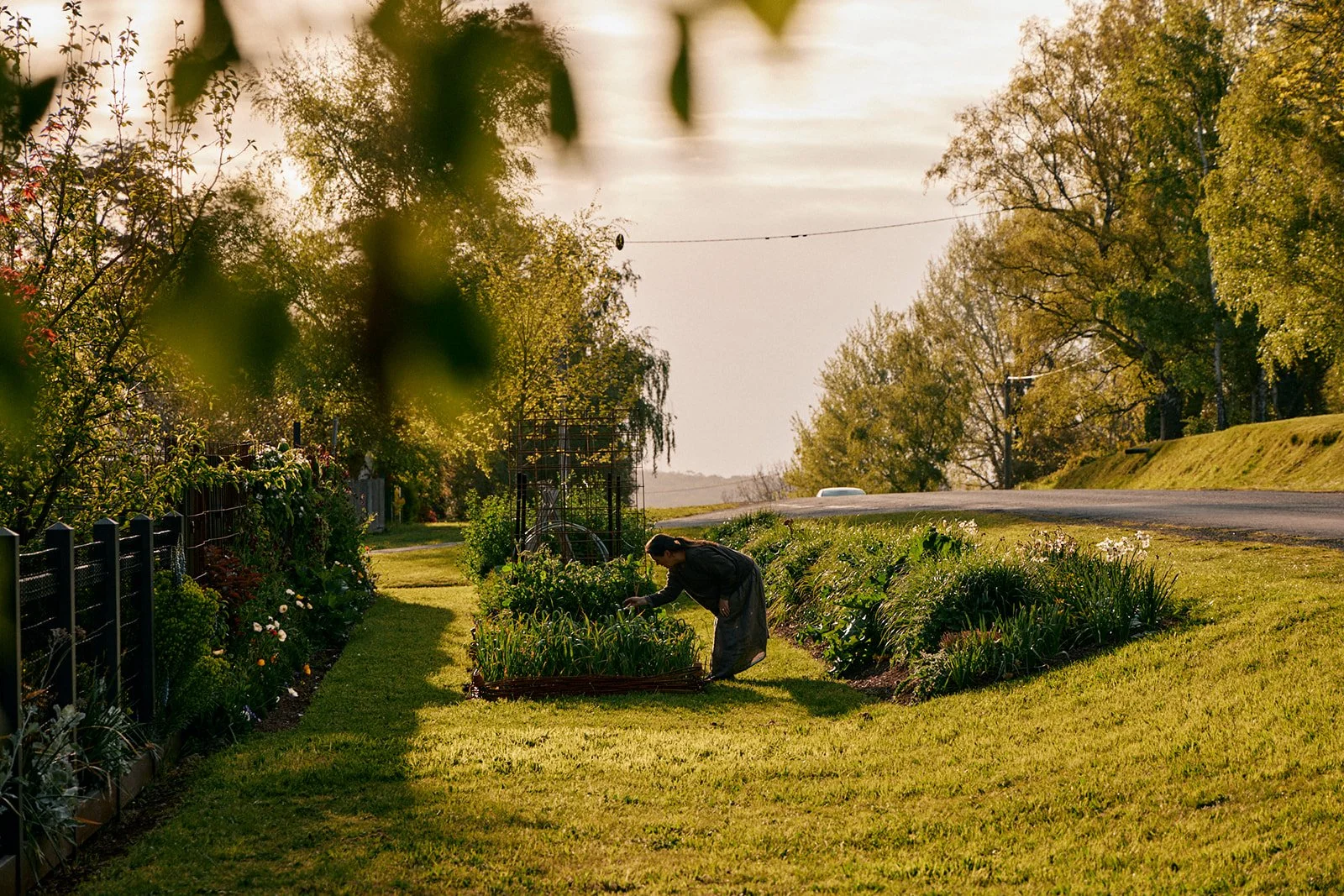
The frost is not finished with us here in Daylesford just yet, and to be honest, it could be a while off before tender plants can go out; however, the rest of the garden has decided not to wait.
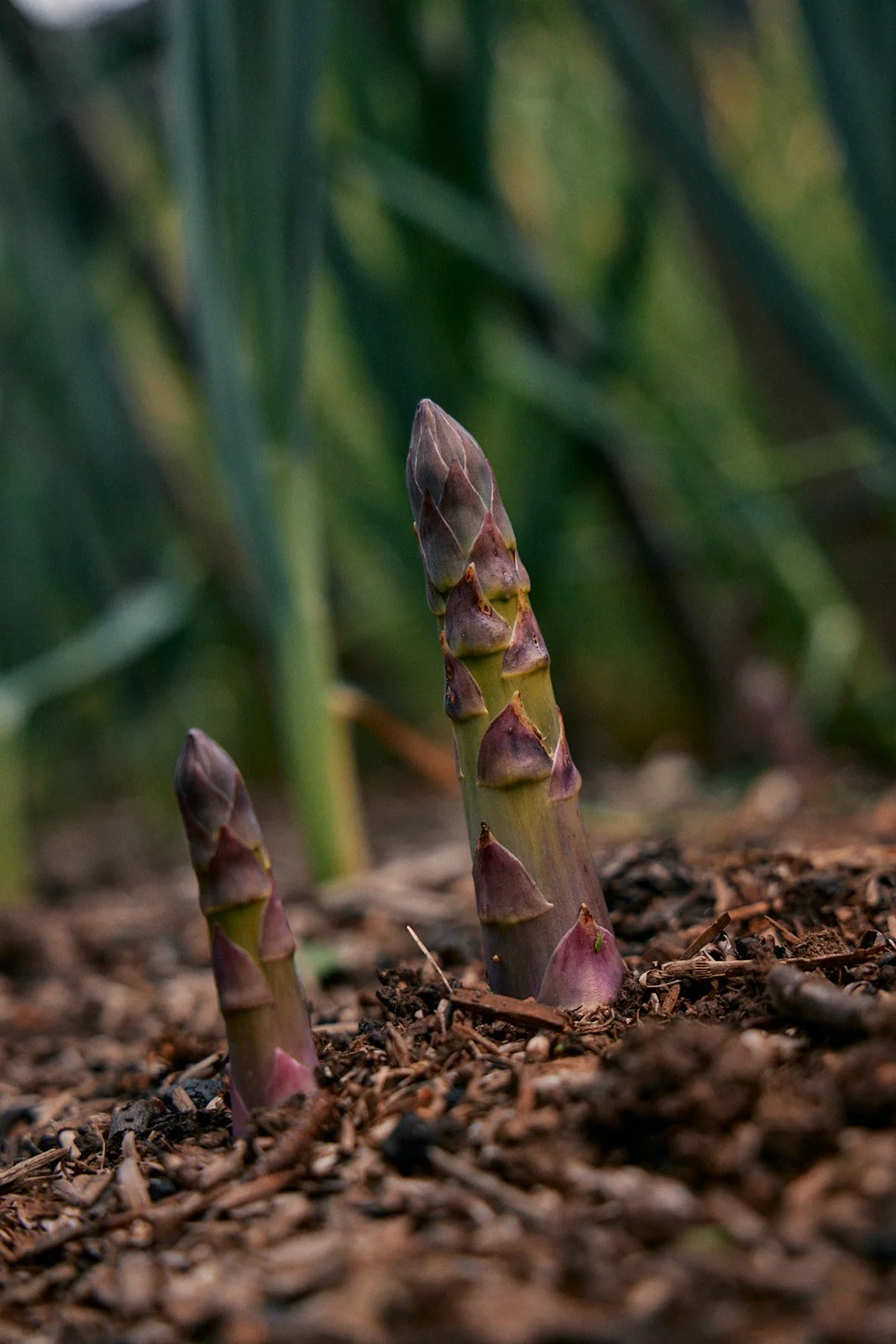
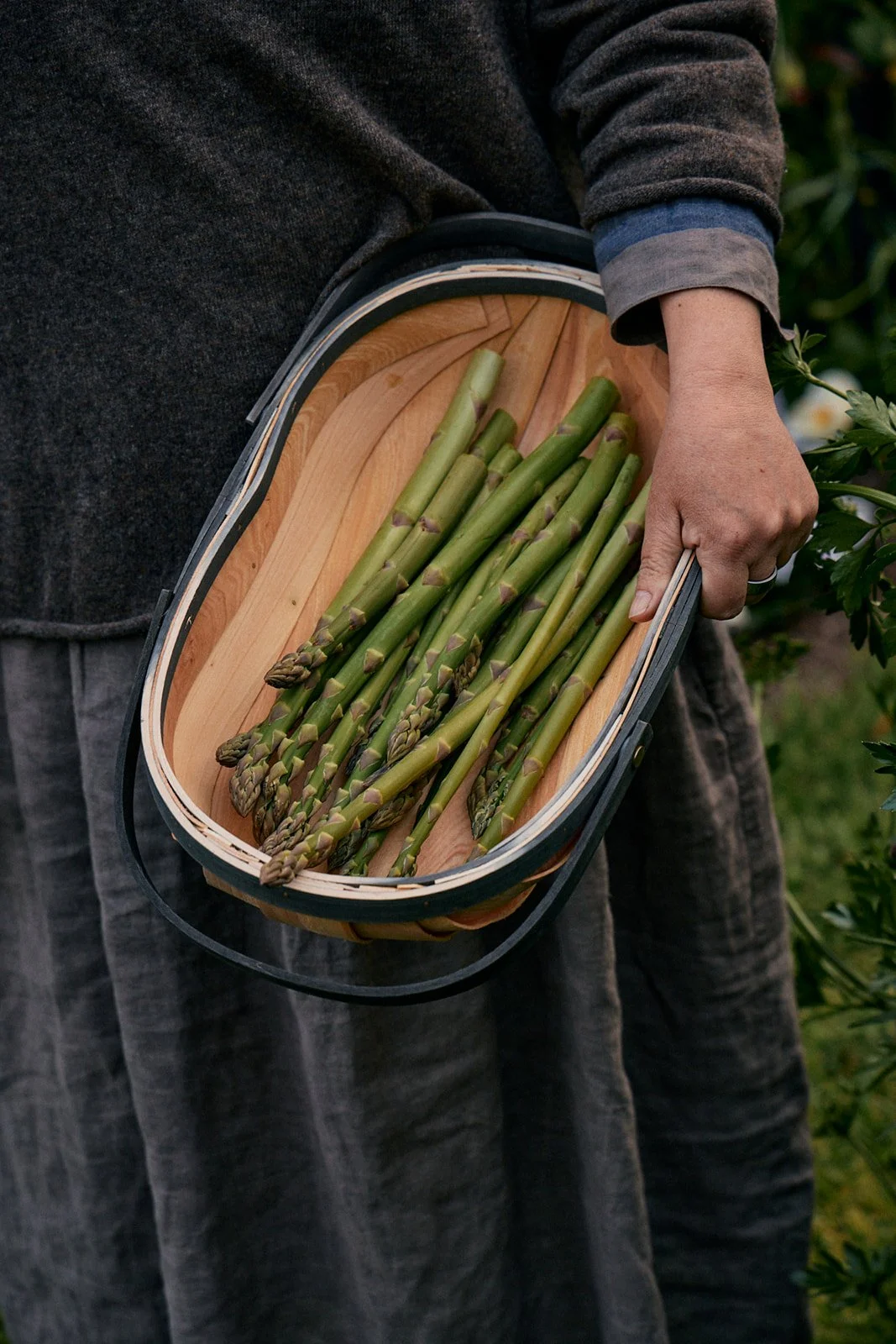
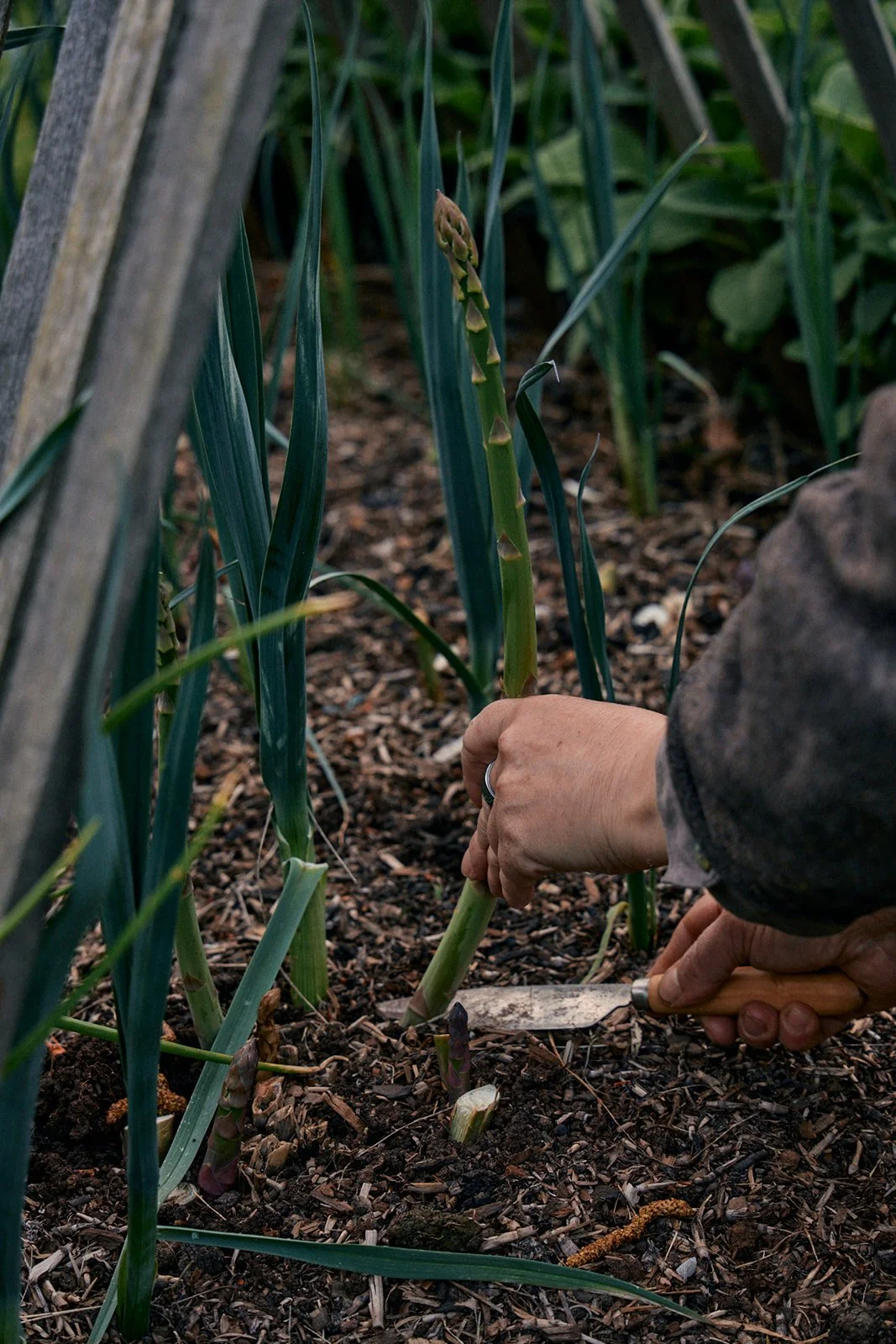
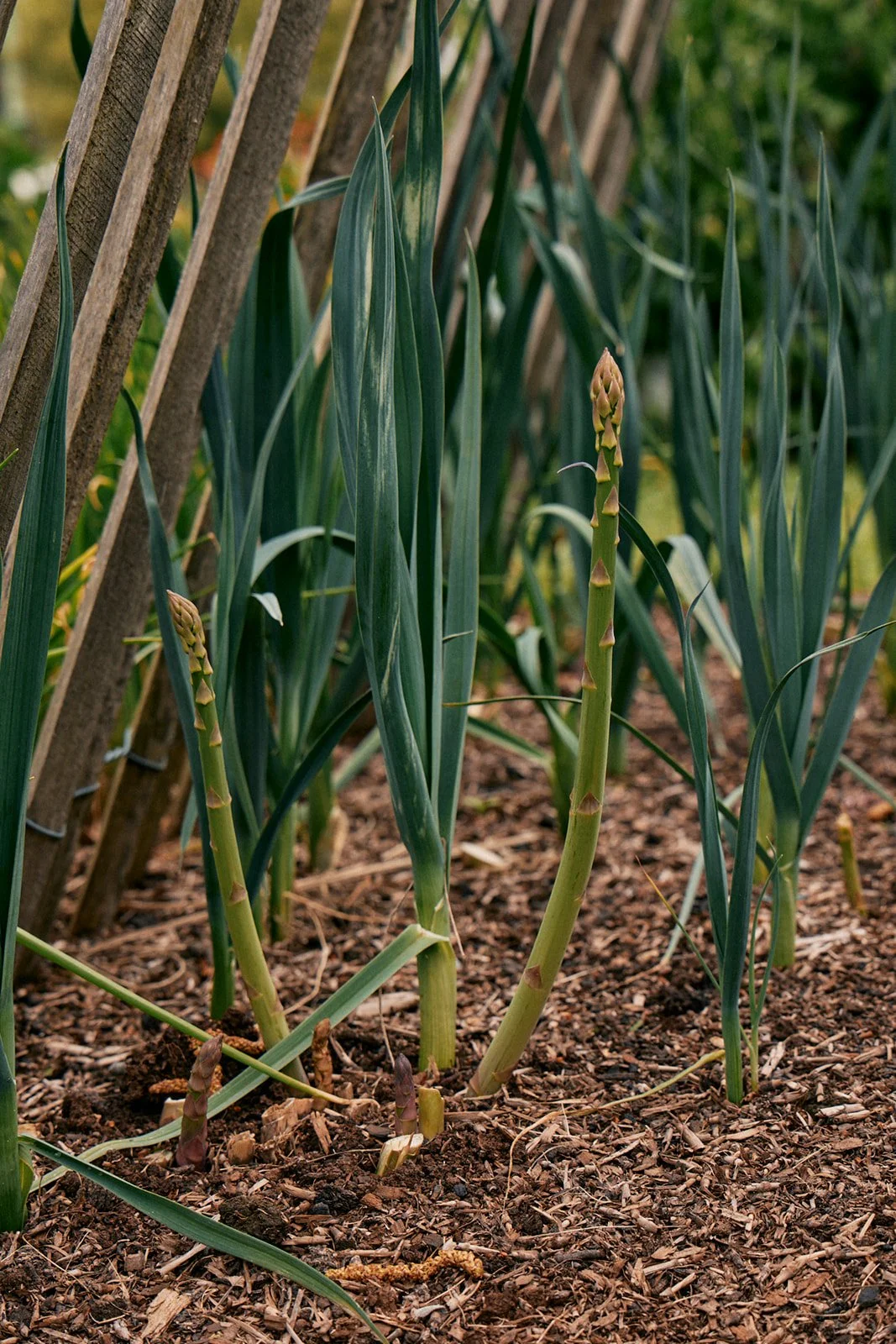
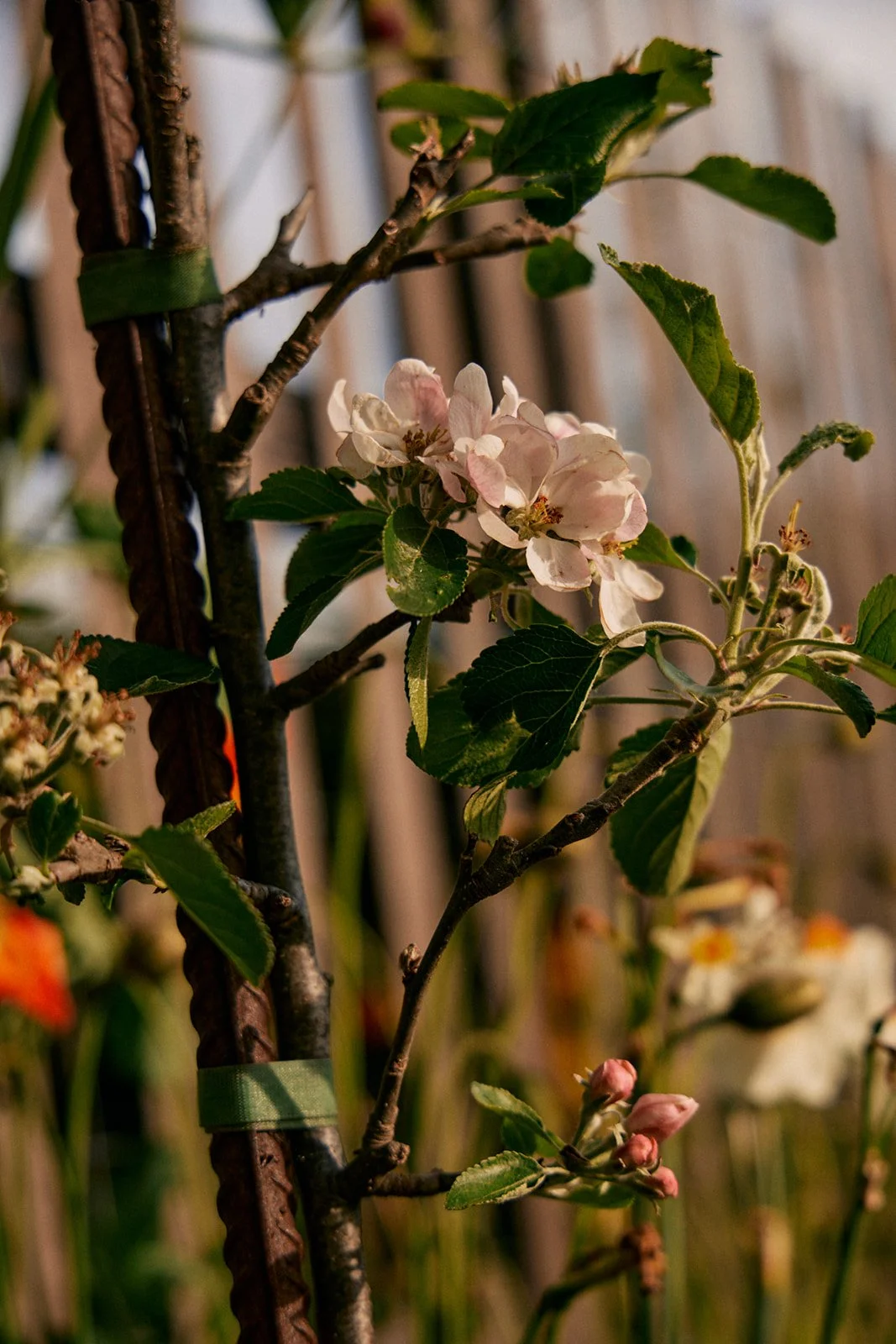
October is the month the garden stops asking permission. Through September I was still watching, still keeping the frost cloth folded on the bench by the back door. By the first week of October the grass has surged, the crab apple is in blossom, the asparagus has pushed up three spears overnight, and the Japanese ‘Mume’ plums have set fruit! (These are the ones used to make umeboshi, but if left to ripen, they taste like the most intense apricot with all the marzipan tones to match). Nothing is waiting for me to be ready or the conditions to be perfect. Here in the Central Victorian Highlands we will still get frost this month, and it will still catch me out, probably twice.
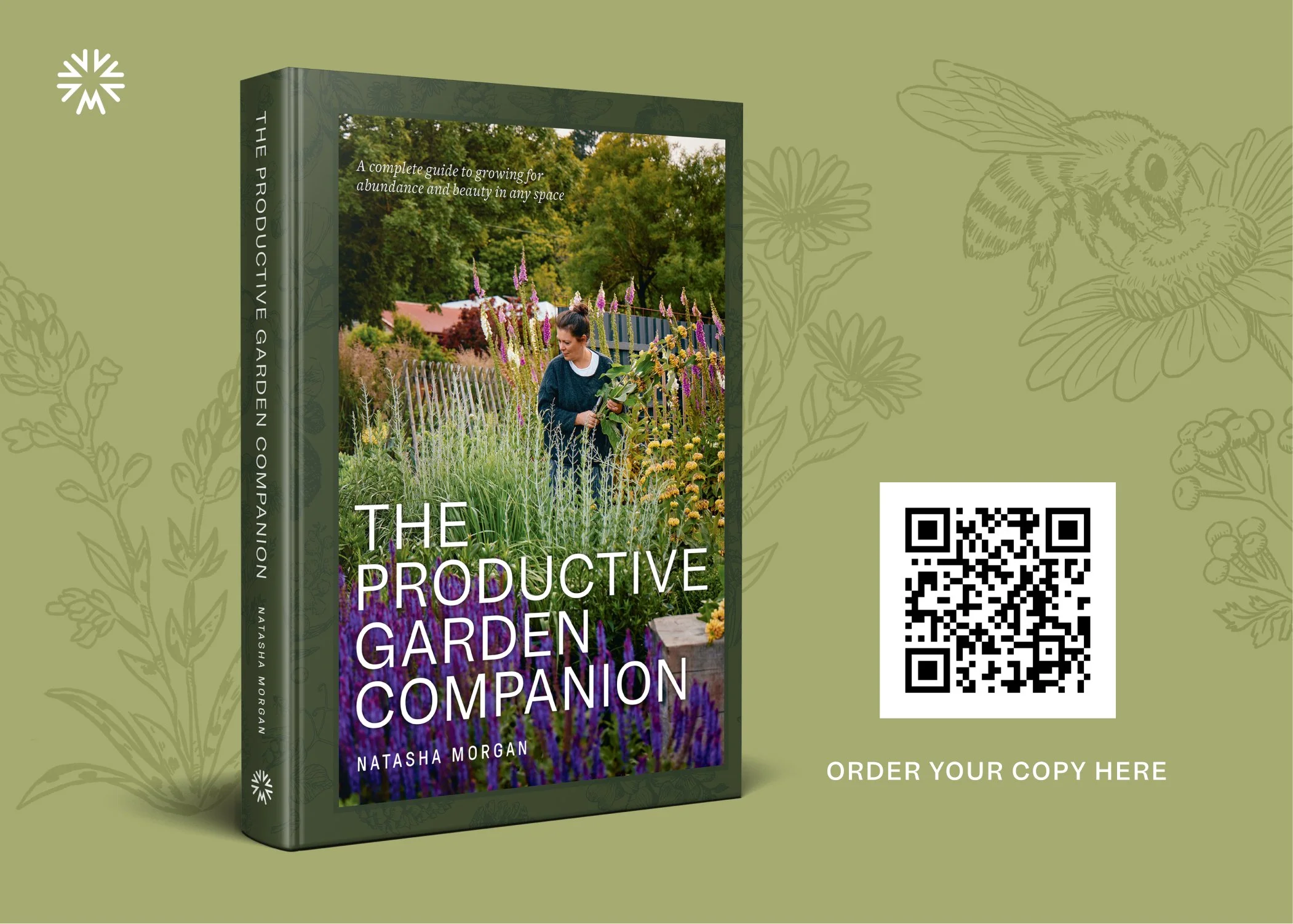
The Productive Garden Companion is out in the world. Australia, the UK, the United States, everywhere! I still have not quite absorbed that. It’s one thing to see the book here at my local shops, or in the carefully curated goods next to me at Cliffy’s, it is another thing entirely to imagine that someone in the UK is picking up a copy from their local bookstore on the other side of the world.
I didn’t expect how much I would love seeing it turn up in places I had nothing to do with. On someone's kitchen table with a cup of tea next to it. Face out on a shelf in a bookshop in a town I have never been to. Half out of the satchel at the post box. Please keep sending them and tagging me. I look at every single one, and every single one makes me smile.
The launches have happened. The Melbourne launch at Firecracker. The Daylesford launch at Stonewalls, with Emily Weaving's photographs from the book on the walls, which was the first time I had seen them at that size, and I was not prepared for it. And the book talk at Avenue Bookstore in Richmond with Kate Seddon. I have been overwhelmed by the support and by how many of you came out to celebrate with me. Thank you.
The garden has carried on regardless of all of it. Between the events and the driving and the book signing I have still been getting out there most days, usually in the last hour of light, usually with muddy knees, usually for longer than I meant to.
If you are reading this from the Northern Hemisphere, welcome, your October is our April. Mid autumn. Bulbs, leaves, and putting things to bed properly. I started including northern climates in these posts in September and I am carrying on with it, so scroll past the Australian climates and you will find yours.
For October, before I do anything in the garden, I ask a few questions.
What came through winter and what did not, now that I can actually see it?
Where is the wind hitting hardest, and what needs staking before it does damage rather than after?
Which beds have dried out enough that the problem is now water rather than drainage?
What is flowering right now that I want more of next year, while I can still see where it is?
And the honest one. Has the frost actually finished in my garden, or do I just want it to have?
Start there. Observe first, then act.
General Tasks for Southern Hemisphere Climates
Plant evergreen trees and shrubs, including citrus, while the weather is still mild and the roots have time to settle before real heat. This is also the best window of the year to relocate an established evergreen.
Plant container-grown deciduous fruit trees and vines. They are in leaf with active roots, so they go in now or they wait until autumn.
Stake, tie and support everything that is about to grow fast. Tomatoes, climbing beans, peas, sweet peas, raspberry canes, dahlias. The October wind will find whatever you left for next week.
Set up windbreaks or tree guards around anything newly planted, particularly in exposed positions.
Harden off and plant out your undercover seedlings, but only once frost has genuinely finished in your district. Give them seven to ten days of increasing sun and cold first. If you are unsure, wait. A fortnight of patience costs less than a whole tray of lost seedlings.
Thin fruit on apples, pears, peaches and plums once you can see what has actually set. Fewer fruit, better fruit, and far less limb damage in January.
Divide and move perennials now if you have not already. This is the last comfortable window before the ground dries out and the heat arrives.
Keep taking cuttings and layering while the growth is soft and active.
Feed citrus, raspberries, blackberries and currants, and top up mulch while there is still moisture in the soil to hold in.
Walk the garden looking for aphids on new rose growth, snails after rain, pear and cherry slug on quinces and cherries, and cabbage moth on the brassicas. Ten minutes every few days this month saves a great deal in December.
If you are in a bushfire prone area now is the time to prepare for the upcoming fire season. Don’t wait for the first hot day. And for those of you in the Hepburn Shire, don’t forget that taking green waste to the tip in November is free, so now is a great time to tidy up and be ready to take everything that doesn’t fit in your green waste bin to the tip next month.
General Tasks for all Northern Hemisphere climates
Plant tulips now. October and November are the right window for them, later than your other spring bulbs, and cooler soil reduces the risk of tulip fire.
Finish planting daffodil, crocus, hyacinth and allium if they are not in the ground yet.
Plant garlic, overwintering onion sets, shallots and autumn broad beans.
Lift and store maincrop potatoes, dry onions and shallots properly, and get apples, pears, squash and pumpkins in before the weather or birds take them.
Bring tender plants under cover. Pelargoniums, fuchsias, potted citrus. In the colder zones, lift and store dahlia tubers once the foliage has blackened.
Plant trees, shrubs, roses and hedging while the soil still holds warmth. Autumn planting gives roots months to establish before spring asks anything of them.
Divide congested herbaceous perennials, and move any shrub you have been meaning to relocate.
Start a leaf mould bin/bag or two , and keep adding as the leaves come down.
Sow a green manure or cover crop on any bed that would otherwise sit bare all winter.
Clean out the greenhouse, wash pots, check heaters and insulation, and raise containers off the ground before freeze and thaw cracks them.
A quick note on frost, and when to stop trusting the calendar
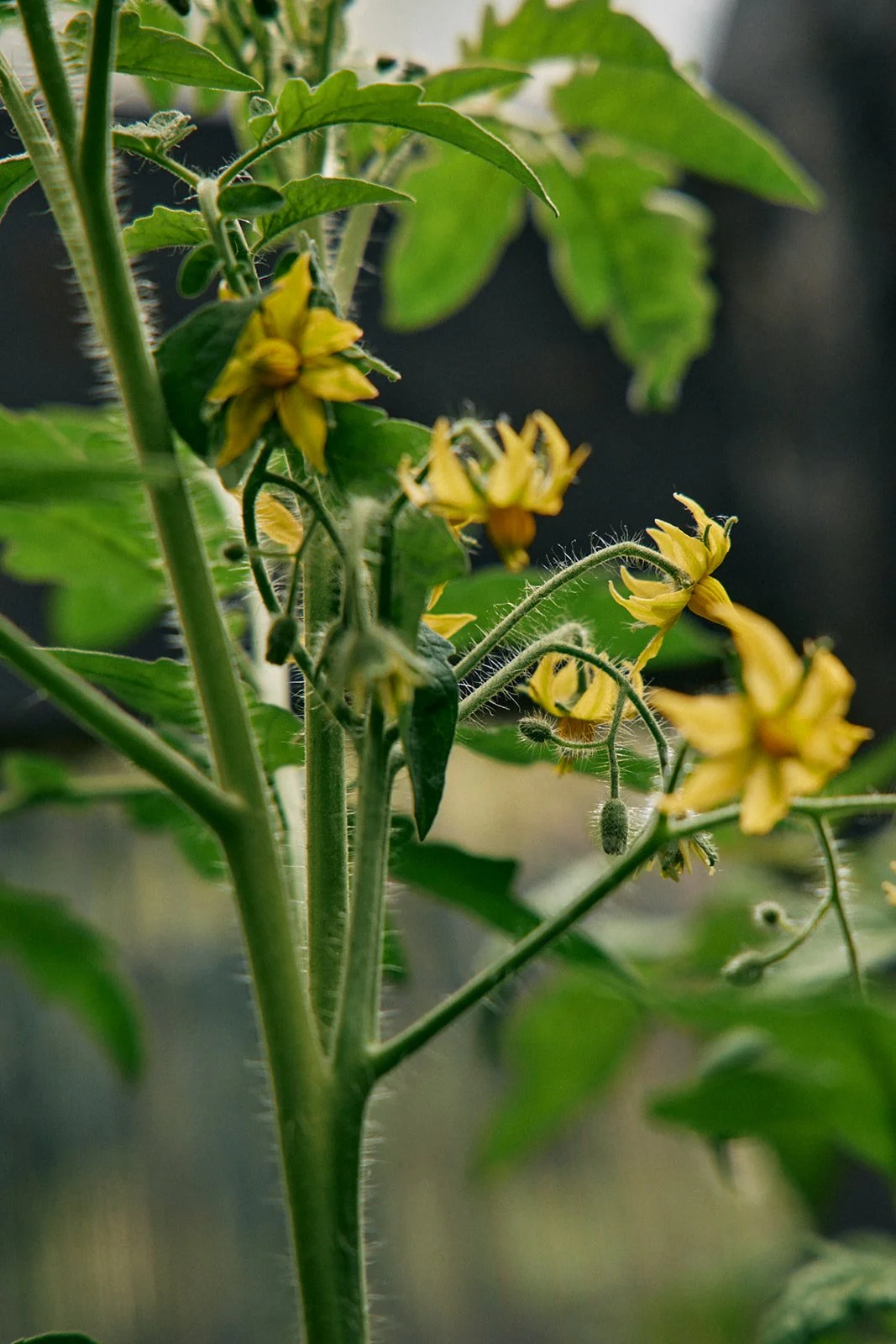
October is the month people lose a whole season of tomatoes. The warm week arrives, the nurseries fill up, everyone plants out, and then a clear cold night in the third week of the month takes the lot. Here in Daylesford I do not put tomatoes, capsicums, chillies, eggplant, basil, cucumbers or beans into the ground until after Melbourne Cup weekend, which falls in the first week of November for anyone reading from elsewhere. That is not caution for its own sake. It is what years of gardening at this altitude have taught me. Your date will be different from mine. Find out what it actually is in your garden, write it down somewhere you will find it again, and stop guessing. The Productive Garden Companion has a Seasonal Calendar resource to help you with your garden notes, if you have been thinking about starting a garden diary, it’s a great place to start.
If you want young plants to hold steady through the swing between hot days and cold nights, my eBook, Wicking Bed Gardens, sets out the design and construction of the self-watering bed system I use for exactly this. This guide is also included for free in The Productive Garden Companion.
What to sow & plant now, and tasks by climate
Temperate - Southern Hemisphere
October is mid spring, and the widest sowing window of the year. Almost everything is possible! The one thing that still matters is frost, because cold nights are common in southern districts well into October, and the warm days make it very easy to forget that.
Edible seeds and plants to sow or plant now
Amaranth, asparagus crowns, basil, beans (climbing and dwarf), beetroot, borage, broccoli, cabbage, cape gooseberry, capsicum, carrot, cauliflower, celeriac, celery, chilli, chives, collard greens, coriander, cucumber, dill, eggplant, endive, fennel (Florence and bronze), ginger, globe artichokes, horseradish crowns, Jerusalem artichoke tubers, kale, kohlrabi, leek, lemon balm, lettuce, luffa, marrow, mint, NZ spinach (warrigal greens), okra, oregano, parsley, parsnip, peas (as seedlings), potato, pumpkin, radish, rhubarb crowns, rocket, rockmelon, sage, salsify, silverbeet, spinach, spring onion, squash, summer savory, sunflower, sweet corn, sweet marjoram, sweet potato slips, taro tubers, thyme, tomatillo, tomato, turnip, watermelon, yacon, zucchini.
Hold the frost-tender ones (tomato, capsicum, chilli, eggplant, basil, cucumber, beans, melons, sweet corn) in pots or trays until your last frost has passed.
Flowering plants to sow or plant now
Ageratum, amaranthus, aster, celosia, cosmos, dianthus, gypsophila, impatiens, marigold, nasturtium, nigella, petunia, phlox, portulaca, rudbeckia, salvia, snapdragon, statice, strawflower, sunflower, torenia, verbena, zinnia. Plant dahlia tubers, gladioli corms and canna rhizomes now for summer.
Tasks for temperate gardens
Plant out the seedlings you hardened off in late September, holding back anything frost tender until your district is clear.
Stake tomatoes and dahlias as you plant them, not later. It is far easier now than once the growth is up.
Thin fruit on apples, pears and stone fruit once set is visible.
Succession sow lettuce, rocket, coriander and radish in small amounts every two to three weeks, so you are not harvesting everything in the same fortnight.
Start watering with intent rather than habit, checking moisture under the mulch rather than judging by the surface.
Alpine and cool - Southern Hemisphere
October in alpine and cool gardens is proper spring at last, and yet still not safe. Frost is a real possibility all month and into November in the higher districts. The cool-season crops are generous now. The warm-season ones want to stay under cover a little longer.
Edible seeds and plants to sow or plant now
Asparagus crowns, beetroot, broccoli, cabbage, carrot, cauliflower, celeriac, celery, chives, coriander, dill, endive, globe artichokes, Jerusalem artichoke tubers, kale, kohlrabi, leek, lettuce, parsley, parsnip, peas, potato, radish, rhubarb crowns, rocket, salsify, silverbeet, snow peas, spinach, spring onion, strawberry runners, swede, turnip.
Undercover: continue tomato, capsicum, chilli, eggplant, cucumber, zucchini, pumpkin, sweet corn, beans and basil, potting them on as they grow and holding them until frost is finished.
Flowering plants to sow or plant now
Alyssum, calendula, cornflower, cosmos, dianthus, gypsophila, marigold, nasturtium, nigella, pansy, phlox, snapdragon, statice, stock, sunflower, sweet pea, viola. Dahlia tubers and gladioli corms can go in late in the month where the soil has warmed.
Tasks for alpine and cool gardens
Direct sow the hardy crops now that the soil has warmed and drained. Carrots, beetroot, peas, parsnip, radish, rocket and silverbeet all go in.
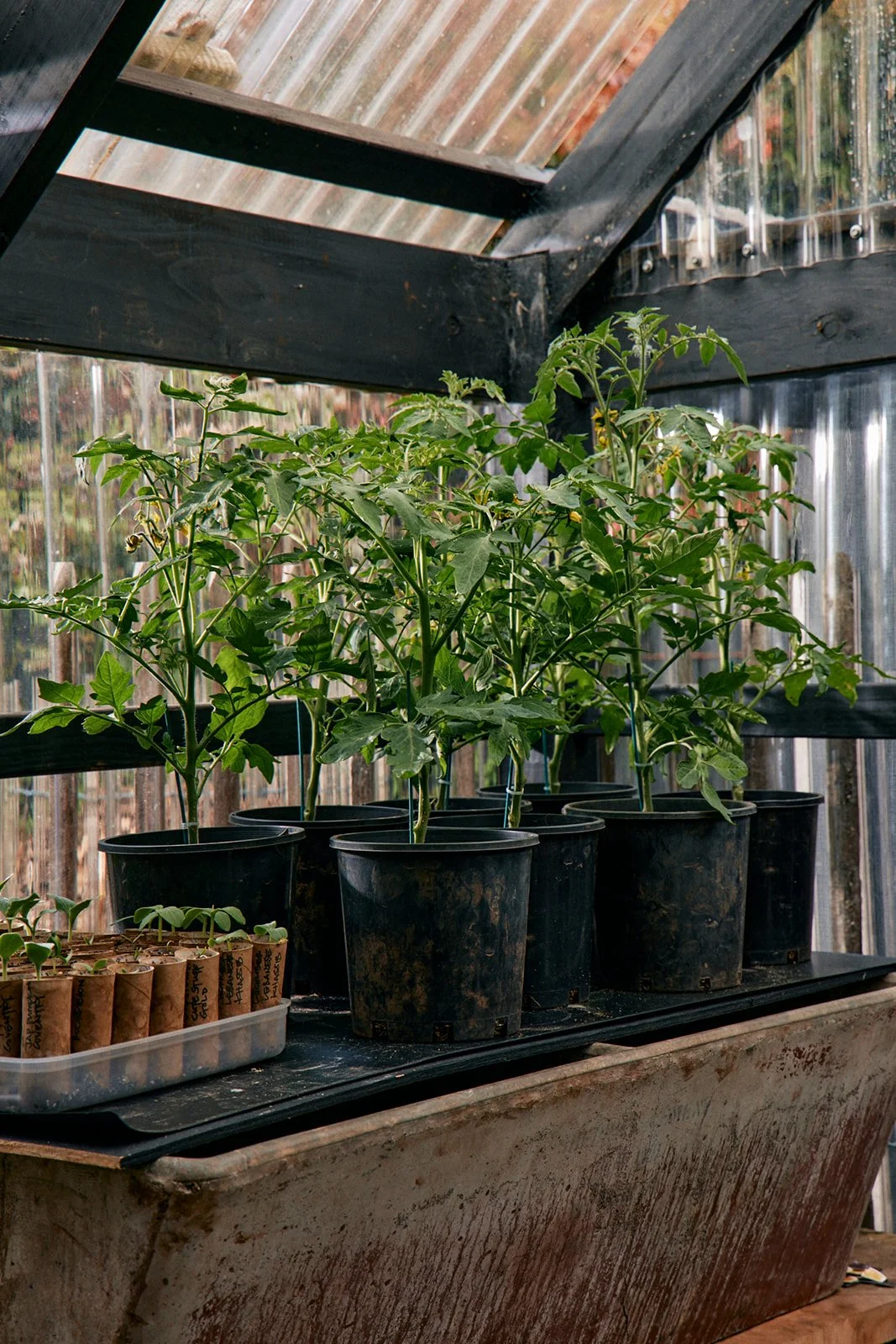
Keep potting on your undercover summer seedlings rather than planting them out. A pot-bound tomato recovers. A frosted one does not.
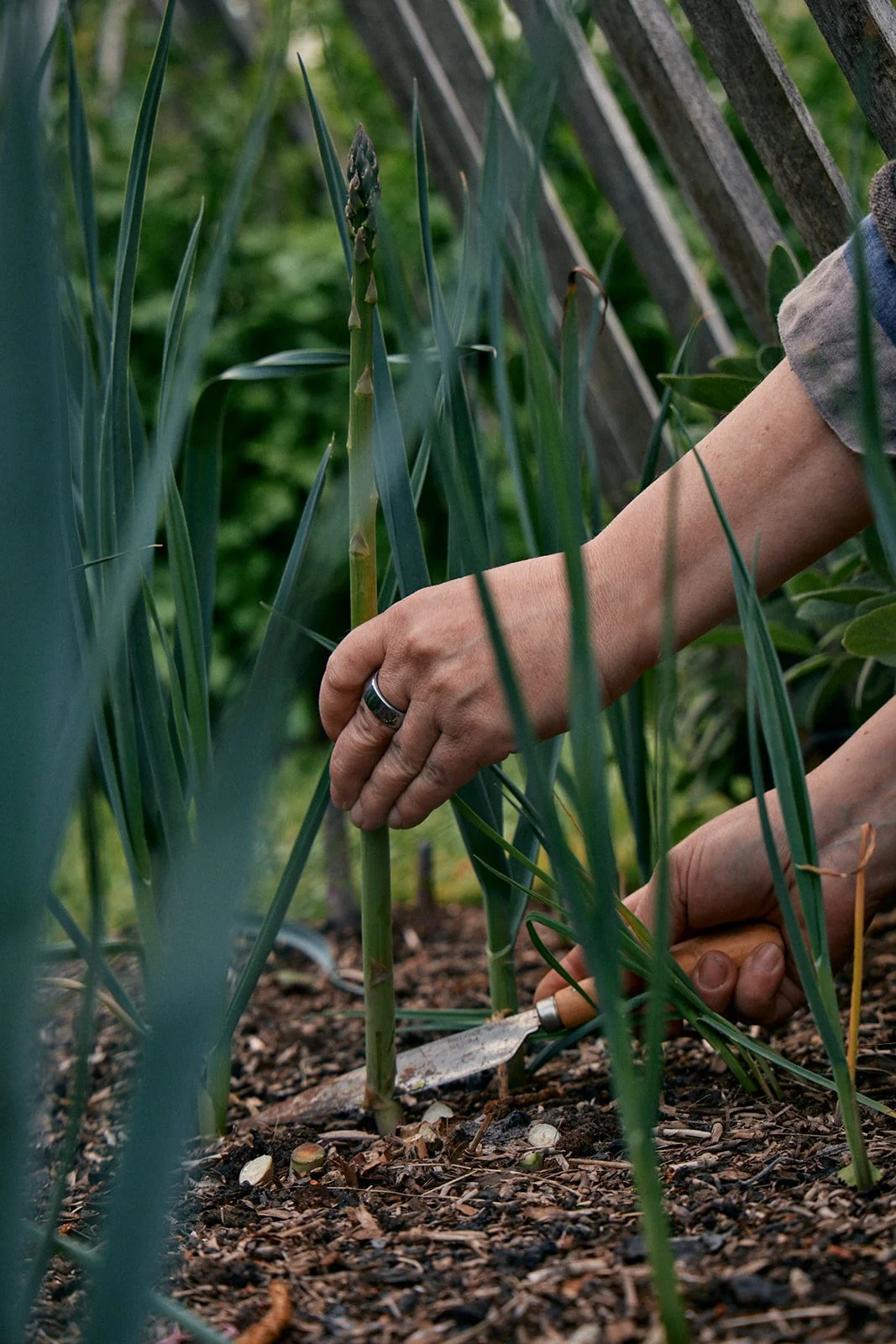
Plant asparagus crowns, rhubarb crowns and strawberry runners while the ground is workable and moist.
Tie in and stake as growth accelerates, especially in exposed and elevated positions.
Keep frost cloth or hessian where you can reach it in the dark. You will need it at least once more.
Subtropical - Southern Hemisphere
October in subtropical gardens is the shift into heat and humidity. The cool-season crops are finishing or bolting. This is the month to get the warm-season crops in and established before the real intensity of summer.
Edible seeds and plants to sow or plant now
Amaranth, basil, beans (climbing, dwarf and snake), beetroot, cape gooseberry, capsicum, carrot, chilli, choko, cucumber, eggplant, ginger rhizomes, kangkong, luffa, marrow, mustard greens, NZ spinach, okra, peanut, pumpkin, radish, rockmelon, rosella, silverbeet, spring onion, squash, sunflower, sweet corn, sweet potato slips, taro, tomato, turmeric rhizomes, watermelon, yacon, zucchini.
Flowering plants to sow or plant now
Amaranthus, celosia, coleus, cosmos, gomphrena, marigold, portulaca, salvia, sunflower, torenia, vinca, zinnia.
Tasks for subtropical gardens
Get the warm-season crops in and established now, before the humidity makes establishment harder.
Switch from lettuce and coriander to the heat-tolerant greens. Kangkong, amaranth, NZ spinach and mustard greens will carry you through summer.
Plant ginger and turmeric rhizomes and sweet potato slips ahead of the wet.
Mulch deeply and water early in the day, keeping mulch clear of stems and crowns.
Thin and open up dense plantings now to reduce fungal problems when the humidity builds.
Tropical - Southern Hemisphere
October in tropical gardens is the build-up. Hot, humid and heavy, with the wet still to come. Growth can be fast and so can collapse. The crops that do well now are the ones that were bred for exactly this.
Edible seeds and plants to sow or plant now
Amaranth, ceylon spinach, choko, cowpeas, cucumber, ginger rhizomes, kangkong, luffa, okra, peanut, pumpkin, rosella, snake beans, squash, sweet leaf, sweet potato slips, taro tubers, turmeric rhizomes, winged beans, yam. In cooler tropical pockets you can still put in capsicum, chilli, eggplant and sweet corn.
Flowering plants to sow or plant now
Celosia, cosmos, gomphrena, portulaca, sunflower, torenia, vinca, zinnia.
Tasks for tropical gardens
Plant the crops that thrive in heat and humidity rather than trying to hold on to the dry-season ones.
Get ginger, turmeric, taro and sweet potato in before the wet arrives.
Check and repair drainage now. Standing water after the first heavy rain will do more damage than the heat.
Prune and tie in windbreak plants and check all supports before storm season.
Watch for fungal disease and early wet-season pests, and keep plantings open enough for air to move through.
Arid - Southern Hemisphere
October in arid gardens is the closing of a window. Days are warming quickly, the wind is drying, and the cool-season crops are done. Anything you plant now needs to be in the ground early enough to establish deep roots before the heat, or it will not make it.
Edible seeds and plants to sow or plant now
Amaranth, basil, beans (climbing and dwarf), beetroot, borage, capsicum, carrot, chilli, choko, cucumber, eggplant, globe artichokes, luffa, marrow, mustard greens, NZ spinach (warrigal greens), okra, oregano, pumpkin, radish, rockmelon, rosella, salsify, silverbeet, squash, summer savory, sunflower, sweet corn, sweet potato slips, taro, thyme, tomato, watermelon, yacon, zucchini.
Flowering plants to sow or plant now
Amaranthus, celosia, cosmos, gomphrena, marigold, portulaca, statice, strawflower, sunflower, vinca, zinnia.
Tasks for arid gardens
Plant summer crops now, early in the month, so roots get down before the heat sets in.
Improve soil deeply with compost and organic matter at planting, not afterwards.
Mulch heavily and keep mulch clear of stems and crowns.
Set up shade cloth or temporary shade for young plants and seedlings before you need it.
Water deeply and less often, in the early morning, checking under the mulch rather than at the surface.
UK and Northern Europe (temperate maritime)
Mid autumn. This is your bulb-planting, tree-planting, leaf-gathering month, and the one where the greenhouse work turns toward overwintering.
Edible seeds and plants to sow or plant now
Garlic, overwintering onion sets, shallots, autumn broad beans and hardy peas, winter salads and hardy greens under cover (lamb's lettuce, land cress, mizuna, mustard, winter lettuce, spinach).
Flowering plants to sow or plant now
Tulips (now is the right time), any remaining daffodil, crocus, hyacinth and allium, wallflowers, pansies, violas, forget-me-nots, and bare-root or container trees, shrubs, roses and hedging.
Tasks:
Plant tulips into cool soil, deeper than feels necessary.
Lift and store maincrop potatoes and dry onions and shallots properly.
Lift and store dahlia tubers where winters are wet or cold, or mulch heavily to leave them in.
Rake and stack fallen leaves for leaf mould, and add spent summer growth to the compost.
Cut back and divide congested herbaceous perennials.
Clean, wash and insulate the greenhouse, and bring tender plants in before the first frost.
Mediterranean and Southern Europe
October is the most generous planting month of the year. The heat has broken, the rains are returning, and the soil is warm and moist at the same time, which does not happen often.
Edible seeds and plants to sow or plant now
Cool-season vegetables: lettuce, rocket, chard, spinach, kale, cabbage, cauliflower, broccoli, endive, radicchio, peas, broad beans, carrot, beetroot, turnip, radish, garlic, onion sets and shallots, coriander, dill, parsley, chervil.
Flowering plants to sow or plant now
Sweet pea, calendula, poppy, nigella, spring bulbs, and bare-root or container trees, shrubs and roses.
Tasks:
Plant while the soil is both warm and moist. This is the best establishment window you get.
Get garlic, shallots and overwintering onions in.
Sow cool-season greens directly and succession sow through the month.
Refresh beds with compost after the summer crops have come out.
Plant trees, shrubs and roses now so roots establish over winter.
Continental and Alpine (USDA zones 3 to 6)
Frost has arrived or is about to. October is for harvesting what is left, getting garlic in, protecting the perennials and closing the season down properly rather than abandoning it.
Edible seeds and plants to sow or plant now
Garlic (this is the main window), spinach and kale (zone 4, 5 & 6)
Flowering plants to sow or plant now
Spring bulbs while the ground is still workable, cover crops and green manures on any bare bed, and hardy overwintering greens under cover or in a cold frame.
Tasks:
Harvest everything tender before the first hard frost, including green tomatoes to ripen indoors.
Plant garlic for next summer.
Lift dahlia tubers, cannas and gladioli corms and store them dry and frost free.
Sow green manure or cover crops on beds that will otherwise sit bare.
Mulch heavily around perennial roots and newly planted trees to insulate them.
Drain and store hoses and irrigation before the first freeze.
Warm and subtropical Southern USA (USDA zones 9 to 11)
The heat has finally let go. October is when the fall and winter vegetable garden really gets going, and it is one of the best months of the year to plant.
Edible seeds and plants to sow or plant now
Cool-season crops: lettuce, spinach, kale, chard, mustard, collards, cabbage, cauliflower, broccoli, beetroot, carrot, turnip, radish, peas, garlic and onion sets, herbs: parsley, dill, cilantro, chives.
Flowering plants to sow or plant now
Pansy, viola, snapdragon, calendula, sweet pea, stock, and trees, shrubs and citrus.
Tasks:
Get the fall and winter vegetable garden in properly. Transplant brassicas, direct sow greens and roots.
Plant garlic and onion sets.
Plant trees, shrubs and citrus now so roots establish through the mild winter.
Refresh mulch and compost after the summer heat.
Sow cool-season annuals for winter and early spring colour.
How I work with October
October is the month I stop being in charge of the garden.
Through September I was the one making things happen. Chitting potatoes, sowing rows, deciding. By the middle of October the garden has taken over and my job has changed from starting things to keeping up with them.
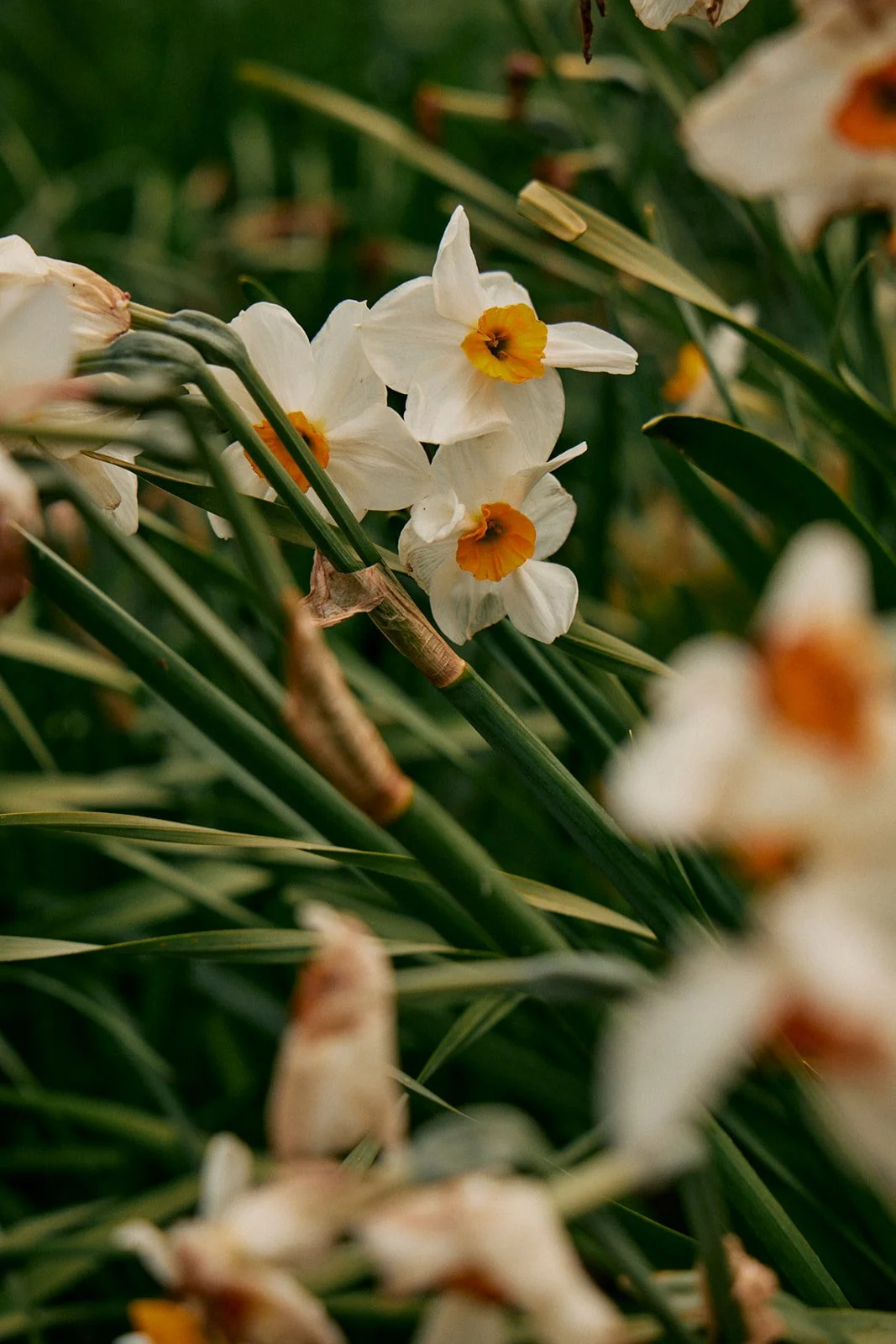
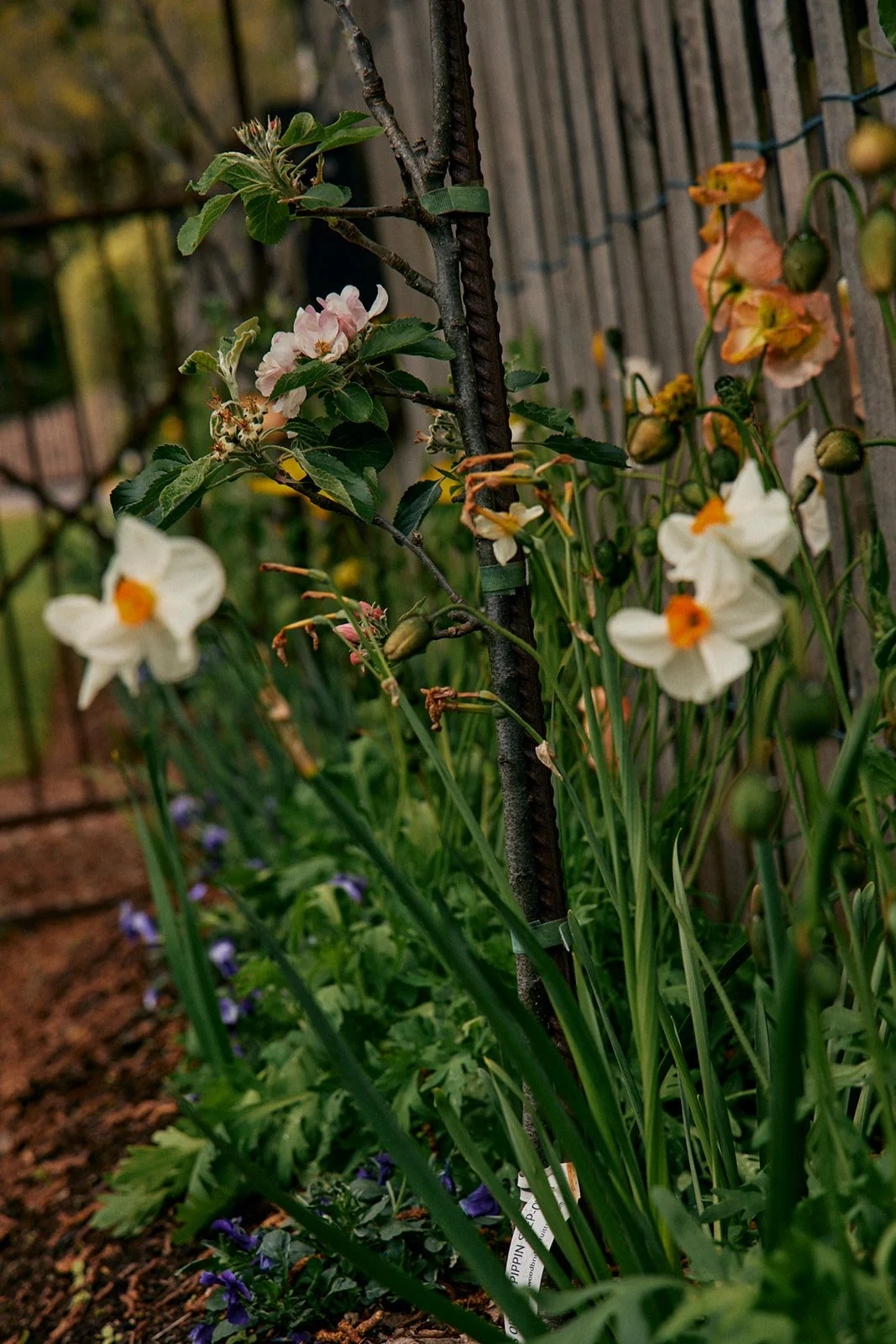
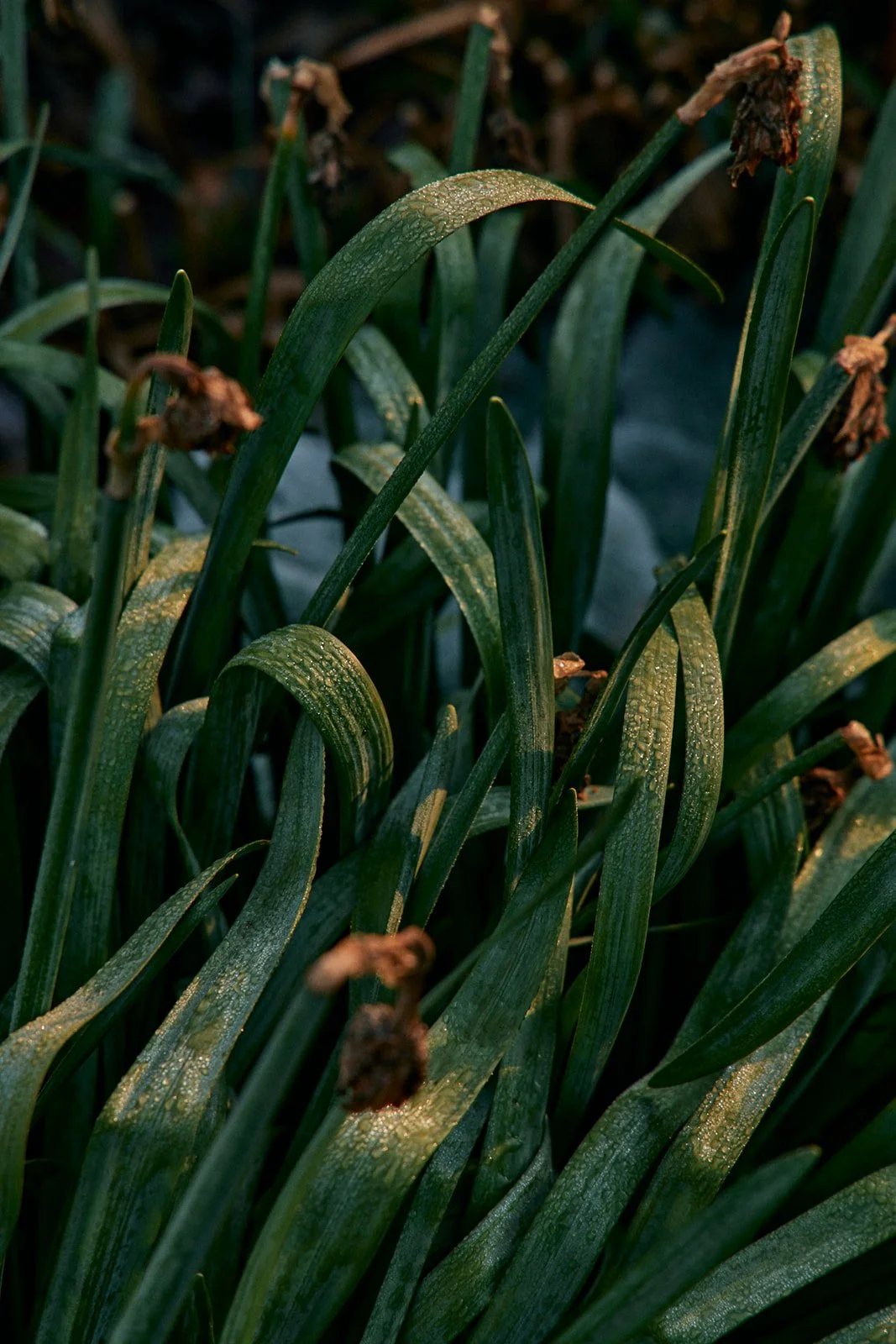
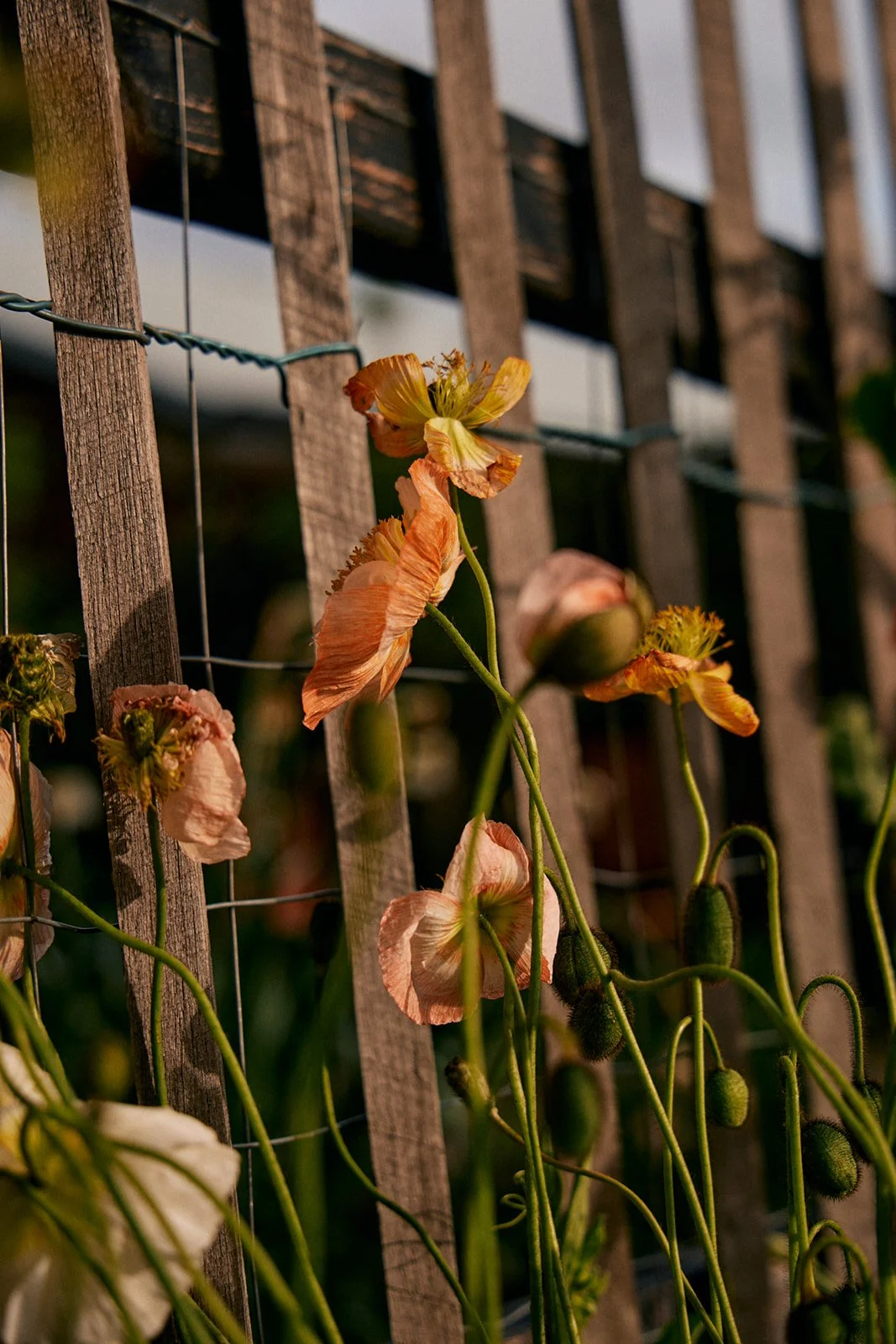
At Little Cottage on a Hill the woodland has handed over again. The jonquils and the daffodils are finished and flopping. The bluebells are through. The crab apple is in blossom, and underneath it the last of the tulips are going over while the alliums come up to meet them. The lilac is out. The viburnum has taken over the whole front of the house and you can smell it before you reach the gate. The grass has gone from something I cut once in August to something that needs doing every ten days, if not sooner.
In the productive beds the asparagus is up. The rhubarb is enormous. The broad beans I put in back in autumn are in flower and just starting to fill. The peas I sowed in September are climbing without being asked. The espalier peaches have set fruit and I will thin them before the month is out, which I find much harder to do than pruning.
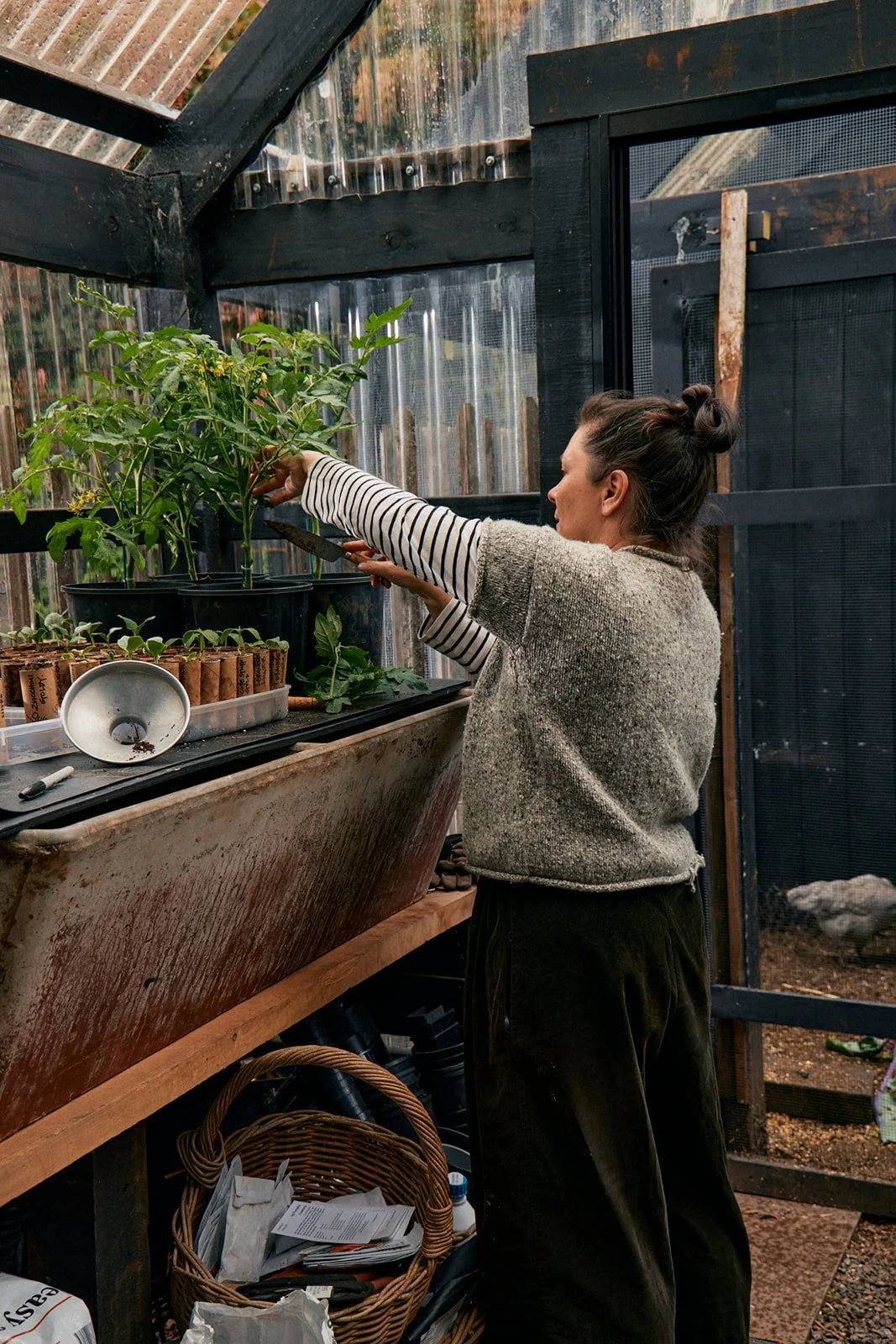
And what I am not doing is planting the tomatoes. They are potted on, hardened off, and sitting in the sun on the north side of the shed, where they will stay until after Melbourne Cup weekend. Every year somebody asks why mine are not in yet. Every year in the third week of October the frost answers them.
The other October job is preparing for the wind. Up here it comes through in the afternoons and it will take a staked dahlia out at the ankle if the tie has gone loose. So I walk the beds and I tie things in, and then I do it again the following week, all month long.
September was about answering the shift. October is about keeping pace with it.
Stand in the garden. See what has already got away from you. Start there.
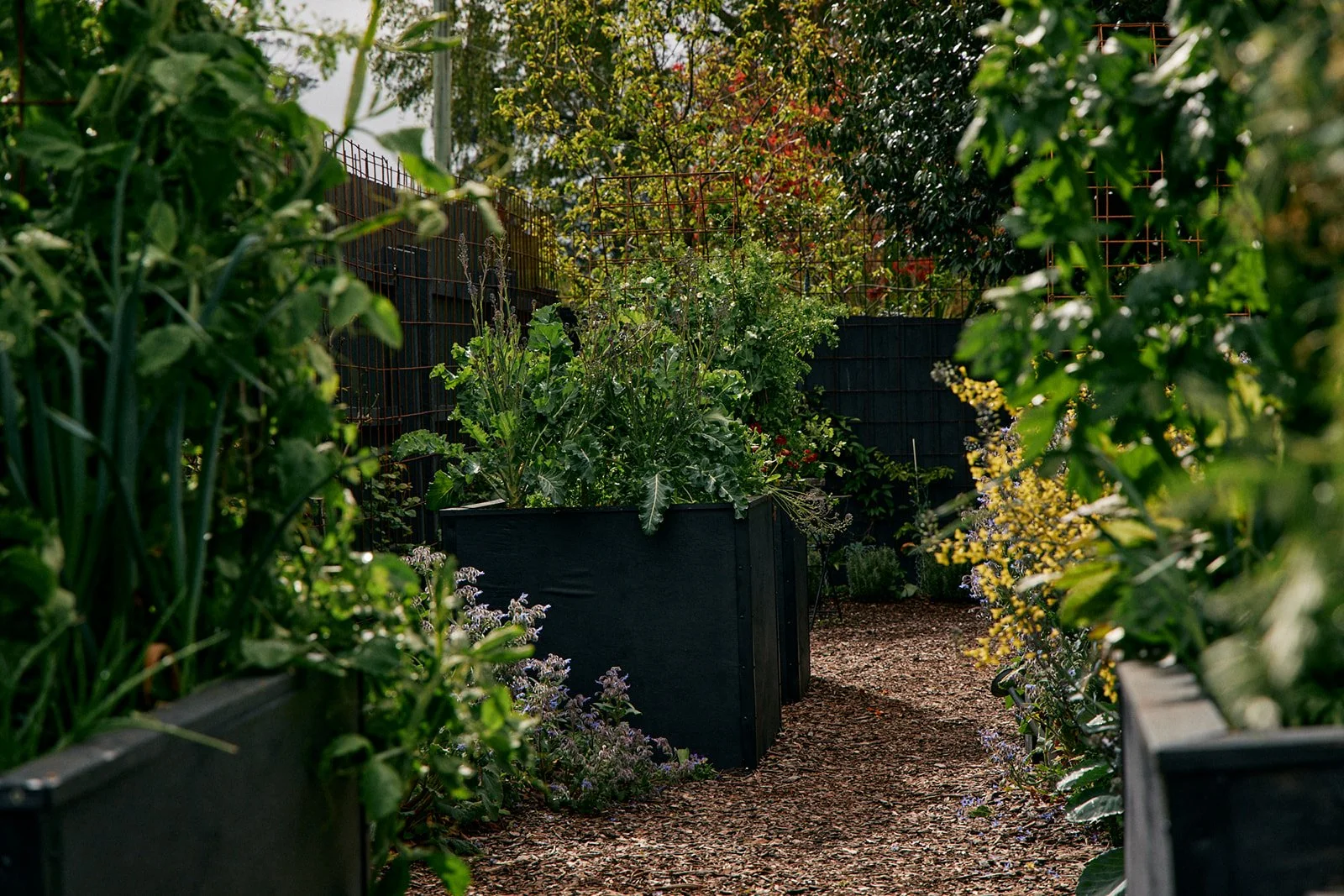
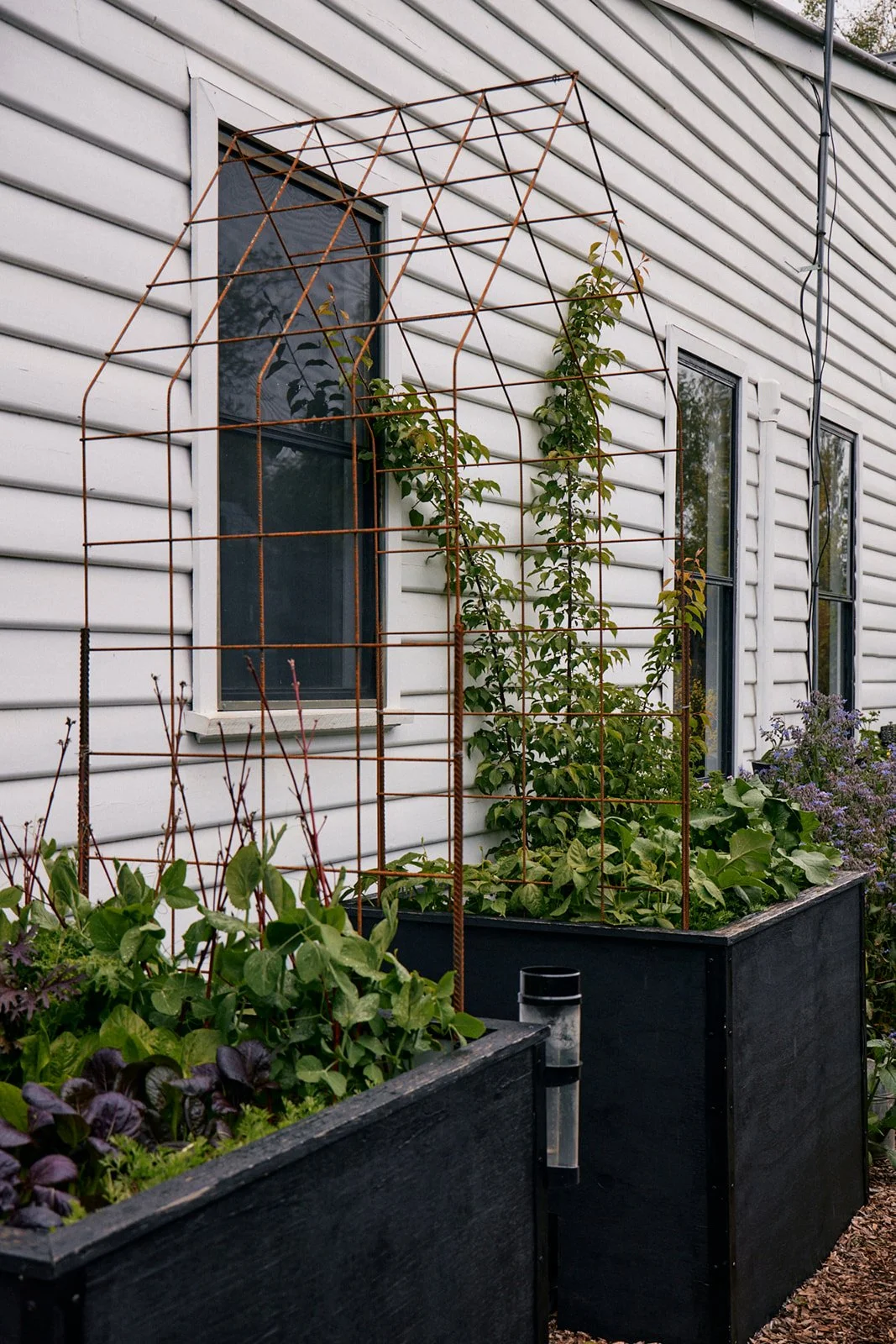
My Quick October Checklist
Walk the whole garden before you buy anything, and see what came through winter and what did not.
Find out your actual last frost date, and plant tender crops after it rather than before.
Plant evergreens and citrus while the weather is still mild, and move any established evergreen now if it needs moving.
Stake, tie and support everything before the October wind does it for you.
Harden off undercover seedlings properly, over seven to ten days of increasing sun and cold.
Thin fruit on apples, pears and stone fruit once you can see what has set.
Divide and move perennials in this last comfortable window before the heat.
Top up mulch while there is still moisture in the soil, and start thinking about water rather than drainage.
Check new growth every few days for aphids, snails, pear and cherry slug and cabbage moth.
Succession sow salad crops in small amounts every two to three weeks.
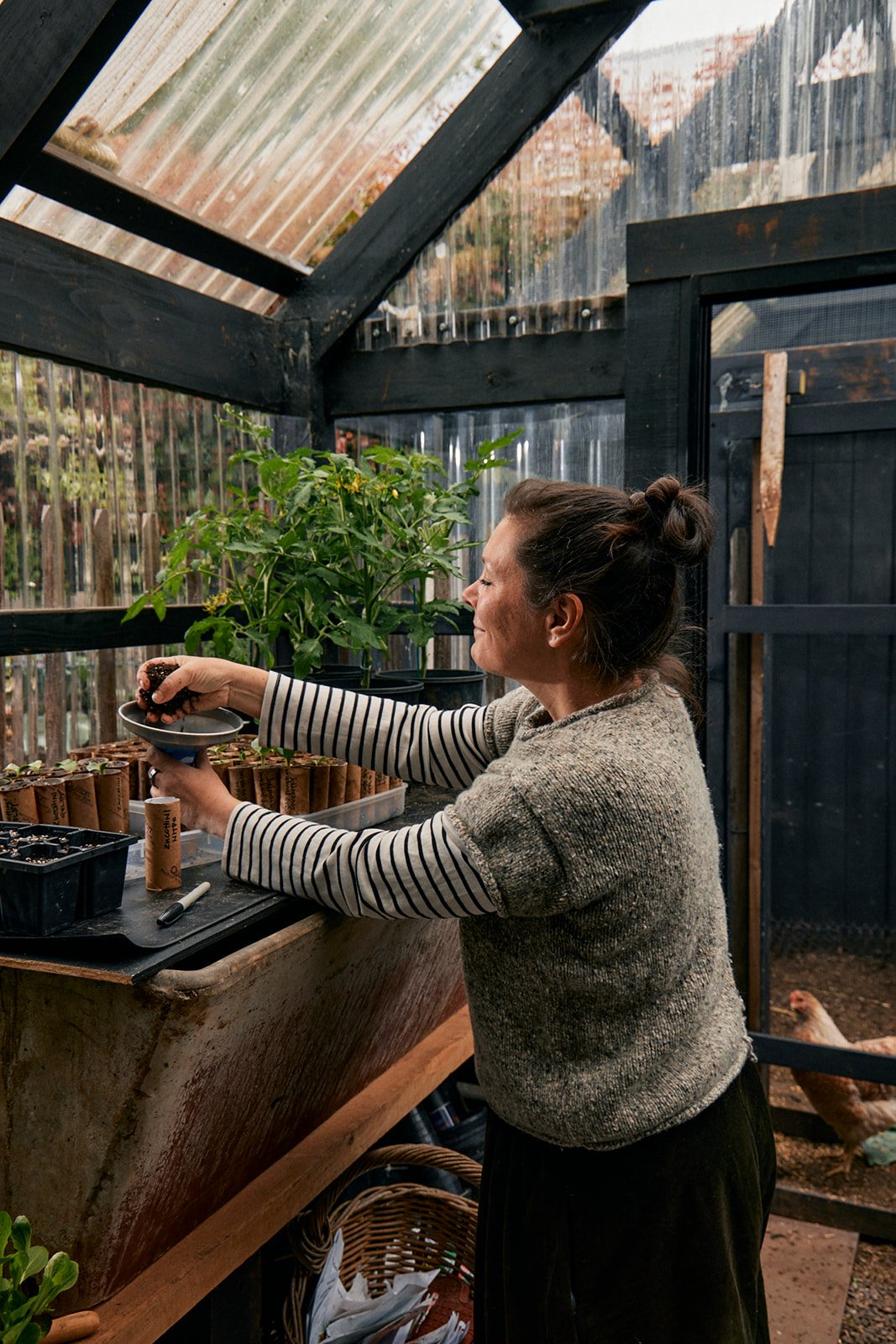
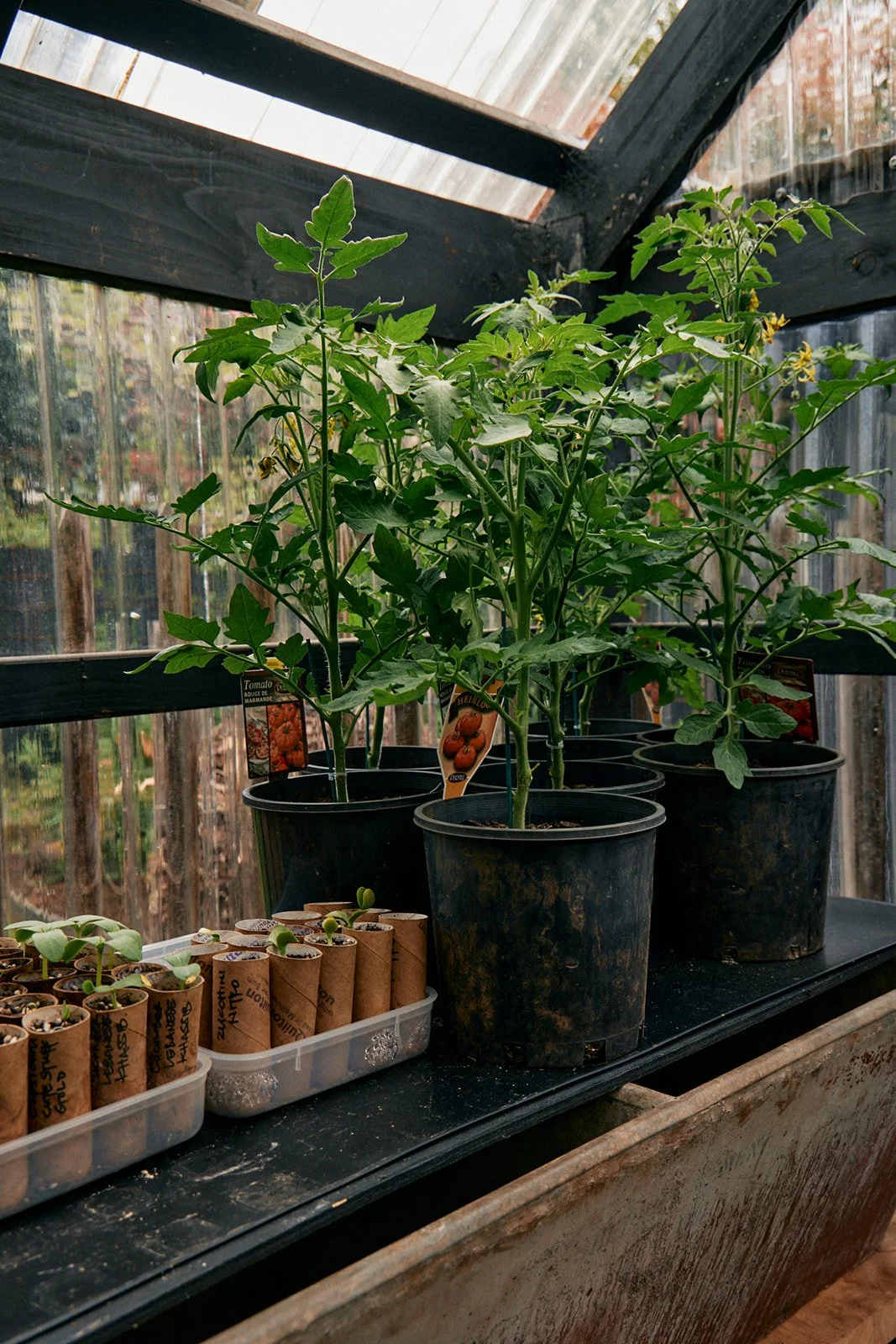
Continue your gardening journey with me
If this way of working with the seasons speaks to how you are thinking about your own garden, my workshops and book share the fuller version of it, with more detail and guidance on garden design, productive growing, soil care and seasonal practice.
The Productive Garden Companion is now available in Australia, the UK and the United States. Thank you to everyone who has bought it, shared it, sent me a photo of it, or come out to an event. More book events are being confirmed, and they are all listed in my newsletter.
The best way to hear about new dates before they go anywhere else is to be on the newsletter list. You can subscribe here. Newsletter subscribers get the first look at every new event, alongside seasonal notes from the garden, workshop updates, and practical ideas for growing beauty and abundance wherever you are.
If you are building your garden at home right now, my eBooks on Wicking Bed Gardens, Introduction to Backyard Chicken Keeping and Compost for Beautiful Productive Gardens offer practical guidance that pairs well with this seasonal work.
You may want to check out my related content below:
October Garden Tasks for Australian Climates 2025
Rooted in reflection, growing with intention
Design Toolkit Series: Mowing as a Design Gesture
Stay connected for more seasonal inspiration:
Instagram | Facebook | Substack | Gardenstead | LinkedIn | Pinterest | YouTube | Website | Newsletter
Thanks so much for following along.
Natasha xx