
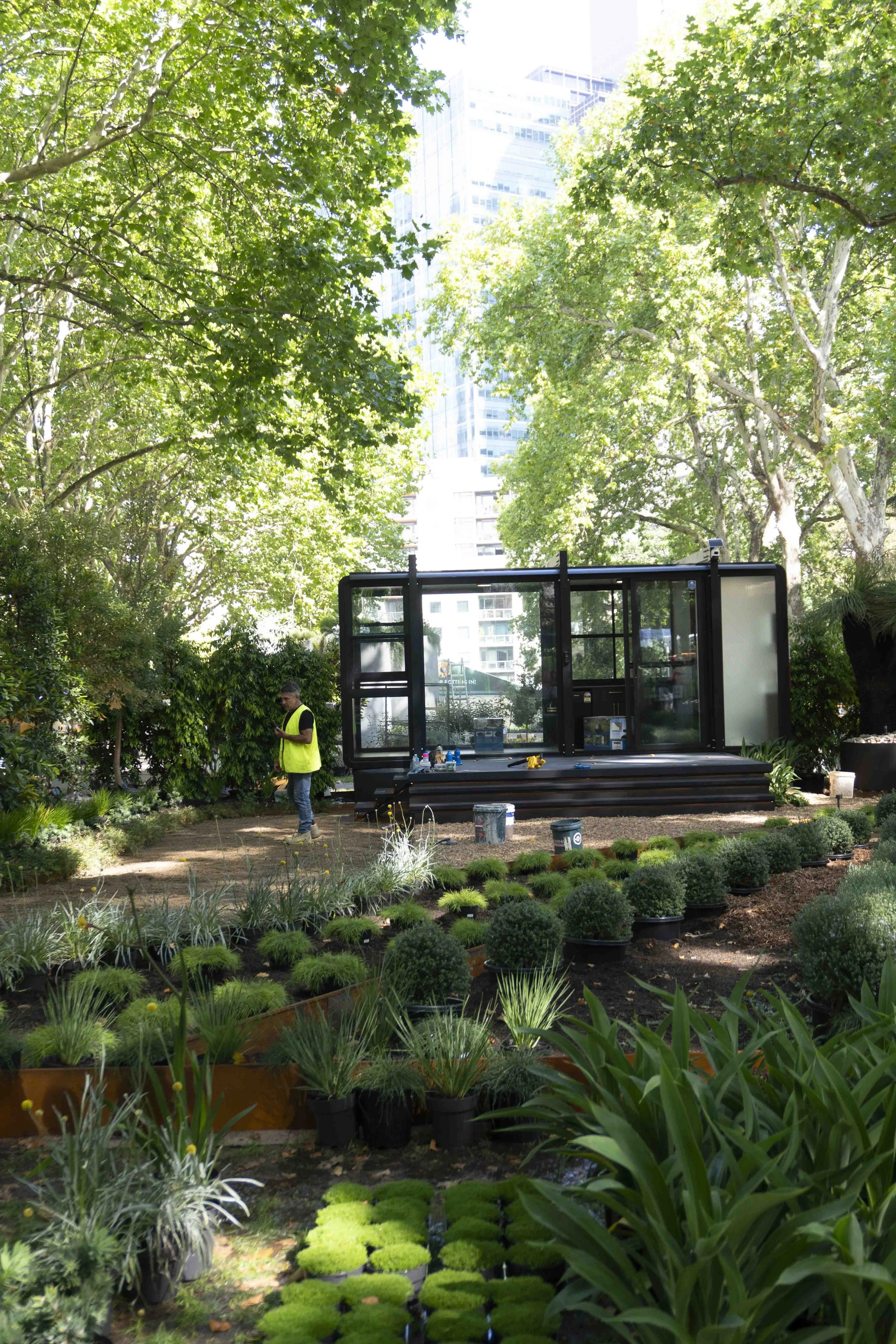
A rare chance to walk the gardens before the crowds
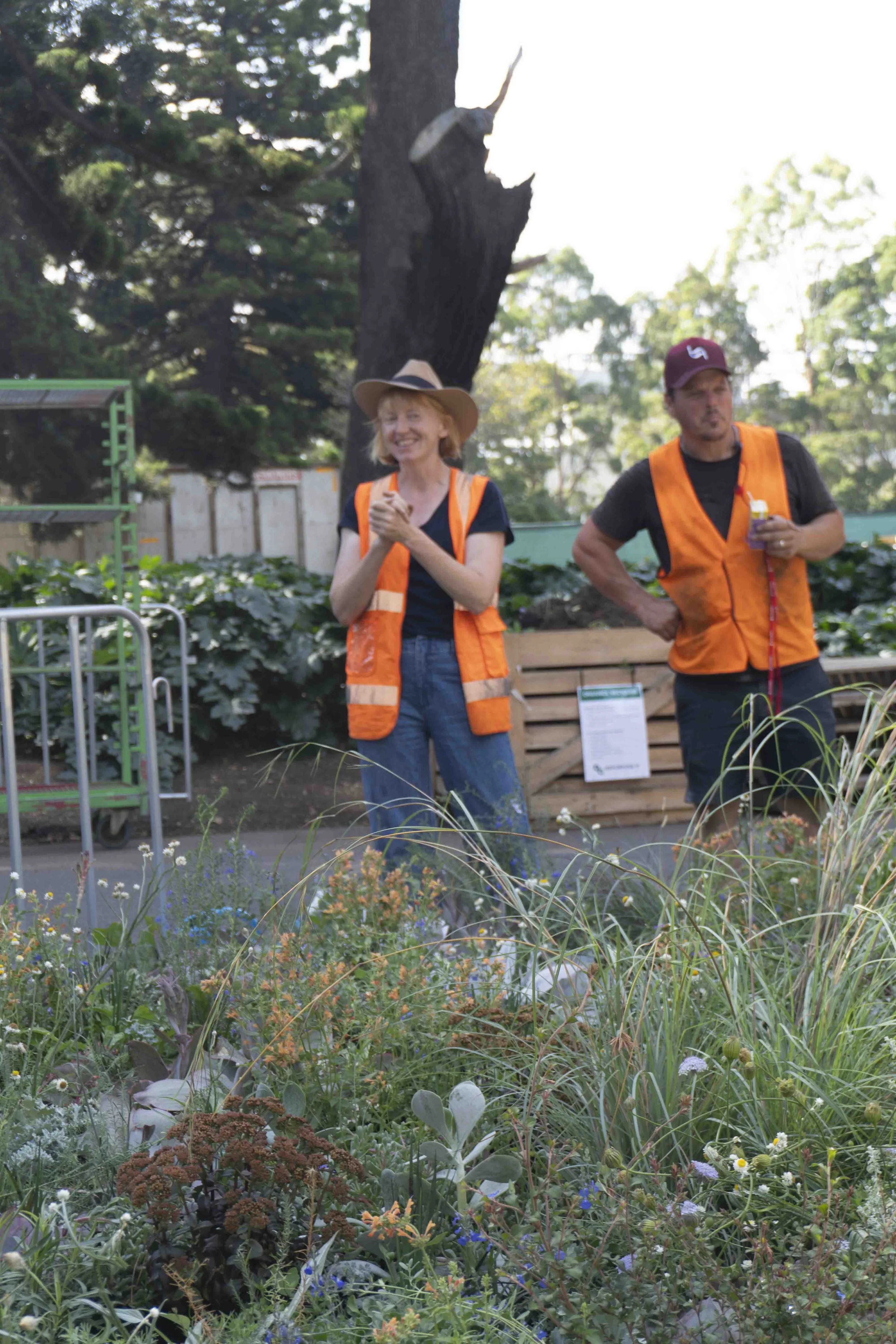
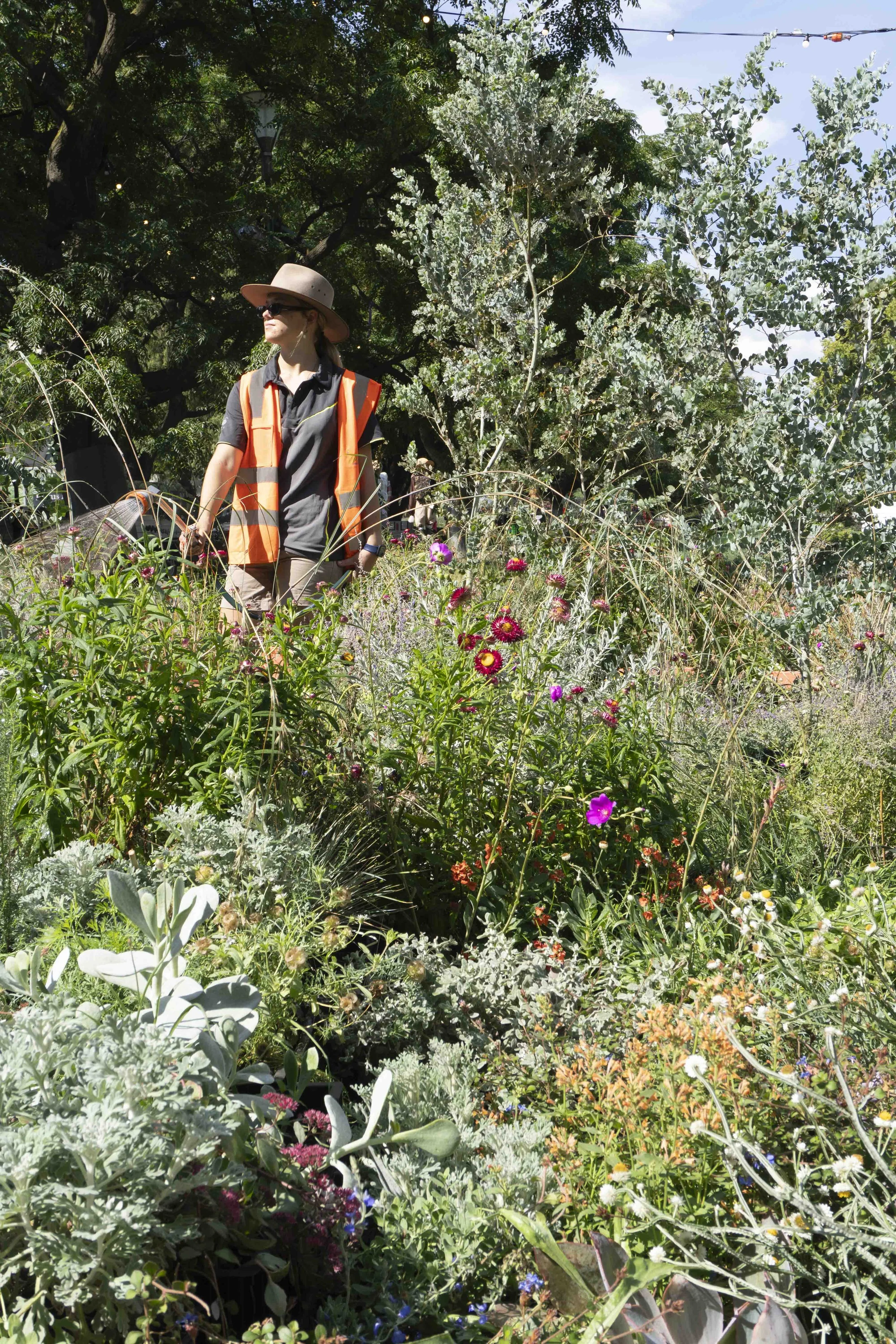
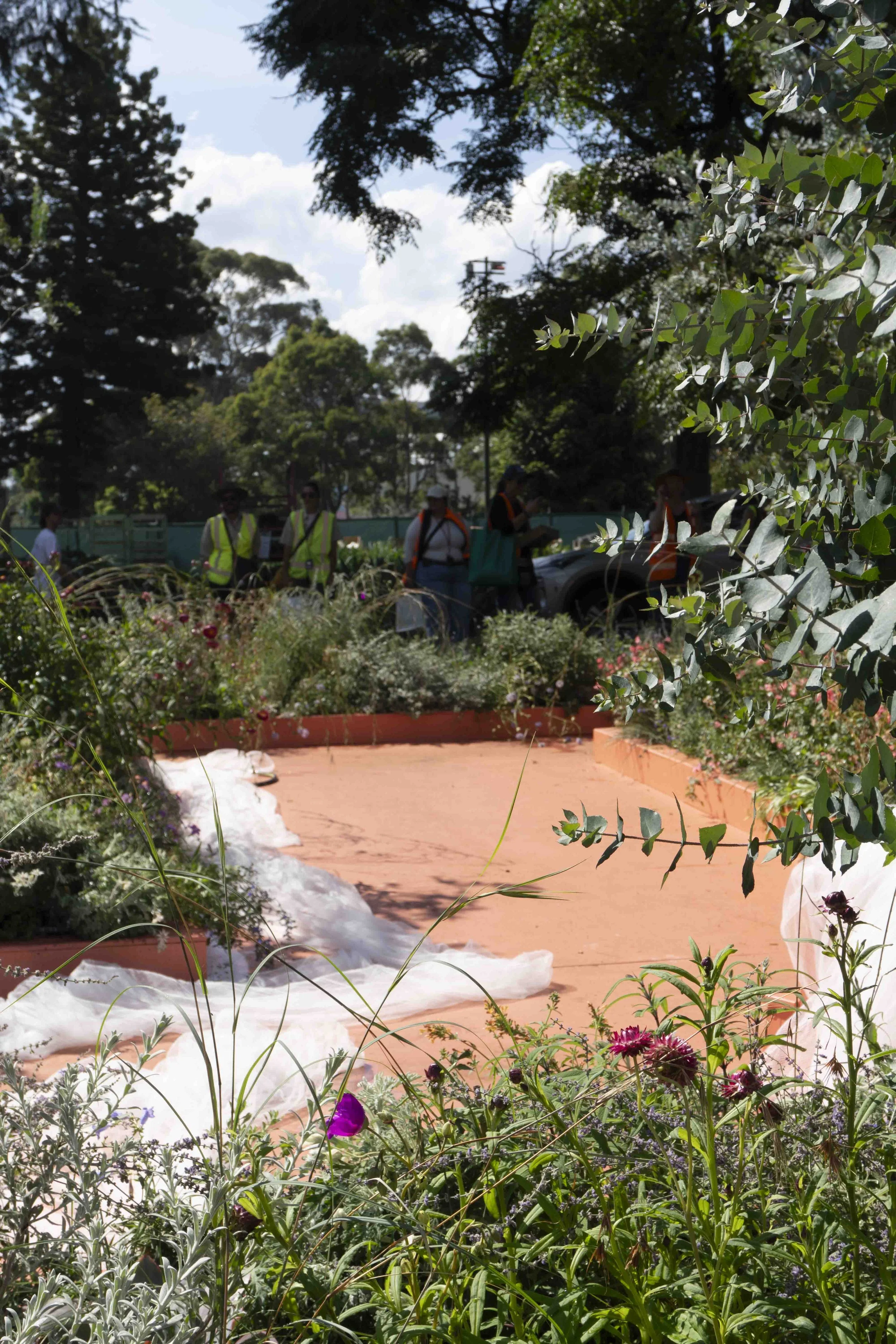
Yesterday I was invited to the Melbourne International Flower and Garden Show for a beautiful sneak peek ahead of opening day, thanks to Lisa McCann and Garden Centres of Australia. It was a rare chance to walk the gardens before the crowds, to hear directly from the people behind them, and to take in the extraordinary amount of thinking, labour and collaboration that sits behind a show of this scale. The 2026 show runs from Wednesday 25 March to Sunday 29 March at the Royal Exhibition Building and Carlton Gardens.
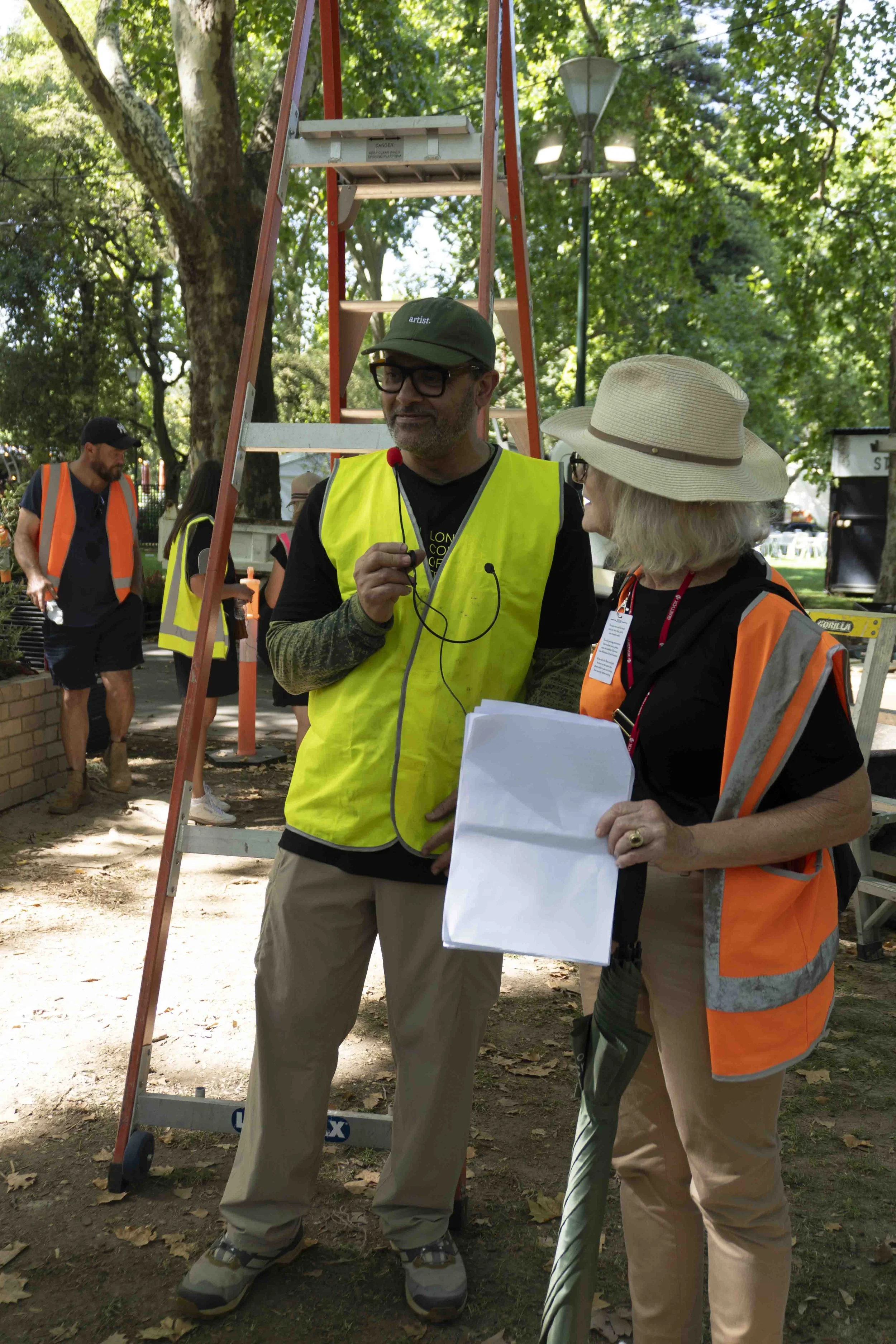
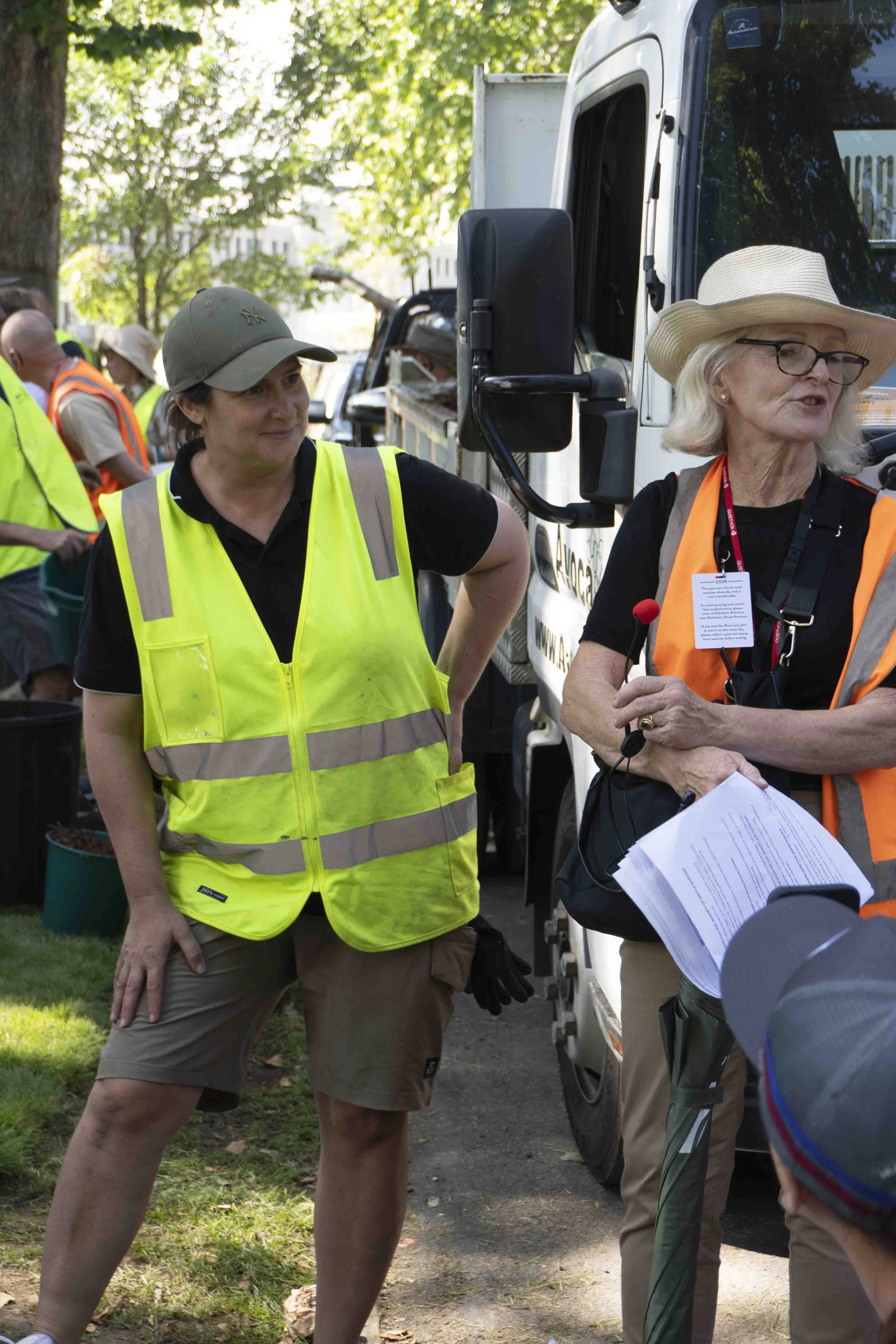
One of the great gifts of the afternoon was being guided by both Teena Crawford and Dan Foreman. Teena brought deep horticultural knowledge, historical context and the kind of project-by-project insight that only comes from decades in the industry. Dan, meanwhile, carried the group forward with such energy and enthusiasm. Together, they made it an incredible afternoon.
Teena’s expertise is considerable; a horticulturist with more than 40 years of professional experience. She is also a judge at the Melbourne International Flower and Garden Show. Teena has generously shared her insights for this article. Thanks Teena!
The afternoon moved us through an extraordinary cross section of the show. We began with the history of the Exhibition Building, then moved through the major show gardens with Teena, before continuing on with Dan through Achievable Gardens, Jamie Durie’s garden, small-space competitions, Indigenous and Beyond Blue Wellness Gardens, Boutique Gardens and more. It was an ambitious and generous program, and it offered such a strong sense of the breadth of MIFGS in 2026. Thank you Lisa Mc Cann of Garden Centres of Australia for such an incredible lineup!
Reading the show through the gardens
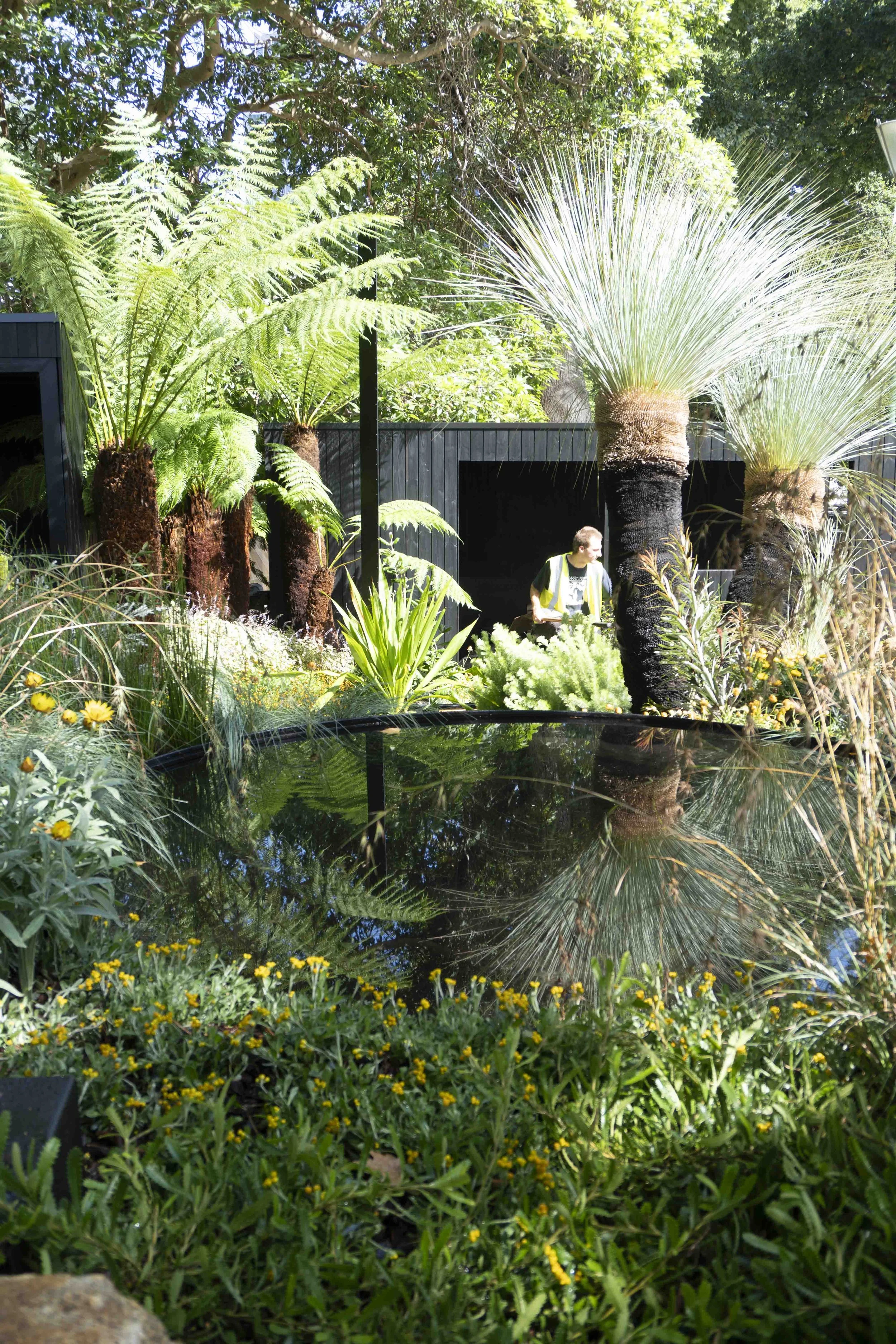
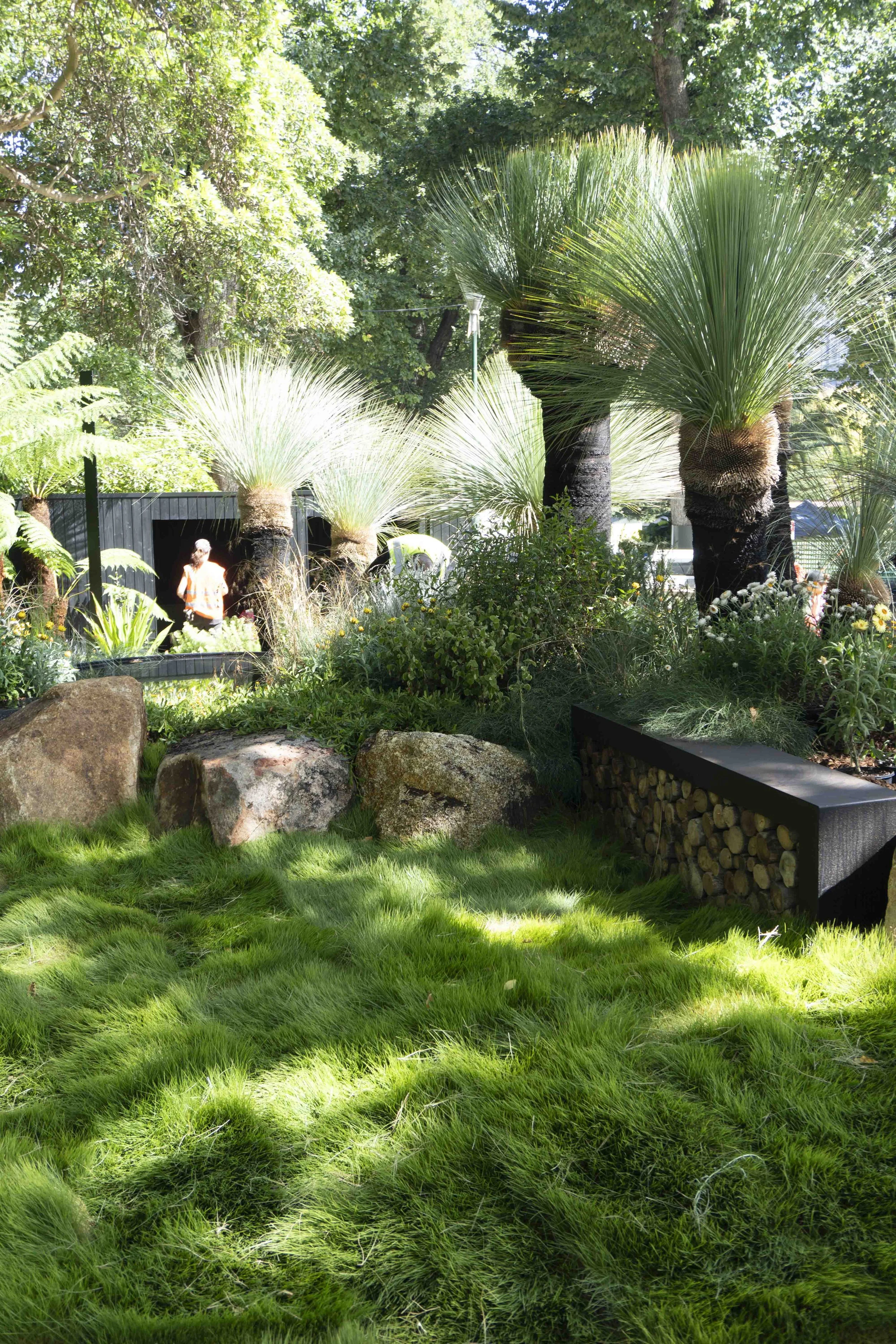
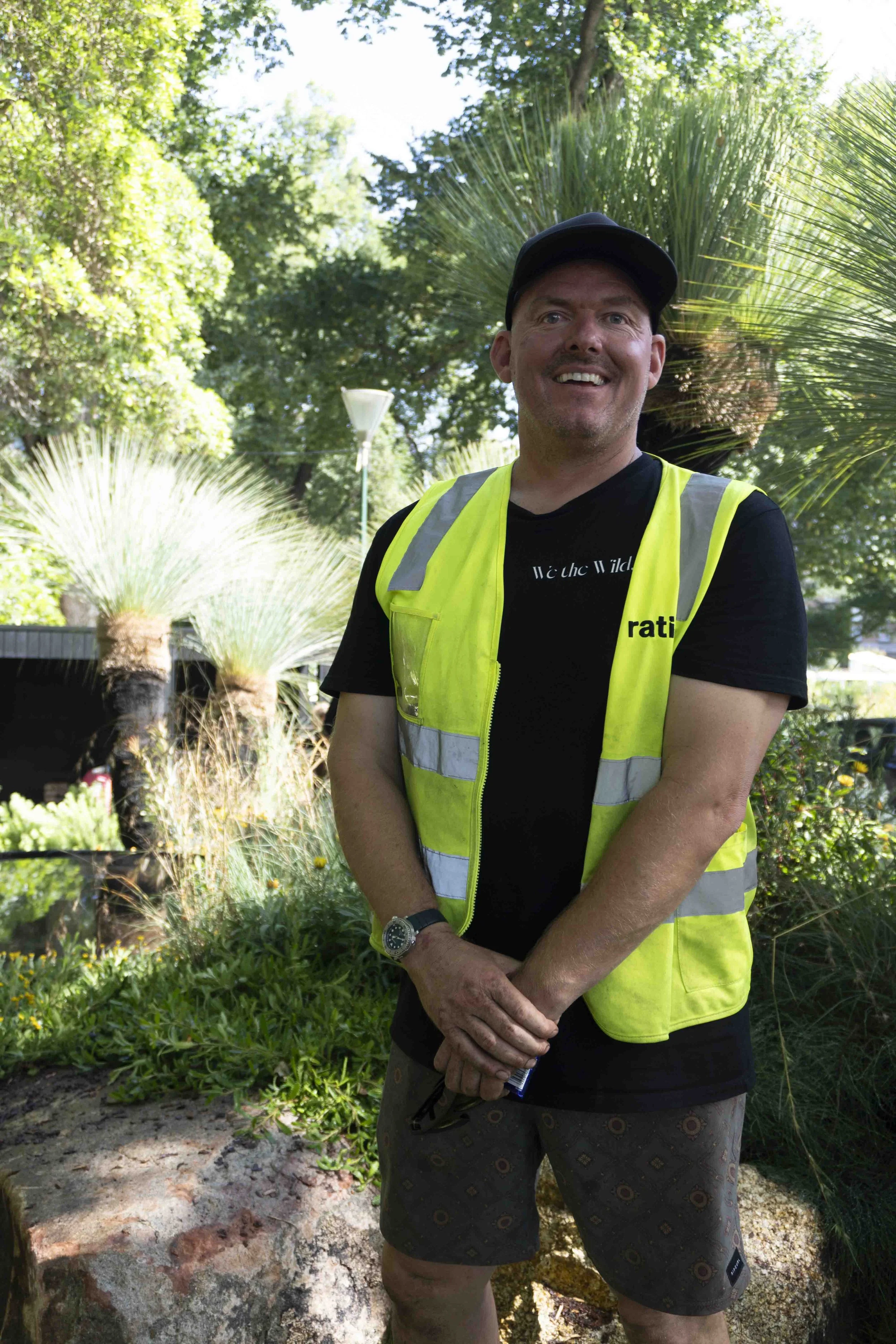
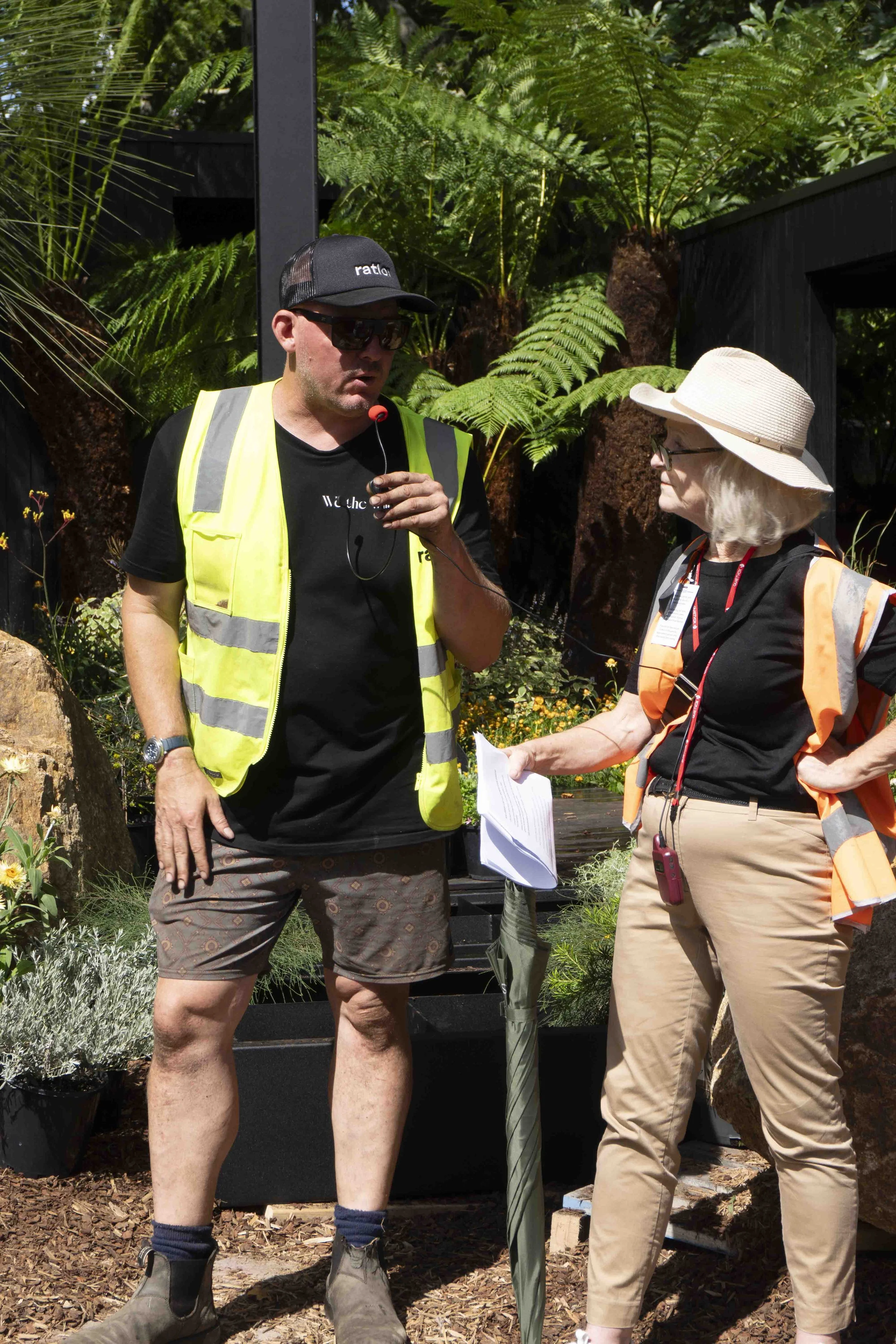
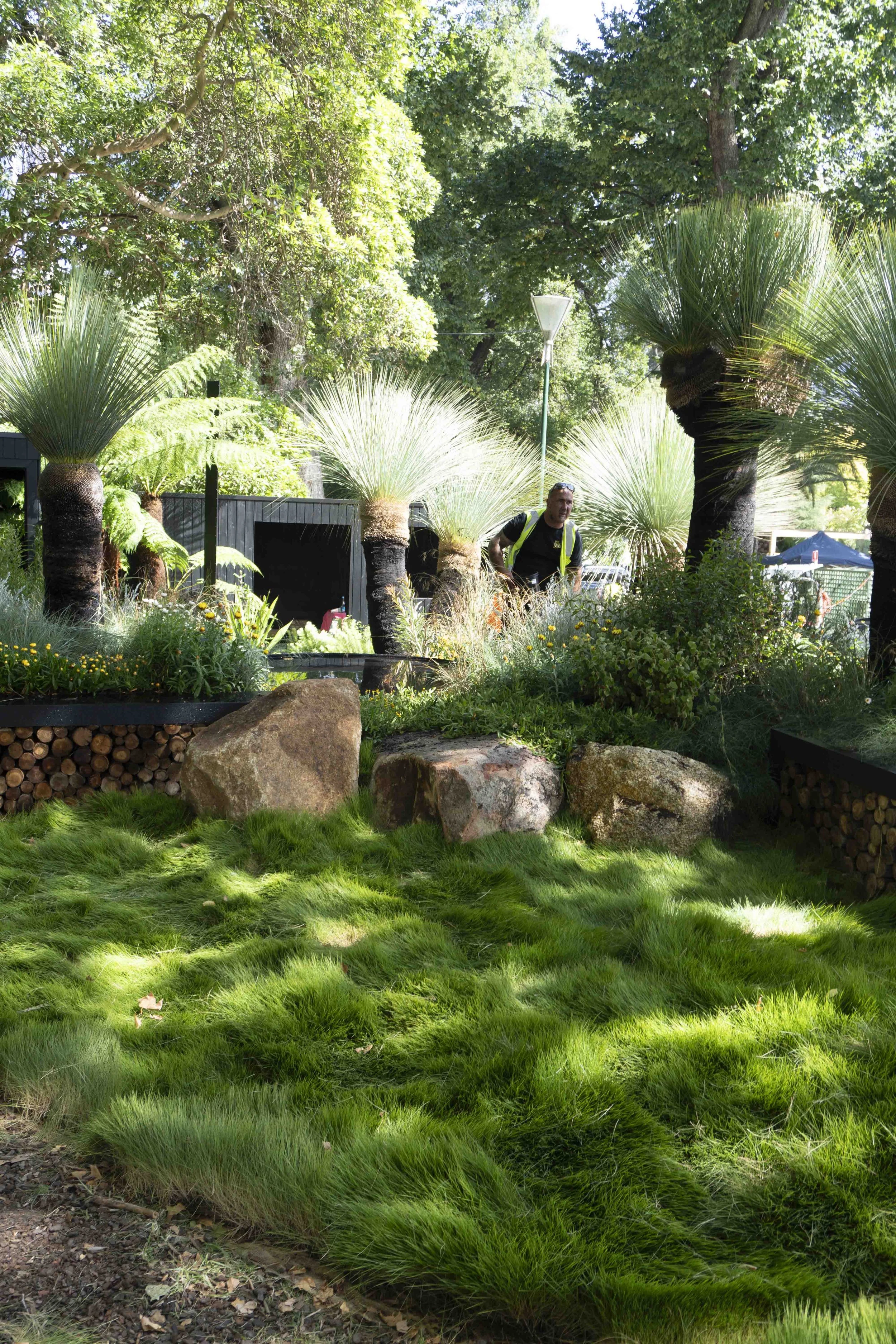
One of the gardens I was especially pleased to spend time with was We the Wild by Matt York of Ratio. Matt’s garden draws on the rugged beauty of Victoria’s southern coastline and translates it into a compact, immersive space. It brings together sculptural native planting, granite outcrops, seasonal meadow effects and a multifunctional wet ledge, with plant support from Kuranga Native Nursery, Surf Coast Palms and Proven Winners. What struck me most was that it did not rely on scale to create impact. It showed how a tightly considered space can still hold atmosphere, biodiversity and a strong sense of place. That feels especially relevant right now, when so many people are gardening on smaller suburban blocks, town gardens and compact urban sites.
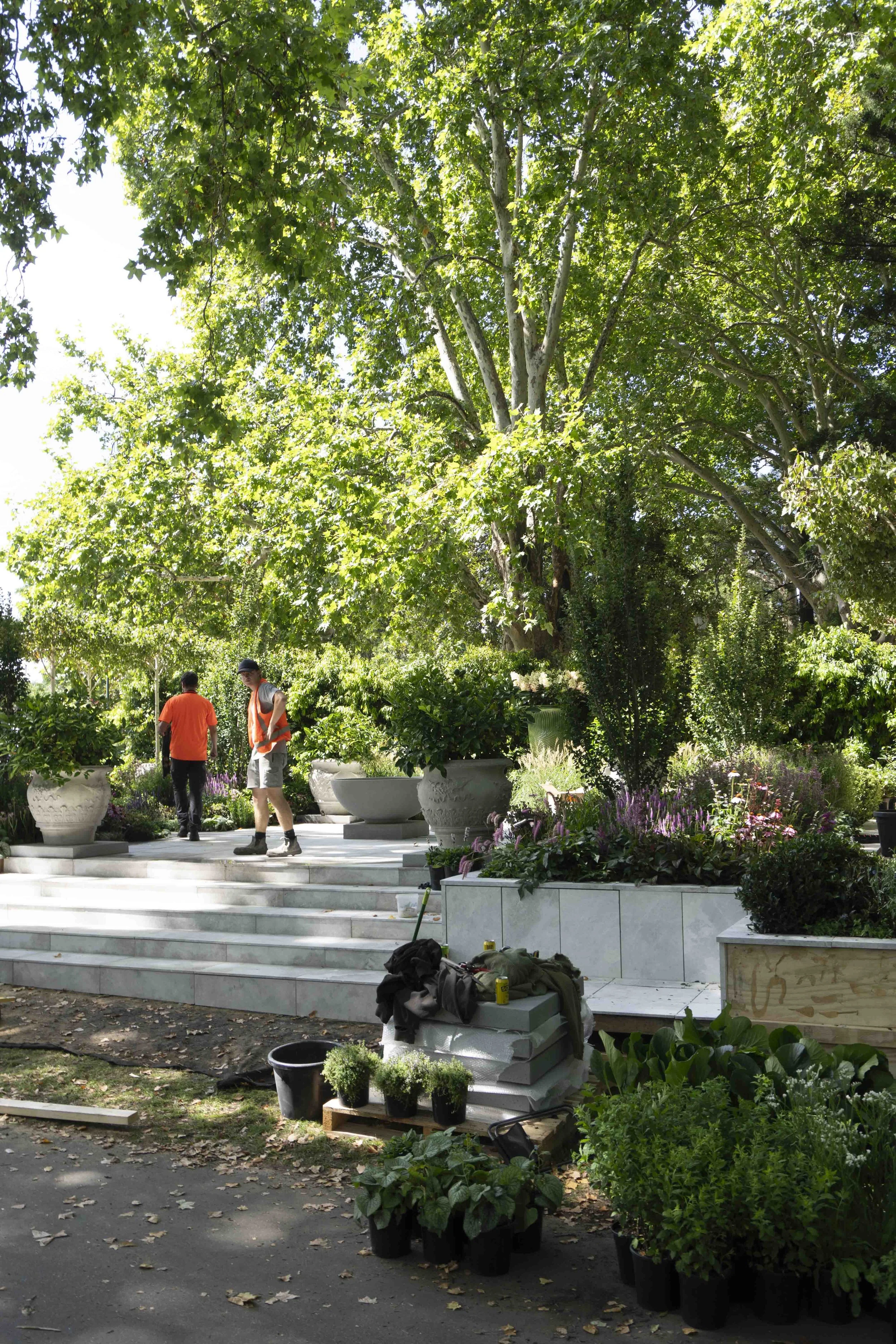
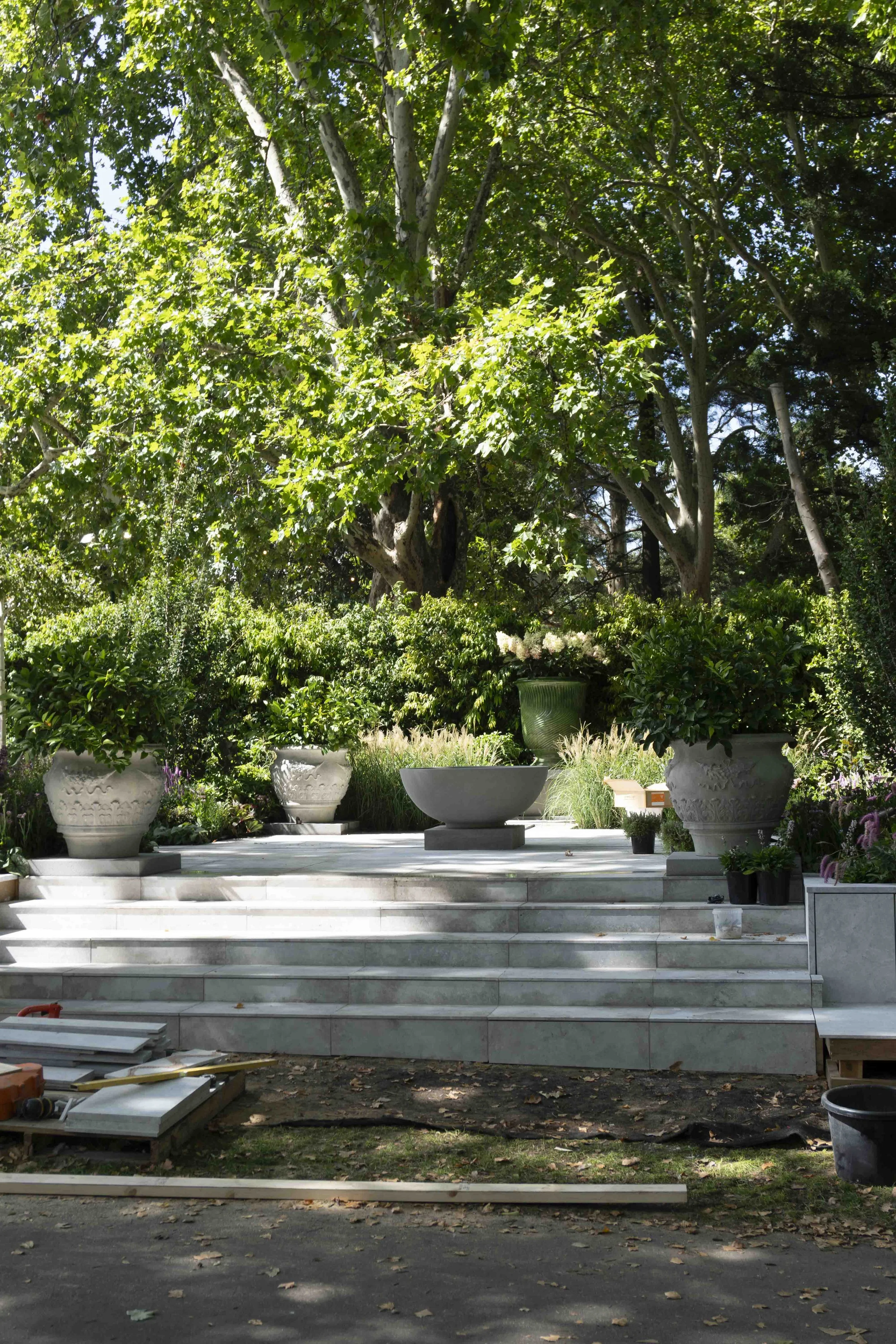
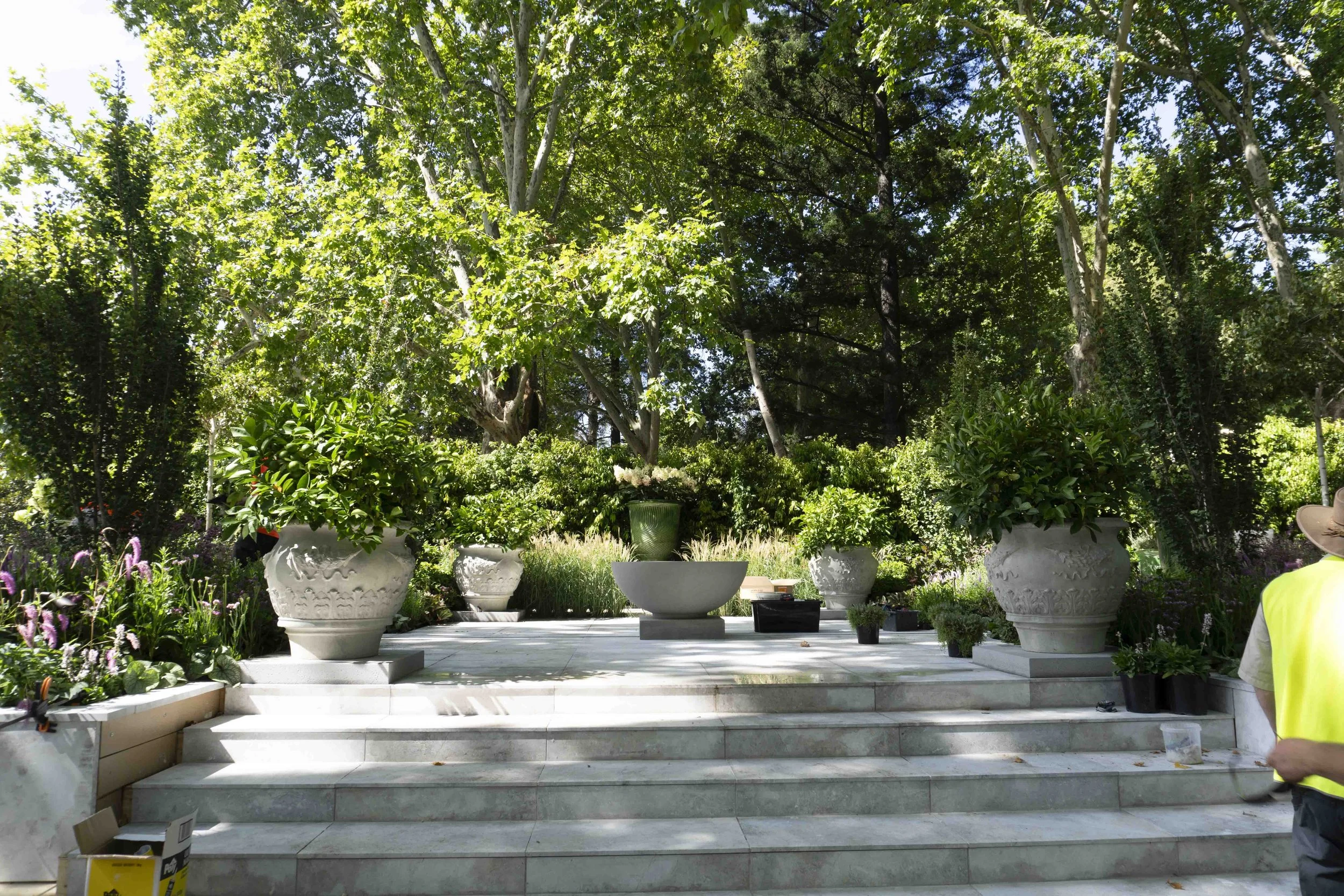
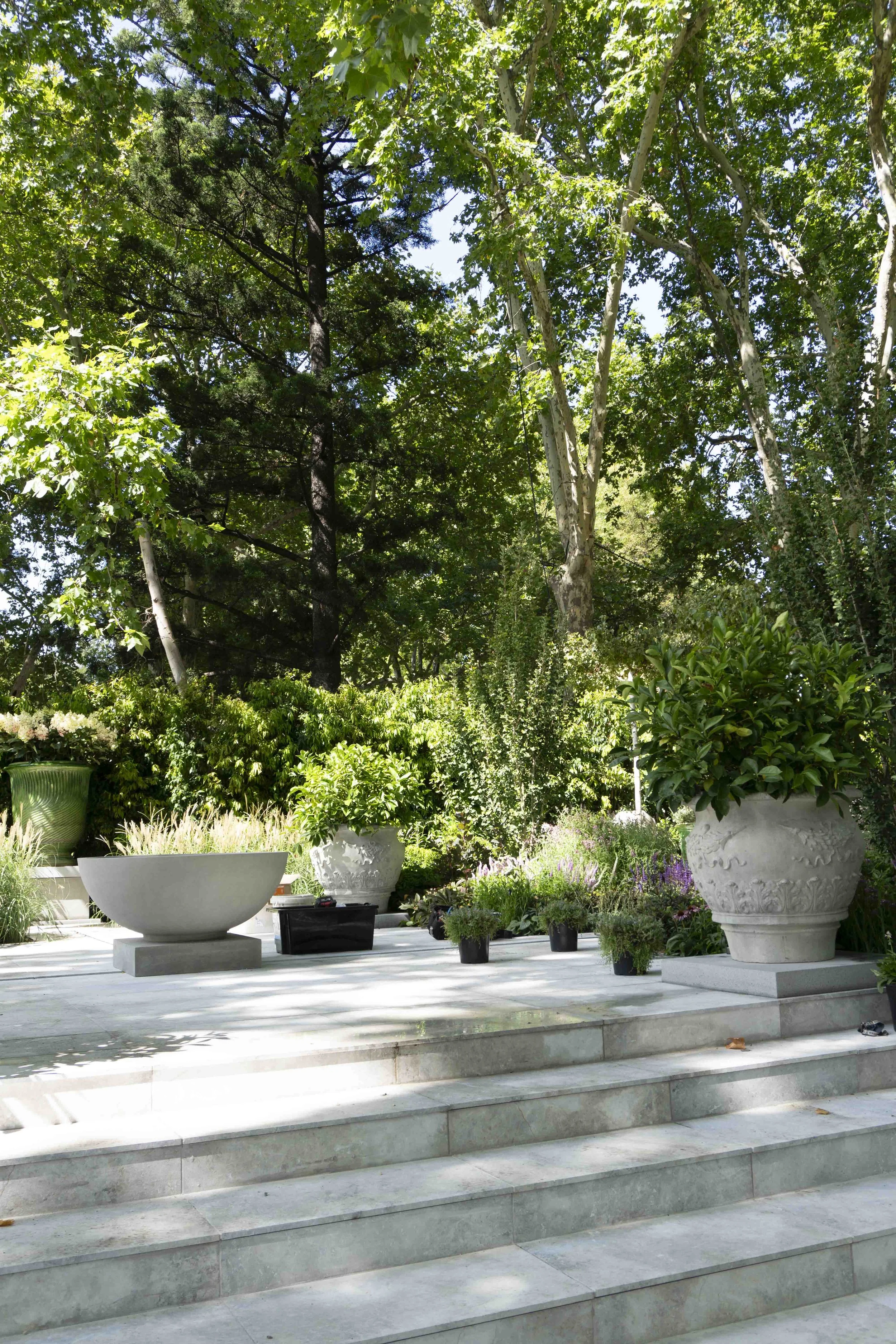
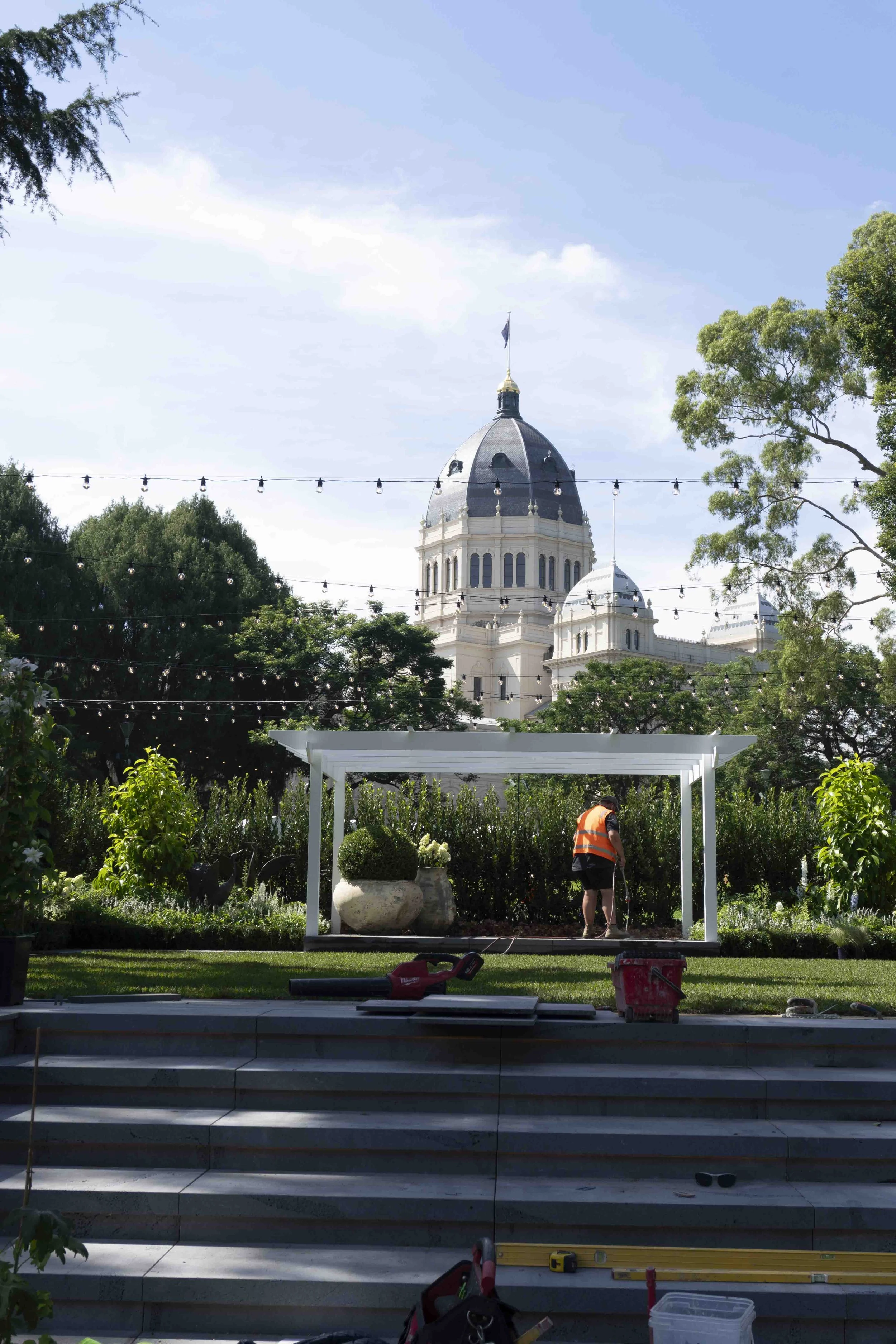
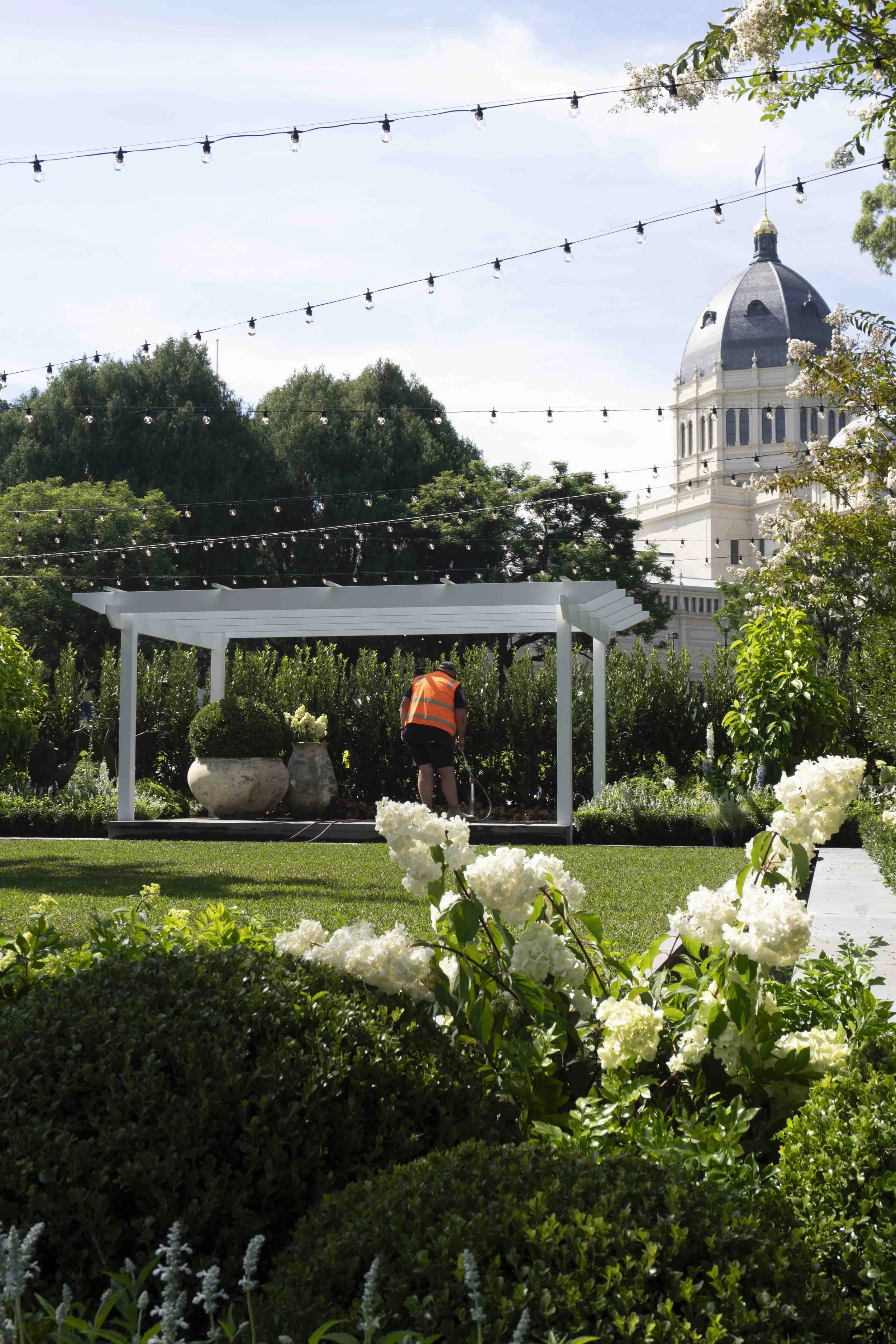
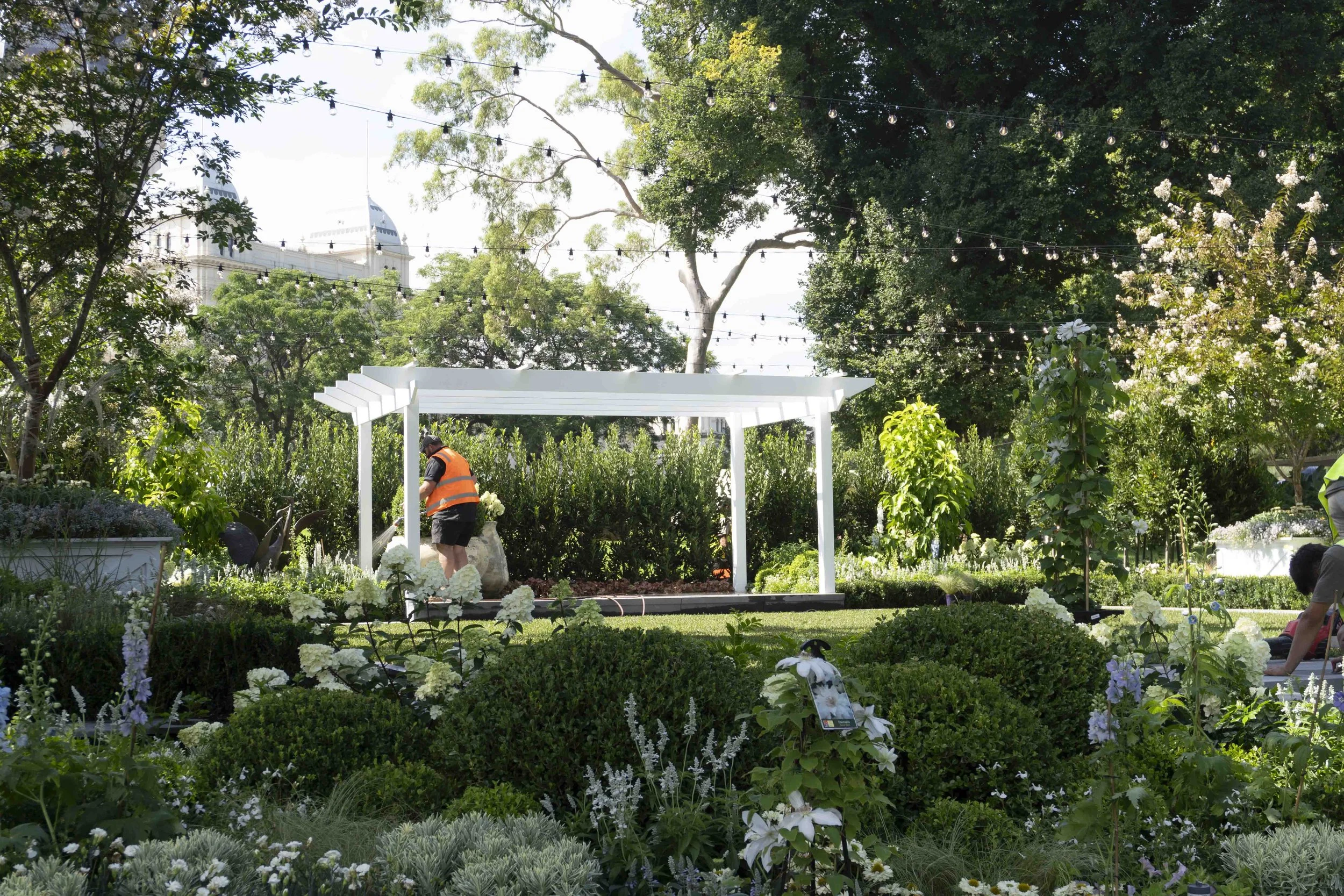
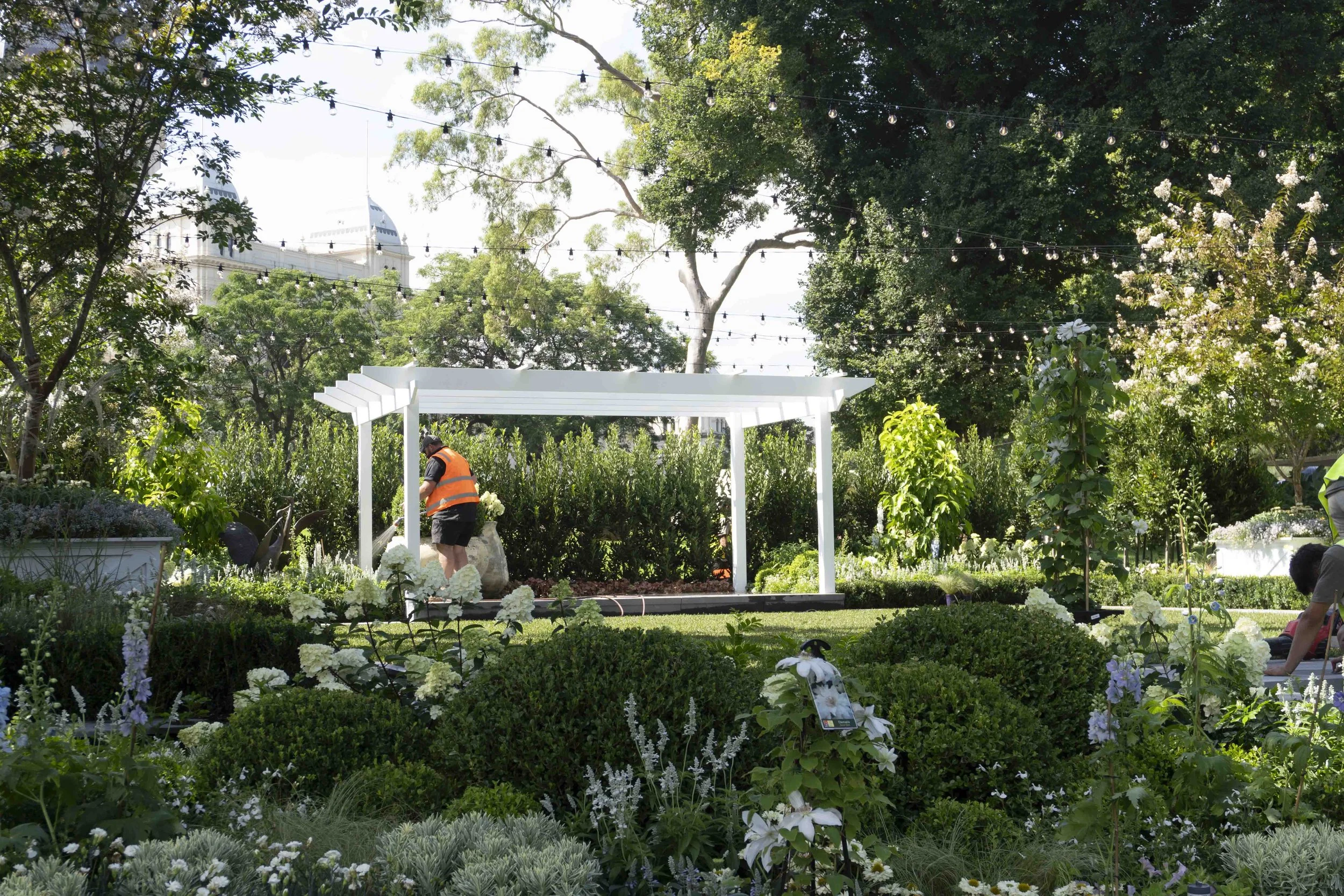
We also visited Urban Luxe by Andrew Stark, built with MPF Garden Company and supported by Warners Nurseries. This garden leans into symmetry, structure and layered planting, with a distinctly European influence. There was a clarity to it that I admired. It reminded me that formal structure still has enormous power when it is well resolved and well planted. In a show full of movement, narrative and mood, it held its ground through precision.
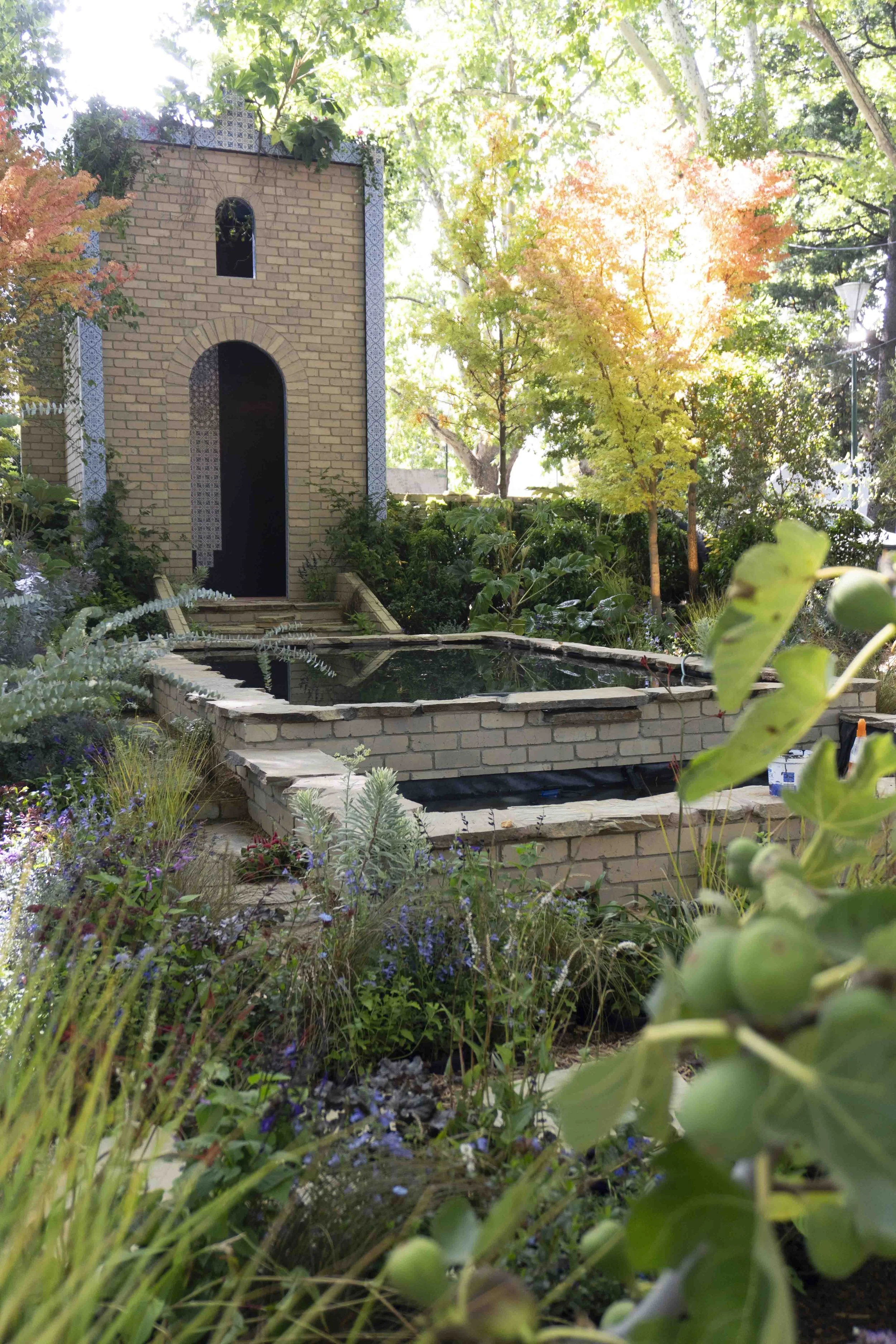
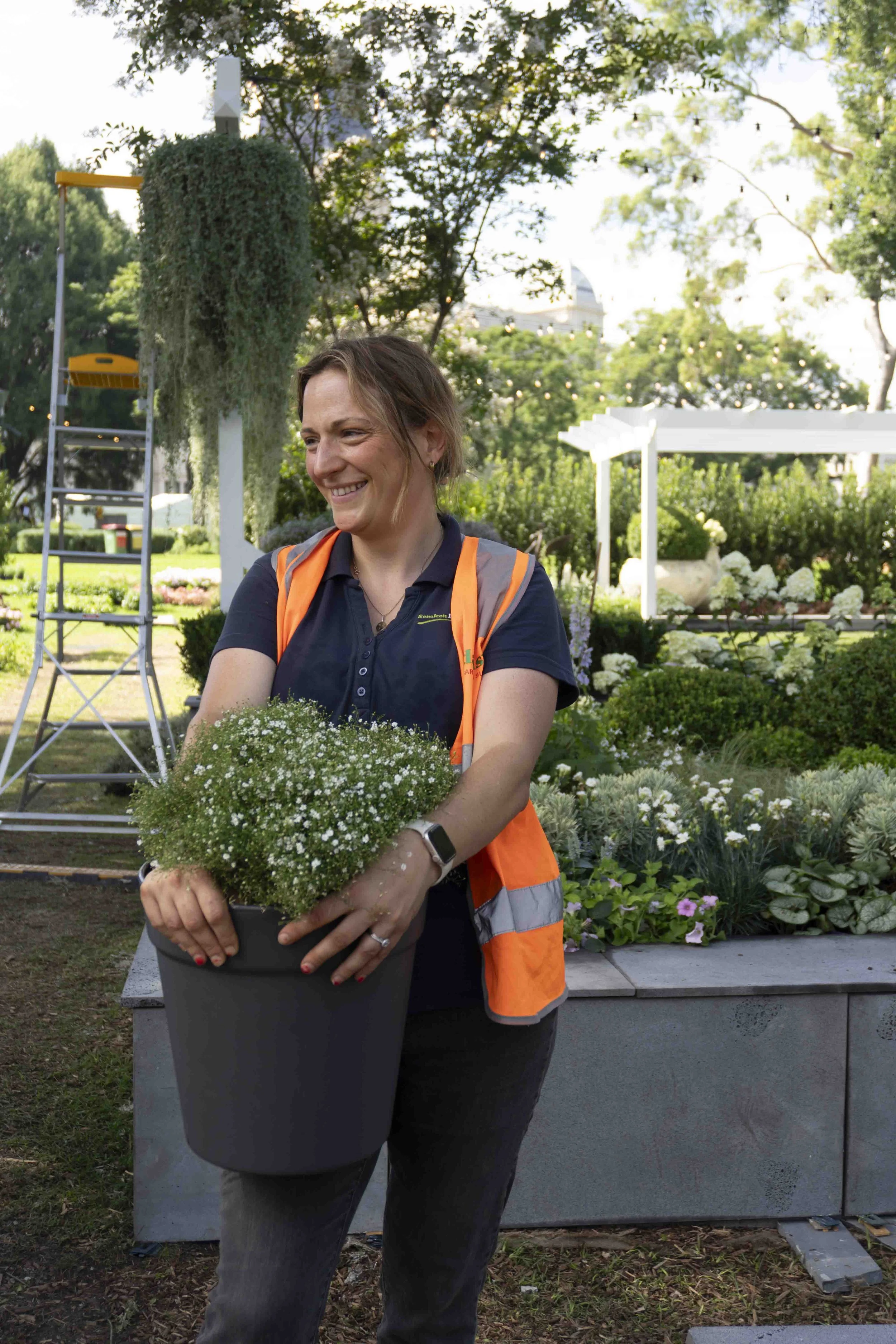
Echoes of the Ancient Silk Road by Iftikhar Ahmed, constructed by Semken Landscaping, brought a very different scheme. A garden inspired by Iftikhar’s recent travels through Uzbekistan, with semi-ruined architecture, reflective water and an atmosphere of reflection and wonder. It was one of the gardens that most clearly demonstrated how landscape can hold narrative without becoming literal.
Joel Barnett’s je ne sais quoi brought a welcome shift in tone. Built by The Landscaping School, it uses expressive curves, circular forms and playful seating moments to create a garden with personality and movement. It felt lively and confident, and it was a reminder that gardens can be serious in their design resolution without becoming overly restrained.
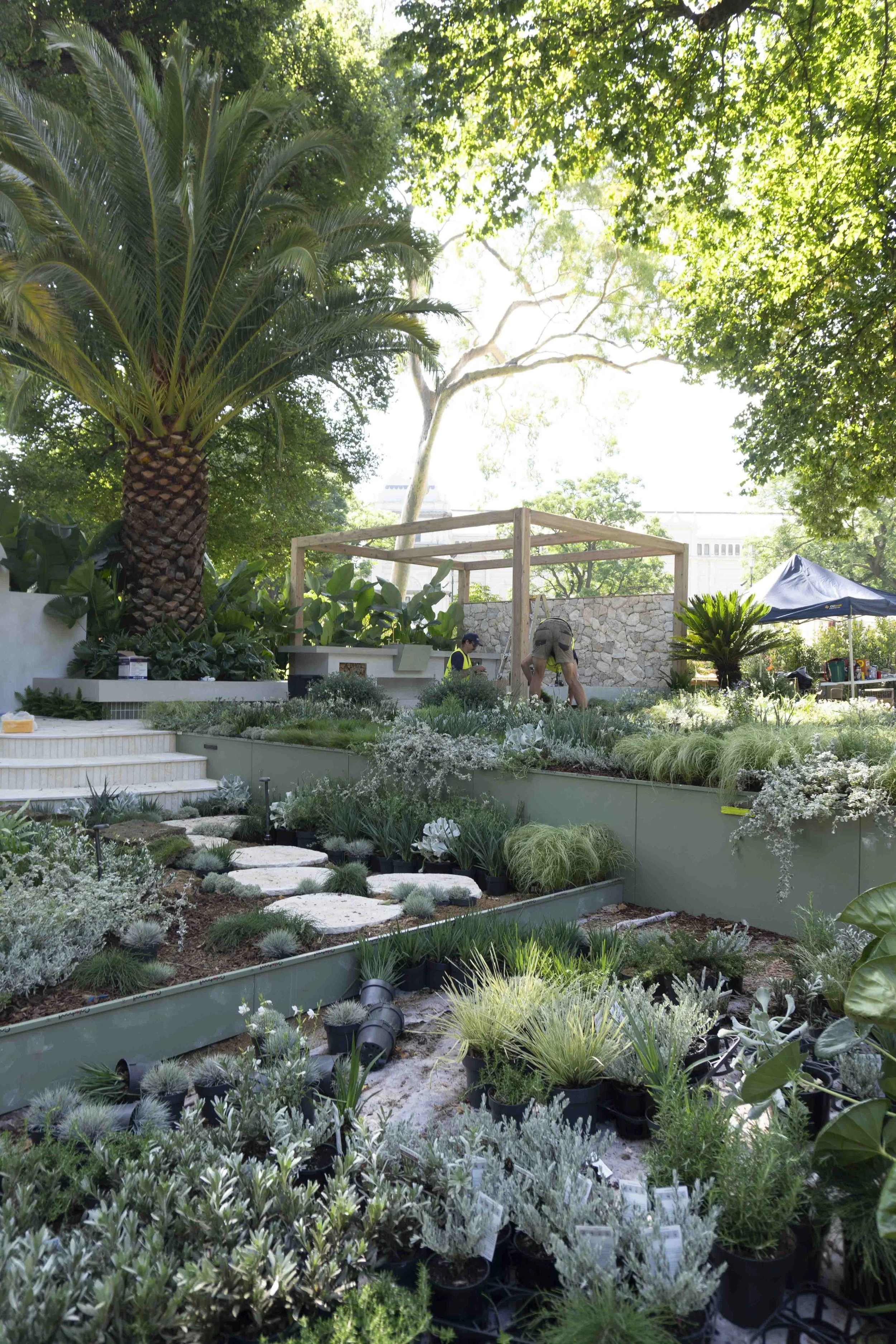
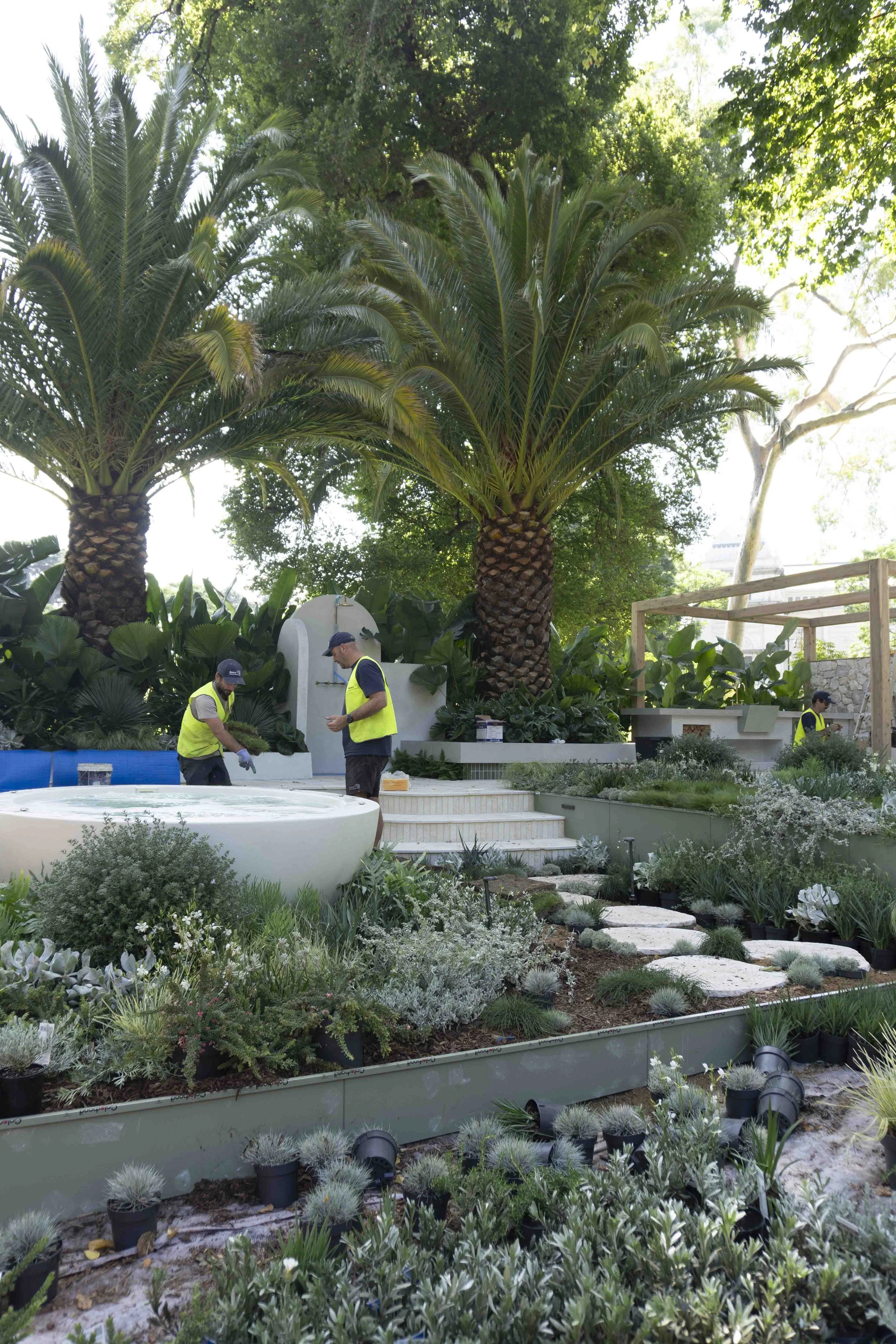
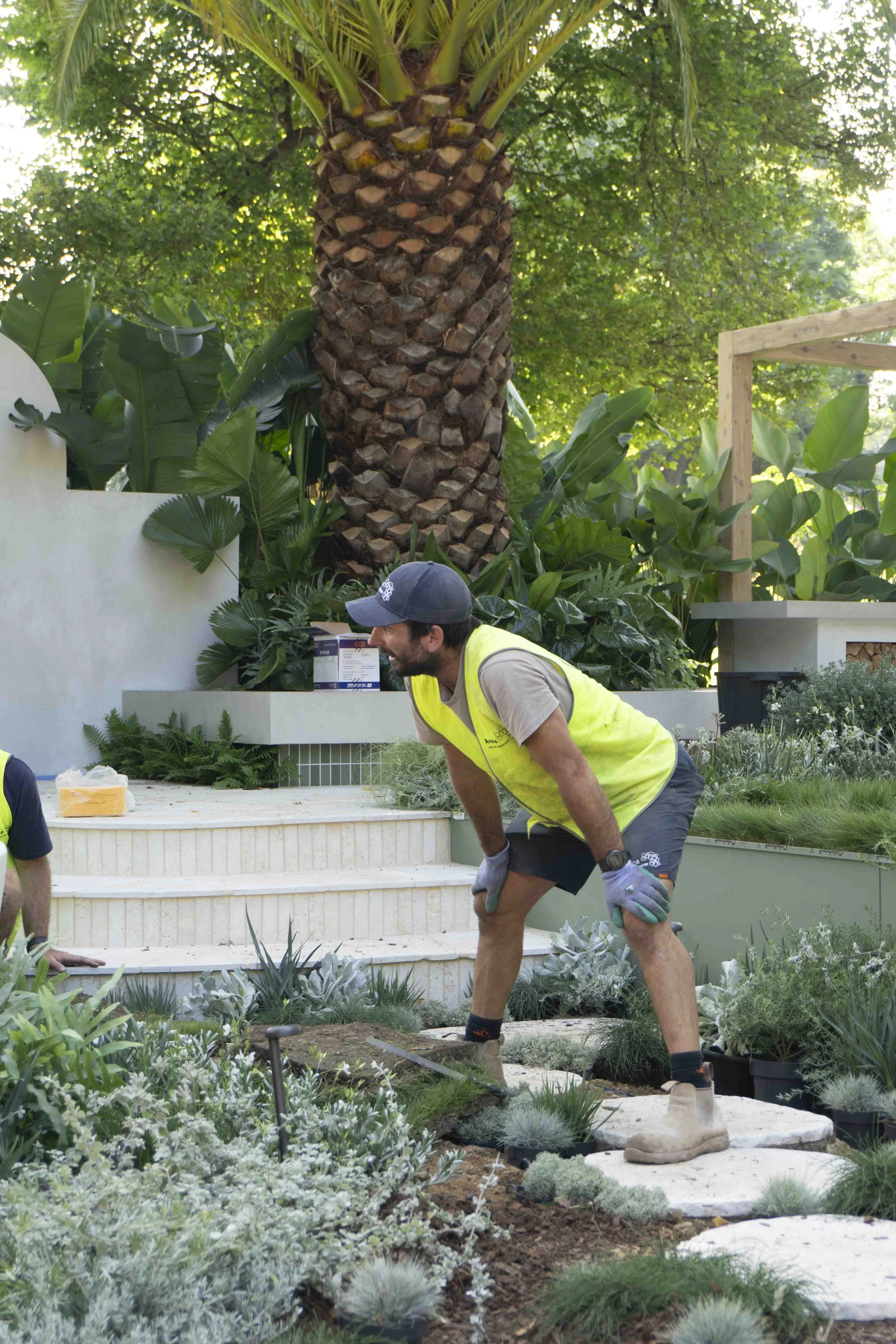
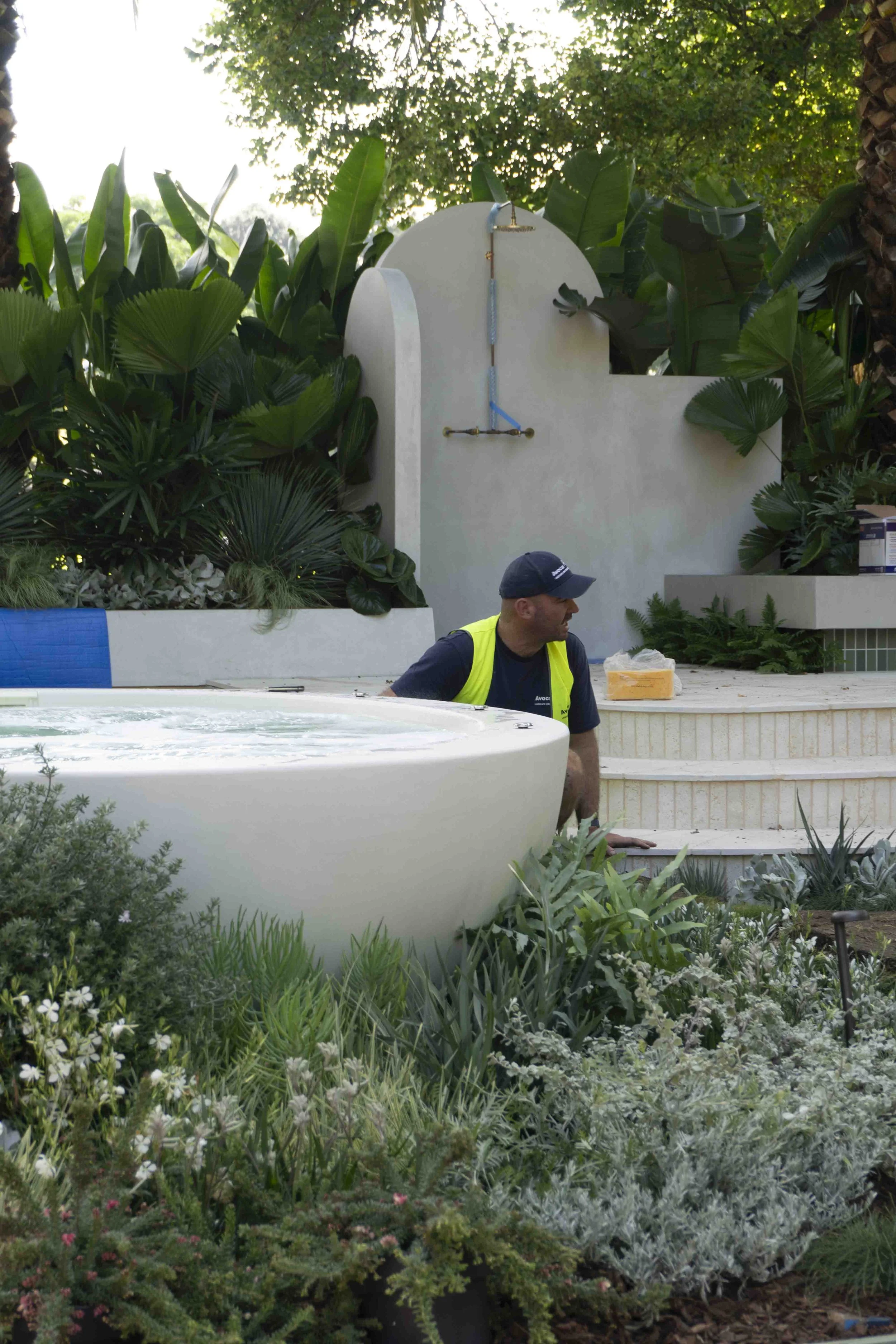
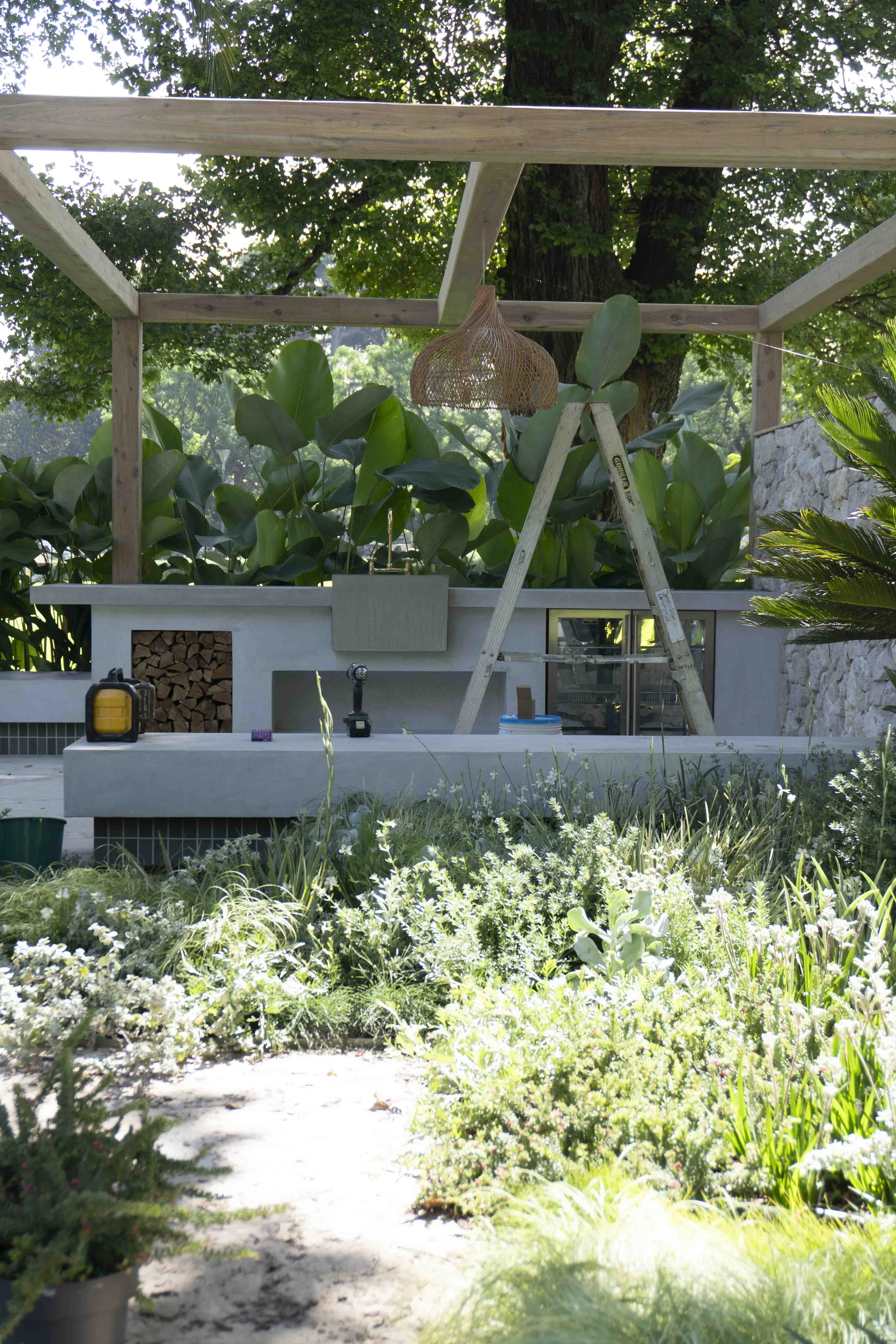
Emma Doman’s Where We Gather, built by Avoca Landscape Construction, offered another distinct mood altogether. It was softer and subtropical in tone, shaped around outdoor living, gathering and sensory calm. Featuring a spa, curved seating, an outdoor shower and layered planting that draws from Queensland family life. It was clearly designed around experience, and that emphasis on how a garden is inhabited is something I respond to in my own garden.
Jason Hodges’ Love Blooms Here, constructed by Semken Landscaping, will no doubt capture plenty of public attention, and for good reason. The garden has been designed as the setting for a real wedding during the show, for Dean, a long-time Semken team member, and his partner Tayla. Their daughter Bloom inspired the garden’s name. That story gives the project an emotional charge, but it is also a reminder that gardens are not abstract compositions. At their best, they really are places where life happens.
Jamie Durie, circular thinking, and one of the most important stories of this year’s show
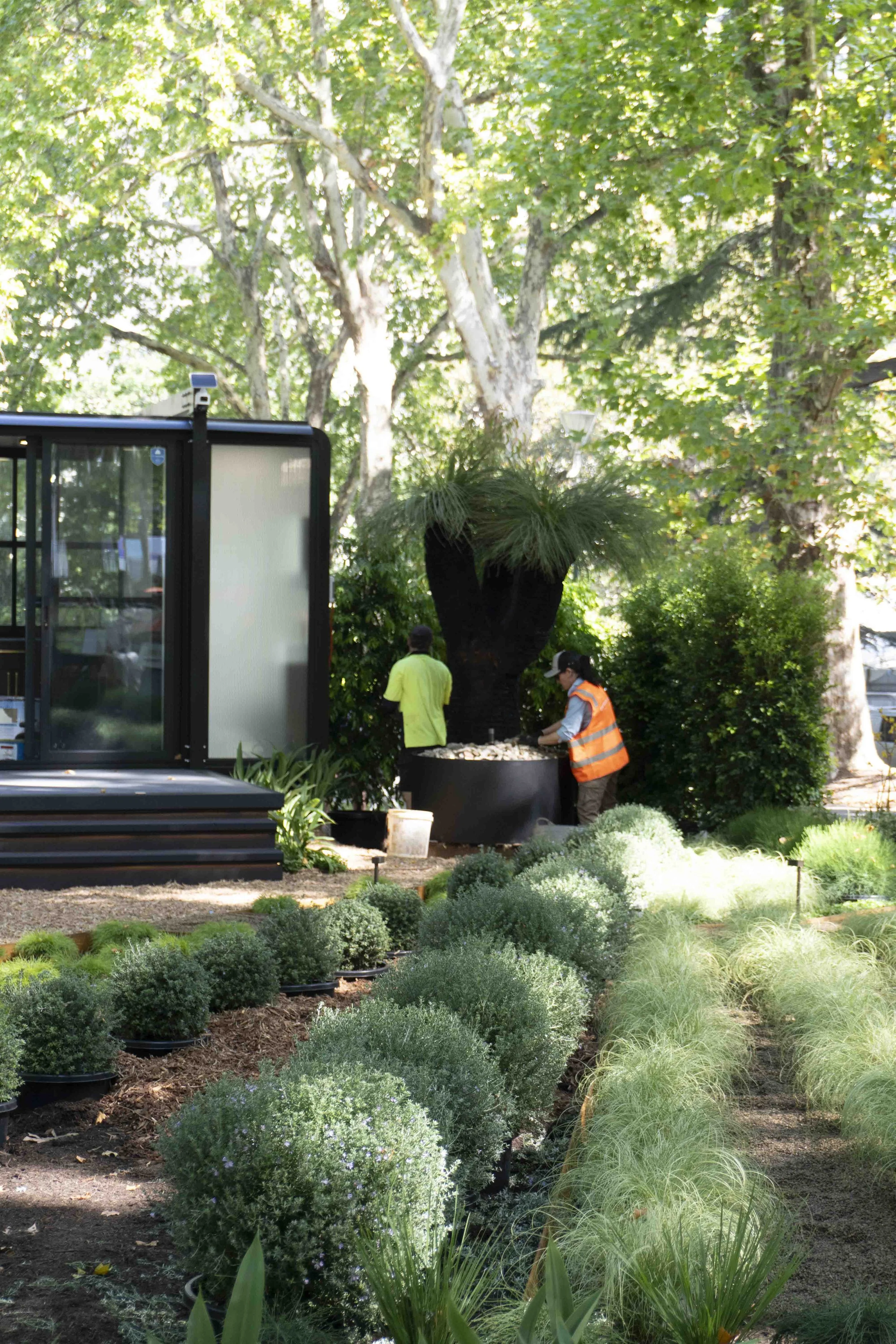
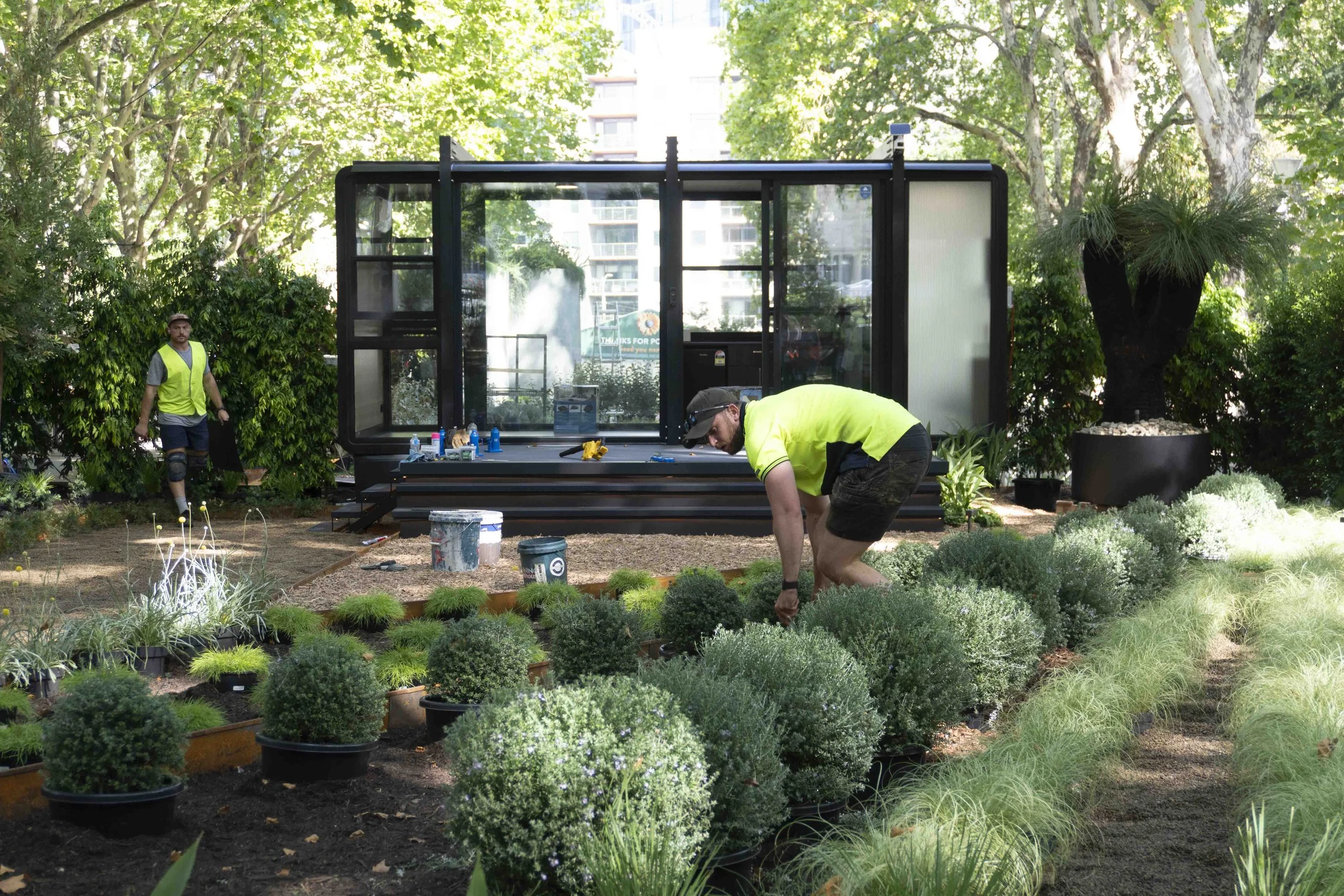
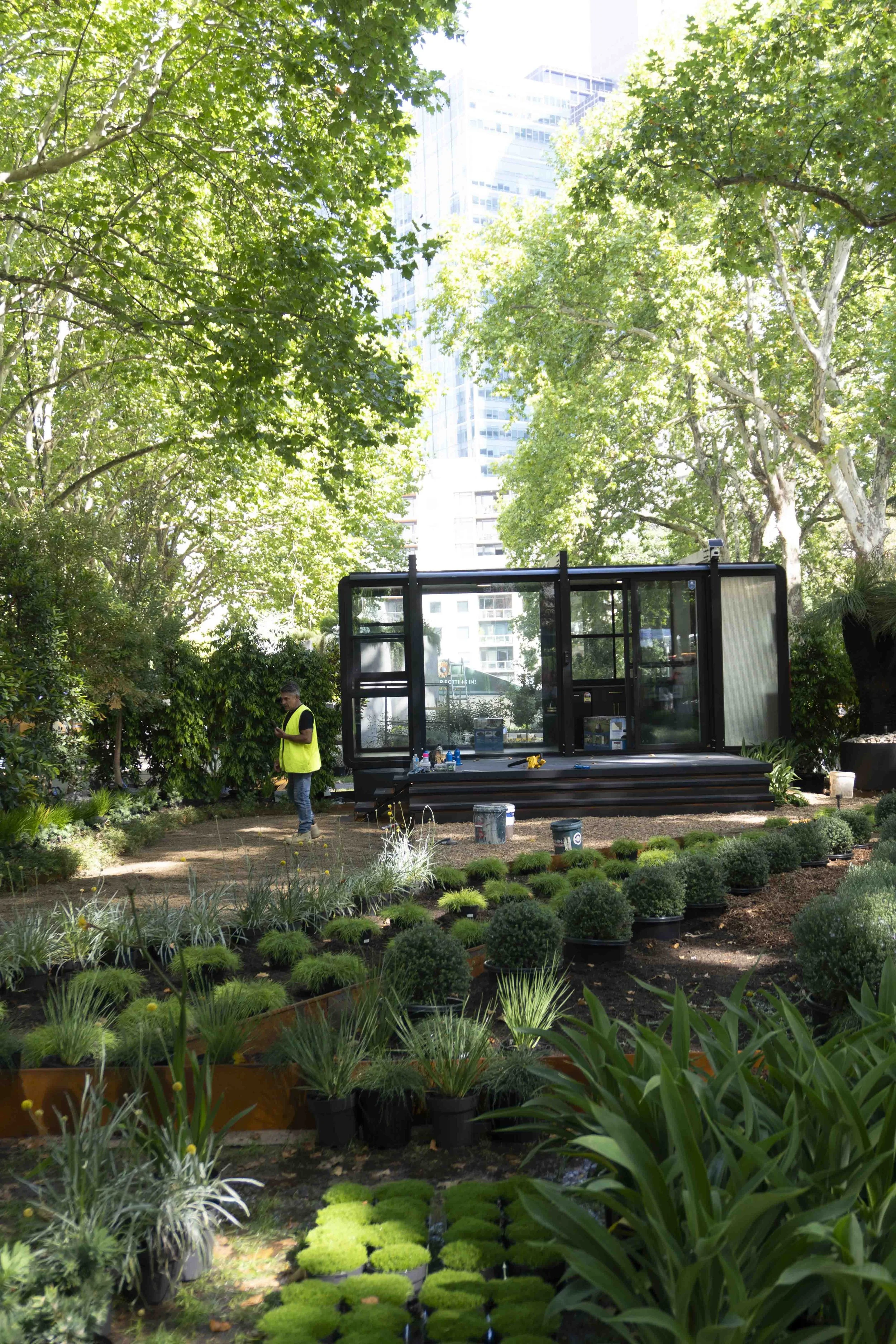
A key moment on the tour was A Creation With a Conscience by Jamie Durie, constructed by Semken Landscaping. It is a future-facing garden inspired by Jamie Durie’s Future House, developed with Eufy, Repurpose It, Semken Landscaping and Elsewhere Pods. It brings together sustainable materials, circular economy thinking, prefabricated living and smart home technology.
What feels especially important this year is not only Jamie’s garden itself, but the broader role of Repurpose It across the show. Repurpose is the Official Sustainability Sponsor and Industry Partner for 2026, supplying bark and sustainable materials to show gardens and then recovering organics, timber and construction materials after the show so they can be processed into new products. That’s something super impactful for a show garden program like this that literally uses hundreds and hundreds of square cubic metres of materials. It is one of the most compelling stories in this year’s show because it shifts sustainability from styling language into practical logistics and material afterlife. It asks what happens after the applause, after the judging, after the public has gone home.
Whether you are interested in design, technology, materials or industry change, that circular economy story is one worth paying attention to.
Small spaces, practical possibility, and the wider show
After the major show gardens, the day opened out into another layer of the event. The Challenger Achievable Gardens particularly stood out because they make space for emerging talent and practical, affordable garden ideas. There are 12 sustainable and affordable gardens created by students and emerging designers from institutions including Chisholm Institute, Melbourne Polytechnic, Bendigo Kangan, Holmesglen, London College of Garden Design and The Gordon.
The small-space categories are another strong part of the 2026 program showcasing Balcony Gardens, Border Gardens and the Australian Unity Hanging Basket Competition as part of this year’s offer. Not everyone has room for a sprawling showpiece garden, but almost everyone can learn something from a balcony, a border, a threshold, a container, or a tightly resolved small footprint.
We also visited the Indigenous Garden and the Beyond Blue Wellness Garden. Indigenous Garden as a collaboration for the third year between the Wurundjeri Council and Royal Botanic Gardens Victoria, inspired by Bolin Bolin Billabong and framed as an act of remembrance and renewal.
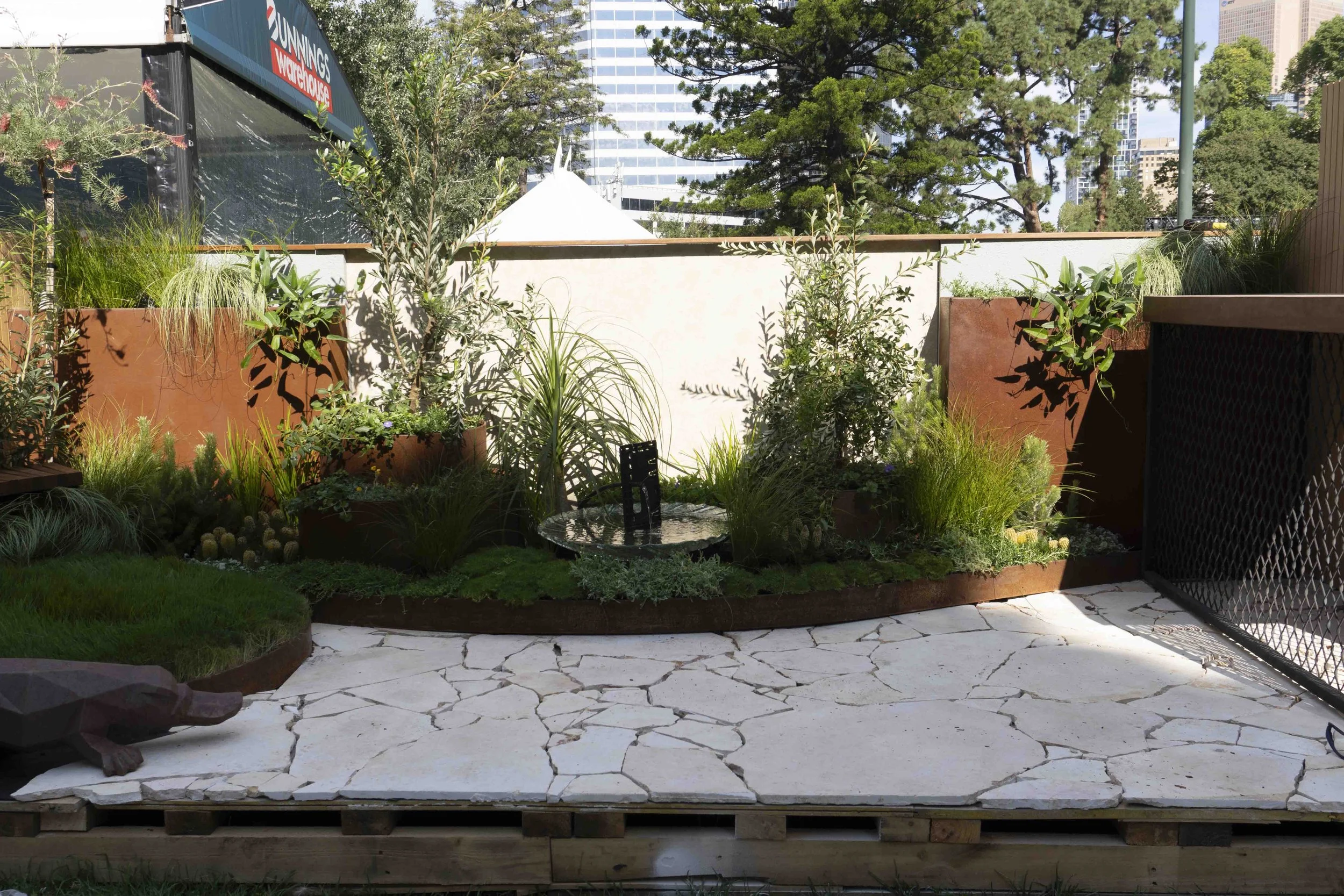
The Boutique Gardens were another highlight. Intimate 5 x 5 metre gardens where designers can push boundaries and show what compact residential-scale spaces can do. This year’s line-up includes Aaron Leslie and Kelsey Johns, Alannah Easton, Emily Rubira, Paul O’Hara and Galin Dimintrov, each with a very different proposition. There is something especially compelling about seeing ambition distilled into a small footprint. In some ways, those tighter spaces really do ask for sharper thinking.
Looking ahead to more stories from the show
I am so pleased to be spending more time with the broader feature program over Thursday and Friday in my capacity as media, writer and educator. One installation I am particularly keen to return to is Plant Futures, which brings Jac Semmler and Super Bloom into the wider 2026 story. This is an immersive living laboratory focused on climate-resilient, low-water planting, developed by Super Bloom, Heliotope Studio, Evergreen Infrastructure and Mood Construction, with a commitment to relocating the garden into public space after the event. This is a project that feels very aligned with the broader conversations I care about around resilient planting, beauty, public learning and what future-facing gardens can offer.
And that, perhaps, is the thing I left with most strongly yesterday. Right now the world feels super hectic and uncertain. There is a lot to be concerned about. But a show like this does not read to me as escapism. It reads as possibility. It is a place where people are testing ideas, sharing knowledge, building relationships, working across disciplines and asking better questions about materials, planting, liveability and care. It is also a place where the public can come and be inspired not only to admire, but to act. Sometimes that action is large. Sometimes it is very small. But small actions matter. Gardens teach us that.
The Melbourne International Flower and Garden Show runs from Wednesday 25 March to Sunday 29 March at the Royal Exhibition Building and Carlton Gardens. I’ll be there again on Thursday and Friday as media and I’m genuinely looking forward to connecting with exhibitors, designers and the public.
A heartfelt thank you again to Teena Crawford for her insight and generosity on the tour. If you are interested in Teena’s work, her book Plantology: The Essential Guide to Better Gardens, co-authored with Lisa Ellis, is an incredible reference for anyone wanting to think more deeply about plants and planting.
Join a workshop
Explore current workshops in the shop.
If you are building your garden from home right now, my e books on Wicking Bed Gardens and Introduction to Backyard Chicken Keeping offer practical step by step guidance that pairs well with the workshops.
A new date the for the Wicking Bed Garden workshop has also just been added for Sunday 17th May. Places are limited and almost sold out, so please get in quick if you have been wondering how you can grow more with less. You can book via the shop section of the website or here https://www.natashamorgan.com.au/shop/wicking-bed-garden-workshop-with-natasha-morgan
Continue your gardening journey with me
If you enjoy this kind of content, my workshops offer more detail and guidance on design, productivity and seasonal care.
If you are building your garden from home right now, my ebooks on Wicking Bed Gardens and Introduction to Backyard Chicken Keeping offer practical step by step guidance that pairs well with the workshops.
I share seasonal tips, behind the scenes at Little Cottage on a Hill, and new resources through my newsletter. Subscribe to receive my entire plant list from the garden as a personal thank you.
You may want to check out my related content below:
Cultivating beauty in a war zone – Alla Olkhovska’s garden of resistance - gardening as a form of survival. Of resistance. Of legacy.
Why I Grow. Why I Design. Why I Return. - Finding comfort in small daily acts.
Caring for Ornamental Grasses – When (and Whether) to Cut Back - As we head toward winter here in the southern hemisphere, it’s the time of year when I’m often asked: Should I be cutting back my grasses now?
Stay connected for more seasonal inspiration:
Instagram | Facebook | Gardenstead | LinkedIn | Pinterest | YouTube | Website | Newsletter
Thanks so much for following along.
Natasha xx
