May brings a quieter kind of momentum to the garden.
The intensity of summer has eased. The days are shorter, the mornings colder, and the garden begins to ask something different of us. This is not a month of urgency. It is a month for noticing. For clearing what is finished, preparing beds with care, and making considered decisions about what comes next.
In many parts of Australia, May is one of the most useful planting windows of the year. Soil still holds some warmth, but growth has steadied. Moisture lingers longer. New plantings often establish more reliably, especially in cool season vegetable beds and newly planted perennials. It is also a valuable time to pay attention to what the garden has shown you through summer and autumn. Where did crops perform well? Which spaces felt tired or overworked? Where is frost beginning to settle, or water beginning to sit?
I tend to think of May as a month for quiet structure. Not stripping the garden back, but strengthening what matters. Feeding the soil. Repairing supports. Planting for the months ahead. Observing first, then acting with a little more clarity.
Tasks for all Climates:
Plant trees, shrubs, climbers, and perennials while the soil still holds some warmth.
Lift and divide perennials that have outgrown their space, giving tired clumps a new lease on life.
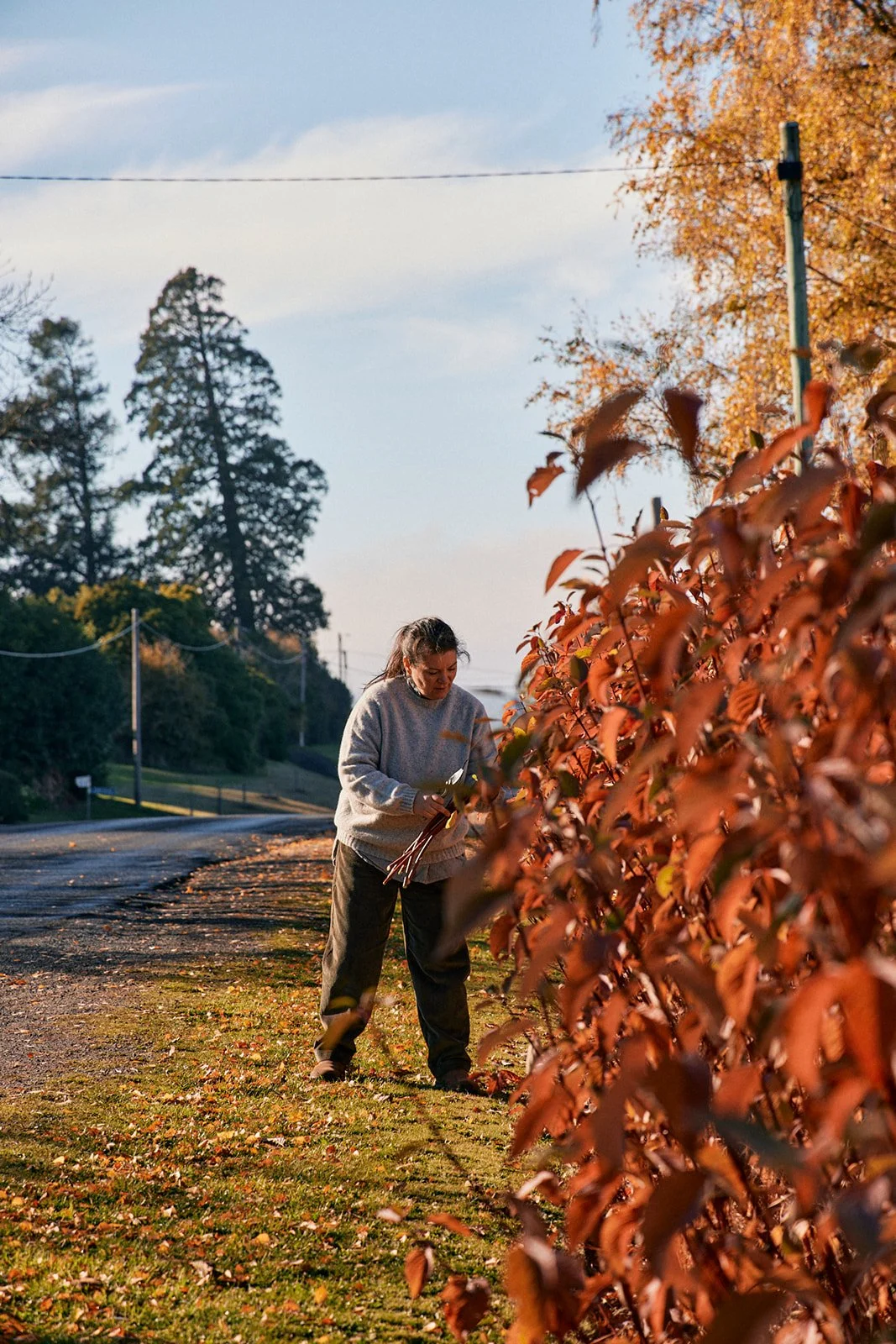
Cut back spent berry canes and tidy deciduous shrubs.
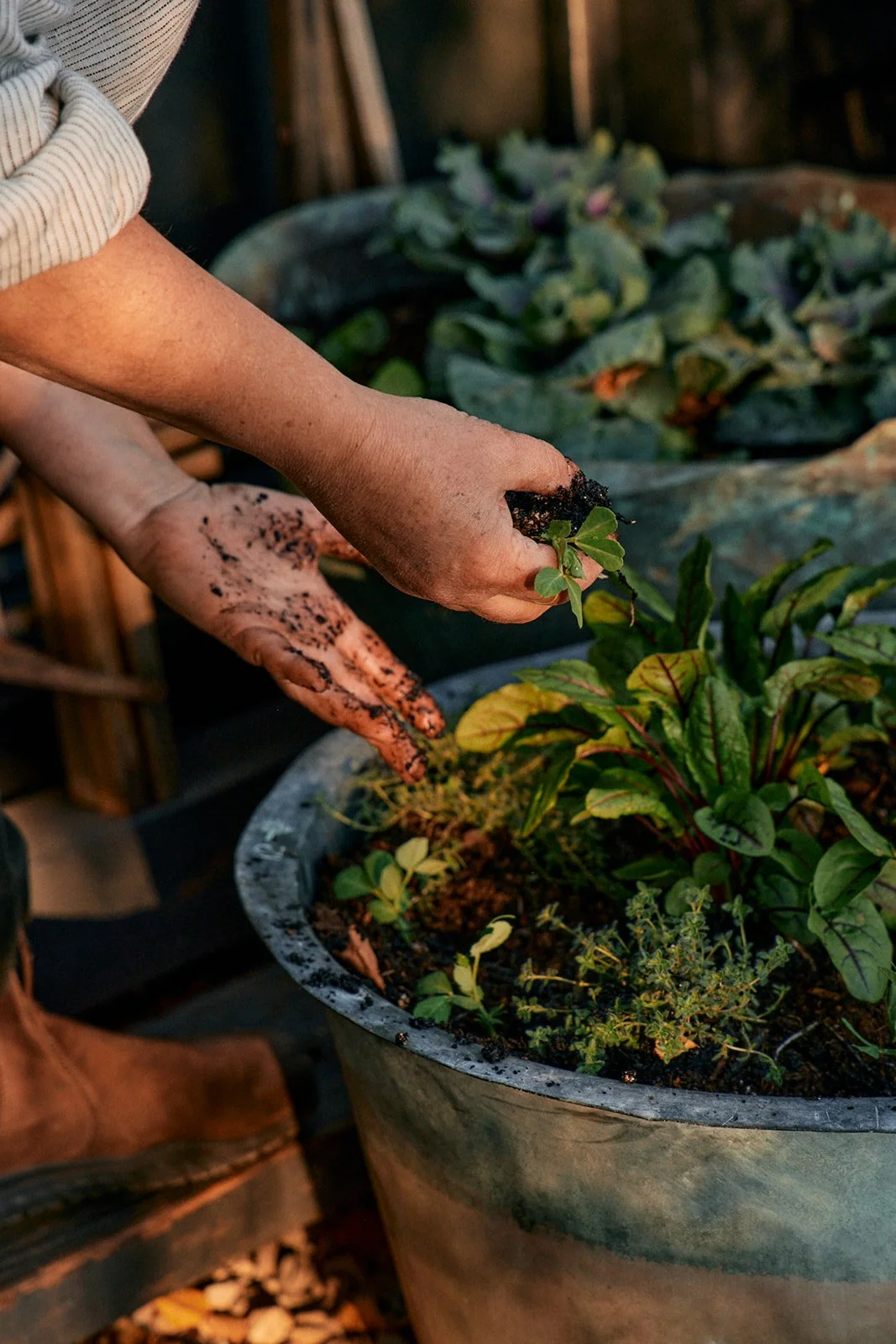
Compost fallen leaves, layering them to feed the soil.
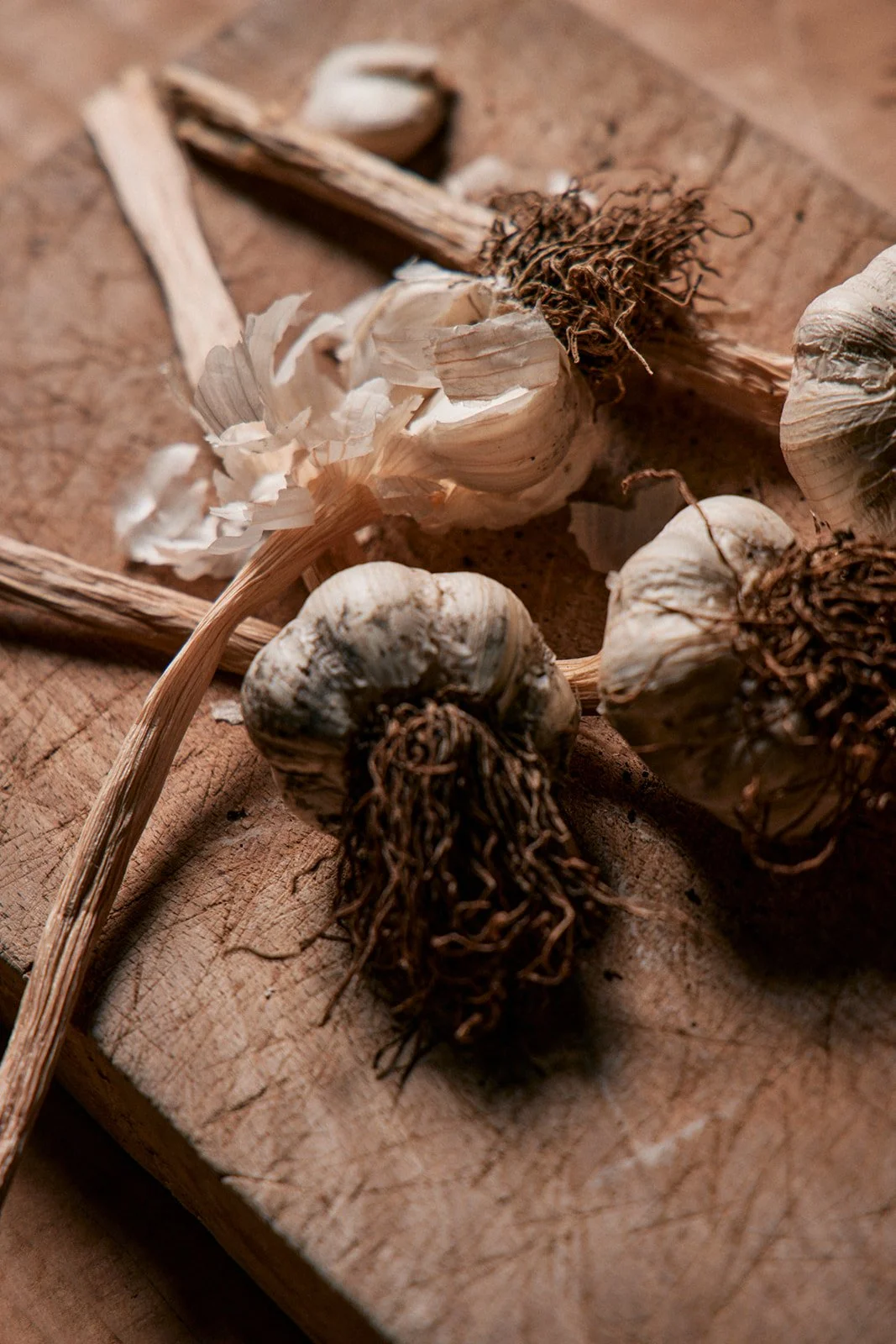
Sow green manure crops such as mustard or vetch, or plant broad beans in any bed you want to keep active while building the soil.
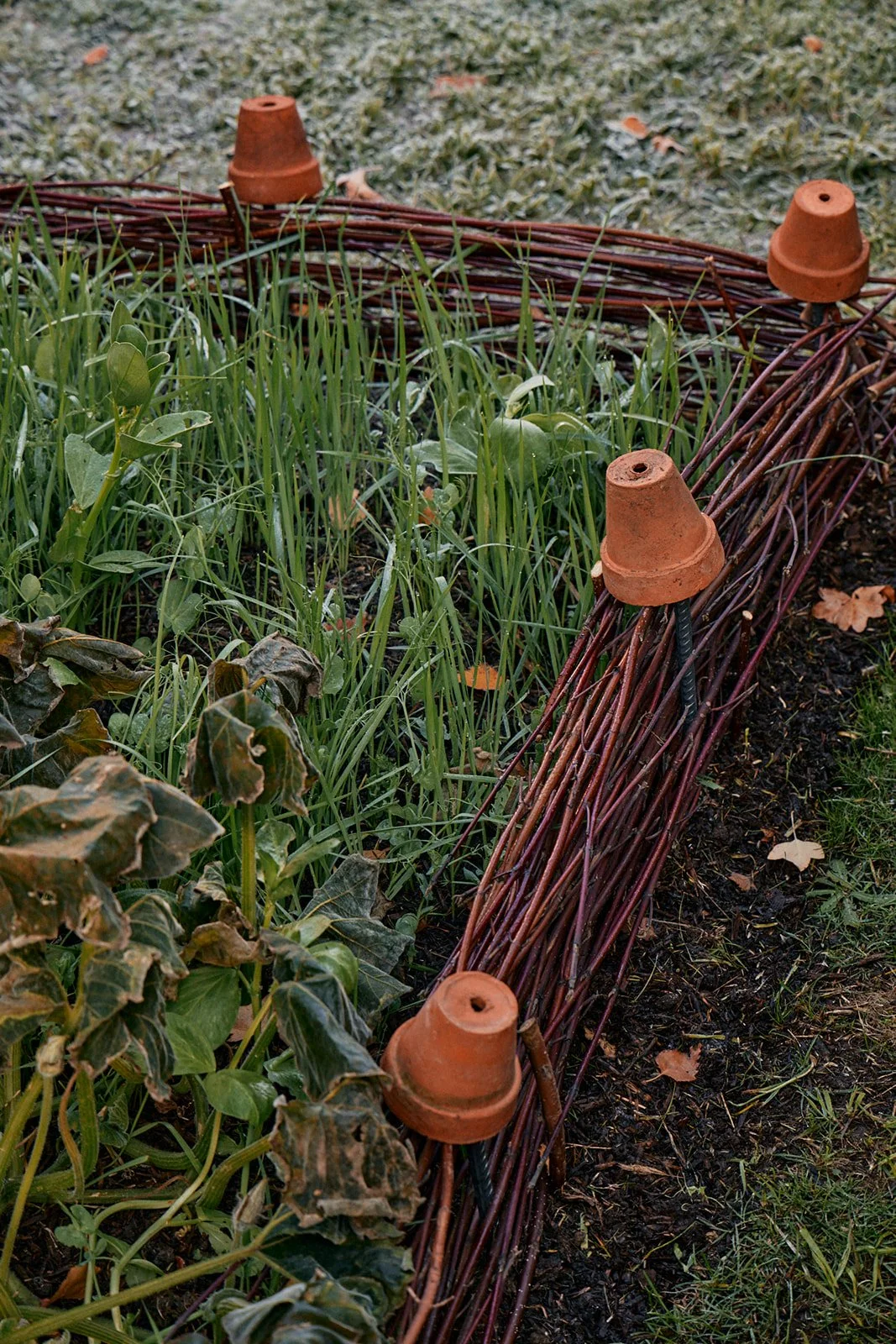
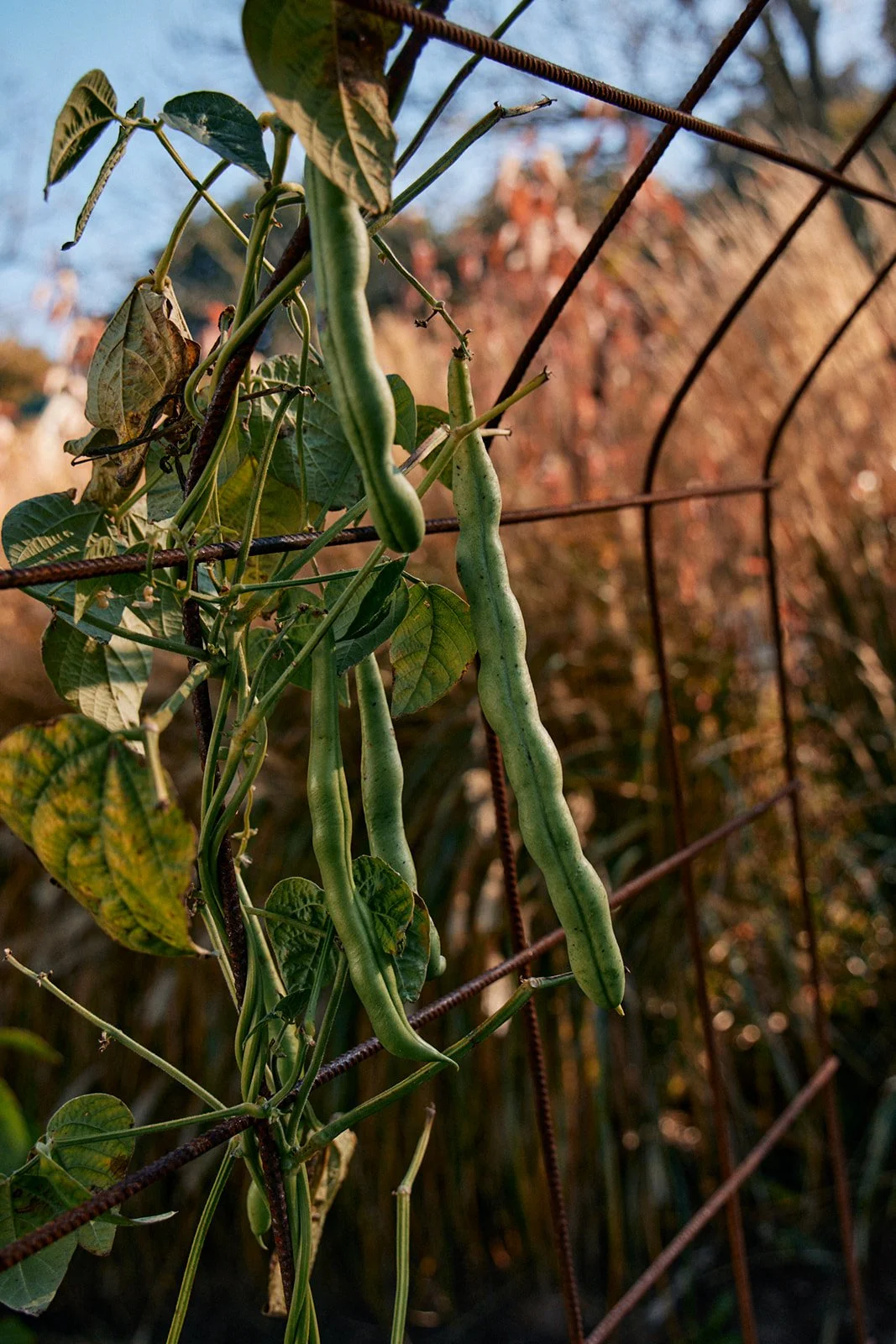
Strengthen the structure of your garden: repair trellises, replace stakes, check tree ties before the winter winds arrive.


What to sow and plant now, and tasks by climate.
Temperate
Seeds to sow now.
Edible: Lettuce, cauliflower, peas, coriander, broccoli, spring onion, onion, parsnip, pak choy, thyme, strawberries, chives, garlic, parsley, radish, rocket, shallots, spinach, mizuna, swedes and turnips.
Flowers: poppies, billy buttons, cornflower, delphinium, tansy, alyssum, cerinthe, love in the mist, hollyhock, lupin, pyrethrum.
Tasks:
Plant cool-season crops while soils are still workable.
Direct sow or plant hardy greens in succession rather than all at once, so you have a continuous harvest through the colder months.
Tidy and prepare beds for winter cropping by removing spent summer plants, adding compost and keeping the soil covered. I chop plants off at the ground, rather than pulling them out, so the roots can decompose in the soil.
Plant flowering annuals for winter and spring display such as alyssum, cornflower, delphinium, hollyhock, lupin and poppy, depending on your local frost level.
Watch moisture and airflow as the season cools. In temperate areas, May is a good time to shift from growth-at-all-costs into steadier maintenance: less frequent watering, better drainage awareness and closer observation of fungal issues.
Cool and Alpine
Seeds to sow now
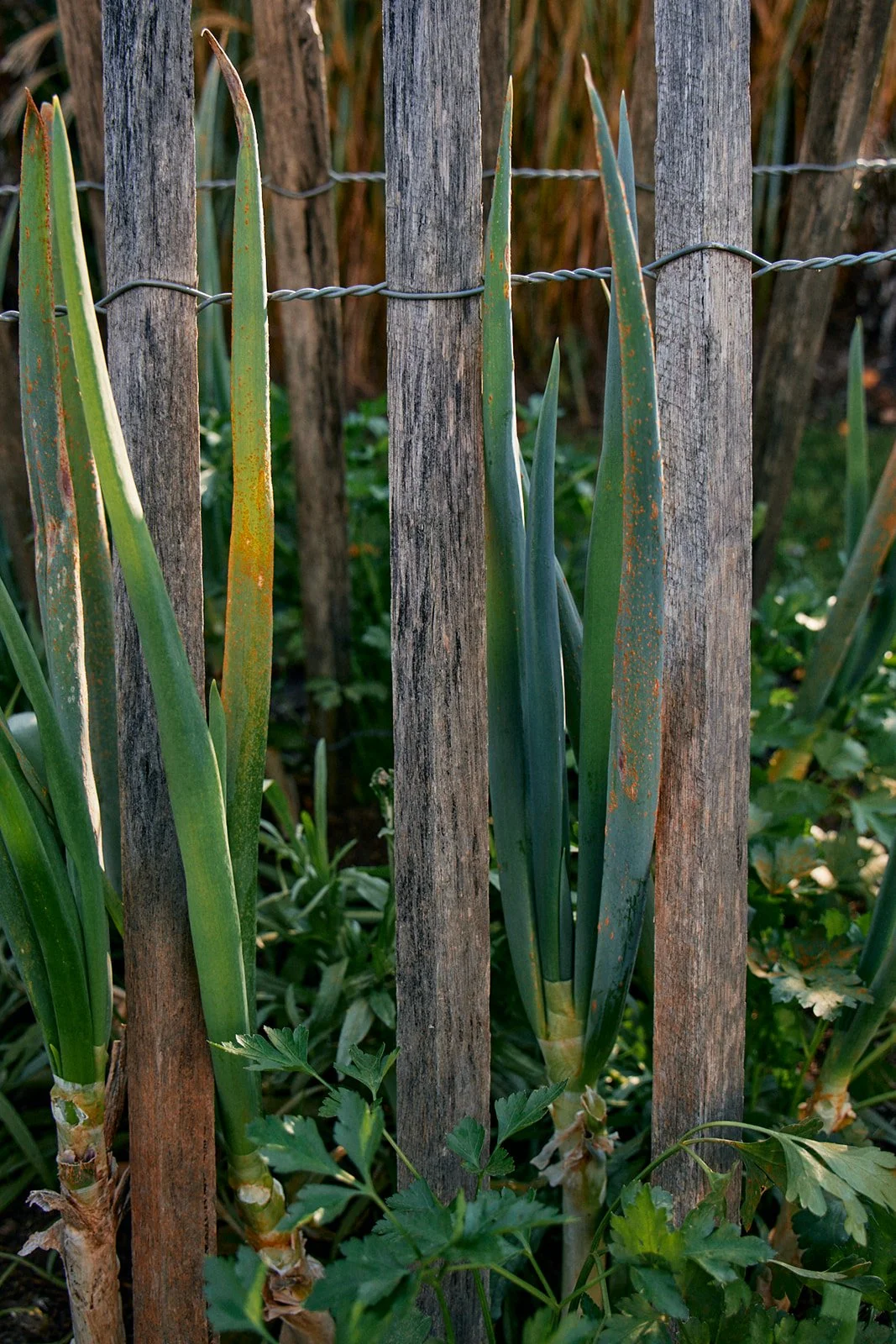
Edible: Broad beans, corn salad, garlic, mustard greens, rocket, shallots, spinach, spring onions.
Flowers: alyssum, billy buttons, cerinthe, corn cockle, false Queen Anne’s lace, hollyhock, poppy, pyrethrum, tansy and tulips.
Tasks:
Use frost to your advantage by continuing with cold-loving crops and planning around frost pockets rather than fighting them. Frost sweetens brassicas and root veg. May is the right time to notice how cold settles across the garden.
Divide or tidy perennial edibles such as rhubarb while growth is slowing.
Mulch and protect soil before winter deepens, especially around garlic, leafy greens and any newly planted seedlings. In cool zones, getting beds covered before the harshest cold is more useful than leaving them exposed.
Sow or plant cold-season flowers for later colour. Tulips are also typically planted from late autumn into early winter.
Plant the hardiest edibles only now, such as beans, garlic, spring onion.
Subtropical
Seeds to sow now:
Edible: Beetroot, broad beans, broccoli, burdock, cabbage, carrot, cauliflower, celeriac, celery, chicory, chives, collard greens, coriander, dill, endive, fennel, garlic, kale, kohlrabi, lettuce, mizuna, mustard greens, onion, oregano, pak choy, parsley, peas, potatoes, radish, rocket, shallots and strawberry runners
Flowers: nasturtium, poppy, pyrethrum, salvia, Sturt’s Desert Pea, sunflower, sweet pea, tansy, viola and zinnia.
Tasks:
Plant your main cool-season crops now. May is one of the best windows for broccoli, cabbage, cauliflower, carrot, beetroot, celery, fennel, kale, lettuce, peas, garlic and shallots in subtropical gardens.
Get root crops in promptly while conditions are still mild. Carrots, beetroot, radish and onions are all suited to this period in subtropical areas.
Feed and reset beds after summer exhaustion with compost, mulch and light cultivation where needed. May is very much about slowing down, tending and re-establishing what matters most.
Plant strawberries or strawberry runners if your local conditions suit it.
Sow or plant seasonal flowers such as nasturtium, poppy, salvia, sunflower, sweet pea, viola and zinnia to carry colour and pollinator interest into the cooler months.
Tropical
Seeds to sow now:
Edible: amaranth, angelica, asparagus, asparagus pea, basil, climbing beans, bush beans, beetroot, borage, broccoli, cabbage, capsicum, carrot, cauliflower, celery, chicory, chilli, chives, choko, collards, coriander, cucumber, daikon, dill, eggplant, endive, fennel, tarragon, garlic, ginger, globe artichokes, horseradish, kale, kohlrabi, leeks, lemon balm, lettuce, luffa, marrow, mint, mizuna, mustard greens, Warrigal greens, okra, oregano, pak choy, parsley, peas, potatoes, pumpkin, radish, rocket, rockmelon, rosemary and sage
Flowers: alyssum, borage, calendula, cleome, cosmos, marigold, nasturtium, salvia, sunflower and zinnia.
Tasks:
Make the most of the broad May planting window. Tropical gardeners can still plant a wide range of crops now.
Sow in stages rather than all at once, particularly for fast crops such as beans, lettuce, Asian greens and herbs, so you do not end up with a glut all at the same time. Tropical conditions can still drive quick growth.
Keep on top of pest pressure and airflow. Warm, humid conditions can still favour mildew, caterpillars and fungal issues, so spacing, pruning and regular checks matter.
Refresh beds with compost and organic matter before planting heavy feeders such as brassicas, cucurbits and fruiting crops. Tropical gardens can keep producing hard, so soil replenishment remains important.
Add flowering support plants such as calendula, cosmos, marigold, nasturtium, sunflower and zinnia to attract beneficial insects and keep the garden lively.
Arid
Seeds to sow now:
Edible: beetroot, broad beans, broccoli, burdock, cabbage, carrot, cauliflower, celery, chicory, collard greens, dill, endive, garlic, Jerusalem artichokes, kale, kohlrabi, leeks, lemon balm, lettuce, mustard greens, onions, pak choy, parsley, parsnip, peas, radish, rocket, silverbeet, snow peas, spinach, strawberries, swedes, thyme and turnips.
Flowers: alyssum, bergamot, calendula, Canterbury bells, cerinthe, corn cockle, cornflower, delphinium, false Queen Anne’s lace, hollyhock, lupin, mignonette, poppy, pyrethrum, sweet pea, tansy and viola.
Tasks:
Use May as a key planting window for cool season food crops. In arid gardens, it is often one of the more forgiving planting times of the year.
Prioritise soil preparation before planting by adding compost and organic matter. In arid gardens, improved water-holding capacity and soil structure are essential for success.
Mulch deeply after planting to reduce evaporation and buffer temperature swings. Even as temperatures fall, moisture conservation remains one of the most important jobs.
Watch for frost as well as dryness. Arid does not mean frost-free, and May can bring sharp overnight drops, so newly planted crops may still need protection depending on your local site.
Add tough seasonal flowers suited to autumn sowing.
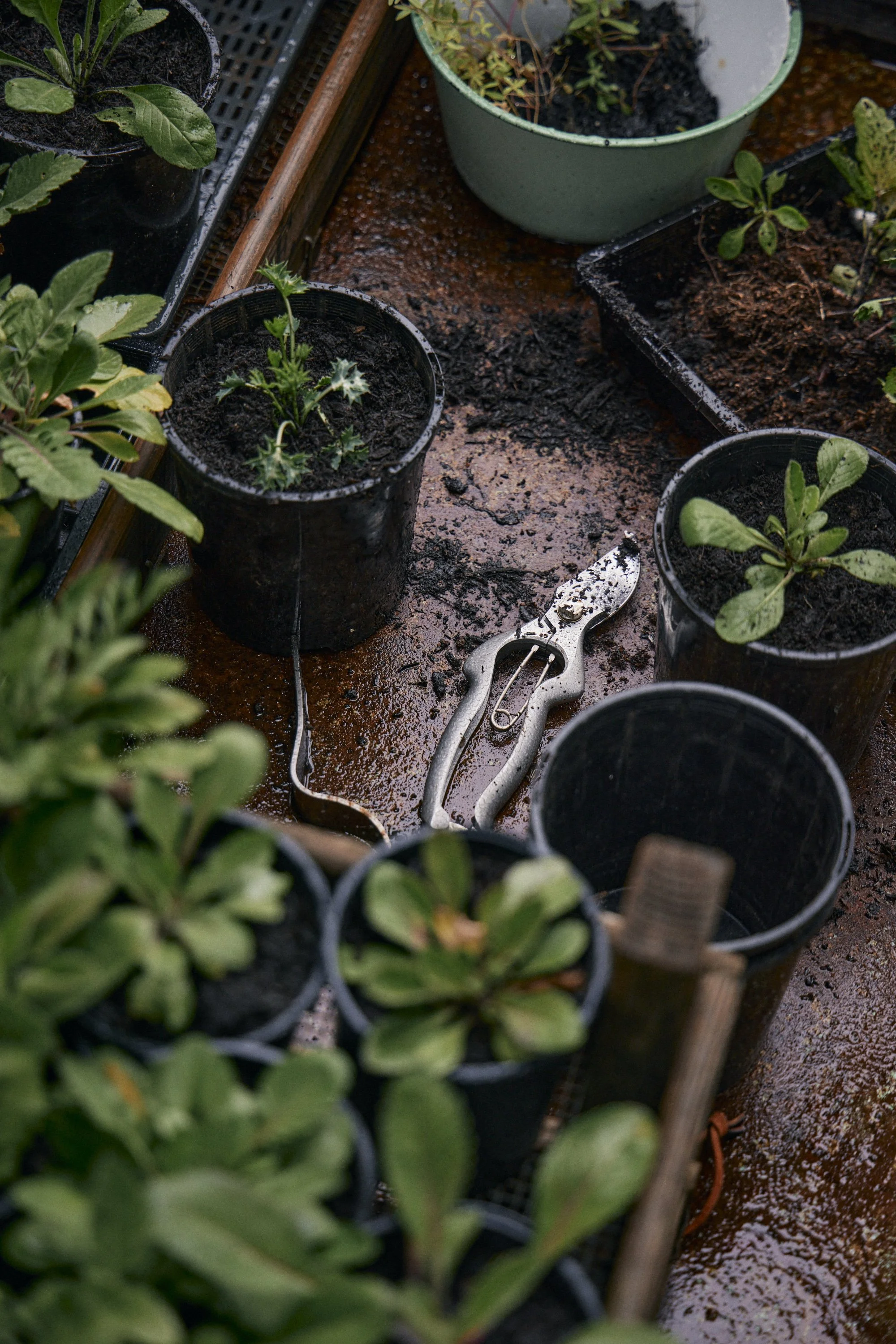
How I work with May.
I see May as a month of consolidation. The rush has passed, but the garden is not asleep. It is still moving, just more slowly, and that slower pace makes it easier to see what needs attention.
This is the month I start thinking more carefully about structure. I clear only what is properly finished. I feed beds that will carry winter crops. I mulch exposed soil. I check ties, arches and trellises before the weather turns rougher. And I pay close attention to how cold, moisture and shade are beginning to behave across the garden.
I am also thinking about continuity. I do not want bare gaps sitting for too long or soil left exposed through winter. This is something I talk to Matthew Evan’s, of Fat Pig Farm and author of Soil, in my book, The Productive Garden Companion.
I want the garden to keep carrying itself forward. That might mean succession sowing leafy greens, replanting a bed as soon as it opens up, or putting in something simple that protects and improves the soil while I decide what comes next.
May rewards that kind of steady, practical care.
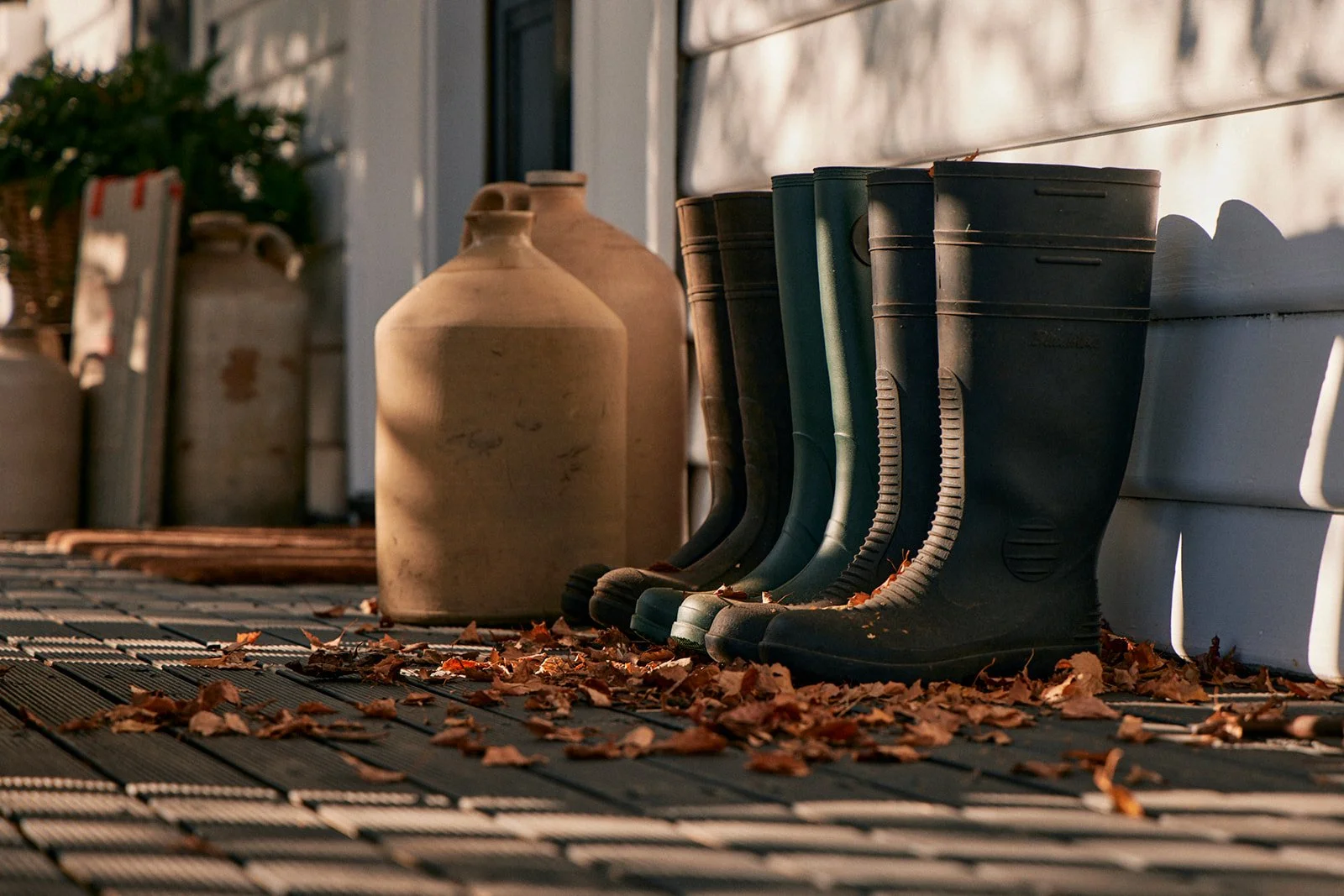
Quick checklist.
Clear out truly spent summer crops and tidy only what is finished.
Add compost or well-rotted organic matter to any beds you plan to plant next.
Mulch exposed soil to protect structure, hold moisture and buffer temperature shifts.
Plant or sow what suits your climate now, especially cool-season edibles in temperate, cool/alpine, sub-tropical and arid regions.
Weed early while the ground is still softer and easier to work.
Check trellises, ties, arches and other supports before late-autumn and winter winds strengthen.
Watch how water moves through the garden after rain and fix any drainage issues before winter deepens.
Notice frost pockets, shade shifts and wind exposure so you can plant more intelligently.
Keep succession sowing going for leafy greens, herbs or other quick crops where your climate allows.
Pause and observe what actually worked this season before making new decisions.
Continue your gardening journey with me
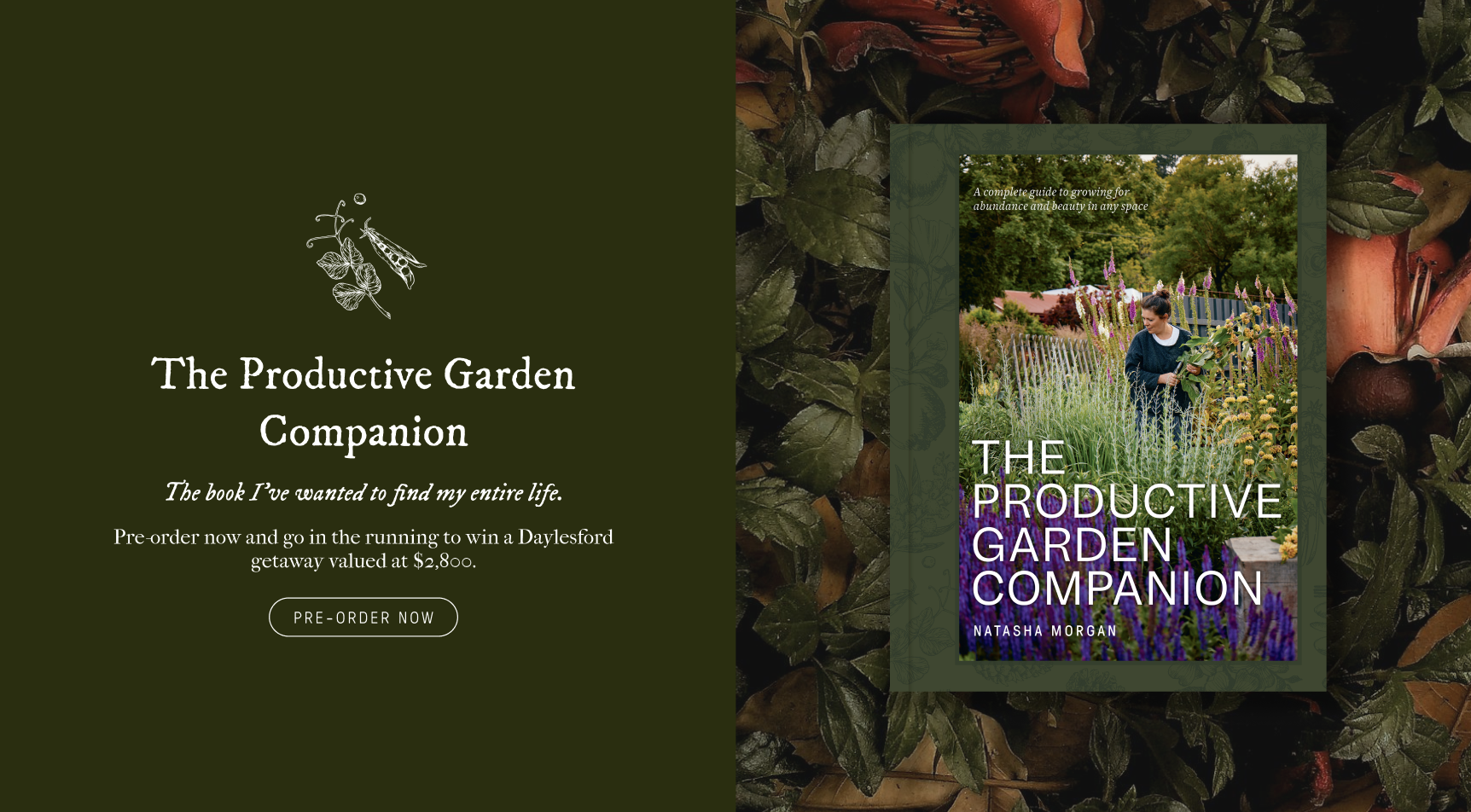
If you enjoy this kind of content, my workshops offer more detail and guidance on design, productivity and seasonal care. May is also a great month to sign up to my newsletter if you do not already subscribe, where you can find out more about an exciting giveaway I am running for those who pre-order a copy of my book The Productive Garden Companion.
If you are building your garden from home right now, my ebooks onWicking Bed Gardens andIntroduction to Backyard Chicken Keeping offer practical step by step guidance that pairs well with the workshops.
You may want to check out my related content below:
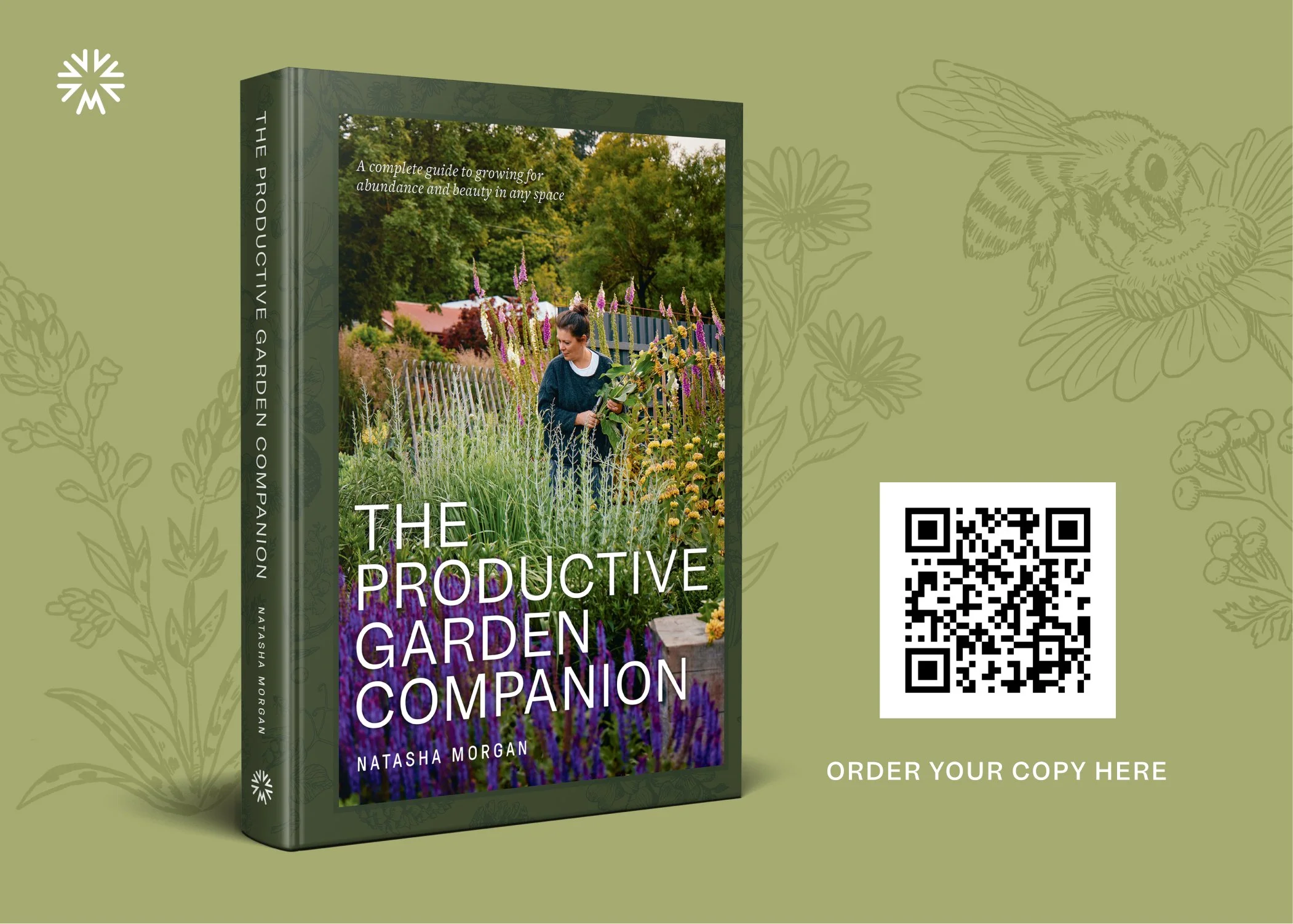
The Productive Garden Companion is now available to pre-order - This is the book I’ve wanted to find my entire life.
Beauty, Tending, Belonging: Why I Keep Growing Things - Growing things is how I remember who I am.
The Medicinal Garden Workshop with Caroline Parker & Natasha Morgan — Step into the magic of nature
Stay connected for more seasonal inspiration:
Instagram | Facebook | Gardenstead | LinkedIn | Pinterest | YouTube | Website | Newsletter
Thanks so much for following along.
Natasha xx